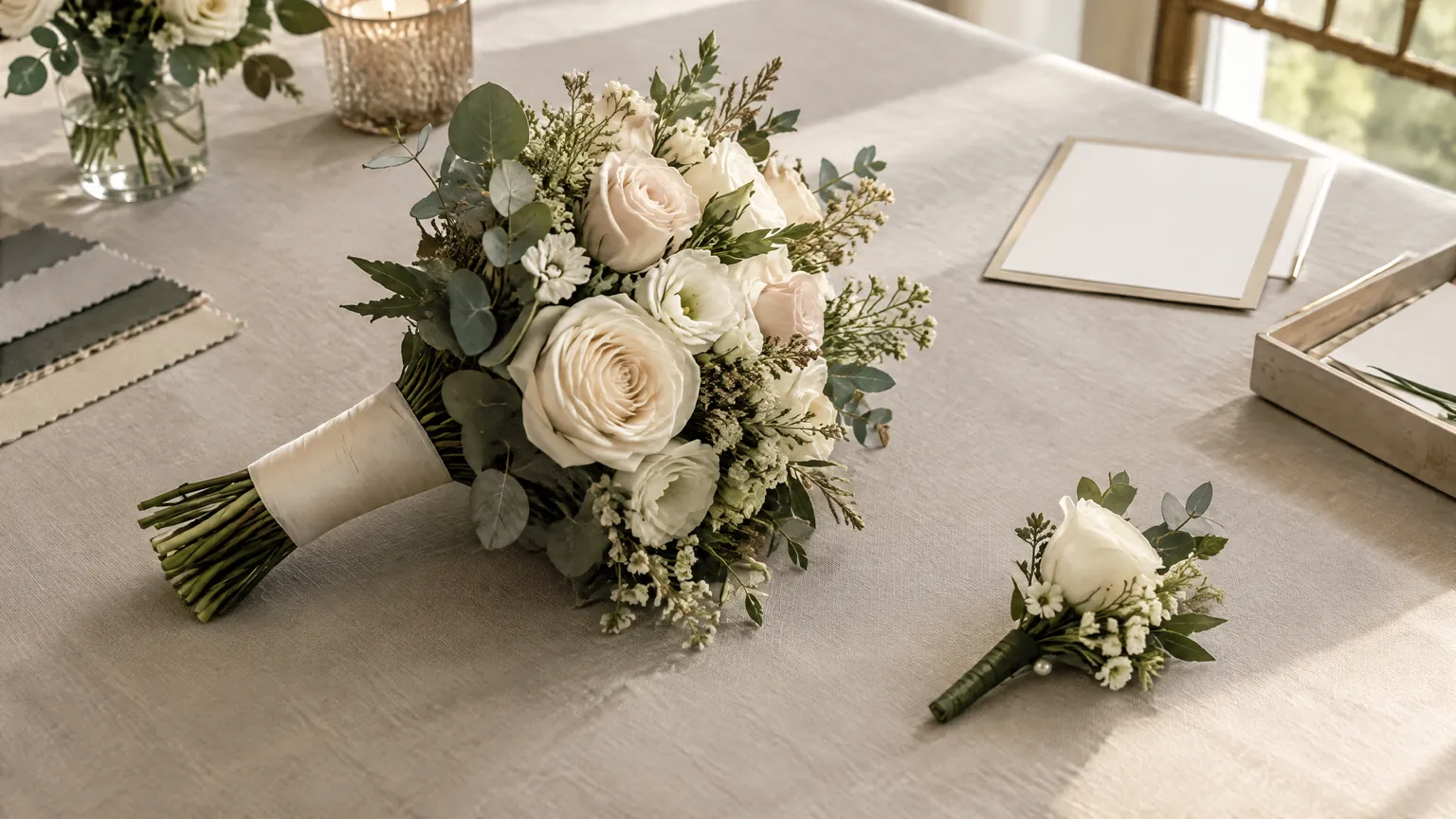
Keep a Proposal Flower Brief Personal, Private and Permission-Led
GotGear and YumYum (including its gifting, baking and florist branches) share an owner; this collection is not an independent recommendation. GotGear does not provide catering, gifting, cake, floral, tuition or rental services. External-service information is separate from GotGear’s equipment catalogue; confirm the actual scope with the relevant provider. Articles are general planning information, with no promises about supply, arrangements or outcomes. Concept photos are not records of real events, customers or classes.
The short answer
Start with what your partner would welcome: flowers they actually like, a setting where they can respond freely, and separate choices about guests, photographs and sharing. Turn those preferences into a short floral brief, then confirm the design, substitutions and handover rather than assuming a proposal package includes everything.
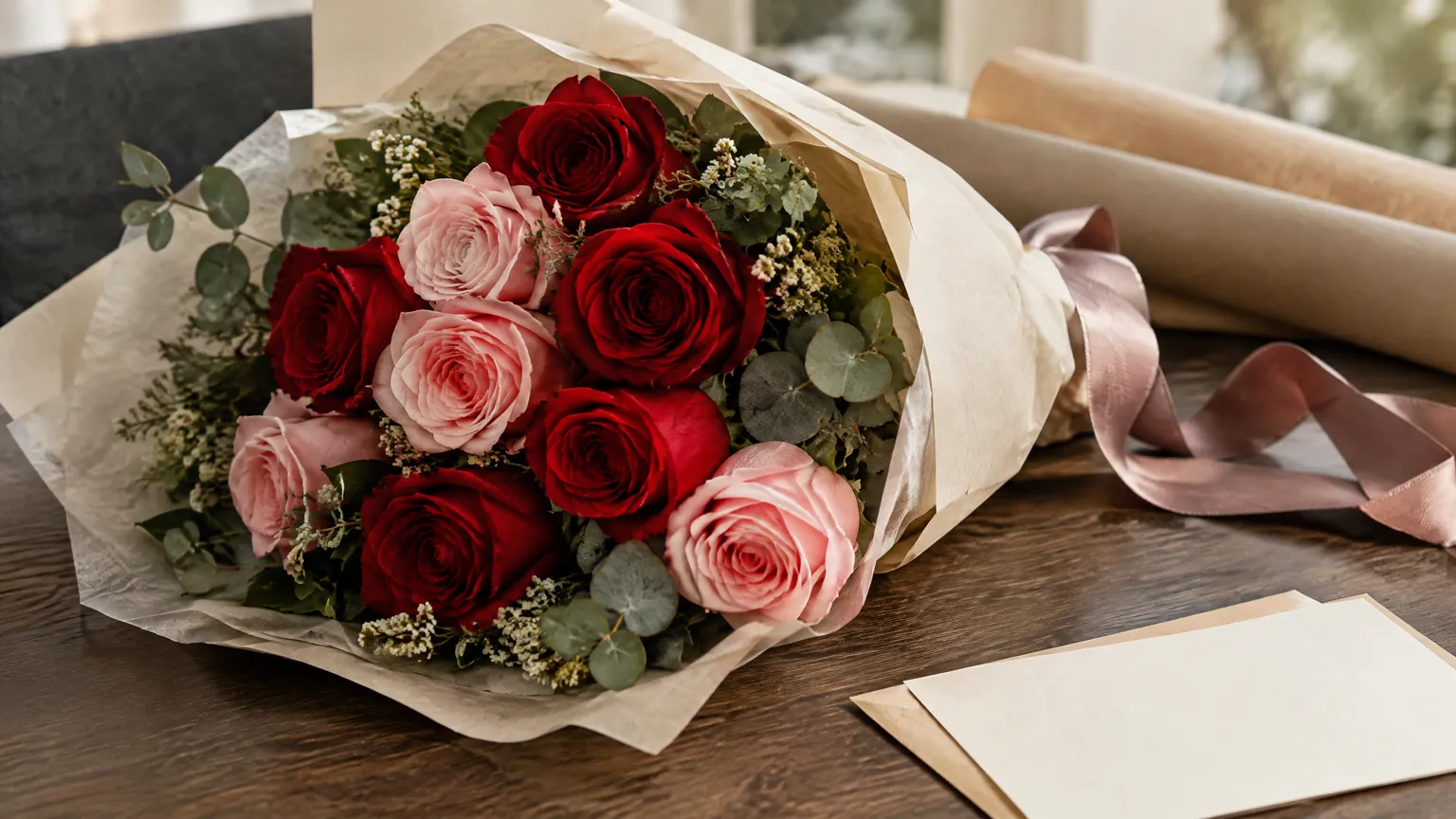
Start with what your partner would welcome: flowers they actually like, a setting where they can respond freely, and separate choices about guests, photographs and sharing. Turn those preferences into a short floral brief, then confirm the design, substitutions and handover rather than assuming a proposal package includes everything. The flowers should support a conversation between you, not make it harder for either person to pause or change the plan.
GotGear and YumYum share an owner. This is their same-owner planning journal, not an independent provider endorsement. GotGear publishes the guide; it does not provide food, floral, gift, class or rental services.
Begin with the person, not the reveal
A proposal can contain a surprise without making every part a surprise. Discussing marriage beforehand is different from revealing the exact date or flowers. If you do not know whether your partner wants to marry, a bouquet cannot settle that question. Keep the relationship conversation separate from the decorative plan, and do not use invited friends or a public audience to press for an immediate answer.
Think about how your partner receives ordinary gifts. Do they enjoy carrying flowers, prefer something already arranged for a shelf, or dislike being the centre of attention? A partner who loves floral colours at home may still dislike a bouquet appearing at their Central office. A workplace is not automatically an appropriate proposal setting simply because reception can accept a parcel.
Ask about the boundary rather than trying to extract every design detail. Useful questions include whether they prefer important conversations privately, whether surprise gifts at work are welcome, and whether they would want family present or informed afterwards. Their answers can guide the occasion while leaving the specific arrangement undisclosed. If preferences are unclear, choose less exposure rather than interpreting uncertainty as agreement.
Separate the audience from the camera
Being comfortable with a friend nearby does not tell you whether filming is welcome. Discuss guests, recording and publication as separate choices. Someone might enjoy a photograph taken after the conversation but dislike a camera recording their first reaction. Another person might welcome a private album but not a workplace announcement. There is no need to turn these preferences into an elaborate agreement; make the boundaries understandable to everyone helping.
The Hong Kong Privacy Commissioner warns that tagging friends or sharing their information can reveal personal data without their knowledge or consent. The regulator also notes that even narrowly shared information can be forwarded widely.1 For this occasion, a practical default is no live stream, no automatic tags and no posting until both people have chosen what to share. That is a planning recommendation, not a statement that all private photography is governed by the same legal rule.
Translate preferences into flowers without a secret code
Start your design notes with things you have actually heard or observed. Record a favourite colour, a flower your partner has mentioned, a preference for neat shapes or loose arrangements, and anything they dislike. Do not treat their clothing colour as conclusive evidence of a floral preference. If an observation is only a guess, label it as such so it does not become a non-negotiable instruction.
A rose bouquet can provide a useful starting point for comparing colour and presentation, but its supposed message should not replace your own words. Choose red or pink because your partner likes it, not because a colour chart says they must understand a particular promise. The linked page discusses colours, counts and arrangement formats; confirm the actual flowers and finished form rather than assuming every example is available.
You do not need a symbolic stem count to make the flowers personal. If a particular number has meaning you both recognise, explain that meaning in your enquiry. Otherwise, describe the intended size and carrying needs. A count alone says little about the wrapped width, weight or amount of foliage, and it should not become a test of affection.
Keep meaningful details specific and optional
A modest reference can be more useful than a full relationship history. For example, you might request a ribbon in a colour associated with a shared outing, or a soft mixed palette your partner has previously admired. Tell the florist which part matters and which part is flexible. A memory can guide a design without requiring a literal replica of another bouquet.
For the card, use a line you are comfortable having your partner read privately. Keep the proposal conversation for the moment itself rather than placing intimate questions on an outside label. If you use a pet name, check the spelling and ask where the card will sit. No recipient should have to discover a personal message through a reception desk or an open group chat.
Choose a form that fits the journey and the pause
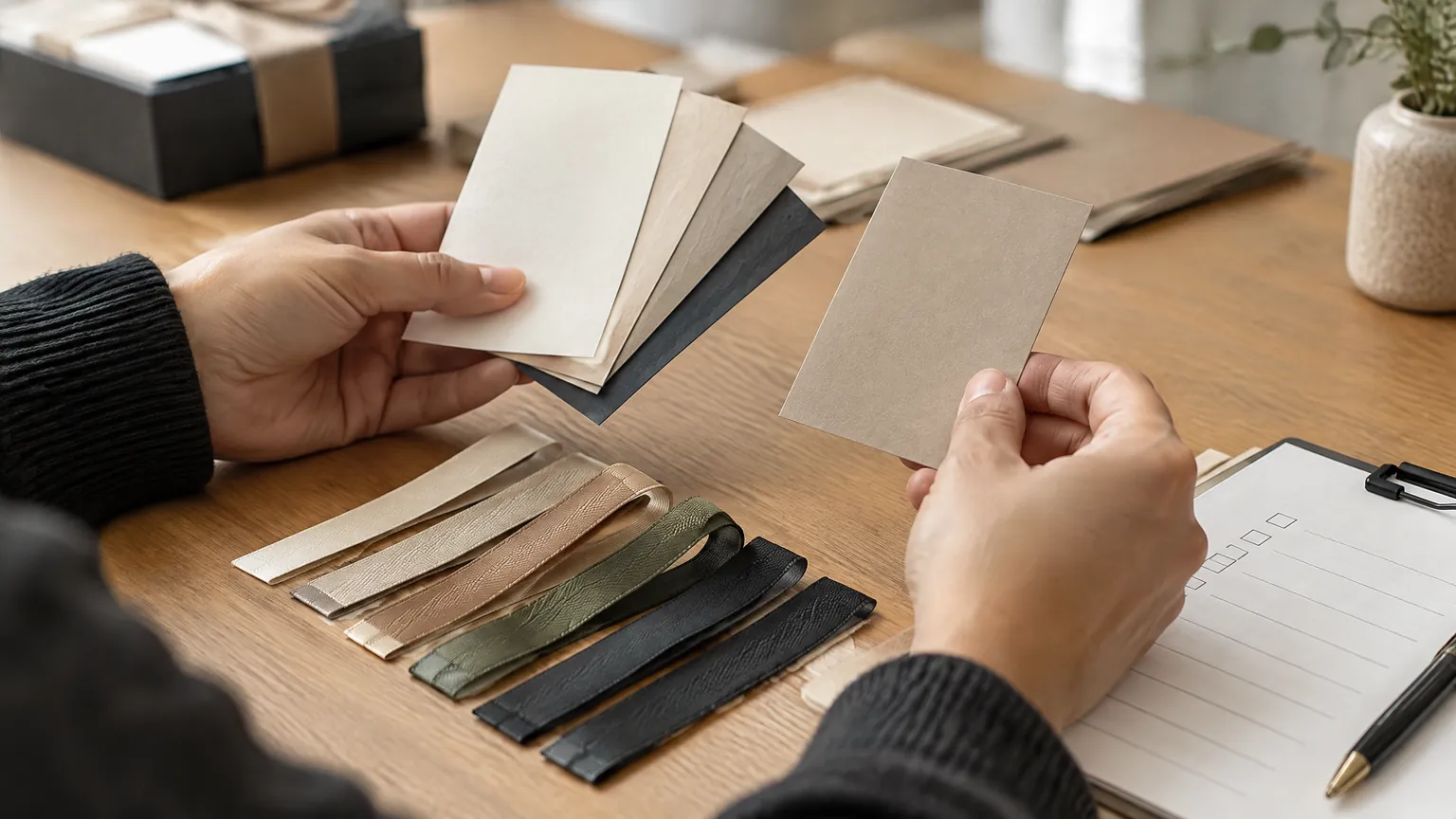
Imagine the whole evening, not only the first photograph. If you will meet after work and travel on the MTR, someone must carry the flowers alongside a bag and phone. If the conversation takes place at home, the arrangement needs a place to rest without occupying the only clear surface. Ask for the finished dimensions and whether the bouquet can be put down securely before making a large design central to your plan.
Use the proposal bouquet catalogue as a design reference, then describe the actual setting and journey in your enquiry. A bouquet listing is not confirmation of a photographer, venue booking, hidden setup or coordinated reveal. Choose a manageable style and ask separately what the florist can supply, how it will be protected and who will handle each part of the occasion.
Compare a hand-held arrangement with a small flower box or another display format according to your partner's habits. A hand-held design may suit a short journey, while a container may suit a known shelf or table. Neither is universally easier: a box still takes up space and may need upright support. Confirm whether a container is included and how its flower materials should be cared for.
In a shared Hong Kong flat, the entrance may also be someone else's route home. Place the flowers inside the agreed private space rather than creating a display in the lift lobby. For a small indoor gathering room, identify a stable resting surface and keep the entrance usable. Avoid making a wall of flowers or a floor display part of the plan unless the venue has explicitly agreed to the arrangement.
Do not let a seasonal occasion set the relationship timetable
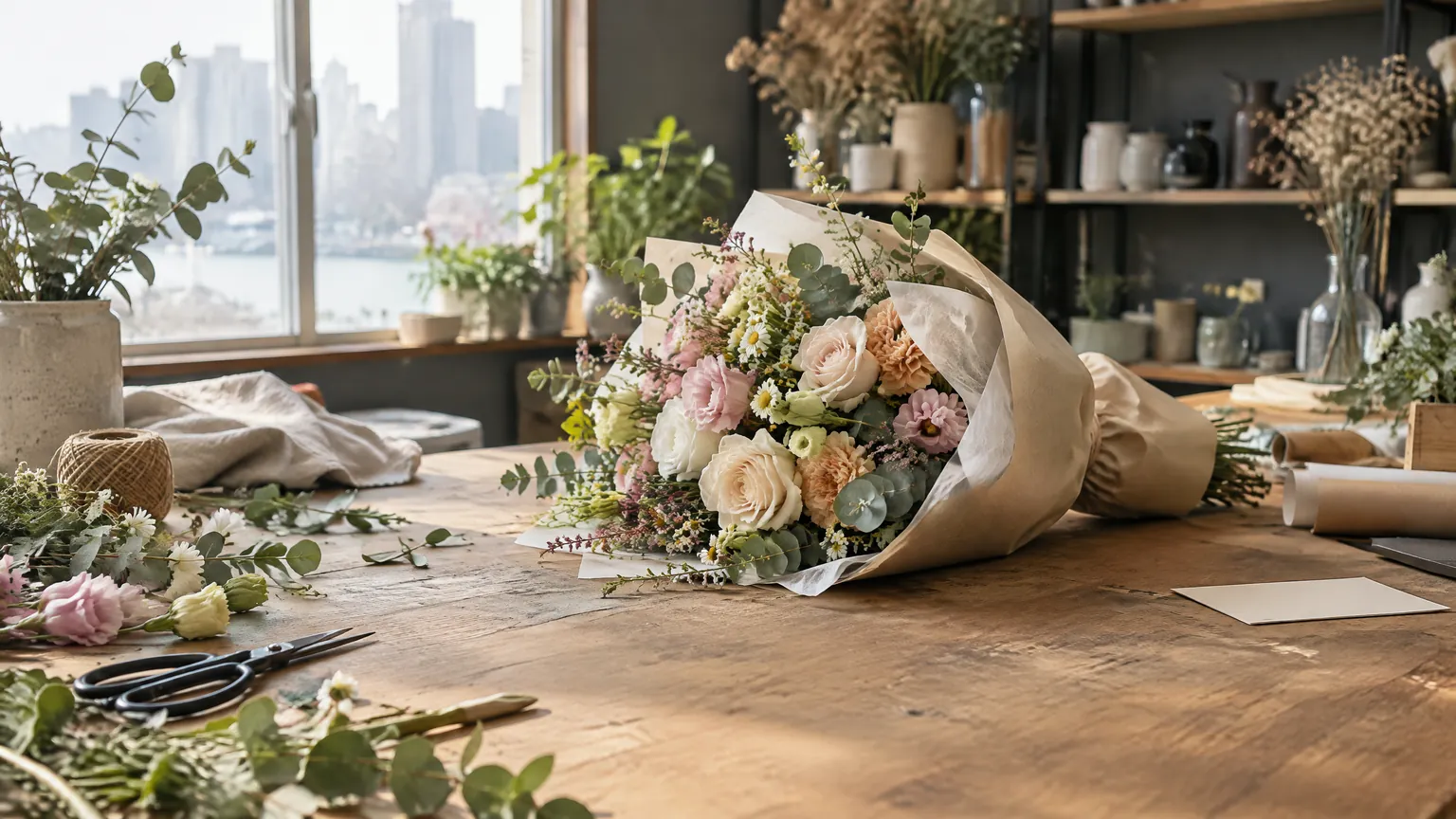
A familiar romantic date may feel convenient, but it should not decide whether your partner is ready for a proposal. Keep the celebration and the marriage question distinct. If the date matters to both of you, explain why in the card or conversation; do not assume the calendar supplies a shared meaning. A quiet proposal on another day can still use flowers your partner loves.
The Valentine's Day bouquet page offers romantic styling ideas, including rose and mixed-flower directions, that can help you describe a palette. Treat those ideas as references, not as a rule that a proposal must happen on Valentine's Day or use a dramatic red arrangement. Ask what can be confirmed for your chosen date, and do not mistake an occasion page for guaranteed stock or a timed handover.
Avoid combining several surprises merely to make the occasion look complete. A workplace gift, a family gathering and a private proposal each involve different permissions and practical arrangements. If your partner has welcomed flowers at work but prefers relationship news kept private, leave the personal conversation for elsewhere. The simpler plan may be the one that respects both preferences.
Write a private handover brief with an alternative
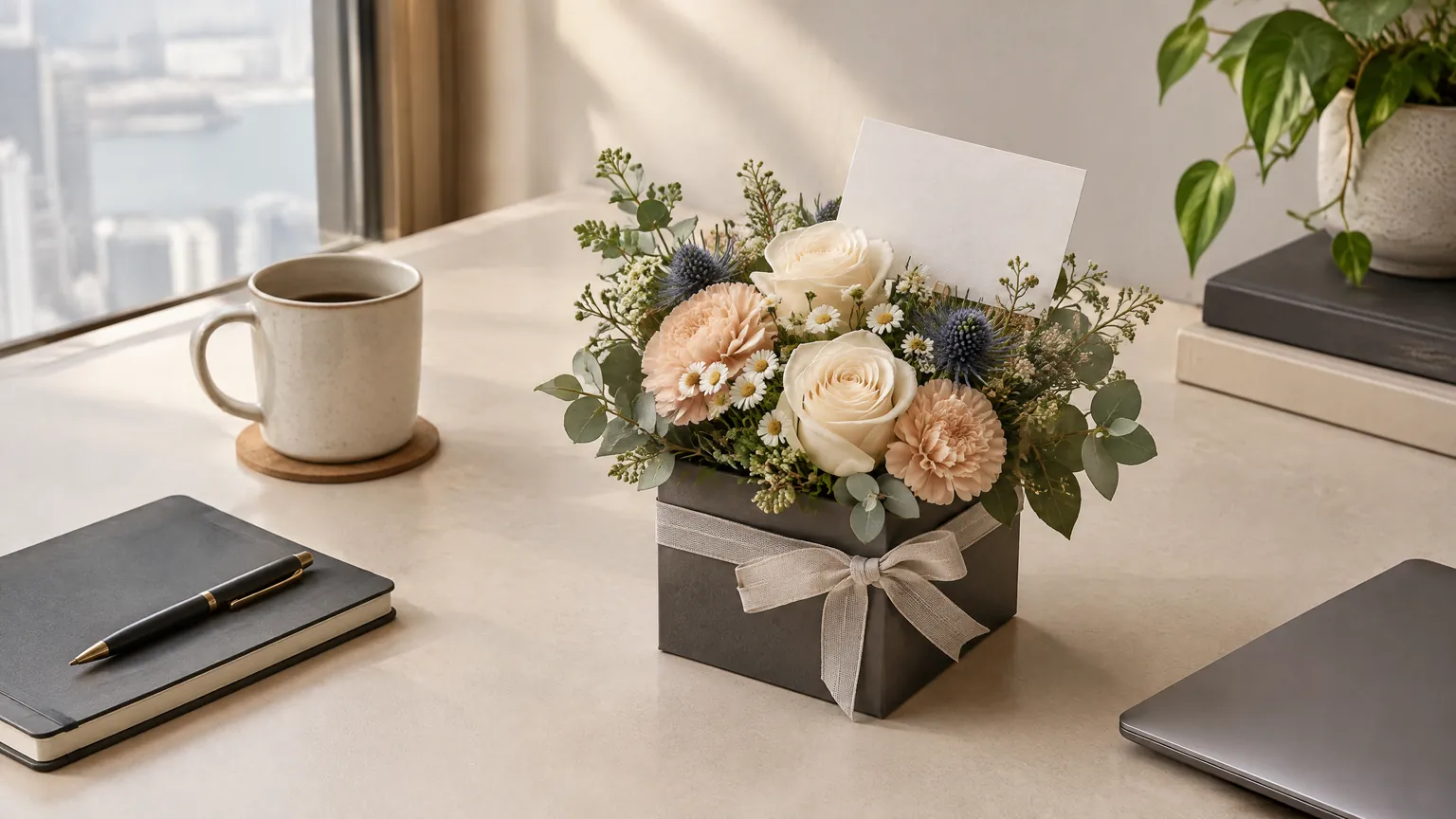
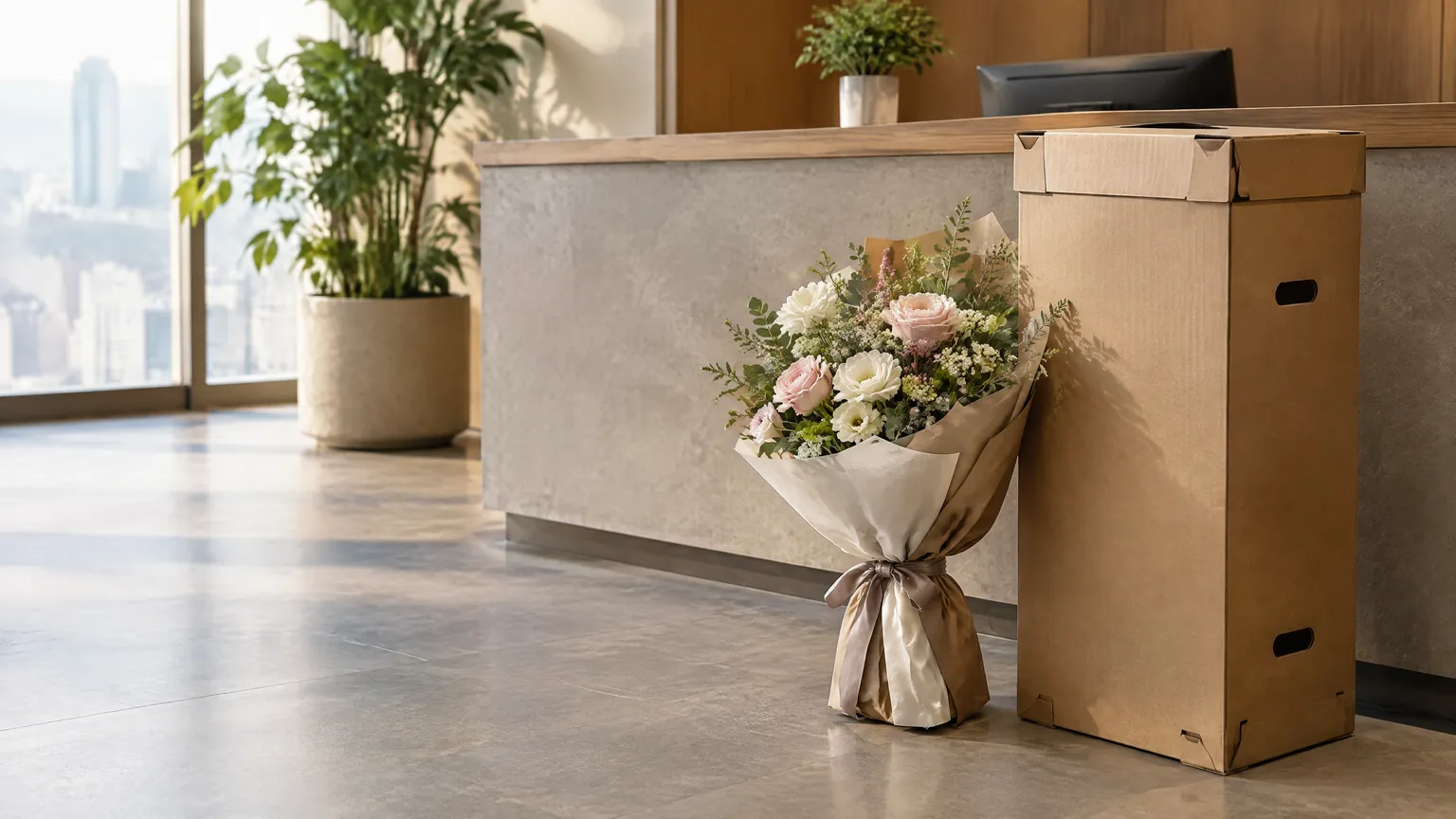
Privacy does not require withholding information needed for an authorised handover. Give the florist accurate order contact details and the agreed receiving location. Separate those practical facts from the private card. Ask what needs to appear on transport packaging, who may be called, and whether any proposed discretion is workable; do not ask someone to bypass building access rules or mislead reception.
For an after-work plan, one option to discuss is collection by the purchaser followed by a private meeting, rather than delivery to the partner's desk. Another is handover to a named helper at an agreed indoor location. Neither arrangement should be assumed available. Confirm who accepts the flowers, where they can wait and what happens if the purchaser is delayed. Avoid relying on a courier or receptionist to choose the emotional moment.
Keep coordination small. A florist may need a contact number and access information, but not a complete relationship chat, identity document or screenshot containing unrelated messages. The PCPD advises caution with sensitive information and location exposure on social platforms.1 Apply that caution to your planning group: send a concise floral summary, crop irrelevant personal details from references, and avoid circulating the card text beyond the people who need it.
Set an alternative before the day. If the partner is tired, a friend cannot help, or the intended space is no longer suitable, the flowers can remain a gift while the conversation waits. Ask the florist about any applicable order-change conditions rather than inventing a cancellation promise. The alternative should protect your partner's freedom to respond, not turn a delay into a public explanation.
Agree on substitutions and the actual custom scope
Divide the floral brief into essential features and flexible ones. An essential feature might be avoiding a disliked flower or keeping the arrangement within the available shelf space. Flexible features might include supporting foliage or ribbon shade. If a particular bloom carries your shared memory, say whether you would prefer a revised design or a different date if it cannot be supplied. Do not give blanket substitution permission and then expect every detail to remain unchanged.
An enquiry about bespoke floral design should explain the personal detail you want to preserve and request a defined scope. The page asks readers to confirm whether a brief can be accepted and notes that separate flower-product references are not a service proposal. Ask which design decisions, containers, handover arrangements and any venue work are included; custom wording does not establish an inclusive proposal package.
A useful short brief could say: the flowers are for a private conversation at home; the recipient likes soft pink and cream; the bouquet must fit the clear side table; no visible proposal wording should appear outside; and any replacement for the preferred main flower needs approval. Add the purchaser's contact and the confirmed receiving details separately. This gives a florist something concrete to review without asking them to manufacture an emotional outcome.
Request confirmation in a form you can revisit. Check the accepted design direction, the final presentation, substitution limits and handover responsibilities. If photographs are discussed, ask separately about taking them and using them in a portfolio or public post. Permission to prepare flowers should not be treated as permission to publish personal details about the occasion.
Plan where the flowers go afterwards
After the conversation, offer to handle the practical work. Find the intended vase, clear a stable surface and deal with wrapping without making your partner responsible for an elaborate arrangement. The RHS recommends clean vases, removing foliage below the waterline, clean angled stem cuts and a cooler position away from heat. It also advises keeping cut flowers away from ripe fruit.2
Follow the supplied care instructions for the actual format. A hand-tied bouquet placed in a vase is not cared for in exactly the same way as flowers fixed inside a container. For ordinary vase flowers, the RHS advises checking water levels, changing the water and recutting stems, and removing dying flowers; use supplied flower food as directed.2 These are care steps, not a promise that every stem will remain unchanged for a set period.
Before telling others, let your partner choose the wording and audience with you. You may want to share the news but keep the exact location, personal card or first reaction private. That choice can be made after the moment, when neither person is managing flowers, visitors or a waiting camera.
A short checklist before confirming
- Check that marriage has been discussed and that a private or public setting reflects your partner's wishes.
- Record favourite flowers, dislikes and the one design detail that genuinely matters.
- Confirm the finished form, carrying needs and stable resting place.
- Separate the receiving contact and outside label from the personal card.
- Agree on substitutions, a delay alternative and who handles the flowers afterwards.
- Keep guests, recording and publication subject to separate choices.
Common questions
Can I keep the flowers a surprise while checking whether a private proposal is welcome?
Yes. Discuss marriage, privacy and important-occasion preferences without revealing the bouquet or exact date. If readiness for marriage is unclear, resolve that conversation before planning the reveal.
What if my partner likes roses but dislikes large public gestures?
Keep the preferred flower and change the setting and scale. Choose a manageable arrangement for an agreed private space, without spectators or an unrequested workplace delivery.
Should a proposal message appear on the delivery label?
Keep intimate wording inside the card where possible. Give accurate receiving and order information, then ask the florist what exterior details are required and whether discreet packaging can be confirmed.
Does agreeing to a photograph mean it can be posted online?
Do not assume that. Ask separately about taking the photograph, sharing it with family and publishing it. Agree on the image, wording and audience before posting, including any florist portfolio use.
Sources & what they support
Each reference supports only the stated scope. Citations are not independent endorsements of YumYum or its branches and do not confirm a provider’s current arrangements or any individual outcome.
- Use of Social Media and Instant Messaging Apps – A Personal Data Privacy Perspective (opens in a new tab)
Hong Kong privacy regulator guidance on tagging and sharing others' personal data, sensitive and location information, visibility settings, and the risk of narrowly shared content being forwarded. Supports practical privacy recommendations, not blanket legal claims about private photography.
- Cut flowers: cutting and conditioning (opens in a new tab)
Ordinary cut-flower vase care: clean vases, removing submerged foliage, clean angled cuts, water checks and changes, recutting, flower food, removing dying flowers, and cooler placement away from heat and ripe fruit. No guaranteed lifespan or specialised conditioning advice.