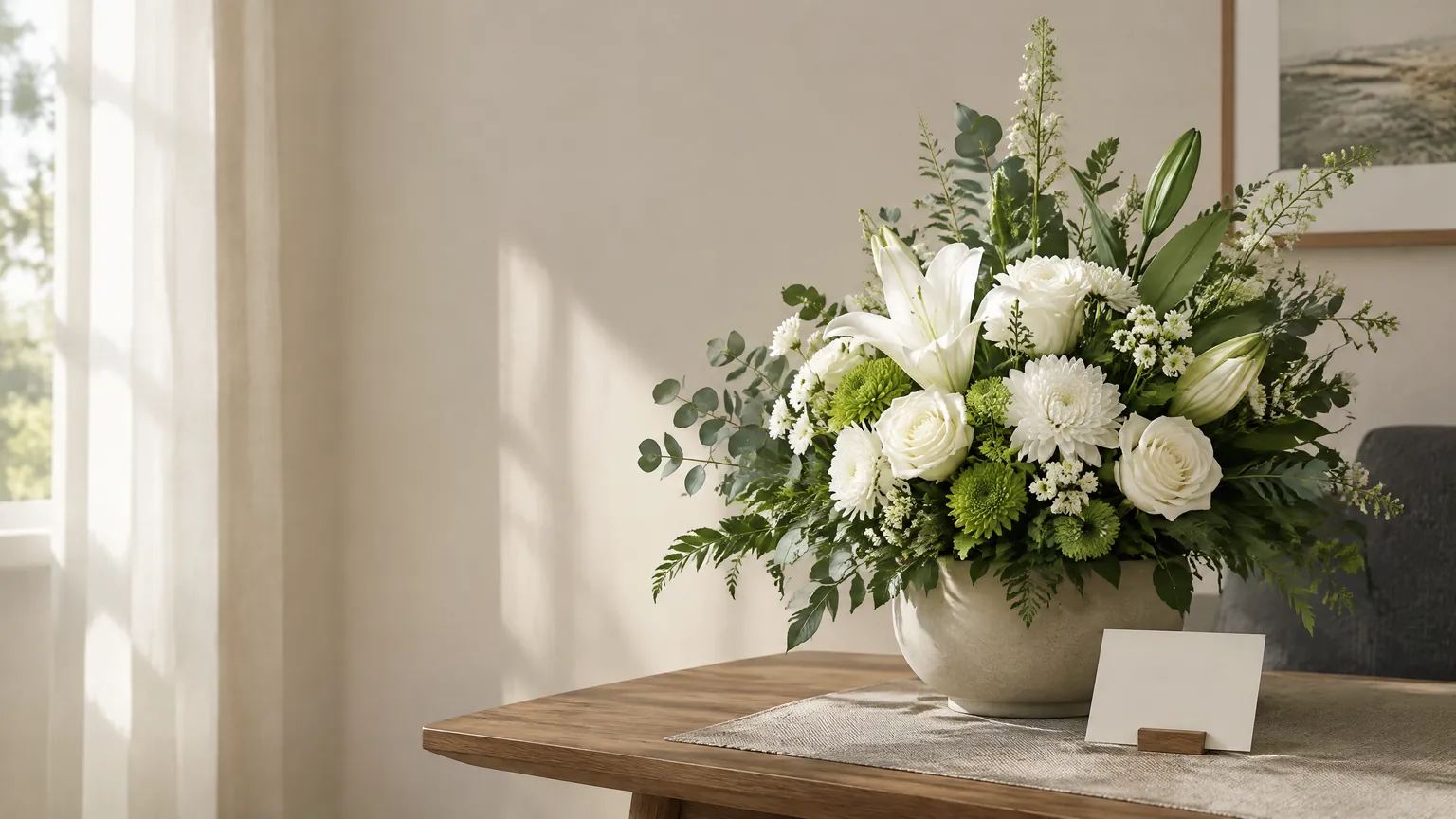
Make Grand-Opening Flowers Fit the Entrance and the Event Plan
GotGear and YumYum (including its gifting, baking and florist branches) share an owner; this collection is not an independent recommendation. GotGear does not provide catering, gifting, cake, floral, tuition or rental services. External-service information is separate from GotGear’s equipment catalogue; confirm the actual scope with the relevant provider. Articles are general planning information, with no promises about supply, arrangements or outcomes. Concept photos are not records of real events, customers or classes.
The short answer
Choose grand-opening flowers only after walking the entrance with the venue contact. Agree the permitted display position, check the complete arrangement against door movement and guest routes, then confirm who receives, positions, cares for and removes each item. A smaller display in an approved position is a better plan than a dramatic basket that has nowhere workable to stand.
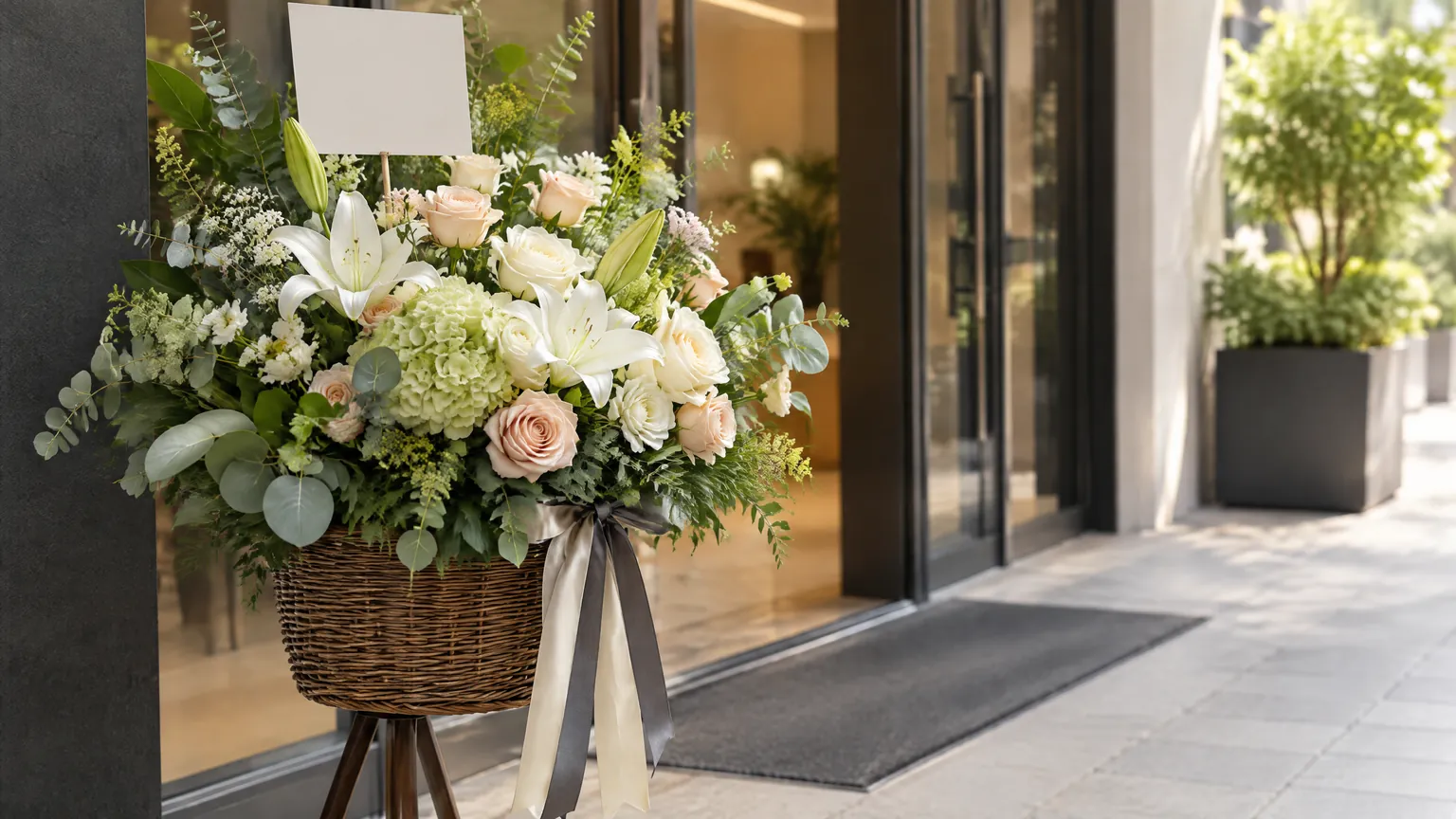
Choose grand-opening flowers only after walking the entrance with the venue contact. Agree the permitted display position, check the complete arrangement against door movement and guest routes, then confirm who receives, positions, cares for and removes each item. A smaller display in an approved position is a better plan than a dramatic basket that has nowhere workable to stand.
GotGear and YumYum share an owner. This is a same-owner planning journal, not an independent endorsement of a provider. GotGear publishes the information; it does not provide flowers, food, gifts, classes or temporary-use display services. The linked floral pages are external information resources, with any proposed arrangement subject to confirmation.
Walk the entrance as guests will use it
Start outside the venue and follow the actual arrival route. At a street-level shop in Sheung Wan, that might mean turning from the pavement into a recessed doorway. At an office opening in Kwun Tong, it could mean leaving a shared lift lobby, finding the reception counter and continuing into a meeting room. These are different spaces, so do not choose a display from its front-facing photograph alone.
Ask the venue contact to identify the approved display area before measuring it. Record the arrangement's maximum outer width and depth, not just the basket base: leaves, ribbon tails and angled stems can project beyond the container. Include the stand if one is proposed. Photograph the position with the door open and closed, and show nearby signs, controls and neighbouring entrances. A cropped picture of an empty corner leaves too much unanswered.
The Hong Kong Fire Services Department's checklist identifies objects obstructing exit routes, alarm call points and firefighting installations as fire-safety deficiencies. Its notes also flag smoke-stop doors wedged open. Flowers and their packaging should therefore be considered together when reviewing a location, rather than treating an attractive arrangement as exempt from ordinary obstruction checks. The checklist is general guidance, not approval for a particular setup.1
For a freestanding focal display, the external grand opening flower basket resource provides a starting point for discussing proportion, structure and wording. Bring the measured position to that discussion and ask whether the finished basket, its support and projecting foliage can remain within it. Do not assume that a tall design has a small usable footprint or that a pictured stand comes with the arrangement.
Test the doorway with movement, not just a tape measure
A display can fit beside a closed door yet become awkward when guests stop to greet the host. During the walkthrough, have someone approach, open the door and pause where registration will happen. Check whether another person can continue along the intended route without stepping around the flowers. Consider wheelchair users, people carrying bags and guests using walking aids when reviewing ordinary arrival movement. Ask the venue contact about the required accessible route rather than inventing a universal clearance figure.
Check the view from inside as well. HKUST's fire-safety manual says passageways, means of escape and fire doors should be unobstructed, and escape-route signs should remain visible. It also requires clear space below fire shutters within its premises.2 If the proposed floral position is near a shutter, door or fire-service installation, ask the venue's responsible staff to review it. Moving the flowers is preferable to altering an escape arrangement for a photograph.
Give each display a job in the opening programme
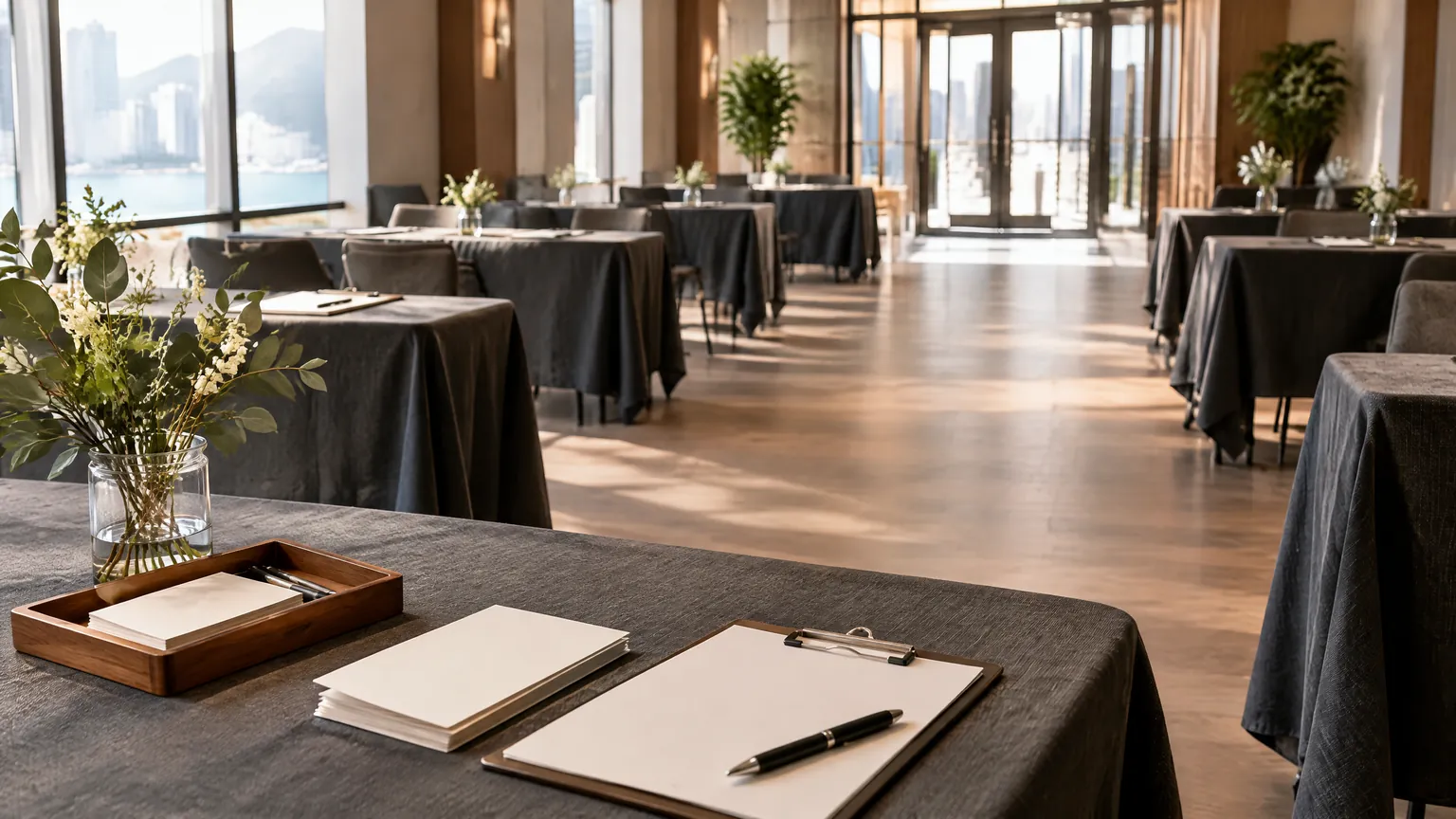
Decide where flowers are genuinely useful: greeting arrivals, framing a ceremony photograph or adding a modest accent to a meeting table. These jobs need not be served by matching tall arrangements. For a small office opening, an entrance basket might mark the occasion while a low vase inside supports the reception setting. If the entrance position cannot be approved, moving the floral focus indoors may preserve the celebration without crowding the doorway.
In a shared Central reception, first decide how much counter space remains available for visitors and reception staff. The external corporate flower arrangements page can help compare reception and meeting-table forms, but a coordinated look does not require identical heights everywhere. Ask about a lower arrangement where guests need to see the host, read a visitor screen or speak across a table. Confirm the complete container dimensions rather than choosing solely by flower quantity.
Separate the normal arrival layout from the ceremony layout. A photograph may bring hosts, guests and a photographer close to the entrance for a short period. Decide where each person will stand and whether the flowers are visible without becoming an obstacle. If a display must move afterwards, establish who is allowed to handle it and where it will go. Do not build the plan around a receptionist having time to improvise.
Treat colour and message as recipient-led decisions. Ask the business contact about preferred colours, flowers they would rather avoid and the desired tone. Customs and personal associations vary; a general webpage cannot settle every recipient's preference. Obtain approval of the company name, sender name and message in the intended language. Natural flower shades may vary, so describe an acceptable palette and substitution boundaries instead of demanding an unconfirmed exact match.

Compare external options by responsibilities, not photographs
A finished basket, several tabletop pieces and a coordinated venue installation represent different amounts of work. Identify what you actually need before asking anyone to propose a scope. An arrangement handed to a named receiver is not necessarily positioned at the ceremony spot. Delivery to a building is not the same as access to the office floor. A flower design also does not establish who supplies a stand, protects the floor or returns after the event.
If the programme involves several floral positions or a planned change between reception and ceremony, the external event florist service resource can support a more detailed enquiry. Its current page asks readers to confirm availability and conditions. Describe each position and movement, then ask what design work, placement, on-site attendance and removal can actually be agreed. Individually shown floral designs should not be read as evidence that a complete installation package is included.
Prepare the same scope for every option you consider. State the final display locations, event sequence and clearance deadline. Ask whether items arrive assembled, whether containers or supports remain provider-owned, and whether the provider will position anything on site. Record exclusions as carefully as inclusions. This makes it possible to compare a simple handover with a managed setup without assuming they deliver the same result.
Distinguish the flowers from items that must go back
For a short opening with no intended onward home for the display, the external flower rental information page raises useful questions about temporary arrangements. It does not confirm availability for your date or venue. Ask what materials are proposed, which containers and supports require return, who may move them, and who handles collection. Obtain written terms covering condition checks and responsibility for missing or damaged items; do not assume fresh flowers, cleaning or end-of-event attendance are included.
Mixed ownership needs particular care. The flowers might be intended for the host to keep while a vase or frame must be returned. Make an item-level record so staff do not give away the wrong object. If fresh and artificial materials are combined, request handling instructions for the actual construction. Neither a photograph nor the word used to describe the display explains how it is supported or what can be removed safely.
Match flower care to the approved position
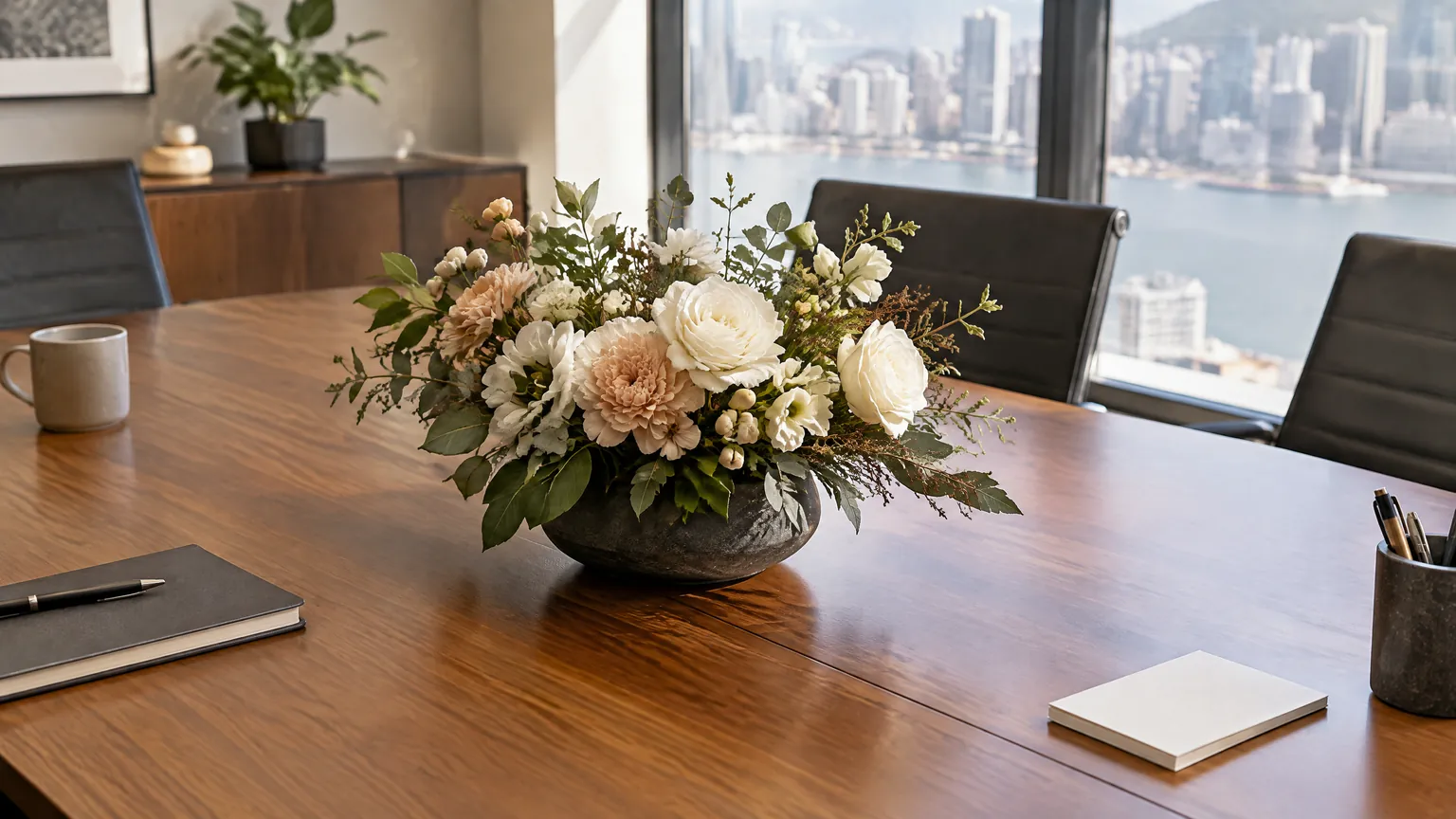
Look at the environment during the walkthrough. Is the proposed display beside a warm spotlight, in a draft from a frequently opened door or directly under an air outlet? Iowa State University Extension advises keeping cut flowers in a cool, bright location away from heat sources and drafts.3 That supports reconsidering placement; it does not guarantee a display will remain attractive for a specified period. Tell the provider about the real conditions and planned display duration.
For cut flowers in a vase, the same source recommends a clean container, keeping foliage out of the water and checking the water level daily. It advises following commercial flower-food directions rather than improvising a household mixture.3 Ask who will carry out any agreed care and where they can do it without wetting the entrance floor. A person assigned to welcome guests should not automatically become responsible for every floral task.
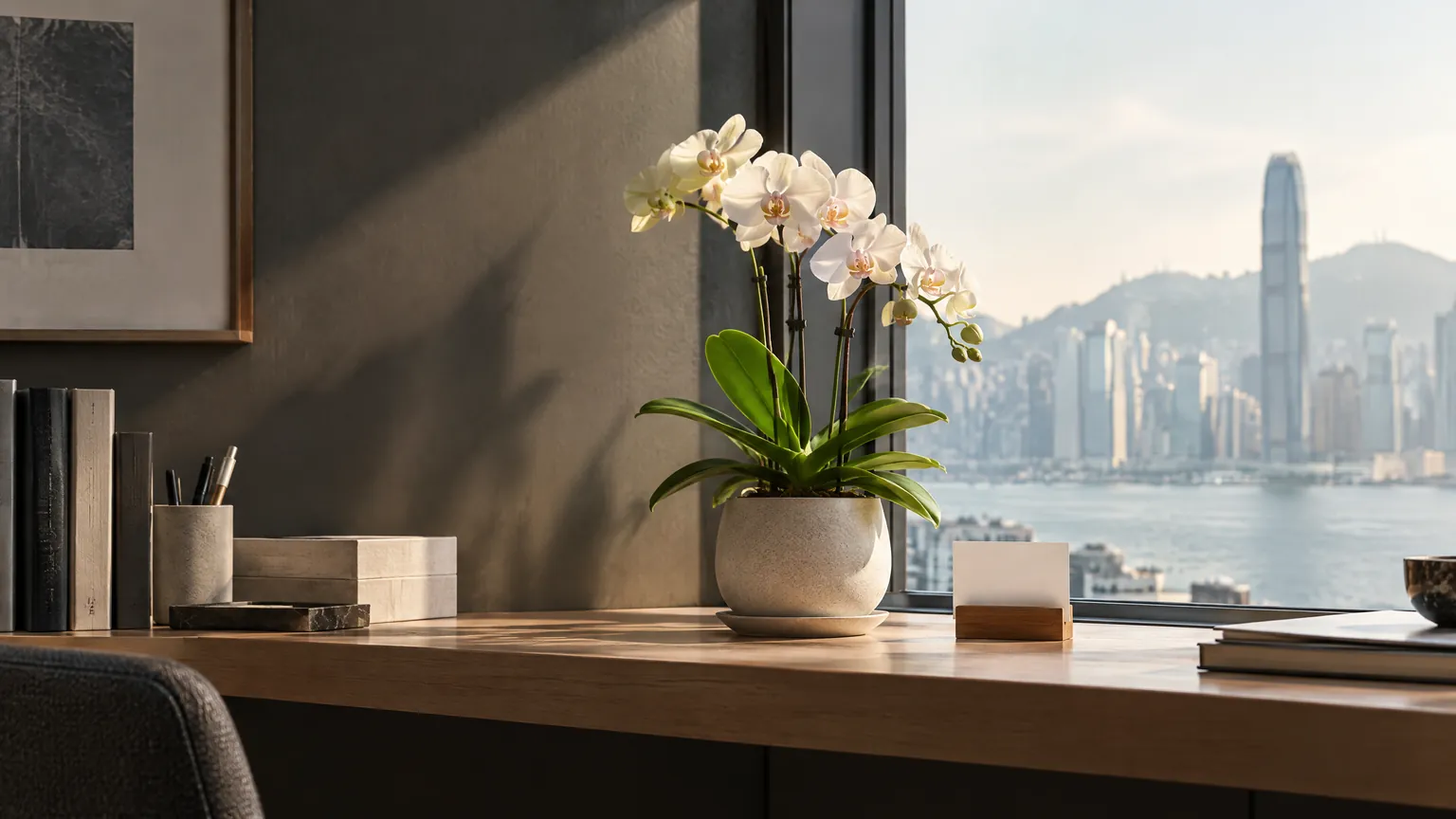
A constructed basket may have a concealed water source or components that should not be disturbed. Ask for instructions specific to that arrangement, including what staff can check without dismantling it. If an office plans to retain a potted orchid after the opening, request separate plant-care guidance and name the person responsible. Do not apply cut-flower vase instructions to a living plant merely because both were displayed at the event.
For an entrance exposed to wind or rain, ask the venue and provider whether the proposed position and support are suitable. Agree an indoor fallback position before the event, subject to venue approval. Do not improvise extra weights, attachments or coverings around doorways. The contingency must preserve access and remain something the responsible people can implement.
Make handover possible before the guests arrive
Name a receiver who knows the floral plan, not simply someone who happens to answer the phone. At a mall unit, ask management about the permitted delivery entrance and any access arrangements. At an office, confirm whether reception can accept the items and who will take them to the approved position. These are questions for the actual property; do not assume every Hong Kong building follows the same lift or loading rules.
Give the receiver a short placement record with a photograph, item description and contact for decisions. Include the largest assembled dimensions if these have been confirmed. When items arrive, check the company wording, supplied containers and supports against the agreed record. If a display differs from the plan, contact the decision-maker before placing it somewhere else merely to clear the receiving desk.
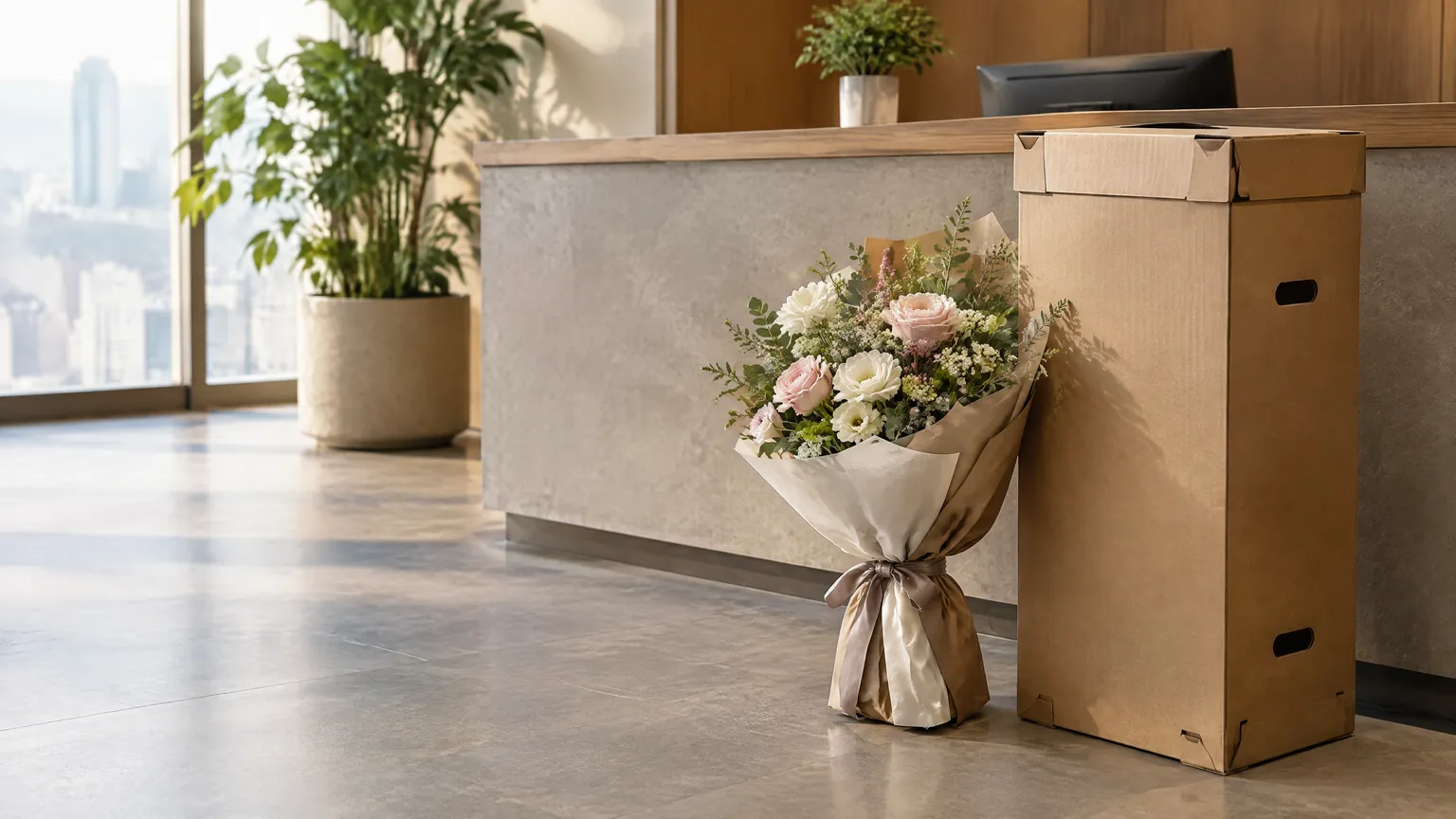
Keep transport cartons and wrapping out of the entrance once unpacking is complete. The FSD checklist's obstruction concerns apply to the receiving stage too.1 Agree a permissible unpacking or holding area with the venue. A basket waiting for its final position, a trolley and empty boxes can collectively interfere with passage even when the final arrangement would fit.
Decide what happens after the ceremony
Work backwards from the venue's agreed clearance deadline. Establish when guests leave, whether normal business resumes immediately and whether the flowers remain displayed afterwards. A shop host may want to keep a basket inside; an office team may prefer to retain only the tabletop flowers. Neither choice should leave stands or packing materials in a shared lobby awaiting an unspecified future collection.
Separate removal from the final display position, return of provider-owned items and disposal of unwanted materials. Assign a named person to each agreed task. If collection is proposed, confirm access, the handover location and what happens if the agreed window changes. A plan that says only that the provider will collect later leaves reception staff without instructions once the event organiser has gone.
If employees wish to take flowers home, confirm that the host authorises this and that no provider-owned parts are included. Keep personal transport choices separate from the event service scope. Sort packaging according to the venue's accepted arrangements rather than promising that every component is recyclable. The useful endpoint is a clear entrance, accounted-for items and no unresolved task passed to the next shift.
A short checklist for the final walkthrough
Use this before approving the floral brief, then revisit it when the assembled display reaches the venue.
- Confirm the permitted position and check the full arrangement against doors, guest movement and fire-service access.
- Approve the company wording, display purpose and acceptable design substitutions.
- Record what is supplied, what remains provider-owned and which on-site tasks are expressly agreed.
- Name the receiver, care contact and person authorised to change the layout.
- Agree the removal deadline, return handover and indoor fallback position.
The point of the walkthrough is to remove decisions from the busiest moment of the opening. Once the location, responsibilities and end-of-event plan are settled, flowers can support the occasion without staff having to choose between a good photograph and a usable entrance.
Common questions
Can an opening basket stand outside a Hong Kong shop entrance?
Do not assume it can. Ask the venue contact to identify a permitted position and review the full arrangement against pedestrian movement, door operation and fire-service access. If no suitable external position is approved, plan an indoor floral focus instead.
What should we measure if the basket is supplied on a stand?
Record the complete outer width, depth and height, including the stand, projecting foliage and ribbons. Compare those dimensions with the approved position and the delivery route, not just the doorway when it is closed.
Does an event-flower enquiry include setup and collection?
Not automatically. Ask for written confirmation of the handover endpoint, placement work, any on-site attendance, ownership of containers and supports, and removal or return responsibilities. Treat individually shown designs as design references, not proof of package inclusions.
Who should deal with the flowers once the opening ends?
Name separate people for clearing the display position, returning provider-owned items and handling unwanted materials. Agree the venue deadline and any collection handover in advance so the next reception shift is not left with an unresolved display.
Sources & what they support
Each reference supports only the stated scope. Citations are not independent endorsements of YumYum or its branches and do not confirm a provider’s current arrangements or any individual outcome.
- Hong Kong Fire Services Department: Explanatory Notes for Fire Safety Checklist (opens in a new tab)
General fire-safety checklist flags obstructions in exit routes, alarm call points, hose reels, hydrants and entrance fire-service inlets, and smoke-stop doors wedged open. Supports reviewing displays and transport packaging for obstruction; does not approve a particular site or define a universal clearance.
- HKUST Safety and Environmental Protection Manual: Chapter 6, Fire Safety (opens in a new tab)
Institutional housekeeping and escape guidance requires unobstructed passageways, means of escape and fire doors, visible escape-route signs and clear areas beneath fire shutters on campus. Used for general safety principles, not as a statement that all venues share HKUST operating rules.
- Iowa State University Extension and Outreach: How to Care for Cut Flowers (opens in a new tab)
Supports cool bright placement away from heat and drafts, clean vases, foliage kept out of water, daily vase-water checks and following commercial flower-food directions. Guidance is limited to cut flowers in vases, not constructed baskets or living orchids, and makes no event-duration guarantee.