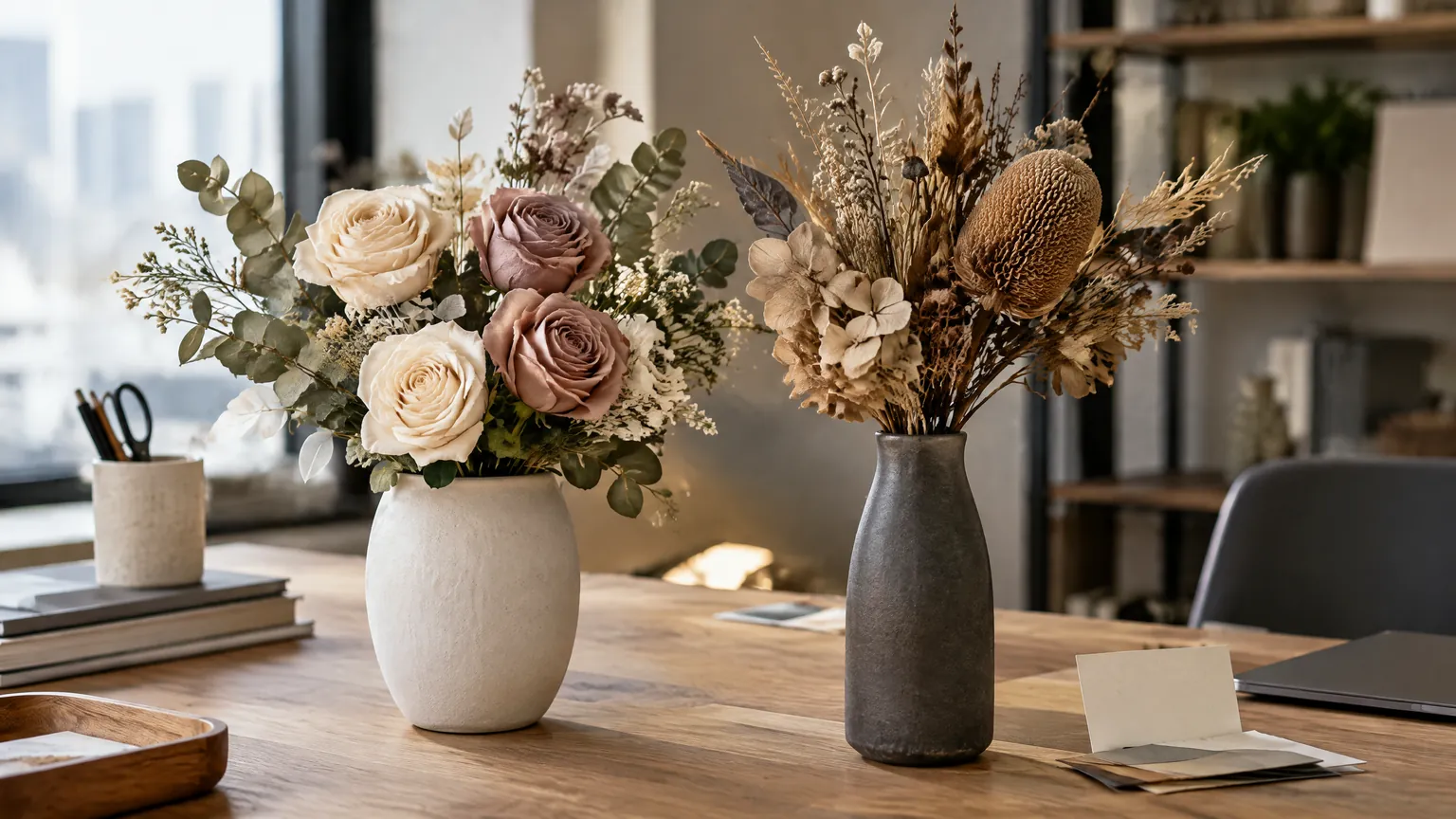
A Wedding Party Needs a Floral Handover Sheet, Not Just a Mood Board
GotGear and YumYum (including its gifting, baking and florist branches) share an owner; this collection is not an independent recommendation. GotGear does not provide catering, gifting, cake, floral, tuition or rental services. External-service information is separate from GotGear’s equipment catalogue; confirm the actual scope with the relevant provider. Articles are general planning information, with no promises about supply, arrangements or outcomes. Concept photos are not records of real events, customers or classes.
The short answer
A wedding floral handover sheet should tell each person what they are receiving, where it belongs, how to look after it and who takes it next. Keep the mood board for design decisions, but use an item-by-item record to confirm bouquets, lapel flowers and venue pieces without assuming they share the same package or handler.
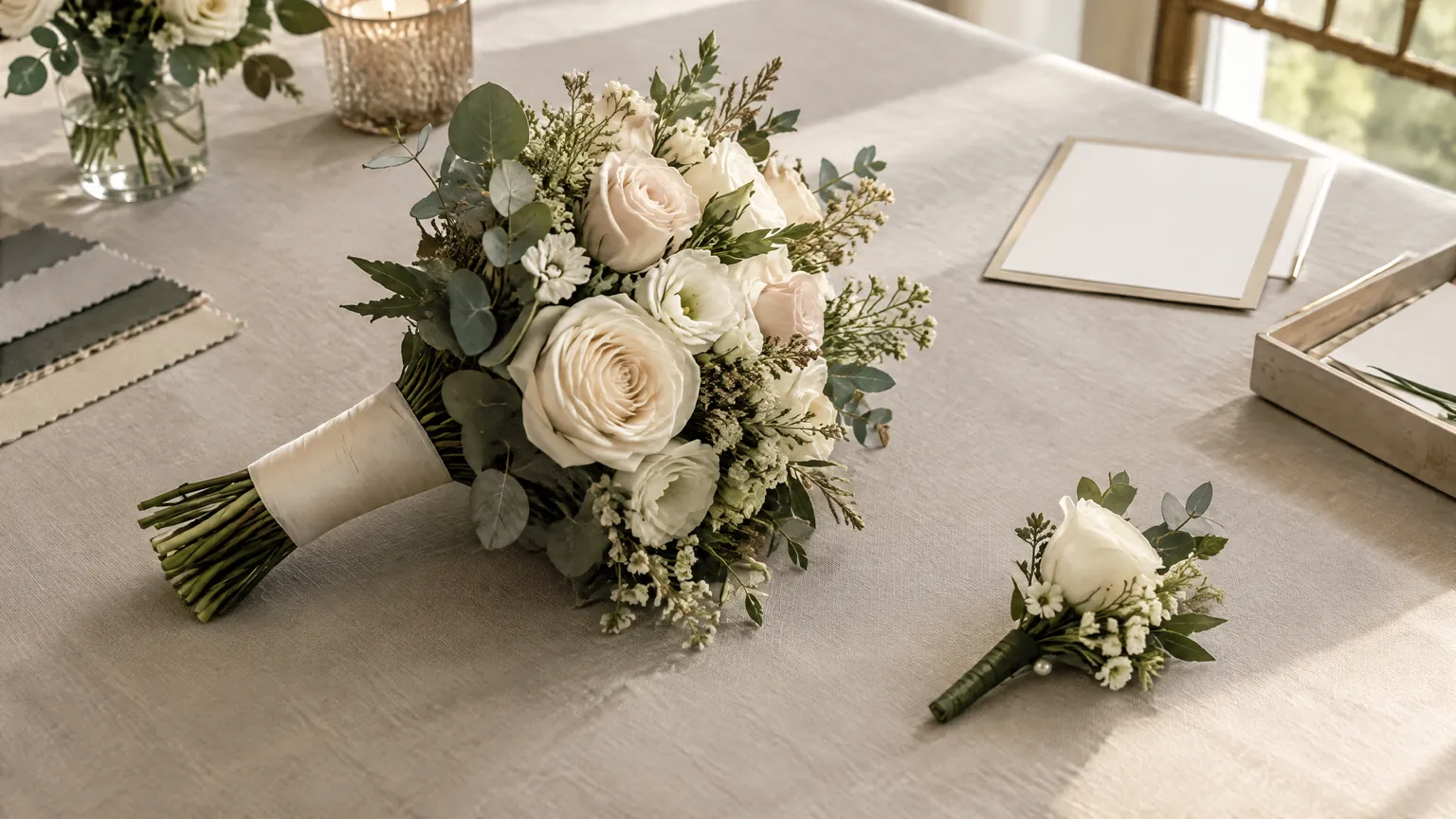
A wedding floral handover sheet should tell each person what they are receiving, where it belongs, how to look after it and who takes it next. Keep the mood board for design decisions, but use an item-by-item record to confirm bouquets, lapel flowers and venue pieces without assuming they share the same package or handler.
Imagine a Hong Kong wedding morning split between a family flat in Sha Tin and a getting-ready room in Tsim Sha Tsui, followed by a ceremony and an evening reception. A photograph of blush flowers cannot tell an attendant which box goes to the groom, whether the bouquet travels with the bride or who receives the centrepieces. Those are handover decisions, and they deserve their own short document.
This is a planning article in GotGear's same-owner journal with YumYum, not an independent provider endorsement. GotGear publishes the journal; it does not provide food, floral, gift, class or rental services. Any floral arrangement or service described on a linked resource still needs confirmation with the relevant provider.
Start with what is confirmed, not what looks coordinated
Make the handover sheet from the written order scope rather than the inspiration album. Similar colours do not establish that personal flowers and venue displays are supplied together. Give each item a plain identity: bride's bouquet, groom's lapel flower, signing-table arrangement or entrance display. Record its confirmed quantity and intended recipient or position. Beside anything still under discussion, write the actual unresolved question rather than quietly treating it as included.
When considering a wedding floral decoration package, distinguish a coordinated design reference from an agreed list of items and work. The page discusses ceremony and reception arrangements, but also separates individual finished designs from event-wide service scope. Ask for written confirmation of the personal flowers, room pieces, delivery batches, placement, installation and removal that apply to your wedding. A package name alone does not answer those questions.
Keep the agreed design reference beside the item record, but make it subordinate to the practical information. If you approve a softer colour alternative, record which item it affects and who approved it. An updated bouquet does not automatically mean every table arrangement changes too. This prevents a helpful design adjustment from becoming an unexplained instruction to several people.

Give every transfer a sender and a receiver
For each item, name the person receiving it and the person taking it onward. Use a name and practical contact route, not simply 'bridal party' or 'hotel'. A friend who is dressing with the bride may be a sensible bouquet receiver but unavailable to accept a separate delivery downstairs. Choose a backup who knows the plan and can actually reach the receiving location.
Separate arrival from readiness. A box reaching the venue does not necessarily mean its contents have been checked, distributed or placed. Your sheet should distinguish the expected arrival arrangement, the receiving check and the point when an item is needed. Share the required ready-by point with the provider and ask whether the proposed sequence is feasible; do not turn it into an assumed delivery guarantee.
A useful receiving check is modest: identify the item, count the pieces against the confirmed list and note any obvious damage before moving them. If something looks wrong, send the designated contact a clear photograph and item description. Avoid asking every relative to message the florist independently. The person who coordinates questions should not be expected to repair a damaged arrangement without instructions.
Write the next destination, not just the first one
A bouquet delivered to a family home might next go to the getting-ready room, then the ceremony and later the reception. Write each transfer as a simple sentence: 'After portraits, the named attendant returns the bouquet to the agreed holding place and takes it with the bride's transport.' Check that the vehicle and passenger space can accommodate its confirmed packaging.
Venue pieces require a different decision. An arrangement beside the signing table may stay there, move to the reception or be collected after the ceremony. If no transfer has been agreed, mark it as staying in place pending instructions. Do not assign relatives to dismantle an arch or shift a heavy vase merely because the wedding is moving to another room.

Treat the bouquet as a carried item with a resting place
For a bridal bouquet, the useful enquiry goes beyond shape and colour. Ask how the finished design should rest between uses, what protective packaging is supplied and whether its construction allows any water contact. The destination page discusses styles and handling, but it does not make every hydration aid or day-of adjustment part of every order. Put the confirmed answer on the handover sheet so an attendant is not improvising with a borrowed vase.
Choose a resting place before the wedding morning becomes crowded. In a compact flat, that may mean clearing a stable side table away from dressing products and busy doorways. In a hotel room, agree a position where a bag, garment or room-service tray will not be placed on top of the flowers. The receiving person should know whether the box remains closed, is opened for checking or is retained for the next journey.
RHS guidance for cut flowers recommends clean vases, appropriate water care and a cooler position away from heat. It also advises keeping arrangements away from ripe fruit.1 These principles support choosing a sensible holding location, not a promise that every wedding design will last all day. Ask the florist how they apply to the bouquet's actual construction, especially if wrapping, ribbon or concealed supports could be affected by water.
Agree who takes the bouquet during activities when the bride cannot hold it. For example, an attendant can receive it before a signing moment and return it when portraits resume. That small assignment is more useful than a vague instruction to 'keep an eye on the flowers'. It also avoids repeated handling by people who have not heard the care instructions.
Distribute lapel flowers to people, not to a pile
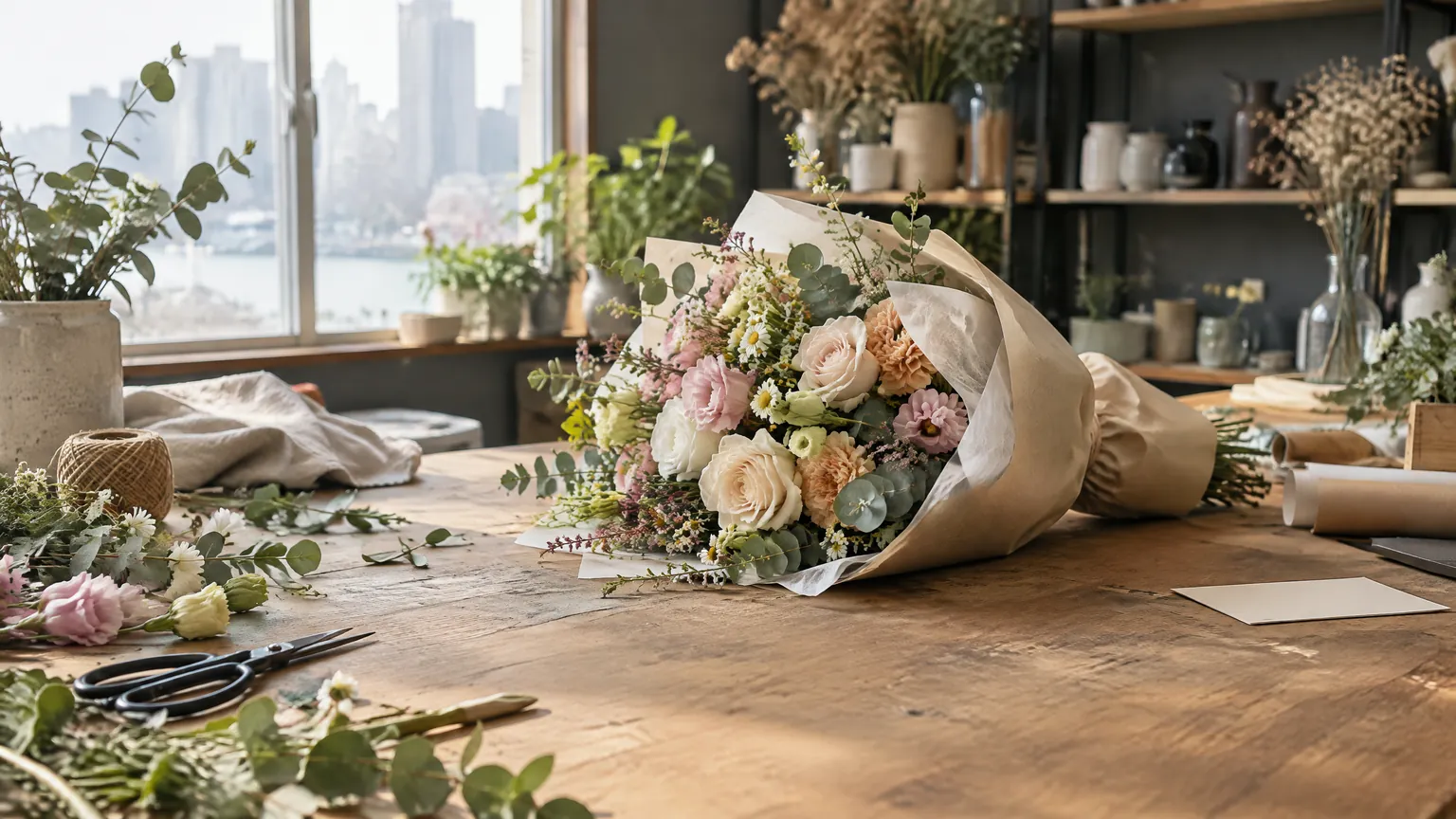
A list of boutonnieres for weddings should identify each intended wearer, any distinguishing design and the agreed attachment method. The page addresses lapel proportion, packaging and care, but confirm whether labelled individual boxes, attachment supplies and a fitting demonstration are actually provided for your order. Similar-looking pieces still need a distribution plan if the groom, attendants and family members are preparing in different places.
Do not assume everyone wearing a jacket wants the same floral accessory. Ask the couple which people are receiving flowers and check any clothing constraints with the wearer. A father joining later at the reception may need a different handover from an attendant present for morning portraits. Record where the later piece waits and who delivers it to him.
Confirm care and attachment before the dressing rush
Ask for storage guidance specific to the finished piece. General cut-stem vase care is not an instruction to immerse a wired lapel flower, spray it or put it in a household refrigerator. If collection the previous day is proposed, explain the storage space you actually have and ask whether that arrangement is suitable. Do not accept overnight collection solely because it removes an errand from the morning.
Choose an adult who is comfortable following the supplied attachment instructions, with the wearer's agreement. If the proposed fixing does not suit the garment, resolve that question before the wedding day. Keep unused attachments contained and away from children. The handover sheet need only identify who helps, where the instructions are kept and whom to contact if a piece arrives damaged; it need not become a do-it-yourself floristry manual.
Make room decor a venue-approved placement plan
For wedding flower decor, translate the visual concept into named positions on the venue's current layout. The page discusses ceremony areas, reception tables and access questions, with feasibility subject to site review. Ask who places each arrangement, which surfaces may be used and whether any fixing or structure needs venue approval. A room photograph is useful context, but it cannot confirm attachment permissions or an available receiving area.
Mark a welcome arrangement against a specific desk rather than 'near the entrance'. Identify reception tables using the venue's agreed table names or numbers. If the seating plan changes, check the floral allocation against the revised layout. A spare arrangement should have an agreed destination, not be squeezed onto a doorway ledge because it looks empty.
Hong Kong Fire Services Department requirements for places of public entertainment state that means of escape and fire service installations must remain free from obstruction.2 That document has a specific licensing scope; it is not evidence that every wedding has the same approval process. The practical decision is to ask the venue to approve staging and display positions, keeping boxes and flowers away from escape routes and fire equipment.
Check the room from a seated guest's perspective as well as through a camera. A low arrangement may be easier to accommodate on a shared table, but its width and vessel still matter. Ask the venue to check the proposed footprint against the actual table setting and movement space. If a ceremony display will be reused later, include its removal and re-placement in the agreed work rather than assuming venue staff will do it.

Resolve storage and schedule changes with one clear fallback
Write the fallback beside the item it concerns. If the outdoor portrait session is delayed, who returns the bouquet to its holding place? If a receiving room is unavailable, who contacts the venue for an approved alternative? A fallback should identify a decision-maker and a usable location, not promise that flowers will tolerate any delay.
Consider a colleague helping the couple review the sheet over lunch in a Central office. Their useful contribution is to test the gaps: 'Who can answer the door while you are getting dressed?' and 'Does the person driving know there is a protected box?' They do not need to choose flowers. This is a practical way to delegate planning help without creating another person authorised to change the design.
For cut flowers that the florist confirms can stand in water, RHS advice supports a clean container and sensible water management.1 For finished accessories and installed pieces, ask for separate instructions. Do not ask a hotel to supply specialist storage that has not been agreed, and do not treat an air-conditioned lobby as an unattended holding service. The receiver must know where the item is and when it moves again.
Keep changes in one current version. If a family member changes preparation location, update the destination and tell the receiver, backup and provider where relevant. A date or version note helps distinguish the agreed sheet from an old screenshot. Share contact details only with the people who need them for the handover, rather than forwarding the whole document into every guest conversation.
Decide what leaves the venue and what stays behind
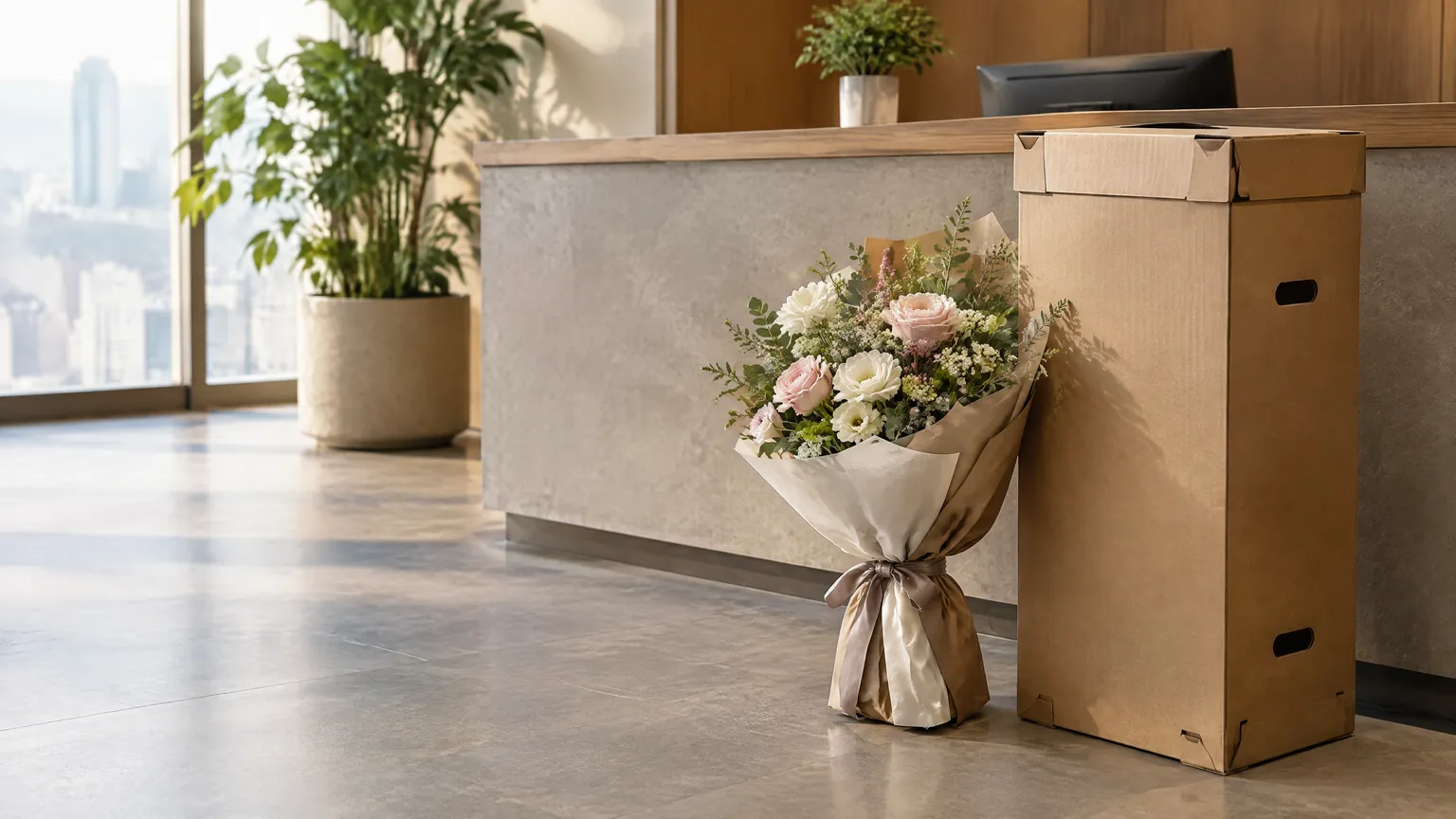
The final handover is not finished when the couple enters the reception. Confirm which flowers may go home, who owns the vessels and which structures or containers must be returned. Do not invite guests to take centrepieces unless that has been agreed. A flower arrangement and its vase may have different destinations.
If family members want keepsakes, choose the recipients and transport method beforehand. A household may have space for a modest bouquet but not a large water-filled display. Ask whether the florist can explain any permitted separation or packing; do not assume a relative can dismantle a finished installation. Record who gathers empty protective cartons and where they can wait without obstructing the venue.
Removal responsibilities should be as clear as arrival responsibilities. Name the agreed collector or venue contact and confirm the departure arrangement. If removal is not included in the floral scope, resolve it before the day rather than leaving it to whichever friend stays latest. The same sheet can then close with a simple record of what was taken home, returned or left for agreed collection.
Run a short handover check before sharing the sheet
The document is ready when someone who has not designed the wedding can follow it without guessing. Read it as the bouquet attendant, the lapel-flower distributor and the venue receiver in turn. Each should be able to find their own job quickly. Keep supporting design images separate so the essential instructions remain easy to read on a phone.
- Match every item and quantity to the confirmed written scope.
- Name the receiver, backup and next handler for each transfer.
- Confirm construction-specific care and an approved holding place.
- Check placement, access, transfer and removal with the venue and provider.
- Share one current version and flag any unresolved item before it is needed.
Keep the mood board: it remains useful for expressing the couple's preferences. But when preparations begin, the handover sheet answers a different question: who is responsible for this particular flower arrangement now? A clear answer lets the wedding party focus on the occasion instead of tracing an unnamed box through several rooms.
Common questions
Who should hold the floral handover sheet on the wedding day?
Give the current version to the person coordinating floral questions, the named receivers and relevant venue contact. Assign backups who can reach the receiving locations; do not rely on the couple to answer every handover query while dressing or taking part in the ceremony.
Does a coordinated floral package include the groom's lapel flower?
Not unless it appears in the confirmed scope. Check personal flowers separately from room arrangements, recording each recipient and quantity. Delivery, placement, transfers and removal also need explicit confirmation.
Can a family member store the flowers overnight in a home refrigerator?
Do not assume so. Tell the florist what storage space is available and ask for instructions for the exact finished items. Wired accessories, fresh cut stems and preserved materials should not all be given the same storage treatment.
Can ceremony flowers be moved to the evening reception?
Only after the provider and venue confirm that the pieces, access and schedule allow it. Name the people carrying out removal and re-placement, and distinguish movable arrangements from structures that require specialist handling.
Sources & what they support
Each reference supports only the stated scope. Citations are not independent endorsements of YumYum or its branches and do not confirm a provider’s current arrangements or any individual outcome.
- Royal Horticultural Society: Cut flowers, cutting and conditioning (opens in a new tab)
Supports general cut-flower care using clean vases, appropriate water management, cooler placement away from heat and separation from ripe fruit. Does not establish care for every finished wedding accessory, household refrigeration suitability or guaranteed flower lifespan.
- Hong Kong Fire Services Department: Fire Safety Requirements for Places of Public Entertainment Licence (opens in a new tab)
Section C requires means of escape and fire service installations to remain unobstructed within this publication's places-of-public-entertainment licensing scope. Supports the venue-staging caution, not universal wedding approval requirements or provider credentials.