A small-group coastal plan: separate a course enquiry from a speedboat charter
GotGear and DiveHarbour share an owner; this collection is not an independent recommendation. GotGear is not a diving school and does not provide dive training. Articles are general information, not practical training, instructor guidance or individual medical clearance to dive. Original concept images are not real course records. No certification or safety outcomes are promised.
The short answer
Treat the course and the boat as two separate enquiries, even when you hope to combine them in one coastal outing. A charter concerns transport and vessel arrangements; certification requires an appropriate training pathway and individual assessment. Start with each participant’s experience and goal, then ask what teaching, supervision and boat support are actually included. Confirm the location, weather decision process and written booking terms before the group commits to a date or payment.
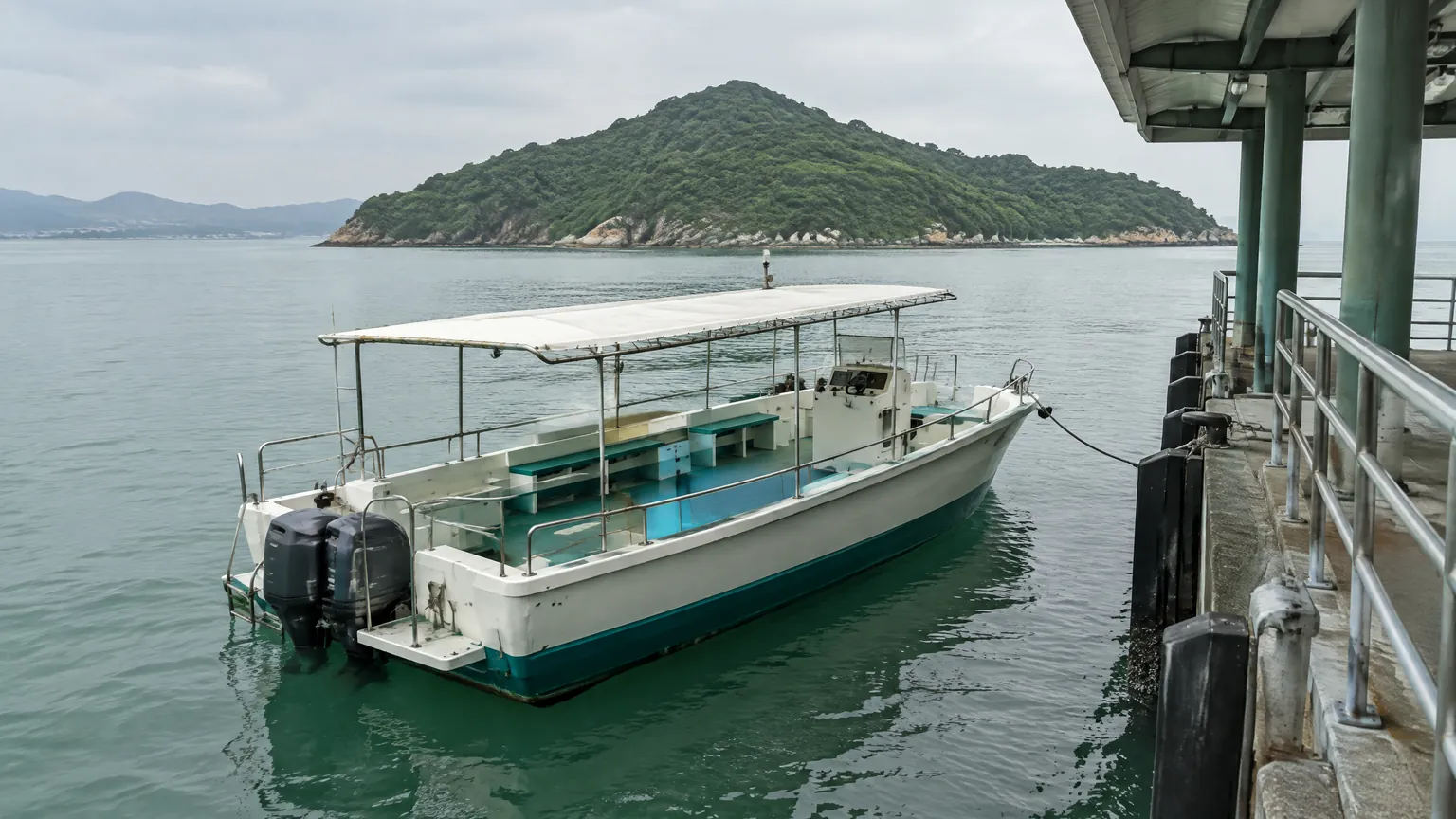
A small-group coastal outing needs two clear answers: what is each person qualified and prepared to do, and what does the boat booking provide? Agreeing to hire a speedboat does not enrol anyone in a certification course. Equally, enquiring about group lessons does not confirm exclusive boat use. Keep the learning plan and the transport plan separate until the school and boat operator have explained how they would fit together.
That distinction matters when friends have different expectations. One person may want a first supervised experience, another a recognised beginner qualification, and another a recreational outing after years away from diving. A shared departure cannot make those needs identical. Scuba diving carries significant risks; the purpose here is to organise enquiries, not teach underwater procedures or decide anyone’s medical fitness.
GotGear and DiveHarbour have the same owner. The DiveHarbour pages linked below are related-site information for checking possible arrangements, not an independent provider recommendation. GotGear does not provide scuba training.
Agree what the group is trying to book
Begin by asking everyone what they want from the activity, rather than circulating a boat photograph and collecting names. Is the objective to learn, to find out whether scuba appeals, or to spend time on the coast with already certified friends? Those answers determine which questions belong with an instructor and which belong with the vessel operator.
For an agency-specific example, PADI describes its Open Water Diver certification in three phases: knowledge development, confined-water dives and open-water dives. Its FAQ also explains that progression is performance based, rather than simply a matter of spending a prescribed amount of time on the course. This is a description of PADI’s pathway, not a universal specification for other agencies or a statement about a particular local booking. 1
A charter confirmation should therefore never be treated as evidence that a beginner has completed training. If an instructor proposes using a boat for part of a course, ask which training component it serves and which prerequisites must already be met. If the plan is recreational diving, ask how the team will assess each certified participant’s suitability for that outing.
Build a participant profile without making a public medical file
Record each person’s goal and experience
Prepare a short profile for every participant. Record whether they have never tried scuba, have started but not completed a course, or hold a certification. For certified divers, include the agency, qualification level and approximate recent diving history. Describe water confidence honestly; swimming regularly and feeling comfortable on a moving boat are different considerations.
Ask about preferred teaching language, accessibility needs and willingness to split the group. Include ages where they affect the proposed programme, especially for children or teenagers. Do not invent a common age threshold for everyone. The school should identify the relevant agency’s current requirements and explain guardian consent, supervision and equipment arrangements for the specific route.
Let personal concerns stay personal
The organiser needs enough information to coordinate the outing, not everyone’s diagnoses. Invite participants to discuss health questions directly with the school through an agreed private channel. PADI’s FAQ describes a medical questionnaire and circumstances requiring physician assessment; use the school’s applicable screening process rather than deciding what an answer means yourself. 1
A friend’s reassurance, a previous uneventful dive or a group vote cannot provide medical clearance. Individual fitness questions belong with appropriately qualified healthcare professionals. Someone should also be able to say they do not want to participate without explaining their reasons in the group chat. Confirm how a changed participant list would affect the arrangements before collecting payment.
Compare the activity before comparing the quotation
Use this table to sort the enquiry. It is a planning comparison, not a list of programmes guaranteed to operate on your preferred date. A coordinated group may need more than one of these formats.
| Proposed arrangement | Main purpose | What needs separate confirmation |
|---|---|---|
| Supervised introductory experience | Explore whether scuba suits a newcomer | Eligibility, water venue, supervision and whether any certification is involved |
| Beginner certification course | Work towards the specified agency qualification | Course name, prerequisites, learning components, assessment and completion arrangements |
| Refresher discussion for a certified diver | Identify appropriate preparation after time away | Prior certification, recent experience and the professional’s recommended next step |
| Recreational outing for certified divers | Join a suitable local activity | Individual suitability, guiding, equipment and the proposed conditions |
| Private boat charter | Arrange the agreed vessel service | Vessel, crew, passenger capacity, transport scope and any separately provided teaching |
Read quotations across equivalent components. A boat-only quotation and a course quotation can look similar in a message while covering different services. Ask the issuer to distinguish vessel hire from instructor time, learning materials, rental equipment and certification processing. Do not assume that a recreational-trip listing establishes the terms for a bespoke charter.
The word “private” also needs a definition. It might describe your own teaching group, dedicated instructor time, exclusive use of a vessel or a group booking on a shared departure. Ask which meaning applies. These arrangements may overlap, but none should be inferred from the label alone.
Send a course enquiry that can receive a useful answer
For the teaching side, the page on private group scuba lessons Hong Kong provides an information starting point for discussing a shared goal and mixed experience. Send the participant profile with it, then ask whether one course is appropriate or whether separate introductions, training or refresher arrangements need to be considered. The page does not establish that your proposed group is eligible, that an instructor is available or that a boat is included.
Request the exact course name and agency, not simply “a scuba course”. Ask how knowledge study, controlled-water work and open-water training would be arranged for that pathway. If online study is proposed, confirm the correct materials, language, individual access and how progress is checked. Do not assume one agency’s online learning can be used for another agency’s course.
Ask what happens if participants progress at different rates. PADI’s performance-based explanation is a useful reason not to promise the group a single guaranteed qualification date. 1 Your actual course arrangements must come from the school: which sessions can be coordinated, how additional learning is handled, and what remains subject to assessment.
An organiser can help by giving a date range and stating genuine constraints. Someone may be visiting Hong Kong or have limited leave. Explain that early, but keep travel expectations separate from certification outcomes. Ask whether the proposed schedule is realistic before making commitments around an assumed finishing day.
Give the charter enquiry its own scope
The page for a Hong Kong private speedboat dive charter can help frame the vessel enquiry. Explain the total number of proposed passengers, including non-divers, and whether the group is considering recreational diving or instructor-led training. Request a written description of the boat service and any in-water support. An enquiry is not a vessel reservation, an approved route or confirmation that lessons form part of the charter.
Ask for the proposed vessel’s identity and licensing category. The Marine Department’s current pleasure-vessel guidance identifies vessel licensing, an appropriately certified operator and third-party risk insurance as key requirements for operating pleasure vessels. It also identifies pleasure vessels as Class IV under the local licensing system. That guidance is category specific; a boat advertised as a “speedboat” should not be assigned a licensing category from its marketing name. 2
Have the operator explain the documents and passenger permissions applicable to the actual vessel and service. Ask who supplies the boat and crew, who provides any instruction or guiding, and who handles a concern before departure. A skipper’s vessel qualification and a scuba instructor’s teaching qualification concern different responsibilities. Confirm each relevant role instead of assuming one person covers both.
Discuss passenger capacity alongside practical equipment space. Tell the operator about rental kit, personal equipment and camera cases before the vessel is selected. Ask about boarding access, seating, shade, dry storage and arrangements for someone who stays aboard. A non-diver’s place and support should be agreed explicitly, not added as an informal extra after the quote.
Make Sai Kung a question, not an assumed meeting point
If Sai Kung is your preferred area, use the Sai Kung scuba diving course information to ask how that preference fits the proposed learning route. Confirm the agency and where each component would take place. A location page is not evidence of a branch, a permanent assembly point or a guaranteed departure from a particular pier. Course venues and boat arrangements need their own written confirmation.
Separate the journey into the teaching venue, the boarding location and the return arrangement. Ask whether everyone travels together, whether any transfer is included and which address or map pin to use for each session. A course involving Sai Kung need not mean that all study and controlled-water work happen there. Avoid circulating a familiar waterfront meeting point unless the school has confirmed it for this booking.
Include everyday logistics in the enquiry. Does the proposed vessel have the facilities the group needs? Where can people change, and what should they do with belongings? Ask for the confirmed packing guidance rather than improvising an equipment list. Keep an approximate return arrangement distinct from a promise that everyone will reach a later appointment on time.
Agree the weather communication before the day arrives
A land forecast does not answer every marine-planning question. The Hong Kong Observatory describes marine forecasts and coastal bulletins containing information about wind, weather and sea state. It also describes special Hong Kong waters bulletins intended for sailing boats and small craft. These are relevant information sources for a boat outing, not guarantees about the conditions at a particular training site. 3
The Observatory notes that thunderstorms can develop and move rapidly and can be localised. Its precautions advise against outdoor water sports during thunderstorms and warn people on small boats about approaching squalls or waterspouts. 4 Build your communication arrangements around changing information rather than treating an earlier favourable forecast as final permission to proceed.
Ask who makes the operational decision, when updates will be sent and what channel every participant should check before travelling. The instructor and vessel operator must assess the proposed activity; this article does not set launch criteria or substitute for their judgement. Neither sunshine nor the absence of a particular warning guarantees that a dive plan is suitable.
Clarify the practical and contractual consequences separately. A safety-led change of venue does not automatically confirm replacement transport, another course date or a refund. Request the current written non-refundable, cancellation and make-up-session terms before paying. If language versions differ, seek clarification of the terms for your booking rather than choosing the wording you prefer.
Use a final pre-payment checklist
Before asking everyone to commit, put the school’s and operator’s answers into one readable message. Keep provisional details clearly labelled. The checklist is for checking the proposed booking, not for performing a dive.
- Match each participant to the proposed course, experience or recreational activity, with any outstanding eligibility check identified.
- Confirm the course agency, teaching components, materials and who is responsible for assessment.
- Define whether “private” means teaching, vessel use or both, and state any shared arrangements.
- Identify the vessel, operator, applicable passenger permissions and agreed support for non-divers.
- Separate included services from exclusions, including equipment, transport and certification processing where relevant.
- Save the confirmed venue, boarding instructions, update channel and weather decision contacts.
- Obtain the written payment, non-refundable, cancellation and make-up terms, including how an individual’s withdrawal is handled.
As a hypothetical example, imagine friends comprising two beginners, a recently certified diver, a diver returning after a long break and a non-diving companion. Do not send one undifferentiated charter request. The beginners need a teaching conversation; the returning diver needs to disclose the break; the other diver needs an appropriate recreational plan; and the companion needs an explicitly agreed passenger arrangement.
The resulting proposal might involve separate activities or different dates rather than everyone doing the same thing from the same boat. That is not a booking failure. It is a clearer match between the outing and the people taking part. Keep any coastal social plans optional and separate from paid training or charter obligations, so nobody feels that declining the water activity means letting everyone down.
Only circulate the settled plan once the responsible providers have confirmed it in writing. Let every participant read the relevant terms and raise questions directly. The organiser’s job is to keep those answers consistent, not to promise certification, smooth seas or participation for everyone.

Common questions
Can our beginners and certified friends book the same private boat?
Ask the school and operator whether the proposed activities can be coordinated for that vessel and group. Beginners need the appropriate supervised route, while certified divers need an activity suited to their current experience. Sharing transport does not make the training or supervision identical. Separate sessions, different dates or a non-diving plan may be more appropriate.
Does a Sai Kung course page tell us where to meet?
No. Treat the page as a basis for a location enquiry, not confirmation of a fixed pier or training venue. Request the exact meeting instructions for each course component and any boat departure. Clarify included transfers and return arrangements before the organiser sends travel directions to the rest of the group.
What should we confirm if the boat plan changes but training can continue?
Ask which course components remain feasible, where they would take place and whether transport or other inclusions change. Then check the written terms for both services. A revised training proposal does not automatically amend a separate charter agreement or create refund rights. Obtain the responsible providers’ written answers before telling participants the replacement plan is settled.
Sources & what they support
The scope below identifies what each reference supports. Citations do not imply independent endorsement of DiveHarbour or any school, establish course outcomes or provide individual medical clearance to dive.
- PADI: Become a Certified Scuba Diver FAQs (opens in a new tab)
PADI-specific Open Water Diver phases, performance-based progression and medical questionnaire with physician assessment where required; not treated as another agency’s standards or a local completion promise.
- Hong Kong Marine Department: Pleasure Vessels (opens in a new tab)
Pleasure-vessel licensing, appropriately certified operation, third-party risk insurance and Class IV classification; not evidence of the assigned provider’s vessel category or compliance.
- Hong Kong Observatory: Marine Meteorological Services (opens in a new tab)
Marine and coastal forecast information on wind, weather and sea state, and Hong Kong waters bulletins for sailing boats and small craft; not a day-specific go/no-go decision.
- Hong Kong Observatory: Thunderstorm Warning (opens in a new tab)
Rapid and localised thunderstorm development, advice against outdoor water sports during thunderstorms, and squall or waterspout precautions for small boats.