A Hong Kong dive charter: confirm who the boat plan is suitable for
GotGear and DiveHarbour share an owner; this collection is not an independent recommendation. GotGear is not a diving school and does not provide dive training. Articles are general information, not practical training, instructor guidance or individual medical clearance to dive. Original concept images are not real course records. No certification or safety outcomes are promised.
The short answer
A private dive charter is suitable only when the proposed vessel, dive programme and supervision fit every participant, not merely when the group fits on board. Before paying, describe each person's diving background and any non-diving companions, then request written confirmation of acceptance, staffing, equipment and contingency arrangements. For Hoi Ha Wan, also check how the operator will respect marine park restrictions. A named destination or private booking does not guarantee conditions or make beginners eligible for certified-diver activities.
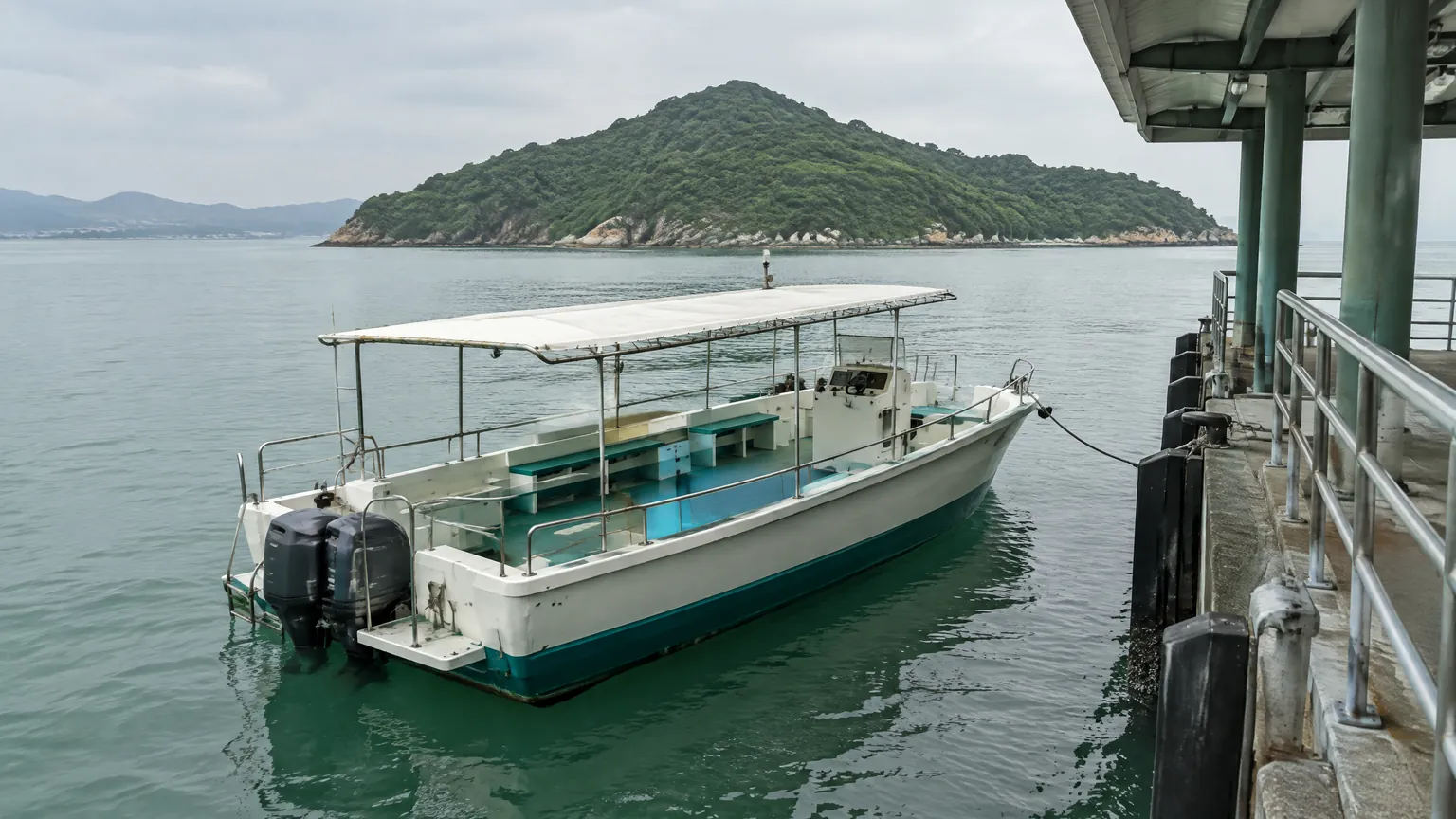
A Hong Kong dive charter starts with two separate questions: can this boat carry the proposed group, and can the proposed activity accommodate each person? A positive answer to the first does not settle the second. Someone may be accepted as a passenger but not approved for the diving programme. Equally, an experienced diver may need a different arrangement from a recently qualified friend.
This matters when a group hopes to visit Hoi Ha Wan. Marine park access, conservation restrictions and changing conditions all affect what the operator can offer. Treat the initial destination as a proposal until the school and boat operator confirm the actual plan. GotGear and DiveHarbour share an owner; the linked pages below are related-business information, not independent provider recommendations. GotGear does not provide diving training.
Describe the people before choosing the boat
Start the enquiry with a short participant profile rather than a preferred departure time. For each intended diver, give the certification held, the issuing agency, recent diving experience and any substantial break from diving. State whether the person wants a recreational outing, a supervised introduction or training. These are different requests, even when everyone would like to share a boat.
Do not turn a group organiser's impression into approval. Saying that a friend is confident in the sea does not establish eligibility for a particular dive. Ask the school what records it needs to review and whether a refresher or separate assessment is proposed. The relevant instructor must confirm suitability for the actual activity; a charter booking is not a substitute for that decision.
The Hong Kong private speedboat dive charter information page is a useful starting point for a group enquiry. Send the participant profiles with the request and ask what private use would mean for this booking: exclusive vessel use, a separate dive group, dedicated instruction, or some other arrangement. Do not assume that the word private includes every form of staffing or that it permits unrestricted changes to the itinerary.
Separate dive eligibility from personal health questions
Ask which participant forms are required and how each person should return them. If a form or a health concern calls for medical assessment, that belongs with a qualified healthcare professional. Neither the group organiser nor this article can give personal medical clearance. An activity acceptance message should not be read as a medical opinion.
For a participant who is unsure about equipment fit, access to the boat or returning after a long break, describe the concern before committing. Request the school's assessment process rather than a guarantee. Actual diving skills must be taught and assessed by qualified instructors; this is a booking and selection guide, not a practical training manual.
Give non-diving companions their own plan
A companion who will not dive still needs explicit acceptance as a passenger. Ask what that person may do during the outing, where they will remain when divers are in the water, and who is responsible for their supervision. Swimming or snorkelling should not be added casually because the boat happens to stop near shore.
For children or teenagers, request confirmation against the selected training agency's applicable requirements and the specific trip arrangement. Ask about parental consent and appropriately fitting equipment without assuming a universal age threshold. AFCD notes that beaches within marine parks are not gazetted swimming beaches with lifeguards on duty. A marine park setting is therefore not evidence of a lifeguarded family swimming stop. 1
Check capacity and supervision separately
A passenger number is not a dive-group size. GovHK's boating guidance treats passenger capacity, adequate seating or resting facilities, safety equipment and qualified vessel operators as distinct safety requirements for pleasure vessels. That supports asking about the actual boat, rather than relying on a photograph or a broad description such as speedboat. 3
Ask the operator to identify the proposed vessel and confirm its permitted passenger capacity and any relevant total-person limit. Have it explain how crew, instructors, guides and non-diving companions are accounted for. Separately, ask whether the planned load of cylinders, equipment and personal belongings fits the operating arrangement. A promise that everyone can squeeze aboard is not the confirmation you need.
If the boat is a local pleasure vessel being let for hire or reward, the Marine Department's public guidance says it must have the relevant endorsement and specified valid documents. Ask how to verify the current status of the actual vessel. This is a vessel-specific check, not evidence that any named school or advertised charter has already been independently verified. 5
Then examine staffing. Who is responsible for the boat, who supervises the diving activity, and what happens to other participants while a subgroup is in the water? Request the proposed group allocation and the qualifications required for those roles. Do not invent a universal supervision ratio or assume that the skipper is also the dive instructor.
| Proposed group situation | Confirmation needed | Assumption to avoid |
|---|---|---|
| Certified divers with similar recent experience | Acceptance for the proposed programme and named supervision arrangement | Similar certificates mean identical readiness |
| Certified divers mixed with first-time participants | Separate activity eligibility, staffing and scheduling | Everyone can join one recreational dive |
| Divers accompanied by non-divers | Passenger acceptance and the companions' onboard plan | An unused dive place automatically becomes a companion seat |
| A family including a young participant | Applicable agency requirements, consent, equipment fit and supervision | Private hire removes participation restrictions |
| A participant with an access concern | Suitability of the actual boarding point and vessel facilities | Every boat offers the same access |
Use the table to identify questions, not to assign people to an activity yourself. Once the provider proposes an arrangement, check that its reply addresses the whole group. A response about the lead diver alone leaves the companion and beginner questions unresolved.
Make Hoi Ha Wan's conservation requirements part of the proposal
Hoi Ha Wan is a marine park, not an unrestricted boating venue. AFCD's management guidance identifies a mechanised-vessels prohibited zone and an inboard-vessels prohibited zone there, with different protective purposes. It also describes designated mooring sites and mooring buoys intended to prevent habitat damage from improper anchoring. These restrictions are relevant to where a vessel can operate and stop. 2
A Hoi Ha Wan boat dive enquiry should therefore ask how the proposed trip will fit the current marine park management arrangements. Ask whether the visit is inside the park, what the conservation briefing will cover, and who will check applicable permissions and vessel restrictions. The page name does not establish a fixed departure point, guaranteed route or permission to stop anywhere in the bay.
AFCD's visitor code prohibits unauthorised collection or injury of wild animals and plants, damage to shoreline or seabed features, pollution and littering. It also lists unauthorised mooring and anchoring, and certain other unauthorised activities including commercial activities, among the prohibitions. The operator should clarify which requirements apply to its proposal; readers should not try to infer permission from a public information page. 1
For the group, this means agreeing on the purpose of the visit before booking. If someone expects to collect souvenirs from the water or arrange a wildlife-handling photograph, that expectation conflicts with the protection of the site. Ask for an observation-focused outing and an appropriate conservation briefing. Any practical skills needed to avoid damaging the environment should be addressed by qualified supervision, not improvised from an article.
Do not promise a particular coral view, animal encounter or visibility level when inviting friends. A responsible itinerary may need to change because the site is unsuitable for the group or cannot be used as proposed. Also avoid confusing marine parks with marine reserves: AFCD states that swimming, diving and boating are prohibited in the marine reserve. Restrictions must be checked for the actual destination, not borrowed from a similar-sounding place. 1
Agree what happens when the site or weather changes
A destination change is also a participant-suitability question. If the planned stop is unavailable, an alternative should not be accepted merely because it remains a boat dive. Ask the school to reassess whether the substitute programme fits the least experienced participant and whether companions can still be accommodated. Changes to the vessel or boarding location can affect access as well.
Request a clear account of who makes the operational decision, how participants will be notified and what they should do if the update arrives after they have begun travelling. Obtain the current meeting instructions rather than treating Hoi Ha Wan or Sai Kung as a confirmed departure point. Ask whether an alternative changes the included activity or requires a new written quotation.
The Hong Kong Observatory explains that thunderstorms can develop, move and dissipate rapidly and can be localised. Its official precautions when thunderstorms occur include leaving the water and not taking part in outdoor water sports. This advice should not be softened into a promise that a more sheltered-looking bay will make the trip acceptable. 4
Check official forecasts and warnings, but do not use a screenshot from the previous evening as permission to proceed. Ask the operator what current weather information it reviews and how it communicates changes. HKO also cautions that lightning-location information has limitations and should be considered alongside its warnings and other weather information. The organiser should not use one favourable map view to pressure the crew or instructor to continue. 4
Keep commercial terms separate from operational judgement. A decision not to use a site does not itself establish a refund right, free alternative trip or automatic make-up session. Before payment, request the school's current written non-refund, cancellation and make-up terms. If wording differs between languages or messages, resolve it in writing rather than choosing the interpretation that seems more generous.
Compare quotations for the same participant scope
Two quotations are difficult to compare when one covers experienced divers only and the other includes a separate beginner arrangement. First establish who has been accepted and for what activity. Then compare the vessel allocation, staffing and inclusions against that same group profile. A smaller headline offer tells you little if the essential supervision is not included.
Use the Hong Kong boat dive price information page to frame an itemised enquiry, not as a final quotation for any group size or destination. Ask what the current written offer includes and excludes for the agreed participants. In particular, confirm whether boat use, activity supervision and equipment provision are quoted together or separately, and whether changing the site affects the offer.
Equipment questions should identify who supplies each required item and how sizing is confirmed. Ask what happens if a participant's equipment needs cannot be met, rather than assuming that shared rental equipment will suit everyone. For companions, clarify whether their place is included in the same quotation and whether any separate activity is being proposed.
Also identify the parties responsible for the booking. Who is providing the diving activity, who supplies the vessel, and who will issue the written confirmation? If the charter agreement and the school's activity terms are separate documents, ask how they apply together. Do not assume that accepting one document resolves the other, or that a public page proves availability for a requested date.
Send an enquiry the provider can answer
A useful enquiry lets the school confirm suitability without guessing. Keep personal health material out of a casual group chat; ask for the appropriate submission channel for required forms. The organiser can coordinate the trip while each participant handles their own sensitive information through the process the school specifies.
Before requesting a final quotation, assemble this practical checklist:
- Provide the intended headcount, distinguishing divers, first-time participants and non-diving companions.
- Give each diver's certification agency and recent-experience summary, and mention any requested refresher.
- State whether the group includes young participants or anyone with equipment-fit or boarding-access concerns.
- Ask for the actual vessel, permitted capacity and proposed staffing and group allocation.
- Request the intended site, its conservation requirements and the process for reassessing any substitute.
- Obtain current meeting instructions, required documents, itemised inclusions and written cancellation and make-up terms.
Review the reply against those questions before paying. If a point is unanswered, ask specifically about it. A general message that the group is welcome does not tell you whether a beginner has been accepted for a separate activity, a companion may board, or the vessel arrangement has been confirmed.
Reconfirm the group when the plan changes
Consider a hypothetical enquiry from two certified friends, a first-time participant and a non-diving companion. The group prefers Hoi Ha Wan, but the school proposes another location after reviewing conditions. That change should trigger a fresh check of the activity scope, not just an updated map pin. The beginner's proposed programme and the companion's onboard arrangement still need explicit answers.
If a different vessel is also proposed, ask again about capacity, access and facilities for the revised boat. Confirm whether staffing remains the same and whether the changed plan is covered by the original written terms. This is not a demand that the operator preserve an unsuitable itinerary; it is a way to prevent a replacement from silently changing what each person has agreed to.
The useful final confirmation is specific: these participants, this proposed vessel, these accepted activities, this supervision arrangement and these contingency terms. Conditions and operational decisions may still change. What the written plan gives the group is a clear basis for deciding whether to book, without mistaking private hire for unlimited flexibility or a guarantee of safety.

Common questions
Can beginners and certified divers share a private charter?
Only if the school confirms a suitable arrangement for each person. Sharing the boat does not mean sharing the same underwater programme. Ask whether separate instruction, grouping or scheduling is required, and what happens to the other participants during each activity. Do not assume that exclusive boat use removes eligibility requirements.
Does naming Hoi Ha Wan guarantee that the boat can stop beside the desired coral area?
No. Hoi Ha Wan has marine park vessel restrictions and management arrangements intended to protect habitats and water users. The operator must confirm how its proposed visit complies with the current requirements. A destination label does not establish a particular stopping point, authorised anchoring, visibility or a guaranteed wildlife encounter.
What should the group reconfirm if the boat or dive site changes?
Reconfirm each participant's accepted activity, supervision, companion arrangements and boarding access. Ask whether capacity, equipment provision or the quotation changes with the replacement vessel or site. Obtain the revised meeting instructions and check how the written cancellation and make-up terms apply; do not assume a change automatically creates refund rights.
Sources & what they support
The scope below identifies what each reference supports. Citations do not imply independent endorsement of DiveHarbour or any school, establish course outcomes or provide individual medical clearance to dive.
- AFCD: Code for Visiting Marine Parks (opens in a new tab)
Supports the absence of gazetted-beach lifeguards within marine parks, restrictions on wildlife collection and injury, habitat damage, pollution, littering and unauthorised activities, and the distinction between marine park and marine reserve prohibitions.
- AFCD: Marine Parks Management (opens in a new tab)
Supports Hoi Ha Wan's mechanised-vessel and inboard-vessel restriction zones and the habitat-protection purpose of designated mooring sites and buoys. Does not establish any particular charter's permission or route.
- GovHK: Safety Tips for Boating (opens in a new tab)
Supports treating pleasure-vessel capacity, accommodation, approved and accessible safety equipment, and qualified vessel operators as distinct checks. Does not establish dive-supervision ratios or certify a provider.
- Hong Kong Observatory: Thunderstorm Warning (opens in a new tab)
Supports the rapid and local development of thunderstorms, official advice against outdoor water sports when thunderstorms occur, and limitations of lightning-location information. It is not a forecast for a booked trip or an operator cancellation policy.
- Marine Department: Public reminder on pleasure vessels hired for reward (opens in a new tab)
The April 2022 official reminder supports checking the applicable endorsement and valid documents for local pleasure vessels hired for reward. Readers should verify the actual vessel's current status; the source does not independently verify DiveHarbour or its boats.