A Sheung Wan salon visit: getting the haircut brief and location right
This column offers salon and styling information and links to Vit So, a hair website under the same ownership. Hair services are provided by Vit So, not GotGear.
The short answer
Start with two separate checks: where the appointment will take place, and what you want the haircut to do in everyday life. Vit So’s appointment location is 252 Hollywood Road, Sheung Wan, Hong Kong. Confirm the date, arrival time and service directly before travelling. For the haircut brief, identify the length you must keep, the areas that bother you and the styling you will actually do at home. Reference pictures help when you explain which details matter.
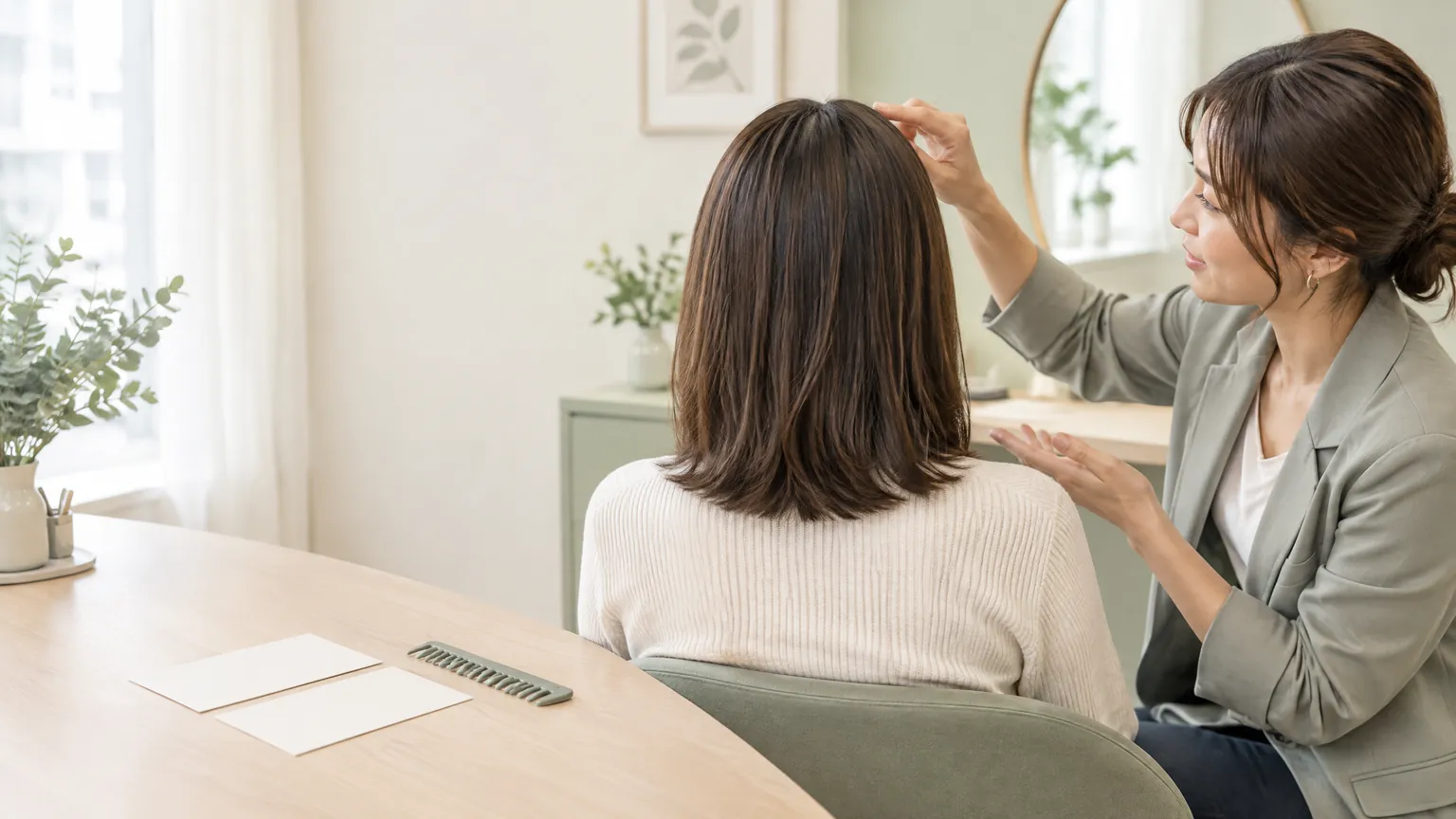
Confirm the destination before choosing the journey
A neighbourhood name helps you find possibilities; a complete address helps you reach the appointment you have actually arranged. For Vit So, use 252 Hollywood Road, Sheung Wan, Hong Kong. Keep that written address with the appointment reply rather than saving only a map pin. A result labelled Central or Sai Ying Pun should not be interpreted as a separate Vit So branch. There is one appointment location specified here.
The official sheung wan salon page is a place to check the location and frame arrival questions. GotGear and Vit So share ownership; these service links provide brand information, not independent salon endorsements. The practical decision remains whether the confirmed location and proposed work fit your needs.
Plan from the place you will leave on the day. If that is an office, use its actual doorway as your starting point rather than the centre of the district. Compare current directions with the street number, then ask about any entrance detail that remains unclear. Do not select a station exit from an old social post and assume it establishes the whole approach.
Access questions deserve their own message. If stairs are difficult, ask about the route from the street to the appointment space. If you will carry luggage or need a companion, describe that requirement before settling the visit. This article does not verify a step-free entrance, a particular walking time or any arrangement for accompanying visitors. Asking early lets you make a decision without discovering a mismatch at the door.
Describe what the haircut needs to preserve
Before collecting style names, write down what you cannot comfortably lose. That may be enough length to gather your hair loosely, coverage around the ears, a parting you can maintain or a fringe that stays clear of your glasses. These are more useful starting points than a request to look completely different, because they establish the limits of the change.
Then identify the problem by area. Is the outline becoming broad at the sides? Does the back feel heavy while the front already feels short? Are the ends uneven, or do you mainly dislike how the fringe separates? Distinguishing these concerns helps you discuss whether you want a maintenance cut, a change in shape or a shorter overall length. It does not decide the technique before the stylist has assessed your hair.
For a short-hair enquiry, the men's haircut sheung wan service page can help you start the scope discussion. Your message should still describe the actual cut: whether the ears should remain covered, how close you want the sides and what length you need on top. A service category alone does not communicate those choices.
Use physical landmarks when words are ambiguous. Instead of saying “shorter at the front”, show where you want the finished fringe to sit. Instead of “keep some length”, indicate the section and the minimum you want retained. Ask to agree the intended boundary before cutting begins, especially if keeping that length matters more to you than copying a photograph exactly.
Make reference pictures answer specific questions
Separate the outline from the styled finish
A reference image can show a useful silhouette while also showing a finish you do not intend to recreate. Tell the stylist which part attracts you: the length at the jaw, the shape behind the ears, the balance between the crown and sides, or the way the fringe opens around the face. Do not leave the photograph to stand in for the entire brief.
Choose a small set of pictures that serve different purposes. One can show the overall outline, another the fringe, and a current picture can show what you are starting with. If two examples conflict, explain which detail takes priority. Asking for the short sides of one image and the long connecting sections of another may require a conversation about how those elements work together.
Avoid relying only on a front-facing photograph. It may say little about the back, the perimeter or how much length remains behind the shoulders. You do not need a large image collection, but you do need to recognise what your chosen picture does not show. Ask how the proposed cut would look from those missing angles.
Show the hair you normally arrive at work with
Your everyday hair is part of the brief, not an embarrassing version to hide. A current photograph taken after your usual home routine can help explain a side that sticks out or a section you always tuck away. Say whether you normally let the hair dry naturally, use a dryer, straighten it or apply a styling product.
For medium or longer hair, the women's haircut sheung wan page provides a starting point for checking the service. Add your own constraints: the shortest acceptable front section, whether you need to tie the hair back and how much shaping you want around the face. These details should guide the conversation rather than an assumption that longer hair always needs layers or that a shorter cut always means less effort.
Compare the morning routine, not just the salon finish
A haircut choice includes the routine you are willing to repeat. Be candid about your tools and patience. If you do not own a round brush, say so before choosing a reference that depends on a carefully directed blow-dry. If you need to leave with damp hair most mornings, ask how the proposed shape could behave under that routine rather than requesting a finish you will not maintain.
The American Academy of Dermatology advises using the lowest heat setting when heat styling, reducing how often hot tools are used and avoiding tightly pulled hairstyles. Its detangling advice also distinguishes straight hair from textured hair or tight curls; one brushing rule does not suit every hair type.2 These are reasons to discuss your real habits, not instructions to select a particular haircut.
| Everyday priority | Detail to include in the brief | Trade-off to discuss |
|---|---|---|
| Leaving home without heat styling | Explain how you dry the hair and which sections become difficult to manage | Whether the reference finish depends on styling that you will not repeat |
| Keeping hair gathered for work or exercise | Show the shortest length that still lets you gather it loosely | Whether shorter front sections will fall free and need separate handling |
| Wearing glasses throughout the day | Show how the frame sits and where hair catches or obscures your view | Fringe length and side shape, rather than removing length everywhere |
| Maintaining a close outline around the ears | Describe how much coverage you want and what feels overgrown | How much change you are comfortable with between future cuts |
| Preserving longer ends while changing the shape | Point out the minimum length to retain and the areas that feel heavy | How far the outline can change without sacrificing that length |
Use the table to choose priorities, not to self-prescribe a technique. If you want several things that compete, rank them. Keeping enough length for work may matter more than making the front match a photograph. A light-feeling result may matter more than retaining every uneven end. Naming that order gives the consultation a practical decision to resolve.
Ask for home advice that matches what you have described. A demonstration with tools you will never use is less helpful than an explanation of parting, drying direction or gentle detangling that fits your routine. Do not assume that a finish created at the appointment will reproduce itself without any styling.
Share treatment history without turning the visit into treatment
A haircut enquiry should include relevant previous colour, bleach, perms or straightening, particularly when different sections have had different processing. Give approximate dates if you know them, identify the areas involved and say where your recollection is uncertain. An honest partial history is more useful than guessing the product or claiming the whole head is untreated because the roots are new.
Mention what you currently notice in ordinary terms: ends that tangle, a section that feels rough or breakage you can see. The AAD explains that damaged hair is fragile and can break, and recommends gentler handling and changes to damaging care habits.2 A different haircut can change length and shape; it should not be described as permanently repairing chemically processed hair or treating a scalp disorder.
If you are also considering colour, a perm or straightening, make that a separate question. Do not assume those services can simply be added to a haircut appointment or are suitable for every hair condition. The discussion needs to cover the proposed work and its suitability before you agree to proceed.
Persistent irritation, pain or sudden noticeable hair loss calls for assessment by a qualified healthcare professional, not a haircut diagnosis. The AAD recommends seeing a dermatologist when hair-care changes do not help, especially when thinning or hair loss is a concern.2 Tell the salon about discomfort that could affect washing or handling, but keep medical assessment separate from cosmetic service planning.
Agree the service and timing as separate decisions
A clear haircut brief does not, by itself, confirm an appointment. Contact Vit So by phone or WhatsApp at 5305 7561 with the intended work and possible dates. Wait for an explicit acceptance of the date and arrival time. Sending an enquiry, viewing a service page or proposing a new time does not establish availability.
Ask what the appointment includes and what total charge applies to the agreed scope. Clarify washing, cutting and finishing rather than assuming that every use of the word “haircut” means the same sequence. If additional care or a different service is proposed, ask how that changes the scope before consenting. This guide does not reproduce a price list or treat a published entry as a personal quotation.
The Hong Kong Consumer Council advises salon customers to check less prominent charge conditions, including those related to a designated hairdresser, hair length or particular requirements, and to retain a receipt listing the services provided.1 That advice supports a straightforward habit: clarify the work before it starts, and keep a record of what was agreed. It is not a claim about Vit So's individual charging practices.
Timing needs the same specificity. Tell the salon when you must leave, not only when your next meeting or event starts. Ask whether the intended work can fit the proposed visit; if not, discuss another date or a narrower scope. Avoid a plan that depends on an unconfirmed appointment duration.
Keep the latest accepted details together. If the discussion changes from a maintenance cut to a larger restyle, ask whether the original timing still applies. If your travel plans change, send a clear update and wait for the reply rather than assuming the appointment can shift with them. English-language web content does not establish English-speaking reception or consultation; ask about communication arrangements if they matter to you.
A hypothetical visit with two competing priorities
Consider a hypothetical reader leaving an office in Central for a haircut at the Hollywood Road address. They have shoulder-length hair, wear glasses and gather their hair loosely during exercise. Their reference picture shows a shorter outline with several loose sections around the face. They are tempted to ask for “that exact cut” and travel straight after work. This is an illustrative situation, not a customer account.
A more useful brief would say: “I want a clearer outline and less hair falling onto my glasses, but I need to keep enough length to gather it. I usually let it dry without a brush. The fringe is the part I like in this picture; the overall length is negotiable.” That gives the stylist a defined priority and an unresolved choice to discuss.
The travel message should be separate: where they will leave from, possible dates and any firm onward deadline. They should confirm the appointment at 252 Hollywood Road before planning the final journey. If the proposed restyle needs a different arrangement, they can choose another date or keep this visit focused on maintenance.
The point is not that either option is universally better. A maintenance visit preserves more of the existing plan; a larger change needs agreement on more details. Making that choice before the appointment reduces the chance of rushing through a decision about length simply because the reader has another commitment.
Keep one compact brief ready for the appointment
A useful note should be short enough to read aloud and precise enough to correct. Put the most important constraint first. Follow it with the change you want, your usual styling routine and any relevant processing history. Keep optional ideas after those essentials so they cannot be mistaken for the main request.
Before leaving, work through this checklist:
- Confirm the accepted date, arrival time and intended service, not just your outgoing request.
- Save 252 Hollywood Road, Sheung Wan, Hong Kong, with the appointment message and contact number.
- Check current directions from your actual starting point and ask about unresolved entrance or access needs.
- Prepare a current hair photograph and a small set of references, with the useful detail in each identified.
- Write down the length you must keep, the area you most want changed and the styling you realistically do.
- Share relevant processing history and confirm the agreed scope and total charge.
- State any firm departure deadline and check whether the visit still fits it.
At the consultation, ask the stylist to summarise the proposed change in plain terms. If “short”, “light” or “natural” still means something different to each of you, use a visible section of hair or a reference detail to clarify it. An uncertain description is worth resolving before cutting, not after.
For a small salon, a concise brief also helps keep practical questions in the right order: assess the requested change, agree the work, then confirm the visit arrangements. That is a general organisational benefit, not a description of an observed Vit So workflow. You do not need to dictate tools or cutting methods. You need to make the desired outcome and its limits understandable, while allowing the professional consultation to determine what can reasonably be done.
Common questions
What address should I save for a Vit So appointment in Sheung Wan?
Save 252 Hollywood Road, Sheung Wan, Hong Kong, together with the accepted appointment details. Central and Sai Ying Pun are not additional branches established by this guide. Check your current route from your actual starting point, and ask directly about the entrance or any access requirement that affects your visit.
How do I ask for a change without losing the length I need?
Identify the minimum length you want to retain using a visible section or practical landmark. Explain why it matters, such as gathering the hair loosely for exercise. Then identify the area you want changed. Ask to discuss any conflict between that constraint and your reference picture before cutting begins.
Can I treat a WhatsApp enquiry as a confirmed haircut appointment?
No. Wait for explicit acceptance of the date, arrival time and intended service. If you request a different time or add work, ask whether the arrangement has been accepted. Keep the latest confirmation available while travelling; a service page or an outgoing message does not establish appointment availability.
What if I like a styled reference but rarely use a hairdryer?
Say which feature you like and describe your normal drying routine. Ask how the proposed shape might work without reproducing the photograph's finish. Prioritise the outline, length or fringe you actually want, and request home guidance that fits your tools and habits rather than assuming the salon finish requires no maintenance.
Sources & what they support
The scope below identifies the information supported by each reference; a citation is not an endorsement of a salon or a guarantee of results.
- Consumer Council: Consumers' Woes against Hair Salons Many and Varied (opens in a new tab)
Salon-specific consumer guidance to clarify less prominent charge conditions, including hairdresser, hair length and particular requirements, and retain an itemised service receipt. The article uses the guidance, not the historical complaint figures or case prices.
- American Academy of Dermatology: 10 hair care habits that can damage your hair (opens in a new tab)
General guidance on gentle handling, reduced heat styling, avoiding tightly pulled styles, hair-type-specific detangling, fragile damaged hair and seeking dermatological assessment for unresolved hair concerns or hair loss. It does not endorse a salon or predict a haircut result.