Discuss Betrothal Gifts Across Families Without Treating Customs as Rules
GotGear and YumYum (including its gifting, baking and florist branches) share an owner; this collection is not an independent recommendation. GotGear does not provide catering, gifting, cake, floral, tuition or rental services. External-service information is separate from GotGear’s equipment catalogue; confirm the actual scope with the relevant provider. Articles are general planning information, with no promises about supply, arrangements or outcomes. Concept photos are not records of real events, customers or classes.
The short answer
Begin with what each family wants the betrothal exchange to express, then agree the actual contents, what happens to them afterwards and who will receive them. Treat remembered customs as requests to discuss, not rules that a hamper must satisfy. Separate dried seafood from fresh fruit because the receiving household needs different information and storage arrangements for each.
Begin with what each family wants the betrothal exchange to express, then agree the actual contents, what happens to them afterwards and who will receive them. Treat remembered customs as requests to discuss, not rules that a hamper must satisfy. Separate dried seafood from fresh fruit because the receiving household needs different information and storage arrangements for each.
GotGear and YumYum share an owner. This is a disclosed planning journal, not an independent recommendation; GotGear does not provide food, floral, gift, class or rental services. The linked YumYum resources can help structure enquiries, but neither a product name nor a photograph settles your families' arrangements.
Start with the meaning each family wants to preserve
Before circulating shopping suggestions, ask each household a more revealing question: what would make this exchange feel thoughtful and recognisable to you? An elder may value receiving gifts in person. Another relative may care about an ingredient associated with an earlier family wedding. The couple may want a modest exchange that does not leave either household with food it cannot use. These are different priorities, and buying a larger basket does not necessarily reconcile them.
The Hong Kong Museum of History places betrothal gifts within a sequence of local marriage practices and describes wedding tradition as transforming. That is useful historical context, not a contemporary shopping instruction. Its account does not establish a mandatory fruit, seafood selection or ceremony date for your household.1
Ask relatives to explain a remembered custom through a specific example: who presented the item, who kept it and why it mattered. Record it as that person's family experience. Avoid converting “we did this at your aunt's wedding” into “every Hong Kong family must do this”. The Chinese Historical and Cultural Project explicitly describes its historical wedding account as a composite of variations across regions and even villages.2
In a hypothetical planning call between a couple living in Tseung Kwan O and parents in Kowloon, one side might want a formal presentation while the other prefers a quiet visit. Agree whether the gifts belong to that visit before choosing packaging. A brief conversation about the occasion can prevent two households from preparing for entirely different events.

Translate expectations into one understandable contents note
Use a shared note with a separate entry for each request. Preserve the family's original wording, then add a plain description of the actual item. If someone asks for “seafood gifts”, find out whether they mean particular dried ingredients or simply a food gift presented in a formal box. Do not assume a category name describes the contents precisely enough to order.
The journal resource on Chinese betrothal gifts discusses dried seafood in a wedding context. Use it to identify questions about contents and presentation, not as a complete definition of the exchange. Your family note should also say which requests are essential to the people involved, which are flexible, and which still need discussion.
Keep a preference distinct from a final decision
A relative's preferred item is not yet an instruction to the supplier. Mark it as proposed until both households and the couple have agreed. If two relatives use different names, ask whether they are describing the same ingredient before combining the entries. If they disagree about a quantity or format, leave the disagreement visible rather than quietly choosing one version.
An itemised statement accompanied gifts in the historical account published by the Chinese Historical and Cultural Project.2 A modern contents note can serve a practical purpose without copying historical obligations: it lets everyone see what has actually been agreed. Include whether each item will be kept, shared with relatives or involved in an agreed return exchange. Those outcomes affect packing even when the initial presentation looks the same.
For a couple coordinating around office hours in Central and Kwun Tong, a short written recap after an evening call may be easier to confirm than a long message thread. Give relatives time to correct the wording. Silence in a busy group chat should not be treated as approval of an unresolved request.
Choose dried seafood for the household that will use it
Separate the significance of a seafood gift from the recipient's ability and willingness to use its contents. Ask who will store the packages, whether anyone wants the proposed ingredients, and whether preparation instructions will be available. A household that enjoys cooking with one item may have no use for another. Presentation alone cannot answer those questions.
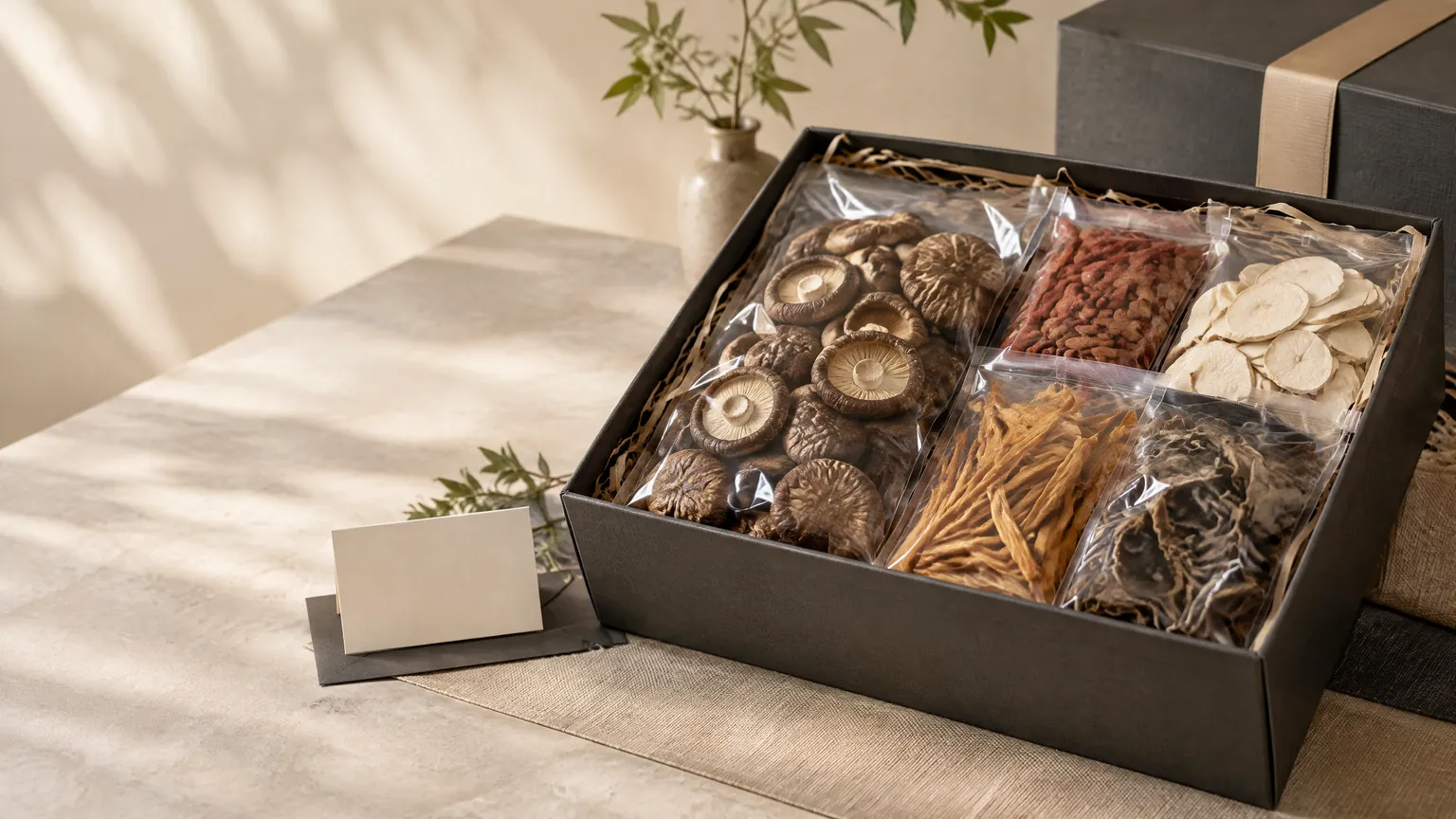
Wedding dried seafood hampers can be considered as a format once the families have agreed what they want to include. The resource describes existing options as enquiry starting points and calls for confirmation of contents and packaging. Ask for the actual ingredient names, pack sizes, product information and preparation guidance rather than inferring them from the arrangement shown.
Ask what happens after the box is opened
Do not assume that a dried product is ready to eat, ready to cook or suitable for the same storage conditions as another item. Request the instructions for the proposed products. Keep original food packaging and labels available to the receiving household rather than replacing useful information with purely decorative wrapping. This is a gift-planning decision, not a reason to improvise soaking or cooking methods.
If an ingredient is unwanted or unsuitable for someone's dietary requirements, address that before the order is confirmed. Ask the supplier what information it can provide about the final selection and any proposed alternative. An alternative should also be accepted by the family; a last-minute replacement can change both the meaning and the practical use of the gift. A different ingredient is not an assurance of allergen exclusion.
For example, a compact flat in Sham Shui Po might have little spare storage, while relatives elsewhere may intend to divide the contents. In that hypothetical situation, ask about separately identifiable packages within the presentation box. Confirm that arrangement rather than assuming the supplier can provide it. The useful outcome is food the agreed recipients can manage, not an impressive box with an uncertain destination.

Decide whether fruit is ceremonial, shared food or both
Fruit needs its own conversation. Will it be presented during the betrothal visit, sent as congratulations for the wedding, or shared afterwards? If relatives have preferences about varieties, colours or counts, record them as this family's requests. Ask about excluded fruit as well as desired fruit. A basket assembled around someone's favourite varieties may not match another person's expectations for a formal exchange.
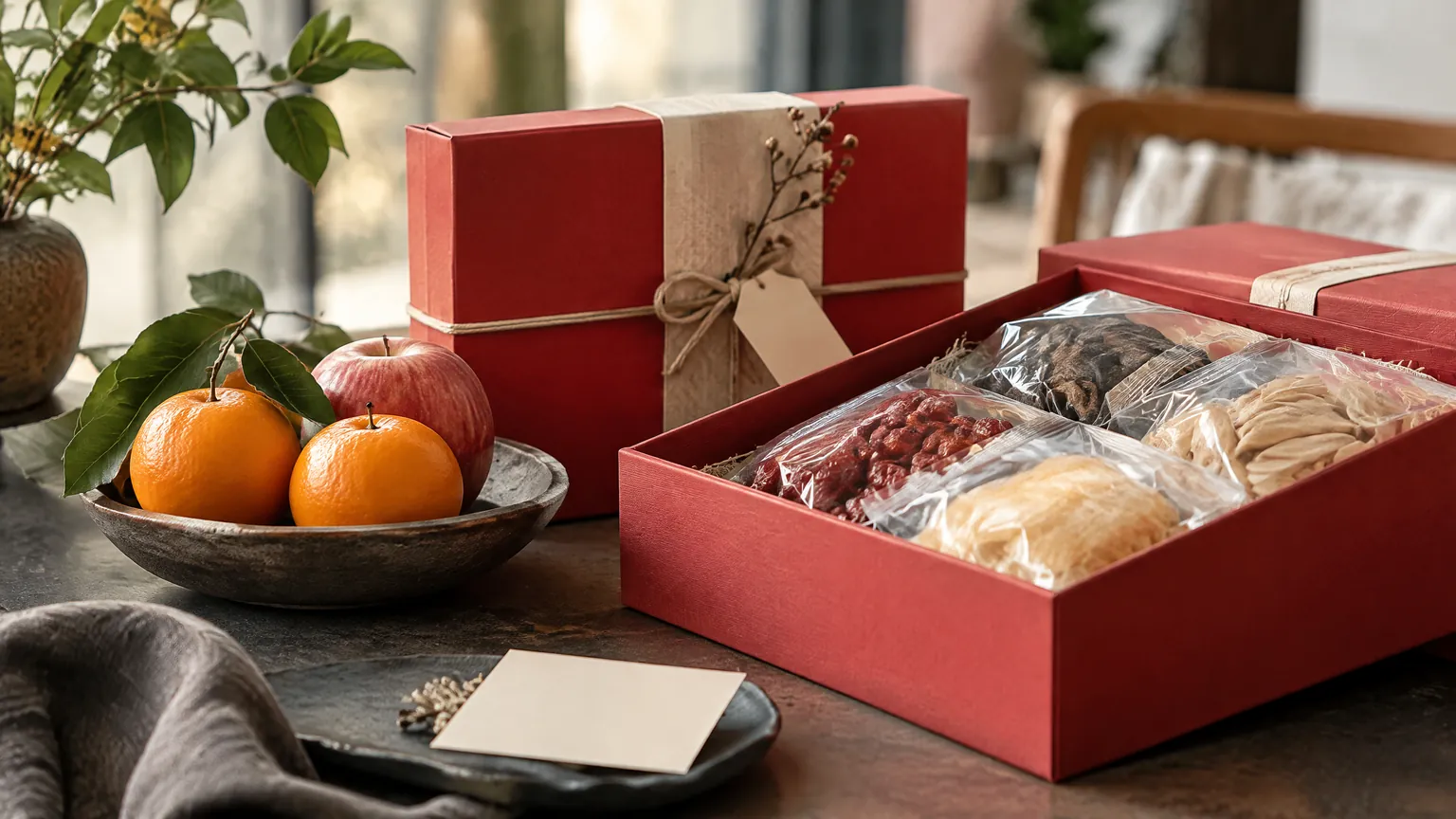
The Wedding fruit resource offers a starting point for discussing wedding-related fruit presentation. It should not override the receiving family's choices or the couple's wishes. Confirm the proposed varieties and arrangement directly, and distinguish a congratulatory basket from fruit intended for an agreed betrothal presentation.
For the food itself, the Centre for Food Safety advises choosing fresh fruit that is undamaged and without bruised areas. It also advises refrigeration for perishable fruit, such as strawberries, and for cut or peeled fruit when it is not consumed immediately.3 A plan for whole apples or oranges therefore should not automatically be copied onto a selection containing more perishable or prepared fruit.
Think through the actual household route. In a hypothetical visit to a parents' flat in Sha Tin, the fruit might arrive before relatives gather and remain there after the presenting family leaves. Identify who will unpack it and follow its storage needs. Do not make a display plan that depends on leaving every variety out for the same period.
Wash fruit thoroughly under running tap water before peeling, cutting or eating; the Centre for Food Safety advises against washing it with soap or detergent.3 A ceremonial display does not replace that food-handling step. Keep the presentation and the later eating arrangements separate so a decorative choice does not become an accidental instruction to consume fruit straight from the basket.

Resolve disagreements without turning packaging into proof
When requests conflict, return to their purpose. If one household wants a particular appearance and another wants easier handling, ask whether the appearance can be retained in a compact format. If the disagreement concerns the food itself, do not conceal it beneath matching ribbon. Agree whether to retain the request, adapt it with consent or leave it out. No supplier should be asked to decide a sensitive family preference on your behalf.
Use Betrothal fruit as a topic resource when preparing questions about the proposed selection and presentation. Ask for a specific contents description rather than relying on broad collection wording. The families still need to agree which fruit is wanted, how it will be arranged, and whether any proposed substitution is acceptable before treating an enquiry as a settled order.
Card wording deserves the same care. Ask the couple and receiving family how they want names and greetings written. In a bilingual household, verify both versions with the people named rather than assuming a transliteration or form of address. A neutral message of affection and congratulations may be more comfortable than wording about future children or prosperity that the couple has not chosen.
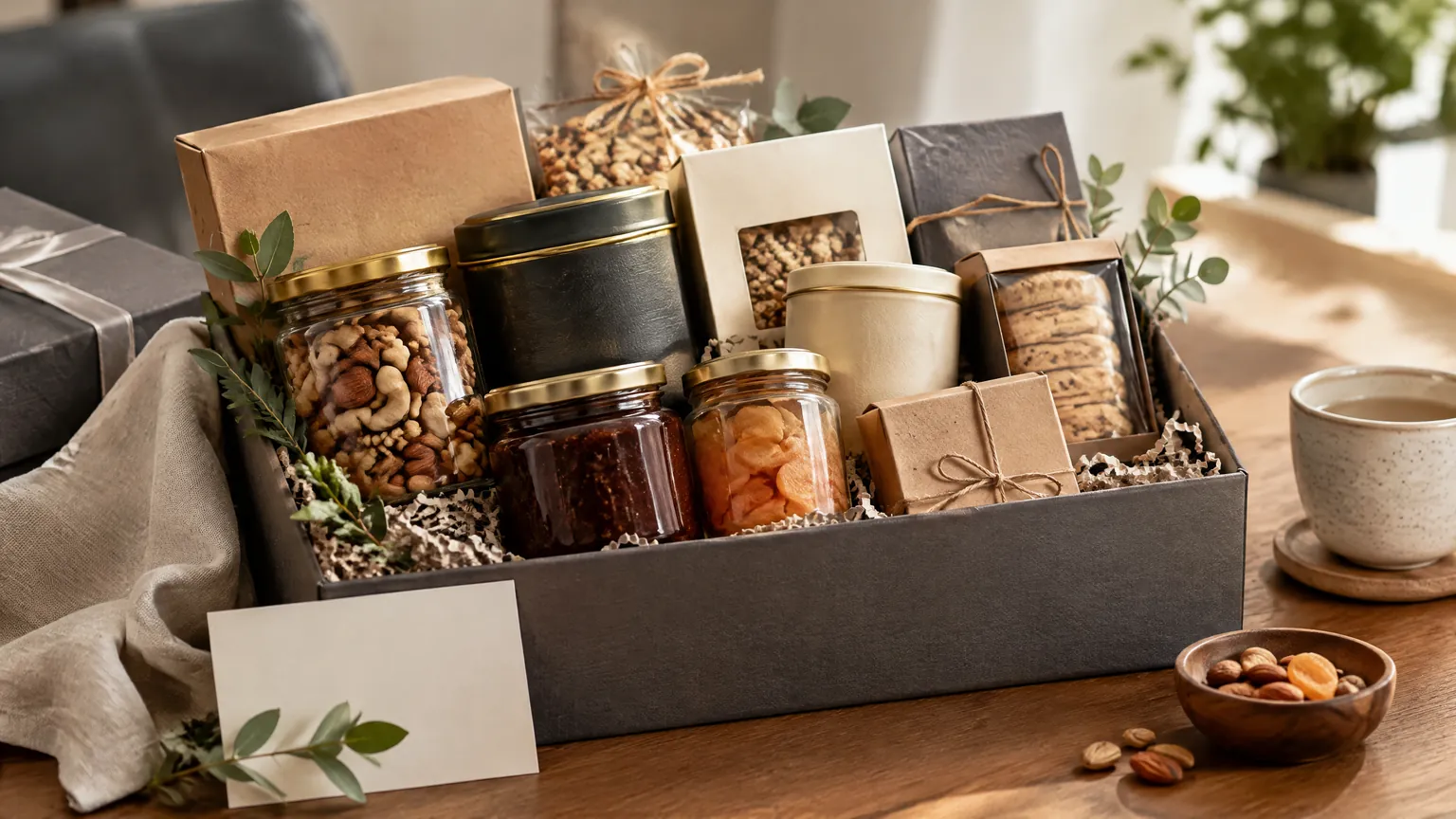
Photographs are helpful for comparing scale, wrapping and layout. They are not evidence that a particular style is compulsory, nor that the pictured contents will be supplied. When sharing a reference, explain what you like about it and what you do not want copied. For instance, you might want a compact shape but different fruit, or a restrained red accent without additional symbols. Get the resulting description confirmed in writing.

Plan the handover around the people and the home
Start with the receiving household's availability rather than assuming a ceremony time is also a suitable arrival time. Ask who can accept the gifts, where they will be checked and where the food will go afterwards. For a Hong Kong apartment building, confirm the address, floor and unit, access arrangements and the receiving contact. Any provider transport arrangement needs direct confirmation; it is not established by the fact that a resource mentions delivery.
A building lobby is not necessarily the final receiving point. If someone must collect the boxes downstairs, decide who can carry them and whether they can manage the fruit and dried-food packages together. In a hypothetical North Point walk-up, a carryable format may matter more than a broad display tray. Tell the provider about that constraint while the format can still be discussed.
Keep the initial presentation address separate from the final destinations. If relatives will take some packages to another home, identify those shares before the visit. Removable destination notes can help without covering original food labels. Ask whether the outer packaging allows the agreed contents to be checked without dismantling the whole display.
At receipt, compare the contents with the agreed note and look for obvious packaging damage or fruit deterioration. For fruit products, the Centre for Food Safety advises following storage instructions and not consuming products with torn or broken packaging or signs of spoilage.3 If something is wrong, keep the order details and relevant packaging, document the issue and contact the provider. Do not quietly transfer a questionable item to another relative to preserve the appearance of the exchange.
Use a short final check before confirming
The final check should be small enough for both households to use, but specific enough to catch a mistaken assumption. Read it against the latest family agreement and the provider's written response, not against an older photograph.
- Confirm the purpose of the exchange and who has approved the family choices.
- Match every requested item to its actual contents and identify unresolved alternatives.
- Separate dried-food instructions from the fruit's storage and eating arrangements.
- Confirm card wording, package destinations, receiving contact and building access.
- Ask the provider to confirm the final format, feasible timing and applicable change terms.
If an elder adds a request afterwards, describe exactly what would change and ask the provider whether it is feasible. Do not assume a new message has amended a confirmed order. The couple can acknowledge why the request matters while still asking both households to consider its practical effect. A thoughtful betrothal exchange is one whose meaning, contents and handover are understood by the people involved, rather than one that attempts to satisfy every custom someone has encountered.

Common questions
What if the two families disagree about which fruit to present?
Ask each family which preference matters and why, then record an agreed selection or an unresolved request. Do not let a basket photograph settle the disagreement. Confirm any alternative with the families before asking the provider to include it.
Can a fruit basket replace a dried seafood gift?
Only if the people involved agree to that change. Fruit and dried seafood have different practical uses and information needs; the provider cannot decide whether a replacement carries the meaning your family wants.
How should we manage gifts that will go to different homes after the visit?
Agree the shares before packing, keep the presentation address separate from final destinations, and use removable destination notes without obscuring food labels. Identify who will carry each share and follow its storage instructions.
Should the fruit be washed before the betrothal presentation?
Do not confuse presentation with readiness to eat. The Centre for Food Safety advises washing fruit under running tap water before peeling, cutting or eating, without soap or detergent. Agree who will handle it for eating and follow the storage needs of the chosen fruit.
Sources & what they support
Each reference supports only the stated scope. Citations are not independent endorsements of YumYum or its branches and do not confirm a provider’s current arrangements or any individual outcome.
- Hong Kong Museum of History: Joyous Destiny wedding memorabilia exhibition (opens in a new tab)
Local historical marriage practices include presentation of betrothal gifts and delivery of dowry; the museum describes a transforming tradition. Does not prescribe contemporary gift contents or ceremony timing.
- Chinese Historical and Cultural Project: Chinese Wedding Traditions (opens in a new tab)
The cultural organisation explicitly describes its historical account as a composite of regional and village variations; it describes an itemised statement accompanying historical betrothal gifts. Not a universal contemporary ritual authority.
- Centre for Food Safety: Food Safety Tips on Fruits and Fruit Products (opens in a new tab)
Choosing undamaged fruit without bruised areas; refrigeration for perishable and cut or peeled fruit when not consumed immediately; washing under running tap water before peeling, cutting or eating without soap or detergent; following fruit-product storage instructions and avoiding damaged packaging or spoilage.