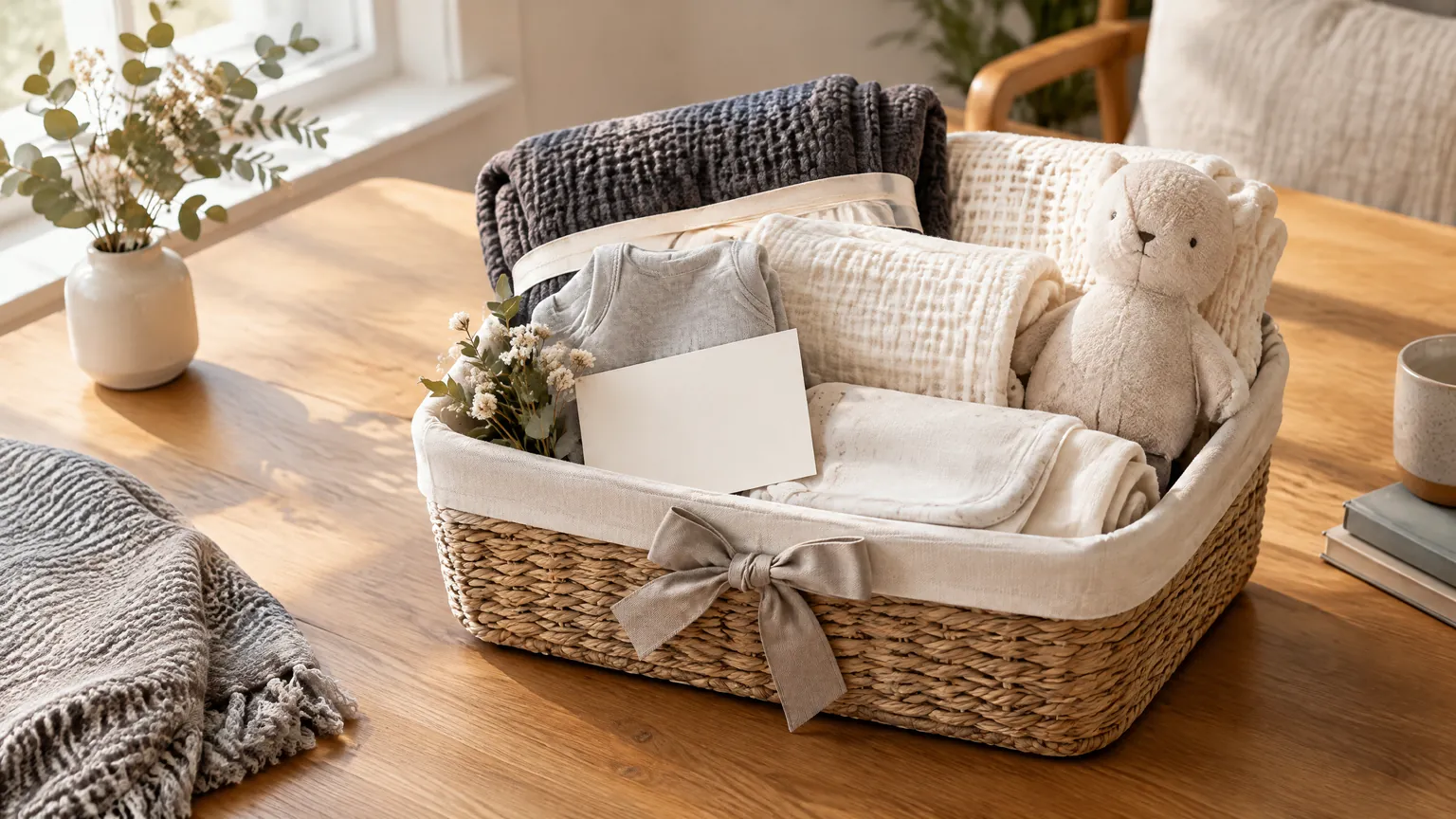
Choose a Couple’s Gift by Shared Habits Rather Than Occasion Labels
GotGear and YumYum (including its gifting, baking and florist branches) share an owner; this collection is not an independent recommendation. GotGear does not provide catering, gifting, cake, floral, tuition or rental services. External-service information is separate from GotGear’s equipment catalogue; confirm the actual scope with the relevant provider. Articles are general planning information, with no promises about supply, arrangements or outcomes. Concept photos are not records of real events, customers or classes.
The short answer
Choose a couple’s gift by asking what both adults actually enjoy doing together, then match the contents to that routine. Confirm alcohol preferences separately, leave room for different tastes and check the actual products before choosing an occasion-themed presentation.
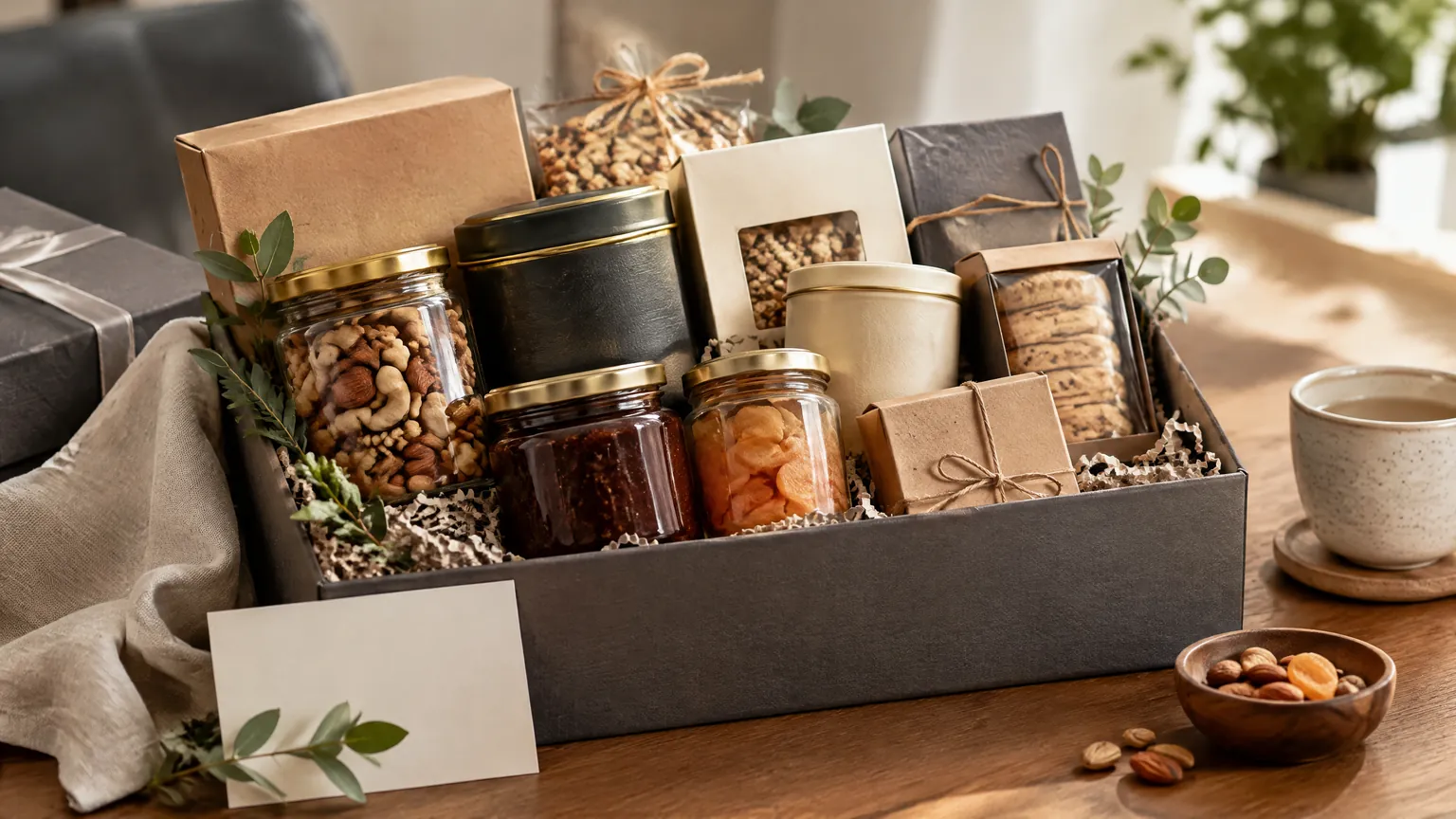
Choose a couple’s gift by asking what both adults actually enjoy doing together, then match the contents to that routine. Confirm alcohol preferences separately, leave room for different tastes and check the actual products before choosing an occasion-themed presentation. A wedding ribbon or anniversary card can mark the moment; neither tells you what the couple will want to open on an ordinary evening.
This is a gifting article in GotGear’s same-owner journal with YumYum, not an independent provider endorsement. GotGear does not provide food, floral, gift, class or rental services. The useful starting point here is a recipient conversation, not a promise that any pictured gift combination is available.
Start with a recent shared moment
Instead of asking, “What wedding gift would you like?”, ask, “What did you enjoy having together at home recently?” The second question invites a concrete answer. A couple might mention tea after a Sunday walk, savoury snacks during a film, or breakfast before visiting relatives. Those answers help you choose a gift they can use, rather than something that merely looks appropriate for a celebration.
For a hypothetical couple living in Tai Wai, the shared habit might be a quiet weekend breakfast. One partner makes coffee while the other drinks tea, and both enjoy a small snack. That suggests a breakfast-oriented selection with separate drinks, if the supplier can provide suitable products. It does not suggest that their marriage needs a Champagne centrepiece or a large assortment of unfamiliar cooking ingredients.
Ask about the coming weeks as well as their established habits. They might be moving, travelling after their wedding, or eating with family more often than usual. A routine they enjoy in principle may not be practical immediately. The important question is not just whether they like something, but when they expect to use it.
Keep the interview light. Ask about a shared moment, preferred drinks, foods to leave out and whether they want a compact or decorative package. Let either person answer privately if they prefer. You do not need an explanation for an exclusion, and you should not turn a gift conversation into an enquiry about someone’s health or personal circumstances.

Give both partners a place in the choice
Distinguish a shared favourite from separate favourites
A gift for two does not require identical tastes. Write down what both people enjoy, then note what belongs to only one person. If they both like plain biscuits but differ on drinks, a common snack with separate preferred beverages may be more considerate than asking one partner to compromise. Every proposed item still needs confirmation; this is a way to brief a selection, not a fixed package.
Be wary of answers such as “They love chocolate” when they come from someone who knows only one partner well. Ask whether that means both adults, and whether any ingredients or styles should be excluded. A mutual friend can help with broad preferences, but should not guess dietary suitability or volunteer private information on the couple’s behalf.
If you are exploring YumYum’s Gourmet hampers, use the general category to discuss a mix that reflects those answers. The page covers gourmet and traditional directions, but a category name does not confirm which products will be supplied. Ask for an itemised proposal and explain which contents are shared favourites, which are individual choices and which must be left out.
Keep an easy opt-out
“Would you prefer something without drinks or food?” is a useful final question. It allows the couple to choose a simpler direction without defending their tastes. They may already have a crowded pantry or prefer not to receive edible gifts. If their answer makes a hamper unsuitable, change the gift idea rather than searching for enough decorative extras to preserve it.
Suppose one partner enjoys trying new snacks but the other prefers familiar products. You could ask whether one small unfamiliar item would be welcome alongside known favourites. If the answer is uncertain, stay with the familiar choices. Surprise works better as a modest detail inside an accepted category than as a test of whether someone will enjoy an entirely different habit.
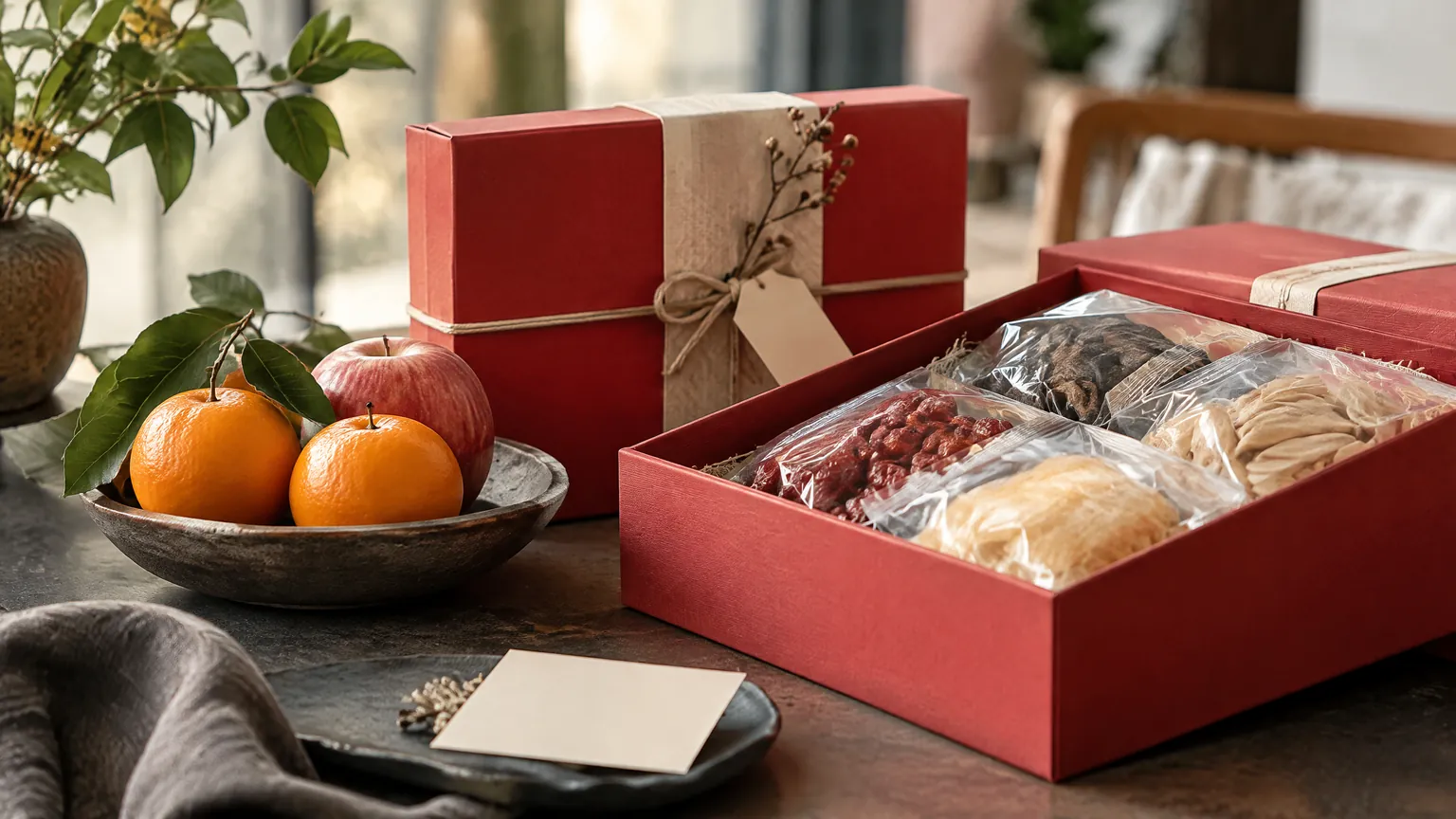
Treat wine as an explicit choice, not a romantic default
Ask both adults whether they want alcohol in the gift before discussing wine styles. Being an adult, getting married or hosting friends does not establish a preference for drinking. Hong Kong’s Centre for Health Protection advises non-drinkers not to start drinking for perceived health benefits. A wine gift should therefore never be described as something they ought to enjoy for their health. 1
If both people want wine, ask what they currently choose and whether they want something familiar or a new style. Their own description is enough to start: “We prefer dry white wine” is more useful than a giver assigning them a supposedly sophisticated taste. You can then ask the supplier about the specific bottle under consideration. Do not claim that a bottle is suitable merely because it appears in a celebratory photograph.
YumYum’s Wine hamper page provides a starting point for discussing bottle presentation and accompanying food directions when alcohol is positively wanted. Confirm the actual bottle, accompanying products and any substitutions before deciding. If only one partner wants wine, ask whether they welcome a mixed gift or would rather keep this shared present entirely alcohol-free; do not assume a separate soft drink resolves the issue.
An alcohol-free direction can centre on tea, coffee, a preferred soft drink or snacks without any featured beverage. These are alternatives to ask about, not claims about available stock. If the couple wants alcohol excluded from all contents, tell the supplier explicitly and request product information for fillings and other ingredients as well as drinks. Avoid treating a marketing label as a substitute for checking the actual selection.
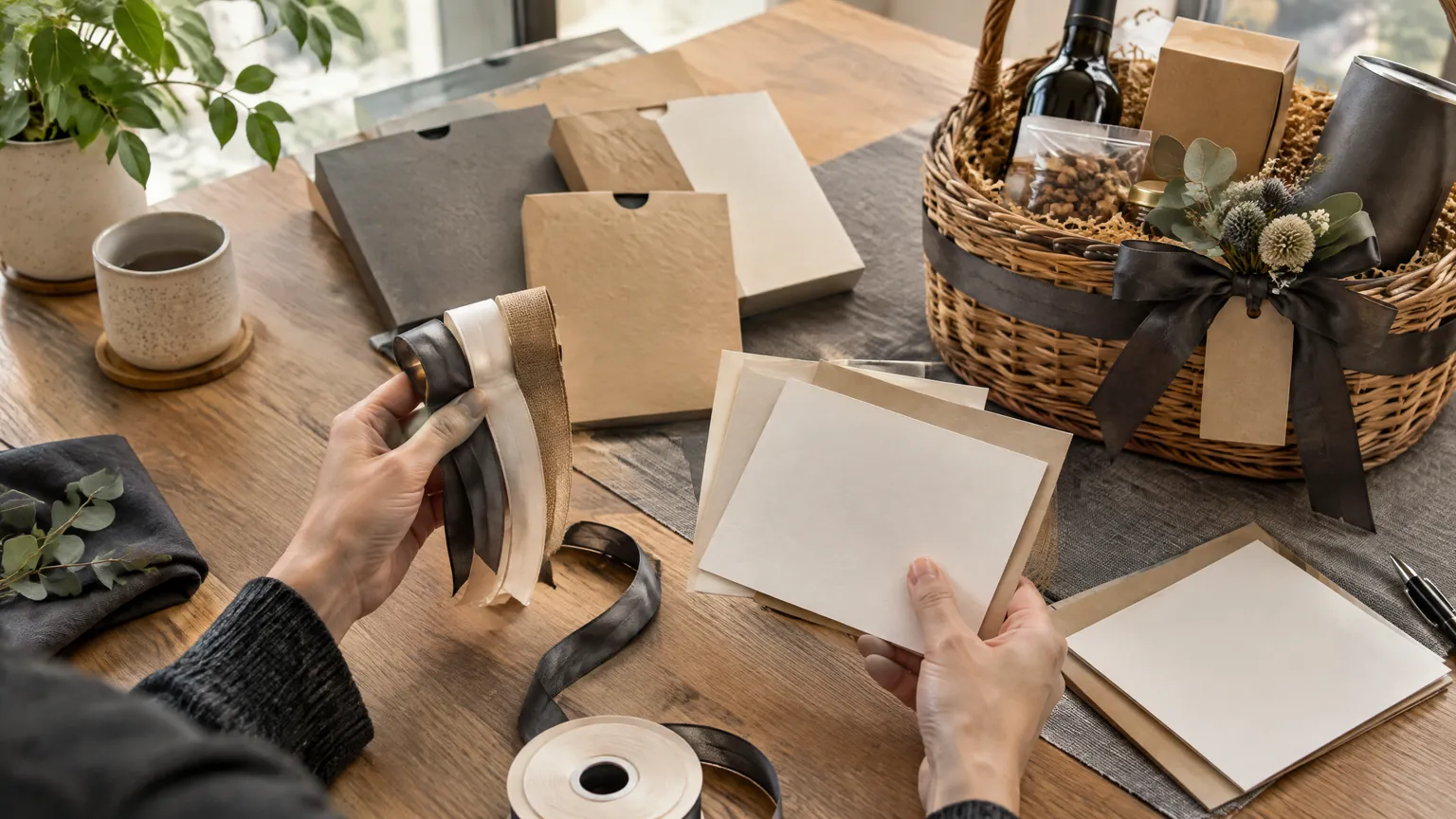
Check the pantry products, not just the basket photograph
Read labels against the couple’s answers
For prepackaged foods, the Centre for Food Safety explains that Hong Kong’s general labelling requirements include ingredient information, specified allergen declarations, a use-by or best-before date and special storage instructions where needed, subject to exemptions. This makes the individual product label more useful for a gift decision than an overall description such as “gourmet selection”. 2
Ask for readable information about each proposed food, especially when one partner has named ingredients to avoid. Check that information against the couple’s request rather than concluding that the whole basket is suitable from its theme. If cross-contact information matters to the recipient, ask the supplier for the relevant information and let the recipient decide whether it meets their needs. A gift giver should not offer an allergen-free guarantee.
Also distinguish “We do not like nuts” from an instruction requiring dietary suitability checks. Both should affect the selection, but they do not mean the same thing. Record the instruction accurately and avoid weakening it to “preferably no nuts” when the recipient has asked for exclusion. If a supplier cannot provide enough information for a decision, choose another direction rather than promising reassurance.
Fit the contents to the space and timing
Imagine a couple returning to a small flat after a wedding weekend, with luggage beside the door and little spare refrigerator space. A basket containing products that require refrigeration may create an immediate task they did not want. Check the actual storage instructions and ask whether they can receive and store the selection as required. Appearance alone does not establish that a sealed product can remain at room temperature. 2
Ask how soon they plan to open the gift, then review the product dates in that context. The CFS guidance distinguishes use-by and best-before labelling and links the dates to proper storage. 2 Do not pick an arbitrary number of days as a universal acceptable margin. The relevant decision is whether the confirmed products and their instructions fit the couple’s intended use, including any time away from Hong Kong.

Let the occasion change the message, not dictate the contents
For a wedding, ask whether the gift is a private present for the couple or part of a family-facing exchange. These are different situations. A private gift can follow their ordinary shared habits closely. For a family gathering, ask the couple which presentation they want and whether relatives have particular expectations; do not impose a single rule for colours, symbolic items or what a couple must receive.
The Wedding gift hamper resource leads to YumYum’s broader customisation guide rather than a confirmed wedding package. Use it to discuss the relationship between contents, container and message. State that a wedding presentation must retain the couple’s exclusions, and ask what customisation can actually be arranged instead of assuming that a bottle, ribbon or decorative item is included.
For an anniversary, a familiar shared activity can provide a more personal message than a grand occasion label. “For your next quiet breakfast together” is specific without inventing a story about the relationship. You can use a restrained card and wrapping while keeping the products practical. Personalisation need not mean printing names on every component or adding objects that will occupy a shelf indefinitely.
YumYum’s Romantic gift hampers destination is an occasion-oriented starting point, but its broad page text does not establish a detailed hamper specification. Discuss the desired tone, then request an actual contents proposal. If the couple dislikes public gestures, keep the message private and the presentation modest; romantic intent does not require flowers, alcohol, red wrapping or a conspicuous workplace handover.
A colleague’s gift needs a different level of discretion
A workplace collection for a colleague and their partner can easily become a gift based only on the colleague’s preferences. Choose one organiser to ask what both adults would welcome. Share the practical outcome with contributors, such as “a compact alcohol-free selection”, rather than forwarding the couple’s entire conversation or explaining why an ingredient has been excluded.
For example, a team in Quarry Bay might want to present a wedding gift at the end of a meeting. Ask whether the colleague actually wants to carry a basket home afterwards. A quiet handover of a smaller package may suit them better than a visible presentation followed by a crowded journey. This is a hypothetical planning choice, not an assurance about any supplier’s collection or delivery arrangements.
Use both partners’ names on the card only after confirming spelling and the form they prefer. Avoid language about what married life should look like, predictions about children or jokes that would be awkward in front of colleagues. A direct message of congratulations, followed by a reference to the shared habit they have chosen, is enough.
Turn the interview into a clear final brief
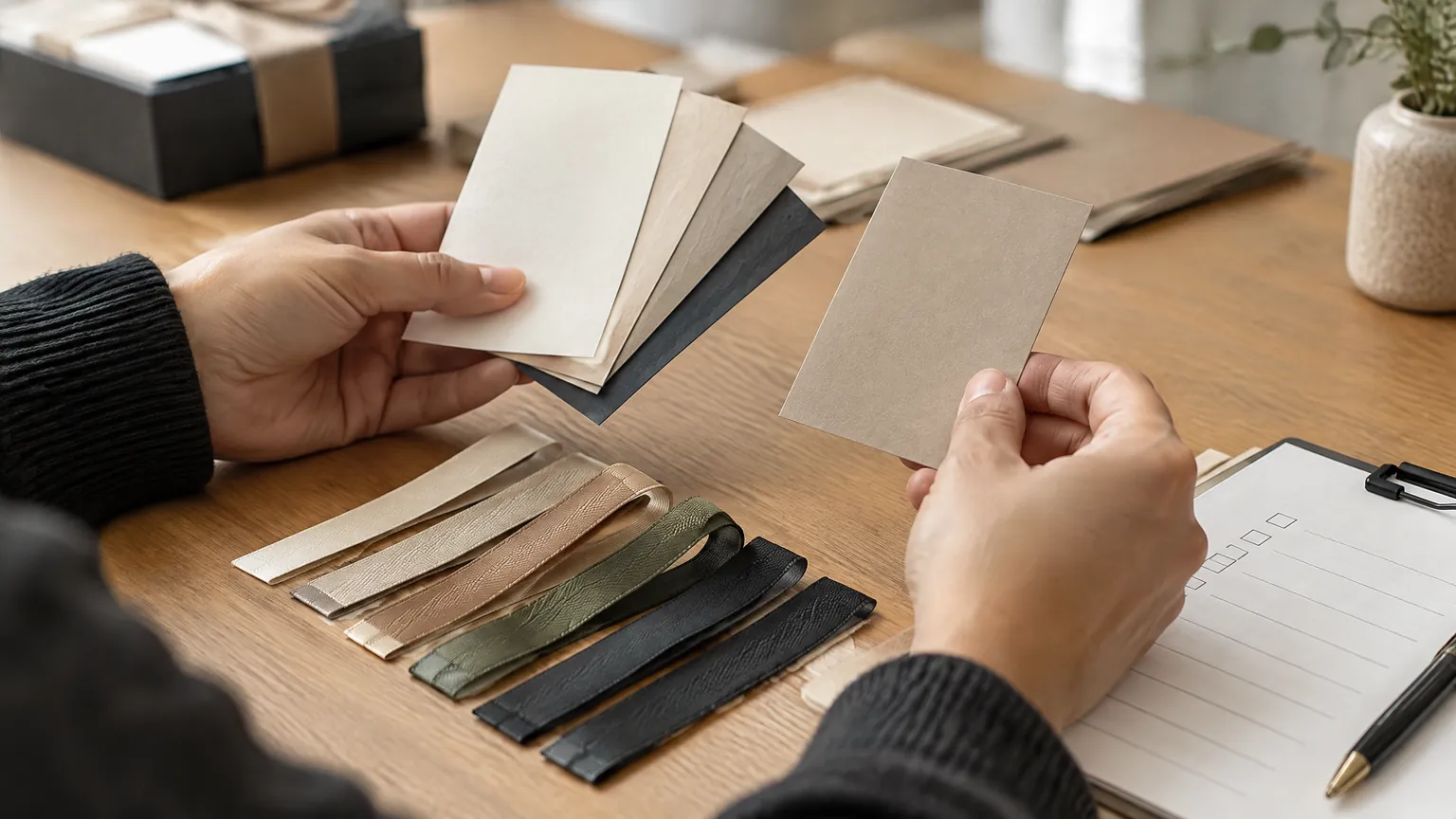
Write the proposal in ordinary language: “A compact gift for two adults who enjoy weekend tea and coffee together. No alcohol in any contents. Include only products we approve, and keep the outer presentation discreet.” This is an illustrative brief, not a supplier offer. Add the recipients’ actual preferences and any storage limits separately so important details do not disappear inside the card message.
Make substitutions explicit. Ask the supplier to seek approval before changing a drink, food product or decorative component that matters to the couple. A replacement can change ingredients or the intended use even if it looks similar. Decide who will answer an approval request, and do not leave the supplier to interpret “anything suitable” when you already know specific exclusions.
Finally, confirm who can receive the parcel and what happens if that person is unavailable. A residential security desk, office reception or wedding venue should not be assumed to accept or store gifts. Discuss a practical receiving arrangement with the recipient and supplier, without promising a particular delivery window. Choose protective packaging that fits the confirmed products rather than judging success by how much space the basket occupies.
Before approving the gift, use this short checklist:
- Confirm a current shared habit and both adults’ preferences.
- Record alcohol decisions and exclusions without asking for private explanations.
- Check the actual item list, product labels, dates and storage instructions.
- Approve the message, packaging and substitution boundaries.
- Confirm a willing recipient and a workable handover arrangement.
The final test is simple: can you explain how the confirmed contents fit this couple’s everyday life? If the answer relies only on “it is a wedding gift” or “it looks romantic”, return to their preferences. The occasion can make the gift timely; their shared habits make the choice personal.

Common questions
What should I ask if I know only one partner well?
Ask your contact what both adults currently enjoy sharing, and invite them to check with their partner. Treat unconfirmed preferences as unknown rather than assuming one person’s favourites suit the couple.
Should I include wine if one partner drinks and the other does not?
Ask whether they welcome alcohol in this particular shared gift. If you cannot confirm that, choose an alcohol-free direction; adding a separate drink does not automatically make a mixed gift welcome.
Can a wedding-themed hamper also suit an anniversary?
The contents may suit either occasion if they match the couple’s preferences. Confirm the actual selection, then adjust the card and presentation instead of assuming a wedding label determines what must be included.
What if the supplier suggests replacing a food item?
Request the replacement’s product information and check it against the couple’s exclusions, storage limits and intended use. Approve it explicitly or ask for another option; similar packaging is not enough.
Sources & what they support
Each reference supports only the stated scope. Citations are not independent endorsements of YumYum or its branches and do not confirm a provider’s current arrangements or any individual outcome.
- Centre for Health Protection: Alcohol Consumption and Health (opens in a new tab)
Official advice that non-drinkers should not start drinking for perceived health benefits; supports optional alcohol and rejecting health-benefit framing, not individual medical suitability.
- Centre for Food Safety: Food Labelling (opens in a new tab)
General Hong Kong prepackaged-food label requirements, subject to exemptions, covering ingredients, specified allergens, use-by or best-before dates and special storage instructions; supports actual-product checks, not allergen-free guarantees.