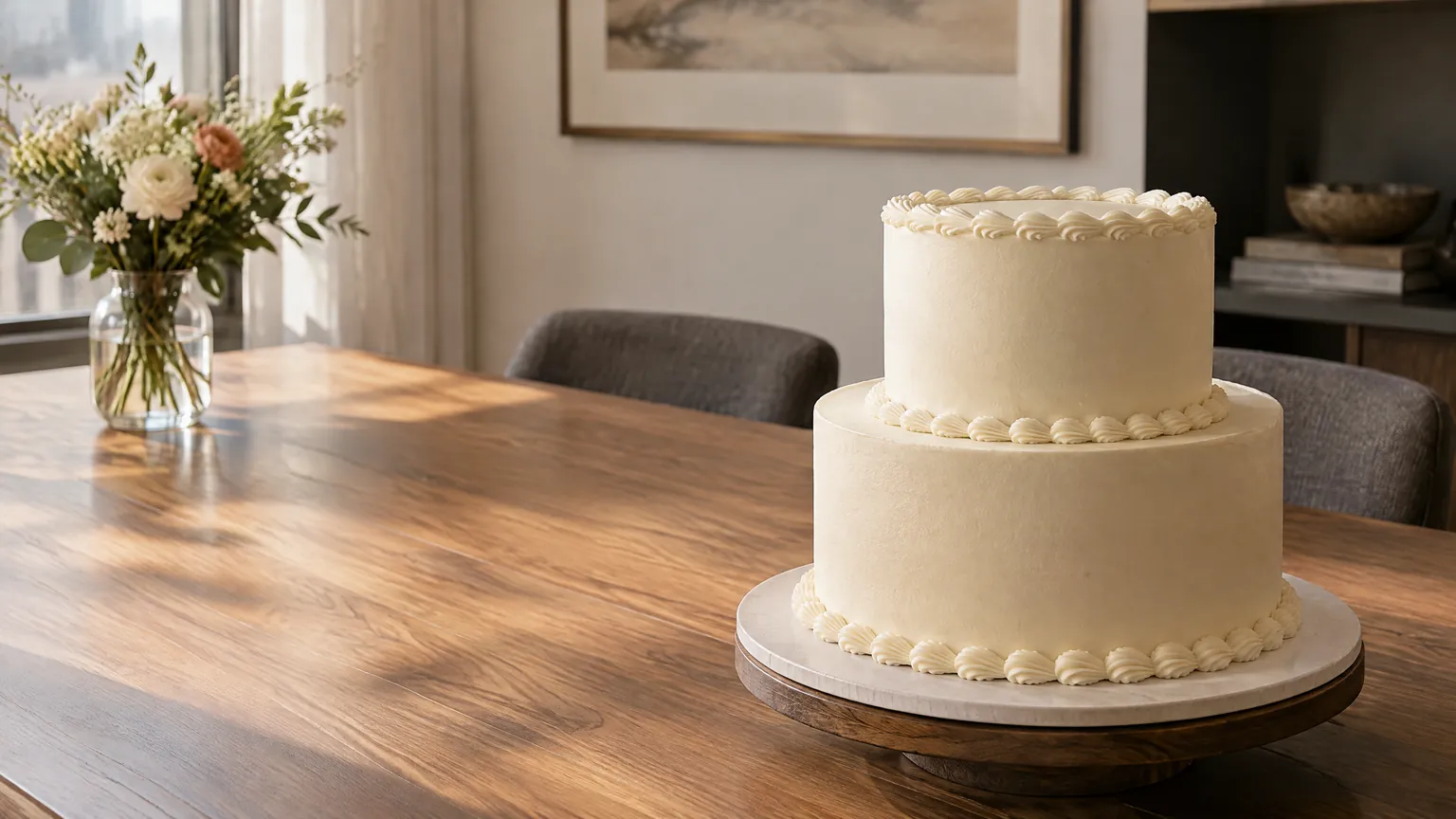
Help a Child’s Cake Idea Become a Practical Party Brief
GotGear and YumYum (including its gifting, baking and florist branches) share an owner; this collection is not an independent recommendation. GotGear does not provide catering, gifting, cake, floral, tuition or rental services. External-service information is separate from GotGear’s equipment catalogue; confirm the actual scope with the relevant provider. Articles are general planning information, with no promises about supply, arrangements or outcomes. Concept photos are not records of real events, customers or classes.
The short answer
Turn your child’s cake idea into a practical brief by choosing the details they care about most, separating those from optional decoration, and asking the bakery which design approach fits the servings, setting and handling requirements. Agree an acceptable simpler version before approving the final design.
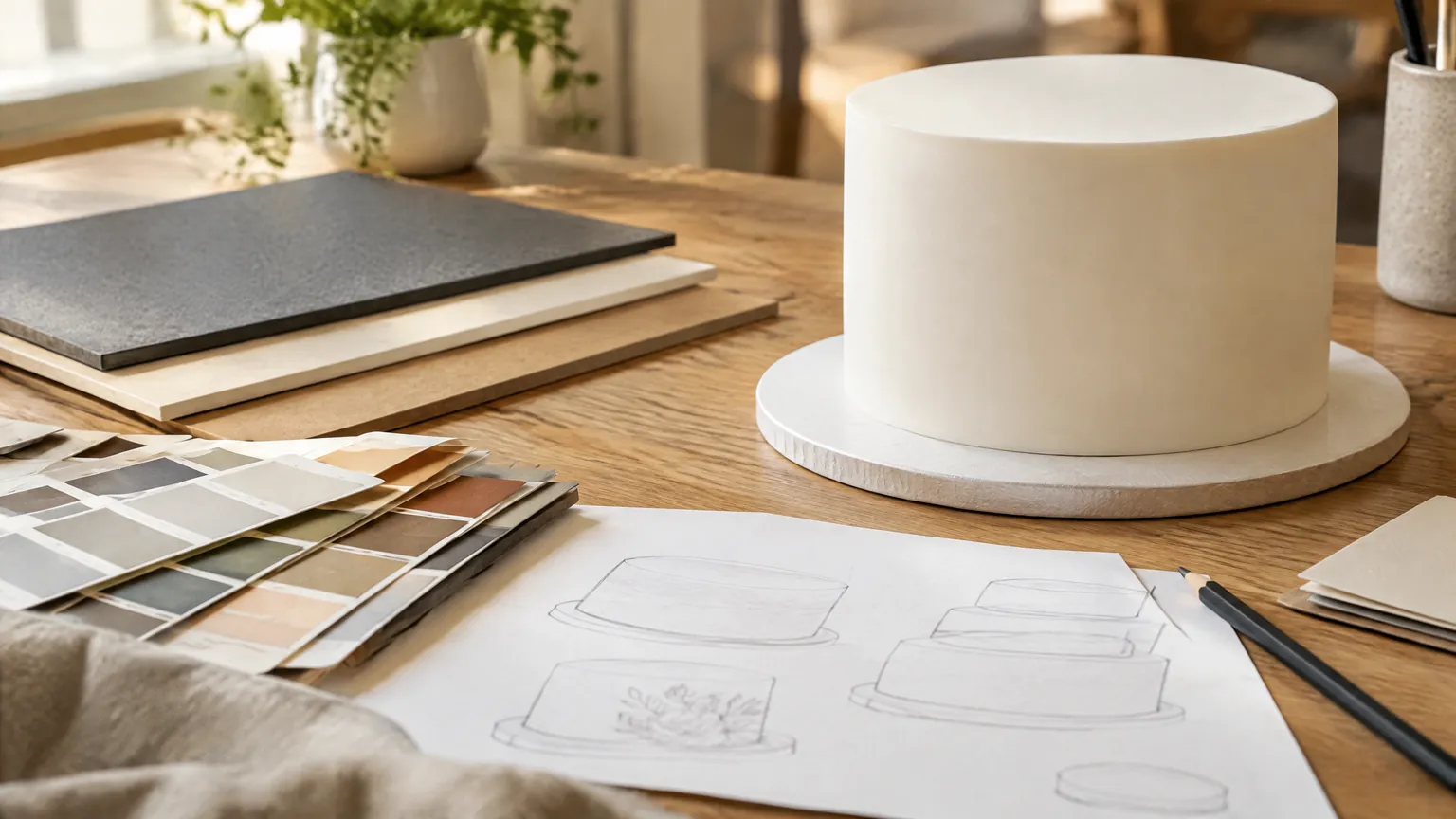
Turn your child’s cake idea into a practical brief by choosing the details they care about most, separating those from optional decoration, and asking the bakery which design approach fits the servings, setting and handling requirements. Agree an acceptable simpler version before approving the final design. A useful brief explains what the child hopes to recognise when the cake appears, not just which online photograph an adult wants copied.
GotGear and YumYum share an owner. This is a planning journal, not an independent provider endorsement; GotGear does not provide food, floral, gift, class or rental services. The linked cake resources help organise design enquiries, while the actual cake and arrangements require confirmation with the bakery.
Find the detail your child would miss
Start with the child's own description before opening a gallery. Ask, “What is happening on your cake?” A child might describe a purple creature sleeping beside a moon, while the saved picture contains elaborate flowers and a tall stand. The creature and moon may be the whole story. If adults focus on matching the photograph, they can overlook the idea that made the child excited.
Invite the child to point out the feature they would be disappointed to lose. Then ask which colours matter and whether anything must be written. Make three groups on a plain sheet: keep, flexible and leave out. A small sketch can be more useful than a collection of unrelated screenshots because it shows how the child connects the elements. Keep the original drawing alongside the adult's explanation rather than replacing it with a polished version.
For a hypothetical flat party in Tseung Kwan O, the essential brief could be a sleepy purple animal with a crescent moon. Flowers around the board, a glittery background and extra figures could remain optional. This gives the bakery a specific question: which format can preserve the animal's expression and moon without making the design unsuitable for the gathering? It also gives the child a meaningful choice between workable alternatives.
Do not treat every new suggestion as a confirmed addition. If the child later asks for a rainbow, ask whether it replaces something or belongs elsewhere in the party. A drawing on the invitation or a separate table decoration can carry a secondary idea without crowding the cake.
Compare shape, brushwork and piping by the job they need to do
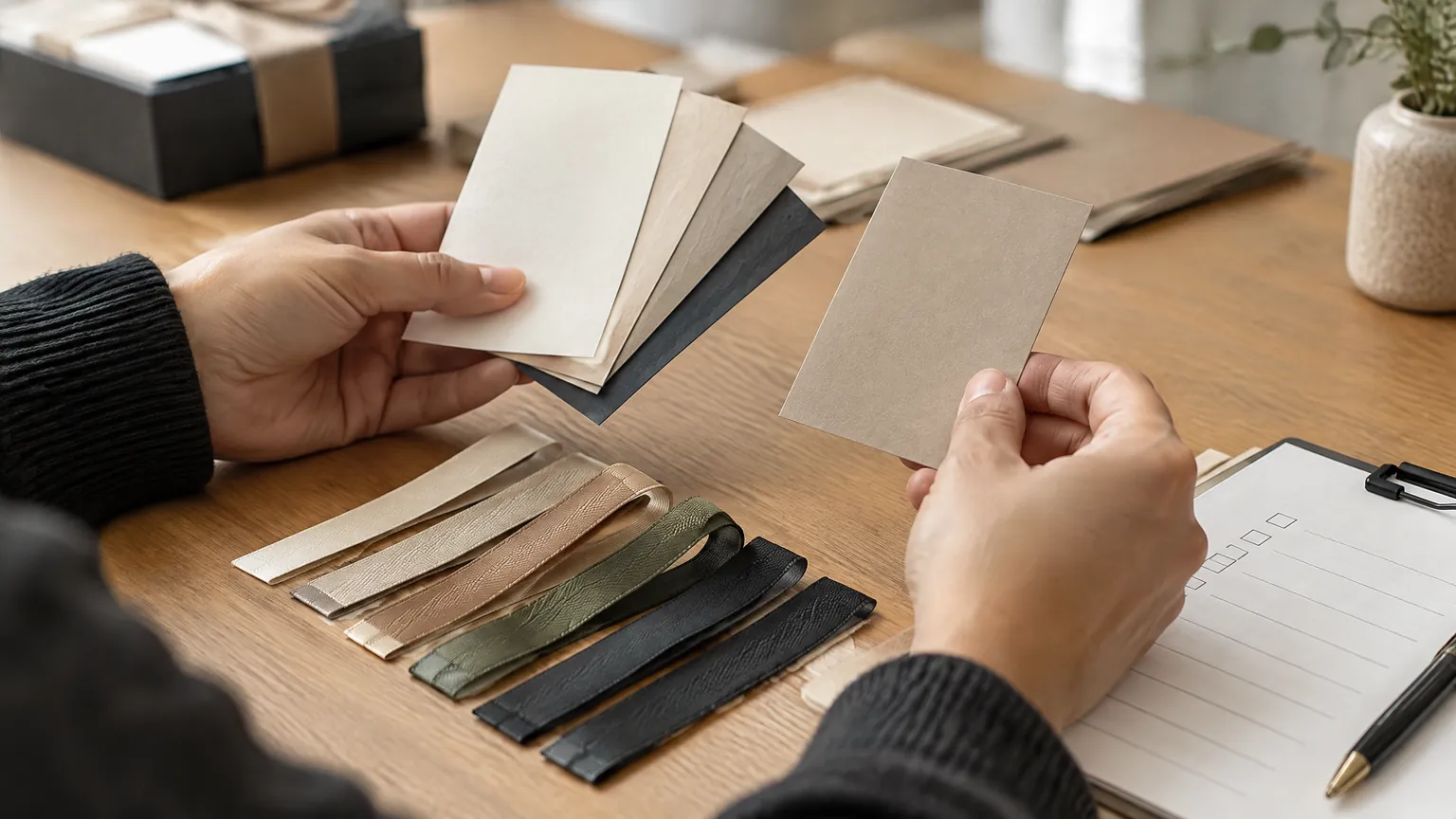
The central decision is whether the story needs a three-dimensional shape, a picture on a surface or a few decorative outlines. These approaches answer different requests. Ask for a proposed layout in the intended cake format; a close-up reference may not explain what guests will see from the table.
When the silhouette is the main attraction
A sculpted design is worth discussing when the child cares about the object's overall shape: a rounded spacecraft, a curled animal or a small mountain. Ask which parts would be cake, which would be decoration and whether anything would be supported internally. The bakery should explain the finished form and serving implications rather than leaving adults to infer them from a picture.
The same-owner 3D Cake resource is a starting point for a sculpted-shape enquiry, not proof that a particular structure is feasible. Explain the silhouette the child wants, then ask the bakery to assess the board, box, decorative supports and portions together. An animal-shaped cake and a round cake with an animal motif may tell the same story, but they are different proposals that need separate confirmation.
A useful fallback is to preserve the outline in a simpler form. Instead of demanding a smaller copy of a tall model, ask whether a low arrangement or surface illustration could retain the curled pose. Let the child see that alternative before approval, so the substitution does not first become apparent at the party.
When the idea is a scene or drawing
Painting is a useful direction to enquire about when the important detail is a picture: a moonlit sky, a garden or the child's own invented creature. Decide whether the picture belongs on top, on the side or across more than one visible area. At a household table where people sit around the cake, a side-facing scene raises a practical question about who will see it.
Use the Hand Painted Cake resource to frame questions about painted motifs and surface finishes. Tell the bakery whether the priority is the drawing's outline, colour blocks or expression. Ask what edible colouring materials and cake surface it proposes, and what level of detail is realistic. A description such as watercolour-style or ink-style refers to an appearance; it does not mean ordinary art paint or ink belongs on food.
If the child's sketch is deliberately uneven, explain whether that character should remain. “Keep the lopsided ears” is clearer than “make it look professional”. Agree which parts can be interpreted rather than expecting an exact reproduction of every pencil mark.
When colour and a short message carry the theme
Piping may be the right discussion when the idea depends on a border, small flowers, a simple face or brief lettering. Write out the intended message separately, including capitalisation and punctuation. Ask the bakery to show where it would sit relative to the main motif. A name squeezed into leftover space is not the same design as a name given a planned position.
The Korean Cake page provides a resource for discussing restrained pastel styling, lettering and decorative piping. Use those features to explain the mood you want rather than assuming that the style label specifies the filling, sweetness, size or suitability. For a child who wants a blue moon and their name, ask whether a simple piped treatment would communicate both more clearly than a crowded scene.
Combining methods is another enquiry, not an automatic upgrade. Request one main treatment and explain the reason for any extra element. A painted background with a small piped accent may be worth proposing; adding unrelated sculpted pieces simply because they appear in another photograph can make the brief harder to interpret.
Give a familiar theme its own priorities
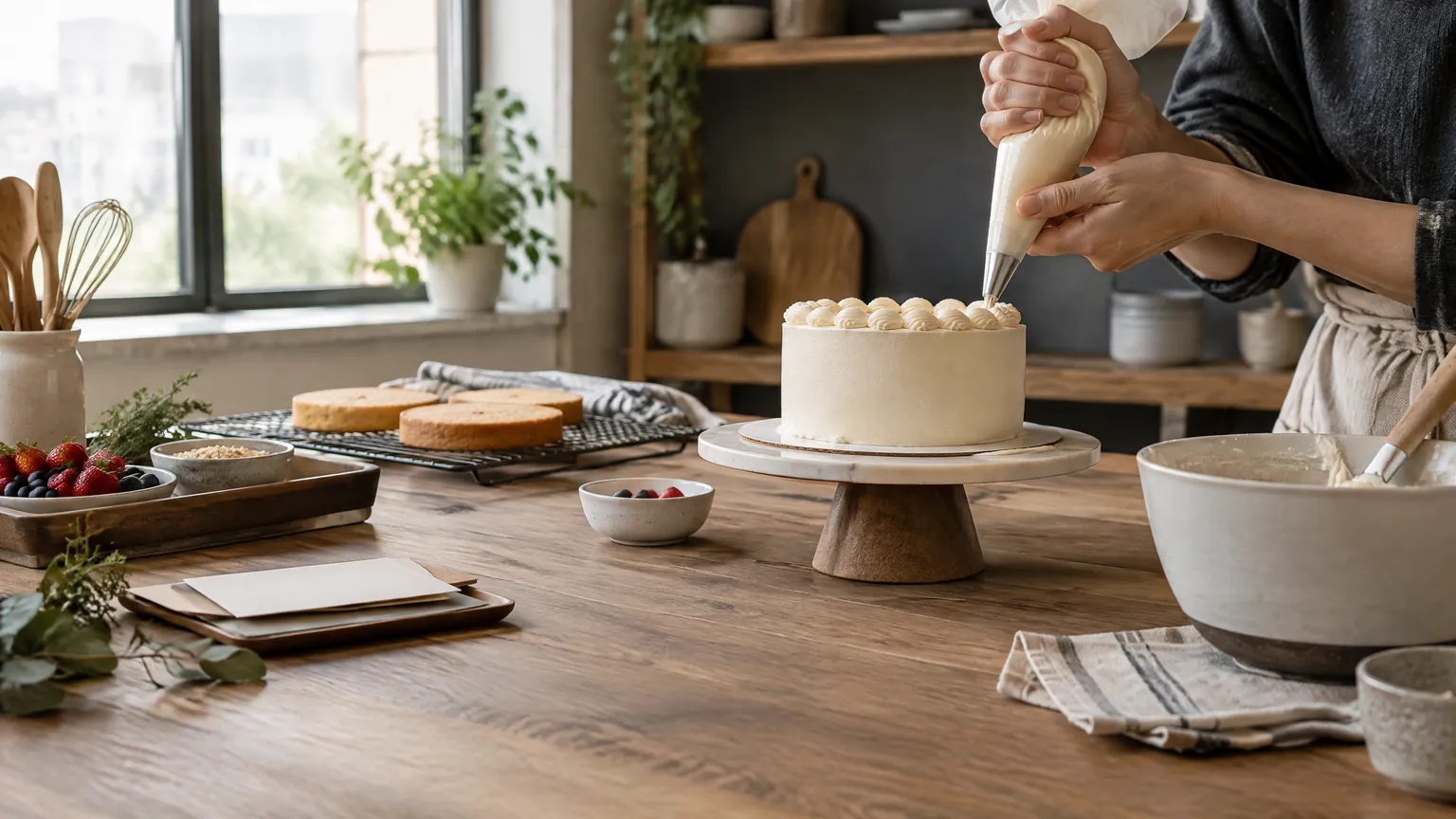
Even a recognisable theme leaves many choices open. With a unicorn idea, ask what makes it a unicorn to this child. The answer might be the horn, a rainbow mane or sleepy eyes. Another child may care more about a flying silhouette. These answers lead to different layouts, so avoid using the theme name as the entire specification.
The Unicorn Cake resource can help organise a discussion of horn shapes, pastel colours and decorative details. Tell the bakery which features must remain and which can be simplified. Ask whether the proposed horn or ears are edible decorations, removable pieces or elements with supports; do not assume that everything shown in a theme reference can be eaten or handled by children.
For a hypothetical family afternoon in a Sha Tin clubhouse, the child could approve a round cake with a rainbow-coloured mane and sleepy eyes, leaving elaborate scenery out. The adult's brief would still need to state the required servings and available display space. The theme should not decide the cake's dimensions before those practical facts are known.
Keep the cake's role separate from the whole room's decoration. If the child wants several fantasy creatures, the cake can focus on the favourite while drawings elsewhere carry the wider story. This preserves the idea without requiring the bakery to solve every part of the party.
Ask about permission before requesting a copy
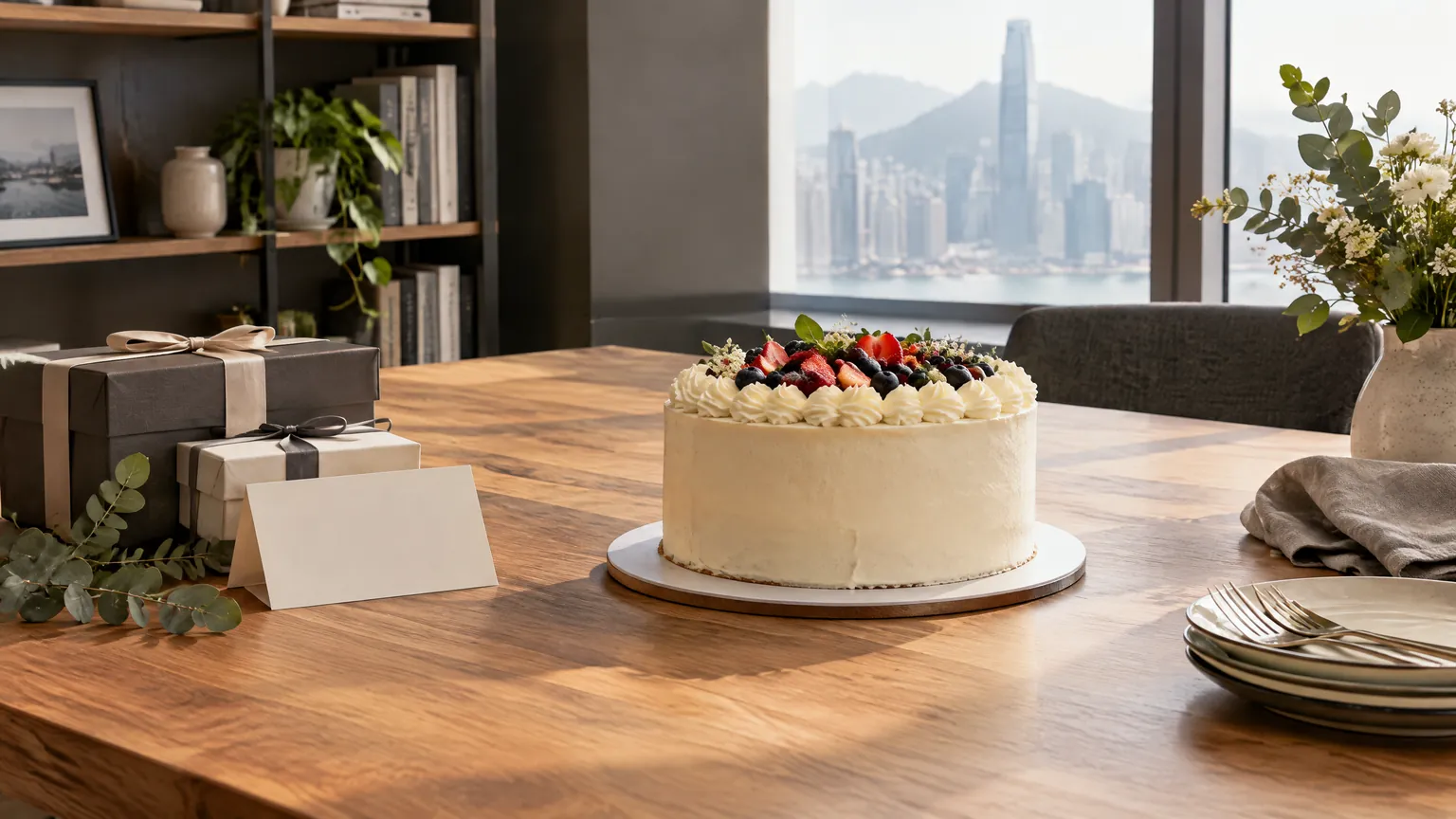
A saved image is useful for communicating a preference, but access to it is not permission to reproduce it. Hong Kong's Intellectual Property Department explains that copyright can protect drawings, paintings, sculptures and ordinary photographs, including works available online. It also distinguishes underlying ideas from their expression. These principles support asking about rights, rather than assuming a search result is free to copy.1
Mark each reference with what you mean: the colour palette, a broad theme or a specific illustration. If the request involves a recognisable branded character or another artist's design, ask the bakery whether it can accept that request and what permission or authorised alternative may be needed. Do not assume that changing the material from paper to cake resolves the question. This is a planning precaution, not legal clearance for a particular design.
A child's original creature gives the conversation another direction. Explain that it is the child's drawing and agree how it may be adapted. If it contains someone else's character, flag that too. For a hypothetical employee-family gathering in a Kowloon Bay office, treat permission to use the employer's logo as a separate question for the organiser, not something established by sending it to the bakery.
Approval to make a cake should also be kept separate from any request to publish its photographs. If the design includes a child's name or portrait, agree what may appear in a public gallery before sharing the material. Ask for an original alternative when rights are uncertain instead of making an unsupported promise that a design is cleared.
Put decoration and ingredient questions beside the design
Sparkle can matter greatly to a child's idea, so discuss what creates it. The U.S. Food and Drug Administration advises using glitter and dust directly on food only when specifically manufactured to be edible. It warns that “non-toxic” or “for decorative purposes only” without an ingredient list is insufficient. That is useful material-selection guidance, not certification of a Hong Kong bakery or its products.2
Ask the bakery to distinguish edible finishing materials from pieces that must be removed. The same FDA guidance says non-edible decorations should be taken off before food is served and eaten.2 For a fantasy design, request a clear explanation of removable horns, decorative picks and any internal supports. Agree which adult will follow the bakery's instructions; a piece that looks like icing should not be offered to a child on appearance alone.
Collect guests' dietary information before settling the cake, not after approving its decoration. Ask about the proposed sponge, filling, covering and decorative ingredients separately, including any relevant cross-contact concerns. Do not infer ingredient suitability from a pastel finish or a theme name. If a guest has a food allergy, the organiser needs clear ingredient and handling information rather than a broad assurance that the design is suitable for everyone.
The child's preferred appearance and the group's eating requirements belong in the same brief. If the bakery cannot confirm a requirement, settle another arrangement with the guest's responsible adult rather than removing information from the enquiry to keep a chosen design.
Check the route and storage before accepting the height
Measure the usable space, not just the empty table. In a Hong Kong flat, ask whether the complete cake box can enter the fridge and sit on a suitable shelf. At a clubhouse, confirm whether storage is available at all. Ask for the finished cake, board and box dimensions separately, because one measurement does not describe every stage of receiving and display.
The Centre for Food Safety advises keeping refrigerated food at 4°C or below, storing food in covered or sealed containers, and separating ready-to-eat food from raw food to reduce cross-contamination.3 Those household principles do not establish the storage needs of an unknown custom cake. Obtain the bakery's cake-specific instructions, and check that the actual storage arrangement can meet them. Do not treat an air-conditioned gathering room as confirmed refrigerated storage.
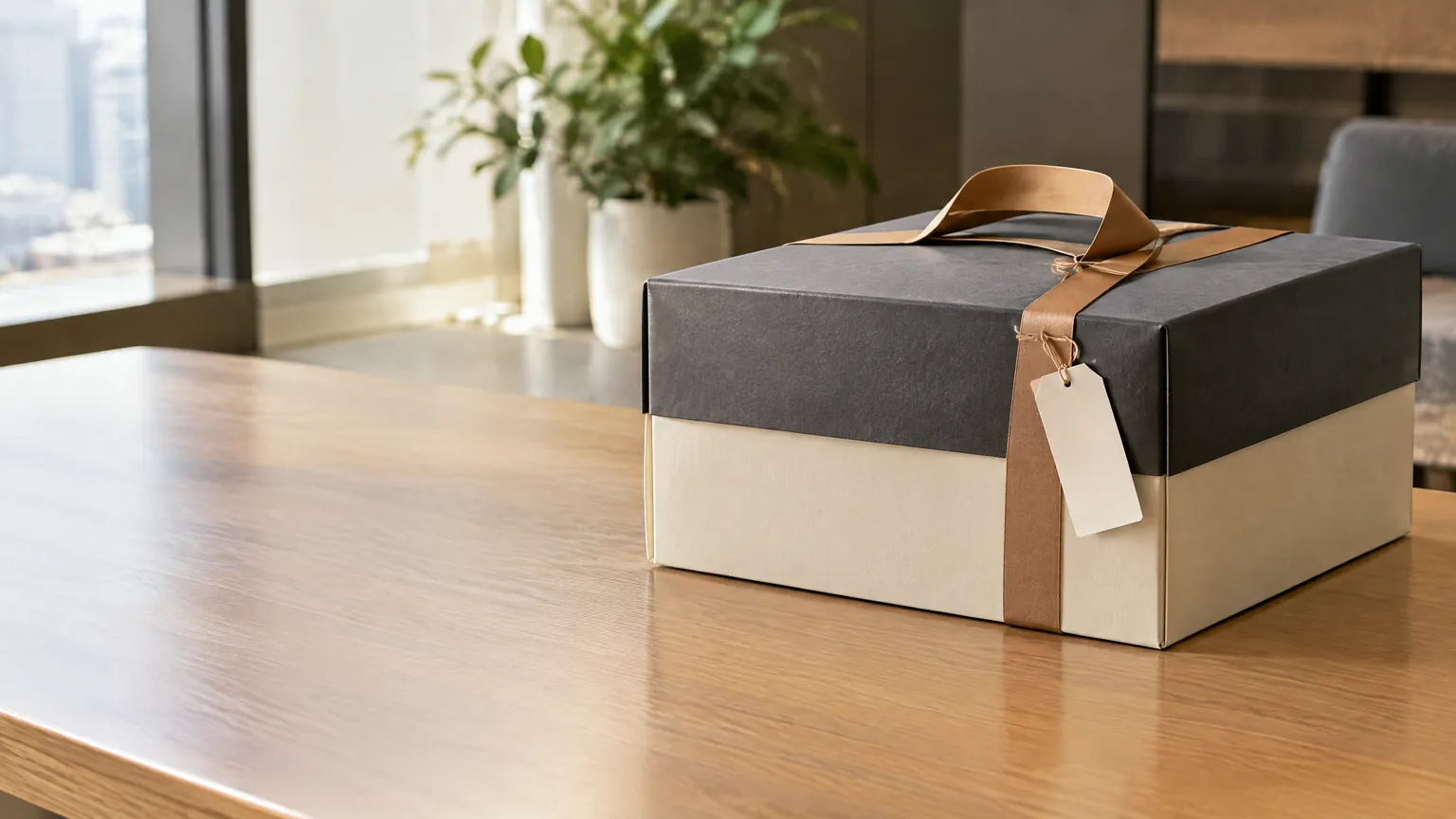
Record who receives the box, where it goes and when the cake moment is planned. For an office family event, the reception counter is a handover point, not necessarily the place where the cake should wait. Ask the bakery and organiser to confirm transport and receiving arrangements for the actual design. Do not substitute a bag or balance the box on an unsuitable surface simply because that seems convenient.
If the storage plan conflicts with the preferred height, take the decision back to the design stage. Ask for a lower proposal or a different decorative arrangement. The child can choose between alternatives, while adults remain responsible for handling and storage decisions.
Send one brief that shows what is agreed and what is open
Bring the decisions into one concise message. State the event date, setting, intended servings, receiving arrangements and the child's theme priorities. Include the exact wording and a small set of annotated references. Distinguish confirmed requirements from questions the bakery still needs to answer, especially dimensions, materials, permissions and storage.
One useful hypothetical brief is: “Please propose a round celebration cake with a sleepy purple creature and crescent moon. The creature's expression matters most. Extra flowers are optional. Please assess the guest portions and confirm the complete box dimensions, ingredient information, removable decorations and storage instructions. We can consider a surface illustration instead of a sculpted creature.”
Once a proposal arrives, check it against the original keep and flexible groups with the child. Then have the responsible adult approve the practical details. Keep the final agreed version together so a later colour change is not mistaken for permission to alter the shape, wording or materials.
A short checklist before final approval
- Ask the child to identify the feature they would miss most.
- Select a main design approach and an acceptable simpler alternative.
- Confirm reference-image permissions, wording and proposed materials.
- Resolve ingredient questions, removable pieces and serving instructions.
- Check the complete box, receiving route, storage and responsible adult.
The brief is ready when the child's idea is recognisable and the adults understand what has actually been agreed. Optional styling can remain optional; unresolved practical questions should not disappear behind an attractive reference picture.
Common questions
What should I do if my child likes different parts of several cake pictures?
Ask them to choose the feature they would miss most, then annotate each picture with its specific purpose, such as colour or expression. Request one coherent proposal rather than a combination of every decorative detail.
Does a unicorn theme require a sculpted cake?
No particular format follows from the theme alone. Ask whether a surface illustration or piped treatment can preserve the features your child cares about, and have the bakery assess the actual design and servings.
Can I send an online character illustration for the bakery to copy?
You can explain the reference, but being online does not establish reproduction permission. Ask the bakery about accepting the request, relevant permissions and an original alternative; do not assume the design is legally cleared.
What must be confirmed about a sparkly horn or topper?
Ask what it is made from, whether it is edible, whether it contains supports and what must be removed before serving. Glitter described only as non-toxic is not sufficient evidence that it is intended to be eaten.
Sources & what they support
Each reference supports only the stated scope. Citations are not independent endorsements of YumYum or its branches and do not confirm a provider’s current arrangements or any individual outcome.
- Intellectual Property Department: What is Copyright (opens in a new tab)
Hong Kong copyright can protect original artistic works and ordinary photographs, including internet works; copyright protects expression rather than underlying ideas. Supports asking about permissions, not cake-specific legal clearance.
- FDA: Avoid Non-Edible Food Decorative Products (opens in a new tab)
U.S. FDA guidance on glitter and dust manufactured to be edible, checking labels and ingredient lists, the insufficiency of non-toxic wording, and removing non-edible decorations before serving. Not a provider certification or Hong Kong regulatory approval.
- Centre for Food Safety: Practical Tips for Food Storage with Refrigerators and Freezers (opens in a new tab)
Hong Kong household refrigeration guidance: refrigerated food at 4°C or below, covered or sealed storage, and separation of ready-to-eat food from raw food. Does not specify a custom cake's storage duration or recipe-specific conditions.