Separate the Wedding Cake Photo Moment from the Guest Serving Plan
GotGear and YumYum (including its gifting, baking and florist branches) share an owner; this collection is not an independent recommendation. GotGear does not provide catering, gifting, cake, floral, tuition or rental services. External-service information is separate from GotGear’s equipment catalogue; confirm the actual scope with the relevant provider. Articles are general planning information, with no promises about supply, arrangements or outcomes. Concept photos are not records of real events, customers or classes.
The short answer
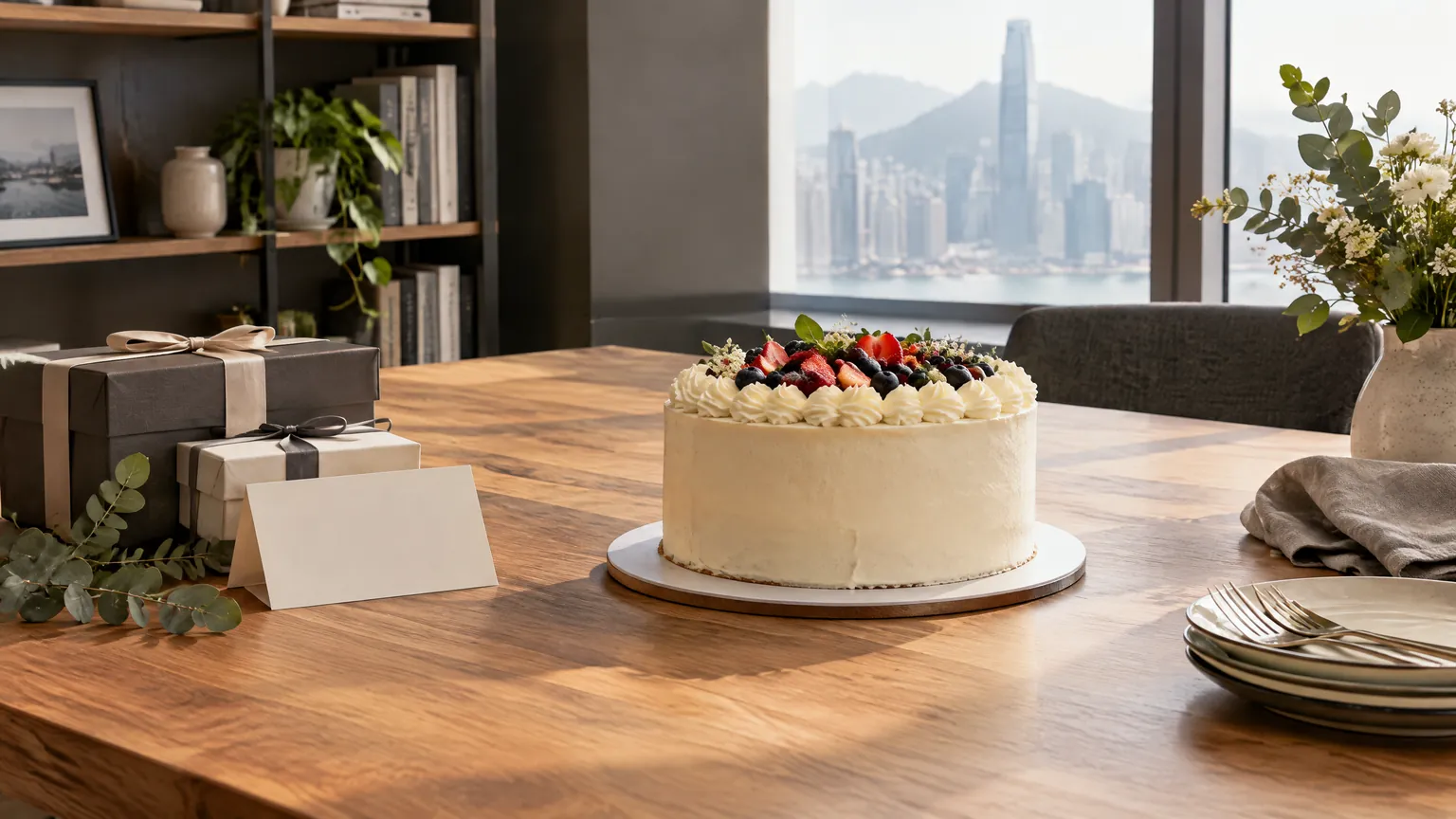
Plan the cake-cutting photograph and guest dessert service as two linked parts of your wedding run sheet. Decide what must appear in the photograph, who will actually eat the centrepiece, and how every other guest will receive dessert. Then confirm storage, display, cutting and handover responsibilities before approving the design.
Plan the cake-cutting photograph and guest dessert service as two linked parts of your wedding run sheet. Decide what must appear in the photograph, who will actually eat the centrepiece, and how every other guest will receive dessert. Then confirm storage, display, cutting and handover responsibilities before approving the design.
A cake can be right for a photograph without being the right way to feed a room. Equally, individually portioned desserts can suit a standing reception while leaving the couple without the cutting moment they wanted. The useful question is not which format wins. It is whether the chosen combination fits the sequence of your particular celebration.
GotGear and YumYum share an owner. This is a same-owner planning journal, not an independent endorsement; GotGear does not provide food, floral, gift, class or rental services. The linked pages are resources for enquiries, and actual products and arrangements require confirmation with the relevant provider.
Write two separate outcomes into the run sheet
Start with a sentence about the photograph: for example, the couple will stand beside a modest centrepiece after the speeches, make the agreed ceremonial cut, and move to family portraits. Write another sentence about eating: guests will receive dessert at their tables later, or collect individual portions during a standing reception. These sentences reveal whether the centrepiece has to serve everyone or only an identified group.
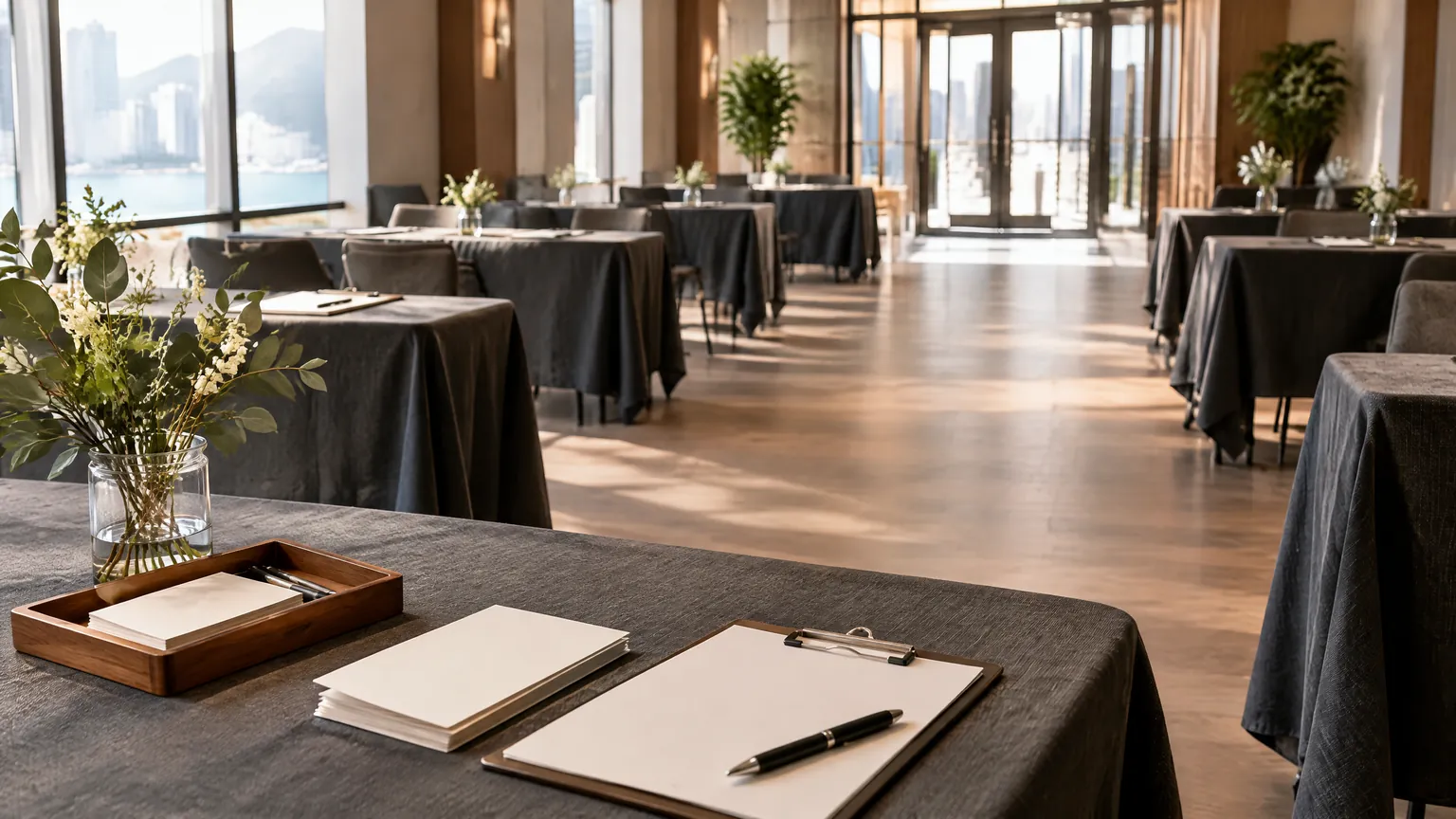
For a Hong Kong hotel banquet, the cutting photograph might sit between two scheduled moments while dessert belongs to a later part of the meal. Ask the venue how an outside cake would fit that sequence. Do not assume the cake will be cut and plated merely because there is a banquet team in the room. A private function room attached to a workplace may have no comparable service arrangement at all.
The Wedding Cake page offers wedding design directions to discuss, but your enquiry should lead with the cake's actual role: centrepiece for the photograph, cake intended for guest servings, or both. Ask the baker to identify edible portions and any non-edible components, and ask the venue separately who accepts, positions, cuts and serves the cake. A design photograph alone does not settle those responsibilities.
Keep the photograph and dessert entries connected through one named coordinator. If the speeches run late, that person should know whether the display can wait, whether guest dessert can proceed separately, and whom to contact. The photographer should not have to decide how long food remains on display.

Choose the visual brief without guessing the serving count
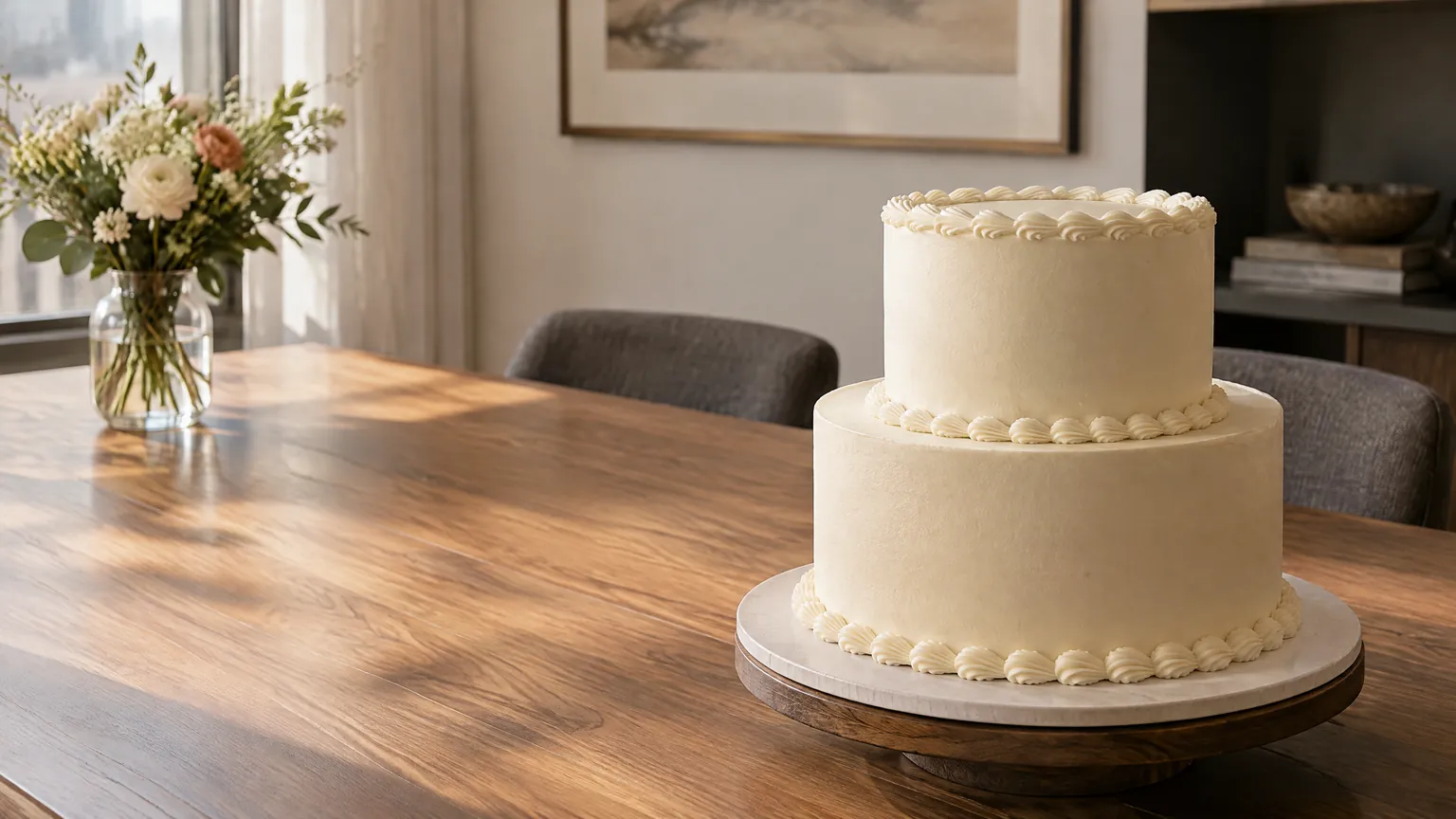
A useful design brief describes the view the couple wants: the overall silhouette, the dominant colour, a particular decorative detail and the space needed around it. It also identifies what is flexible. Perhaps a restrained two-tier appearance matters, but an elaborate backdrop does not. Perhaps the family wants a close-up of the ceremonial cut rather than a tall object visible across the room.
Give the baker the proposed table position and the photographer's intended framing. A large centrepiece may be unnecessary for a close photograph; a small cake placed against a busy partition may lose the detail you value. These are composition choices, not reasons to inflate the portion count. Confirm the finished dimensions and board footprint before the venue approves the table.
Specify the cut before approving the decoration
Ask where the ceremonial cut can take place and whether anything must be removed first. Tell the baker if the couple wants an actual slice for a tasting photograph rather than only a posed knife moment. Decorative supports and removable pieces should be identified by the person supplying the cake, with handling instructions passed to whoever takes responsibility afterwards. Do not improvise around an unfamiliar structure on the day.
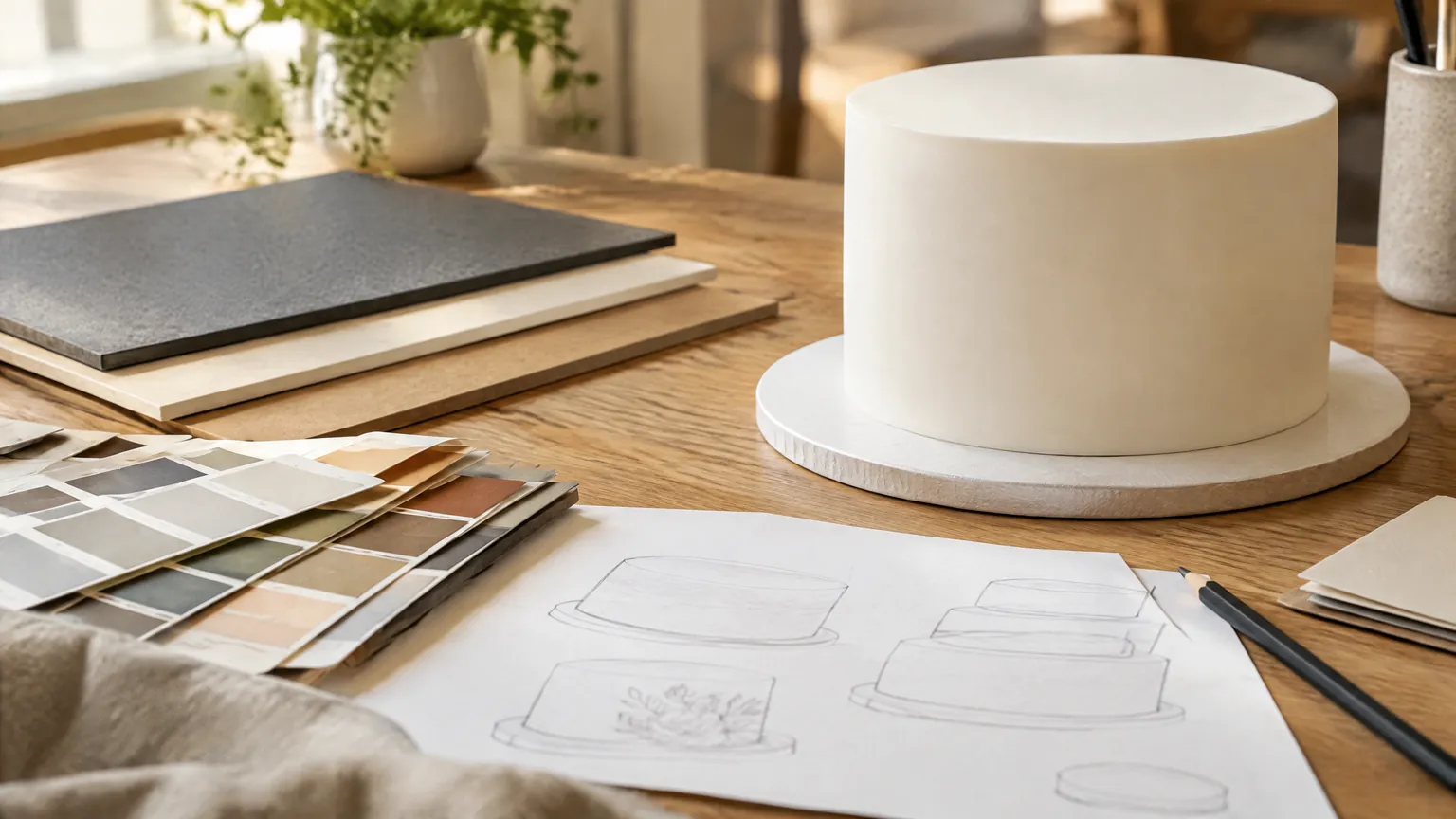
If a smooth, sculpted finish is part of the visual brief, use the Fondant Cake resource to begin a specific enquiry about the proposed surface and decoration. Its current page does not settle detailed construction or storage questions. Ask how your selected finish works with the filling, which details are removable, and where the intended cut belongs; do not treat the finish as permission for an extended display.
Keep decorative flowers beside the edible cake unless the baker has confirmed a suitable cake-decoration arrangement. A bouquet chosen for the room is not automatically appropriate for contact with food. A separate arrangement can still appear in the photograph without leaving relatives to decide what to remove before serving.
Compare desserts by the guest's next action
A sliced centrepiece asks someone to turn a whole object into portions and distribute them. A macaron display asks guests to select small pieces, or someone to place an agreed selection on plates. Individual cupcakes arrive as distinct units, but guests still need to reach them, understand their ingredients and know whether they are for eating now or taking away. None of these formats removes the need for a service plan.
For a standing reception in a compact Wan Chai function room, think through what a guest is holding already. A drink, a handbag and an open dessert box may make collection awkward. For a seated family dinner in Kowloon, passing a tray between tables may distract from conversation. Choose the format around the actual way guests will eat, not only the appearance of the display before anyone touches it.
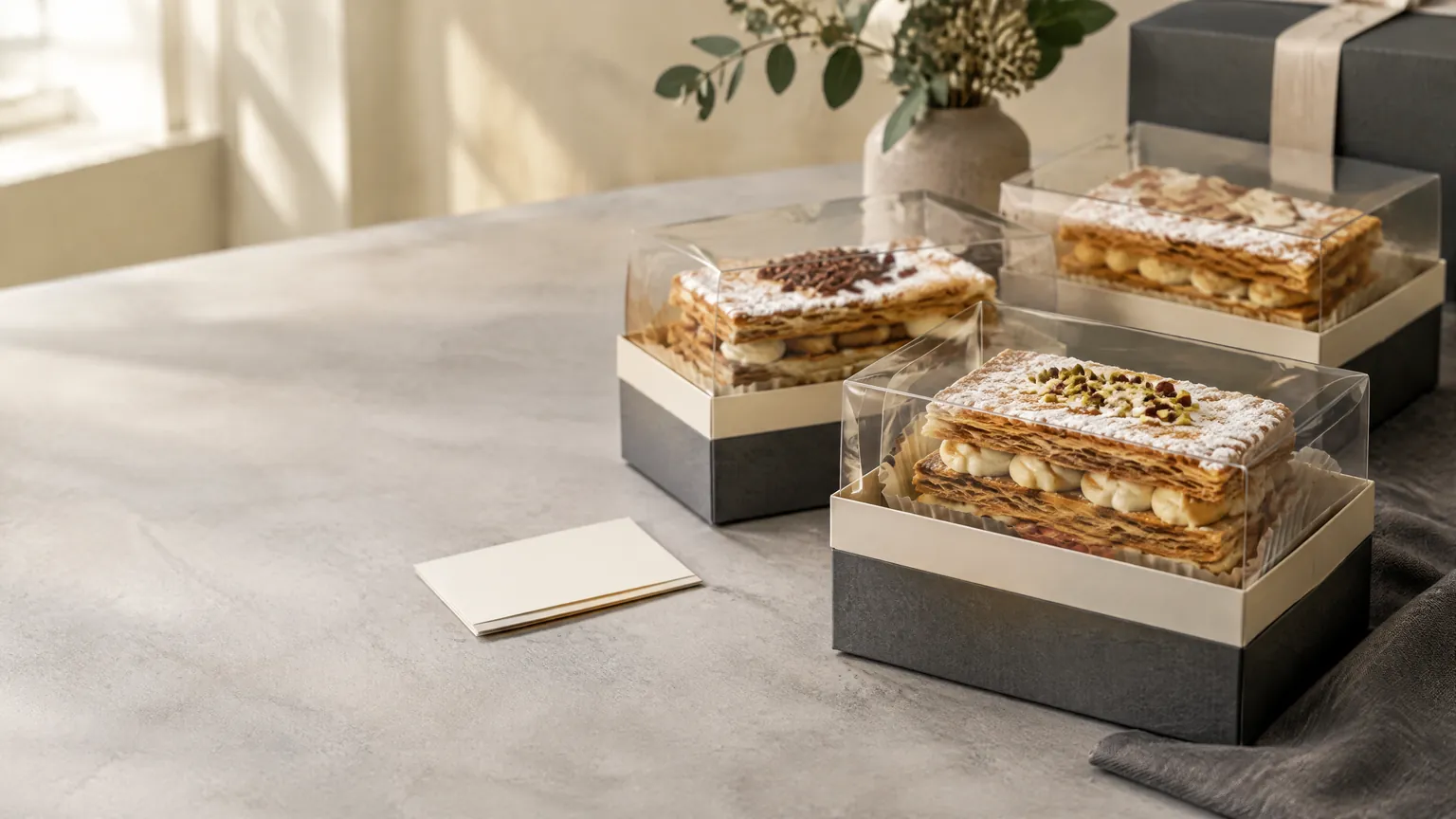
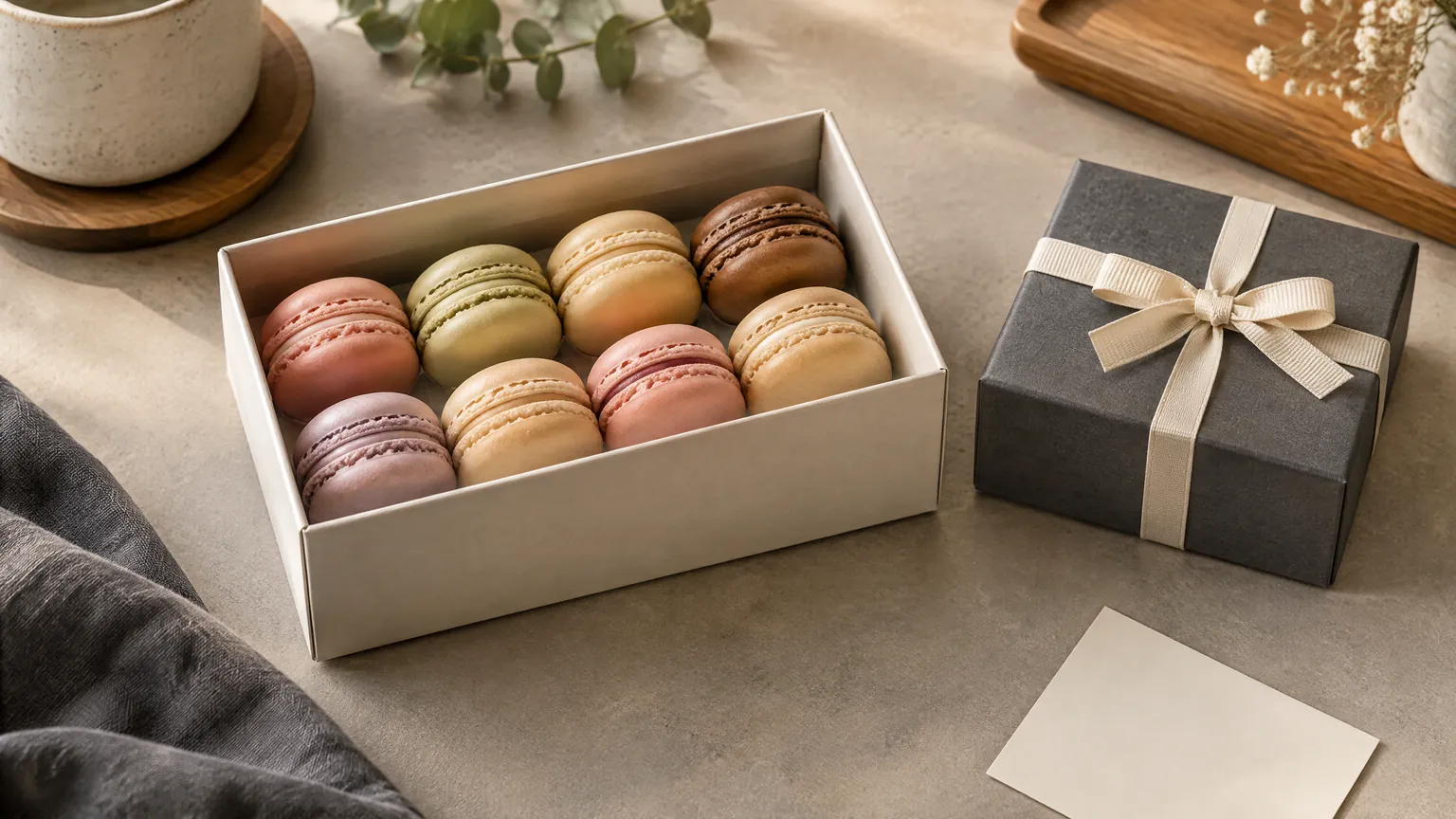
The Macaron Dessert Table page describes macaron-led event displays and mixed desserts. If that direction suits your reception, ask which food items are supplied, whether they arrive boxed or arranged, and which display components and on-site tasks are explicitly agreed. Setup language should not be stretched into an assumption that someone will remain to replenish the table, answer ingredient questions or clear everything afterwards.
Decide whether macarons are a small tasting alongside another dessert or the main sweet offering. A piece count is not a guest count, and a box count is neither. If sealed favour boxes form part of the display, their contents must not also be counted as loose desserts available for immediate collection. Record what is actually available to eat at each stage.
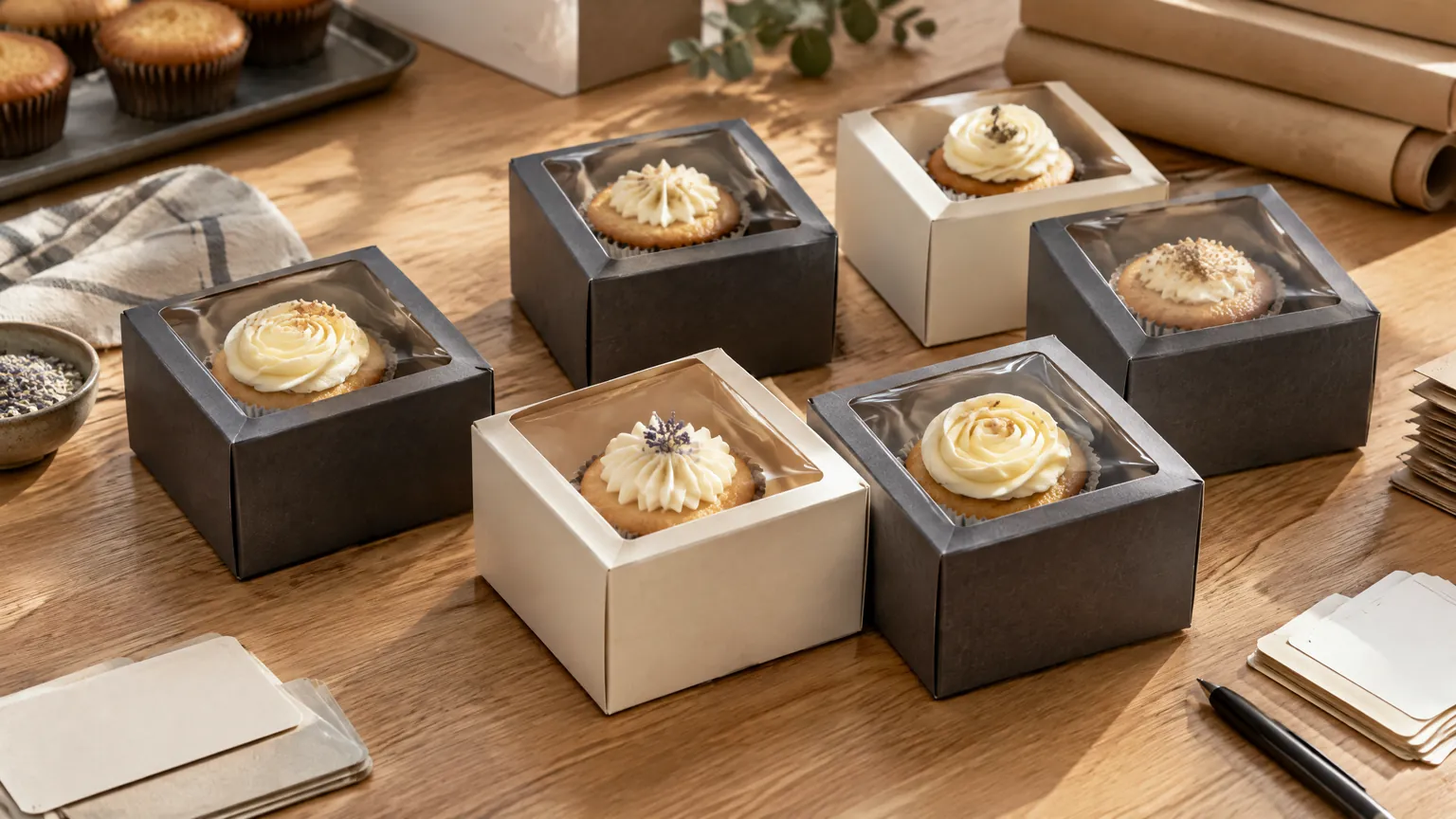
The Cupcake page is a resource for individual cake and display enquiries. Consider this format when guests leave at different points or when you want clearly counted portions, but confirm the selected size, decoration, packaging and storage instructions. A tower shown as a design direction does not establish that a stand, assembly, individual boxes or ongoing service is included in your arrangement.
Individual portions are especially useful to compare when the couple intends to reserve the centrepiece for family. Make that reservation explicit. Otherwise, a well-meaning helper may offer slices to early guests and leave the later dessert count unexpectedly short.
Count eaters, not every item in the photograph
Make a single guest-dessert list, then assign a format to each group. Distinguish people receiving a slice from those receiving an individual dessert, and identify anyone receiving both intentionally. Keep take-home gifts separate from dessert eaten at the event. If the venue already includes a plated sweet course, decide whether the additional bake replaces it, accompanies it or is reserved for a different moment.
For a family celebration followed by a small office gathering, treat the second event as a separate allocation rather than an automatic destination for leftovers. The workplace may have a different receiving person and different storage capacity. Ask whether separately packed portions can be supplied and what handling guidance would apply. Do not promise colleagues food whose condition or availability is unknown.
Ask the baker what its stated serving estimate means for your intended use. A small tasting portion after a meal and a substantial dessert portion are different briefs. Also identify any cake being held back for the couple. You do not need to determine a cutting pattern yourself; you need an agreed usable estimate that the people responsible for serving understand.
Avoid adding a large unspecified reserve simply because several formats are available. Assign any reserve a purpose, location and release decision. That makes it possible to see whether the reserve solves late arrivals, a second serving period or a deliberate take-home allocation instead of hiding an uncertain guest count.
Let storage determine the display window
Hong Kong's Centre for Food Safety explains that post-baking contamination, extended room-temperature storage and unhygienic handling can promote microbial growth. Bakery products with higher-moisture or protein-rich fillings need particular care; the guidance recommends refrigeration at or below 4°C when these products are not consumed immediately. It distinguishes them from plain, minimally handled unfilled bakery products.1
That distinction matters more than the outer shape. A centrepiece, a filled macaron and a decorated individual cake may have different storage needs. Obtain written guidance for the actual items and fillings ordered, then ask the venue whether it can meet those requirements from receipt through service. A decorative finish or closed box is not a substitute for suitable storage.
Check the whole box, not just the cake
A promise of refrigerator space is incomplete without usable dimensions. Send the dimensions of the transport box as well as the cake and board. Ask whether the intended storage area is available at the relevant time, whether shelves can accommodate the item, and who will move it to the display. Keep food waiting space separate from the photography position in the room plan.
If the venue cannot meet the stated storage conditions, change the schedule or dessert arrangement before the order is approved. Do not solve the problem by declaring every item suitable for room temperature. The provider should advise on its actual product, and the venue should confirm what it can accommodate.
Write the planned release from storage and the return or service decision into the run sheet. If the photograph is delayed, the coordinator should ask the responsible venue or provider contact what to do, rather than leaving the cake out while everyone waits. Avoid giving yourself an unsupported universal display duration.
Make ingredient information follow every portion
A colour scheme cannot communicate ingredients reliably. Two pale desserts may have different fillings; similarly decorated individual cakes may have different ingredients. Request item-specific written information and make sure it reaches the person answering guest questions, not only the person who placed the order. If recipes or substitutions change, ask for the information to be updated.
The Food Standards Agency's guidance recommends written allergen information supported by conversation, and treats buffet information item by item rather than as one statement for the entire spread. This is useful practical guidance for planning your dessert table, not a statement of Hong Kong legal requirements.2
Tell the provider about a guest's specific concern before confirming the selection. Ask about ingredients and cross-contact limitations separately. The same FSA guidance warns that a vegan description does not necessarily mean freedom from animal-based allergen cross-contact.2 Neither an individual box nor a separate position on the table establishes an allergen-free guarantee.
For guests taking desserts home to family members who did not attend, retain the supplier's ingredient and storage information with the relevant portions. Avoid transferring everything into identical unmarked boxes and losing the distinctions. If an ingredient question cannot be answered, say so and contact the provider; a relative's confident guess is not a substitute.
Confirm the handover route and the people responsible
Walk through the cake's route from the agreed arrival point to storage and then to display. In a Hong Kong building, that may involve a loading area, reception desk, lift and corridor before the event room. Ask the venue about access arrangements and available receiving space. Do not use the event room's postal address as the entire handover plan.
Separate transport from placement, and placement from service. Ask who checks the boxes on arrival, who retains the handling instructions and who can contact the supplier if something is unclear. Confirm any stand or display component and its return arrangements independently of the food. Do not hand the entire task to a friend without first finding out what it involves.
For a home celebration after the registry ceremony, apply the same questions on a smaller scale. Clear a receiving surface before arrival and confirm suitable storage. If relatives are travelling between homes, do not assume the cake can accompany them without an agreed transport plan. A simpler single-location serving moment may be easier to coordinate than moving a centrepiece twice.
Finish with a short approval checklist
Before agreeing the final arrangement, check these points against the same run sheet rather than separate message threads:
- State the photograph's purpose and the intended ceremonial cut.
- Assign every guest dessert and every reserved portion once.
- Confirm actual item guidance and usable storage space.
- Name the receiving, display and serving contacts.
- Pass ingredient information to the guest-facing contact.
- Agree who decides what changes if the photograph is delayed.
The plan is ready when the cake can leave the photograph and enter its next agreed stage without a new decision. Guests should not depend on dismantling the centrepiece before they receive dessert unless that is the arrangement you deliberately chose. Keep the image you want, but give the food its own complete route to the people who will eat it.

Common questions
Can the cake in the photograph be reserved for the couple and family?
Yes, if that is agreed in advance. Identify its actual recipients and arrange guest dessert separately. Tell the serving contact that the centrepiece is reserved so it is not accidentally counted as general dessert stock.
Does choosing individual cupcakes remove the need for a serving plan?
No. You still need a collection or distribution method, confirmed packaging and storage, item-specific ingredient information and a person responsible for handover. Confirm any tower or stand arrangement separately.
What should we ask if the venue says it has refrigerator space?
Ask for usable dimensions, availability during your event and confirmation that it can meet the supplier's product-specific storage requirements. Provide the complete box dimensions, not just the cake diameter, and name the person moving it to display.
What happens if speeches delay the cake photograph?
The coordinator should consult the responsible venue or provider contact about the agreed storage and display conditions. Keep guest dessert service separate where planned; do not leave food on display indefinitely or invent a universal waiting limit.
Sources & what they support
Each reference supports only the stated scope. Citations are not independent endorsements of YumYum or its branches and do not confirm a provider’s current arrangements or any individual outcome.
- Centre for Food Safety: Handle Sandwiches and Bakery Products Safely (opens in a new tab)
Post-baking contamination and prolonged room-temperature storage can promote microbial growth; higher-moisture or protein-rich filled bakery products need particular care and the guidance recommends refrigeration at or below 4°C when not consumed immediately. Distinguishes these products from plain minimally handled unfilled bakery items.
- Food Standards Agency: Allergen Guidance for Food Businesses (opens in a new tab)
Supports written allergen information backed by conversation, item-specific buffet information, up-to-date ingredient records and the distinction between vegan descriptions and absence of allergen cross-contact. Used as practical guidance, not as a claim about Hong Kong legal requirements.