Plan a Desk-Side Birthday Treat Without Taking Over the Workday
GotGear and YumYum (including its gifting, baking and florist branches) share an owner; this collection is not an independent recommendation. GotGear does not provide catering, gifting, cake, floral, tuition or rental services. External-service information is separate from GotGear’s equipment catalogue; confirm the actual scope with the relevant provider. Articles are general planning information, with no promises about supply, arrangements or outcomes. Concept photos are not records of real events, customers or classes.
The short answer
Keep a desk-side birthday treat small in scope: check that the colleague welcomes it, count the people who will actually eat, choose a cake that fits the available storage and serving space, and name someone to receive it. Agree the celebration separately from the requested delivery window, so work can continue if the handover changes.
Keep a desk-side birthday treat small in scope: check that the colleague welcomes it, count the people who will actually eat, choose a cake that fits the available storage and serving space, and name someone to receive it. Agree the celebration separately from the requested delivery window, so work can continue if the handover changes. A modest cake and a short pause can be thoughtful without turning the recipient's desk into a serving counter.
GotGear and YumYum share an owner. This journal provides planning guidance, not an independent endorsement; GotGear does not provide food, floral, gift, class or rental services. Discuss any cake order and its arrangements directly with the provider.
Start with permission and a realistic pause
Before choosing decoration, quietly ask whether the colleague would enjoy a workplace birthday moment. Some people prefer a private greeting, do not want their age mentioned, or would rather keep the occasion outside work. Offer a simple choice between a small shared treat and a card without food. A surprise should not depend on ignoring a clear preference.
Then look at the work pattern, not just the calendar date. In a Central office, the intended recipient might move between client calls while teammates attend meetings on different floors. Find a short shared pause that the recipient can accept. Do not book a meeting under a misleading work agenda merely to gather everyone, or expect colleagues to interrupt calls for a song.
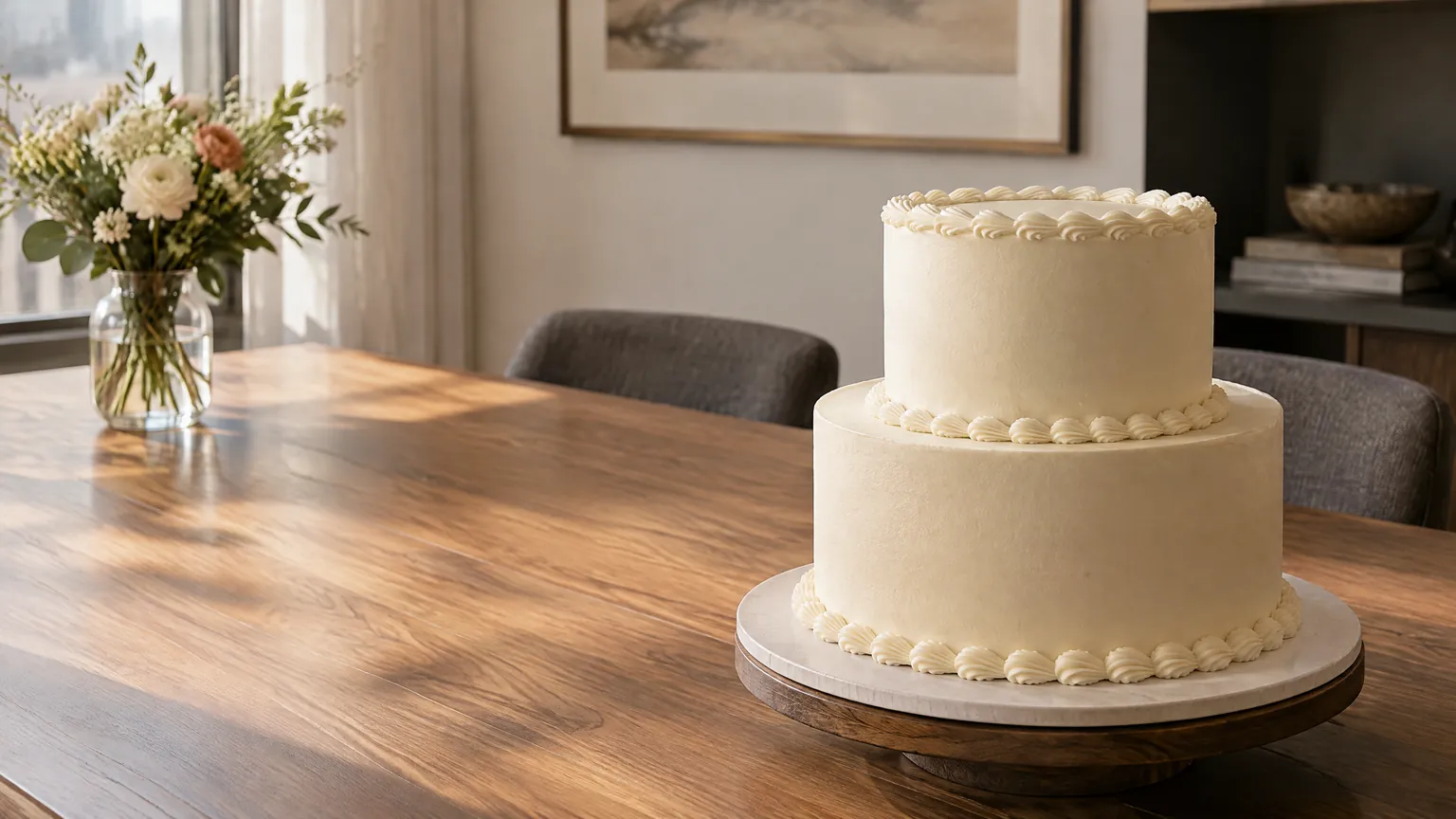
The Birthday Cake page can help you compare celebration styles before making an enquiry. Use the recipient's preferences to narrow the direction: an understated round cake may suit a quiet desk-side greeting better than a tall themed design. Ask the bakery to confirm the actual format, portions and components rather than treating a gallery image as the specification of an available order.
Agree who will lead the greeting and who will end it. For example, one teammate could bring the colleague to a nearby shared table, say a few words and invite those present to take a portion. Avoid expecting the birthday colleague to cut, distribute and clean up their own treat. If the pause cannot happen that day, a private greeting is a reasonable outcome, not a failed celebration.

Count eaters before choosing a small format
The department headcount is not the serving count. Ask who expects to be onsite and who would like cake. Include the recipient, but do not automatically include remote colleagues or visitors who are only passing through. A person can join the greeting without eating. Record confirmed eaters separately from people whose attendance remains uncertain, then explain that uncertainty when asking about portions.
For a hypothetical Kwun Tong team of eight, only four people might be available at the agreed pause. Decide whether the cake is for those four or whether colleagues arriving later should receive reserved portions. These are different briefs. If later servings are intended, include the storage and collection arrangement instead of quietly expecting the organiser to leave slices out all afternoon.
A Bento Cake is a compact-format reference worth considering for a personal gift or a very small shared moment. The name alone does not tell you how many of your intended portions it will provide. Give the bakery the number of eaters, explain whether each person expects a tasting slice or a fuller dessert, and ask whether the proposed cake is suitable.
Separate a personal gift from an office-sharing order. If the colleague would prefer to take a small cake home, do not open it for an unannounced department gathering. Confirm the recipient's travel and storage plan instead. Conversely, if the purpose is sharing, choose a format that can be cut and served sensibly rather than buying several small cakes simply because their boxes look convenient.

Write a design brief that also describes the box
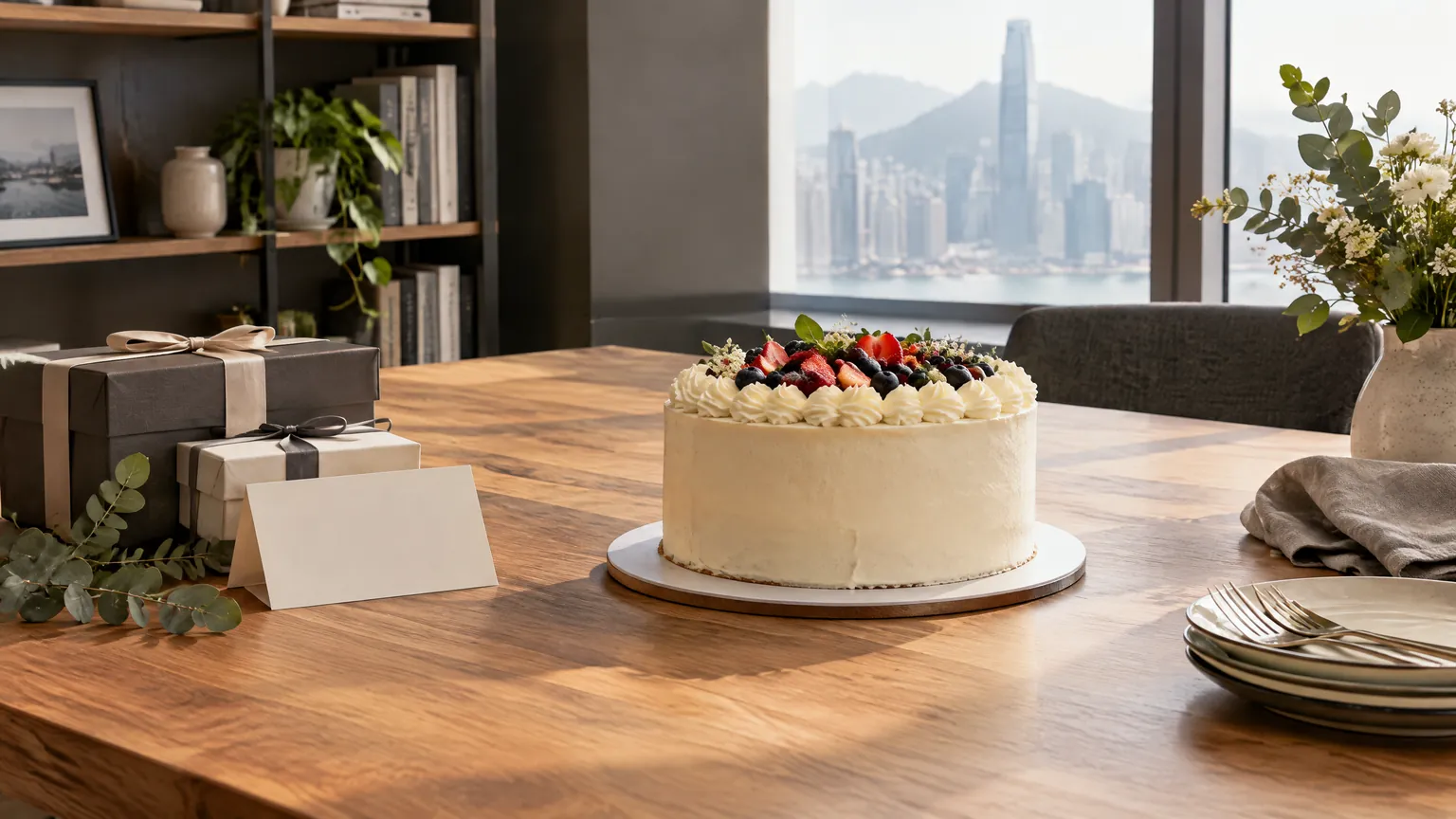
Keep the visual brief short enough to check. Specify a colour direction, a low-profile shape and the wording, if any, that the colleague has agreed to. A plain greeting card can carry a longer message without filling the cake surface. Ask which elements are edible and which must be removed before cutting; do not assume a decorative pick or support belongs on someone's plate.
The Custom Cake resource is a starting point for discussing shapes, colours and finishes, not proof that every pictured idea can be made for your occasion. Send one clear reference and explain the practical limits alongside it: a small shared table, limited fridge space and no elaborate setup. Ask for confirmation of the proposed design and packed dimensions before approving it.
Keep the design proportionate to the moment
For a quiet birthday pause, focus on one meaningful detail rather than combining a portrait, multiple hobbies and a large written message. Perhaps the recipient likes a particular colour or prefers simple piping. Describe that preference without claiming to know the exact result. If the bakery suggests changes, check whether they affect the cake's height, handling or usable portions, not just its appearance.
Measure the packed cake, not only its diameter
The board and closed box need room as well as the edible cake. Ask for the complete package's width, depth and height, then compare those with the usable fridge shelf and door opening. Leave space to lift the box without tilting it. A shelf that looks empty may still be unsuitable if the box cannot enter level or other staff need to stack lunch containers on top.

Keep ingredient questions attached to the order
Ask colleagues privately whether there is an ingredient they need to avoid. Do not request a public account of someone's health or put personal details in a department chat. Give the provider the necessary food requirement and keep the written answer with the order. A dislike of a flavour, a dietary preference and a food allergy should not be treated as interchangeable instructions.
The Centre for Food Safety lists cakes among foods that may contain gluten-containing cereals and eggs; cream, butter and cheese can contain milk, while nuts can occur in desserts. Ingredient questions therefore need to cover the sponge, filling, frosting and decoration, not merely visible toppings. The CFS also warns against unintended transfer of allergens to food or cutlery. 1
Ask whether the bakery can supply ingredient information for the complete proposed cake and explain relevant shared-equipment handling. Removing a nut decoration does not establish that the remaining cake meets a colleague's requirement. If the answer is incomplete, do not describe the cake as suitable for that person. Offer participation without food or let them choose a separate item whose information they can assess.
Keep any supplied ingredient sheet and original packaging available at the serving point. The Food Standards Agency recommends retaining packaging or an ingredient list at small gatherings so people can check foods they avoid. 2 Treat this as useful information practice, not a guarantee of suitability. If two different desserts are present, keep their documents and serving utensils separate so an answer for one is not accidentally applied to the other.
Reserve storage before arranging the handover
Do not treat air conditioning as a substitute for refrigeration. The CFS identifies cheesecake and fresh-cream cakes as perishable bakery products and advises consumers to refrigerate a purchased cheesecake promptly. 3 The Food Standards Agency likewise advises keeping cheesecakes and fresh-cream desserts in the fridge and minimising their time outside it. 2 Ask the bakery for storage and serving instructions for the exact cake, rather than adopting a general time allowance from a different dessert.
Check the shared fridge in person before committing to the format. Reserve a clean shelf area large enough for the closed box and make sure colleagues know not to move or stack it. Keep the package protected and away from raw foods; the Food Standards Agency recommends a clean, sealable cake container and separation from raw food. 2 Do not open the box repeatedly to show people the decoration.
Assign one person to move the cake from receipt to storage and another, if necessary, to bring it out for serving. In a serviced office, reception may be willing to accept a parcel but unable to refrigerate food. In that case, the organiser needs to meet the handover and take responsibility promptly. A receiving desk is a temporary transfer point, not the storage plan.
If the office cannot provide the required storage, reconsider the product or occasion before ordering. Ask the provider about a different suitable format, or keep the workplace greeting food-free and arrange a separate recipient-led celebration. Do not solve a storage problem by leaving a perishable cake on a desk and hoping the room stays cool.

Give reception a handover brief, not an assumed deadline
The Cake Delivery page asks for destination, preferred window and access details, with arrangements subject to confirmation. Send the complete building address, company name, floor, relevant entrance or lift instructions and a named contact. A requested arrival window is not an accepted promise, and a logistics handover does not automatically include refrigeration, setup, cutting or serving.
Check the building's receiving rules separately. A Central tower might require the recipient to come to the lobby; a shared workspace might only accept items while its reception desk is staffed. Confirm the actual rule with the building or office team rather than assuming it from the district. Give the provider accurate instructions without suggesting that unrestricted access has been arranged.
Choose a primary receiver who can answer the phone and a backup who knows where the cake belongs. Share the order identity and handling instructions with both. Reception needs enough information to find the organiser, not the recipient's age or the team's private messages. A discreet receiving note can identify the correct company and contact while keeping the birthday detail modest.
If the handover shifts, tell colleagues that the greeting will move rather than holding a room full of people while food is still in transit. Ask the provider how updates and changes will be handled; do not assume live tracking or a particular advance notice. If cake arrives after the agreed pause, receive and store it as instructed, then decide whether another convenient moment is possible.
Serve beside the desk, not across the keyboard
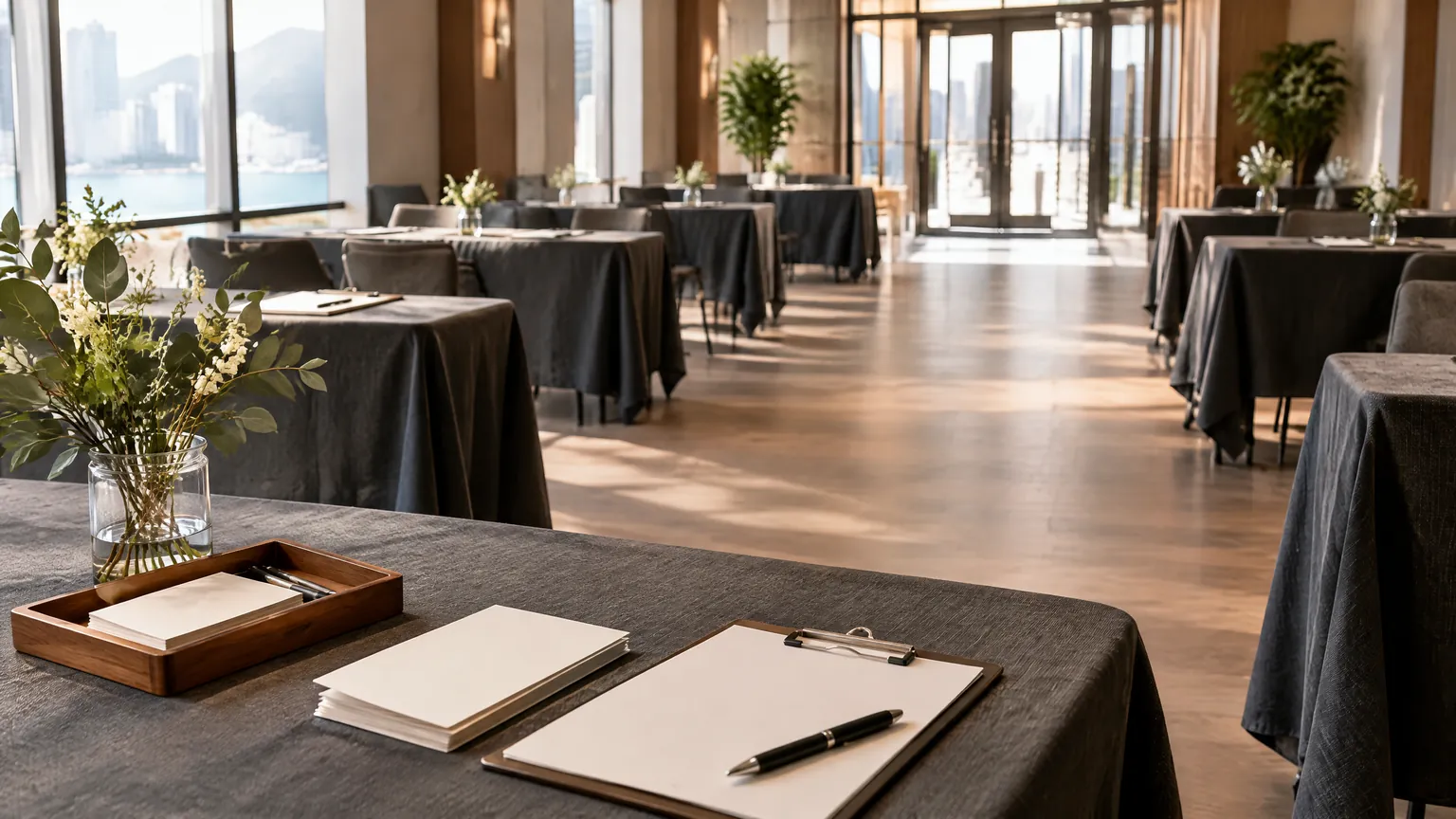
Choose a clear shared surface close to the recipient, with enough room for the cake board, plates and serving tool. Keep drinks, laptops and paperwork away from the cutting area. Do not place the cake at the edge of a narrow workstation or block the entrance with colleagues gathering for a photograph. A nearby meeting-room side table may be more practical than the desk itself.
Check that clean plates, forks and a suitable cake slice are available; do not assume they come with the order. The Food Standards Agency recommends using tongs or a cake slice when handling cakes. 2 Nominate someone willing to serve, keep unused utensils clean and avoid passing the same tool between different desserts with different ingredient information.
Keep the greeting short and optional. Ask before taking photographs, and do not assume that agreeing to a birthday moment means agreeing to a social-media post. If candles conflict with workplace rules, leave them out rather than improvising. The recipient should be able to enjoy the gesture and return to work without having to persuade the group to stop.
After serving, the organiser should clear the table and deal with any remaining cake promptly according to the product instructions and its handling history. Do not leave open slices for anyone who might pass later. For take-home portions, preserve the ingredient and storage information and confirm that the person wants them. If safe storage cannot be maintained, do not hand out leftovers merely to avoid waste.
A short checklist for the organiser
- Check that the colleague welcomes a workplace greeting and agree a convenient pause.
- Count actual eaters and decide whether the cake is shared or a personal gift.
- Confirm the design, portions, complete box dimensions and ingredient information.
- Reserve suitable storage and name the receiver, backup and serving organiser.
- Confirm access and handover arrangements; keep the celebration flexible.
- Prepare clean serving items, then clear and store remaining cake as instructed.
The best desk-side plan is one the recipient barely has to manage. Keep the visual idea simple, but make the responsibilities precise. When portions, storage and reception are settled before the order is confirmed, the birthday can remain a brief personal gesture rather than a new task for the whole office.

Common questions
Is a bento-style cake enough for the whole department?
Do not decide from the format name. Give the bakery your actual eater count and intended portion size, then ask it to confirm whether the proposed cake suits that brief. A personal gift should not become an unplanned sharing cake.
Can reception keep the cake until the birthday pause?
Only if reception has agreed to the necessary handling and suitable storage. Otherwise, name an organiser to collect it promptly and move it to the reserved storage space. Acceptance at the desk does not mean refrigeration is available.
What should we do if the cake arrives after the agreed greeting time?
Have the named receiver take responsibility and follow the cake's storage instructions. Move the greeting to another convenient pause or keep it separate from the cake; do not interrupt meetings simply to preserve the original plan.
Does removing a nut topping make a slice suitable for a colleague avoiding nuts?
No. The complete cake and shared-equipment handling still need to be checked with the provider. Keep its written ingredient information available and do not claim suitability when the answer is incomplete.
Sources & what they support
Each reference supports only the stated scope. Citations are not independent endorsements of YumYum or its branches and do not confirm a provider’s current arrangements or any individual outcome.
- Centre for Food Safety: Food allergens (opens in a new tab)
Relevant examples of gluten-containing cereals and eggs in cakes, milk in cream, butter and cheese, and nuts in desserts; confirmation of allergen information and prevention of unintended allergen transfer to food or cutlery.
- Food Standards Agency: Providing food at community and charity events (opens in a new tab)
Practical small-gathering advice to retain ingredient information, refrigerate cheesecake and fresh-cream desserts, minimise time outside refrigeration, use clean sealable cake containers away from raw foods and use cake slices or tongs. UK legal provisions and numerical display limits are not applied to the Hong Kong scenario.
- Centre for Food Safety: Baking and Beyond: Bacillus cereus Risks in Cheesecakes (opens in a new tab)
Identifies cheesecake and fresh-cream cakes as perishable bakery examples and advises consumers to promptly refrigerate purchased cheesecake. Does not establish a shelf life for a particular cake order.