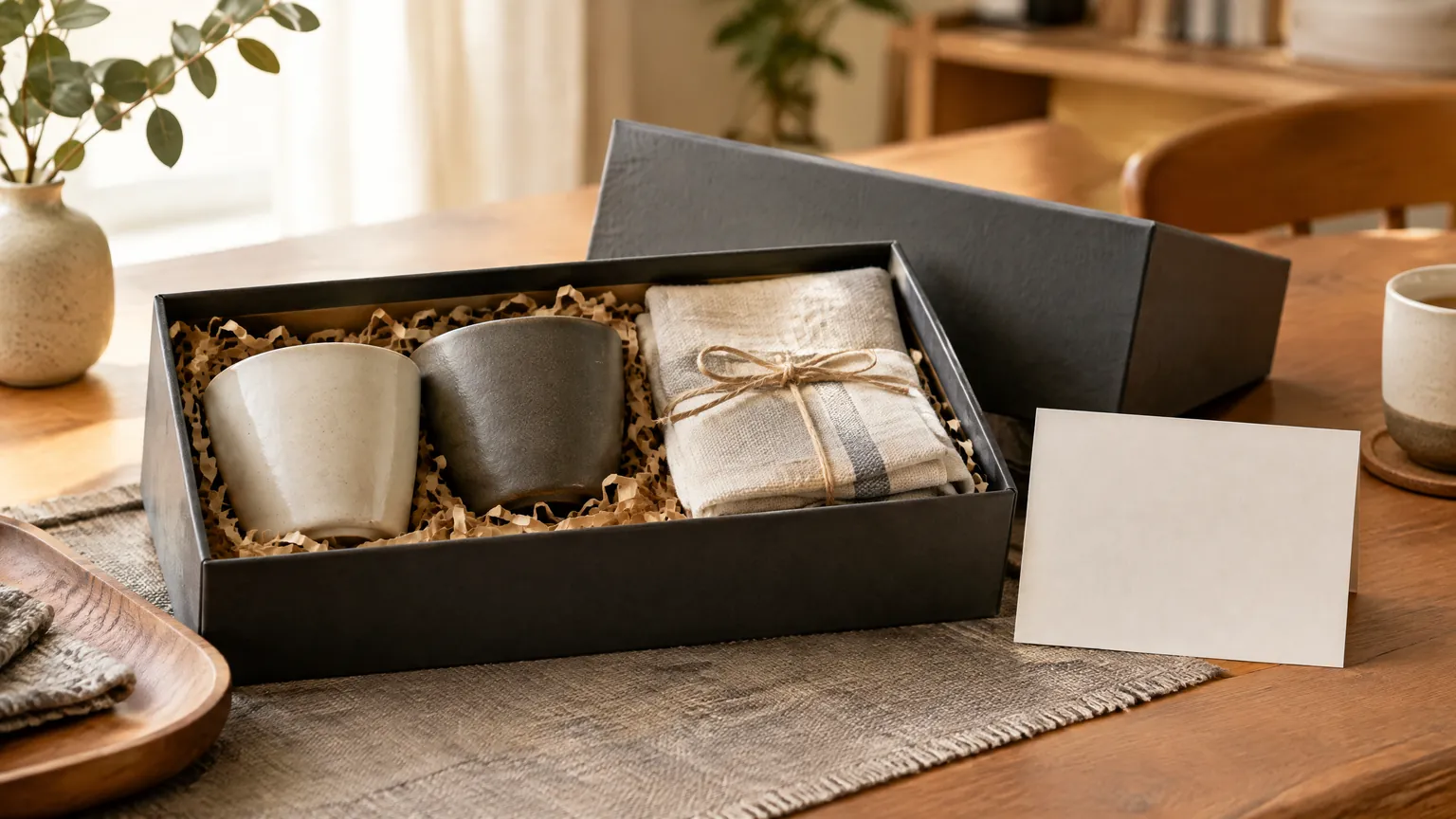
Welcome New Parents with a Gift They Have Room to Receive
GotGear and YumYum (including its gifting, baking and florist branches) share an owner; this collection is not an independent recommendation. GotGear does not provide catering, gifting, cake, floral, tuition or rental services. External-service information is separate from GotGear’s equipment catalogue; confirm the actual scope with the relevant provider. Articles are general planning information, with no promises about supply, arrangements or outcomes. Concept photos are not records of real events, customers or classes.
The short answer
Ask the parents what they would welcome, choose a gift that fits their available space, and agree how it will reach them before arranging a visit or delivery. A compact, wanted item is more useful than a large basket that requires sorting, refrigeration or an unexpected reception. Treat baby-product suitability and family celebration customs as separate questions, not things a gift's appearance can answer.
Ask the parents what they would welcome, choose a gift that fits their available space, and agree how it will reach them before arranging a visit or delivery. A compact, wanted item is more useful than a large basket that requires sorting, refrigeration or an unexpected reception. Treat baby-product suitability and family celebration customs as separate questions, not things a gift's appearance can answer.
This is GotGear's same-owner planning journal: GotGear and YumYum share an owner. The linked YumYum pages are related-business resources, not independent recommendations. GotGear publishes this guidance; it does not provide food, floral, gifting, classes or rental services.
Start with permission, not a parcel
A gift can arrive at the wrong moment even when the intention is kind. Imagine colleagues in a Central office arranging a welcome present while their teammate is staying temporarily with relatives in Sha Tin. The home address held by the office may not be the right receiving address. Asking privately where and when a gift would be welcome prevents the surprise from becoming another task for the family.
Make the question easy to answer. Rather than sending a catalogue and asking the parents to choose everything, offer a narrow choice: a requested baby item, a small treat for the adults, or a card now and a gift later. Include an uncomplicated way to decline. Silence is not confirmation that a particular parcel, visit or celebration is wanted. If no answer comes, a warm message can stand on its own.
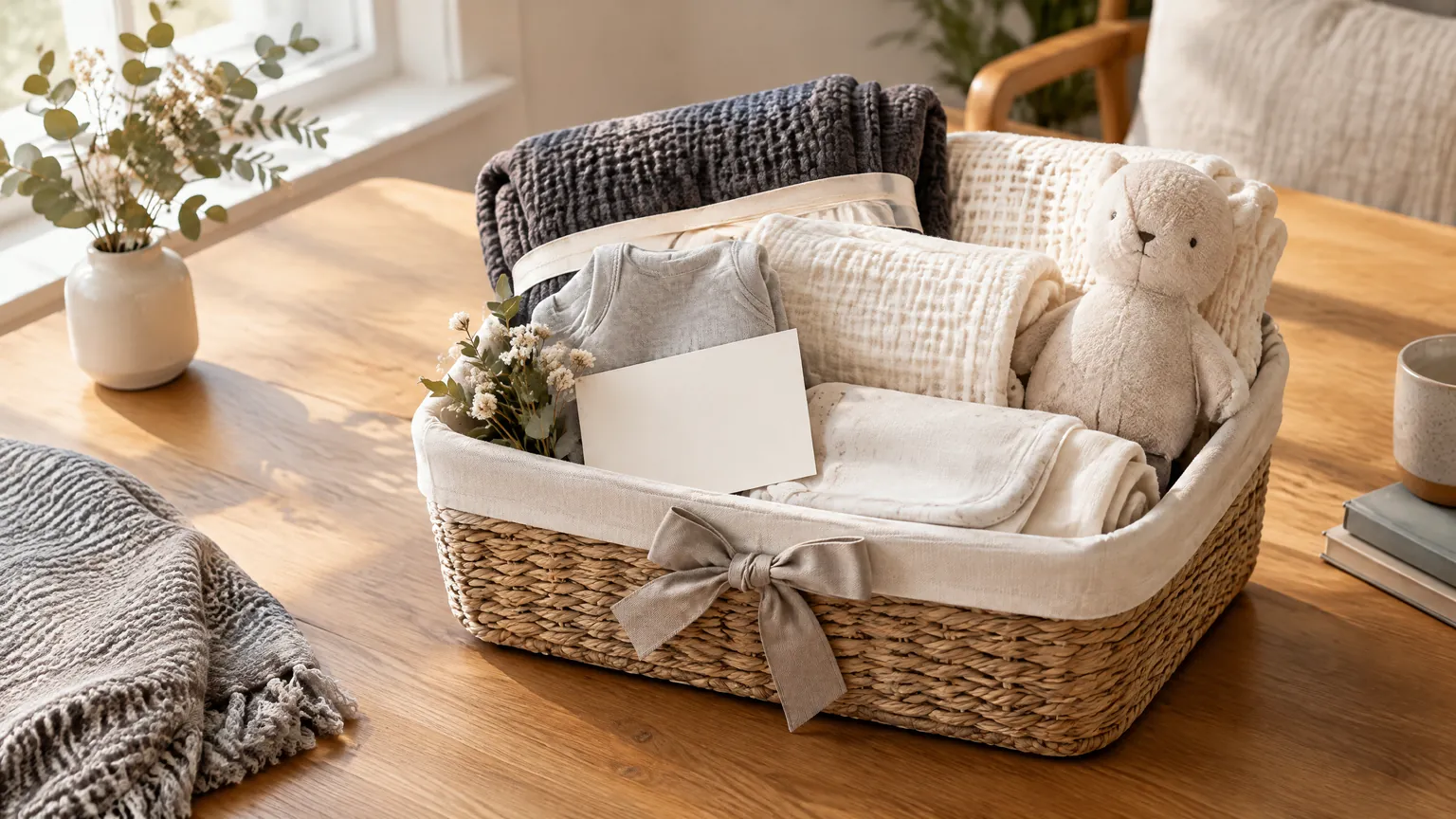
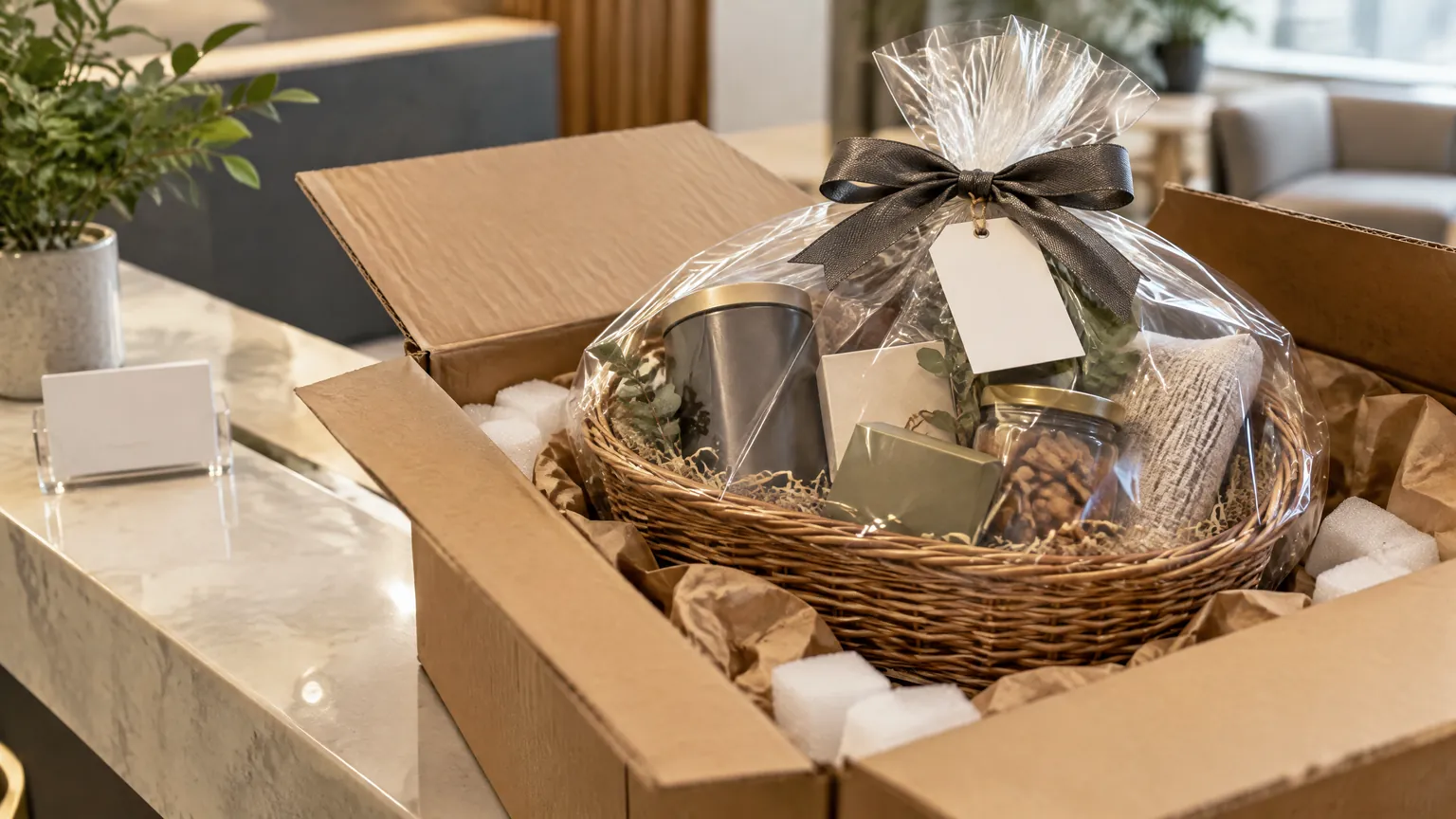
The Baby gift basket resource provides a starting point for looking at basket presentation, but the useful decision happens before choosing a ribbon. Ask whether the family wants baby items or something for the adults, then obtain the actual proposed contents. A basket photograph cannot tell you which clothing size is needed, what the parents already own or which products they have chosen to use.
For a workplace collection, nominate a single organiser rather than having every colleague message the family. That organiser can collect preferences and share only the information needed to select the gift. There is no need for the whole team to know the baby's routine or the family's temporary living arrangements. Keep the greeting inclusive of the household and separate it from requests for photographs or an announcement at work.

Choose the footprint before the finishing touches
Think about the package after it has been opened, not just at the moment it is presented. A tall basket may need a clear table, while several boxed items may fill a cupboard. A container described as reusable is not automatically useful to someone who has no place for it. Ask for the approximate packed dimensions and consider whether the contents can be stored separately without creating a second pile of packaging.
In a compact Hong Kong flat, the dining table might also be the family's working surface. A large display hamper could occupy the space needed for an ordinary meal. Choose a smaller format if the parents prefer it, and do not assume that extra decorative material improves the gift. A modest box with a clear contents list can be easier to receive than a dramatic arrangement whose parts need unpacking immediately.
When comparing Baby gift hampers, look beyond how many objects appear in the arrangement. Consider the space each item needs, whether its intended use is clear and whether the family actually wants a spare. The page presents newborn gift directions, but the exact items and their instructions still need checking. Do not substitute a larger assortment merely because the requested compact version is unavailable.
Duplicates are not always a problem; unwanted duplicates are. Parents may welcome an extra cloth in a particular size but have no use for another keepsake box. Ask about specific items rather than whether they have 'everything'. If relatives and colleagues are coordinating, keep a short record of what has been agreed. Where a choice remains uncertain, leave it out or wait instead of buying another version on speculation.

Check intended use, not just a baby-themed appearance
A soft colour palette, an animal motif or a newborn-themed package does not establish product suitability. For anything intended for the baby, request the exact product description, age guidance and manufacturer's instructions. Keep those instructions with the item. Parents should be able to decide whether to use it without searching for information that was discarded during decorative wrapping. Presentation should not obscure the original packaging.
Textiles and keepsakes are not automatically sleep items
Hong Kong's Family Health Service advises keeping soft objects and loose bedding out of the baby's sleeping environment, naming stuffed toys, pillows and fluffy blankets among its examples.1 This matters when a hamper contains attractive fabric pieces or a plush keepsake: do not present them as things to place beside a sleeping baby. A gift photograph is an arrangement for illustration, not a guide to setting up a cot.
If the parents request clothing, confirm the size they want instead of guessing from the baby's arrival date. Ask whether the item can be changed if it is unsuitable, and retain any relevant packaging or paperwork without including unnecessary purchase details in the greeting. For toys or bath products, use the same principle of checking the specific item and respecting the parents' selection. An unrequested assortment is not a shortcut to a suitable gift.
Adult treats need a storage plan of their own
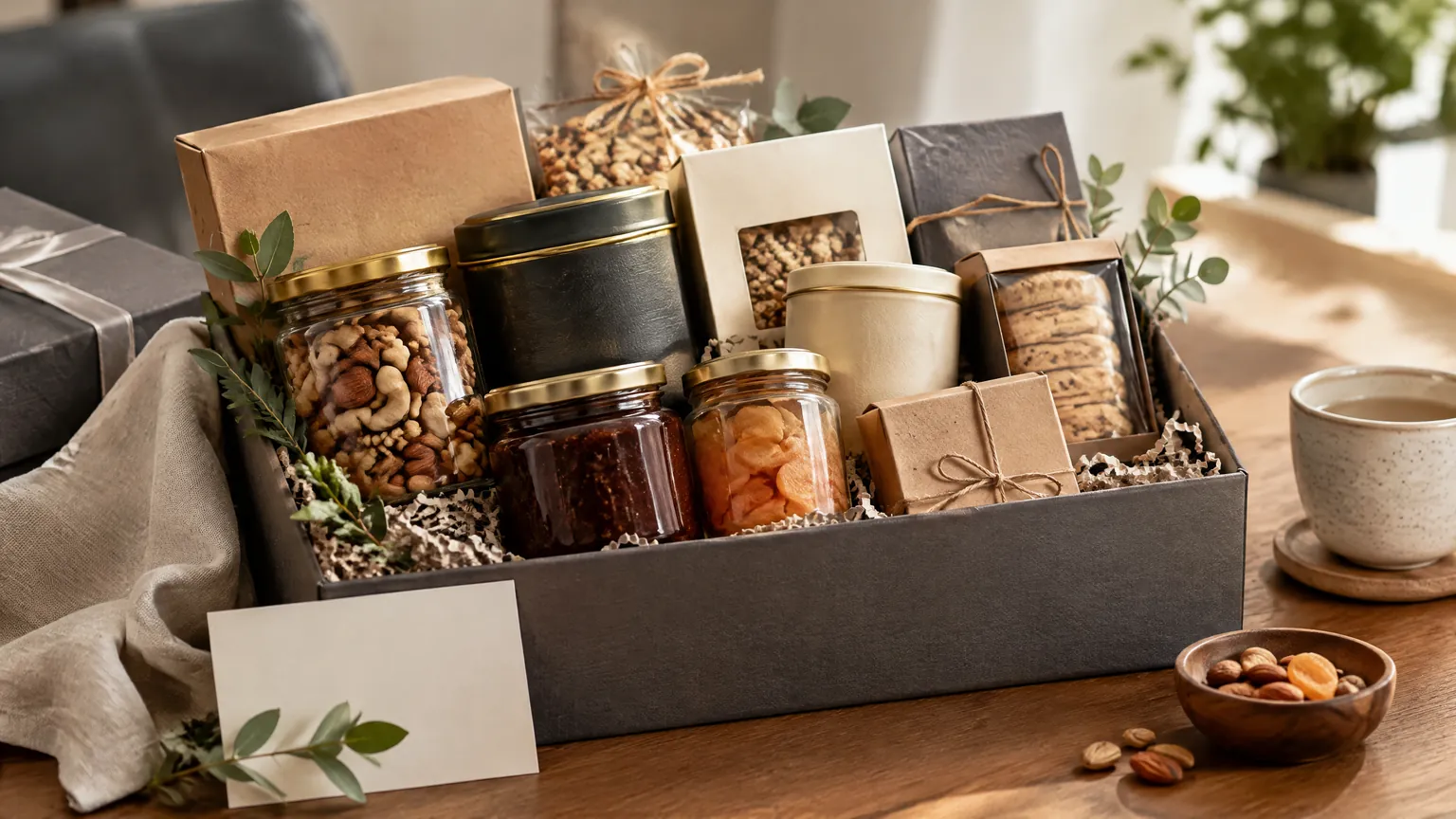
Food included for the adults should be clearly separate from items intended for the baby. Ask about preferences and exclusions before choosing it. The Centre for Food Safety's labelling guidance explains the declaration of specified allergens in ingredient lists and discusses warnings relating to shared production.2 Read the actual labels and relevant warnings; a hamper's theme or a removed ingredient does not establish that the other contents meet an allergy requirement.
Check the storage directions as carefully as the contents. The Centre for Food Safety distinguishes a 'best before' date, which concerns quality, from a 'use by' date, which concerns safety. It also explains that storage instructions matter and that these dates apply to unopened products; opening can change how long food keeps.3 Choose a gift the household can manage, rather than assuming that every sealed jar or boxed treat belongs in a cupboard.
For example, if a family is using a relative's fridge while staying away from home, a gift requiring immediate refrigeration may be inconvenient. Ask before including it, or choose a non-food alternative the parents actually want. Do not add teas, tonics or supplements with promises about recovery, feeding or sleep. The gift is a gesture of welcome, not a treatment plan or an invitation to change the family's choices.
Let the family decide what a celebration means
Some families may welcome a full-moon gathering; others may choose a different milestone, a small private occasion or no gathering. Ask what this family wants rather than treating one custom as a compulsory timetable. Also clarify the direction of the gift. A present sent to the new parents and thank-you boxes the parents choose to give other people are different arrangements, even when both relate to the same celebration.
The Full moon gift sets link shares the newborn-gifts destination. It can help frame a discussion about presentation, but it does not settle whether the family wants incoming presents or outgoing thank-you gifts. Establish the recipient and purpose first. If the parents are planning gifts for others, confirm whether each is for an individual, a household or a sharing group rather than deriving quantities from the number of presents received.
Picture a family considering a small lunch with grandparents while an office team proposes a separate welcome gathering. These are not automatically compatible plans. The family should not have to host colleagues to accept their congratulations, and a gift should not imply attendance at a future event. Offer to send the card independently, and let any invitation come from the parents rather than using the parcel to create one.
Keep celebratory wording equally flexible. 'Warm wishes to your family' does not assume a particular naming practice, household role or preferred public announcement. If you want to include the baby's name, ask for the spelling the parents want used. Do not add a birth date, family photograph or other personal detail simply because it would make the packaging more distinctive. A thoughtful message can be personal without being public.
Personalise by removing the wrong things
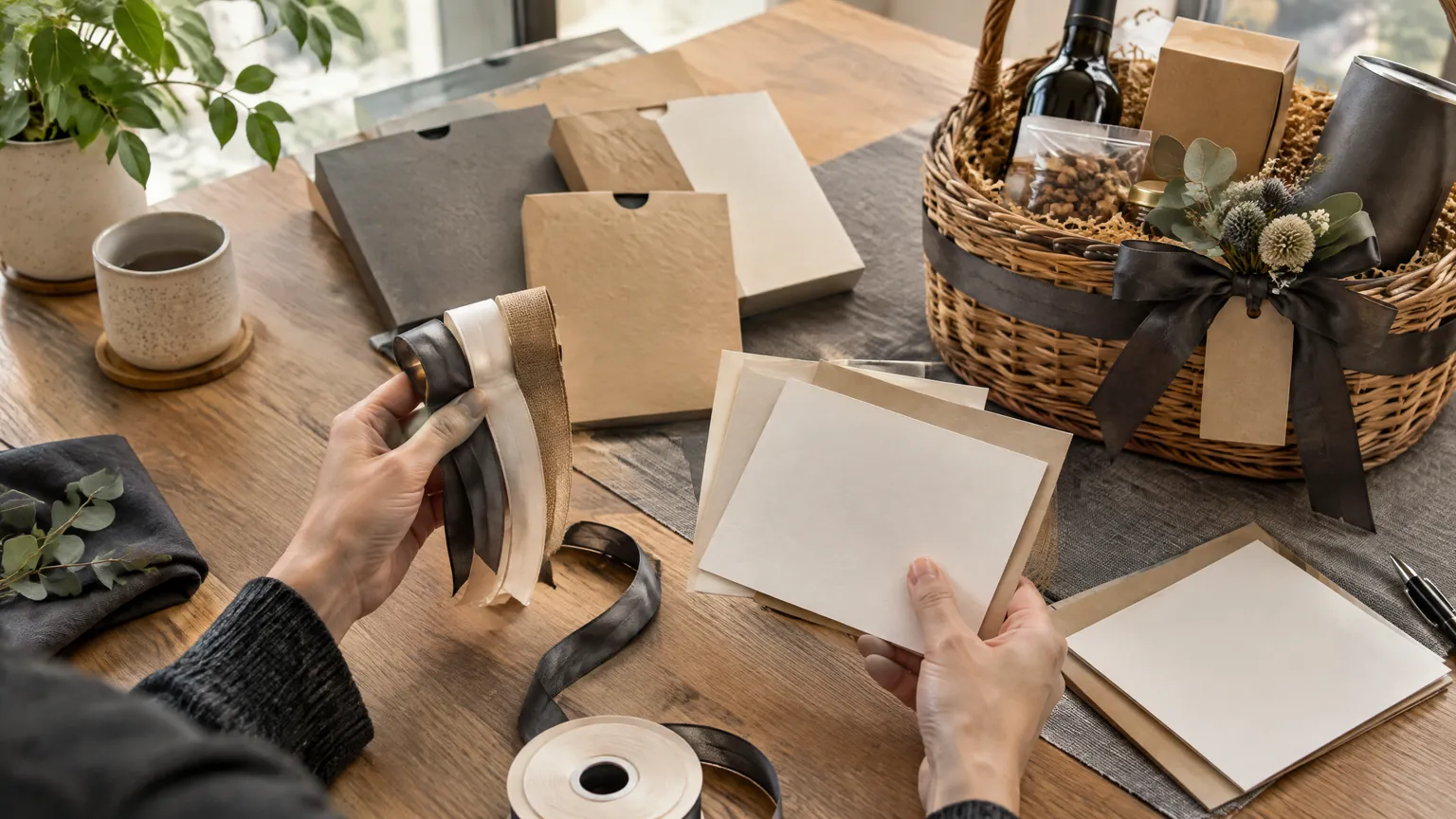
The most useful customisation may be subtraction: no bulky container, no unrequested skincare, no food needing urgent storage, or no baby's name on the outside carton. Start with these boundaries before selecting colours and decorative details. A concise written brief helps everyone understand the difference between a requested item and an optional flourish. It also makes a proposed substitution easier to evaluate.
The Bespoke gift hampers guide discusses recipient preferences, packaging and substitution checks. Use those as enquiry topics, not as confirmation that every combination can be supplied. Request a written contents list and ask which changes can actually be accommodated. If a chosen item is unavailable, agree whether the organiser should approve a replacement, pause the order or proceed without it before the parcel is assembled.
For a team gift, a shared card often carries the meaning more clearly than workplace branding on baby items. Have one person check names and the wording before approval. Keep messages warm and free of comments about the parents' bodies, feeding choices or return to work. The family should not need to reassure the senders that a gift was useful or provide a photograph to complete the office's celebration.
Agree the handover separately from the visit
Receiving a gift does not necessarily mean welcoming visitors. Ask whether the parents prefer an agreed home handover, another authorised recipient or a later date. If a visit is invited, confirm the arrangement directly and keep the gift easy to carry away or put aside. Avoid arriving with a package that must be unpacked ceremonially while the household is busy.
A managed residential building adds another practical question: who can accept the parcel, and where may it be left? Do not assume a concierge will receive every package or that a lobby is suitable for food storage. Confirm the building arrangement with the recipient and the handover scope with the merchant. A building contact and the parents are not interchangeable receiving contacts unless the family has agreed to that arrangement.
If the family is in hospital, ask whether a gift is wanted there at all and check the institution's current receiving rules before arranging anything. It may be easier to wait until the parents have chosen a home receiving date. Avoid making assumptions from a merchant's general delivery description. The actual address, permitted recipient and contents need to fit the situation, and no promised arrival window should be inferred from an illustrative page.
Make the fallback simple. Decide who the merchant should contact if the agreed recipient cannot be reached and whether the handover should be postponed rather than left elsewhere. Send necessary delivery information only to those handling the arrangement. Once receipt is confirmed, a short congratulations message is enough; there is no need to follow up with repeated questions about unboxing, using the items or sending thanks.
A short check before you approve the gift
Run through these questions before the parcel is finalised. Any unresolved answer is a reason to simplify or delay, not to make a guess on the parents' behalf.
- Has the family agreed to receive a gift, and said whether it is for the baby, the adults or a celebration?
- Are the exact contents wanted, with sizes and product instructions checked where relevant?
- Will the packed gift and its contents fit the available space, including any required food storage?
- Are the greeting, substitutions and receiving contact agreed, without unnecessary personal details?
- Is there a clear handover plan that does not depend on an uninvited visit or an assumed building arrangement?
The final choice can be small without being impersonal. A requested item and a carefully worded card show that you listened. If the parents prefer to wait, keeping the offer open respects that decision. Welcoming a family means making room for their preferences, including the preference not to receive another parcel just yet.

Common questions
Should our office send one large hamper or several small baby gifts?
Ask the parents first. If storage is limited, coordinate one compact gift with confirmed contents rather than several unrequested parcels. A shared card can include the team's congratulations without increasing the amount the household must store.
Can I put a plush toy from the gift beside the sleeping baby?
No. Do not place a plush gift in the baby's sleeping environment. The Family Health Service advises keeping soft objects, including stuffed toys, out of that space. A decorative hamper arrangement is not an example of how to arrange a cot.
Does a full-moon present mean the parents should send a thank-you box back?
Do not assume that. Ask what the family wishes to do. Incoming presents and outgoing thank-you gifts are separate decisions, and each outgoing recipient or sharing group needs its own confirmed arrangement.
Is it better to send the gift to hospital before the family goes home?
Only if the parents want it there and the institution's current receiving rules allow the intended handover. Otherwise, wait for an agreed address and date. Receiving a parcel should not create an additional visit or storage obligation.
Sources & what they support
Each reference supports only the stated scope. Citations are not independent endorsements of YumYum or its branches and do not confirm a provider’s current arrangements or any individual outcome.
- Family Health Service: Safe Sleep Sweet Dreams (opens in a new tab)
The narrow caution not to put soft objects and loose bedding, including stuffed toys, pillows and fluffy blankets, in a baby's sleeping environment. Does not certify any hamper item.
- Centre for Food Safety: Labelling Guidelines on Food Allergens, Food Additives and Date Format (opens in a new tab)
Specified allergenic substances are declared in ingredients, and relevant warnings can address shared production. Supports checking actual packaged-food labels rather than inferring allergy suitability from a gift theme.
- Centre for Food Safety: Understanding Food Labels — Best Before Versus Use By Dates (opens in a new tab)
Best-before dates concern quality and use-by dates concern safety; follow storage directions, and unopened-product dates do not establish durability after opening.