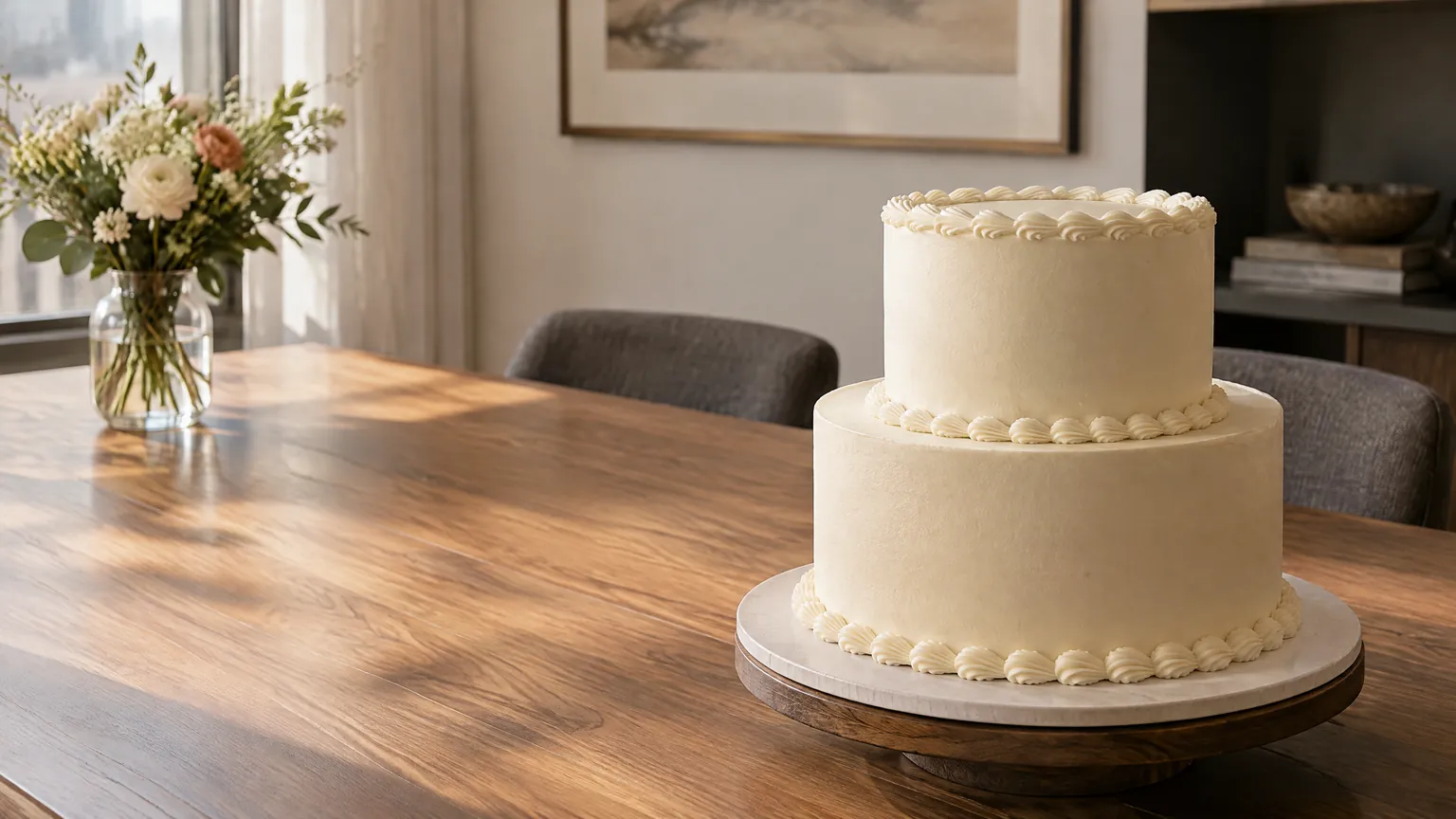
Keep a Family Dessert Preference Record for Milestones Across Generations
GotGear and YumYum (including its gifting, baking and florist branches) share an owner; this collection is not an independent recommendation. GotGear does not provide catering, gifting, cake, floral, tuition or rental services. External-service information is separate from GotGear’s equipment catalogue; confirm the actual scope with the relevant provider. Articles are general planning information, with no promises about supply, arrangements or outcomes. Concept photos are not records of real events, customers or classes.
The short answer
Keep one dated family dessert record for each person’s preferences, then create a separate card for each celebration. Reconfirm dietary requirements, count the people who actually want dessert and agree on the design with the person being celebrated. Reuse useful information, not last year’s assumptions: an anniversary, graduation or baby milestone does not determine anyone’s taste or what they should eat.
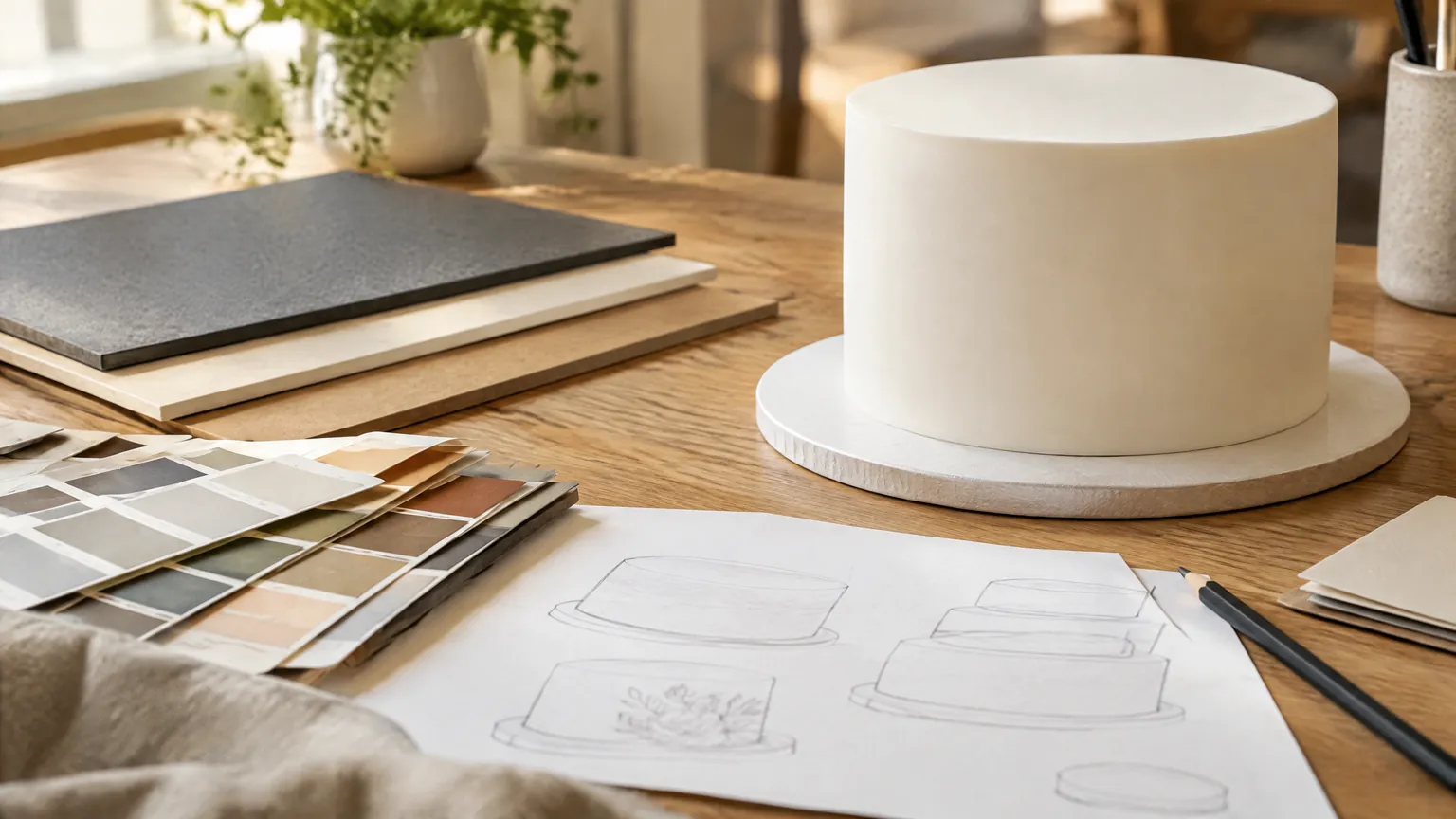
Keep one dated family dessert record for each person’s preferences, then create a separate card for each celebration. Reconfirm dietary requirements, count the people who actually want dessert and agree on the design with the person being celebrated. Reuse useful information, not last year’s assumptions: an anniversary, graduation or baby milestone does not determine anyone’s taste or what they should eat.
A record is especially useful when different relatives take turns organising gatherings. The sibling arranging a dinner in a Sha Tin flat should not have to reconstruct decisions from the cousin who organised the previous celebration in Kowloon. A short shared card can preserve the relevant details without turning a family chat into a permanent archive of everyone’s personal information.
GotGear and YumYum share an owner. The linked YumYum pages below are related planning resources, not independent recommendations. GotGear publishes this journal and does not provide food, floral, gifting, classes or rental services. Confirm any proposed cake and its arrangements directly with the provider.
Record individual tastes, not assumptions about generations
Start with names and a last-confirmed date. Give each person space to describe what they enjoy, what they would rather skip and whether they normally want a full dessert portion, a small taste or none. Do not write “the grandparents like traditional cakes” or “the children want chocolate”. Ask each person, or ask a parent about a child’s current choices.
A preference record should also allow disagreement. One family member may like fruit in the filling but not on top; another may enjoy a plain sponge but dislike a thick coating. Preserve those differences instead of translating them into an imaginary family favourite. If one shared cake cannot suit everyone, the decision can be a main cake plus a separately confirmed alternative, or a smaller shared cake with no pressure to eat it.
Describe flavour and texture separately
Useful language identifies a component: cocoa-flavoured sponge, smooth filling, no crunchy pieces, or decoration kept away from the portion being eaten. “Not too sweet” is a starting point, not a specification. Ask what the person disliked before: the filling, coating or combination. Avoid converting that answer into a nutritional claim.
For a family member who enjoys cocoa flavours, the Chocolate Cake resource can help start an enquiry. Put the requested sponge, filling and finish in the card separately, then ask which combination is actually available. The category name does not establish a recipe, sweetness level or suitability for a particular guest, and a dark-looking photograph cannot answer those questions.
Keep dietary requirements in a separate field
A disliked ingredient and a food allergy need different handling. Hong Kong’s Centre for Food Safety identifies eggs and gluten-containing cereals among ingredients that may occur in cakes, with milk, nuts, peanuts and soy appearing in relevant dessert ingredients. Its guidance calls for allergen information to be provided and relevant ingredients to be checked.1 Use this as a reason to ask precise questions, not to diagnose a relative.
Record the concerned ingredient in the person’s own words and ask what information they need from the provider. Check the sponge, filling, coating and decorations rather than only the cake name. Keep a vegan preference or gluten-free request distinct from a specific allergy requirement. A past order is not standing confirmation for a new product.

Separate the reusable record from this event’s card
Keep enduring preferences on the family record; put temporary arrangements on the occasion card. The latter should identify the people being celebrated, the event date, expected cake eaters, other planned desserts and the person authorised to approve changes. Include the intended time for sharing the cake, not just the gathering’s start.
This separation prevents a previous guest count becoming the default for every milestone. At a home anniversary dinner, everyone may stay for dessert. At a graduation gathering, some friends may join only for a photograph. At a baby celebration, adults may arrive in different windows. Ask who wants cake rather than equating attendance with appetite.
Write one sentence that explains the cake’s purpose: “A small shared dessert after dinner” or “A celebration centrepiece with portions for those staying.” That sentence helps resolve conflicts between appearance and quantity. Ask the provider to confirm usable servings for the actual design and intended portion size; do not calculate them from a photograph or assume that taller decoration means more edible cake.
Preserve an anniversary memory without copying the old order
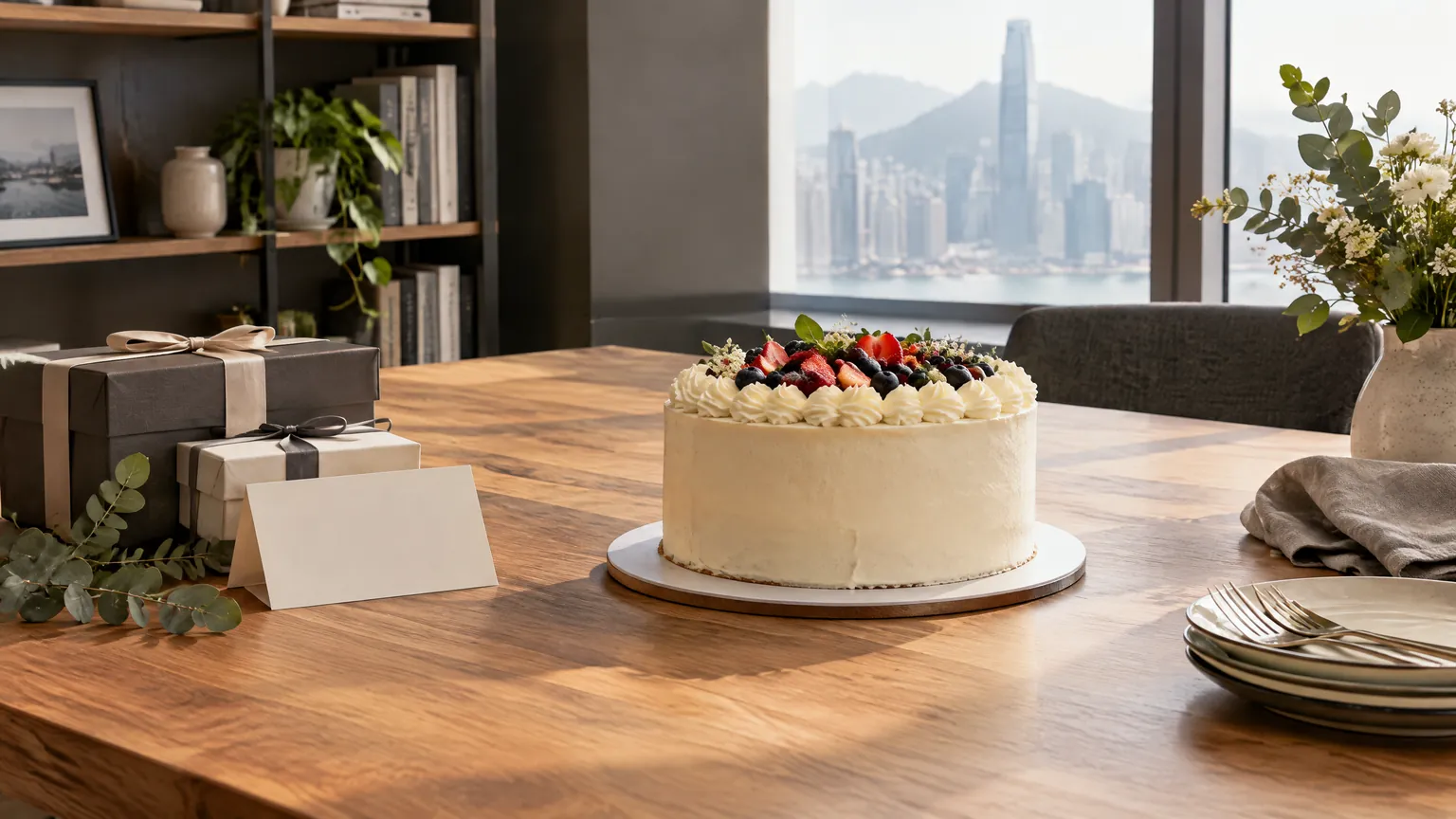
An anniversary card can distinguish the couple’s wishes from the organiser’s nostalgia. Ask which detail matters: a colour, a simple border, a flavour they shared or a greeting. Then ask what they no longer want. Reproducing an old wedding cake is not necessary to acknowledge the memory, especially when the gathering and available table space are different.
The Anniversary Cake page is a starting point for discussing an occasion-led design. Use the family card to identify one detail to retain and one practical change, such as a modest round shape instead of a tiered silhouette. Send those priorities as an enquiry; do not assume a reference design can be reproduced exactly or that the original ingredients remain available.
Imagine an anniversary dinner in a compact North Point home. The couple likes the colour from their earlier celebration, but the host needs room for plates and conversation. The card can retain the colour while leaving the height and decoration open to discussion. A photograph of the earlier cake explains the memory; a separate written brief explains what is wanted now.
Agree on wording with both people. Some couples prefer a private message on a card rather than a date or personal story displayed on the cake. Record that choice without presenting a public celebration, particular gift or colour as an obligation attached to the anniversary.
Let the graduate choose how their achievement appears
Ask the graduate whether they want an obvious academic motif, a quieter celebration design or something connected to a personal interest. A cap and scroll can be recognisable without becoming compulsory. Equally, a school colour is not the same as permission to reproduce a school logo or someone else’s artwork. Keep any requested image separate until its use has been agreed and the provider has confirmed what it can accept.
When consulting the Graduation Cake resource, take the graduate’s preferred degree of visibility with you: prominent motif, small accent or no academic decoration. The page discusses themed styles, but your enquiry should confirm the actual design and ingredients. Do not turn a cake message into a claim about a qualification, future job or expected career that the graduate has not chosen to announce.
For a family celebration after a campus ceremony, separate those joining the photograph from those staying for dessert at home. If the graduate also wants to share something with colleagues in a Kwun Tong office, treat that as a second gathering. Ask about portions and packaging separately instead of assuming the household cake should travel through both events.
Record who will approve the final spelling and greeting. A parent may organise the gathering while the graduate approves the visible message. Giving these tasks to different people can preserve the surprise of the celebration without surprising someone with unwanted personal details.
Keep a baby celebration’s design separate from infant feeding
For a hundred-day gathering, ask the parents which visual details they welcome and which they would prefer to leave out. They might choose a gentle colour, a small symbolic decoration or no baby photograph. Relatives can suggest ideas, but the card should not assign colours or motifs according to the baby’s sex or insist that one generation must prefer a particular style. Customs and family wishes need not be identical.
The 100 Days Cake resource offers an occasion-specific starting point for discussing visual themes. Use it to describe a celebration cake for guests, not food for the baby. Confirm the proposed design, adult dessert count and wording separately; a baby-themed image does not make a cake suitable for an infant.
Hong Kong’s Family Health Service says most babies are ready to try solid foods when approaching six months and advises against solid foods before four months.2 A hundred-day celebration is not a reason to introduce cake or another solid food. Keep infant feeding outside the dessert brief and leave the baby’s routine with their caregivers. This card is an event-planning tool, not an infant-feeding plan.
For a small gathering in a Tseung Kwan O home, the parents may prefer a brief photograph while the cake is shared later. Put that sequence on the occasion card. It avoids making the baby’s presence the condition for serving dessert and allows another adult to manage the cake while the parents attend to the baby.

Make receiving and storage details specific to the household
A flavour record will not tell the next organiser where a cake box can go. Add the actual receiving point, the contact who will be available and the person responsible for moving the cake afterwards. A residential lobby and a flat entrance are different handover locations. For a workplace gathering, confirm whether reception can accept the item rather than treating the building address as sufficient.
Check the box dimensions against the intended shelf and table before agreeing on the design. Ask the provider for product-specific transport, storage and serving instructions. Do not assume a closed box is temperature controlled or that a photograph shows a cake suitable for an extended display. Decide the planned sharing time around the confirmed instructions, not the other way round.
Record who handles follow-up if the gathering changes. Suppose a relative travelling from Yuen Long cannot stay until dessert: ask whether they want a separate portion at all, and confirm whether the chosen product and packaging suit the onward journey. A takeaway request is a new practical question, not an automatic extra serving.
Do not let allergy information disappear at handover. Food Allergy Research & Education explains that cross-contact can transfer allergen proteins in amounts too small to see, and that cooking does not eliminate the resulting allergy risk.3 Removing a visible topping or choosing a plain-looking portion therefore cannot establish suitability. If the necessary information remains uncertain, do not represent that cake as suitable for the concerned guest.
Share an enquiry summary, not the whole family archive
Maintain a private master record and send only the details needed for the current enquiry. An organiser may need a contact number and dessert requirements, but the cake brief usually does not need unrelated family messages, the baby’s birth details or a graduate’s personal history. Ask before sharing names, photographs or messages intended for display.
Keep the provider’s answer alongside the occasion card, dated and attached to the specific product discussed. “Confirmed for this order” is more useful than “they can do it”. Distinguish an unanswered question from an approved arrangement so that a cousin taking over the task does not mistake a suggestion for a commitment.
If a relative changes a preference, update their record rather than debating the previous version in the family chat. A paper card can work as well as a shared digital note. Choose whichever method the organising relatives can use, and nominate one person to maintain the current copy. The purpose is fewer repeated questions, not more administration.
Update the record with decisions worth reusing
After the gathering, ask brief, specific questions: was the flavour combination welcome, did the portion preference match the occasion, and was the design appropriately personal? Record direct answers rather than inventing a verdict from an empty plate. Someone may have skipped dessert because they left early, not because they disliked it.
Separate personal feedback from event logistics. “Prefers a plain finish” belongs on the person’s record; “box did not fit the chosen shelf” belongs on that event’s card. Save only what can improve the next decision. Do not let one awkward journey rule out a flavour, or one successful design become a compulsory family tradition.
Before the next enquiry, use this short checklist:
- Reconfirm each relevant person’s preferences and dietary-information needs.
- Count actual dessert choices, including anyone arriving after the photograph.
- Agree on the design priorities and the person approving the wording.
- Confirm the product, serving yield, receiving point and storage instructions.
- Save dated answers and leave unresolved questions visibly unresolved.
The best family record remains open to change. It helps the next organiser remember what to ask, while leaving each person free to celebrate differently this time.

Common questions
What if relatives give conflicting flavour preferences?
Record each person’s answer instead of declaring a family favourite. Agree on the main cake with the person being celebrated, then ask whether anyone wants a separately confirmed alternative or no dessert. Never treat that compromise as confirmation of allergy suitability.
Can I reuse last year’s dietary confirmation?
Use it to remember which questions to ask, not as approval for a new cake. Reconfirm the current product’s components and cross-contact information with the provider, and let the concerned guest or their caregiver decide whether the available information meets their requirements.
Should a hundred-day cake include a portion for the baby?
No. Plan it as dessert for guests, separate from infant feeding. A hundred-day occasion does not make a celebration cake appropriate for the baby; keep the baby’s feeding routine with their caregivers.
What should I send when another relative takes over organising?
Send the current occasion card, relevant preference entries and dated provider answers. Include unresolved questions, the wording approver and the available receiver. Do not forward the entire family archive or unrelated personal information.
Sources & what they support
Each reference supports only the stated scope. Citations are not independent endorsements of YumYum or its branches and do not confirm a provider’s current arrangements or any individual outcome.
- Centre for Food Safety: Food allergens (opens in a new tab)
Examples of allergenic ingredients in cakes and dessert components, and the need to provide and check relevant food-allergen information.
- Family Health Service: Getting started with solid foods (opens in a new tab)
Most babies approach readiness for solids at around six months; solids should not be introduced before four months. Supports separating a hundred-day celebration cake from infant feeding.
- Food Allergy Research & Education: Avoiding Cross-Contact (opens in a new tab)
Allergen cross-contact can involve invisible amounts of food protein, and cooking does not eliminate the allergy risk it creates. Supports not treating removed toppings or appearance as evidence of suitability.