Choose a Kitchen Learning Session for a Mixed-Age Family Group
GotGear and YumYum (including its gifting, baking and florist branches) share an owner; this collection is not an independent recommendation. GotGear does not provide catering, gifting, cake, floral, tuition or rental services. External-service information is separate from GotGear’s equipment catalogue; confirm the actual scope with the relevant provider. Articles are general planning information, with no promises about supply, arrangements or outcomes. Concept photos are not records of real events, customers or classes.
The short answer
Choose the session whose actual tasks suit every family member, not simply the one labelled family-friendly. Confirm accepted ages, who supervises children, which tools each person uses and whether adults learn or mainly assist. Cooking suits practical meal-preparation goals; baking suits the specific mixing, shaping or finishing skills you want to practise, provided the session arrangements fit your group.
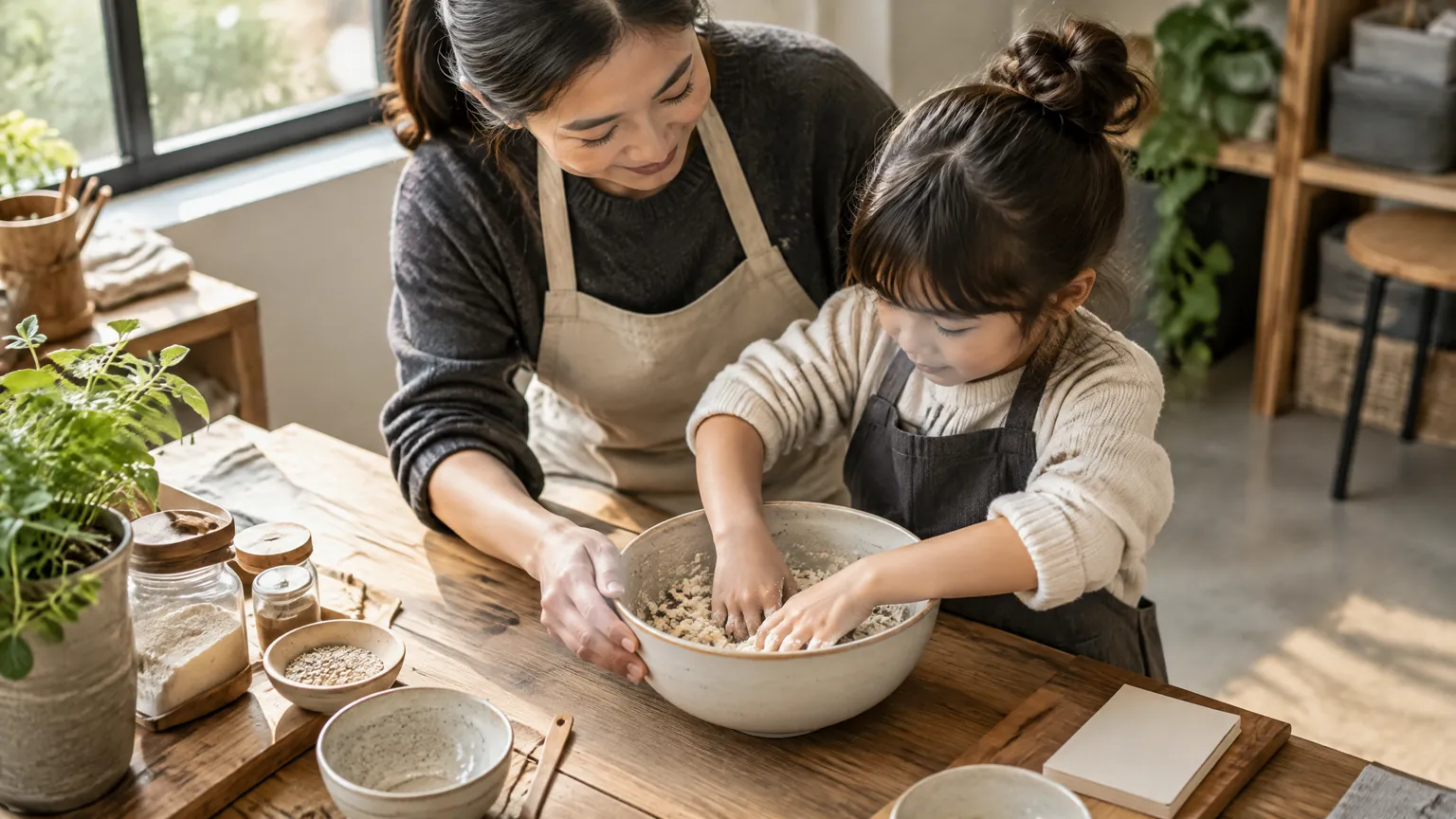
Choose the session whose actual tasks suit every family member, not simply the one labelled family-friendly. Confirm accepted ages, who supervises children, which tools each person uses and whether adults learn or mainly assist. Cooking suits practical meal-preparation goals; baking suits the specific mixing, shaping or finishing skills you want to practise, provided the session arrangements fit your group.
For a Hong Kong family with a younger child, a teenage cousin and a grandparent, a shared kitchen activity needs more thought than choosing a finished dish. The teenager may want a technical challenge while the grandparent prefers a seated task. Neither preference tells you what the younger child can manage. GotGear and YumYum share an owner; this is a planning journal, not an independent endorsement. GotGear does not provide food, floral, gift, class or rental services.
Start with the skill each person wants to practise
Ask everyone to finish the sentence: “I would like to learn how to…” Answers such as measure ingredients, fold a mixture, prepare vegetables or shape dough reveal more than “we like cakes”. They also expose conflicting expectations. A parent hoping to learn pastry technique may not get that opportunity if their role is to help a child throughout. Decide whether shared time or separate skill practice is the main purpose before comparing sessions.
Consider a Saturday outing before cousins return to their separate homes in Sha Tin and Tseung Kwan O. The younger cousin enjoys stirring, the teenager wants to understand a recipe, and an aunt wants a method she can repeat for dinner. A cooking session could serve the aunt's goal if its confirmed outline includes suitable meal preparation. A decorating activity could offer the younger cousin more direct involvement. Neither automatically satisfies the teenager; ask what decisions and techniques they will practise themselves.
The Cooking Class page can be used to begin an enquiry about meal-preparation learning, but its current general bakery wording does not establish a cooking syllabus. Ask for the proposed dish, the preparation steps participants perform and any knife or stovetop work involved. An appealing food photograph is not enough to decide whether a mixed-age group can participate meaningfully.
Cooking and baking are not competing levels of seriousness. Compare the actual activity. A baking session using prepared bases may focus entirely on decoration, while another may cover weighing and mixing. Cooking may involve ingredient preparation without everyone using heat. Recipe-following, counting and measurement can be useful learning activities, but they are opportunities to practise, not promised educational outcomes. The American Academy of Pediatrics describes these activities in its family-cooking guidance. 1

Confirm admission separately from participation
Send the provider the ages of the children and explain the group's intended arrangement. Ask whether all family members can join the same session, whether an accompanying adult is a learner or helper, and whether any activity is restricted. “Children welcome” does not answer those questions. Nor does an adult attending alongside a child automatically mean they share a workstation or receive the same instruction.
When reviewing the Kids Baking Class resource, use its children's mixing and decorating direction to frame specific questions. Confirm the accepted ages for your chosen session, the expected involvement of accompanying adults and how older siblings would participate. Published descriptions should not be treated as confirmation that your particular combination of children and adults is accepted.
Describe needs as practical requests, not assumptions about age. For example, a grandparent may want to sit while working, an adult beginner may need an instruction repeated, and a child may need help keeping a bowl steady. Ask about seating, workbench access and the teaching language. If the family communicates in English but some members follow Cantonese more comfortably, establish how instructions will be understood before arrival.
A suitable reply explains what each person can do. A reply that merely repeats “suitable for families” leaves the central decision unresolved. If the provider proposes separate sessions, consider whether learning apart would meet your goal better than keeping everyone together but giving some people little to do.

Separate teaching from supervision
The American Academy of Pediatrics advises always supervising children during cooking and matching tasks to their abilities and development. It does not offer a universal age at which every child can safely do the same task. For a class decision, this means asking who watches a child while a demonstration happens or an adult participant is occupied. A teacher addressing the room and a caregiver helping at a workstation are different responsibilities. 1
Do not assume an older sibling becomes the default supervisor because they are capable in the kitchen. They may have joined to learn and may need instruction themselves. Equally, do not assume the teacher can provide continuous individual attention. Ask the provider to explain its arrangements, then decide which accompanying adult will fulfil any caregiver role. There is no need to invent an acceptable teacher-to-child ratio to obtain a clear answer.
Protect adults' learning time
If an adult wants to practise a demanding technique, establish whether another responsible adult can assist the child during that stage under the provider's rules. Otherwise, choose a session where helping the child is part of the adult's intended experience. It is better to recognise that trade-off before booking than to feel disappointed when the adult never handles the dough or asks their own question.
The Adult Baking Class page suggests an adult pastry-learning direction, but that does not establish admission for children or a combined family format. Ask which techniques the adult would perform and whether the proposed session can accommodate your younger participants. If it cannot, an adult-only learning occasion and a separate family activity may be a more honest match than expecting one booking to do both jobs.
Give younger participants a genuine role
A genuine role is a manageable task with a clear beginning and end, such as adding a prepared ingredient or stirring with help. It need not duplicate an adult's task. Rutgers Cooperative Extension recommends starting slowly, choosing work that reflects children's interests and abilities, and outlining responsibility for tasks. Those principles help distinguish meaningful involvement from simply standing beside someone else's project. 2
Ask what happens if a child chooses to observe or needs a break. Participation should not depend on completing every step at the same pace as an adult. In a birthday gathering, the organiser can explain beforehand that the aim is trying the activity together, not producing identical-looking results. Do not promise guests that every participant will make a whole item independently unless that arrangement is confirmed.
Check access to tools, not just the equipment list
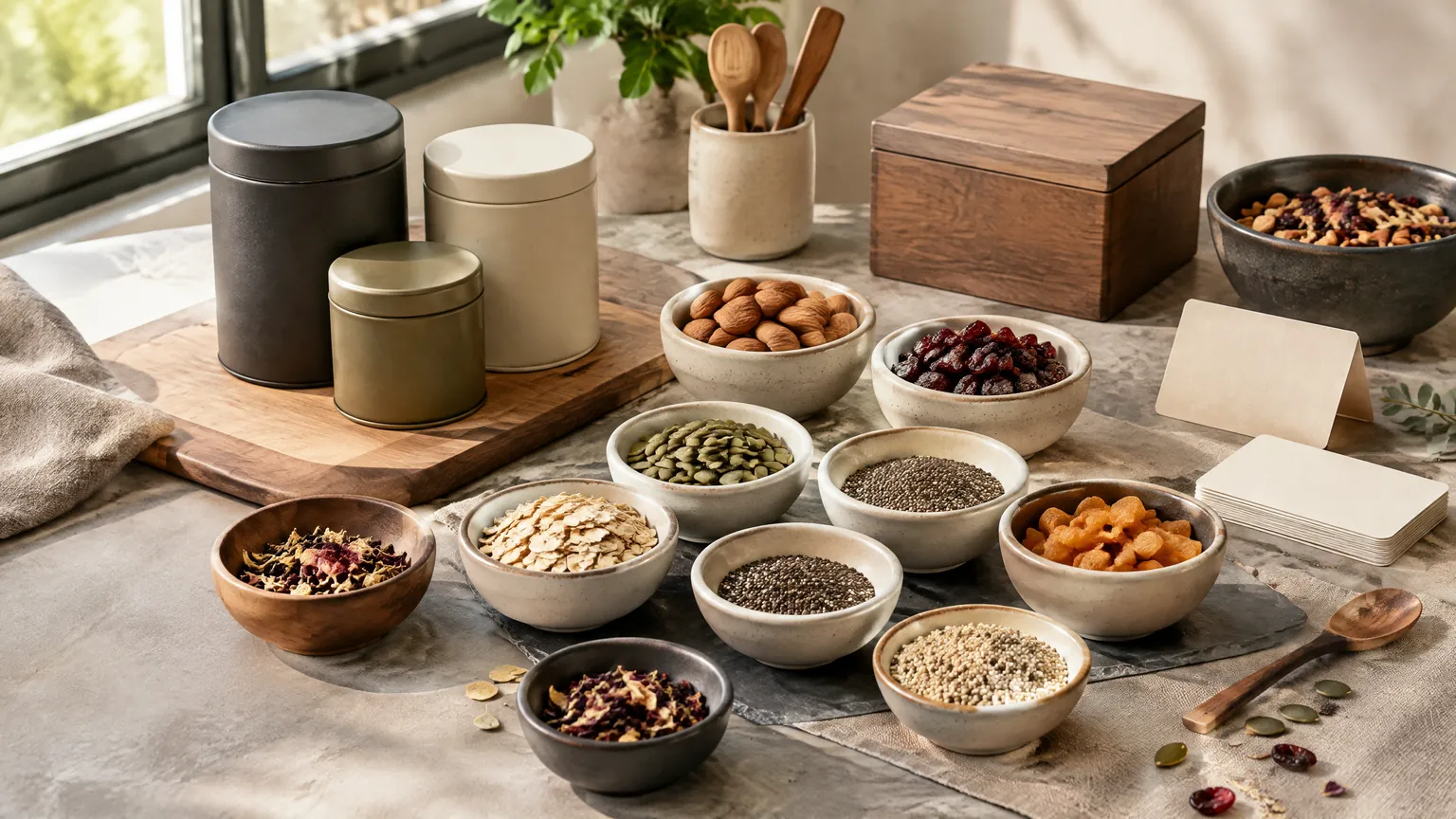
A list of mixers, ovens and decorating tools tells you little about who uses them. Ask whether ingredients are already weighed, whether participants share a bowl and which stages are demonstrations. If everyone watches the teacher mix the batter and then decorates a prepared cake, the session may meet a decoration goal perfectly well. It would not meet an expectation of practising the entire baking process.
For the Baking Class resource, request a current stage-by-stage outline rather than relying on its broad bakery description. Clarify where measuring, mixing, shaping and finishing fit, and who manages hot trays or appliances. The useful comparison is between confirmed participant tasks, not the range of baked goods pictured on a page.
Ask about the physical setup as well. Can the younger child reach their working area without an improvised arrangement? Is there a suitable seated position for someone who requests one? Can adults see the demonstration without blocking the child? Rutgers suggests considering a larger bowl to contain enthusiastic mixing and keeping sharp utensils separate from children's safer tools. These are practical points to discuss, not evidence that any particular venue provides them. 2
For a small home kitchen in Kowloon, also consider what happens after the lesson. A technique practised using equipment you do not own may still be interesting, but ask whether the recipe has a suitable home method. Tell the provider about your actual tools and available space. Do not assume hand mixing can replace a machine in every recipe or that a compact home oven behaves like the teaching setup.

Make ingredient handling part of the choice
Before choosing a project, tell the provider about ingredient exclusions and ask for the proposed ingredients, including decorations and prepared components. Distinguish a preference from an allergy-related requirement. A substitution in the recipe does not itself establish how shared tools or surfaces are managed. If the provider cannot explain arrangements relevant to the family's needs, do not assume the activity is suitable.
A mixing activity also needs a clear no-tasting rule. The U.S. Food and Drug Administration explains that most flour is raw and may contain harmful bacteria; it advises against tasting raw flour, dough or batter. Removing eggs from a mixture does not remove the issue associated with untreated raw flour. Make sure adults and children understand the rule before handling ingredients rather than discovering it when someone reaches for the spoon. 3
The FDA also advises against using raw dough as children's play clay because hands may reach mouths even when the dough is not deliberately eaten. Supervised food preparation should therefore not be presented as unrestricted dough play. If a child mainly wants a sensory craft activity, ask what materials would be used and whether the proposed project is appropriate instead of assuming edible-looking materials are ready to eat. 3
Rutgers includes clean hands, work surfaces and utensils among its basic food-safety guidance. Ask how these habits are incorporated into the learning session, especially before moving from ingredient handling to finishing ready-to-eat items. Keep the enquiry focused on participation and practical arrangements rather than treating a class description as an allergen-exclusion guarantee. 2

Plan around waiting and the journey home
Ask for the full sequence from arrival to departure, including demonstrations, hands-on work, any waiting and packing. The end of a child's task may not be the end of the session. Rutgers recommends allowing breaks when there is a lull in family cooking. For a class, establish whether a break is possible, where the child can wait and who remains responsible while adults continue. 2
Imagine a family joining a session after an adult leaves an office in Quarry Bay. They have arranged to meet cousins afterwards, but one participant also needs to collect a younger sibling. A clear finish-and-handover plan matters more than an attractive project description. Avoid placing a fixed next appointment immediately after the advertised learning period without confirming when the group can actually leave.
Ask what each person takes home, whether production is shared and how the finished items are packed. A supplied box does not answer questions about cooling, storage or the journey. If the family plans to travel by MTR with several bags, agree who will carry the food and whether it can remain flat. Choose a route that fits the storage instructions for the specific item rather than assuming all baked goods travel alike.
Do not promise classmates or colleagues a share of the family's work before the finished quantity is confirmed. If a child hopes to bring something to a school gathering, check the school's rules separately. For a workplace sharing table, be equally clear about ingredients and storage needs. The class is a learning occasion; using its output at another event requires its own sensible decisions.
Use a short checklist to make the final decision
Before committing, collect answers to these points:
- Confirm who is accepted into the same session and each person's learner or helper role.
- Obtain the actual task sequence, including prepared components and demonstrations.
- Agree who supervises children during adult learning, breaks and waiting.
- Check teaching language, workstation access and the tools each person uses.
- Resolve ingredient questions and the raw-mixture no-tasting rule.
- Confirm take-home shares, packing, storage instructions and departure arrangements.
Compare the answers with the family's original learning wishes. Choose the option that gives everyone a worthwhile role without asking a caregiver to do incompatible jobs. If the youngest participant needs close assistance and the adult wants uninterrupted technical practice, changing the format is sensible. A modest, well-matched activity is more useful than a complex project chosen only for its finished appearance.

Common questions
Can a younger child join the same session as adults and teenagers?
Only if the provider confirms that combination for the particular session. Send the children's ages and ask what each participant does, whether adults are learners or helpers, and whether any tasks are restricted.
Which should we choose if the adults want meal skills but the children want decorating?
Ask whether a confirmed session outline genuinely includes both goals. If not, choose one shared purpose for this outing or arrange separate activities rather than assuming a broad class label covers both.
Can a parent learn a technical method while supervising a child?
Do not assume both roles can be performed at once. Ask about the task sequence and caregiver responsibilities. If focused practice conflicts with the child's assistance needs, change the format or arrange another responsible adult under the provider's rules.
Is egg-free raw batter suitable for children to taste?
Not merely because it contains no eggs. Untreated raw flour can also contain harmful bacteria. Follow the FDA's advice not to taste raw flour, dough or batter, and establish that rule before the activity.
Sources & what they support
Each reference supports only the stated scope. Citations are not independent endorsements of YumYum or its branches and do not confirm a provider’s current arrangements or any individual outcome.
- American Academy of Pediatrics: 5 Great Reasons to Cook with Your Kids (opens in a new tab)
Always supervise children during cooking; match tasks to abilities and development. Counting, measurement and recipe-following are practical learning activities, not guaranteed educational outcomes.
- Rutgers Cooperative Extension: Kids in the Kitchen (opens in a new tab)
Choose tasks reflecting interests and abilities, start slowly, define responsibilities, allow breaks during lulls, consider larger mixing bowls, separate sharp tools and follow basic hand, surface and utensil hygiene.
- U.S. Food and Drug Administration: Flour Is a Raw Food and Other Safety Facts (opens in a new tab)
Most flour is raw and may contain harmful bacteria; do not taste raw flour, dough or batter. Raw dough is not suitable as children's play clay, including because contaminated hands may reach mouths.