A Family Wreath Workshop Can Be a Christmas Gift—If the Logistics Fit
GotGear and YumYum (including its gifting, baking and florist branches) share an owner; this collection is not an independent recommendation. GotGear does not provide catering, gifting, cake, floral, tuition or rental services. External-service information is separate from GotGear’s equipment catalogue; confirm the actual scope with the relevant provider. Articles are general planning information, with no promises about supply, arrangements or outcomes. Concept photos are not records of real events, customers or classes.
The short answer
A family wreath workshop can be a thoughtful Christmas present when the family wants the activity, an adult can supervise, the tools and tasks suit the child, and the finished wreath can travel home and be displayed sensibly. Confirm those details before booking; if they do not fit, give a modest material gift rather than an obligation to attend.

A family wreath workshop can be a thoughtful Christmas present when the family wants the activity, an adult can supervise, the tools and tasks suit the child, and the finished wreath can travel home and be displayed sensibly. Confirm those details before booking; if they do not fit, give a modest material gift rather than an obligation to attend.
The present is not just the finished decoration. It includes a journey, time at a worktable and someone taking responsibility for the child throughout. A family may welcome that shared afternoon, but still need a different date or a simpler project. GotGear and YumYum share an owner; these linked resources are part of a same-owner journal, not independent endorsements. GotGear does not provide food, floral, gift, class or rental services.
Start with the family's interest, not the festive photograph
Ask whether the family actually enjoys making things together. A child who likes choosing colours may enjoy the finishing touches but have little interest in repeating the same fastening movement around a ring. An adult may love flowers yet prefer a quiet activity without a deadline. Neither response is a reason to persuade them into the workshop. It is useful information about whether the gift fits.
For a starting design reference, the Christmas wreath workshop page can help you discuss foliage textures and decorative finishes. Treat it as a prompt for an enquiry, not evidence that a particular session, venue or material set is available. Ask the organiser what participants actually do, rather than assuming that a photograph describes the whole lesson.
The Royal Horticultural Society suggests involving children in gathering materials and adding finishing touches.1 That supports dividing a project into different roles; it does not mean every wreath-making task suits every child. In Hong Kong, plan around materials supplied or obtained with permission, not collecting branches from public planting. Ask whether the organiser can prepare the structural parts while the child selects ribbon or places pre-prepared decorations.
Imagine an aunt choosing a present for a family in Sha Tin. Before fixing a date, she could ask the parents whether a craft afternoon appeals and which weekends are realistic. The surprise can remain in the card and presentation. Removing the surprise from the timetable may make the gift much easier to accept.

Decide who supervises and what the child will make
A family-friendly label does not explain the supervision arrangement. Establish whether an accompanying adult stays at the table, counts as a participant and shares one project with the child. Ask what happens if the child needs the toilet or wants to stop. A demonstration by an organiser is not a substitute for knowing which adult remains responsible for the child.
The Parent-child flower class resource offers another floral-activity direction to compare when a full wreath seems too demanding. Enquire about the actual project and division of tasks. A tabletop arrangement may look compact, but its tools and handling demands still need checking; the title alone does not establish an age range or a safer format.
Give the child a meaningful role without sharp-tool pressure
Michigan State University Extension advises adult supervision when children use tools and says very young children should not be given sharp tools.2 For a wreath session, use that guidance to ask who cuts stems, handles wire ends and secures decorations. Do not expect a child to use secateurs simply because the adult beside them is using a pair.
A useful plan might let the child compare colours and decide where the bow goes while the adult handles cutting and fastening. The child should still have genuine choices rather than watch an adult finish everything. Ask whether these separate roles are compatible with the session format before describing the activity as a shared present.
Make pauses and different participation levels acceptable
Agree that the wreath need not match a sample exactly. If siblings attend, ask whether they share one piece or each need a place and materials. Consider whether one adult can realistically support both children when their tasks differ. Confirm the organiser's rules rather than inventing a supervision ratio.
For a workplace festive gathering, the same questions belong in the invitation. A parent should know whether children may attend, who accompanies them and whether the activity is optional. Avoid announcing a family craft session that quietly leaves colleagues responsible for children they did not agree to supervise.
Ask about the tools and table setup before committing
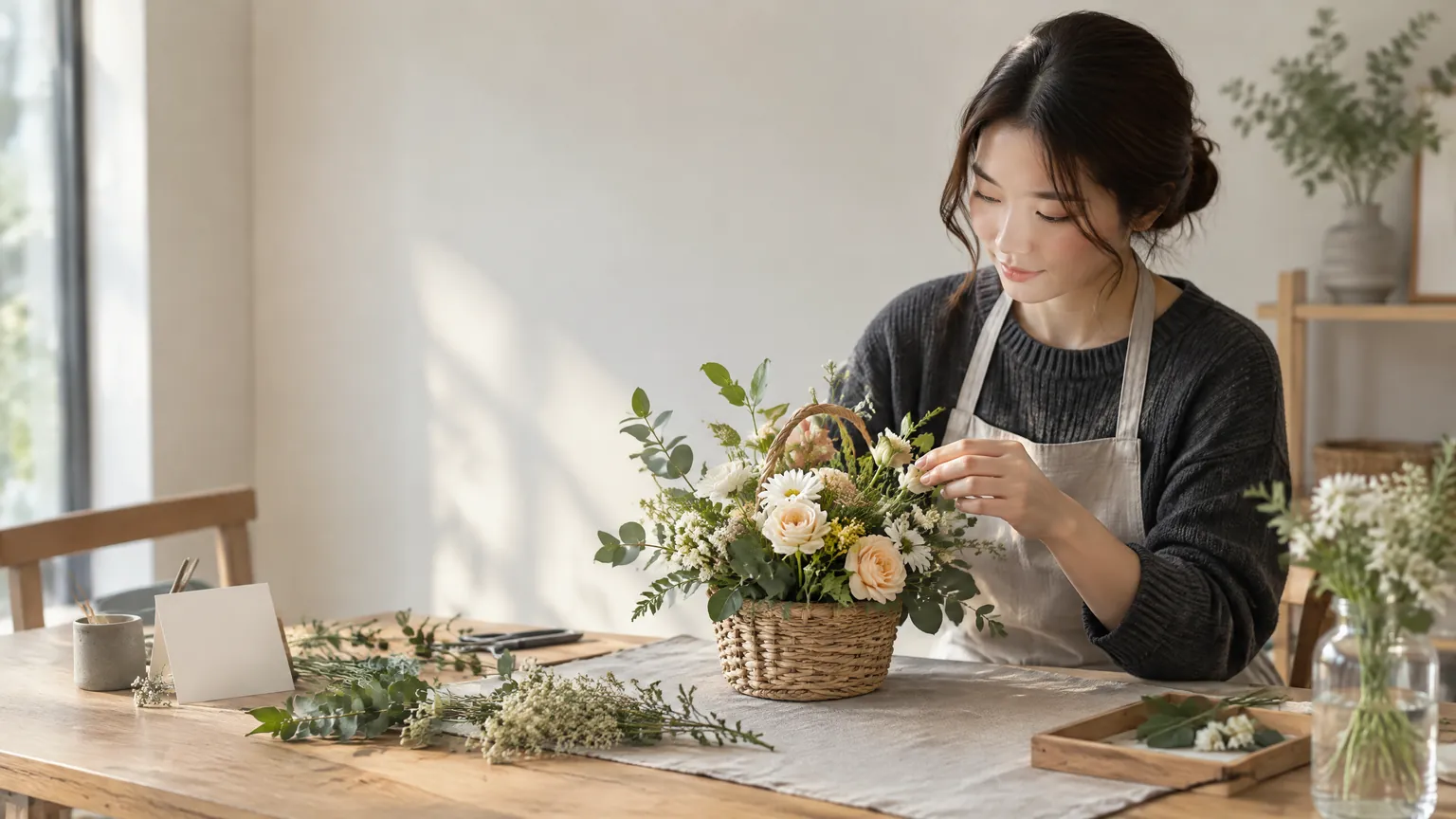
Wreath-making can involve more than arranging soft leaves. Iowa State University Extension lists pruning shears, a frame, florist wire and a wire cutter among common construction materials and tools.3 The RHS also describes methods involving wire and secateurs.1 A ribbon-heavy sample therefore tells you little about the less visible work needed underneath.
Ask for the actual tool list and whether stems arrive pre-cut. Find out if glue or any heated equipment is used; do not assume it is, or that it is absent. Ask how unsuitable tasks are kept with adults and where unused tools are placed. These are practical booking questions, not instructions for running a workshop yourself.
MSU Extension recommends inspecting tools for damage, providing handling instruction and allowing adequate space between tool users.2 Ask how the table is arranged for an adult-child pair and whether everyone can see the demonstration without reaching across another person's workspace. A smaller finished wreath does not necessarily mean a less crowded working area.
Also discuss materials that feel prickly or sticky. Iowa State notes that evergreen needles and sap can affect handling.3 If the family dislikes strong plant scents or has concerns about skin contact, request the specific materials and discuss alternatives with the organiser. Do not describe unfamiliar foliage as harmless or promise that gloves resolve every concern.
Plan the journey with a finished object in mind
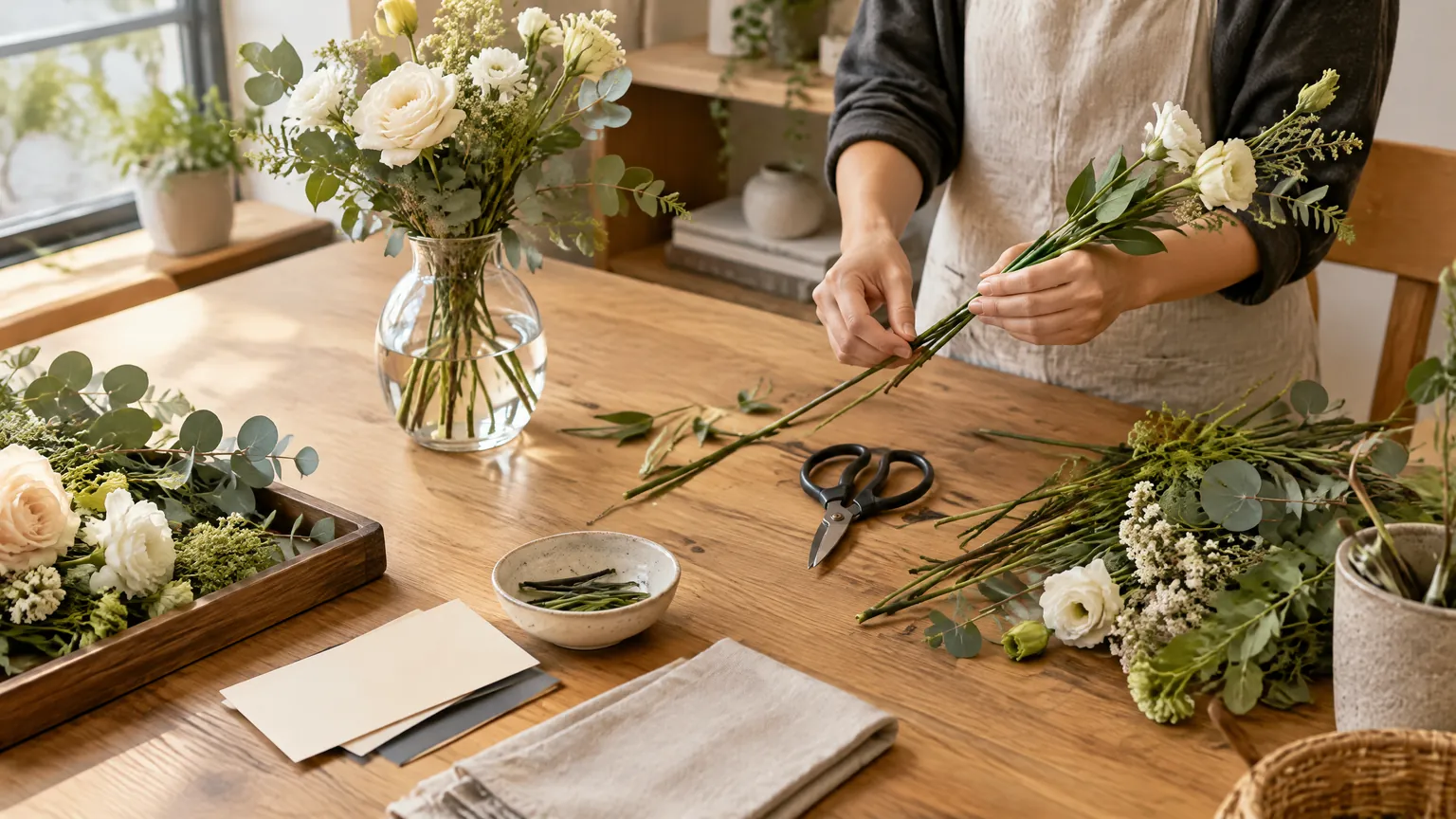
Confirm the full venue address, arrival instructions and finishing time directly. A district name is not enough to judge the journey. A family coming from Tseung Kwan O to an unfamiliar building in Kowloon should check the station exit, last walking stretch and building entrance before choosing the session. If step-free access matters, ask about the actual route into the room, not just the lift in the lobby.
Plan the return journey too. Carrying an empty tote on the way in is different from supporting a decorated ring on the way home. Ask for the approximate finished dimensions and the packaging arrangement. If a parent will also manage a pushchair or another child's belongings, decide who can carry the wreath without handing that job to a tired child. MSU Extension advises that children carry only what they can manage safely.2
Leave space after the activity rather than scheduling a crowded shopping trip immediately afterwards. The practical question is where the object can sit without being crushed, not how many festive stops fit into the afternoon. If relatives will meet for dinner, ask whether there is somewhere suitable to keep the package during the meal.
Clarify what happens if the family arrives late or cannot attend. Ask about changes, cancellation, transfers and weather-related arrangements before committing. Keep the written response with the booking details. These terms differ between organisers; do not assume that a gift booking automatically permits a replacement date or another participant.

Choose the display location before the wreath comes home
Ask whether the project uses fresh greenery, dried material or another construction, because the care questions differ. For moss-based evergreen wreaths, the RHS advises keeping the moss moist and notes that these wreaths generally last better outdoors.1 Iowa State explains that warm, dry indoor air affects fresh-cut greenery and advises avoiding direct sun and draughts.3 Neither source establishes a lifespan for a particular Hong Kong household.
A sheltered outdoor position may not be available in a flat, and a sunny window is not automatically a good substitute. Tell the organiser where the family hopes to display the piece and request care guidance for the supplied materials. Ask what moisture, if any, the construction needs and how to manage it without wetting furniture or the door. Do not apply fresh-greenery advice to every decorative wreath.
Think about the proposed doorway itself. Check that the door can open and close normally, the decoration does not obstruct movement, and the hanging method is appropriate for its weight and surface. If the household wants to use a shared corridor or a workplace entrance, check the relevant permission rather than assuming seasonal decoration is welcome there.
Ask the adult carrying it home to check the hanging attachment and any loose decorations with the organiser before leaving. If children or pets can reach the display, request identification of the plant materials and choose a location that prevents access to loose parts. A botanical decoration should not be treated as food or as proof of pet suitability.
Build the end of the display into the gift as well. Iowa State advises removing indoor cut greenery when it becomes dry.3 The RHS advises separating wire, ribbons and plastic components before appropriate composting.1 Ask how this particular piece should be dismantled and follow local disposal arrangements; do not promise that every mixed-material wreath belongs in a recycling or compost collection.
Keep a material-gift fallback that respects the recipient
Choose a fallback before booking, so a declined invitation does not become awkward. It should suit the recipient without requiring them to store a bulky object, rearrange a weekend or find someone to supervise a child. A short personal card with a modest household item can be more welcome than an experience selected mainly for its seasonal appearance.
The Christmas gift resource can be used to compare wrapping and presentation when you decide against a scheduled activity. Start with the household's preferences, then ask about a specific item or combination. A festive ribbon does not establish that the contents are suitable, available or wanted.
For a basket-based alternative, the Gift hamper delivery in Hong Kong resource introduces general gifting categories rather than confirming a particular order. Ask about the exact contents, substitutions, recipient arrangements and delivery access. Do not replace uncertainty about workshop attendance with an unconfirmed delivery assumption.
If the fallback contains food, check the recipient's preferences and any ingredient concerns directly; avoid describing it as allergen-free or suitable for everyone. Where children will share the gift, do not assume a hamper shown with adult-oriented contents is a family choice. Request an appropriate selection without claiming that a particular package already exists.
For a colleague, a delivered hamper may create its own work. Ask whether the person prefers home or office receipt and whether they can carry it away. A neutral gift with a simple handover may be the better option if the office closes early for a festive event. Thoughtfulness includes what the recipient has to do after saying thank you.
Present a clear invitation rather than a hidden commitment
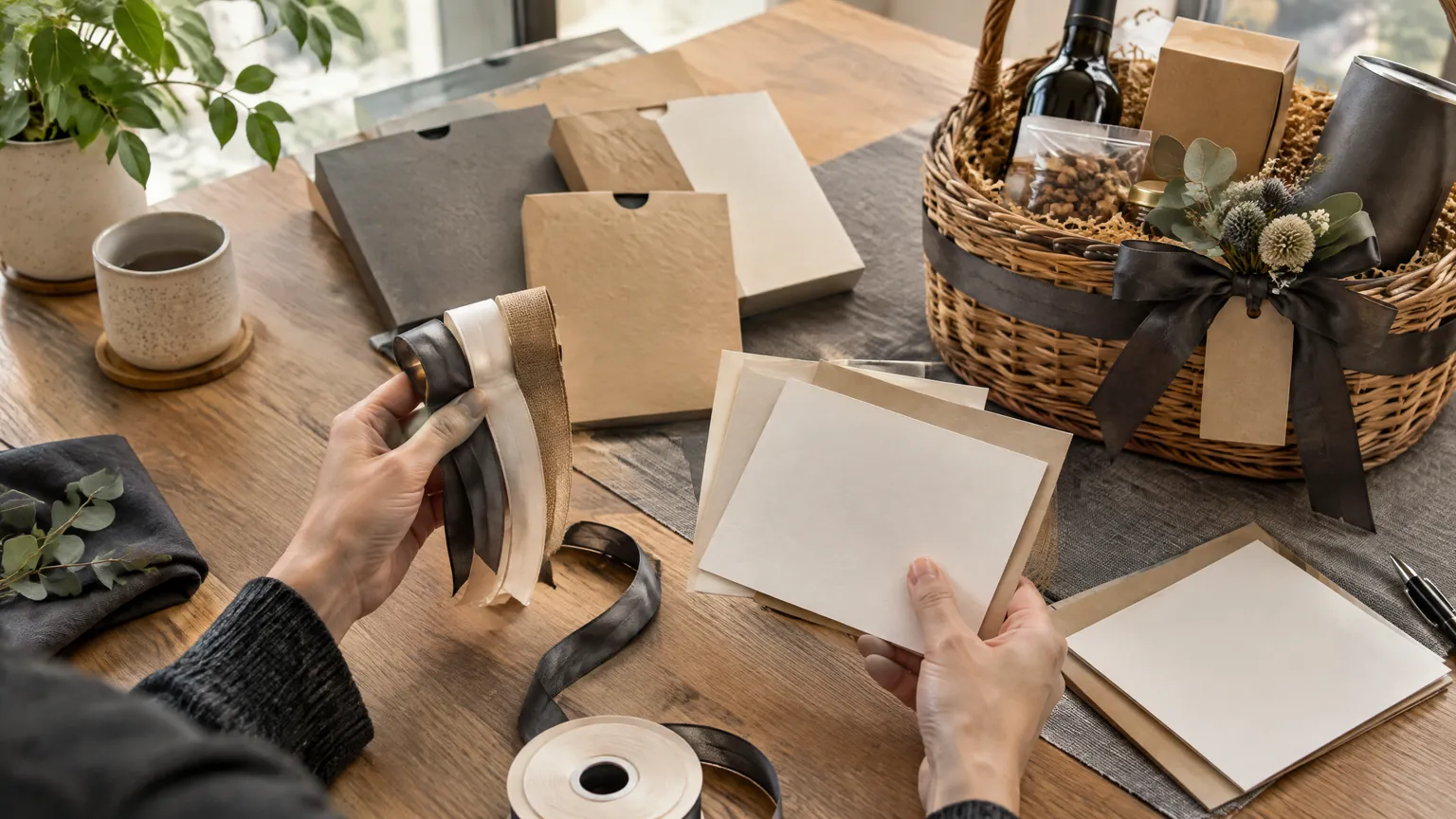
Until the family agrees and the organiser confirms arrangements, use invitation language: you would like to give them a shared craft experience, subject to finding a suitable session together. Do not write a definite date into the card merely because it appears on an enquiry page. Make the fallback an equally acceptable choice, not a consolation for being too busy.
Once confirmed, provide the information that actually helps the accompanying adult: the project, participant arrangement, address, arrival time, expected finish and take-home plan. Identify who will handle communications with the organiser. If the giver will not attend, ensure the parent has the booking details rather than relying on messages held on someone else's phone.
Keep promotional expectations out of the card. Promise the gesture you control, not a flawless wreath, an expert child or an uninterrupted afternoon. The gift works when the family can participate at a comfortable level and return home without avoidable confusion. If too many practical questions remain unanswered, choose the material fallback and save the workshop idea for another occasion.
A short check before you give it
- Ask the family whether the activity and shared project appeal.
- Confirm who supervises, which tasks stay with adults and what tools are used.
- Check the venue route, session terms and realistic return journey.
- Confirm the finished size, packaging, display location and material-specific care.
- Agree on a welcome fallback before making a commitment.

Common questions
Should I book a wreath workshop before telling the parents?
Ask the parents about interest, dates and the accompanying adult first. Keep the presentation a surprise if you wish, but do not commit them to a session until the organiser confirms the practical arrangements.
Can a young child do the cutting and wiring?
Do not assume so. Ask which tasks stay with adults and how the child can participate without sharp tools. MSU Extension advises that very young children should not be given sharp tools and that children using tools need adult supervision.[2]
What should I ask about taking the wreath home on public transport?
Ask for the finished dimensions, supplied packaging and how the organiser recommends supporting the piece. Decide which adult carries it, especially if the return journey also involves a pushchair or other children's belongings.
Is a hamper automatically the easier fallback?
No. Confirm the recipient's preferred contents, receiving location and ability to carry or store it. If those details are uncertain, a modest household item and personal card may impose less work.
Sources & what they support
Each reference supports only the stated scope. Citations are not independent endorsements of YumYum or its branches and do not confirm a provider’s current arrangements or any individual outcome.
- Royal Horticultural Society: Christmas wreaths (opens in a new tab)
Children's participation in finishing touches; common wreath materials and tools; moist moss for moss-based evergreen wreaths and generally better outdoor longevity; separation of wire, ribbons and plastic before appropriate composting. No Hong Kong lifespan guarantee.
- Michigan State University Extension: Garden safety for kids part 2, using tools and preventing injury (opens in a new tab)
Adult supervision for children using tools; no sharp tools for very young children; tool inspection and handling instruction; adequate working space and manageable carrying loads. Applied cautiously to workshop planning, not a claim about any provider.
- Iowa State University Extension and Outreach: How to Create A Holiday Wreath (opens in a new tab)
Common wreath tools include pruning shears, a frame, florist wire and a wire cutter; needles and sap affect handling; warm, dry indoor air affects cut greenery; avoid direct sunlight and draughts and remove dry indoor greenery. No transfer of Iowa winter conditions or numeric lifespan to Hong Kong.