Plan a Botanical Keepsake Session Around the Memory You Want to Share
GotGear and YumYum (including its gifting, baking and florist branches) share an owner; this collection is not an independent recommendation. GotGear does not provide catering, gifting, cake, floral, tuition or rental services. External-service information is separate from GotGear’s equipment catalogue; confirm the actual scope with the relevant provider. Articles are general planning information, with no promises about supply, arrangements or outcomes. Concept photos are not records of real events, customers or classes.
The short answer
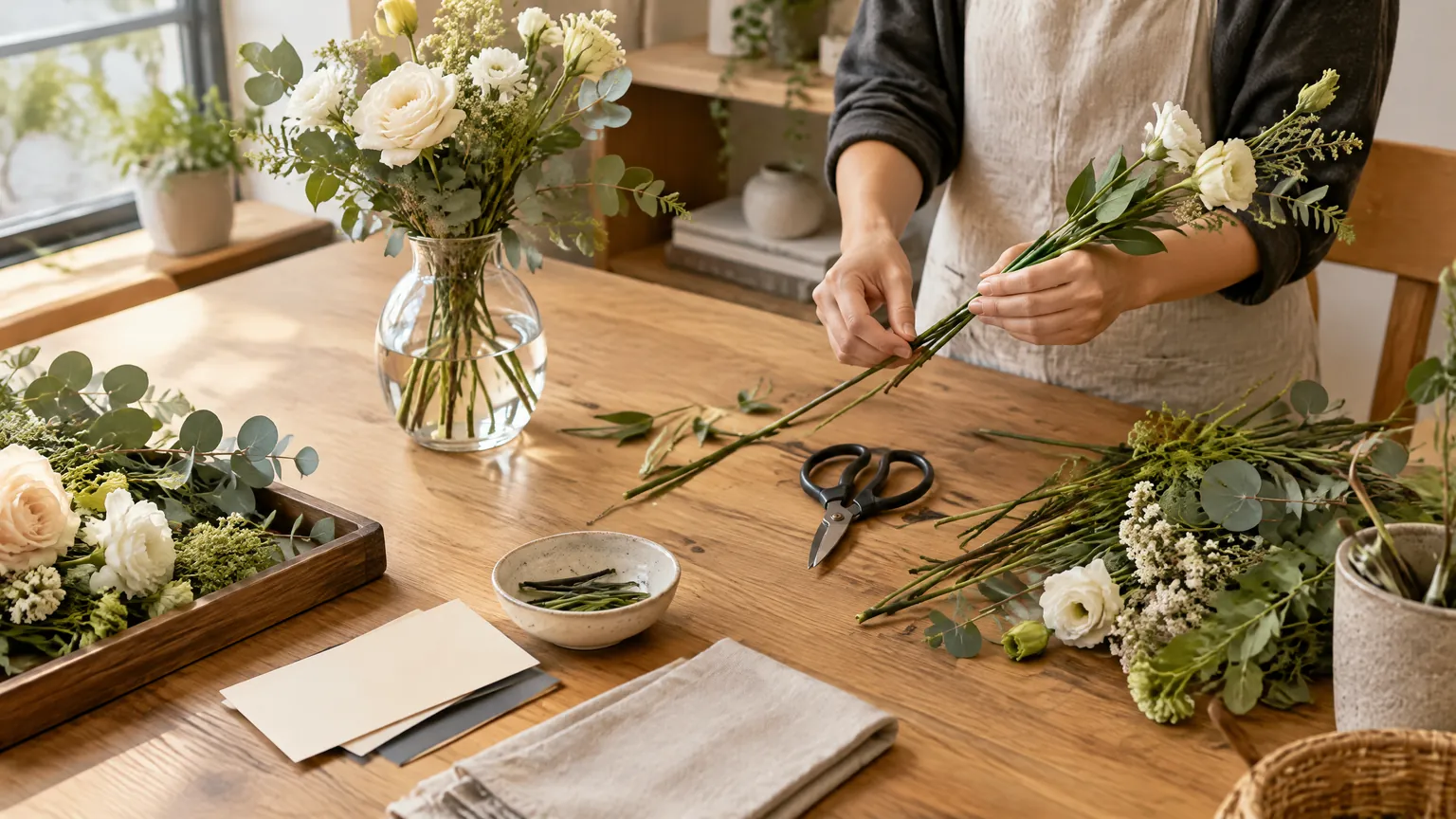
Start with the memory and the recipient, then choose the botanical format. Pressed flower art suits a personal composition; a labelled specimen suits someone interested in plant details; decorative bottle craft is a different project. Confirm materials and finishing stages before arranging the session, especially when you want to use flowers from a particular occasion.
Start with the memory and the recipient, then choose the botanical format. Pressed flower art suits a personal composition; a labelled specimen suits someone interested in plant details; decorative bottle craft is a different project. Confirm materials and finishing stages before arranging the session, especially when you want to use flowers from a particular occasion.
A useful keepsake does not have to reproduce an entire bouquet. It might retain a leaf shape, a colour association or a date beside a small botanical arrangement. The important decision is what the recipient will recognise, not how much material fits into the piece. GotGear and YumYum share an owner; this is a planning journal, not an independent endorsement. GotGear does not provide floral, gift, food, class or rental services.
Name the memory before choosing the object
Write a short sentence explaining what the gift should recall. For a colleague leaving a Kwun Tong office, that might be the team who worked beside them, rather than a specific flower. For a household moving from one Hong Kong flat to another, it might be a plant they grew together. For an anniversary, the connection could be a shared colour preference rather than material saved from the original celebration.
That sentence helps resolve competing decisions. If the date matters most, leave space for a clear inscription. If the recipient loves plant observation, retain useful features and an honest material record. If the activity itself matters, allow each person to contribute without requiring identical results. These are different goals, and one crowded piece may not serve all of them.
Also decide who is making and who is receiving. A surprise finished gift asks the recipient to accept your design choices. A shared session gives them a say in the object but requires agreement on participation. Someone who enjoys flowers may prefer choosing a palette to handling delicate materials. Offer that role instead of assuming that enthusiasm for a gift means enthusiasm for a workshop.
Separate decorative art from botanical documentation
Pressing can support both art and plant recording. The Natural History Museum describes using pressed flowers for cards, pictures and bookmarks, as well as creating herbarium sheets. The technique alone does not determine the purpose: composition makes one project decorative, while a useful specimen and accompanying information support another kind of learning.1
When a flat composition is the better fit
Choose a flat artwork when the memory is mainly visual or personal. A modest card can place a flower shape beside a handwritten message, while a mounted composition can give several contributors room without turning their names into tiny print. Decide the finished format first. RHS guidance similarly recommends thinking about the eventual display or gift before choosing flowers and leaves.3
In a hypothetical office farewell, colleagues could each choose a small element and agree on a single message. Nobody needs to supply a complete bouquet. Keep the composition loose until the group has seen the whole arrangement; attaching each contribution immediately can leave the final person with an awkward corner. Ask whether the proposed session allows this planning stage rather than assuming it is included.
When a labelled specimen is more meaningful
A scientific herbarium is a collection of dried plant specimens stored and catalogued for study, as Kew explains.2 A household project can borrow the habit of careful recording without claiming to become a research collection. The Natural History Museum recommends recording where and when a specimen was collected, who collected it and its identity if known. It also notes that showing both leaf surfaces can help plant identification.1
For a recipient interested in gardening, a sheet recording a plant from their own balcony may be more engaging than a decorative bottle. Keep botanical information separate from the memory message. If flowers were purchased for an event, record that occasion and the known purchase context; do not invent the growing location. If the plant name is uncertain, say so rather than supplying an authoritative-looking guess.
The YumYum Herbarium workshop resource currently points towards decorative botanical bottle craft, dried flower placement and vessel shapes. That may interest someone who wants a small display object, but it does not establish teaching in specimen identification or scientific documentation. Ask which project is intended, what the bottle contains and what handling instructions apply. A title alone cannot settle those questions.
Decide whether the original flowers are essential
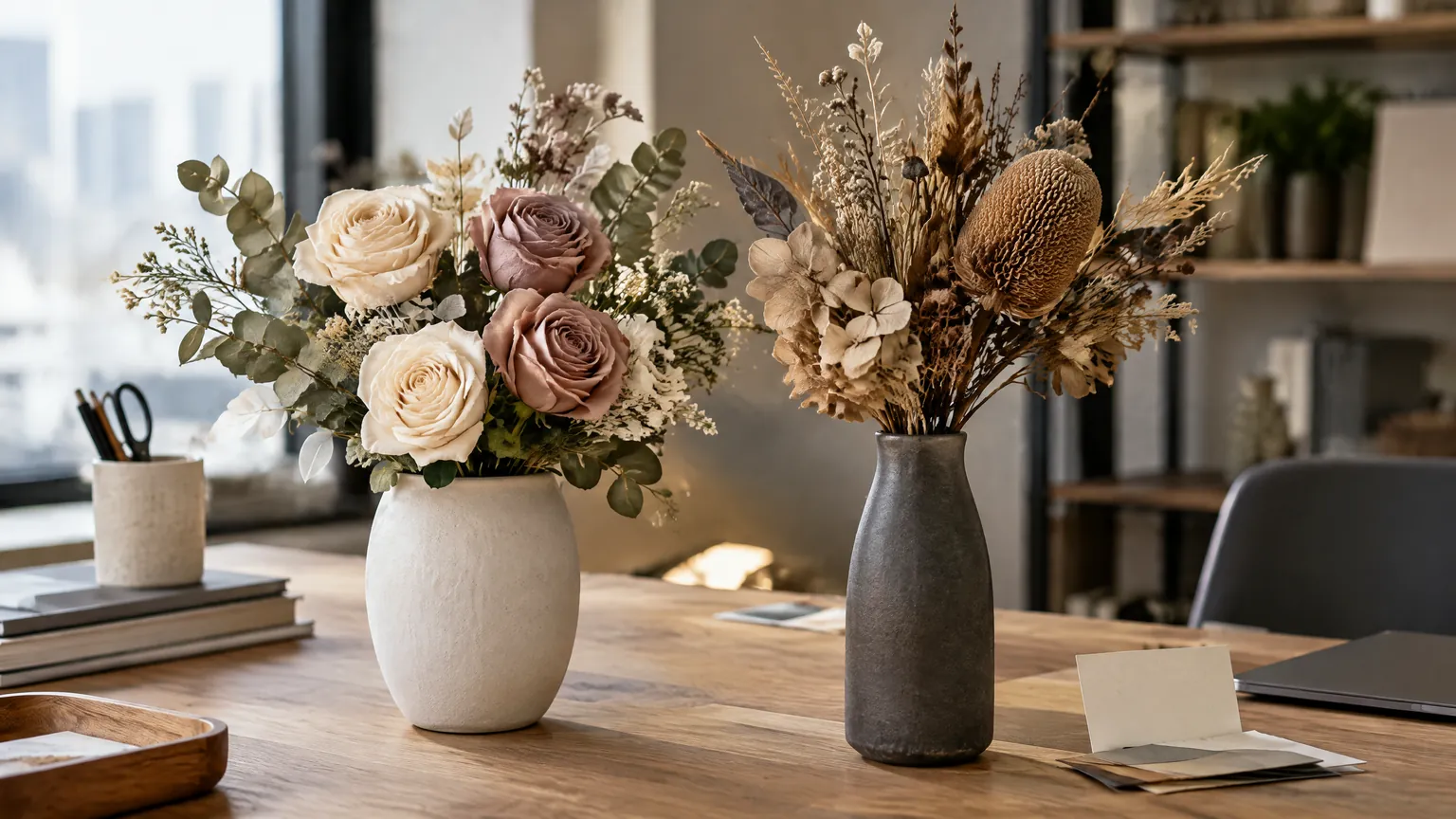
There is a practical difference between keeping actual flowers from an occasion and making a new piece that recalls it. If the original material is essential, discuss its condition and suitability before committing to a design. The Natural History Museum cautions that some plants are difficult to press and bulky material can be harder to dry successfully.1 A favourite full bloom is not automatically a suitable flat specimen.
If the original material cannot be used, choose an honest substitute. A new petal in a similar colour can represent the occasion, accompanied by a note explaining the connection. That is still a personal gift. It becomes misleading only if the recipient is told the substitute came from the original bouquet. A photograph of the original flowers can sit beside a new botanical element without blurring their different origins.
Use the YumYum Pressed flower workshop page as a starting point for discussing a flat botanical craft, not as confirmation that your own flowers can be processed during a particular session. Ask whether materials arrive already pressed, whether personal flowers are accepted and whether the proposed outcome is a card, mounted sheet or another format. Its general gifting copy does not answer those project-specific questions.
For a Hong Kong household gathering, avoid making an outing to collect wild material part of the plan. Supplied flowers or material from your own plants, where you have permission to use them, provide a clearer starting point. Keep a spare selection for practice. Do not make an irreplaceable wedding flower the first material someone handles while learning an unfamiliar technique.
Plan the stages, not just the attendance time
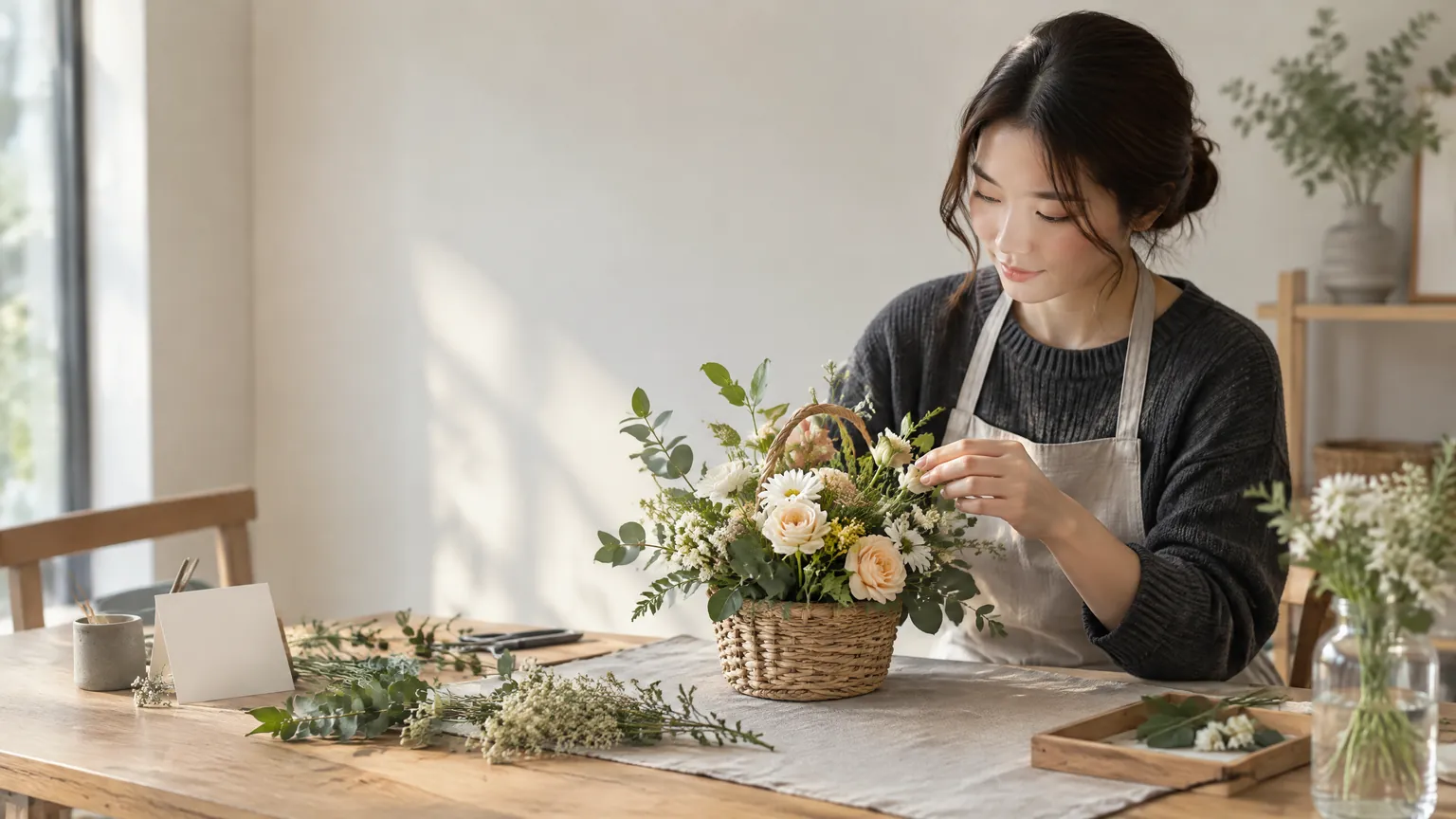
A session using prepared materials is different from starting with fresh plants. The Natural History Museum says complete drying depends on the plant and the drying conditions; its guidance spans days to weeks rather than a single short visit.1 Ask which stages participants perform and which happen beforehand or afterwards. Making a layout during a session does not necessarily mean the object is ready to package that day.
For an after-work gathering in Central, identify the last practical step before everyone leaves. Participants might select a composition, prepare a label or mount ready-dried materials, depending on the provider's confirmed scope. If finishing happens later, agree who holds the work, who approves it and how it is handed over. These responsibilities matter more than describing the session simply as a creative evening.
If pressing is part of the project, discuss where unfinished material will be kept. RHS identifies moisture removal as the main aim and advises using clean, dry pressing materials.3 In a small flat, ask whether there is a suitable undisturbed place rather than assuming a kitchen counter or bathroom shelf will do. Follow the project's instructions; this article does not supply a shortcut drying method.
A useful enquiry describes the intended result in plain language: a compact flat gift for a departing colleague, with a shared message and no unfinished stages for the recipient to manage. Then ask what can actually be completed, what needs later handling and what happens if the chosen material proves unsuitable. Keep an alternative format available until those answers are clear.
Choose fresh arranging when the shared activity matters more
A keepsake is not always the right answer. Someone may enjoy arranging fresh flowers together but have no wish to store another object. In that case, make the shared experience the gift and let a personal note carry the lasting memory. Choosing a fresh composition is not a failed preservation project; it is a different decision about what the recipient wants.
The YumYum Flower arranging class resource offers a flower-learning enquiry route, but the visible general gift-ordering content does not establish a lesson plan. If fresh arranging fits your group, confirm the project, actual venue, materials, individual participation and take-home container directly. Do not assume that pressing, botanical identification or a later keepsake conversion is included in a fresh-flower session.
Imagine siblings arranging flowers together before a family anniversary meal in a Hong Kong home. If their parent wants a tabletop arrangement for that day, a flat specimen may miss the point. Conversely, if a colleague is clearing a desk before relocating, a substantial vase arrangement could create an unwanted carrying task. Ask about the next destination of the object before choosing its size or format.
Personalise the message without creating extra obligations
A botanical gift becomes specific through a truthful connection, not necessarily through more decoration. Write what the occasion means in words the recipient will understand. For a workplace farewell, mention a shared project without including confidential details. For a family keepsake, choose a story everyone involved is comfortable sharing. A private message need not appear on the visible face of the artwork.
Check names and wording before attaching a card or label. If several colleagues contribute, appoint one person to gather corrections so the maker is not receiving conflicting versions. Keep the botanical label factual and put the personal message on a separate card when space is limited. This lets the recipient understand both the material and the sentiment without mistaking one for the other.
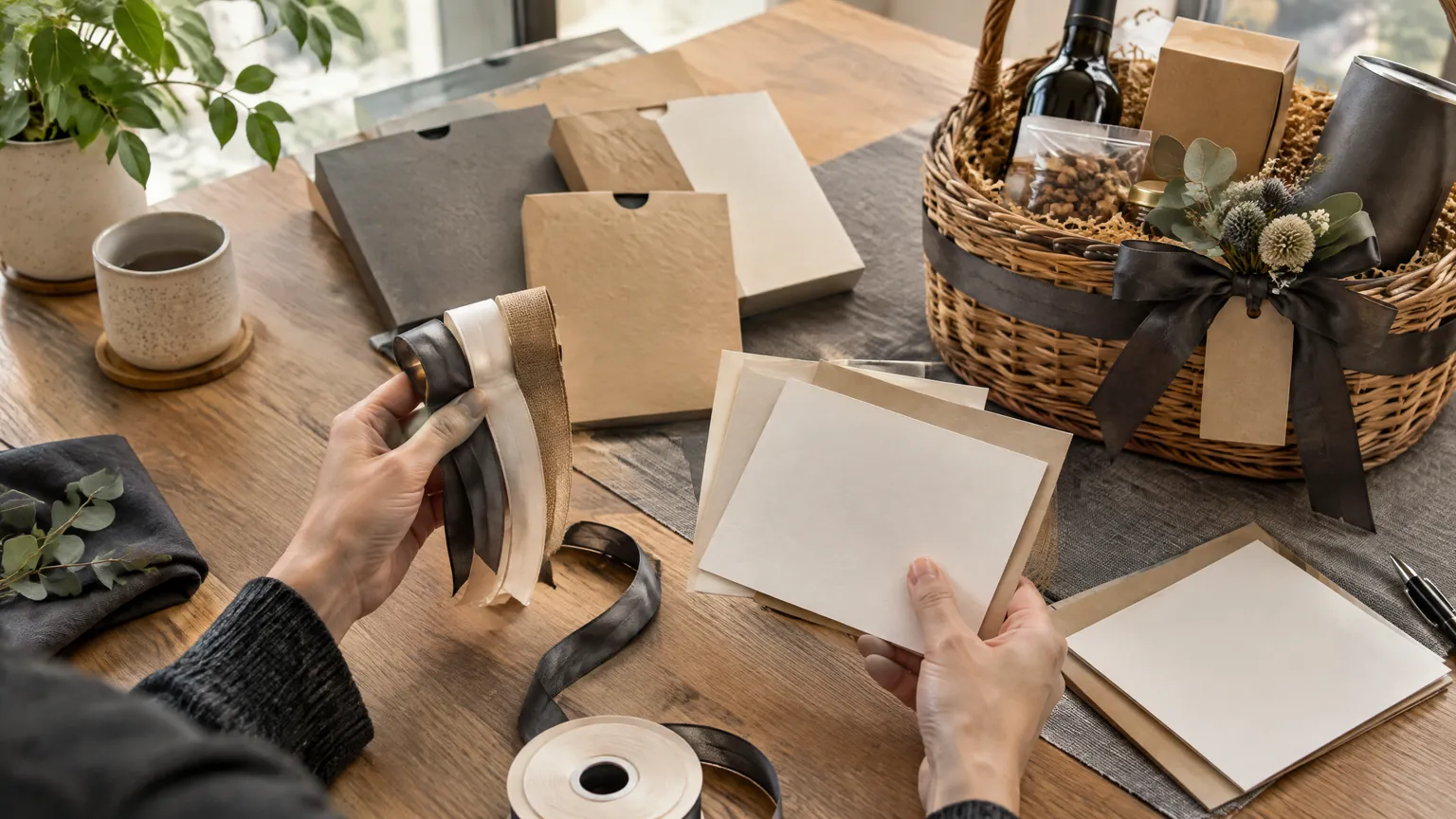
If the keepsake will accompany other items, the YumYum Bespoke gift hampers guide discusses recipient-led selection, themes, packaging and substitution approval. Use that scope to ask whether a separately protected handmade piece can be accommodated; inclusion is not confirmed by the guide. Keep the keepsake as the focal item rather than allowing unrelated additions to obscure its message, and agree any substitutions before the final arrangement.
It is equally reasonable to give the botanical piece alone. A recipient in a compact home may value a small object that can be stored flat more than a filled basket. Ask where it would go: a desk, a shelf, a memory box or a wall. Avoid choosing a frame merely because it makes the handover look complete if the recipient would prefer an unframed sheet.
Match packaging and care to the actual materials
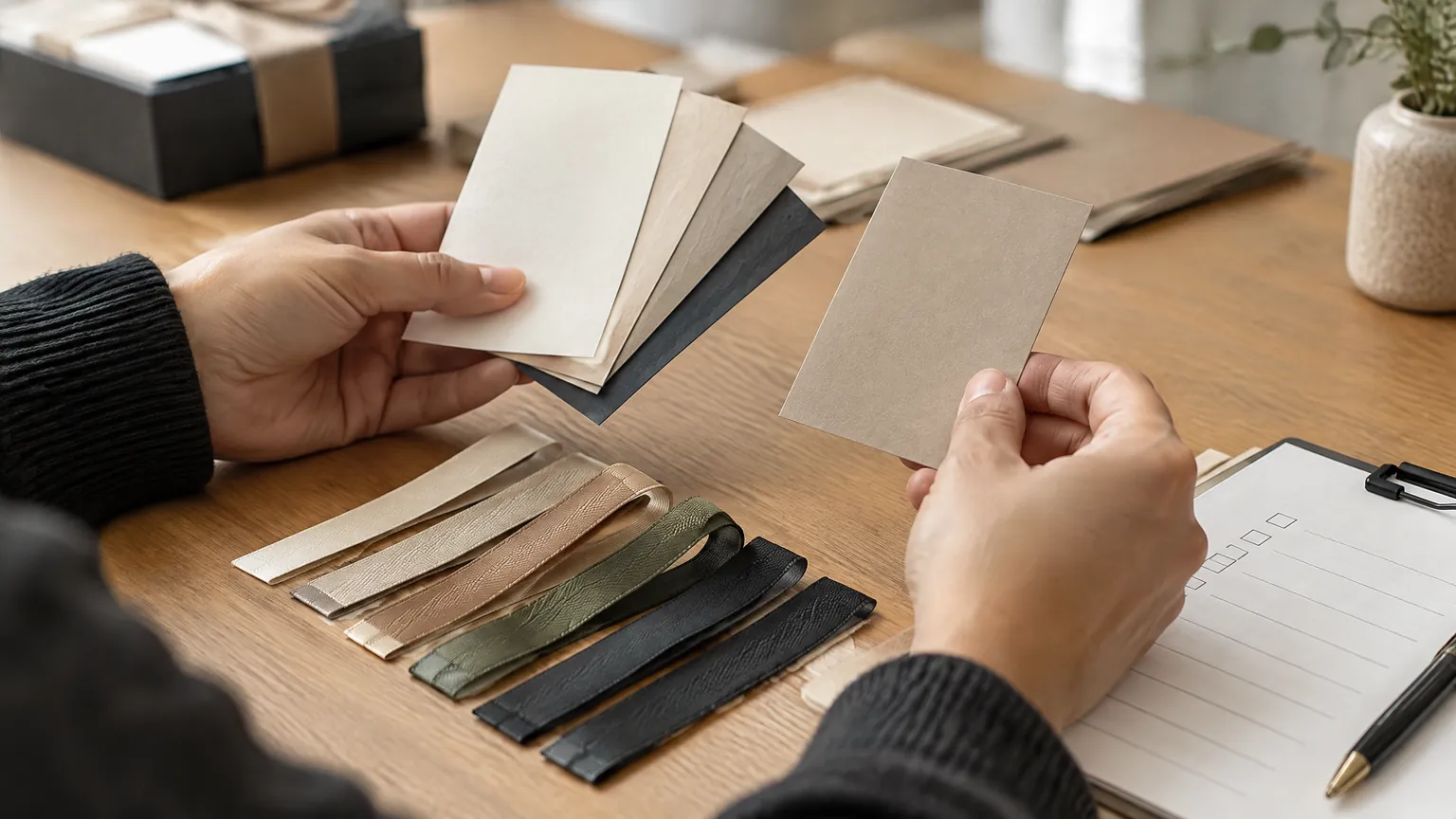
Dried pressed plants may be brittle, according to the Natural History Museum.1 Plan handling accordingly: support a mounted piece rather than carrying it by a projecting botanical edge, and ask for packaging appropriate to the finished object. A delicate sheet, a framed artwork and a glass bottle require different protection. One decorative tote should not be assumed suitable for all three.
For someone travelling home by MTR after an office session, establish whether the work can remain supported inside its packaging and whether it must stay upright. Ask those questions while selecting the format, not at the station entrance. If several pieces are collected together, identify them with removable outer notes so nobody has to unpack fragile work to find the correct recipient.
Do not promise unchanged colour or a particular lifespan. Museum collections demonstrate what carefully prepared specimens can become under appropriate care, not what every private gift will achieve. Keep a photograph of the completed work as an additional record, and request material-specific care guidance. If bottle contents or adhesives are involved, ask for handling and disposal instructions rather than inferring suitability from appearance.
A short checklist before committing
- Write the memory in one sentence and confirm the recipient wants the chosen format.
- Distinguish flat art, a labelled specimen and decorative bottle craft in the enquiry.
- Confirm original or supplied materials, finishing stages and who handles unfinished work.
- Approve the message, packaging and handover arrangement before the session.
The best plan leaves room for a truthful alternative. If the original flowers cannot be used, a labelled substitute may preserve the story. If the recipient does not want a permanent object, a shared fresh-flower activity may suit them better. Keep the meaning stable while allowing the material and format to change; that makes the gift easier to recognise and easier to live with.
Common questions
Can I bring flowers from an anniversary bouquet to a keepsake session?
Ask before arranging the session. The provider needs to confirm whether personal flowers are accepted and whether their condition and form suit the project. Keep a photograph and a substitute-material option; do not assume the full original bloom can be pressed successfully.
Does a herbarium session necessarily teach plant identification?
No. The assigned YumYum resource describes decorative botanical bottle craft. Scientific specimen recording is a different purpose. Ask explicitly whether the proposed project includes plant identification or labels, and do not infer that from its name.
What if the farewell gift must be handed over after the session?
Confirm whether prepared materials allow the object to be finished and packaged during that session. If pressing or later finishing is required, arrange a separate handover or choose another format. Fresh material does not imply a same-session finished keepsake.
Should the memory message be written on the botanical label?
Keep the label factual when making a specimen-style sheet. Put the personal story on a separate card if needed. For decorative art, leave enough clear space for a readable message and approve names before anything is attached.
Sources & what they support
Each reference supports only the stated scope. Citations are not independent endorsements of YumYum or its branches and do not confirm a provider’s current arrangements or any individual outcome.
- Natural History Museum: How to press flowers (opens in a new tab)
Pressed craft formats; difficulty of some plants and bulky material; plant- and condition-dependent drying; brittle dried specimens; recording collection date, location, collector and known identity; leaf surfaces for specimen observation.
- Royal Botanic Gardens, Kew: The Herbarium (opens in a new tab)
Scientific herbarium definition as dried plant specimens stored and catalogued for study, distinct from decorative bottle craft.
- Royal Horticultural Society: Art focus — Pressed flowers and leaves (opens in a new tab)
Choosing an intended display or gift before collecting materials; moisture removal as the aim of pressing; clean dry pressing materials.