Plan a Farewell Treat Around the Office Handover, Not a Last-Minute Order
GotGear and YumYum (including its gifting, baking and florist branches) share an owner; this collection is not an independent recommendation. GotGear does not provide catering, gifting, cake, floral, tuition or rental services. External-service information is separate from GotGear’s equipment catalogue; confirm the actual scope with the relevant provider. Articles are general planning information, with no promises about supply, arrangements or outcomes. Concept photos are not records of real events, customers or classes.
The short answer
Choose a farewell treat only after you know who will receive it, where it can be stored as instructed and when colleagues will actually eat it. Work backwards from that sharing moment, then ask the bakery to confirm a suitable product and feasible handover arrangements.
Choose a farewell treat only after you know who will receive it, where it can be stored as instructed and when colleagues will actually eat it. Work backwards from that sharing moment, then ask the bakery to confirm a suitable product and feasible handover arrangements. A delicate layered pastry may suit a seated goodbye beautifully; it should not have to survive an unexplained wait at reception while everyone finishes a meeting.
GotGear and YumYum share an owner. This is a planning article in GotGear’s journal, not an independent bakery endorsement; GotGear does not provide food, floral, gift, class or rental services. The useful decision is not simply which treat looks best, but whether your office can manage the steps between receipt and eating.
Start with the colleague’s actual goodbye moment
Put the farewell into the working day before choosing the dessert. Ask the departing colleague whether they would prefer a short team gathering, a quiet pantry break or something to take away. Check their last meeting and departure time. A cake presented after they have left for an airport train misses the purpose, however carefully it was chosen.
Imagine a Central office where the colleague finishes a client call shortly before leaving. Reception is downstairs, while the team’s pantry is on another floor. The organiser also has to return equipment and hand over a card. Treat those as separate tasks: nominate another colleague to receive the food rather than expecting the organiser to answer a delivery call during the goodbye speech.
Write down the intended eating time as well as the gathering time. People may assemble for a photograph, listen to a manager and only then reach for dessert. Any product-specific serving instructions must fit that sequence. Avoid arranging a long food display merely because the meeting room becomes available early. The Centre for Food Safety advises minimising time outside temperature control, and exposure during handling, storage and transport is cumulative.1
For a team split between an office and home working, decide whom the food is for. A video farewell does not require a dessert portion for every remote attendee. Count the people who expect to eat in person, then confirm usable servings with the bakery. Keep the card or shared message open to everyone so participation is not defined by who happens to be near the pantry.

Match the format to how people will eat
Layered pastry for a seated break
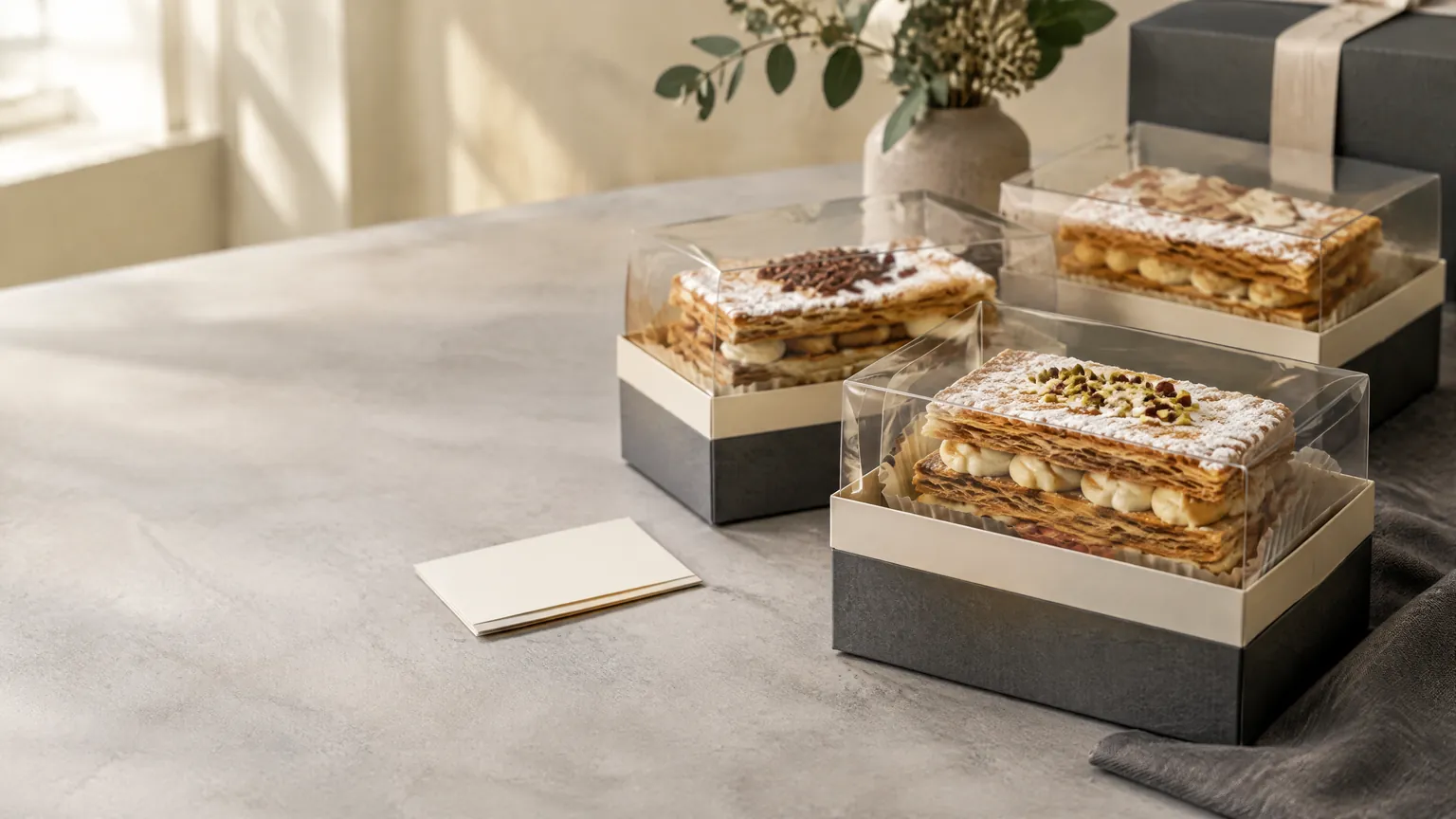
A mille-feuille-style treat deserves a practical brief, not just a reference picture. Will colleagues sit with plates and forks? Is there a clean table away from keyboards? Will someone divide a whole pastry, or do you need portions prepared before handover? Ask the bakery what formats it can actually supply and how those portions should be handled. Do not infer them from a gallery image.
The same-owner journal resource Buy Mille-Feuille Online provides an enquiry starting point for this choice. Explain that the occasion is a short office farewell and ask about the available format, actual filling, usable portions and storage instructions. A whole pastry and individual portions create different receiving and sharing tasks; confirm which arrangement is feasible before organising the table.
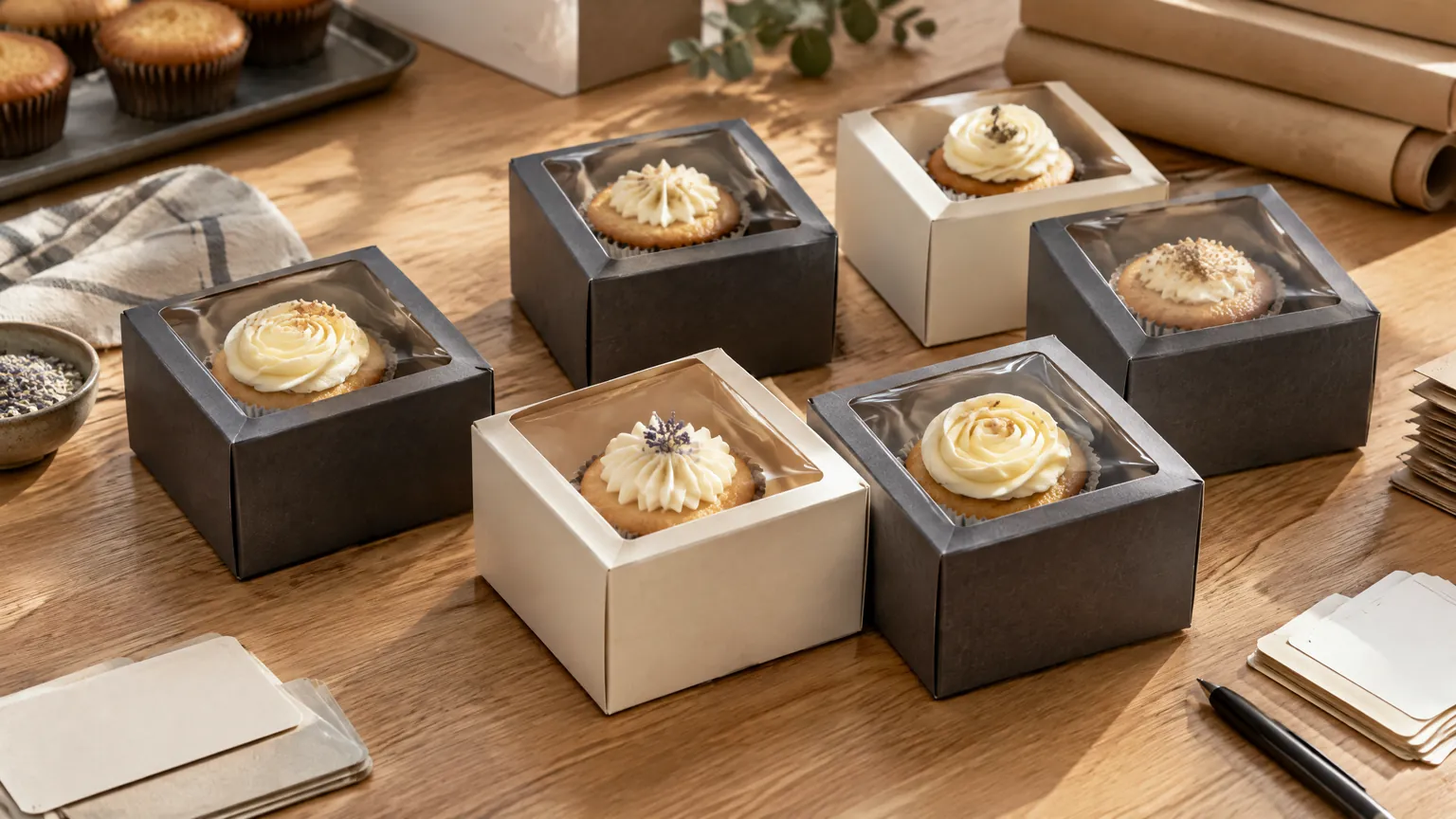
If people will eat while standing in a narrow Kwun Tong pantry, consider whether they can comfortably manage a plate, a drink and their belongings. An individually portioned alternative may reduce the need for cutting, but it does not automatically remove refrigeration or ingredient questions. Discuss cake slices, cupcakes or another suitable format without assuming that every small bake can sit on a desk until the end of the day.
A whole cake when the shared presentation matters
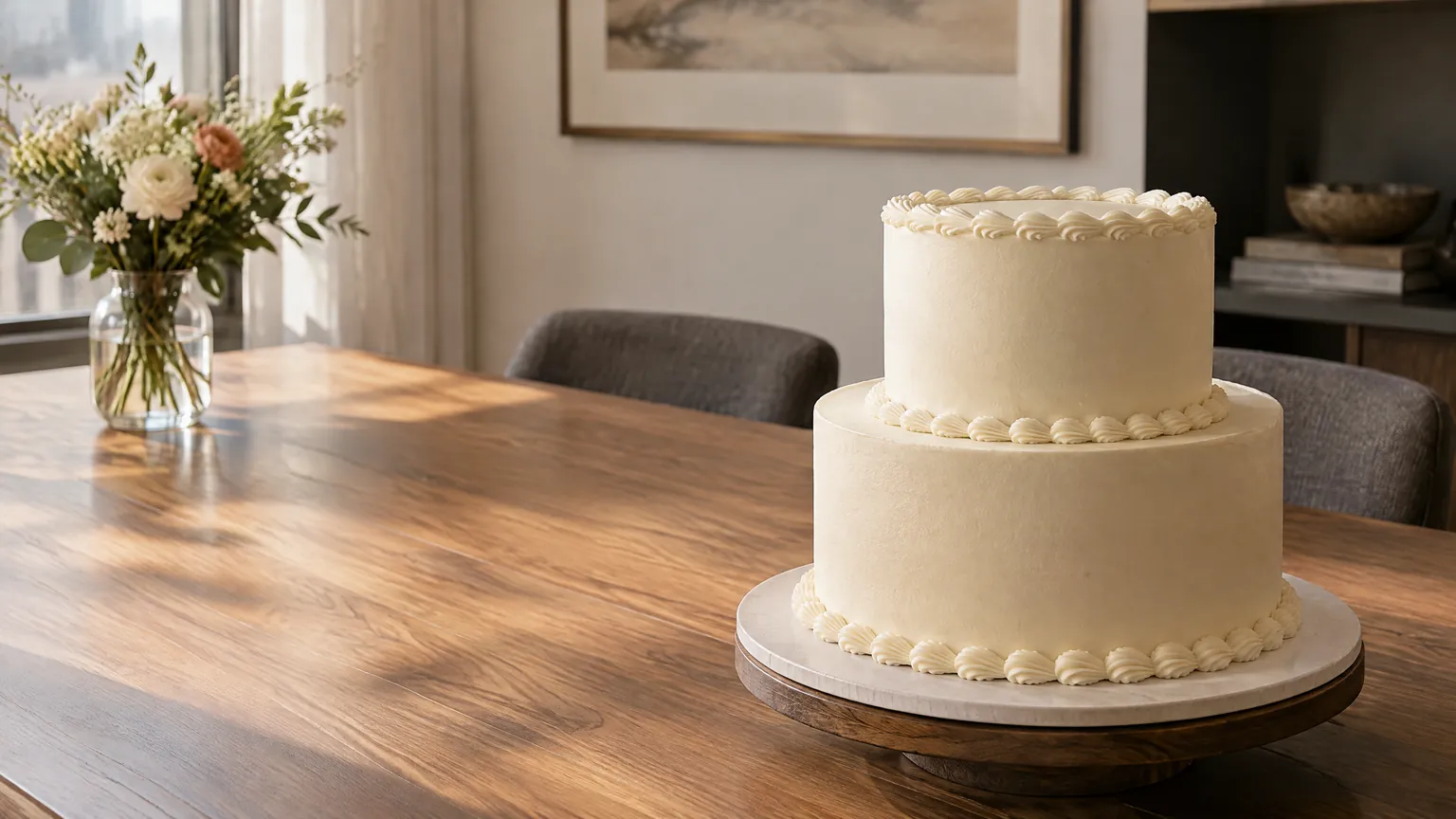
A simple whole cake can make sense when the departing colleague wants one shared moment and someone can portion it afterwards. Agree who will bring the plates, serving tool and suitable knife, subject to workplace rules. Establish a clear space for cutting rather than moving laptops around a cake already on the table. Ask about the board and box dimensions, not only the cake’s appearance.
Use Farewell Cake as a same-owner resource for discussing the occasion, rather than as proof of a particular design being available. Send the wording you would like, the colleague’s preferences and the number of intended eaters. Ask the bakery to confirm personalisation, portion yield and the finished presentation; keep a separate card ready if the requested message cannot be accommodated.
Avoid making the farewell depend on elaborate decoration. A brief, recipient-approved message is more useful than an office joke the colleague would rather not see photographed. If the treat will travel home afterwards, tell the bakery at the enquiry stage. That is a different journey from carrying it directly from reception to a nearby table.
Verify holding instructions before agreeing to an early arrival
The space labelled “office fridge” is not a complete storage plan. Check whether a clear, suitable shelf will hold the closed box without tilting or stacking other items on top. Ask for the outer packaging dimensions and whether the bakery’s instructions permit any packaging changes. Do not remove protective supports simply to squeeze the order between lunch containers.
Fresh-cream desserts need particular attention. The UK Food Standards Agency advises keeping cakes and desserts containing fresh cream refrigerated, and says cakes with high-moisture additions such as cream added after baking must be stored chilled. That is useful general handling guidance, not a statement of Hong Kong legal requirements or a storage rule for every cake.2 Confirm the actual filling and finished product’s instructions with the bakery.
For delivered cold food, Hong Kong’s Centre for Food Safety recommends keeping it at or below 4°C.1 Do not assume that an air-conditioned reception area or an ordinary closed cake box provides that control. If the product requires chilled holding, verify the intended refrigerator and the handover plan before accepting an arrival well ahead of the gathering.
Ask separately about eating quality and safe storage. The bakery should explain any serving preparation needed and how holding affects the intended presentation or texture. Never exchange required refrigeration for an unsupported promise of crisp layers. A product can look attractive in a box without proving that its handling history is suitable.
If suitable storage is unavailable, change the plan before confirming the order. You might ask about a different product whose instructions fit the office, a feasible handover closer to sharing, or another receiving location with an agreed transfer. None of these is automatic: the bakery must confirm the product, and the office must confirm its own space and access.
Give reception a handover that ends in the right place
Describe the real receiving point, not just the building address. In a shared Admiralty office, the staffed counter may be inside a tenant’s floor rather than the main lobby. In a converted industrial building, visitors may need to use a designated entrance. Check building rules and provide the access details the receiving colleague has verified. Do not promise access on the building’s behalf.
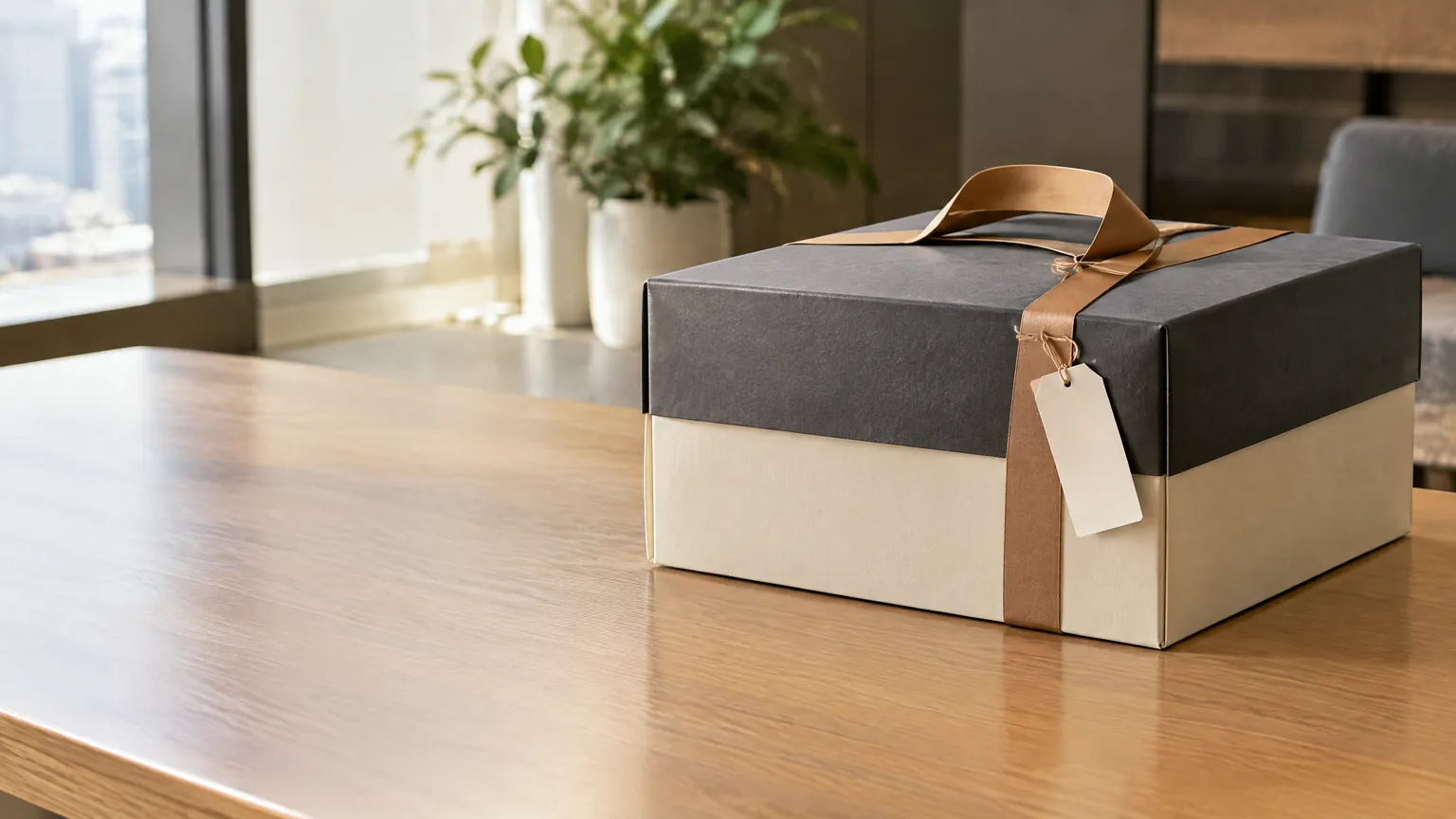
The Napoleon Cake Delivery resource is relevant when discussing the protective handling of layered pastry. Give the bakery the route from the agreed handover point to storage and ask how the box should be supported and moved. Confirm the destination and arrival window directly; neither the resource nor protective packaging is a guarantee of pastry texture or an uninterrupted cold chain.
Ask where the delivery arrangement ends. Receipt in the lobby does not mean the order is on the correct shelf upstairs. Name the person responsible for the internal transfer and make sure they are free during the agreed window. They should not be carrying the box while simultaneously balancing coffee, searching for an access card or opening heavy doors unaided.
Give reception a short instruction that identifies the order, receiver and next step. For example: contact the nominated colleague, keep the box in the agreed position during handover, and do not open it for display. Keep personal dietary details out of the general reception note; those belong with the organiser and the product information.
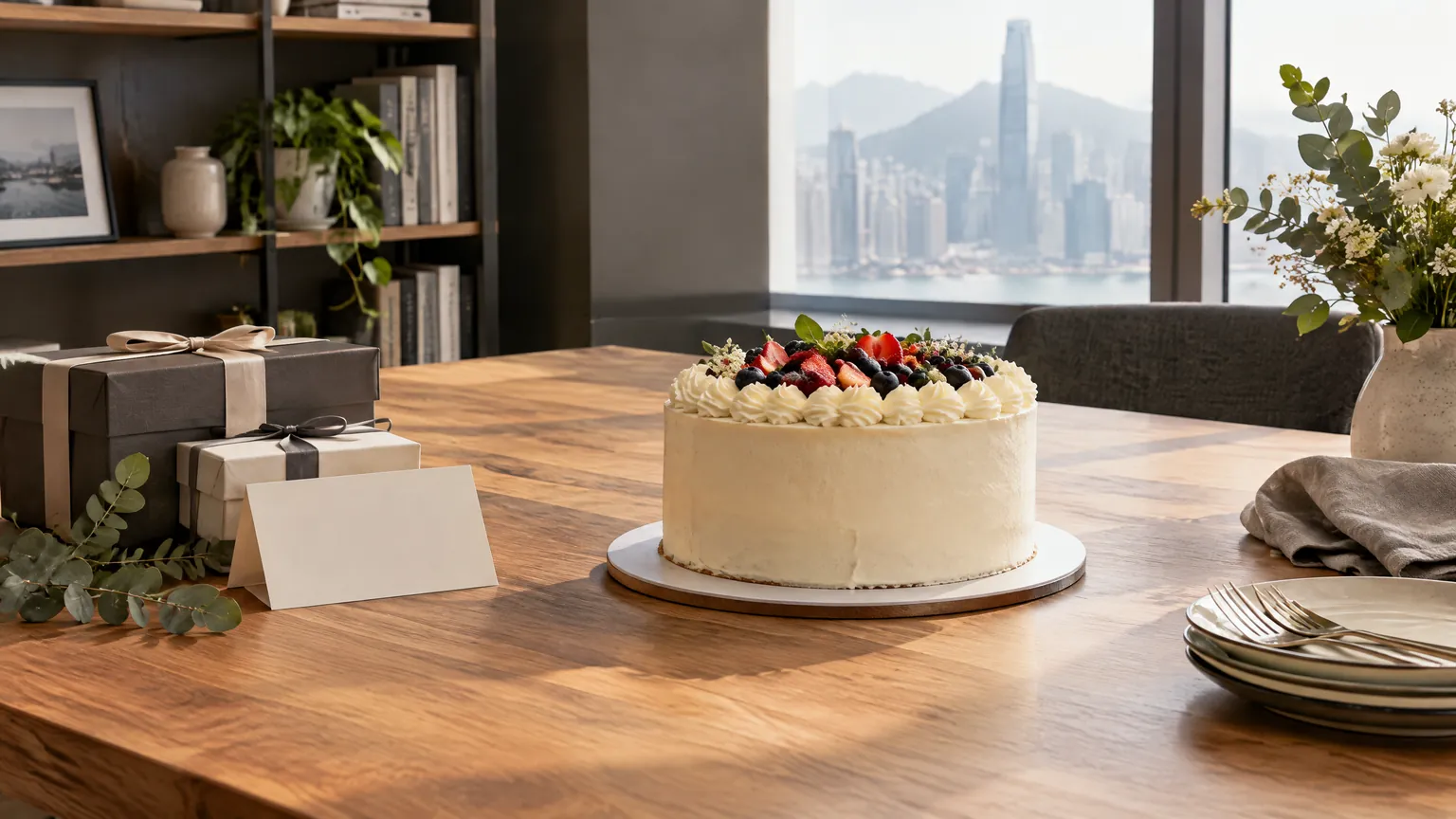
The broader Cake Delivery page can support an enquiry about address, access and recipient arrangements if a conventional cake better fits the farewell. Confirm the accepted handover point, outer box size and requested window, then record who moves it onwards. Ask what happens if that receiver is unavailable instead of assuming unattended delivery, tracking updates or exact arrival timing.
Keep product information attached when sharing begins
At receipt, check the general condition of the order and its packaging. The Centre for Food Safety specifically advises checking delivered food temperature, container integrity and hygiene.1 If the box is damaged, the product appears displaced or the required handling information is missing, contact the provider before sharing it. A photograph may help explain visible damage; it cannot establish food safety.
Record the receipt time and move the order into the agreed holding arrangement promptly. Ask the provider about any relevant time outside temperature control before handover rather than starting a new allowance when the box reaches your office. CFS guidance explains that earlier handling and transport exposure counts towards the total.1 If that history is unclear, do not invent a safe waiting period to accommodate a delayed meeting.
Before opening the box, check that the sharing table is clean and separate from working clutter. The Food Standards Agency recommends clean, sealable cake transport containers away from raw foods and using tongs or a cake slice when handling cakes.2 In an office, the practical application is straightforward: arrange suitable serving tools and plates rather than inviting people to reach into a shared box with their hands.
Keep ingredient information and original packaging available. The Food Standards Agency recommends retaining packaging and ingredient details to help people check foods they avoid.2 Ask colleagues privately about requirements before choosing the treat, then obtain the bakery’s actual ingredient and cross-contact information. Do not describe a pastry as allergen-free based on appearance, a short flavour name or the absence of a visible topping.
Make the card and conversation the centre of the goodbye, not an obligation to eat. A colleague may decline dessert or prefer not to explain their reason publicly. Include them in the gathering without persuading them to try “just a little”. If a separate food option is needed, confirm its details independently and keep its information and serving utensils distinct.

Plan for the meeting that runs late
An arrival buffer is useful only if the food can be held as instructed. When a meeting overruns, leave a chilled product in its suitable storage rather than setting it out to wait for the group. Have the organiser check the latest eating time against the bakery’s instructions. Rearrange the speech or photograph if necessary; do not let the dessert’s exposure grow unnoticed.
Suppose a Kowloon Bay team cannot all leave their calls together. Consider a short core farewell followed by a separately managed sharing period, but only if the product’s holding and serving instructions support it. Avoid leaving an open cake on the pantry counter for colleagues to find later. A named organiser should manage what is offered and when, rather than treating the counter as storage.
Takeaway portions need their own decision. An employee travelling home by MTR may have several stops and an errand before reaching a fridge. Ask whether the specific product is suitable for that journey and what packaging and storage instructions must accompany it. A plain box or reusable tote provides carrying convenience, not evidence of temperature control. If suitability cannot be confirmed, do not turn uncertain leftovers into farewell gifts.
A short check before you confirm the order
Use this final check to find missing decisions, not to replace the bakery’s product instructions:
- Confirm the colleague’s preferred goodbye format and actual eating time.
- Verify intended eaters, usable servings and any separately confirmed dietary requirements.
- Obtain filling, storage, serving and outer box information for the chosen product.
- Name the receiver, backup contact and person responsible for internal transfer.
- Agree what changes if the meeting is delayed or portions are requested to go.
The best farewell treat is the one that reaches a suitable sharing moment with its handling instructions intact. Once that route is workable, you can choose the appearance and message with confidence in the plan—not a guarantee about delivery, freshness or everyone’s availability.

Common questions
Should a layered pastry arrive as early as possible before the farewell?
Not automatically. Agree an arrival window only after the bakery confirms the product’s holding instructions and the office verifies suitable storage. Earlier receipt creates a longer holding task, not a freshness guarantee.
Can reception leave a cream-filled treat on an air-conditioned counter?
Do not treat air conditioning as refrigeration. Follow the bakery’s product-specific instructions and arrange prompt transfer to suitable chilled storage when required. Confirm who will perform that transfer before ordering.
What should we ask if we want mille-feuille without cutting it in the office?
Ask whether individual portions can be supplied, what each contains, how many usable servings the order provides and how they are packed and stored. Do not assume a photographed presentation is an available ordering format.
Can late colleagues take leftover cream cake home?
Only consider it after confirming the specific product’s suitability, exposure history, packaging and storage requirements. Include their actual journey in that enquiry. If those conditions are unclear, do not offer uncertain leftovers for takeaway.
Sources & what they support
Each reference supports only the stated scope. Citations are not independent endorsements of YumYum or its branches and do not confirm a provider’s current arrangements or any individual outcome.
- Centre for Food Safety: Control for Safe Delivered Foods (opens in a new tab)
Hong Kong guidance on delivered cold food at or below 4°C, cumulative exposure outside temperature control across handling and transport, minimising uncontrolled waiting, and checking delivered food temperature, container integrity and hygiene. Not provider verification or a pastry-specific shelf life.
- Food Standards Agency: Providing food at community and charity events (opens in a new tab)
General recommendations for chilled storage of fresh-cream desserts and high-moisture cake additions, clean sealable cake containers away from raw foods, cake slices or tongs for handling, and retaining packaging and ingredient information. UK legal provisions and ambient-time limits are not presented as Hong Kong requirements.