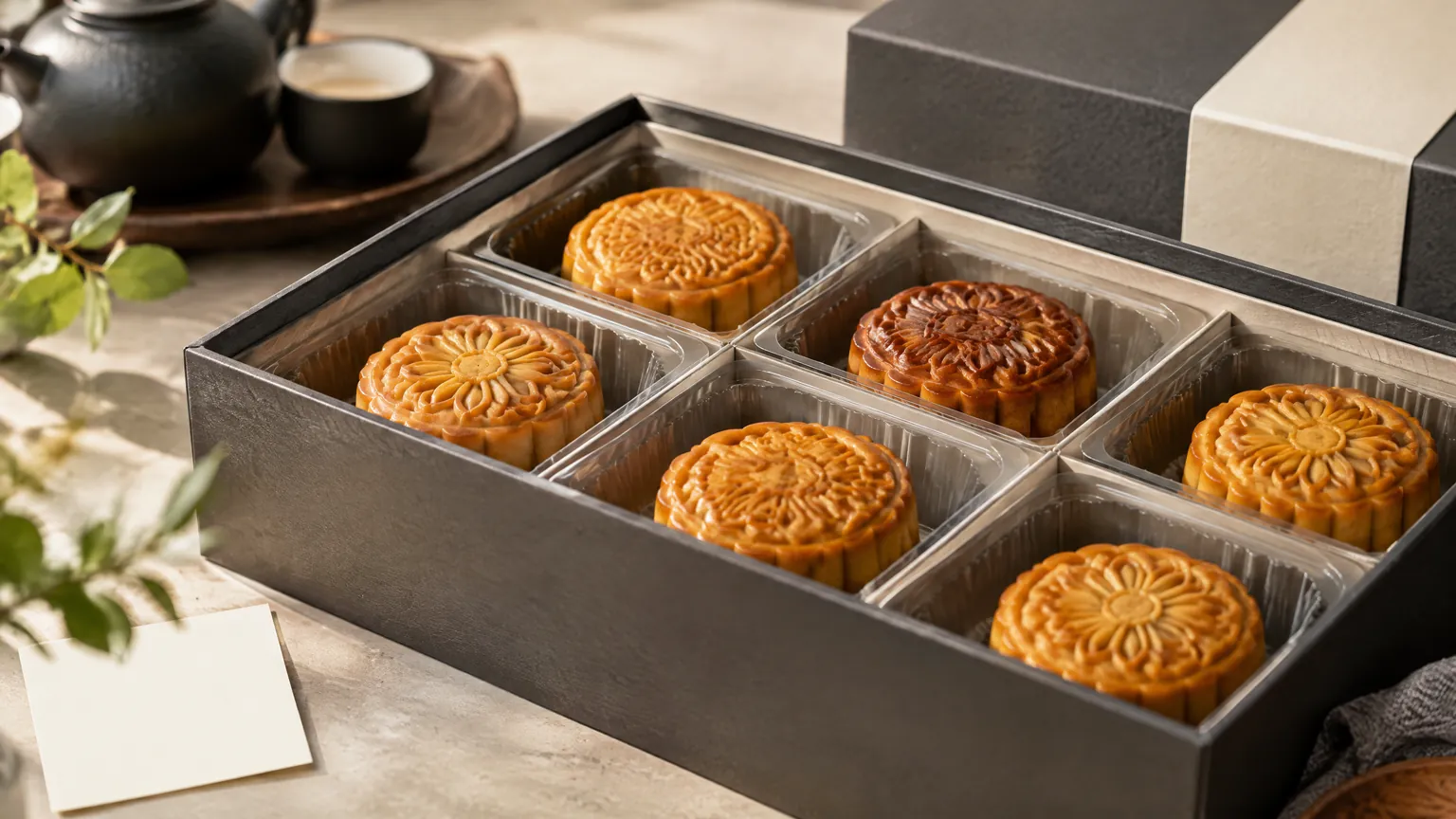
Pet Birthday Baking: What to Ask Before Ordering or Joining a Class
GotGear and YumYum (including its gifting, baking and florist branches) share an owner; this collection is not an independent recommendation. GotGear does not provide catering, gifting, cake, floral, tuition or rental services. External-service information is separate from GotGear’s equipment catalogue; confirm the actual scope with the relevant provider. Articles are general planning information, with no promises about supply, arrangements or outcomes. Concept photos are not records of real events, customers or classes.
The short answer
Before ordering a pet birthday cake or booking a baking class, obtain the complete ingredient information, discuss individual suitability with your pet's veterinarian, and confirm what the provider will actually supply or teach. Treat pet-safe wording as a provider label, not approval for your particular animal.

Before ordering a pet birthday cake or booking a baking class, obtain the complete ingredient information, discuss individual suitability with your pet's veterinarian, and confirm what the provider will actually supply or teach. Treat pet-safe wording as a provider label, not approval for your particular animal. A birthday photograph, an attractive shape and a short workshop description cannot answer those questions. The FDA explicitly directs questions about individual pet health and the specific use of pet food to the pet's veterinarian. 1
This is a same-owner GotGear and YumYum journal resource, not an independent recommendation. GotGear does not provide food, floral, gift, class or rental services. The following enquiry process helps you decide whether an order, a learning activity or a celebration without a new edible item fits your plans.
Start with the animal, not the cake design
Write down who the item is intended for before browsing decoration ideas. A dog birthday and a cat birthday are not interchangeable briefs. If several animals will attend, each owner needs to decide about their own pet; the host cannot settle suitability by choosing something described as suitable for pets generally. Keep the birthday animal's food separate from the refreshments for people.
For a home gathering in a small Hong Kong flat, decide whether the cake is meant to be eaten, photographed or both. A decorative object can serve the photograph without becoming a feeding decision. If eating is part of the plan, identify the person responsible for obtaining ingredient information and speaking with the veterinarian. Agree this before a relative surprises the household with an unfamiliar cake.
Think of the first decision as a pause point: are there existing dietary instructions or unanswered questions about this animal? If yes, gather the provider's information for the veterinarian before making a commitment. If the provider cannot explain what is in the item, choose another celebration format rather than asking the veterinarian to assess a photograph. General online information does not resolve an individual animal's health question. 1

Translate a pet-safe label into answerable questions
The Pet-Safe Birthday Cakes page is a starting point for a pet-cake enquiry, but its category wording should not settle your decision. Ask what species the proposed item is intended for, request the ingredients for the exact design, and explain any restrictions already given by your pet's veterinarian. A design discussion and a suitability discussion need separate answers.
Words such as natural, wholesome or sugar-free are not a complete ingredient statement. The FDA warns that xylitol can appear in baked goods, some nut butters and sugar-free products; it may also be called birch sugar or wood sugar. That is a dog-specific reason to check actual ingredient information rather than relying on reassuring wording. It is not an invitation to approve the remaining ingredients yourself. 2
Request the details for every component
Ask for information covering the base, filling, coating, decoration and any edible-looking topper. Compound ingredients matter: the name of a spread or ready-made decoration may conceal a longer ingredient list. Request the relevant label information where appropriate, and ask whether the information describes the proposed item or merely a sample design. You need an answer that can be passed on accurately, not a general statement about the bakery's approach.
Ask what happens if an ingredient is unavailable. An unannounced substitution can make previously supplied information obsolete. A useful arrangement is for the provider to explain any proposed change before proceeding, leaving you time to seek further advice. If that cannot be agreed, simplify the design or postpone the edible part of the celebration. Do not assume a similar colour or flavour means a similar composition.
Do not turn a hazard list into an approved-food list
The ASPCA lists chocolate, coffee and caffeine among foods to avoid feeding pets, and identifies grapes and raisins as a concern for dogs. It also explains that onion, garlic and chives can harm cats and dogs. These examples show why human celebration bakes cannot simply be repurposed for a pet. They do not establish that a cake without those ingredients is suitable. 3
The same source notes that dairy products can cause digestive upset in pets and that raw or undercooked ingredients can present hazards. A provider's description of a creamy coating or a fresh ingredient therefore needs clarification, not an automatic positive response. Ask the provider what is used and take individual questions to the veterinarian. This article offers no recipe, ingredient substitution or serving calculation. 3

Choose the order route when the finished item is the priority
Ordering may fit when the household wants a completed presentation and does not want the making activity. It still involves decisions beyond colour and shape. Confirm whether the provider can supply the ingredient information you need before finalising the item, whether a simpler design is possible, and which details remain subject to confirmation. A beautiful reference photograph is not a description of every component.
For example, if you are arranging a birthday at home in Tseung Kwan O after work, nominate a household member to receive the box. That person should have the order description and storage instructions, not just a message saying that a cake is coming. If the birthday animal is with another family member, make sure the receiver knows that opening the package is not permission to feed it.
Decide in advance what you will do if the received item does not match the confirmed information. Keep it away from the animal while asking the provider to clarify. If the composition cannot be established, the photograph can wait and the edible item can remain unused. A calendar date should not force an unresolved feeding decision.
Choose a class for the activity, not for automatic reassurance
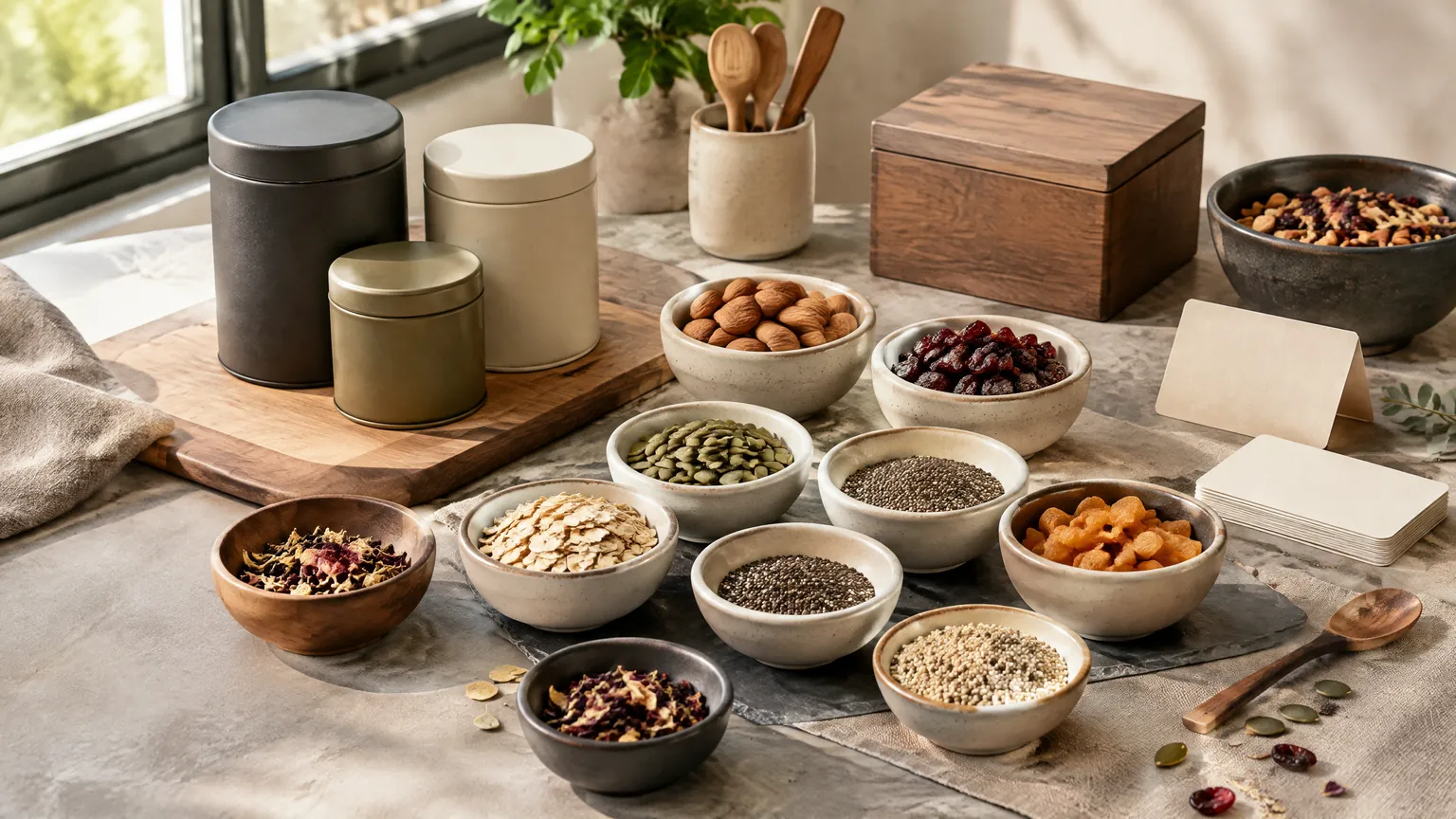
A Pet Baking Class enquiry should begin with the exact session and its intended species. Ask what participants make, whether the full ingredient information is available before booking, and whether the proposed work can accommodate the restrictions you need to discuss. The provider's pet-focused description is not evidence that the result suits every dog or cat.
If a workshop refers to veterinary approval, ask what precisely that statement covers and whether supporting information is available. Do not assume that it applies to every variation, to substitutions or to your animal's circumstances. A general recipe statement is different from advice about the specific use of food for an individual pet. The latter belongs with the pet's veterinarian. 1
A class may still be worthwhile as an adult creative activity even if its finished item will not be fed to your pet. Make that distinction before booking. Ask whether participants can choose not to take food home, or whether the session offers a non-feeding design exercise; do not assume either option exists. If your main interest is decorating, explain that clearly instead of requesting a dietary workaround.
Confirm participation separately from the pet theme
Pet-themed does not necessarily mean pets can enter the teaching space. Confirm animal access directly, along with the teaching address, language, accessibility and any rules for accompanying children. Ask who will perform the hands-on work and whether participants share a finished item. These are session arrangements, not conclusions that can be drawn from the category title.
If colleagues in Kowloon Bay want to celebrate someone's dog by attending together, distinguish a human group activity from a pet party. Do not promise that the dog can attend or that every colleague will leave with a separate gift. Ask the studio about group participation and the take-home allocation before describing the outing to anyone else. The owner should remain responsible for deciding what, if anything, their pet receives.

Keep general baking and short-format classes in their proper role
A general Baking Class can help you explore the human baking activity you want to practise, but it should not be assumed to teach pet-specific preparation. Ask whether the session is for human food, what skills it covers and whether a pet-focused option is actually available. If the answer is human baking only, keep the result for the intended human audience rather than adapting it for an animal.
That distinction is particularly important when a group has mixed interests. One person may want to learn piping for family birthdays while another wants to make something for a cat. A broad category does not resolve both requests. Agree the shared purpose first, or arrange separate activities. This avoids asking an instructor to change the intended use of a finished bake midway through a session.
The One Day Baking Class page describes a short-format learning route, not automatic pet suitability. Before tying it to a birthday, ask about the chosen activity, the expected finish and packing stage, and the information supplied with anything taken home. A single visit is a scheduling format; it does not establish that its contents belong in a pet's diet.
For a Saturday celebration in Sai Kung, leave room between the learning activity and the gathering rather than building the event around an assumed departure time. Confirm whether an item needs to remain at the studio before it can be packed. If the class and birthday cannot sensibly fit together, attend on another day and keep the birthday plans independent.

Make the handover as clear as the enquiry
For either route, request storage and transport instructions for the exact finished item. Ask what packaging is provided and whether your planned journey and receiving arrangements fit those instructions. Do not borrow a storage window from another cake or an online recipe. If your home fridge has limited space, find out the box dimensions before committing to a design that may not fit.
Keep the box supported as the provider instructs, with a receiving surface ready at home. Clear space before collection rather than balancing the item among shopping bags. If you plan a further stop between the studio and the household, tell the provider about it and ask whether the item can be handled as planned. Their answer may mean changing the route, not simply changing the bag.
Record any non-edible decorations and ask how they should be removed. At the gathering, put one adult in charge of the item and keep the information available to that person. Guests should not offer it to other pets on the assumption that sharing is part of the party. Packaging and separation help avoid confusion; they do not establish ingredient suitability.
If you think a dog has eaten a product containing xylitol, contact your veterinarian or an emergency veterinary clinic straight away rather than waiting for the provider to reply. For suspected exposure to other hazardous foods, the ASPCA likewise advises contacting a veterinarian and noting the amount ingested. Keep the packaging and ingredient information available; this is an emergency enquiry, not a customer-service dispute. 2
A short checklist before you commit
Use this final check to decide whether you have enough information to proceed. An unanswered item is a reason to ask again or choose a simpler celebration, not to infer a favourable answer.
- Identify the intended animal and any existing dietary instructions.
- Obtain ingredient information for the exact item, including decorations and possible substitutions.
- Take individual suitability questions to the pet's veterinarian.
- Confirm the order scope or the chosen class activity and participation rules.
- Agree packing, storage, transport and the responsible receiver.
A pet birthday does not depend on a new edible centrepiece. You can mark the day with photographs or quiet time together while leaving an uncertain cake out of the plan. Choose an order when its confirmed scope fits, choose a class when making is the activity you want, and choose neither when the necessary information is missing. The useful outcome is a clear decision, not a cake obtained at any cost.

Common questions
Does a pet-safe cake label mean it is suitable for my dog or cat?
No. Request the exact ingredient information and discuss individual suitability with your pet's veterinarian. A provider label or design photograph does not answer that question.
What should I ask if a pet baking class says its recipes are veterinary approved?
Ask what the statement covers, whether supporting information is available, and whether it applies to the chosen session and any substitutions. Do not treat it as advice about your particular pet.
Can I use the result of a general one-day baking class for a pet birthday?
Do not assume so. Confirm whether the session is genuinely pet-specific. Human baking results should remain for their intended human audience rather than being adapted for a pet.
Can my pet come to a pet-themed workshop?
Confirm animal access directly before booking. A pet theme does not establish permission to enter the teaching space; also check the session location and rules for accompanying people.
Sources & what they support
Each reference supports only the stated scope. Citations are not independent endorsements of YumYum or its branches and do not confirm a provider’s current arrangements or any individual outcome.
- FDA: Pet Food (opens in a new tab)
FDA states that its Center for Veterinary Medicine does not recommend one product over another or provide individual pet health guidance, and directs questions about individual health and specific use of pet food to the pet's veterinarian. Used for that boundary only, not as Hong Kong regulatory guidance.
- FDA: Paws Off Xylitol; It's Dangerous for Dogs (opens in a new tab)
Xylitol can occur in baked goods, some nut butters and sugar-free products, may be called birch sugar or wood sugar, and is dangerous to dogs. Supports ingredient-label checking and immediate veterinary contact after suspected ingestion, not equal-risk claims for all species.
- ASPCA: People Foods to Avoid Feeding Your Pets (opens in a new tab)
Supports cautions about chocolate, coffee and caffeine; grapes and raisins for dogs; onion, garlic and chives for cats and dogs; dairy-related digestive upset; raw or undercooked ingredient hazards; and contacting a veterinarian after suspected hazardous-food exposure while noting the amount ingested. Does not approve any cake, recipe or provider.