Host a Small Mooncake Tasting with a Clear Storage and Sharing Plan
GotGear and YumYum (including its gifting, baking and florist branches) share an owner; this collection is not an independent recommendation. GotGear does not provide catering, gifting, cake, floral, tuition or rental services. External-service information is separate from GotGear’s equipment catalogue; confirm the actual scope with the relevant provider. Articles are general planning information, with no promises about supply, arrangements or outcomes. Concept photos are not records of real events, customers or classes.
The short answer
Choose a modest selection with contrasting textures, read each product's ingredient and storage labels before confirming it, and arrange suitable refrigeration before the boxes arrive. Serve small tasting portions in stages, keep the labels with their mooncakes, and reserve unopened products for any planned take-home sharing.
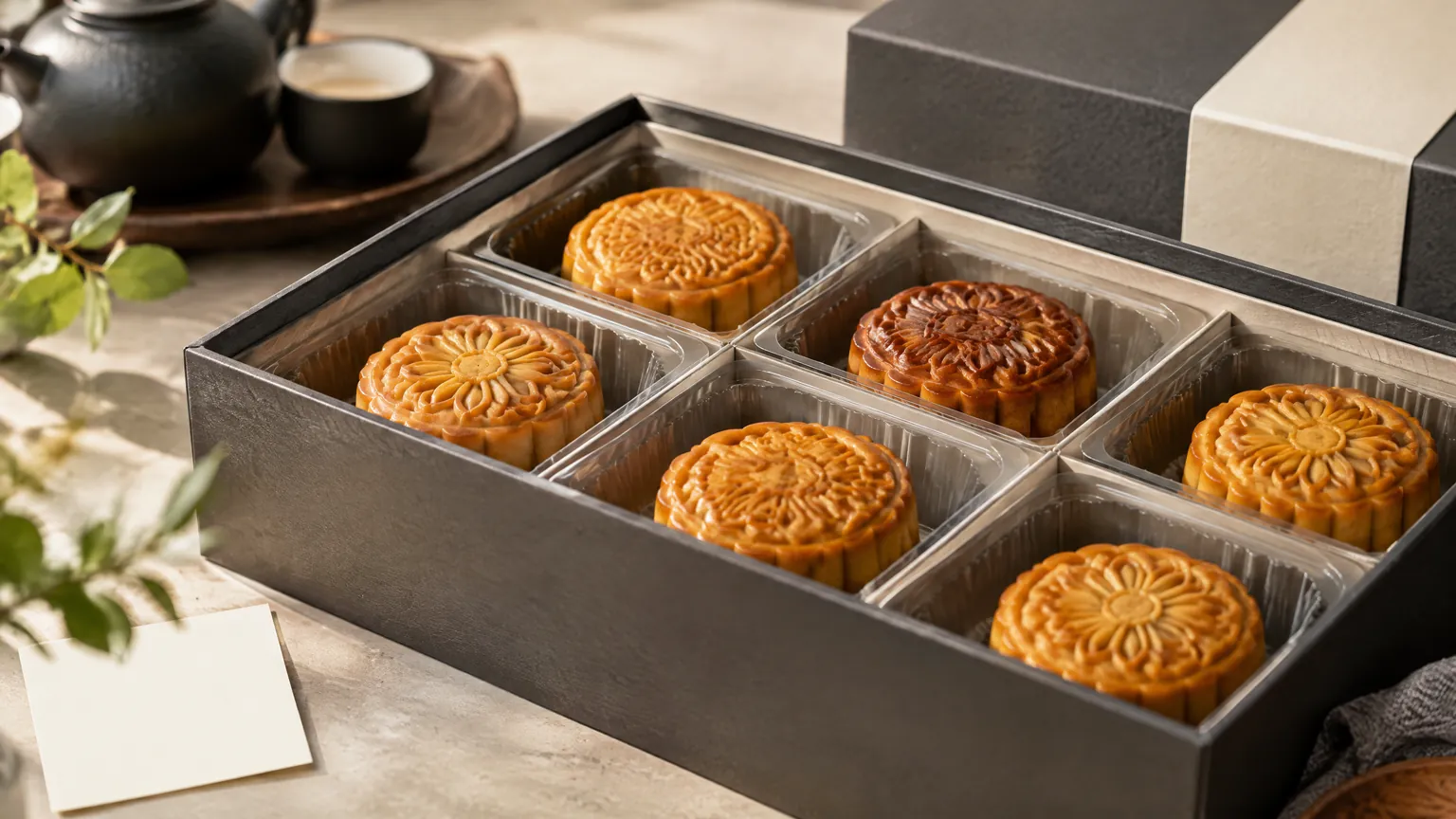
Choose a modest selection with contrasting textures, read each product's ingredient and storage labels before confirming it, and arrange suitable refrigeration before the boxes arrive. Serve small tasting portions in stages, keep the labels with their mooncakes, and reserve unopened products for any planned take-home sharing. A small tasting works best when the host knows what can be served now, what must stay cold and who will receive the remaining boxes.
For a Hong Kong household gathering or a short office tea break, the aim need not be to find a universal favourite. Give people an easy way to compare a soft skin, a baked crust and different filling consistencies without expecting them to finish a whole pastry. The Centre for Food Safety recommends sharing mooncakes with family and friends to try different flavours and avoid excessive consumption.1
GotGear and YumYum share an owner. This article is a planning resource in GotGear's journal, not an independent provider endorsement; GotGear does not provide food, flowers, gifts, classes, rental services or delivery arrangements.
Choose textures before choosing a large assortment
Start with the people and the setting. For example, six colleagues in a Kwun Tong office may have only a short break before returning to calls, while a family at home in Sha Tin can linger over tea. Ask whether guests enjoy a chewy skin, a firmer baked exterior or a softer centre. These are preference questions, not promises about the texture of any particular order. A photograph of a cut mooncake cannot tell you how it will feel when served under the maker's instructions.
The Snow Skin Mooncake resource can help frame an enquiry about soft-skinned styles and filling presentation. Use it to ask which product matches the texture you want, then request its current ingredient label and storage instructions. Do not treat colourful skins as evidence of a particular fruit content, ingredient exclusion or confirmed flavour availability.
A small selection should have a reason for each inclusion. One guest may want to compare the outside layers; another may be interested in the contrast between a dense filling and a softer centre. Choose enough variety to answer those questions, rather than adding every attractive design. Allow guests to decline a sample without explaining themselves, and plan a non-tasting seat at the same table so participation does not depend on eating.
For a flowing-centre comparison, the Lava Mooncake resource describes custard-style filling presentation. Ask what consistency to expect under the exact product's serving instructions, whether warming is suggested and how it should be stored beforehand. The word lava is not a refrigeration instruction, and a flowing centre in a reference image does not establish that every product must be heated.
Keep your selection note plain: intended texture, confirmed product, relevant label and intended serving stage. This is more useful than declaring an overall winner before anyone tastes. If an option needs handling you cannot provide, remove it from the selection rather than improvising a different storage method.

Read the labels while you can still change the selection
Ask for readable label information before agreeing the assortment, and check the actual packaging again when it arrives. Keep each flavour associated with its own information. A mixed outer box may not make every inner piece identical: inspect whatever product-specific labels and instructions are supplied rather than assigning one storage rule to the entire collection. CFS advises checking packaging and expiry dates and following package storage instructions.1
Separate ingredient questions from flavour preferences
A request for a less sweet taste is different from a requirement to avoid an ingredient. Ask guests privately what information they need, then put that question to the supplier without turning it into a public discussion of anyone's health. For an office tasting, a simple invitation can say that ingredient information will be available and that guests are welcome to join without tasting.
CFS identifies allergen information on labels as an important tool for recognising ingredients that need to be avoided. Its explanation covers ingredients such as eggs, milk, cereals containing gluten, peanuts, soyabeans and tree nuts. It also explains that precautionary statements about possible traces or shared premises concern unintended allergen presence.3 Read the full information relevant to the guest, not just the flavour name on the front.
Ask about the skin, filling and any topping together. A fruit-named filling does not answer whether other ingredients appear elsewhere in the pastry. Separate plates and utensils may help preserve the identity of samples, but do not turn a shared tasting into an allergen-free setting. If the supplier's response remains unclear, do not describe the item as suitable for the guest; offer participation without food and let them make their own choice.
Preserve the information after opening
Keep the original packaging beside the preparation area, away from the tasting plates, and make a simple sample key from it. The key might identify sample A as the soft-skinned option and sample B as the baked option, with the corresponding original labels available to read. Do not replace a detailed ingredient list with your own shortened interpretation.
In a small flat, it is tempting to clear every box away as soon as guests arrive. Set aside a slim folder or a clean space for the labels instead. If you photograph them for convenience, make sure the text is legible and the image can be matched to the right product. Retain the originals for anyone who takes an unopened piece home.
Check fridge space before agreeing the handover
Cold storage is a selection constraint, not an afterthought. CFS advises keeping snow-skin mooncakes at 4°C or below and consuming them as soon as possible after removal from the refrigerator. The Singapore Food Agency likewise advises prompt refrigeration of snowskin mooncakes after purchase and attention to storage instructions and expiry dates.1 For this Hong Kong gathering, use the local CFS temperature advice alongside the actual product instructions.
Look at usable space, not just whether there is a fridge in the building. Ask for the dimensions of the packaged products and check that they fit without displacing someone else's food. At an office, identify who can access the refrigerator when the boxes arrive. An empty shelf behind a locked pantry door is not a workable receiving plan if the only key holder is in a meeting.
Keep mooncakes properly wrapped and separate from raw food in the refrigerator, as CFS advises.1 For a household gathering, reserve a suitable clean space before leaving to collect the order. If the decorative outer box is too large, ask the maker how the labelled inner packages may be stored; do not assume you can remove protective packaging without affecting the product or losing necessary information.
Write down the intended arrival and tasting times separately. The receiver's first task is to put products into the storage specified for them, not to leave them on the table until the host finishes decorating. If the venue cannot support the required cold storage, choose a different confirmed product or hold the tasting somewhere else. A smaller range is preferable to a selection whose instructions cannot be followed.
Make the receiving plan about the actual products
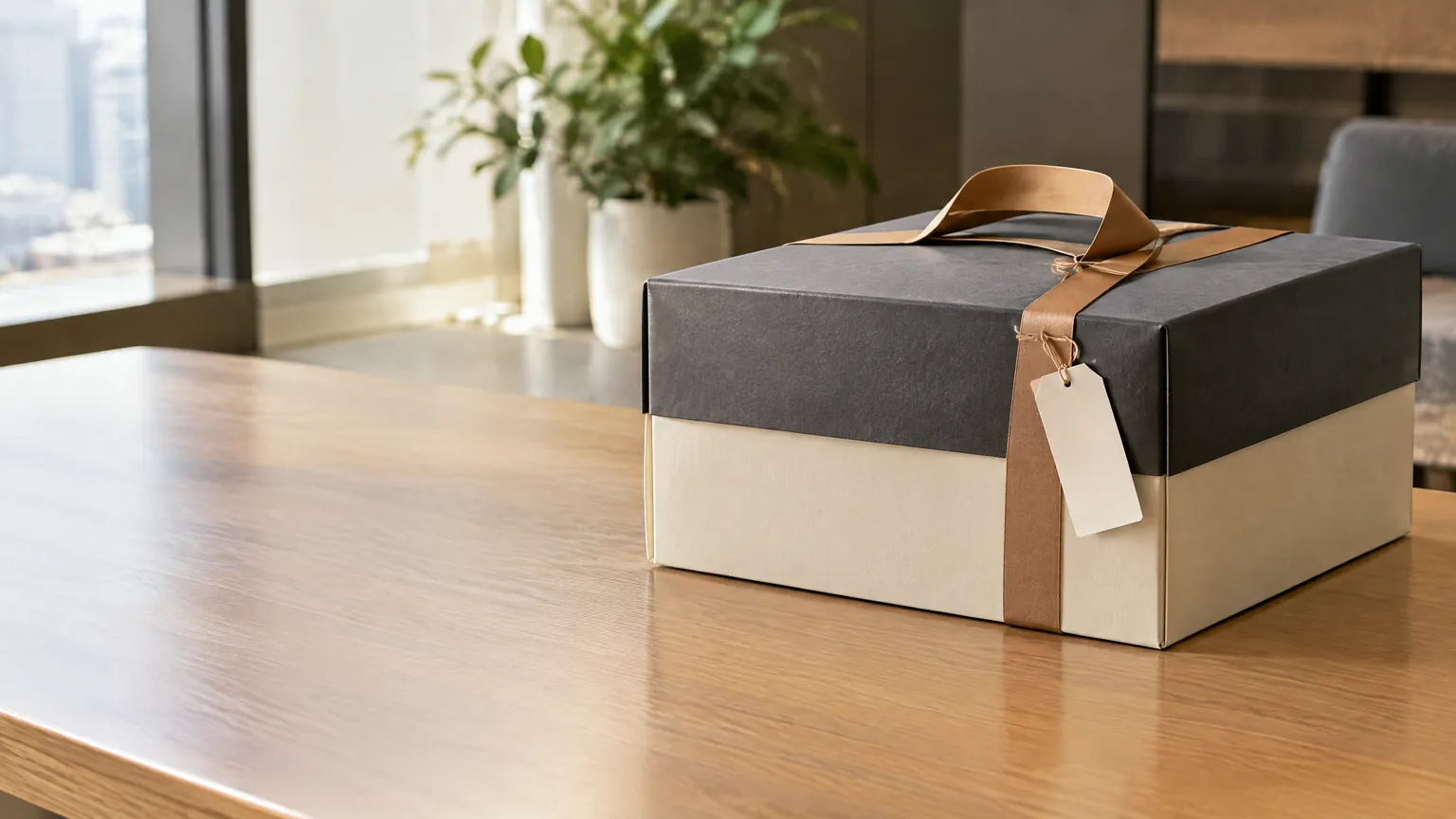
A delivery destination is more than a street address. In a Central office building, the person at the lobby desk may not be allowed upstairs or may not know which pantry has the reserved space. Give the receiving contact the floor, access arrangement and storage location. Name a backup who can act if the main contact is on a call, and tell both what products require prompt refrigeration.
The Cake Delivery resource is useful for identifying questions about the destination, preferred arrival window and designated recipient. Its cake-focused scope does not itself confirm suitable transport for your mooncakes. Ask the provider whether the proposed arrangement covers the chosen products, what chilled handling is available where needed and what instructions apply at handover; do not assume an exact arrival time or automatic coverage.
For collection followed by an outdoor journey, CFS advises using an icebox to carry snow-skin mooncakes and consuming them as soon as possible.1 Ask how to maintain the required conditions across the whole journey, including waiting and the walk from the station. An ordinary gift bag should not be treated as proof of cold protection simply because the trip feels short.
At receipt, match the boxes to the agreed selection, check the packaging and read the dates and storage instructions. If a product appears damaged or its handling history is uncertain, keep it out of the tasting while asking the supplier what to do. The Singapore Food Agency advises against consuming mooncakes that are discoloured or smell unpleasant.2 An acceptable appearance, however, is not a substitute for following storage instructions.

Serve a comparison, not a crowded display
Arrange a small tasting area where each sample can be identified without a long explanation. Put the sample key where people can read it before choosing, and leave room for individual plates. Wash hands with liquid soap and running water before handling or eating mooncakes, following CFS advice. The Singapore Food Agency also advises keeping food-contact surfaces, equipment and crockery clean.1
Cut only what you expect to serve in the next stage, using clean utensils and keeping the remaining products stored as instructed. This staged approach supports CFS advice to consume snow-skin mooncakes promptly after removing them from the refrigerator.1 It also avoids making the decorative display the reason every piece stays out for the entire gathering.
Invite specific observations rather than scores. Ask whether the skin feels chewy or tender, whether the filling is firm or soft, and which combination the guest would choose for another small serving. Keep comments about perceived sweetness separate from nutritional claims: tasting cannot establish the sugar content of a product. If nutrition information matters to the decision, refer to the label rather than the group's impressions.
In the office example, serve the first comparison when everyone is ready rather than leaving plates out for colleagues who may join much later. In the household example, keep a separate unopened portion for a late-arriving family member. Do not ask guests to compare products at temperatures that conflict with their instructions just to make the tasting seem more controlled.
A blank preference card can have two prompts: the texture I preferred, and the question I would ask before choosing this for a gift. That second prompt turns an enjoyable tasting into a useful decision. Someone may like a soft skin but decide it is unsuitable for a recipient with no dependable refrigeration. Another may value individually labelled portions more than an elaborate outer box.

Keep take-home sharing separate from the tasting plates
Decide before opening the boxes whether this is a tasting only or also a take-home gift. For planned gifts, reserve unopened, labelled products rather than relying on whatever cut pieces remain. This preserves the original information and makes it easier for the recipient to understand what they are receiving. It does not remove any storage requirements.
The Mooncake Gift Box resource can inform an enquiry about compartments, assortments and presentation. Confirm whether a small selection is available and how its contents are labelled; the page's corporate-gifting emphasis does not establish that every displayed arrangement suits a modest gathering. Ask whether any intended separation into smaller gifts preserves the product packaging and instructions.
Consider a colleague travelling from Kowloon to a family dinner after work. A chilled gift is not automatically a good choice if it will spend the evening in a bag with no suitable storage. Agree the onward journey and refrigeration with the recipient before handing it over. Where the required conditions cannot be maintained, keep the gathering as a tasting and choose another sharing arrangement instead.
Do not give a take-home package a new expiry date or a made-up allowance for time outside the fridge. Pass on the maker's instructions and keep any uncertainty attached to the relevant item. The simplest successful plan may be to share modest portions at the gathering and send no food home. That is a deliberate choice, not a failure of hospitality.
A short checklist before guests arrive
- Confirm the selected textures, actual products and readable labels.
- Reserve suitable storage and name the receiver and backup.
- Match each sample to its packaging and keep ingredient information accessible.
- Set out clean utensils and serve chilled products in small stages.
- Hand over only planned take-home items with their original instructions and a workable onward-storage plan.
Use the checklist to settle unfinished decisions, not to add tasks to the evening. Once the products are stored correctly and the labels are available, the host can focus on conversation. A good small mooncake tasting leaves guests with a clearer preference and gives every remaining box an identified destination, rather than leaving the last person in the room to guess what belongs in the fridge.
Common questions
Can I put snow-skin and lava mooncakes on the same display for the whole tea break?
Do not give both products one assumed display rule. Check each label; CFS advises snow-skin mooncakes be kept at 4°C or below and consumed promptly after removal. Serve small stages and keep the remaining products stored as instructed.
Must a flowing-centre mooncake be warmed before tasting?
Not on the basis of its name or a photograph. Ask for the exact product's serving instructions and expected filling consistency. If warming is suggested, confirm the method rather than improvising one.
What should I do if a colleague's ingredient question is unanswered?
Do not present the mooncake as suitable for them. Keep the original information available, ask the supplier for clarification and offer a way to join the gathering without eating. Separate utensils are not an allergen-free guarantee.
Should I send chilled mooncakes home with someone who is going out after work?
Only arrange that handover when the recipient can maintain the required conditions throughout the onward journey and store the product as instructed. If that is not workable, keep it as a tasting rather than sending an unsuitable take-home gift.
Sources & what they support
Each reference supports only the stated scope. Citations are not independent endorsements of YumYum or its branches and do not confirm a provider’s current arrangements or any individual outcome.
- CFS announces test results of seasonal food surveillance project on mooncakes (opens in a new tab)
Consumer advice on sharing mooncakes, packaging and expiry checks, following storage instructions, snow-skin storage at 4°C or below, prompt consumption after refrigerator removal, icebox transport outdoors, wrapping and separation from raw foods, and handwashing. No inference about YumYum product testing or credentials.
- Singapore Food Agency: Safety of Mooncakes (opens in a new tab)
Prompt snowskin refrigeration after purchase, following package storage and expiry information, clean food-contact surfaces and crockery, and avoiding mooncakes with discolouration or unpleasant smell. Singapore surveillance results are not used as evidence for a Hong Kong provider.
- Centre for Food Safety: Understanding Food Labels – Food Allergens (opens in a new tab)
Ingredient and allergen information as a tool for identifying ingredients to avoid; relevant allergen examples; precautionary statements concerning unintended allergen presence through shared production or cross-contact. No medical clearance or guarantee.