Send a Housewarming Gift After Asking About the Unpacking Plan
GotGear and YumYum (including its gifting, baking and florist branches) share an owner; this collection is not an independent recommendation. GotGear does not provide catering, gifting, cake, floral, tuition or rental services. External-service information is separate from GotGear’s equipment catalogue; confirm the actual scope with the relevant provider. Articles are general planning information, with no promises about supply, arrangements or outcomes. Concept photos are not records of real events, customers or classes.
The short answer
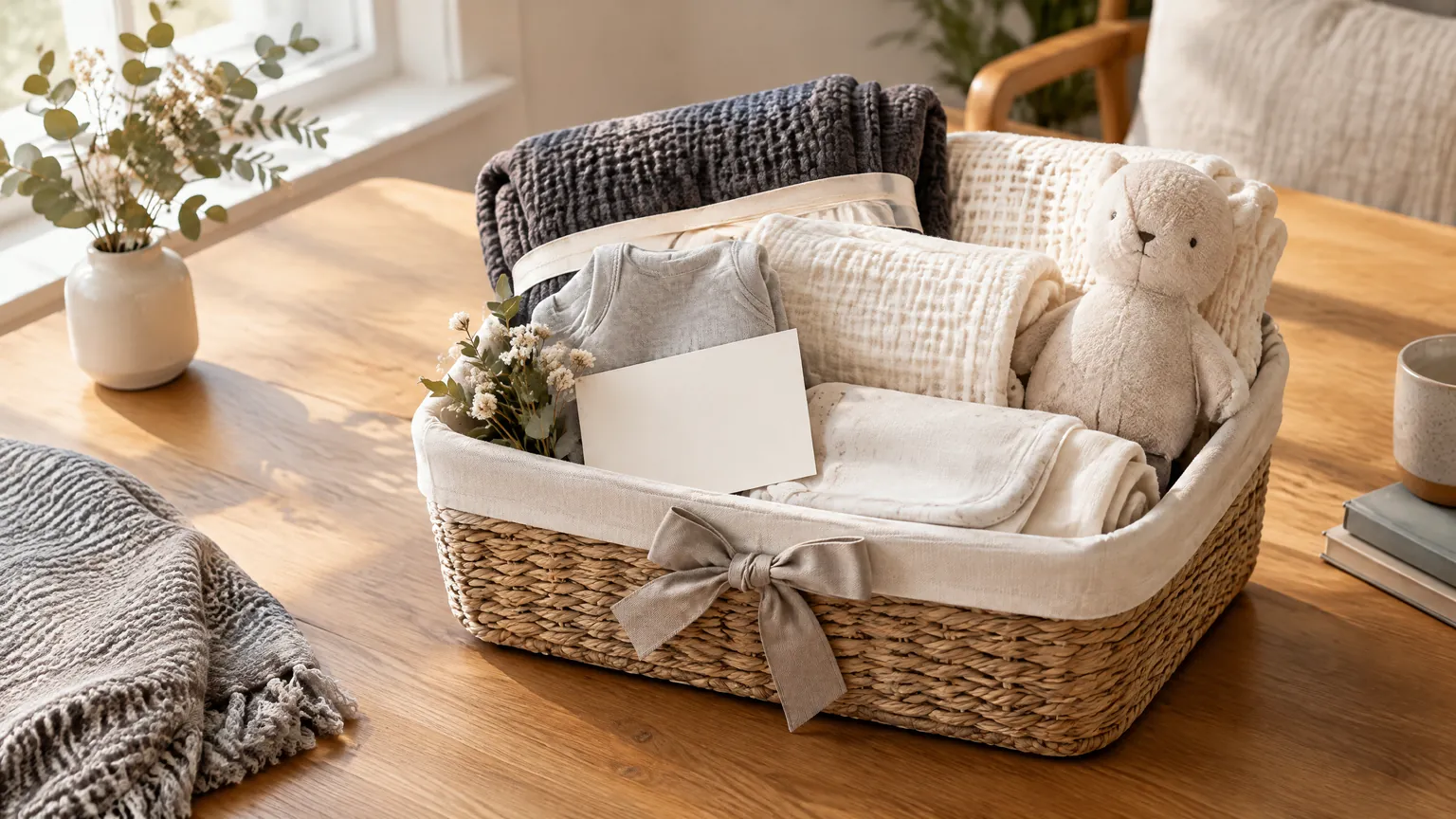
Ask when the household will have a clear surface, suitable storage and someone available to receive a gift. Then choose a useful set or basket that fits that stage of the move, rather than sending a large surprise on key-collection day. Confirm the contents and handover arrangements before placing an order.
Ask when the household will have a clear surface, suitable storage and someone available to receive a gift. Then choose a useful set or basket that fits that stage of the move, rather than sending a large surprise on key-collection day. Confirm the contents and handover arrangements before placing an order. A later gift can still celebrate the new home without becoming another box that needs immediate attention.
This is a same-owner planning journal: GotGear and YumYum share an owner. GotGear does not provide food, floral, gift, class or rental services. The linked YumYum topics are related enquiry resources, not an independent endorsement or confirmation of particular products and arrangements.
Ask about readiness, not just the moving date
The date on which someone gets the keys tells you little about where a present will go. Furniture may arrive later, a kitchen cupboard may still need cleaning, or the household may spend the first evenings at a relative’s home. Ask one practical question: would a small gift be welcome during unpacking, or would they prefer it after the main boxes are cleared? Let their answer determine the timing.
Make that question easy to answer. Instead of requesting a detailed moving schedule, offer a choice between a quiet handover soon and a visit once they are settled. Ask whether food or a small household item would be more useful. Someone who has already packed their favourite mugs may welcome a cloth but not another ceramic set. Someone who has not organised meals may prefer a modest food gift, provided they can store it appropriately.
Imagine a friend moving into a flat in North Point while also returning to work the next morning. The useful detail is not simply that the move happens on Saturday. It is whether they will be in the flat, whether a table is accessible and whether they want visitors at all. A welcome card now and a gift later is a reasonable response if those arrangements are uncertain.
For a colleague, keep the enquiry private. A workplace group can nominate one organiser to ask about preferences without turning the move into a shared discussion of the person’s address or household circumstances. Other contributors need to know the agreed gift direction, not the recipient’s entire unpacking plan.

Match the gift to a stage of the move
While the home is still full of boxes
At this stage, choose only what the household actively wants and can deal with easily. A compact parcel may be manageable, but small does not automatically mean useful: fragile objects still need somewhere secure, and food may need prompt storage. If the recipient says that cupboards and refrigeration are not ready, waiting is more considerate than trying to find a clever workaround.
Avoid adding an obligation to entertain. You can make clear that there is no expectation of a housewarming party, a photograph or an immediate thank-you message. If you will carry the gift yourself, confirm that the proposed visit fits around the move rather than arriving while movers or contractors are using the entrance.
Once ordinary household routines have started
When the kitchen and dining area are usable, the choice can become more specific. Ask what remains missing, what has already been bought and whether anyone else is arranging a gift. A set intended for everyday use becomes easier to assess when the recipient knows its likely cupboard or shelf. A basket becomes easier to assess when the household knows when it will be opened.
Do not treat a later weekend as a universal deadline. A household may be comfortable receiving something before every box is unpacked, while another may want to postpone until repairs are complete. Readiness is the recipient’s decision. Agree a preferred period first, then check what the provider can actually arrange rather than selecting contents around an unconfirmed date.

Compare what happens after the wrapping comes off
A useful comparison starts with the recipient’s next task. A practical set needs storage and an intended use. A fruit basket needs attention to its contents and suitable storage. A pantry-style hamper needs room for several packages and a check of each item’s instructions. None is automatically the best housewarming present; the better option creates the least unwanted work for that household.
The Housewarming basket topic is relevant when the recipient would enjoy a fruit-focused welcome gift. Use it to begin a conversation about the proposed assortment, overall size and how the fruit is presented, rather than assuming a fixed package. For a person living alone who has asked for a small gesture, request a manageable assortment instead of choosing a large display simply because it looks celebratory.
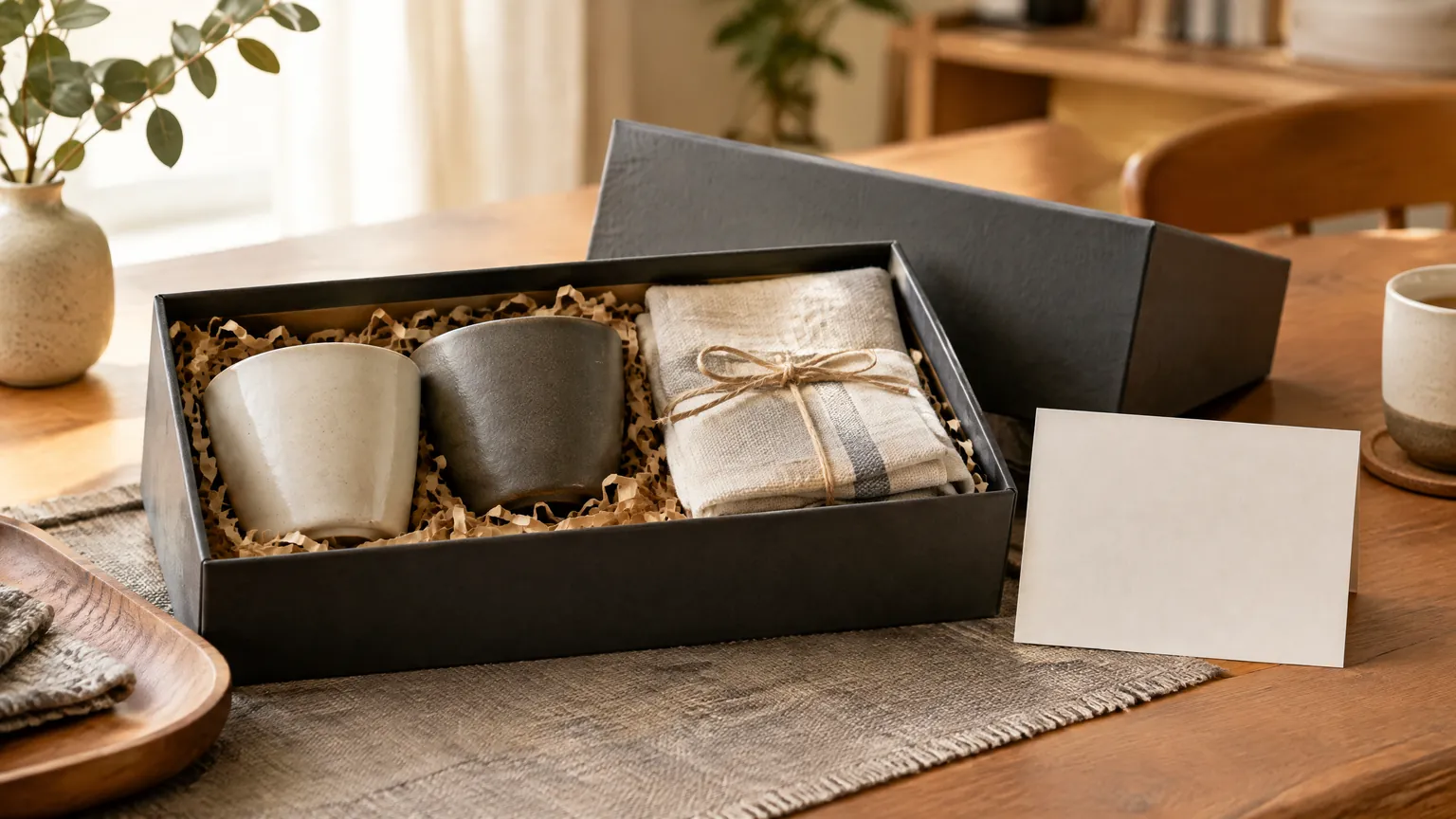
For durable objects, the Home & living gift sets topic can frame an enquiry about useful combinations, but it should not be treated as an itemised inventory. Ask for the actual items, dimensions and care information before deciding. In a hypothetical Sha Tin household that has already unpacked its tableware, a requested cloth could be more useful than additional cups; a photograph of an attractive set cannot settle that question.
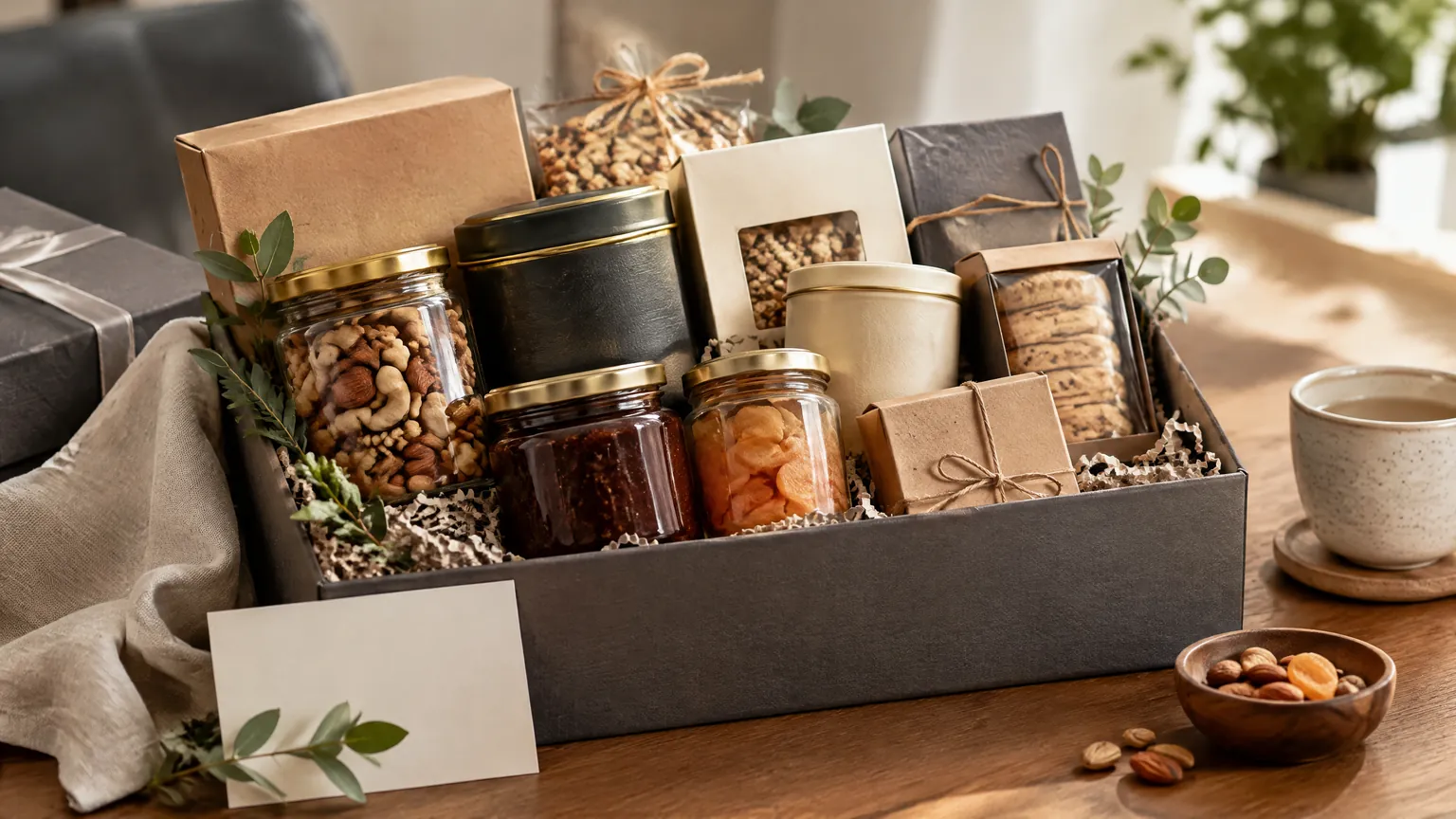
The Housewarming hampers topic provides a separate starting point for discussing a mixed welcome gift. Confirm whether the proposed version contains food, household objects or both, and ask how each component is protected. A basket containing several individually useful things can still be inconvenient if its container has nowhere to live. Treat keeping the basket as an optional benefit, not a duty imposed on the recipient.
Ask about preferences without requiring an explanation. If the household declines alcohol, scented products or particular foods, record the exclusion and move on. Where ingredient suitability matters, request the actual product information; do not infer it from a colour scheme, hamper name or general description. Do not assume a gift is free from allergens. If the necessary information cannot be confirmed, discuss a simpler non-food choice.
Check the packed size as well as the gift itself
The space question has two parts: where will the unopened parcel be put, and where will its contents go later? Ask for the packed dimensions, not only the measurements of a cup or jar. Handles, protective wrapping and an outer carton may change the amount of space needed. Consider who will carry it from the receiving point and whether they are comfortable handling that shape.
For example, a household in an older Kowloon walk-up may prefer one compact box that the recipient can comfortably carry. That does not establish whether any provider will carry it upstairs. The address, stairs, access conditions and handover endpoint still need checking. If an agreed handover would leave the recipient struggling with a bulky basket, choose another format or another occasion.
Inside the home, picture a real placement rather than a styled photograph. Is the only clear table being used for sorting kitchen boxes? Is the intended cupboard already occupied? A gift should not require the household to rearrange furniture or clear a display area merely to accommodate it. Ask for an approximate available footprint if needed; there is no need to request a photograph of the entire flat.
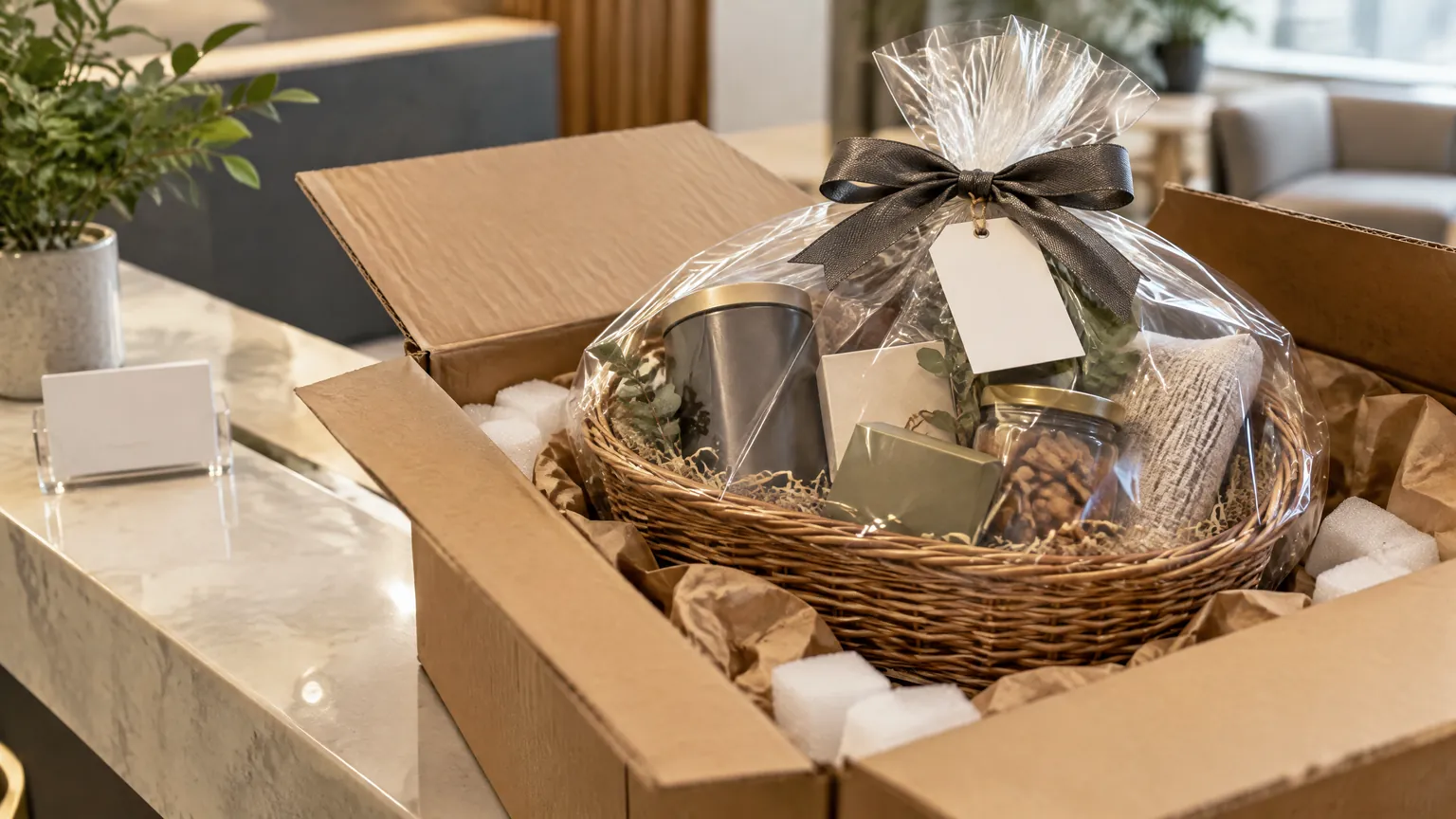
Separate decorative presentation from transport protection. For fragile homeware, ask whether pieces are individually protected and kept from knocking together. Ask what outer packaging accompanies the decorative box and what the recipient will need to remove. Avoid intricate wrapping if the household has explicitly asked for something straightforward to open and put away. Confirm these details instead of treating a ribbon or basket handle as evidence of protection.
For food gifts, make storage part of the timing decision
A fruit basket should not be used to test whether the new refrigerator is working. Hong Kong’s Centre for Food Safety advises keeping perishable fresh fruits, such as strawberries, and pre-cut or peeled fresh fruits at 4°C or below when they are not consumed immediately. This is a concrete reason to ask about refrigeration before agreeing to those contents, not a claim that every type of whole fruit can be left out. 1
Whole fruit may suit a recipient who wants to prepare it themselves, but confirm the varieties and their storage needs. A basket’s appearance does not tell you how long the contents can wait. The CFS advises washing fresh fruit thoroughly under running tap water before peeling, cutting or eating, and not using soap or detergent. If the kitchen is still being unpacked and the recipient does not want food preparation tasks, a different gift or a later date may be preferable. 1
For sealed fruit products, the same CFS guidance says to follow storage instructions and avoid products with torn or broken packaging or signs of spoilage. Sealed does not mean that every item belongs in a cupboard. Ask for product details before selecting a hamper with unfamiliar contents, and leave the original information available to the household rather than removing it for a tidier display. 1
A small housewarming gathering creates another timing question: is the gift for the household to keep, or food they want to share that evening? Ask rather than assuming it contributes to the event. If it is intended for later, keep it separate from communal refreshments so nobody opens it without the recipient’s agreement. The household should decide when and how to use it.
Share only the recipient details needed for handover
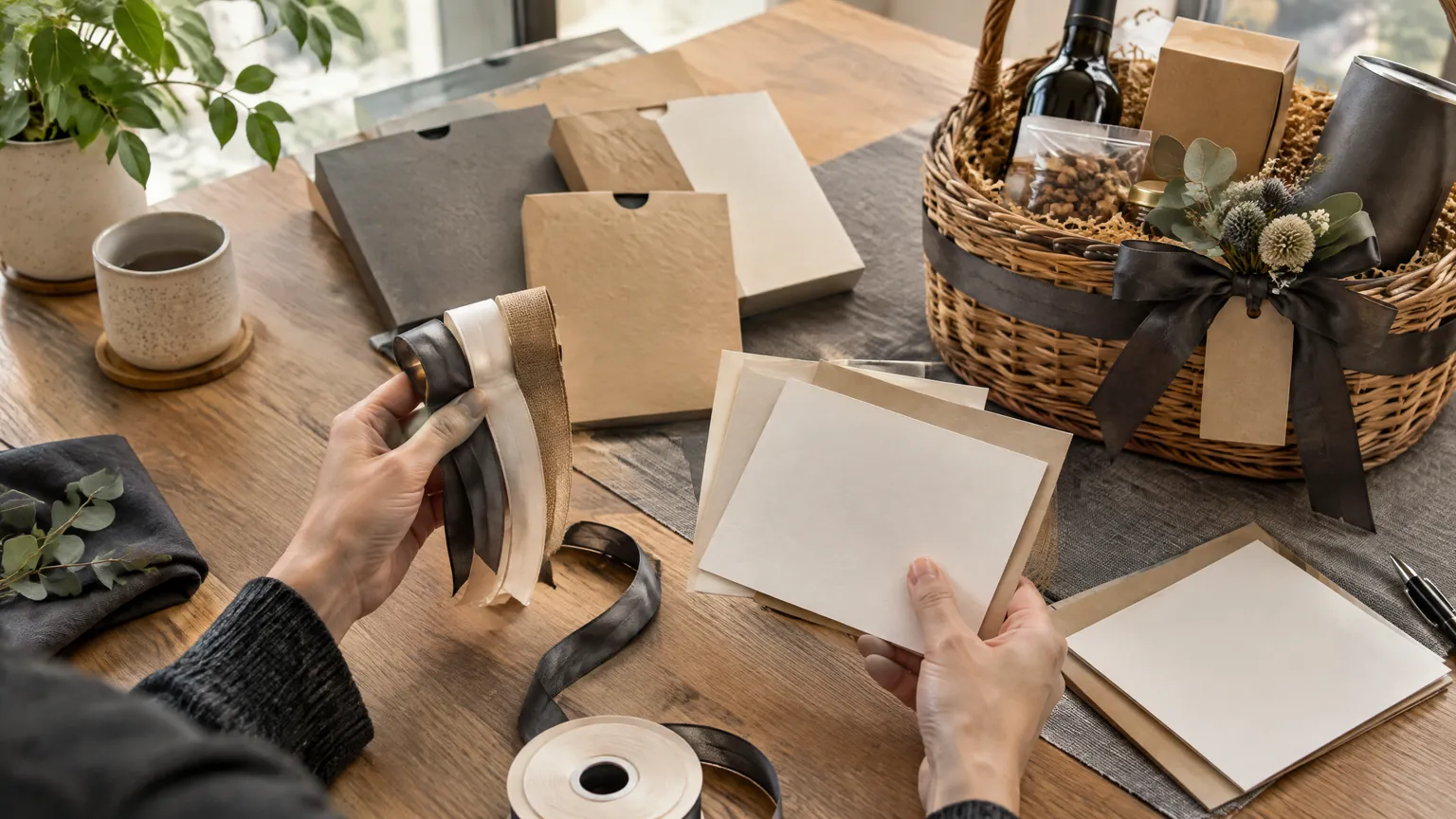
Once the gift direction is agreed, ask the recipient which address and contact number they want used. Someone may prefer home reception, an agreed workplace handover or a visit when they are present. Do not use an address copied from an old message without checking that it is current, especially during a move between properties.
The Community Legal Information Centre explains that personal-data collection should be adequate but not excessive for its purpose. Its summary also covers accuracy, limited retention, purpose-limited use and security. Those principles are a useful model for a workplace gift organiser: keep a current fulfilment record, restrict access to people arranging the handover and avoid collecting unrelated household information. This is practical planning guidance, not a ruling on the legal position of a private gift. 2
For a group present from colleagues in a Kwun Tong office, the organiser can share the gift choice and card wording with contributors without circulating the recipient’s flat number or personal phone number. Confirm privately what details may be passed to the provider and who will receive the parcel. If a colleague’s office reception is proposed, ask both the recipient and reception whether that arrangement is acceptable.
Keep the greeting card separate from the delivery instructions. A card can say that the group hopes the new home feels welcoming; it need not include a residential address, access instructions or private moving details. If a backup contact is proposed, ask that person first. After handover and any related issue are resolved, review whether the organiser still needs the fulfilment details rather than retaining them in a general group chat.
Agree the handover endpoint before committing
The Gift basket delivery resource is relevant to the logistics discussion, but an enquiry is still needed for the specific location and proposed date. Confirm the receiving point, access conditions, available scheduling arrangements and what happens if nobody can receive the parcel. A broad service description does not establish that a particular building, floor, island address or requested time is covered.
Distinguish the sender’s preference from an agreed arrangement. Asking for an afternoon handover is not the same as receiving confirmation that one is available. Similarly, giving a concierge’s name does not establish that the concierge has agreed to accept the gift. Get a clear response from the provider and check that the recipient can work with it before making the final decision.
If the unpacking plan changes, contact the provider promptly to ask whether the arrangement can be amended. Do not tell the recipient that a new date is settled until it is confirmed. If preparation or dispatch has already begun, the available options may be different; ask what is possible without assuming that postponement, substitution or cancellation will be accepted.
A brief arrival message can be helpful when the recipient wants it. Keep it practical: identify the sender, the agreed receiving point and any relevant storage information supplied with the gift. Then let the household enjoy it in their own time. The point of the plan is to make the welcome easier to receive, not to require another conversation while boxes are still open.
A short checklist before placing the order
- Ask which stage of unpacking is comfortable for receiving a gift.
- Confirm the household’s preferred contents and any exclusions.
- Check the packed dimensions and somewhere suitable to put the parcel.
- Confirm refrigeration or other storage needs for the actual food items.
- Agree who receives it, where handover happens and which details may be shared.
- Wait for the provider’s confirmation of the proposed arrangements.
If one of these answers is missing, decide whether it affects the whole gift or just one component. An unconfirmed cup size may call for a different object; an absent receiver may call for a different date. Waiting for a useful answer is not a failure to celebrate. It gives the household control over how the gift joins their new home.

Common questions
Should I send the gift on the day my friend collects the keys?
Only if they want that timing and have space, suitable storage and someone available to receive it. Otherwise, agree a later handover instead of treating key-collection day as the deadline.
What should I ask before choosing cups or other homeware?
Ask what is actually wanted, what the household already owns and where the new items would fit. Confirm item dimensions, care information and transport protection rather than relying on a display image.
Can I send a fruit basket while the refrigerator is not ready?
Do not assume it is suitable. Confirm the actual fruit and storage needs; perishable fresh fruit and pre-cut or peeled fruit need appropriate refrigeration if not consumed immediately. Postpone or choose another gift if storage cannot be arranged.
Can I give the provider the concierge’s details as a backup?
First confirm that the recipient and concierge agree to the handover and that the provider can use that receiving point. Share only the details needed for the arrangement; a named backup is not proof that acceptance is authorised.
Sources & what they support
Each reference supports only the stated scope. Citations are not independent endorsements of YumYum or its branches and do not confirm a provider’s current arrangements or any individual outcome.
- Centre for Food Safety: Food Safety Tips on Fruits and Fruit Products (opens in a new tab)
Supports refrigeration of perishable fresh fruit and pre-cut or peeled fruit when not consumed immediately; washing fruit under running tap water rather than soap; following fruit-product storage instructions and avoiding broken packaging or spoiled contents.
- Community Legal Information Centre: The meaning of personal data and the six data protection principles (opens in a new tab)
Supports adequate but not excessive personal-data collection for a related lawful purpose, accurate records, limited retention, purpose-limited use and security. Used as a practical model for workplace gift coordination, not a legal determination for a private household gift.