Create a Seasonal Client Treat Calendar Without Repeating the Same Gift
GotGear and YumYum (including its gifting, baking and florist branches) share an owner; this collection is not an independent recommendation. GotGear does not provide catering, gifting, cake, floral, tuition or rental services. External-service information is separate from GotGear’s equipment catalogue; confirm the actual scope with the relevant provider. Articles are general planning information, with no promises about supply, arrangements or outcomes. Concept photos are not records of real events, customers or classes.
The short answer
Build your client treat calendar around recipients and sharing occasions, not a different dessert for every festival. Check whether gifts are welcome, then vary the format, message or timing between Easter and Christmas. Keep favourite flavours when they suit the recipient, and confirm each season’s contents, packaging and handover separately.
Build your client treat calendar around recipients and sharing occasions, not a different dessert for every festival. Check whether gifts are welcome, then vary the format, message or timing between Easter and Christmas. Keep favourite flavours when they suit the recipient, and confirm each season’s contents, packaging and handover separately.
GotGear and YumYum share an owner. This is GotGear’s service-information journal, not an independent provider endorsement. GotGear does not provide food, floral, gift, class or rental services; any bakery enquiry discussed here is directed to YumYum.
Give each calendar entry a reason to exist
Start with a small set of occasions that matter to the relationship. Easter and Christmas can be useful planning prompts, but they should not automatically produce two food gifts for every contact. A project completion, an agreed office gathering or a simple year-end note may be more appropriate. Leave an entry blank when there is no clear reason to send something.
For each proposed occasion, record the purpose, intended recipient group and likely sharing setting. Add a preference-check date and a point at which unresolved details mean postponing the gift. Keep an earlier seasonal idea separate from a confirmed order. A calendar saying “Easter team thank-you, format undecided” is more honest and useful than naming an assortment that nobody has checked.
Before considering desserts, ask whether the recipient organisation accepts gifts. Public-sector contacts need particular care: Hong Kong’s ICAC warns against applying ordinary festive hamper and gift-set practices to public servants employed by public bodies with which the sender has dealings. Festive custom is not an exemption. Exclude these contacts from a routine client-gifting list and seek your compliance team’s guidance rather than treating a friendly acceptance as clearance.1
For private-company contacts, follow both organisations’ policies and keep the purpose transparent. A shared box is not automatically acceptable merely because it goes to a department instead of an individual. If food gifts are unwelcome, a straightforward thank-you message can complete the calendar entry without requiring a replacement present.

Ask about preferences without assuming celebration
A useful recipient check is short: “Would your team welcome a small food gift this season, or would you prefer a note? If food suits, would you share it together or take portions home?” This invites an answer about practical use without asking someone to explain their religion, family traditions or personal reasons for declining. Do not infer participation from a name, nationality or office location.
Separate known preferences from unknown details. A contact who enjoyed chocolate last year has not necessarily approved every chocolate dessert, every ingredient or another gift this year. Record a broad preference as a starting point, then reconfirm the actual selection. Let the contact pass ingredient questions to the people who would eat the gift, rather than asking one administrator to speak for everyone.
Consider a hypothetical Central office whose staff attend on different days. A cake for a single afternoon might exclude the people working elsewhere. A client household in Tseung Kwan O might instead welcome a dessert to share after an agreed visit. Neither setting is inherently better; the calendar should distinguish office sharing from household gifting so the same box is not expected to solve both tasks.
Use Easter to explore flexible sharing
An Easter entry can begin with a mixed-treat idea rather than a predetermined seasonal menu. Ask whether recipients want one dessert to open together or smaller portions that can be allocated separately. Keep the seasonal reference restrained unless the recipient has welcomed a specific greeting or design. A neutral appreciation card may suit the relationship better than elaborate holiday decoration.
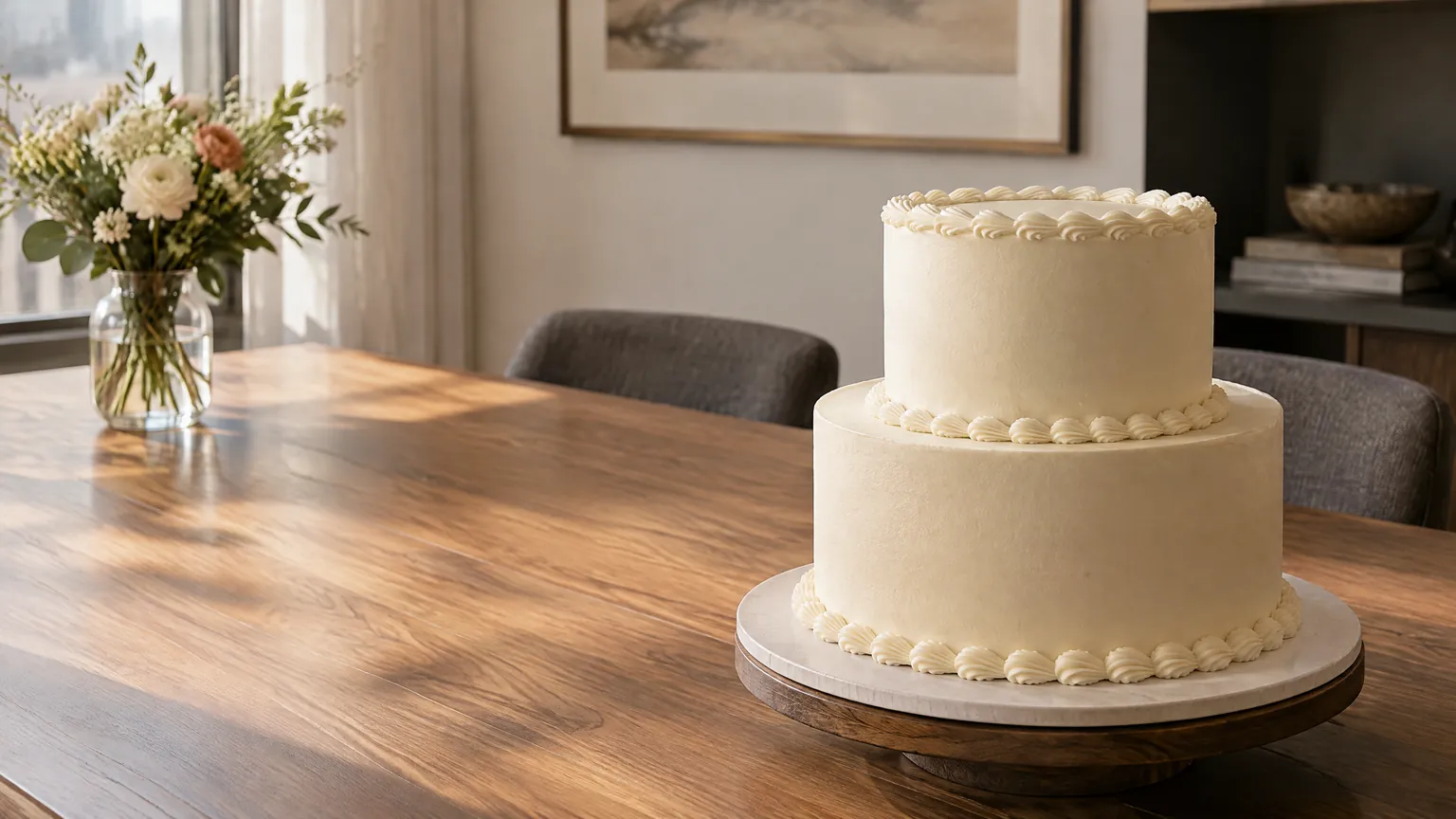
The Easter Cake Gift Box page describes an enquiry-led bakery direction involving cakes, cupcakes, cookies or macarons, not a fixed assortment. For your calendar, translate that into a brief: who will receive the box, how they will share it and which treat types interest them. Ask YumYum to confirm the actual contents, quantities, ingredient information and possible card arrangement before treating the entry as settled.
Choose the portion format before the seasonal look
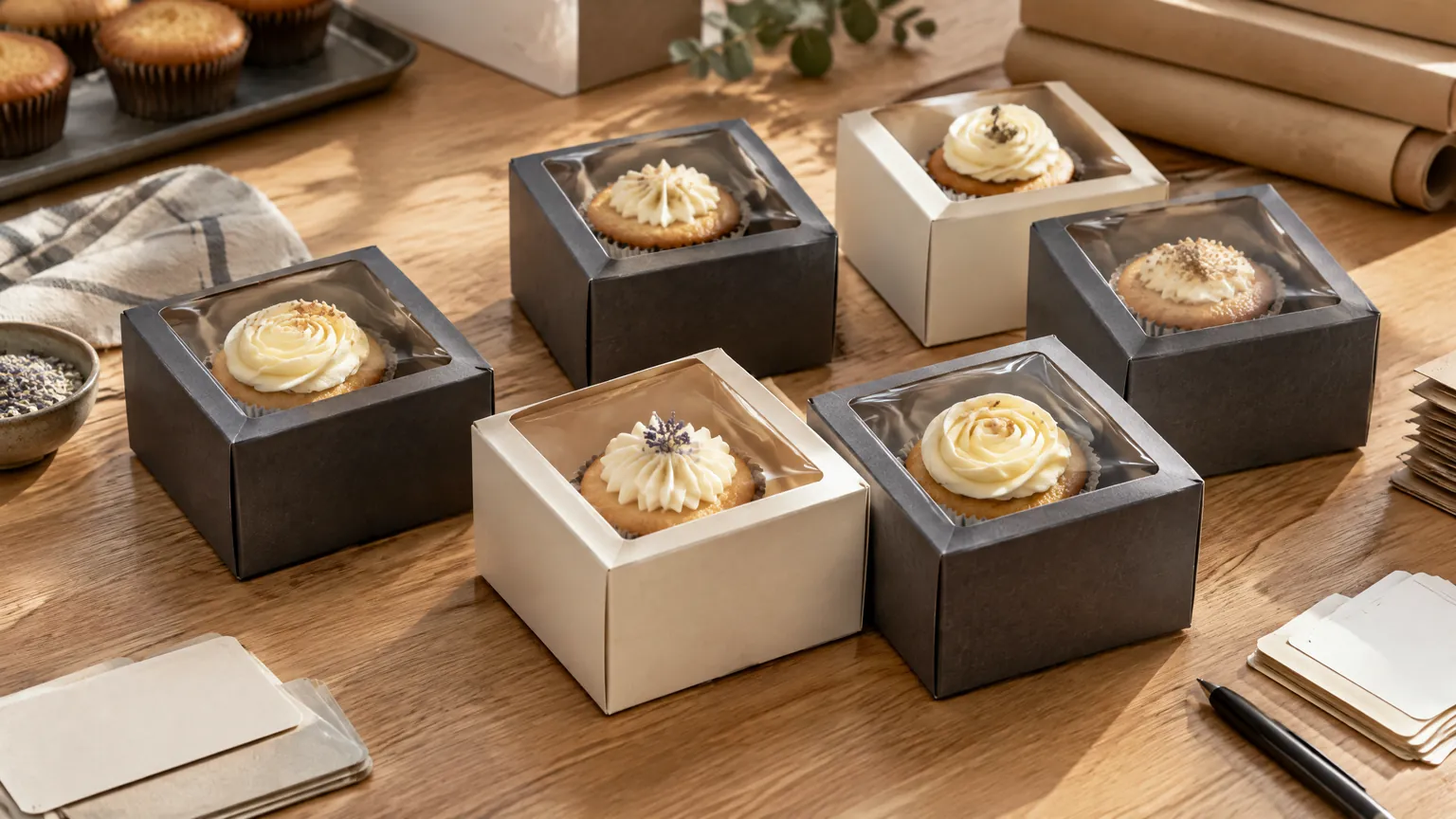
For a planned client meeting in Kwun Tong, a whole cake may make sense if there is a confirmed gathering, a suitable place to serve it and someone willing to handle portioning. For staggered attendance, separately contained portions might be easier to allocate. These are options to discuss, not assumptions that a bakery supplies every packaging format or that individual wrapping removes ingredient concerns.
Keep the Easter decision record specific enough to prevent accidental repetition later: “mixed treats for shared meeting” tells you more than “spring gift”. Note whether people wanted a variety, preferred a familiar flavour or found the format awkward. Do not turn the record into a satisfaction score or invent enthusiastic feedback; practical observations are enough to guide Christmas.
Make Christmas a fresh sharing decision
When Christmas planning begins, reread the Easter record before browsing another box. If the earlier gift was allocated across desks, a genuinely different December choice might be a centrepiece for an agreed gathering. If Easter involved a group cake, a take-home format could be a useful contrast. Changing the context can create more meaningful variety than changing ribbon colours around the same experience.
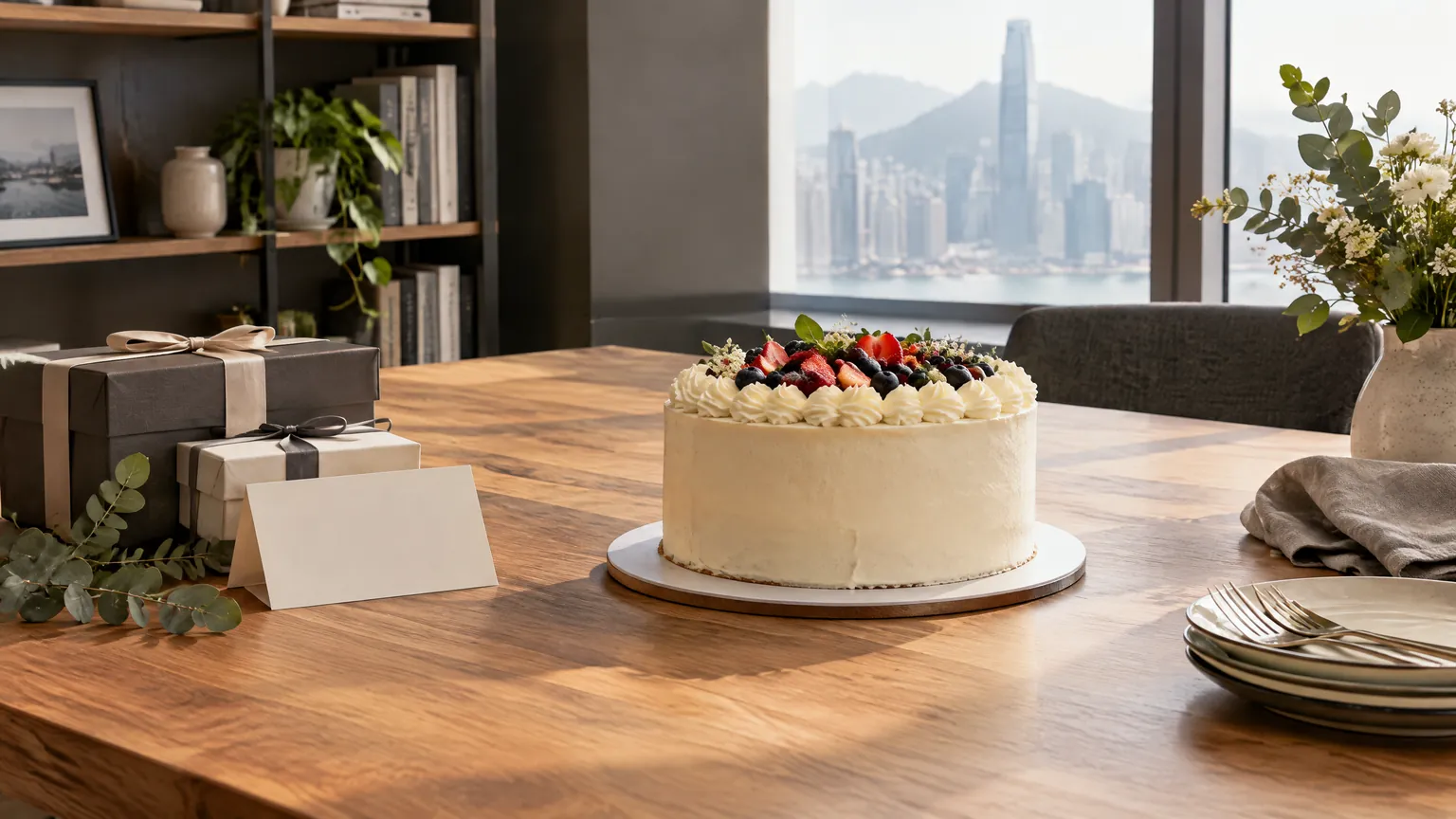
The Christmas Cake page is a starting point for a seasonal cake enquiry, not enough on its own to settle a menu. Ask what cake styles and ingredients can actually be discussed for your date, what the proposed cake would yield for your intended group, and what storage and handover it needs. Do not presume a fruitcake, a log-shaped cake, particular decorations or a returning seasonal collection from the category name.
Choose the working day, not just the festival date
A December gift should fit the recipient’s attended schedule. Ask which office day is suitable and whether the team wants food before a planned gathering or at another agreed moment. A public holiday date does not tell you whether a reception desk is staffed, whether the contact is travelling or whether anybody will eat the dessert that day.
For a perishable choice, confirm both an available receiver and suitable refrigerator space where needed. USDA food-gift guidance specifically cautions against sending perishables to an office without a working-day arrival and refrigerator capacity.3 The practical principle applies to the handover decision here; it does not establish a Hong Kong delivery window or the storage requirements of a particular cake.
Rotate the format while keeping a welcome favourite
Avoiding repetition does not require abandoning a recipient’s preferred dessert. Compare the previous gift across three questions: what was eaten, how it was shared and what the message recognised. If all three are unchanged, reconsider the entry. If the purpose and sharing format are different, retaining a requested favourite may be more thoughtful than introducing something unfamiliar simply to appear inventive.
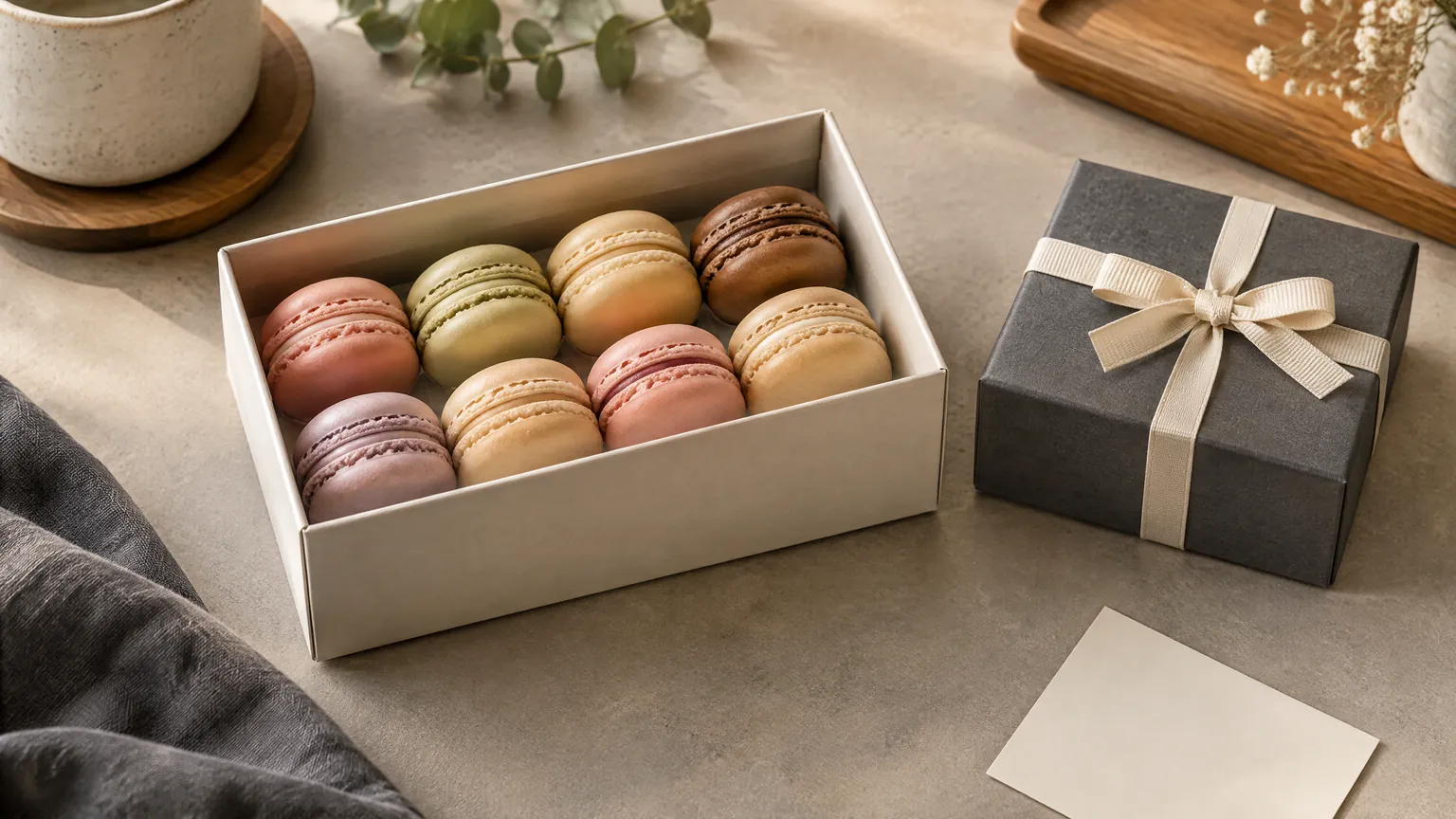
When considering French Macarons, use the product topic to ask about the actual shell-and-filling selection and how it would suit the intended sharing moment. Confirm flavours and ingredient information rather than equating a colour with a flavour or accepting a broad catalogue as current stock. If these were the Easter choice, keeping them for a client who specifically requests them can be sensible; variety should not override an expressed preference.
Distinguish choosing a dessert from choosing a finished gift. A product that suits a meeting is not necessarily ready for recipients to carry home. Someone still needs to establish the pack format, contents per pack and accompanying information. This distinction is especially useful when one account has several contacts: count the recipient groups first, then decide how the confirmed food will be divided.
A Macaron Gift Box enquiry can focus on that finished-pack decision. Explain whether one box is for a shared team or separate boxes are for named recipients, and ask which compartment layout, contents and card options can be confirmed. Do not assume a pictured box size, complimentary card, printed branding or particular flavour combination. Record the agreed packaging separately from the dessert selection so neither is lost when the seasonal message changes.
For example, a hypothetical Wan Chai account might choose mixed bakery treats for an Easter meeting and a requested macaron selection in take-home packs at year-end. Another might prefer the same restrained shared cake format once a year. Both calendars can be recipient-led; sending less is a legitimate way to avoid repetition.

Check the box against the full handover route
Evaluate packaging by what it needs to do. Ask how the confirmed treats are supported, whether portions remain separated and how the recipient should carry the pack. For a whole cake, establish the boxed dimensions and whether there is a flat receiving surface. A box that looks compact in a photograph may occupy more space than the office can spare.
Map the route beyond the first doorstep. If someone plans to collect a gift during lunch and take it home by MTR after work, tell the bakery about that interval before choosing. If the item requires storage the recipient cannot provide, change the handover plan or discuss a different selection. Decorative packaging is not evidence that the food can remain unrefrigerated.
Keep clear ingredient and storage information with the food when removing an outer transport carton. Ask how relevant instructions will reach the person who eats a portion, not only the receptionist. Avoid splitting a shared assortment into improvised packs if that would separate treats from the information recipients need. Confirm any intended repacking approach with the bakery rather than quietly changing the agreed format.
A neutral reusable planning folder can hold the receiving contact, box dimensions and current instructions. Do not reuse last season’s storage advice merely because the new gift looks similar. The filling or decoration may be different, and the order-specific guidance must govern the new handover.
Resolve ingredient questions before approving variety
Mixed selections create more questions, not a guarantee of something for everyone. Hong Kong’s Centre for Food Safety identifies eggs in cakes, milk in cream and butter, tree nuts in desserts and ground almonds, and gluten-containing cereals in flour-based foods as possible allergen sources. It also calls for preventing unintended allergen cross-contamination.2 Check the actual treats under discussion; their name or appearance is not sufficient information.
Ask for item-specific ingredients and available cross-contact information before approving a combination. If a recipient raises an allergy concern, let them assess the relevant information rather than assigning them the apparently plain or undecorated piece. A separate box can help keep portions organised, but it does not prove an allergen-free preparation environment.
Treat dietary preferences in the same recipient-led way. Establish what the person requires and what evidence they need, then ask the provider about the specific product. If the information remains insufficient, do not label the gift suitable on their behalf. A non-food thank-you is a reasonable alternative and should not make the person feel responsible for disrupting the calendar.
If a perishable gift arrives with an uncertain handling history, pause rather than using appearance or a taste test as reassurance. USDA guidance notes that harmful bacteria may not change taste, smell or appearance.3 Contact the provider about the actual situation and do not serve questionable food while the concern remains unresolved.

Finish with a short approval check and a useful record
Before confirming each seasonal entry, run this short checklist:
- Check that gifting is permitted and that the recipient welcomes food on this occasion.
- Confirm the sharing setting, recipient groups and intended quantity with the bakery.
- Resolve the actual selection’s ingredient questions and required information.
- Confirm packaging, card wording, storage needs and an attended handover.
- Recheck any changed date, contents or recipient arrangement before proceeding.
Approve the card as complete text, including names and the intended language. A note such as “Thank you for the care your team brought to our project this year” can express a genuine purpose without assuming a holiday tradition. Keep a seasonal greeting only when it suits the recipient; do not copy Easter wording into December merely because the packaging file is reusable.
After the handover, record practical facts: whether the receiver was available, whether the pack fitted the storage space and whether the recipient explicitly requested a future preference. Ask a brief, optional question about format if useful. Avoid treating silence as approval or pursuing praise for the gift.
Use that record to simplify next season. Keep workable preferences, remove inconvenient formats and leave room for a note instead of food. A good client treat calendar is not a catalogue of ever-new desserts. It is a manageable record of welcomed gestures whose contents and arrangements are checked afresh.

Common questions
Should every client receive food at both Easter and Christmas?
No. Check organisational gift rules and whether the recipient welcomes food. Choose occasions with a clear purpose; a note or no gift is preferable to an unwanted repeat. Public-sector contacts should not be placed on an ordinary commercial gift list without appropriate compliance guidance.
Can I repeat macarons if the recipient asked for them?
Yes. Keep a requested favourite and reconsider the sharing format, timing or message instead. Reconfirm the actual selection, ingredients and packaging rather than assuming last season’s order still applies.
What must I confirm before sending a cake to a hybrid office?
Confirm an attended receiving day, the people who will share it, usable serving information, boxed dimensions and suitable storage. If these are unresolved, change the format or postpone rather than sending it to an unprepared reception desk.
Does a separate gift box make a dessert suitable for an allergic recipient?
No. Separate packaging does not establish the ingredients or preparation conditions. Obtain item-specific ingredient and cross-contact information and let the recipient assess it. Use a non-food gesture if suitability remains uncertain.
Sources & what they support
Each reference supports only the stated scope. Citations are not independent endorsements of YumYum or its branches and do not confirm a provider’s current arrangements or any individual outcome.
- ICAC: Public bodies frequently asked questions (opens in a new tab)
Questions 4 and 5 caution that festive custom does not exempt gifts to public servants from anti-bribery rules and warn against applying ordinary festive hamper and gift-set practices to public servants of public bodies with which a sender has dealings. Not clearance for any individual gift or a statement of every private-company rule.
- Hong Kong Centre for Food Safety: Food allergens (opens in a new tab)
Possible bakery-related sources of eggs, milk, tree nuts and gluten-containing cereals; need for actual allergen information and prevention of unintended allergen cross-contamination. Does not certify YumYum products or establish allergen exclusion.
- USDA Food Safety and Inspection Service: Mail Order Food Safety (opens in a new tab)
General receiving principles for perishable food gifts, explicitly including cheesecake: alert the recipient, ensure office arrival on an attended working day with refrigerator space, and do not rely on smell, appearance or taste to establish safe handling. No US shipping window or generic storage duration applied to a specific Hong Kong order.