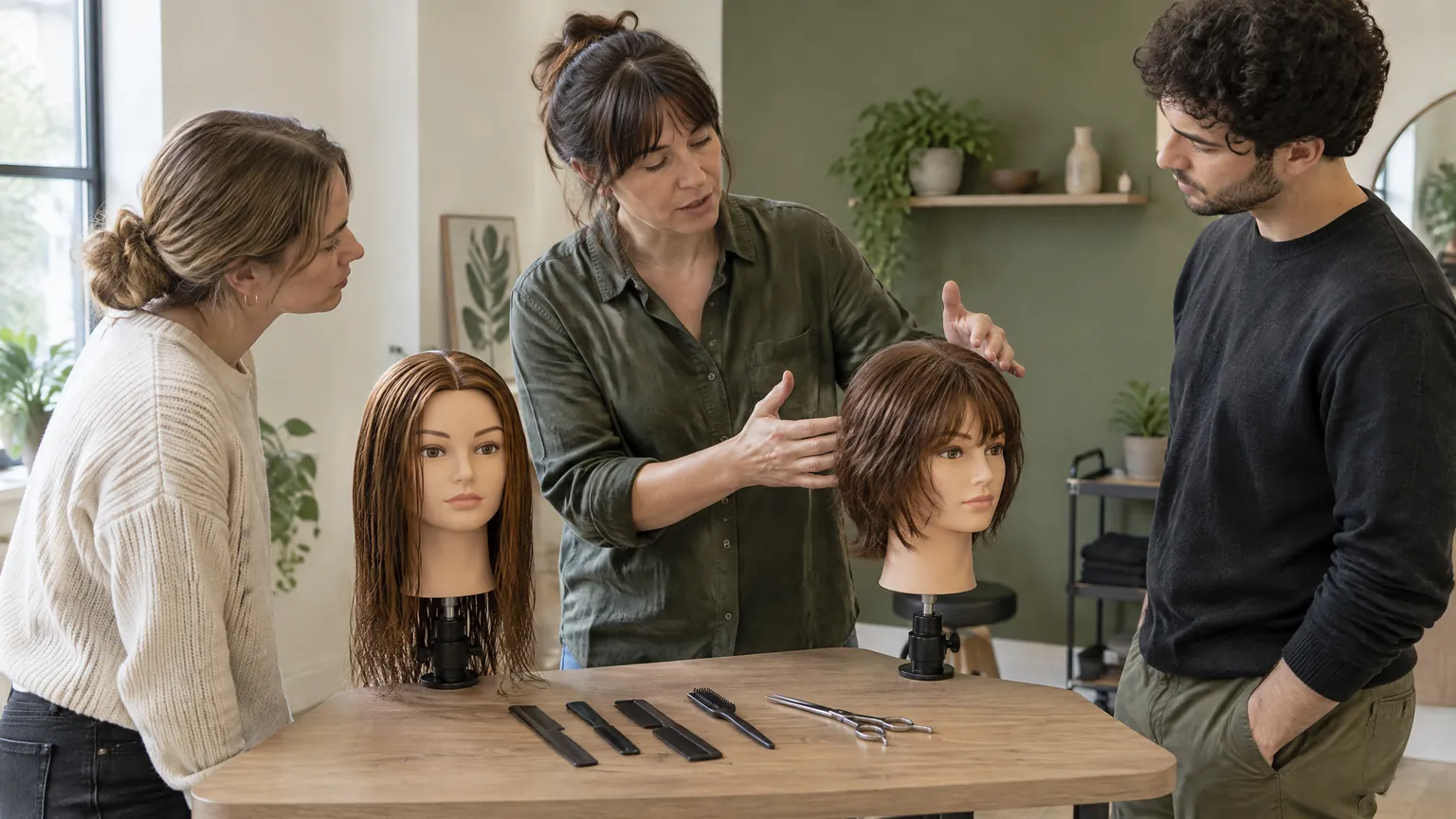
Event makeup and hairstyling: build the handover plan before the look
GotGear and DT HUB share an owner. This collection is not an independent recommendation. GotGear does not supply DT HUB salon, wig, Academy or healthcare services. Three online service sections do not represent three physical stores; the shared public studio is in Kwun Tong. Medical articles are informational only, with no diagnosis, clinical endorsement or outcome promises, and do not replace medical advice.
The short answer
Agree who is being styled, what each person has approved, when they must leave the chair and who handles later changes before choosing the finished look. A useful handover plan separates makeup and hair from dressing, photography and event coordination. It also records product concerns, accessory removal and photo permissions. This prevents a reference image from becoming an assumed promise about timing, service inclusions or how the look will last.
A finished hairstyle is only one part of getting someone ready for an event. The person still has to change clothes, collect belongings, travel and meet a photographer or organiser. If those steps are left unassigned, even a clearly agreed look can become difficult to manage. Begin with the moment the person must be ready to leave, then work backwards with the styling provider.
For a wedding, graduation or company dinner, the handover should answer three questions: what has actually been booked, what has the person receiving the service agreed to, and what happens after the styling appointment ends? These are more useful starting points than a folder of reference photographs alone.
Define the booking in terms of people and tasks
Write down the people receiving services individually. A booking for one event does not necessarily mean everyone in the preparation room is included. Specify whether each person needs makeup, hair or both, and whether any later change is part of the confirmed scope. Add the agreed preparation location and the point at which the provider's responsibility ends.
DT HUB's makeup and hair styling kwun tong page describes its event makeup and hairstyling category. Use it to frame questions about the work you need, then obtain confirmation for the actual event. A description of a combined look should not be treated as confirmation of extra people, a second venue or continued attendance.
The comparison below is a planning aid, not a package menu. Its purpose is to expose the tasks that can disappear between a service description and an event schedule.
| Scope being discussed | What to establish before agreeing | What needs a separate handover |
|---|---|---|
| Makeup only | Agreed finish, eye-area products and time for review | Who completes the hair and fits any headwear |
| Hair only | Current hair condition, style direction and actual accessories | Who completes makeup and helps with dressing |
| One combined look | Sequence of work and a finish time accepted by the provider | Travel, outfit checks and care after departure |
| Multiple looks or people | Named recipients, order and separately confirmed changes | Who manages delays and approves revised priorities |
Avoid a vague instruction such as “make everyone photo-ready”. It leaves the provider to interpret the headcount and encourages last-minute additions. A useful alternative names the booked recipients and marks everyone else as not yet confirmed. Do the same for optional tasks: an accessory change can be requested without being assumed to be included.
Schedule backwards from the first real commitment
The key deadline is not always the ceremony or dinner start. It may be a family portrait, a departure for another venue or a graduation assembly. Work backwards from that commitment and allow separate blocks for dressing, collecting belongings and travel. Ask the provider to assess the styling block rather than copying an advertised duration into the event timetable.
A shared schedule should distinguish arrival, the start of work and completion. Someone can arrive on time but be unable to begin because the recipient is still dressing, the room is occupied or the accessories have not arrived. Tell the provider about these dependencies early. If you are arranging a small preparation room, ask what working space and power access are needed instead of assuming any spare corner will do.
Protect a review window
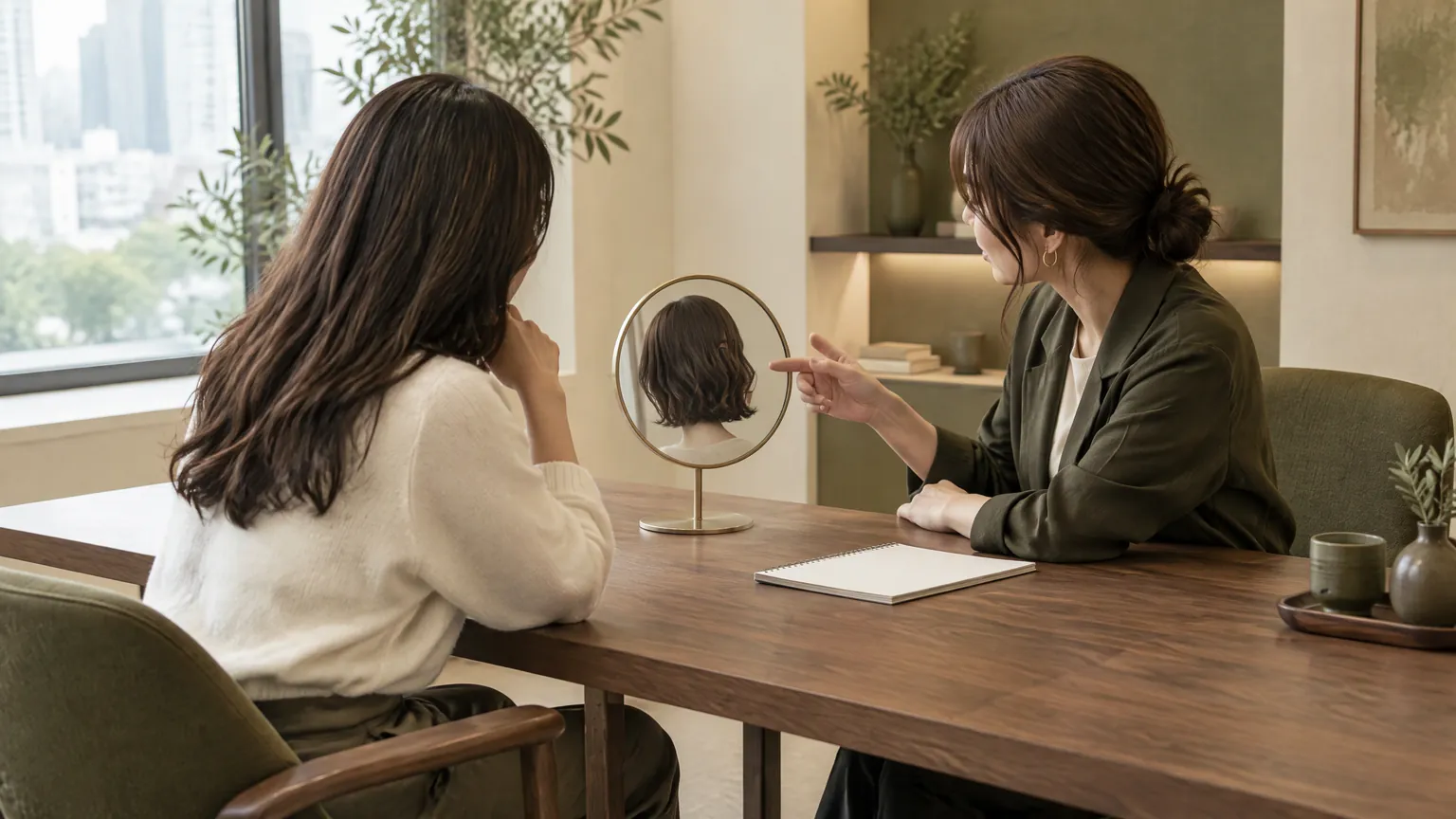
A review is not simply a photograph taken while the next person waits. The wearer needs a chance to look in a mirror, move their head and identify anything uncomfortable. Set aside a point for that review before dressing and departure. If a veil or cap is relevant, have the actual item available where practical; a picture cannot reveal how it sits on the finished hair.
For bridal planning, the bridal makeup kwun tong information page is a starting point for discussing wedding styling. Ask which appointments and changes your own booking covers, where they take place and when each stage ends. Do not build a ceremony schedule around an assumed trial, early start or venue visit without written confirmation.
Agree a delay rule as well. If the first recipient is late, who decides whether to simplify their look, change the order or retain the original plan? The organiser can manage the schedule, but the wearer still needs to approve changes to their own appearance. A short decision route is preferable to several relatives giving conflicting instructions at the chair.
Turn reference images into choices the wearer can approve
A reference photograph can express a preference without being a reproducible specification. The subject's hair length, density, existing colour, lighting and accessories may differ from yours. Identify the features you actually want: the position of a bun, the amount of hair left around the face or the intensity of a lip colour. Also identify the features you do not want.
Describe practical habits alongside appearance. Someone who wears glasses throughout an event has different needs from someone who removes them for portraits. A speaker may want hair kept away from the face without heavy accessories. Someone who dislikes the sensation of a tight updo should say so before the style is secured, not after a relative has approved the photograph.
Discuss the current state of your hair rather than changing it to match generic preparation advice. Mention recent chemical processing, easy breakage, extensions or an uncomfortable scalp. Ask what washing and drying preparation suits the agreed style. A trial can help reveal practical preferences, but it does not guarantee that a cosmetic will never cause a reaction or that the style will remain unchanged throughout an event.
If a broader change is being considered, the image makeover hong kong link leads to the assigned makeup and styling information page. Keep that enquiry specific to the temporary event look unless further work has been separately discussed. A request to look different is not automatic permission for a haircut, colour change or any other unconfirmed service.
For group preparation, gather preferences from each recipient rather than relying entirely on the person paying or organising. Presenting two acceptable alternatives can make a decision easier, but neither should be treated as selected until the wearer agrees. If there is a disagreement, pause that part of the work instead of using the timetable as a reason to override the person's choice.
Agree hygiene and product boundaries before application
The US Food and Drug Administration advises washing hands before using cosmetics, not sharing makeup and following product directions and warnings. It also advises using eye-area cosmetics only where they are intended to be used. These are general consumer safety principles, not certification of a particular provider's practices. 1
Translate those principles into questions about the appointment. Ask how applicators and products are handled between recipients and how clean tools are kept separate from used ones. Do not pass a personal mascara or lip product around a group as a convenient shortcut. If you bring your own cosmetics, keep them identified as yours and let the provider assess whether they fit the planned application.
State concerns without trying to diagnose them
Tell the provider about products that have caused a previous reaction and any current irritation that could affect application. FDA guidance warns that “hypoallergenic” does not mean a product cannot cause an allergic reaction, and that ingredients described as natural are not automatically safer. A reassuring label is therefore not a substitute for discussing a known concern. 1
If a product causes a rash, redness, burning or another unexpected reaction, FDA advice is to stop using it and contact a healthcare provider. Do not let a photo deadline turn a reaction into something to conceal with additional cosmetics. Persistent skin or scalp irritation and pain should be assessed by a qualified healthcare professional; event styling is not diagnosis or treatment. 1
Comfort also belongs in the handover. Agree that the wearer can ask for work to pause if an accessory pulls or a style feels uncomfortable. For heated tools and sprays, follow the relevant instructions and arrange the preparation area accordingly. FDA specifically advises using aerosol products in well-ventilated areas and away from smoking or an open flame. 1
Separate service records from permission to publish photographs
A photo taken to record an agreed style and a photo posted to promote a business serve different purposes. Hong Kong's Privacy Commissioner explains that personal data relates to a living individual who can be identified from it. Where an identifiable image is personal data, the data-protection principles govern its collection and use. 2
The Commissioner's guidance calls for necessary, non-excessive collection and for people to be informed about the collection purpose and the classes of recipients. It also explains that a new, unrelated use generally requires the individual's express and voluntary consent. Collecting an image for the service record should therefore not be treated as automatic permission to publish it for promotion. 2
Ask separately whether a record photograph may be taken, who may see it and whether any public use is proposed. For publication, clarify the channels, whether a name or event detail will appear, and whom to contact about consent. As a practical booking safeguard, record a refusal clearly so it does not have to be repeated while the wearer is getting dressed.
Keep the handover record proportionate. A shared event schedule may need a name and ready time; it does not need every product concern or close-up image. Send information only to people who need it for their assigned task. The PCPD also explains the requirements to protect personal data against unauthorised access and not retain it longer than necessary for its purpose. 2
Plan later changes as separate work
Removing a veil, exchanging headwear and changing an entire hairstyle are different tasks. Identify which change is needed, who is expected to perform it and whether that person has agreed. A friend helping with an outfit is not automatically responsible for altering hair or applying cosmetics. If the task seems uncertain, discuss an easier arrangement before the event.
When reviewing wedding makeup hong kong information, focus on the boundary between the initial look and later assistance. Confirm whether your booking includes another application, a hair change or any touch-up materials, and whether someone will actually be present. DT HUB and GotGear are under common ownership; these links are service-information routes, not independent endorsements.
At completion, ask for removal instructions for unfamiliar accessories and any supplied products. If another person will help, include them in the explanation with the wearer's agreement. Make sure everyone knows which item can be removed without changing the style and which requires more care. Do not improvise an unfamiliar adhesive-removal method during a rushed outfit change.
There is no need to promise a look will last a fixed number of hours. Discuss likely activities instead: eating, wearing headwear, outdoor photographs or changing clothes. Then agree what the wearer can reasonably manage themselves and what would require further assistance. This produces a more useful plan than treating “long-wearing” as a guarantee.
A hypothetical two-stage event shows the handover points
Preparation, photographs and an evening change
Consider a hypothetical bride who wants one look for morning photographs and a different accessory arrangement for an evening banquet. Her relative also hopes to have makeup done in the same room. None of these details confirms a service inclusion. The first planning step is to list the bride's initial look, the later request and the relative's request separately.
The bride and provider agree the initial scope and a finish time before photography. Dressing has its own block, so the photographer does not expect portraits while the bride is still in the styling chair. The relative's appointment stays outside the confirmed schedule until the provider has accepted it. If it cannot be accommodated, it needs a separate arrangement rather than borrowing the bride's review time.
The evening request is clarified as either accessory removal or a restyle. If no provider attendance has been confirmed for that stage, the plan cannot depend on it. The bride can discuss a simpler accessory arrangement and nominate a helper only for tasks that helper understands and accepts. Photo permission is recorded separately from all these styling decisions.
Use this checklist to turn the discussion into a working handover:
- Name every confirmed recipient and the agreed service for each.
- Record the preparation location, ready time and first external commitment.
- Confirm hair preparation, product concerns and the accessories to bring.
- Identify who can resolve delays while keeping appearance decisions with the wearer.
- Separate record-photo permission from any proposed publication.
- Confirm later assistance explicitly, including anything not provided.
- Review comfort and removal instructions before the provider's work ends.
Keep one current version of the plan and circulate only the details each participant needs. When a task changes, tell the person taking it over rather than simply updating the document. The most useful final check is not whether the reference image has been matched exactly, but whether the wearer understands the agreed look and the next person knows what happens next.
Common questions
Who should approve a change when an event organiser is paying?
The organiser can confirm the booking and manage timing, but the person receiving makeup or hairstyling should approve changes to their own appearance. Agree a decision route beforehand. If a delay makes the original plan difficult, explain the alternatives to the wearer rather than accepting conflicting instructions from others in the room.
Does a trial mean I can omit the final review on the event day?
No. Accessories, comfort and preferences still need checking on the day. A trial can help clarify the planned look, but it does not guarantee freedom from cosmetic reactions or unchanged wear throughout the event. Keep a review point before dressing and departure, and confirm any changes with the provider.
What if nobody is booked to help with the evening hair change?
Do not assume the initial styling appointment includes later attendance. Clarify whether the evening task is simple accessory removal or a restyle. Discuss a manageable alternative with the provider and wearer. A friend should take on only agreed tasks they understand, with removal instructions for unfamiliar items.
Sources & what they support
The scope below identifies what each reference supports. Citations do not imply independent endorsement of DT HUB or any provider, and do not establish treatment benefits or guaranteed results.
- FDA: Using Cosmetics Safely (opens in a new tab)
Consumer guidance on hand hygiene, avoiding shared makeup, following labels and eye-area restrictions, aerosol ventilation, limitations of hypoallergenic and natural labels, and stopping use and contacting a healthcare provider after an unexpected reaction. Not evidence about a named provider's hygiene or outcomes.
- PCPD Hong Kong: The Ordinance at a Glance (opens in a new tab)
Definition of personal data; necessary and non-excessive collection; notification of purposes and recipient classes; express and voluntary consent for new unrelated uses, subject to applicable exceptions; security and retention principles. Supports separating identifiable service-record photos from proposed promotional publication, without deciding any individual legal dispute.