A workplace appearance brief: keep equipment needs separate from salon services
GotGear and DT HUB share an owner. This collection is not an independent recommendation. GotGear does not supply DT HUB salon, wig, Academy or healthcare services. Three online service sections do not represent three physical stores; the shared public studio is in Kwun Tong. Medical articles are informational only, with no diagnosis, clinical endorsement or outcome promises, and do not replace medical advice.
The short answer
Start with the job, not a hairstyle photograph. Identify any machinery hazards, required protective equipment and written grooming rules before deciding whether a haircut, colour appointment or cosmetic scalp service would be useful. A salon can discuss appearance and maintenance, but it cannot approve workplace equipment or replace a safety assessment. Keep those decisions with the responsible workplace team, and make any personal salon appointment a separate, informed choice rather than part of an equipment purchase.
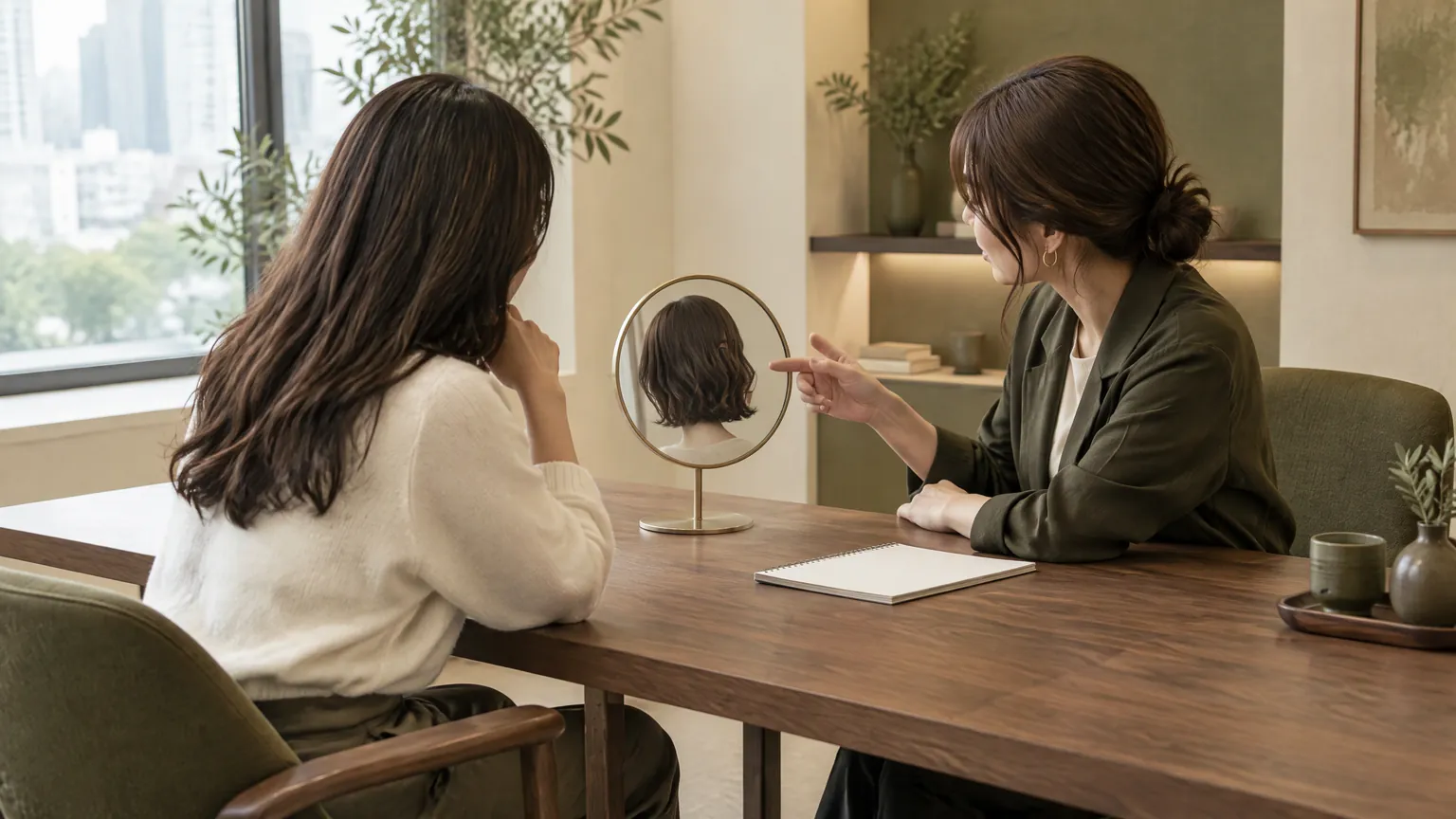
Preparing for a new role, a customer meeting or a change in workshop duties can raise two very different questions: what must be safe at work, and how would you like your hair to look? They can affect the same morning routine, but they need separate decisions. A neat finish does not establish that equipment is safe, and wearing the correct protective equipment does not require a particular salon service.
For GotGear readers organising a small workplace, the useful connection is preparation rather than a combined shopping list. Equipment belongs in an operational assessment; personal grooming belongs in a discussion about preferences, realistic upkeep and service scope. Keeping those conversations apart makes it easier to identify the actual problem and avoid an unnecessary appointment or an inappropriate equipment choice.
Start with the tasks performed during the whole shift
Write down what the person actually does, including duties away from the counter or office desk. Someone who welcomes visitors may also demonstrate equipment, enter a production area or help with stock handling. The relevant question is not simply whether a style looks presentable. It is whether hair remains appropriately controlled during each task, under the workplace's assessed procedures.
The UK's Health and Safety Executive warns against loose, long hair that could be caught in moving machinery. Its machinery guidance also emphasises safeguards, suitable equipment, maintenance and adequate instruction. Hair containment is therefore one part of a wider safety system, not an alternative to guarding a machine or training its operator. These are useful general safety principles, not a statement of Hong Kong legal requirements. 1
Separate the hazards from the appearance preferences when writing the brief. A requirement to keep hair away from moving parts is different from a preference for a tidy fringe in a staff photograph. Record the first as a task-related control for the responsible manager to assess. Discuss the second as an appearance preference, without presenting it as protection against a workplace hazard.
Avoid issuing a universal instruction such as 'everyone needs short hair'. Length alone cannot establish whether a person's hairstyle, accessories and equipment are suitable for the work. A shorter cut may simplify someone's routine, but the employer still needs to consider the actual machine, task and remaining risks. Conversely, a longer style may need a suitable containment arrangement rather than a colour change or cosmetic treatment.
Give equipment questions to the workplace team
Personal protective equipment, or PPE, is equipment intended to protect against a hazard, such as eye protection or a safety helmet. HSE describes PPE as a measure that may be needed for risks remaining after engineering controls and safe systems of work have been applied. A smart uniform, ordinary fashion accessory or freshly styled hair should not be confused with that protective function. 2
If a worker says a hairstyle becomes awkward under required head protection, begin with the equipment instructions and the workplace assessment. Ask the responsible person to consider the issue with the equipment supplier or an appropriate safety adviser. Do not improvise by altering protective equipment, removing a required component or choosing an unassessed substitute merely to accommodate a preferred look.
A salon can hear practical information about what the person wears, but should not be asked to certify helmet fit, machine safety or compliance with an employer's procedures. Equally, an equipment enquiry should not become a request for a salon booking. Keeping the routes separate gives each provider a question within its actual scope and avoids implying that GotGear provides hair services.
| Question or difficulty | Appropriate first conversation | What a salon conversation can add | What it cannot establish |
|---|---|---|---|
| Hair may approach moving machinery | Workplace manager or safety adviser, using the task assessment and machine instructions | Whether a different cut would make the approved routine easier | That the machine is adequately guarded or safe to operate |
| Required head protection feels awkward with the usual style | Responsible workplace team and equipment supplier | Styling options that do not depend on the current bulky arrangement | That protective equipment fits or performs correctly |
| Hair looks untidy after the commute | The individual, considering time and preferred appearance | A manageable cut and a realistic home routine | That one finish will remain unchanged for every shift |
| A colour change is wanted before a customer event | Salon consultation about scope, hair history and precautions | Feasibility, upkeep and product-related questions | Workplace approval or freedom from an allergic reaction |
| Scalp discomfort continues after work | A qualified healthcare professional when symptoms persist or are concerning | Relevant product and service information to share | A diagnosis or proof that a cosmetic service treats the cause |
Turn the haircut enquiry into a usable personal brief
A useful salon brief describes what your hair needs to do when you are not sitting in the salon chair. Note whether it must be contained for part of the shift, how much styling time you normally have, and whether you prefer it off your face. Explain any relevant workplace restrictions, while making clear that the workplace team remains responsible for approving safety arrangements.
For local appointment information, the kwun tong hair salon page is a separate starting point for checking salon details and making an enquiry. GotGear and DT HUB are under common ownership; this link provides access to service information, not an independent recommendation or evidence of service quality. Confirm the requested service and booking arrangements directly rather than assuming a slot is available.
Describe a routine, not just a reference image
A photograph can communicate shape, but it cannot show your morning workload. Tell the stylist whether you normally air-dry, use a dryer or avoid heated styling. Describe your current texture and any bleaching, colouring, perming or straightening history. Ask what the proposed cut would look like with your usual routine, rather than only with a carefully prepared finish.
Also explain how often you are willing to revisit the shape. A style that needs frequent attention may be a poor match for someone with changing shifts, even if it looks appealing in a picture. Ask what grows out first, which parts may need tidying and whether the fringe will remain easy to manage. These are consultation questions, not promises that a specific style will be suitable for every hair type.
Secure hair without making constant pulling the solution
Where work requires containment, the aim is to satisfy the assessed safety arrangement without treating discomfort as normal. The American Academy of Dermatology advises against tightly pulling hair back and recommends avoiding tugging, using hair-covered bands and choosing styles that do not pull. Repeated tension and damaging styling practices can contribute to breakage and hair loss. 4
Do not interpret gentler hair-care advice as permission to leave hair loose around a machinery hazard. Instead, raise the conflict with the responsible workplace team and discuss a practical cut or arrangement with the salon. The two conversations should resolve different parts of the same routine: safe containment at work and less avoidable pulling during everyday styling.
Decide whether colour belongs in this preparation at all
A colour appointment is an appearance choice, not a safety control. Before arranging one for an interview or customer event, identify the desired change: a different overall shade, less visible contrast at the roots or simply a refreshed look. Check any relevant workplace appearance policy directly, rather than allowing a salon to guess what the employer permits.
Use the hair colour kwun tong information page to frame questions about the proposed colour service and consultation. Explain existing colour and chemical processing, ask whether lightening would be involved, and request a clear description of the intended work. A service category does not establish which result is achievable on your hair or whether a particular process is appropriate.
Colour safety needs its own attention even when the shade change is small. The US Food and Drug Administration advises following product instructions and carrying out the instructed skin test before each use. It notes that sensitivity can develop despite previous uneventful colouring and that a reaction can still occur after a skin test shows no reaction. Ask the salon how product-specific precautions affect the appointment schedule. 3
The FDA also advises against dyeing an irritated or damaged scalp, while AAD guidance identifies colouring, perming and relaxing among practices that can damage hair. Do not compress several chemical services into an event deadline on the assumption that a professional application makes every combination suitable. Disclose your history and be prepared to postpone or reduce the requested work. 3
Consider the upkeep as carefully as the first appointment. Ask how the proposed shade may look as roots grow, what home care is relevant and whether your usual styling routine remains practical. If an event is close, a smaller change or no colour change may better match your time and tolerance for uncertainty. No particular advance-booking interval guarantees a trouble-free result.
Keep cosmetic scalp services outside the safety and medical briefs
A scalp appointment should answer a personal cosmetic question, not an operational one. After a demanding week, someone may want to explore the service category and decide whether its stated scope interests them. That does not mean a scalp service removes a workplace exposure, makes head protection suitable or compensates for poor equipment maintenance.
The head spa hong kong page can be used to ask what the cosmetic service includes and which products or steps would be proposed. Confirm those details before booking, especially if you have sensitive skin or a history of reactions. The name alone does not demonstrate that the service treats scalp disease, prevents hair loss or delivers a particular health benefit.
Persistent irritation, pain or sudden noticeable hair loss should be assessed by a qualified healthcare professional rather than folded into a grooming package. AAD advises medical assessment when hair-care changes do not resolve concerns, particularly where thinning or hair loss is involved. If a product has caused a reaction, the FDA advises contacting a healthcare provider. Record the relevant product information instead of seeking another cosmetic service to counteract it. 4
At work, investigate a recurring discomfort complaint through the appropriate equipment and safety channels as well. The timing of symptoms may be useful information, but it does not prove the cause. A manager should not diagnose a scalp condition, and a salon should not be asked to diagnose an occupational exposure. Each needs accurate information without being assigned the other's responsibility.
A hypothetical example: one worker, three separate decisions
Imagine a small business preparing a staff member for a customer demonstration. This is a hypothetical planning example, not a report of a visit, test or customer result. The employee usually wears shoulder-length hair, wants a tidier finish for photographs and will also enter an area where machinery operates. They have recently coloured their hair and have little time for morning styling.
First, the manager reviews the actual demonstration tasks and the existing machinery controls. Any required hair containment and protective equipment are dealt with through the workplace assessment. A haircut does not replace that review, and the customer-facing part of the day does not remove hazards elsewhere in the shift.
Second, the employee can ask a salon about a cut that suits their texture, limited styling time and approved work routine. They can explain where their current style gets awkward without asking the stylist to approve the equipment. The consultation may identify a simpler appearance choice, but it cannot promise that the hair will look identical after travel or a full day's work.
Third, colour remains a separate choice. Recent processing and the event deadline are disclosed before deciding whether further work is sensible. A scalp service is not automatically added because the week is busy. This separation leaves room to choose a haircut alone, defer chemical work or make no salon appointment at all.
Use a short checklist before making either enquiry
Prepare the information once, then send only what each recipient needs. The workplace team needs task and equipment details; the salon needs hair history, practical restrictions and the intended appearance. Keeping the brief focused prevents a personal preference from being mistaken for a safety requirement.
- Identify every relevant task, not just the job title, and ask which workplace procedure governs hair containment.
- Record required protective equipment and refer suitability concerns to the responsible workplace person.
- Describe your current length, texture, chemical history and realistic daily styling time for the salon.
- Distinguish the desired cut or colour change from anything the employer actually requires.
- Ask about service scope, product-specific precautions and follow-up care before confirming an appointment.
- Disclose previous reactions; seek qualified medical assessment for persistent pain, irritation or sudden noticeable hair loss.
- Confirm practical booking details directly and keep salon correspondence separate from equipment enquiries.
A good workplace appearance brief is modest about what each decision can achieve. It helps a manager recognise a safety question, helps a stylist understand an everyday routine and lets the individual decide whether a cosmetic change is worthwhile. None of those conversations needs to imply that equipment and salon services form a single package.
Common questions
Can a haircut replace hair-containment rules near machinery?
No. A haircut may make a daily routine easier, but it cannot establish that a machine is guarded or that the remaining risk is controlled. Ask the responsible workplace person which arrangement applies to the actual task. Keep any salon discussion focused on appearance and practicality within those assessed requirements.
Should I change my hair colour before a customer demonstration?
Only if it suits your preferences, relevant workplace policy and hair condition. Colour does not improve machinery safety. Discuss recent processing and product-specific precautions before booking, and leave room to postpone. Previous uneventful colouring does not rule out a later reaction, so avoid treating an event deadline as a reason to bypass precautions.
What if my scalp feels uncomfortable after wearing work head protection?
Report the equipment concern through the workplace's safety process rather than altering required protection yourself. Persistent irritation, pain or noticeable sudden hair loss also calls for qualified medical assessment. A cosmetic scalp service cannot establish the cause or certify equipment suitability; relevant product and equipment details may help those separate conversations.
Sources & what they support
The scope below identifies what each reference supports. Citations do not imply independent endorsement of DT HUB or any provider, and do not establish treatment benefits or guaranteed results.
- HSE: Introduction to machinery safety (opens in a new tab)
Warns against loose long hair near moving machinery and explains safeguarding, maintenance, suitable machinery and training. Used as general safety guidance, not Hong Kong legal advice.
- HSE: Using personal protective equipment to control risks at work (opens in a new tab)
Explains PPE categories and its use for residual risks after engineering controls and safe systems of work. UK-specific legal duties are not represented as Hong Kong requirements.
- FDA: Hair dyes and safety precautions (opens in a new tab)
Supports following instructions, skin testing before every use, the limits of a negative skin test, avoiding dye on an irritated or damaged scalp and contacting healthcare providers after reactions.
- American Academy of Dermatology: Hair care habits that can damage hair (opens in a new tab)
Supports avoiding tight pulling and damaging styling practices, recognising chemical-service damage risks and seeking dermatological assessment for persistent hair concerns or hair loss. Does not endorse a salon or cosmetic scalp treatment.