Underwater photography goals: build observation habits before adding equipment
GotGear and DiveHarbour share an owner; this collection is not an independent recommendation. GotGear is not a diving school and does not provide dive training. Articles are general information, not practical training, instructor guidance or individual medical clearance to dive. Original concept images are not real course records. No certification or safety outcomes are promised.
The short answer
Start underwater photography planning with an observation goal, not a shopping list. Decide what you want to notice about marine life, discuss your readiness with a qualified instructor and choose learning support that puts habitat protection ahead of getting a photograph. Green Fins and Hong Kong’s AFCD emphasise avoiding harmful contact with wildlife and coral. Treat camera equipment, site choice and photographic results as matters to confirm, rather than reasons to expect a particular encounter or clear water.
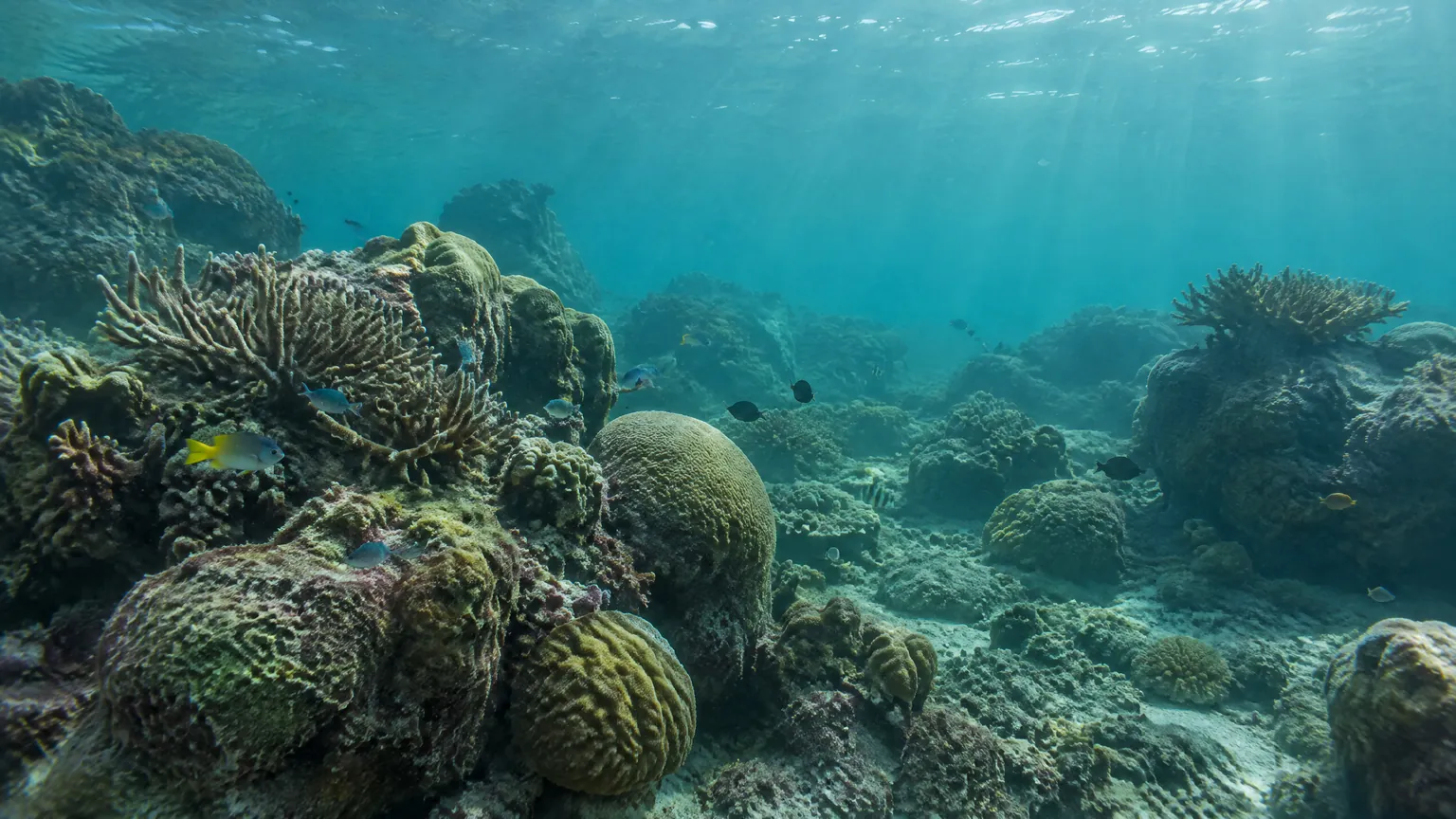
A memorable underwater photograph does not have to be a close-up of an unusual animal. It might show a familiar fish within its habitat, or record a detail that helps you ask a better question afterwards. For someone planning photography learning in Hong Kong, the useful starting point is deciding what the camera is for. Is the aim to identify a subject, understand a behaviour or tell a story about the place? Each answer creates a different enquiry, and none requires an animal to perform for the lens.
GotGear publishes this guide as part of its ocean-learning coverage; it does not provide diving training. GotGear and DiveHarbour are under the same ownership. The DiveHarbour links below are information and enquiry routes, not independent recommendations or verification of an instructor’s credentials.
Choose an observation goal before a photographic goal
An image-focused brief often begins with a desired result: a colourful animal, a dramatic background or a very close view. An observation-focused brief starts with something you want to learn. You might want to recognise the difference between a fish resting and one moving through a habitat, or understand why an identification guide leaves you uncertain about a photograph. This gives the outing a purpose even when the expected subject is absent.
Before enquiring, look through a small selection of your own photographs or published images that interest you. Describe what attracts you without immediately naming equipment. Perhaps the image shows the surrounding habitat clearly. Perhaps its caption explains an interaction rather than simply listing a species. Those observations help you explain the kind of learning you want, rather than asking a provider to reproduce someone else’s photograph.
A goal that does not depend on an animal appearing
A useful goal could be: “I want to understand how to record habitat context without disturbing a subject.” A less useful booking condition would be: “I need a close-up of this species.” Green Fins specifically advises photographers not to fixate on a particular species, because expectations can put pressure on guides to manipulate marine life. It also advises against touching, moving or chasing animals for a clearer shot. 1
Keep a short observation notebook on shore. Leave room for the habitat, what you actually noticed and what remains uncertain. Separating observation from interpretation helps you avoid turning a brief encounter into an unsupported claim about feeding, breeding or distress. You do not need to bring that notebook into the water; it can be a preparation and review tool.
Make no-touch expectations part of the enquiry
Green Fins’ guidance addresses a problem that extra equipment cannot solve: the temptation to get the photograph at the expense of the subject or its surroundings. Its advice includes not holding onto coral, not manipulating wildlife and not stirring up sediment. It explains that sediment can harm reefs as well as reduce visibility. These are environmental priorities to discuss with a provider, not an invitation to teach yourself the physical skills needed to meet them. 1
Ask how environmental expectations are covered in the briefing and reinforced during the activity. A meaningful answer should explain how the guide handles an unsuitable photographic opportunity, not only describe the animals that might be seen. You can also state that you do not want anyone to reposition wildlife or alter its surroundings for your photograph. Making that preference explicit avoids rewarding the wrong behaviour.
Treat “no photograph” as an acceptable outcome
There will be situations where the responsible outcome is not to make an image. Green Fins advises photographers to avoid invading an animal’s space and to move on when animals show signs such as hiding or trying to swim away. It also recommends keeping flash photography to a minimum. These are reasons to ask about the operator’s wildlife-interaction and lighting expectations before buying or bringing more equipment. 1
Do not assume a camera accessory makes contact acceptable. A support, pointer or housing is still equipment that can touch habitat or be used to interfere with an animal. Green Fins explicitly warns against manipulating marine life with hands or tools. Your enquiry should therefore cover the whole camera setup, not just whether the camera itself is allowed. 1
Match learning support to your present readiness
Underwater photography adds something else to pay attention to. It should not be treated as a shortcut around the foundations of diving or a reason to attempt an activity beyond your training. Discuss your existing qualification, recent experience and comfort with a qualified instructor. Ask whether the appropriate next step is a review, further foundational instruction or a photography-focused course. The answer should relate to you and the proposed activity, not merely the equipment you own.
For a focused enquiry, DiveHarbour’s underwater photography diving course Hong Kong information page provides a starting point. Ask which training agency and course apply to the proposed booking, what prerequisites must be checked, and whether your camera setup is suitable for the planned learning. Confirm the instructor’s relevant credentials and current status with the appropriate organisation rather than treating a website description as independent verification.
Clarify what the learning actually covers. Environmental judgement, subject observation and reviewing images afterwards are different from instruction in camera controls. Ask how these elements are included and what feedback you can expect. Do not infer a certification, course duration or completion outcome from a generic photography label. Any materials, assessment requirements and recognition should be confirmed for the particular programme.
Diving carries significant risks. This article is an enquiry and planning guide, not in-water instruction or personal medical clearance. Actual diving and equipment-handling skills need appropriate supervision and instruction. Questions about your health or fitness to participate belong with a qualified healthcare professional; a preferred camera or photographic ambition cannot settle them.
Plan around habitat, not a guaranteed shot
Hoi Ha Wan is relevant to this conversation because AFCD describes its coral communities, mangroves and other marine life. The department identifies it as a sheltered bay north of Sai Kung West Country Park. However, an official description of ecological value is not a promise about the water conditions, access or wildlife encounters on the day you hope to visit. 2
AFCD tells visitors to avoid damaging natural habitats when diving or snorkelling at Hoi Ha Wan and states that divers and swimmers must not stand on fragile corals. It also directs visitors to the Marine Parks Visitors Code and the code for divers and snorkellers visiting coral sites. Ask which current site rules and conservation guidance apply to the proposed activity, including any relevant notices. 2
If the destination interests you, the Hoi Ha Wan boat dive information page can frame questions about the intended area and boat arrangements. Request written confirmation of the actual meeting point, proposed activity, participant requirements and how changes are communicated. The place name does not establish a fixed departure point, a confirmed sailing or a photography-friendly condition forecast.
A wider area enquiry may be more useful when your main aim is learning rather than visiting one named bay. DiveHarbour’s Sai Kung diving Hong Kong page is an area-information route for that discussion. Explain your observation goal and ask what arrangements might be appropriate, while leaving site selection and any decision to proceed with the instructor and boat team. Do not read the page as evidence of a branch or guaranteed itinerary.
Build flexibility into your expectations before committing. An alternative location might not offer the subject or background that inspired you, and a change of conditions might remove photography from the activity altogether. Ask what happens to the learning plan in those circumstances. A clear answer is more useful than a promise of attractive images.
Compare learning needs before adding camera equipment
A shopping decision is easier when it follows a defined learning need. If your uncertainty is identifying subjects, a more elaborate camera system may not address it. If you have not discussed whether carrying a camera is appropriate for the proposed activity, choosing accessories is premature. The comparison below is an enquiry aid, not an equipment recommendation or a progression standard.
| Present goal or concern | Useful preparation before purchasing | Question for the provider |
|---|---|---|
| Recognising what appears in photographs | Review images and note uncertain identifications | Is habitat or identification discussion included in the review? |
| Avoiding disturbance while observing | Read the environmental guidance and state your no-touch expectations | How are unsuitable photographic opportunities handled? |
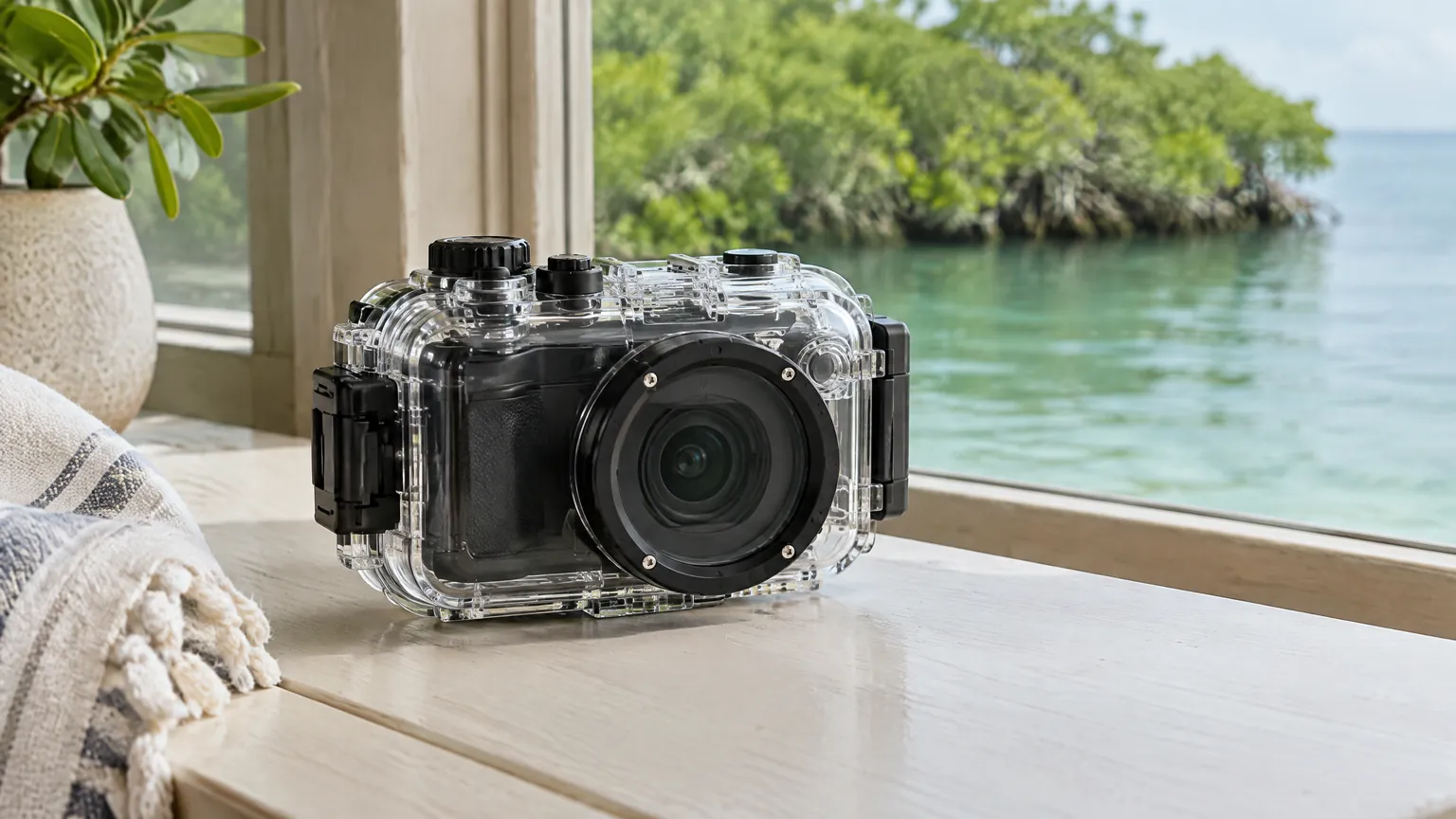
| Bringing an existing compact camera | List the camera, housing and accessories you already own | Can this setup be assessed for the proposed activity? |
| Considering extra lighting or larger equipment | Explain the photographic problem you hope to solve | What supervision and environmental restrictions would apply? |
| Feeling unsure about adding a camera at all | Describe recent diving experience honestly | Would camera-free learning or further instruction be more appropriate first? |
You can become familiar with menus and image review on land, without making that a substitute for supervised underwater learning. Ask the provider what preparation is useful for your actual equipment. For housing compatibility, servicing or manufacturer requirements, obtain advice from the relevant manufacturer or competent service provider rather than relying on a general article.
Renting, borrowing and buying also raise different practical questions. Confirm availability, responsibility for damage, what is included and any additional charges in writing. Avoid purchasing around an assumed course date before the arrangements are confirmed. More equipment is not proof of greater readiness, and a small setup still needs to be discussed with the person responsible for the activity.
Send an enquiry that makes priorities clear
A helpful enquiry gives the provider enough context to respond meaningfully. Explain what you hope to observe, not just that you want “better photographs”. Include your present qualification and relevant recent experience, and identify any equipment you propose to bring. State that wildlife must not be moved or touched for images and that you accept missing a photograph when the situation is unsuitable.
Use this checklist before making a commitment:
- Write one learning goal that remains worthwhile without a particular wildlife sighting.
- Ask which course, agency and prerequisites apply to the proposed arrangement.
- Request advice on whether your current readiness supports adding a camera.
- Confirm the environmental briefing and expectations for wildlife interaction and lighting.
- Ask who reviews your equipment and what materials or equipment are included.
- Confirm the intended location, meeting arrangements and method for communicating changes.
- Obtain the current written payment, non-refund, cancellation and make-up terms before paying.
Read the reply for decisions, not just enthusiasm. “You can bring a camera” does not necessarily answer whether it will be used, who will assess it or what learning support is provided. If a reply leaves those points open, ask for clarification. The same applies when environmental language is general: request an explanation of how the expectations affect the proposed activity.
Do not assume a weather-related change means an automatic replacement date, a refund or no additional charge. Ask how the applicable written terms handle changes and incomplete activities. If versions in different languages appear inconsistent, resolve the difference before payment. Dates, materials, boat arrangements and any make-up opportunity remain matters for the school’s current written confirmation.
Review the encounter, not only the image
After an outing, review your observation notes alongside any photographs. Ask what the image shows reliably, what happened outside the frame and what you cannot conclude. If an identification is uncertain, label it as uncertain. A photograph can be useful for discussion without proving the species or the reason for an animal’s behaviour.
Consider this hypothetical example: you hoped to photograph a small animal but it remained partly hidden. Instead of treating the missing close-up as failure, your review could record the habitat and the uncertainty about identification. You might ask an appropriate specialist to help interpret the image later. This preserves a learning question without creating pressure to move the animal or change its surroundings.
Think about what your caption rewards. A dramatic image accompanied by a boast about chasing an animal tells a different story from one that acknowledges a brief, undisturbed observation. Green Fins encourages photographers to give feedback when guides manipulate wildlife and to make clear that they prefer animals behaving naturally. That principle can also guide the way you describe an encounter publicly. 1
If other participants are identifiable, ask permission before sharing their images or names. Be cautious about publishing precise locations for sensitive wildlife, and seek appropriate conservation advice where needed. Keep editing choices separate from factual claims: an attractive colour treatment should not become evidence about water clarity or habitat condition.
The most useful next purchase may become apparent only after this review. It might also turn out that your next step is more learning rather than more hardware. A successful photography outing is not defined by equipment size or an encounter checklist. It is one in which the learning remains worthwhile without harmful contact, and the images you share describe what you observed honestly.
Common questions
Should I buy a larger camera system before asking about a photography course?
Not necessarily. First explain your observation goal, existing camera and recent diving experience to the provider. Ask whether adding a camera is appropriate and what support the proposed course includes. A purchase should address an identified need; it cannot replace the readiness assessment or supervised learning needed for the activity.
Does choosing Hoi Ha Wan mean I can expect clear coral photographs?
No. AFCD describes valuable coral communities and requires visitors to avoid damaging habitats, but that does not assure visibility, wildlife encounters or a particular photographic result. Confirm the proposed arrangements and current site guidance. Keep your learning goal flexible, and leave decisions about whether and where the activity proceeds to the instructor and boat team.
What should I say if I do not want wildlife repositioned for my photographs?
State this preference before booking: you want to observe animals naturally and do not want wildlife touched, moved or chased for images. Ask how the guide handles unsuitable opportunities and lighting expectations. Accepting that some photographs will not be made helps ensure your expectations support the environmental principles discussed in the briefing.
Sources & what they support
The scope below identifies what each reference supports. Citations do not imply independent endorsement of DiveHarbour or any school, establish course outcomes or provide individual medical clearance to dive.
- Green Fins: How to be a Responsible Underwater Photographer (opens in a new tab)
The Reef-World Foundation’s guidance supports avoiding species fixation, wildlife manipulation or chasing, coral contact and sediment disturbance; limiting flash and respecting animal space; and giving guides feedback about interference. It is environmental guidance, not a course standard or a claim about DiveHarbour’s practices.
- AFCD: Hoi Ha Wan Marine Park visitor and conservation information (opens in a new tab)
Hong Kong government information supports Hoi Ha Wan’s location, coral communities and other recorded marine life, and visitor duties to avoid habitat damage, not stand on fragile corals and follow the relevant visitor and coral-site codes. It does not establish current trip availability, visibility or wildlife sightings.