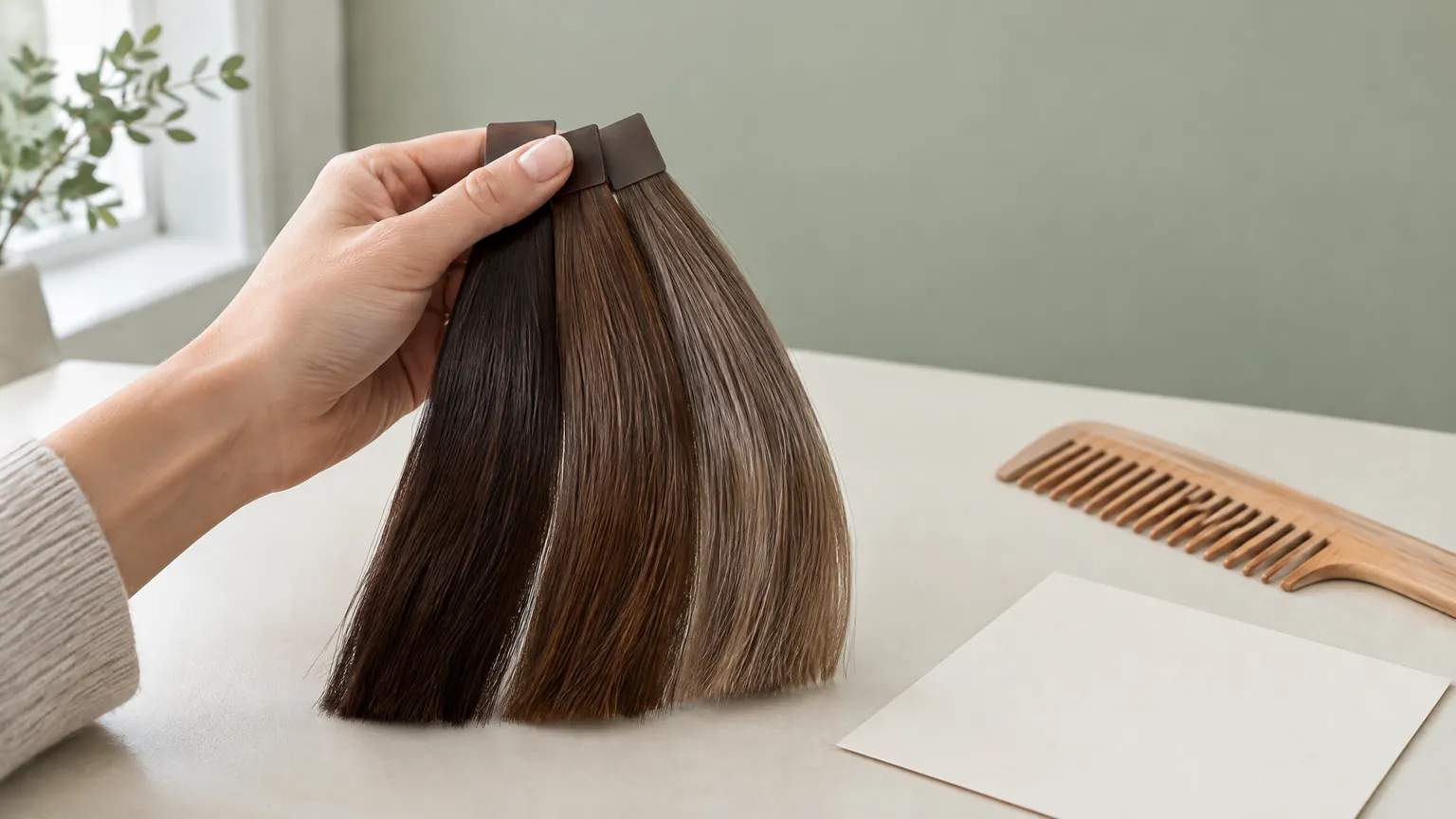
Natural curls or a colour change: specify the change before the method
This column offers salon and styling information and links to Vit So, a hair website under the same ownership. Hair services are provided by Vit So, not GotGear.
The short answer
Start by naming what you want to look different: the outline of your curls, the amount of grey showing, the overall shade or the contrast between sections. Cutting changes shape and length; colouring addresses pigment and coverage. Neither automatically solves the other problem. Bring your usual styling routine and previous treatment history to the consultation, then discuss a method that fits your hair condition and upkeep. Natural curls do not automatically need a perm, and a colour change does not automatically need bleaching.
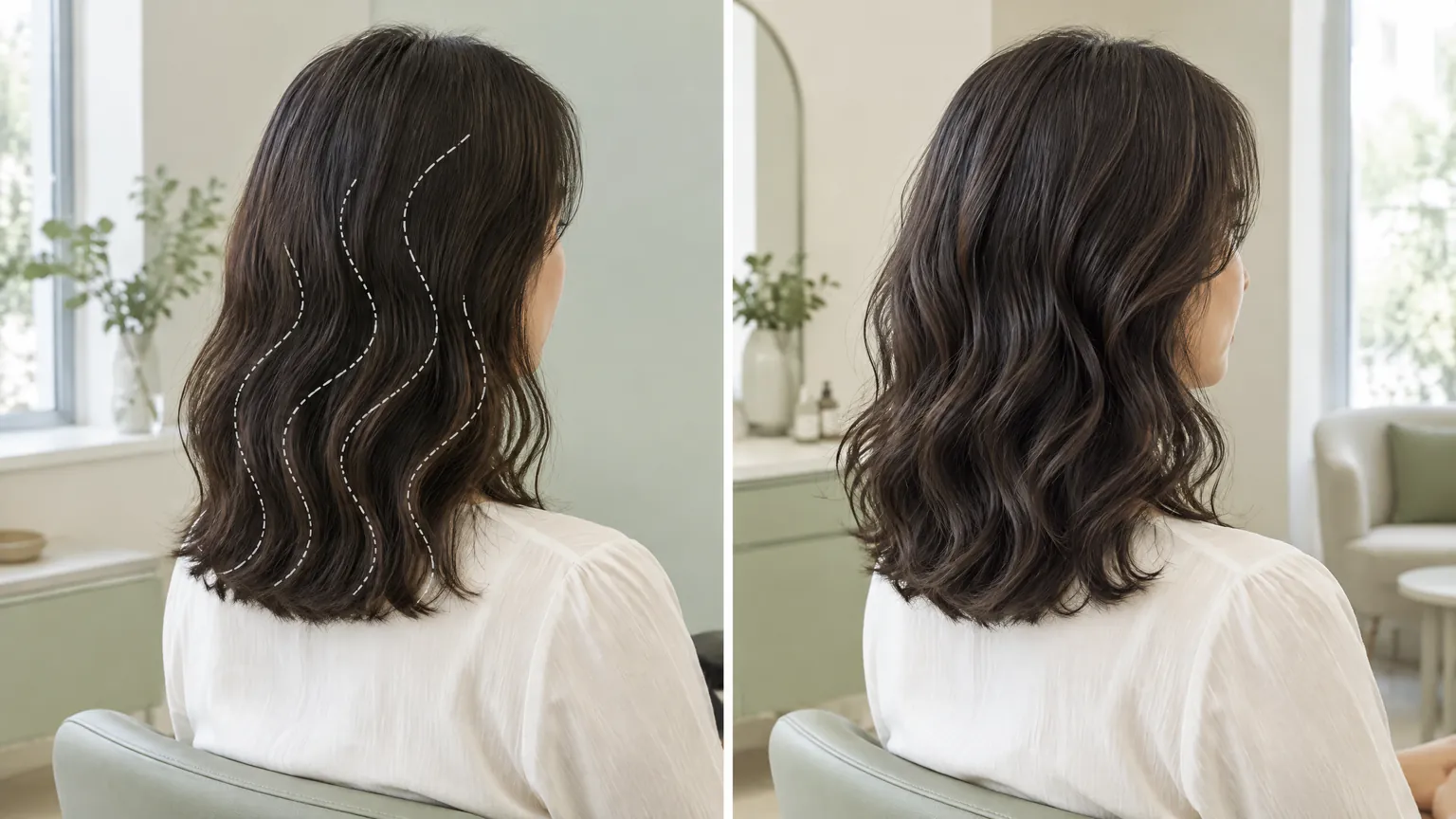
A photo of a shorter curly style with lighter tips can contain two separate requests. You might want its silhouette, its shade or both. Before booking, describe the change without naming a technique: ‘Keep the curl on top but reduce the width at the sides’, or ‘Leave the shape alone and make the grey at my temples less noticeable’. That gives a stylist something more useful than ‘a complete makeover’.
For someone deciding between a haircut and colouring, the first question is not which treatment sounds most transformative. It is which feature is bothering you, and what you are willing to maintain afterwards. The distinction matters even on short hair: a neat outline does not cover grey, while a darker shade does not remove bulk around the ears.
Separate shape, shade and coverage
A cut changes where the hair ends and how its length is distributed. Colouring changes its visible colour. A perm is a separate chemical service intended to change texture; it is not a necessary starting point simply because someone has naturally curly hair. Ask for the outcome first, then let the consultation establish whether any chemical texture service is relevant.
The table below helps turn a broad wish into a specific discussion. These are consultation priorities, not promises that a particular service will suit every head of hair.
| What you want to change | First discussion | What that does not automatically address | Useful detail to bring |
|---|---|---|---|
| Curls spread too far at the sides | Cut outline and length distribution | Grey coverage or a different shade | Photos of your hair in its usual dry state |
| The fringe sits awkwardly | Fringe length and how you normally wear it | A chemically different curl pattern | Whether you air-dry or use a dryer |
| Grey is more visible than you prefer | Coverage versus blending | A lighter overall result | Where the grey shows and how much you want left visible |
| You want a lighter appearance | Desired lightness and existing colour history | Less styling time or guaranteed suitability for bleach | Previous colour applications, including home products |
| You want both a new outline and shade | Priorities and whether to stage the changes | A guaranteed one-visit result | Which change matters most if the full plan is unsuitable |
You do not need to learn salon terminology before making these distinctions. ‘Less wide’, ‘some grey still visible’ and ‘no lighter than this reference’ can be clearer than a technique name used without a shared definition.
Specify the curl shape you actually wear
Natural curls are part of the haircut brief, not a fault that must be removed. The American Academy of Dermatology notes that thick curly hair is particularly prone to dryness and breakage, and recommends conditioning and gentle detangling rather than brushing it dry. A consultation should therefore include how you handle your hair between appointments, not just how you want it styled at the end of one. 1
Bring your everyday version, not only a styled reference
Show the front, side and back of your hair in an ordinary dry state. Explain whether the reference picture shows something you could reasonably maintain. If its fringe has been stretched or carefully arranged, say whether you want that look only for occasional styling or as your everyday outline. Ask how the proposed length is likely to sit when you use your normal routine.
For a man who wants to keep his natural texture, a guide to curly haircuts for men can help organise visual preferences before a consultation. Identify the part you like, such as a shorter perimeter or a longer top, rather than asking for an exact copy of another person's hair. Vit So and GotGear share ownership; this is related-site reading, not an independent salon endorsement.
Describe practical limits too. A fringe that stays away from your glasses may matter more than the style's name. If you wear a helmet during your commute, explain how you usually rearrange your hair afterwards. If you rarely use a dryer, make that explicit rather than accepting a shape whose appeal depends on daily heat styling.
Decide what ‘shorter’ means before anything is removed
‘Shorter’ might mean a cleaner neckline, less width above the ears or a noticeably shorter top. Those requests are not interchangeable. Point to the areas you want changed and the areas you want preserved. For the fringe, describe where you want it to sit when worn normally rather than only when pulled straight.
Also ask what happens to any existing coloured ends if the proposed cut removes them. This is a planning question, not a reason to keep unwanted length: you may decide the new outline matters more than retaining a previous colour effect. Making that choice beforehand avoids treating two goals as though they cannot conflict.
Turn a colour wish into an observable target
A colour request needs more than a shade name. Separate overall lightness, warmth or coolness, placement and grey visibility. ‘Brown’ can mean keeping your current depth while changing its tone, darkening selected sections or wanting a lighter result. A reference helps, but say which aspect matters and which would be an acceptable compromise.
Grey coverage and grey blending are also different intentions. You might want the grey to remain visible but less contrasting, or you might want it concealed as far as the proposed method can achieve. Do not assume a photograph communicates that preference. Point out the temples, parting or other areas that concern you, and discuss what happens as new growth appears.
Vit So's hair colour information is a place to start checking the service category before asking about the exact scope of your proposed change. Confirm whether the discussion concerns roots, the full length or selected sections. A general service description cannot establish which formula or process is suitable for your individual hair history.
A substantial lightening request deserves a separate condition discussion. The American Academy of Dermatology advises staying within three shades of your natural colour and explains that greater lightening requires higher peroxide levels, which cause more damage. That guidance is a reason to consider a less ambitious change, not a threshold below which every treatment is harmless. 2
Treat ‘tint’ as a question, not a complete specification
‘Tint’ does not tell you everything you need to know about an appointment. Ask what the salon means by the term in your case: what product type is proposed, whether the intention is coverage or a tonal change, and which parts of the hair would be treated. Do not assume that a familiar word means a temporary product, no lightening or no possibility of irritation.
If you are enquiring about hair tinting, state the desired result alongside that phrase. ‘I want my natural curls unchanged and the grey at my temples less obvious’ gives the enquiry a clear direction. Follow it with questions about expected maintenance and the information needed before an appointment can be confirmed.
Ask how the result is expected to change between visits. Is the main upkeep concern new growth, fading or maintaining a particular tone? What would a later appointment include? These questions help you choose a result you can live with, without relying on a claim that one method is universally easy to maintain.
Give a hair history, not just the latest treatment
Tell the stylist about colour that is still on the lengths, even if the application was months ago. Include home dyes, lightening, perms and straightening treatments. If you do not know the product or process, say so. Packaging, a receipt or a dated photo may help explain the history, but missing information should remain missing rather than being filled with a confident guess.
Describe where each treatment was applied. Roots treated recently and older processed ends should not be presented as one uniform starting point. Mention areas that feel unusually rough or break easily, and any previous reaction during or after colouring. These observations help frame an assessment; they do not establish a diagnosis.
A useful checklist to prepare before contacting the salon is:
- Write one sentence describing the main change, and one describing what must stay the same.
- Note your latest cut and every chemical treatment you can recall that may remain on the hair.
- Record any previous dye reaction and whether you know the product or ingredient involved.
- Bring ordinary dry-hair photos and a reference with the relevant feature identified.
- Explain your usual washing, detangling and drying routine, including realistic styling time.
- Ask what assessment and product-directed testing are needed, and what could alter the proposed scope.
- Confirm what is included before agreeing to proceed, rather than assuming cut, colour and finishing are bundled.
An allergy test and a test on a small section of hair answer different questions. Ask the salon to explain the purpose of any proposed test. Checking how a section responds to a colour process should not be treated as evidence that the product cannot cause a skin reaction.
Keep safety separate from the style decision
Previous uneventful colouring does not guarantee the next application will be uneventful. The FDA explains that sensitivity can develop after repeated exposure and formulations can change. It advises following product directions and performing the instructed skin test before every use. It also cautions that a reaction is still possible even when the skin test shows none. 3
Tell the salon about a previous reaction before arranging another application. Follow the specific product instructions rather than replacing them with a generic internet test schedule. The FDA also advises against dyeing an irritated, sunburned or damaged scalp. A desired shade is not a reason to proceed through an unresolved scalp problem. 3
If you develop persistent irritation, pain or sudden noticeable hair loss, seek assessment from a qualified healthcare professional rather than treating another salon service as a remedy. Cosmetic conditioning is not medical treatment, and neither a cut nor a colour appointment is a promise of permanent repair. The FDA recommends contacting a healthcare provider when a dye reaction occurs. 3
Avoid building your plan around stacking several chemical changes into one visit. Tell the stylist if you are also considering a perm or straightening treatment, and ask whether the overall plan should be reduced or postponed. Product directions, existing condition and processing history matter more than getting every element of a reference picture immediately.
A hypothetical choice: shape first, colour later
Consider a hypothetical man with naturally curly hair who wears it without a dryer. He wants less width at the sides and likes a photograph with pale tips, but he has older home dye on the top. He also wants an uncomplicated routine. None of those details proves that lightening is suitable.
His first brief could be: ‘Keep the natural curls on top, tidy the outline and do not rely on blow-drying for the shape.’ He can then ask whether cutting will remove some of the old dyed ends. If the colour history remains uncertain, he can leave the lighter tips undecided while discussing whether a different shade goal would be more appropriate.
This is not a prediction of his result or a rule that everyone should cut before colouring. It illustrates a useful fallback: choose which change you would still value if the other cannot responsibly go ahead. Someone whose main concern is grey visibility might set the opposite priority and keep the haircut largely unchanged.
Before committing, ask the stylist to restate the agreed outcome and scope in ordinary language. Check which areas will be cut or coloured, what assessment could change the plan and what upkeep you are accepting. A clear brief leaves room for professional judgement without surrendering your preferences. It also makes ‘not today’ a workable decision when the method does not fit the hair you actually have.

Common questions
Do naturally curly men need a perm to get a tidier shape?
Not simply because their hair is curly. Start by discussing the outline, fringe and length you want to keep. A cut may address the shape request without changing the natural texture. A perm is a separate chemical decision whose suitability needs assessment; it should not be assumed from a reference photo.
Does asking for a tint tell the salon how much grey I want covered?
No. Say whether you want grey concealed or still visible with less contrast, and identify the areas that matter. Ask what the salon means by tint for your proposed service, which sections would be treated and what maintenance to expect. The term alone does not define the complete result or process.
What if I cannot remember the home dye on my curly hair?
Tell the stylist that the product is unknown, roughly when you used it and where it was applied. Bring packaging or photos if available, but do not guess the formula. Discuss whether further assessment is needed and be prepared to reduce or postpone a colour goal if the history remains uncertain.
Does a clear skin test guarantee that colouring will not cause a reaction?
No. The FDA states that a reaction can still happen even if the skin test shows none. Follow the specific product directions and disclose previous reactions before another application. A test on a section of hair is not a substitute for skin-safety precautions or healthcare advice about a previous reaction.
Sources & what they support
The scope below identifies the information supported by each reference; a citation is not an endorsement of a salon or a guarantee of results.
- American Academy of Dermatology: 6 curly hair care tips from dermatologists (opens in a new tab)
Thick curly hair is prone to dryness and breakage; conditioning, gentle detangling and avoiding dry brushing are relevant to an everyday curl-care brief.
- American Academy of Dermatology: Coloring and perming tips for healthier-looking hair (opens in a new tab)
Greater lightening can require higher peroxide levels and cause more damage; the AAD advises choosing within three shades of natural colour, without implying a risk-free threshold.
- U.S. Food and Drug Administration: Hair Dyes (opens in a new tab)
Sensitivities can develop after previous uneventful use; product-directed skin testing is advised before every use but cannot guarantee no reaction; avoid dye on an irritated or damaged scalp and seek healthcare help for reactions.