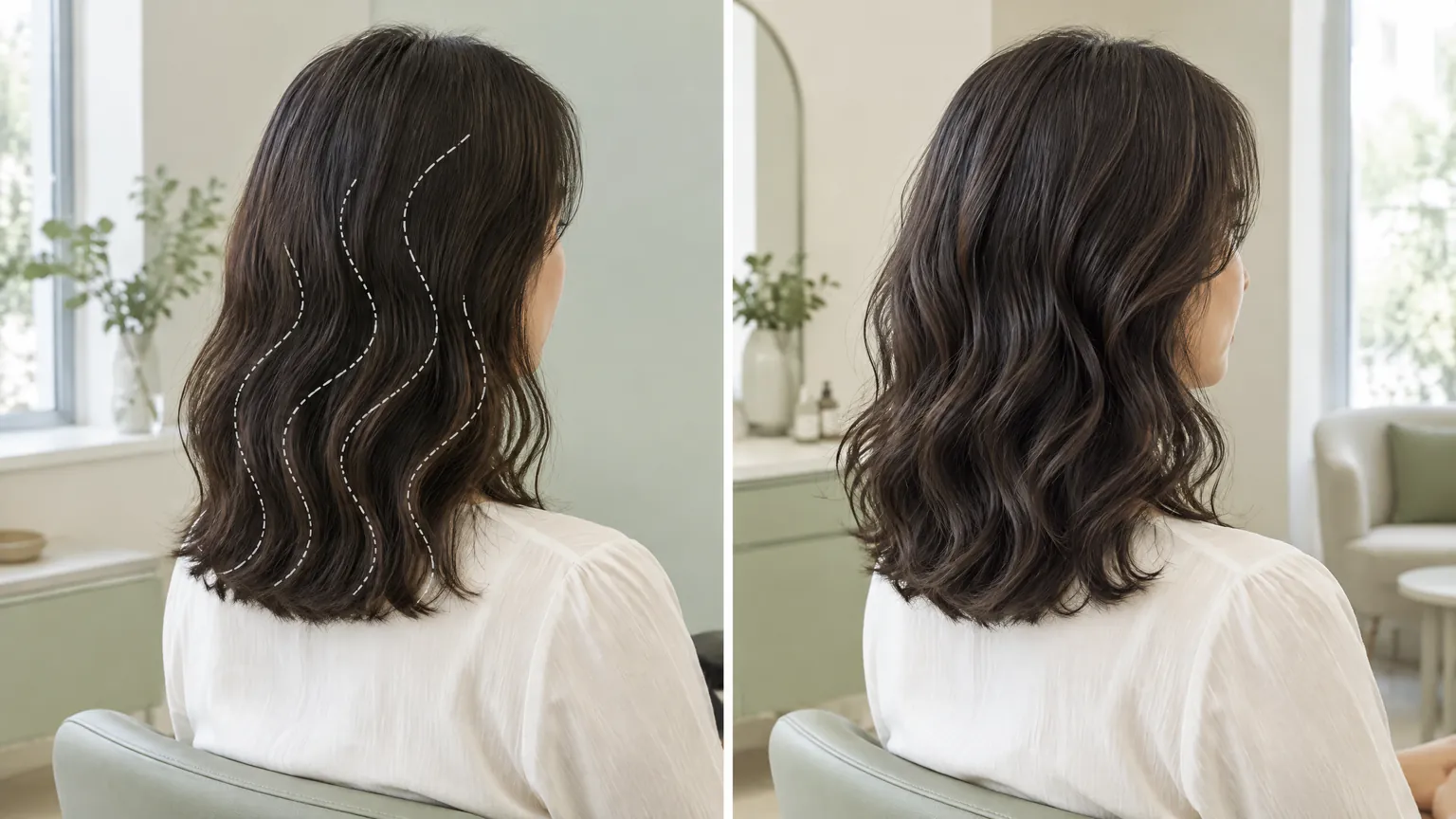
Keeping length: trim, layers and the bob decision
This column offers salon and styling information and links to Vit So, a hair website under the same ownership. Hair services are provided by Vit So, not GotGear.
The short answer
To keep useful length, specify where your hair should finish when dry and which sections must still reach your usual hair tie. A trim changes the ends, layers change the distribution of length, and a bob changes the overall outline; none of those labels defines an exact result. Decide what must remain possible on an ordinary morning, then agree on the shortest acceptable sections, the perimeter and the amount to remove before cutting begins.

Start with the length you use, not the label you like
Keeping length can mean keeping the longest strands, keeping a ponytail possible or keeping hair below a particular point on your body. Those are different requirements. A cut can preserve the back length while introducing front pieces that no longer stay tied. It can also leave the hair technically long enough for a ponytail but too short for your preferred bun. Say which version of keeping length matters to you before discussing a shape.
Use visible landmarks: the jaw, the top of the shoulders, the collarbone or a point below it. Show the intended finish with your hand while standing or sitting upright, with your head in a neutral position. Specify whether that landmark applies to the front, the back or both. A front section ending at the collarbone does not describe the entire outline, especially if the proposed cut is angled.
The final dry position is the useful reference, not simply where wet hair reaches. Waves and curls can sit differently after drying, and the result also depends on styling. Rather than guessing an allowance, show how your own hair normally settles and ask how the proposed cut will be checked in that state. If you usually wear it without straightening, a straightened photograph should not be the sole measure of success.
GotGear and Vit So share ownership, so the women's haircut page is a related service resource, not an independent recommendation. Use it as a starting point for discussing the cut you need, then confirm the actual service scope and appointment arrangements directly. The important preparation is a clear description of the outcome, rather than an assumption that a service name includes every finishing step.
A trim needs a stopping point
A small cut is still a decision about shape. The word trim does not establish how much comes off, whether the outline becomes straighter or whether existing layers are shortened too. If you want only the ends adjusted, identify the perimeter first: this is the outside edge of the haircut. Then explain whether face-framing sections and internal layers should remain untouched or be reviewed separately.
An amount to remove and a final landmark are useful together. An amount alone may be hard to picture; a landmark alone may leave uncertainty when the ends are uneven. Ask to see the proposed removal against your current hair before scissors are used. If evening out the outline would require more removal than you intended, that is a new decision to discuss, not something the word trim automatically authorises.
When checking the hair trim service information, take a sentence such as: keep the back below my collarbone when dry, adjust the uneven ends within the agreed limit, and ask before shortening the front. This is more useful than asking for a tiny amount everywhere. It also leaves room to discuss whether the requested limit can produce the outline you want.
Do not confuse removing rough-looking ends with changing the care routine that follows. The American Academy of Dermatology advises gentle handling, conditioning after washing and limiting excessive heat to reduce everyday damage.1 A haircut can change the visible ends and shape, but it should not be presented as a promise that future breakage will stop or that the remaining hair has been permanently repaired.
Layers preserve some length, not necessarily every function
Layers introduce different lengths within the cut. That can change movement and where the hair appears fuller, without requiring the longest edge to move upwards. However, keeping the longest edge says little about the shortest pieces. If tying your hair matters, ask where the front sections, crown sections and shorter lengths at the sides will finish.
Separate the outline from the shorter sections
Think of the perimeter and the internal lengths as two decisions. You might want a substantial-looking edge with only a modest difference between lengths. Alternatively, you might accept a more separated outline to make shorter sections more visible. Describe which appearance you prefer rather than requesting more layers as though that were a single setting. How much hair occupies each section also affects the visual result.
Face-framing pieces deserve their own discussion. A piece that looks attractive loose may need clipping back during food preparation, exercise or work. Ask whether it will reach your usual tie position, tuck behind the ear or require a clip. Those alternatives are not interchangeable. If you dislike clips, retaining enough front length may matter more than matching the shortest part of a reference picture.
A layered haircut guide can help organise the shape discussion, but the practical brief should name your shortest acceptable section and what it must do. Avoid assuming that layers always remove unwanted bulk or always create volume. Hair density, texture, placement and styling all affect how the cut appears; the useful question is which sections will be shortened and why.
Explain the finish you can reproduce
Describe your actual morning routine. Do you air-dry, use a dryer with your hands, or work with a brush section by section? Tell the stylist if you are unwilling to use heated tools regularly. Ask how the shorter pieces are expected to sit with that routine, and which parts of the reference image depend on styling rather than cutting.
This is also a care consideration. The AAD states that excessive heat can damage hair and recommends limiting heated tools, using low or medium settings and a heat-protective product.1 That does not make every styled haircut unsuitable. It does make a cut requiring repeated high-heat correction a poor practical match for someone who specifically wants to reduce that part of their routine.
The bob decision starts with the back and sides
A bob is not one fixed length. Before choosing it, establish the outline at the front, sides and back, and whether those points differ. A longer front does not mean the back will still reach a hair tie. Equally, a shoulder-length version is not automatically maintenance-free: hair resting against clothing or shoulders may sit differently from hair that clears them. Ask how that contact is likely to affect your intended finish.
Check what happens at the nape, where a photograph taken from the front gives little information. Would those sections remain loose in a ponytail? Are you comfortable using pins, wearing the hair down or choosing a different tied style? If a complete low ponytail is non-negotiable, make that constraint part of the length decision before considering an angled or shorter outline.
Use a bob haircut guide to compare shapes, then translate the preferred image into landmarks and functions. Ask for a side and back explanation, not merely agreement that the picture looks good. If the desired outline and the required tie-back ability conflict, choose which has priority or retain more length while you reconsider. A longer intermediate cut is an option, not a compulsory route to a shorter one.
Parting position matters to the brief too. Show your usual parting and whether you change it. A shape demonstrated with one arrangement may look different when moved to the other side. Before committing, discuss the ordinary loose finish, the tied finish and any tucked-behind-the-ear finish you rely on. You are choosing an everyday haircut, not just its most carefully arranged view.
Compare the options against your non-negotiables
The table below compares decision points rather than promising that a named cut behaves the same on everyone. Start in the column that describes what must remain possible, then use the final column to identify what needs agreement. A trim with an altered front can sometimes affect your routine more than longer layers with the front preserved.
| Option | Length decision to make | Everyday function to check | Question before cutting |
|---|---|---|---|
| Ends-only adjustment | Maximum removal and dry perimeter | Existing ponytail or bun still works | Will evening the edge need more removal than agreed? |
| Longer layers | Perimeter plus shortest internal lengths | Front and side pieces reach the usual tie | Which sections stay shorter, and where will they finish dry? |
| Face-framing change | Shortest front piece, separate from back length | Ear tuck, clip use or complete tie-back | Must these pieces join the ponytail, or can they remain loose? |
| Longer bob | Front, side and nape landmarks | Low tie or acceptable alternative | Does the back reach the tie without forcing it? |
| Shorter bob | Outline that may sacrifice tied length | Comfortable loose finish and suitable work arrangement | Am I choosing this knowing a full ponytail may not be possible? |
Test tied-hair needs without pulling harder
Demonstrate your usual ponytail position before the cut, not just whether the ends can reach any elastic. A high tie and a low tie collect different sections. Explain whether you need all hair secured for a particular activity, and check relevant workplace requirements rather than assuming a clip will be acceptable. Bring the tie or clip you actually use if that helps communicate the routine.
Do not make tightness the workaround for a length mismatch. The AAD explains that repeated pulling from tight hairstyles can cause traction alopecia, a form of hair loss, and recommends loosening styles and avoiding frequent tension.2 The practical goal is enough usable length for a comfortable arrangement, not just enough to pull every strand into place by force.
If a tied style hurts, loosen or change it; the AAD identifies pain, stinging and scalp crusts as warning signs.2 Persistent irritation, pain or sudden noticeable hair loss should be assessed by a qualified healthcare professional. A haircut consultation is not a medical diagnosis, and making the hair shorter is not a substitute for investigating symptoms.
A hypothetical choice when the ponytail comes first
Hypothetical example: someone has hair below the collarbone, likes a jaw-length bob photograph and needs all front sections secured during shifts. They do not want pins and usually let their hair dry naturally. The first question is not whether the photograph is fashionable. It is whether that length can satisfy the tied-hair requirement comfortably.
They could show the tie position, identify the front sections that currently reach it and ask which would no longer do so after the proposed cut. If the bob cannot meet that requirement, keeping a longer perimeter or choosing a limited ends adjustment is a reasonable decision. Longer layers are another possibility only if their shortest sections also meet the same practical constraint.
Suppose they decide they would rather wear the hair loose outside work but still need it secured on shift. The consultation should establish a permitted, comfortable work arrangement before selecting a shorter outline. This example does not predict a result for any particular head of hair. It shows how a non-negotiable can narrow the choice without treating a reference picture as a promise.
Leave with a brief that can be checked
A useful consultation ends with shared specifics. You do not need cutting terminology for every technique; you need agreement on the visible result and any limits. Keep one reference picture for the outline and another for a detail only if you can explain what each contributes. Also identify what you do not want, such as a short front section or a back length that leaves the nape loose when tied.
Before cutting begins, work through this checklist:
- Show the desired dry finish at the front and back using body landmarks.
- Demonstrate your normal tie position and identify sections that must reach it comfortably.
- Agree on the maximum removal and ask to be consulted if more appears necessary.
- Decide whether existing layers and face-framing pieces are included or left alone.
- State your usual parting, drying routine and willingness to use clips or heated tools.
- Ask how the final outline and tie-back function will be checked.
Afterwards, look at the sides and back as well as the front. Try the agreed tied arrangement if that was central to the brief, without tightening it to hide loose sections. Ask which finish comes from the cut and which comes from the styling demonstration. This gives you a clearer basis for deciding what to repeat at home and what to discuss at a future appointment.
For daily care, the AAD recommends detangling gently from the ends upwards with a wide-tooth comb and absorbing moisture without rough towel rubbing. Its advice distinguishes hair types: straight hair can dry a little before combing, while thick curly hair can be combed in the shower before conditioner is rinsed out.1 Match that care to your own hair rather than treating a new shape as permission to handle it more roughly.
The best stopping point is the one you understand before any length comes off. A clear perimeter, a clear shortest section and a comfortable everyday arrangement make the choice between an ends adjustment, layers and a bob much more concrete than the names alone. You may still choose a significant change, but it will be a deliberate trade-off rather than an unexpected loss of useful length.

Common questions
Can I keep the back length but lose my ability to tie all my hair?
Yes. The longest back strands may remain while shorter front or side sections no longer reach your usual tie. Ask about those sections separately and demonstrate the actual ponytail position you use. If every strand must stay secured, make comfortable complete tie-back a requirement before agreeing to layers or face framing.
How should I describe a trim if I only want the ends changed?
Specify the dry finishing landmark, the maximum removal and whether existing layers or front pieces should stay untouched. Ask to see the proposed removal before cutting. If making the edge even would require a larger change, agree that the stylist should discuss it with you rather than infer permission from the word trim.
Is a longer bob guaranteed to work in a ponytail?
No. The back and nape may be shorter than the front, and different ponytail positions collect different sections. Discuss the outline from every angle and show your normal tie position. If pins or loose pieces are unacceptable, retain the length needed for a comfortable complete tie rather than pulling harder.
What should I explain if I do not want to straighten my hair each morning?
Describe how your hair dries naturally, your usual parting and the tools you actually use. Ask how the proposed perimeter and shorter sections are expected to sit with that routine. Separate the outline you like from any straightening, curling or brush work used to produce the reference photograph.
Sources & what they support
The scope below identifies the information supported by each reference; a citation is not an endorsement of a salon or a guarantee of results.
- Tips for healthy hair — American Academy of Dermatology (opens in a new tab)
Supports conditioning after washing, gentle detangling and moisture absorption, hair-type-specific combing advice, and limiting excessive heat with low or medium settings and heat protection. Does not establish that a particular haircut guarantees less damage or a specific visual result.
- Hairstyles that pull can lead to hair loss — American Academy of Dermatology (opens in a new tab)
Supports the risk of traction alopecia from repeated tight hairstyles, recommendations to loosen styles and avoid frequent pulling, warning signs including pain, stinging and crusts, and seeking dermatological assessment for hair loss.