
Heat-friendly fibre: read the exact care limits before styling
GotGear and OWNSTRAND share the same owner. This collection is not an independent recommendation. GotGear does not supply wigs or medical treatment; actual wig services are provided by OWNSTRAND, whose only known studio is in Kwun Tong. These articles provide general information, not medical advice.
The short answer
A heat-friendly label is not a universal styling temperature. Find the care instructions for the exact fibre and wig, then check the recommended setting, permitted tools and cooling method before applying heat. Some manufacturers publish a maximum alongside a lower working range; those figures serve different purposes. Also assess the cap separately: a fibre’s heat tolerance says nothing about scalp comfort. During cancer treatment, questions about irritation or wearing restrictions belong with your clinical team, not a styling guide.
Start with the exact fibre, not the category label
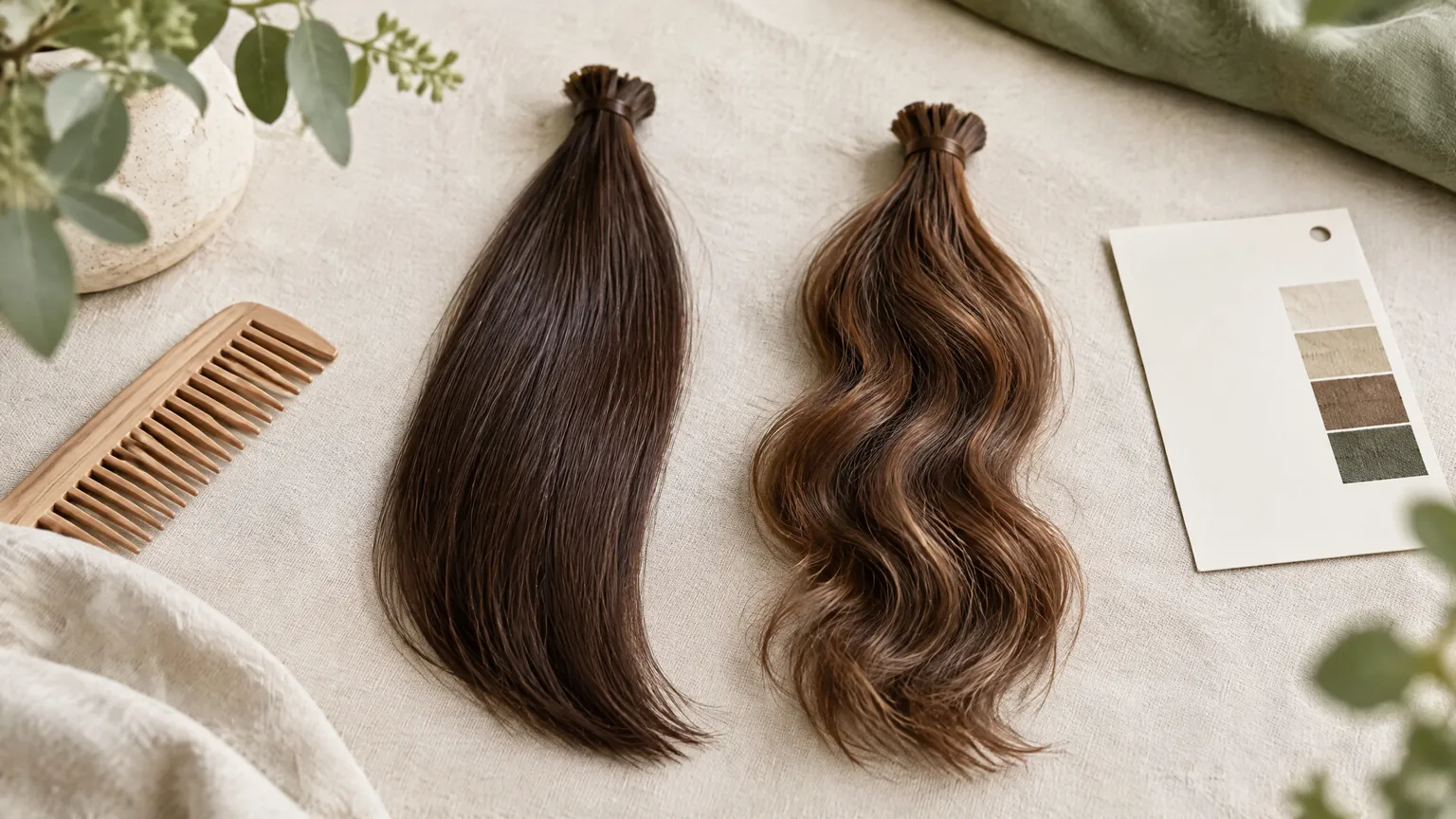
Heat-friendly synthetic fibre offers a specific kind of flexibility: certain products can be reshaped with approved thermal tools. It does not mean every synthetic wig tolerates heat, every styling tool is suitable, or the cap can withstand the same treatment as the strands. Before planning curls or a straighter finish, identify the manufacturer, model and fibre name. Match those details to the supplied care leaflet or the manufacturer’s instructions rather than a general social-media tutorial.
The distinction can exist within one manufacturer’s range. HairUWear allows thermal styling for its Tru2Life fibre under specified conditions, but explicitly prohibits thermal styling tools for its Kanekalon Vibralite fibre. Similar-looking wigs therefore need different handling. A soft texture, a natural-looking finish or a curled shop photograph cannot establish which care rules apply. Those are appearance details, not evidence of heat compatibility.2
When browsing heat-friendly synthetic wigs, use the category as a starting point for product questions. Ask which exact fibre a particular style uses and request its written heat instructions before choosing equipment. The manufacturer examples below explain how to read care guidance; they do not establish that either manufacturer’s products are supplied by OWNSTRAND. GotGear and OWNSTRAND share ownership, so this link is a related browsing resource rather than an independent endorsement.
Keep the fibre name with your care notes. A remembered instruction such as ‘use low heat’ is incomplete if you later buy a different wig or lend the styling task to someone else. A photograph of the product label and the relevant leaflet gives you something precise to check without relying on memory.
A maximum limit is not the recommended setting
Jon Renau’s guidance for its HD fibre illustrates the difference clearly. It says the fibre can withstand heat tools up to 350°F, while recommending 270°F–280°F for styling. It also recommends professional-grade tools with digital temperature settings. These are instructions for Jon Renau HD fibre, not a temperature rule for synthetic wigs generally.1
HairUWear’s Tru2Life guidance describes a low-to-medium setting up to 350°F/180°C and warns that excessive heat damages the fibre. It also says not to heat-style while wearing the wig because the fibre becomes very hot. Follow that manufacturer’s instructions for the relevant product rather than importing Jon Renau’s lower working range or another brand’s method.2
Check the tool’s units and controls
A numerical limit is useful only when you know whether it is stated in Fahrenheit or Celsius. Read the unit on the care instructions and the appliance display before switching it on. Do not assume a dial marked ‘low’ corresponds to the manufacturer’s permitted setting. If a tool does not let you select or verify the required range, use a compatible tool or leave the restyling to a provider who can explain their equipment and method.
The upper limit is not a goal to reach when a curl looks slow to form. The instructions may depend on section size, contact time and cooling, not just temperature. Raising the heat to compensate for a missed step changes the procedure. Likewise, a heat-protection product does not override the fibre’s limit: both manufacturers describe fibre-specific care products alongside their styling instructions, not permission to exceed those instructions.1
| Manufacturer and named fibre | What the published care guidance says | What it means for the reader |
|---|---|---|
| Jon Renau HD | Up to 350°F; recommended styling range 270°F–280°F.1 | Distinguish the stated maximum from the lower recommended working range. |
| HairUWear Tru2Life | Low-to-medium heat up to 350°F/180°C; do not heat-style while wearing.2 | Check the product instructions and style off the head. |
| HairUWear Kanekalon Vibralite | Never use thermal styling tools.2 | Do not transfer Tru2Life instructions to this fibre. |
These examples help you recognise different kinds of instruction. They are not a universal temperature chart or a ranking of the fibres. If the leaflet supplied with your particular wig and an online page appear inconsistent, ask the manufacturer to resolve the difference before applying heat.
Decide whether you actually need thermal restyling
The ability to change texture is useful if that is part of your routine. It may matter less if you want the same shape most mornings and would rather avoid setting up tools. Compare the look you need with the work you are willing to repeat: detangling, following the care sequence and allowing the styled sections to cool. Flexibility is a feature, but using it involves a separate task.
A broader comparison of synthetic wigs can help you frame that choice without assuming the heat-friendly option is automatically better. For each style under consideration, ask whether its existing shape meets your needs and how the manufacturer says to maintain it. A reader who wants a consistent bob has a different requirement from someone who intends to alternate between a straight finish and waves. Neither requirement establishes how the cap will feel.
Do not assume washing reverses thermal styling. HairUWear states that Tru2Life retains its newly heat-styled texture even after washing. Someone who straightens a wavy style should therefore not expect a wash to restore the original waves automatically. Check the reshaping method before making a change, particularly if the original texture is the reason you chose the wig.2
Length also changes the practical workload. Jon Renau emphasises daily detangling for its HD fibre, particularly mid-length and longer styles. HairUWear advises attention to the nape on longer styles. Consider where the ends sit against your collar and how easily you can reach that area for the specified care. A longer style may still suit you, but its upkeep should be part of the decision rather than an afterthought.1
Treat washing, detangling and cooling as separate steps
Thermal styling is not a substitute for a suitable cleaning routine. Jon Renau’s HD instructions describe cool-water washing, gentle handling and towel patting rather than rubbing. They recommend a wide-tooth comb and say air drying helps maintain fibre integrity. HairUWear’s Tru2Life instructions also specify cool water and warn against twisting or wringing. Use the sequence for your named fibre, including any restrictions concerning the cap.1
Construction can change the drying method even within one care page. HairUWear specifies a wig stand for its damp Tru2Life wigs, but says hand-tied hairpieces should dry flat on a colourfast towel to avoid damage to their delicate construction. This is why a general ‘synthetic care’ label is not sufficient: a full wig and a smaller hairpiece may need different support while drying.2
Let the new shape cool as instructed
Cooling is part of setting the texture, not simply a pause before wearing. Jon Renau’s HD curling method describes clipping the curl and letting it cool completely before release. HairUWear similarly says to hold the Tru2Life curl shape with a hairpin or clip until completely cool. Their straightening instructions also include cooling. Read the complete method before starting so you have the required supports ready.1
Avoid hurried extra passes because a warm curl has not yet settled. First complete the manufacturer’s cooling step and assess the result. If you remain unsure, stop rather than experimenting with higher settings. Unclear instructions are a reason to seek product-specific help, not to fill the gap with a technique intended for your own growing hair.
Separate styling heat from everyday heat exposure
Controlled contact with an approved tool is different from an unexpected burst of heat. HairUWear warns that opening an oven door can damage even heat-friendly synthetic fibre. Macmillan also advises keeping wigs away from flames and heat from ovens. A thermal-styling label should not be read as protection for cooking or other uncontrolled exposure.2
If cooking forms part of your day, choose a routine that keeps the wig away from oven-door heat and open flames. Do not lean into the oven to inspect food while wearing it. Keep stored wigs away from the cooking area, and do not treat a styling temperature figure as a way to judge an oven’s suitability. The manufacturer’s permission concerns a specified styling method, not every source of heat.
For a small fitting or retail space, keep heated styling equipment separate from the try-on area. A seated fitting can assess the cap, while any agreed thermal work is performed off the wearer and according to the product’s instructions. This also lets the person trying the wig concentrate on pressure and security without having a hot appliance near their face. It is a practical arrangement, not evidence that any named provider offers that service.
During treatment, assess cap comfort independently
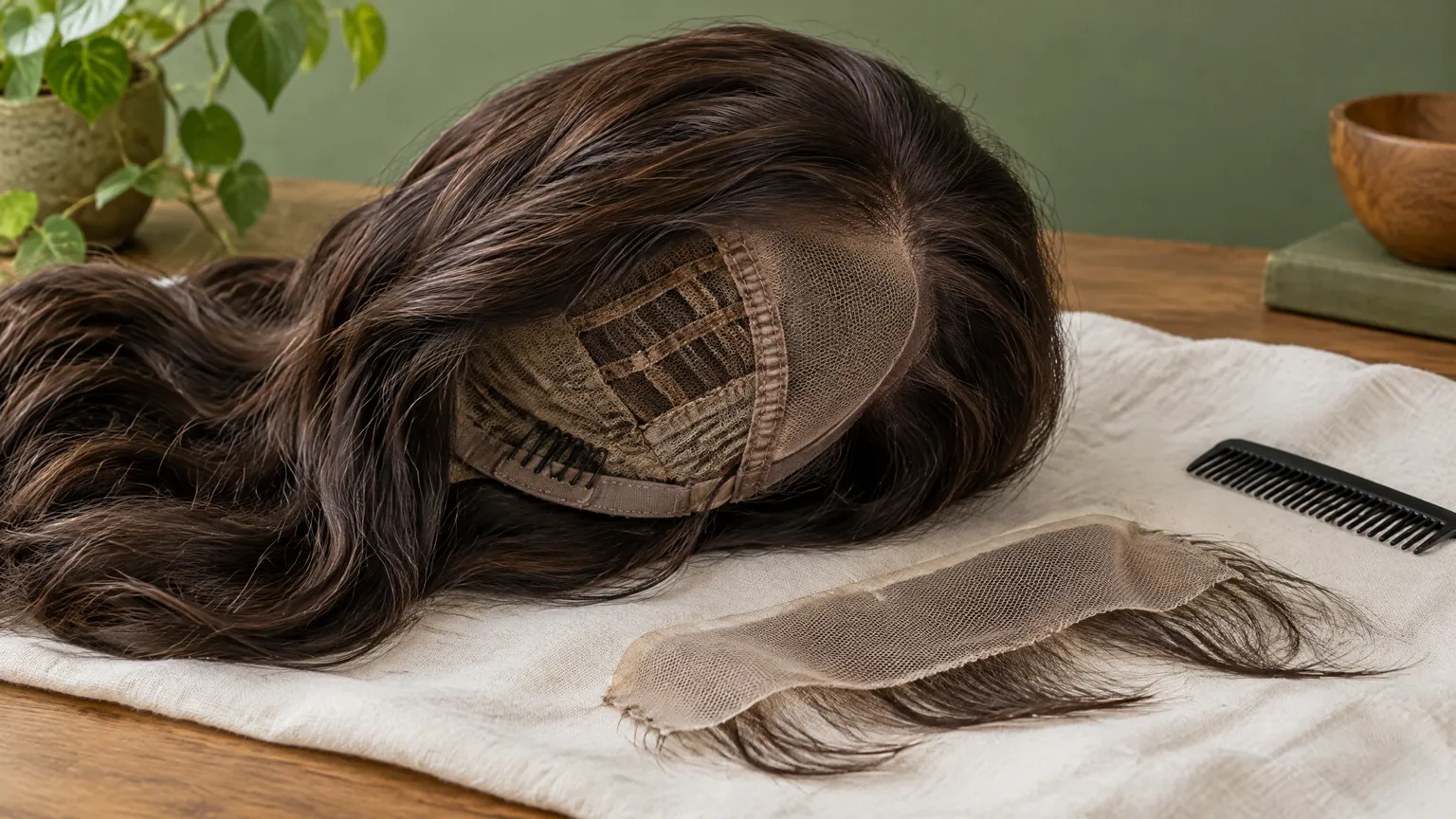
A heat-friendly fibre designation does not tell you whether seams, edges or fastenings will feel comfortable against your scalp. Macmillan notes that the wig lining can irritate the scalp and that a thin cotton liner may help. It also cautions that a liner can make the wig move around more. That trade-off needs an actual fit assessment; adding a layer is not automatically an improvement.3
Macmillan suggests taking the wig off when possible to allow air to reach the scalp and removing it at night. It notes that synthetic wigs are often lighter than human hair wigs, but that broad comparison does not establish the weight or comfort of a particular model. Assess the individual cap and the amount of hair rather than relying on the fibre category alone.3
If you are reviewing chemotherapy wigs, keep the enquiry focused on appearance and practical fitting needs: the style you want, where the cap feels tight and how adjustments work. Ask the provider which care instructions apply to the exact piece. The service label does not establish clinical suitability, and you do not need to share an unnecessary medical history to discuss colour, length or your preference for privacy.
Treatment-related wearing restrictions belong with your clinical team. Macmillan specifically advises asking a doctor or nurse which securing tape can be used and how to remove it because skin may be sensitive during treatment. Persistent irritation, pain or sudden marked hair loss also warrants assessment by a qualified healthcare professional. Do not try to solve discomfort by tightening the cap further or by asking a styling product to treat the scalp.3
A hypothetical choice: occasional waves, simpler mornings
Consider a hypothetical Hong Kong reader choosing a shoulder-length wig for work and hoping to wear waves for occasional dinners. They travel in a collared jacket, have limited time before leaving home and may be attending treatment appointments. This is an illustrative decision, not a customer account or a claim about any product’s performance.
Their first task is to see whether the wig’s existing shape already works for ordinary days. Next, they check the exact fibre’s written permission for restyling, including the cooling method and whether a wash preserves the altered texture. They also consider how they will care for the nape after wearing it against the jacket. These questions reveal whether occasional waves are worth the additional handling.
The fitting remains a separate decision. They assess the cap without thermal work, notice any pressure around the ears and compare the fit with a liner if appropriate. If a simpler style is easier to manage, that is a valid choice. If restyling remains important, they can plan it for a time when they can complete the instructions without rushing, rather than making a hurried alteration before an appointment.
Use this checklist before the first heat-styling session:
- Record the exact manufacturer, model and fibre name, and locate the matching care instructions.
- Identify the recommended setting, any maximum and the temperature unit; confirm that the tool supports the specified control.
- Check permitted products, detangling tools and whether the fibre must be dry for the chosen method.
- Prepare the approved support, sectioning method and cooling clips before turning on the appliance.
- Remove the wig before thermal work and follow the product-specific directions; assess cap comfort separately.
- Stop if the instructions are missing or contradictory, and ask the manufacturer or a suitably experienced provider to clarify them.
The useful promise of heat-friendly fibre is controlled styling choice, not freedom from care limits. Keep the instructions attached to the exact piece, choose a routine you can realistically maintain and give scalp comfort its own assessment. A wig that fits your daily needs does not have to use every styling option it permits.
Common questions
Can I use a published maximum temperature as my normal styling setting?
Not automatically. Jon Renau’s HD instructions distinguish a 350°F maximum from a recommended 270°F–280°F styling range. Those figures apply to that fibre, not every heat-friendly wig. Use the instructions for your exact product, including the permitted tool, contact method and cooling step, rather than treating the maximum as a target.
Will washing return a heat-styled wig to its original texture?
Do not assume it will. HairUWear states that Tru2Life retains its new heat-styled texture after washing. Before changing waves to a straight finish, find out how your exact fibre can be reshaped and what its cooling instructions require. A wash is a cleaning step, not a universal way to undo thermal styling.
Does heat-friendly fibre mean a wig will be comfortable during chemotherapy?
No. Heat compatibility describes styling permission, not scalp comfort or clinical suitability. Assess the individual cap, edges and fit separately. A cotton liner may help some wearers but can also affect security. Ask your clinical team about treatment-related wearing restrictions or securing tape, and seek qualified assessment for persistent irritation or pain.
Sources & what they support
The scope below identifies what each reference supports. Citations do not imply independent endorsement of OWNSTRAND or any provider, and do not establish treatment benefits or guaranteed results.
- Jon Renau: Care and Tips for HD Fiber (opens in a new tab)
Manufacturer-specific HD guidance: 350°F maximum versus recommended 270°F–280°F range; digital temperature controls, wide-tooth comb use, cool-water washing, air drying and complete cooling during styling. These instructions are not generalised to other fibres or OWNSTRAND products.
- HairUWear: Raquel Welch Colors and Care (opens in a new tab)
Manufacturer-specific Tru2Life heat limit, off-head thermal styling warning, texture retention after washing, cooling, oven-heat warning and construction-dependent drying advice; contrasting prohibition of thermal styling for Kanekalon Vibralite.
- Macmillan Cancer Support: Wigs for Cancer Treatment (opens in a new tab)
General wig comfort guidance during cancer treatment: lining irritation, cotton liners and possible movement, opportunities to remove the wig, synthetic wigs often being lighter, heat avoidance, and asking a doctor or nurse about securing tape. UK funding and price information is not applied to Hong Kong.