An Office Christmas Meal Needs a Serving Plan as Well as a Centrepiece
GotGear and YumYum (including its gifting, baking and florist branches) share an owner; this collection is not an independent recommendation. GotGear does not provide catering, gifting, cake, floral, tuition or rental services. External-service information is separate from GotGear’s equipment catalogue; confirm the actual scope with the relevant provider. Articles are general planning information, with no promises about supply, arrangements or outcomes. Concept photos are not records of real events, customers or classes.
The short answer
Choose the serving arrangement before committing to the festive centrepiece. A whole turkey can suit a shared celebration, but a larger workforce also needs confirmed edible portions, a named person responsible for service and a route from the queue to the tables. Multiple stations can distribute meal collection, provided their menus, holding arrangements and replenishment duties are agreed. Neither a large dish nor a package headcount settles those questions.
Choose the serving arrangement before committing to the festive centrepiece. A whole turkey can suit a shared celebration, but a larger workforce also needs confirmed edible portions, a named person responsible for service and a route from the queue to the tables. Multiple stations can distribute meal collection, provided their menus, holding arrangements and replenishment duties are agreed. Neither a large dish nor a package headcount settles those questions.
GotGear and YumYum share an owner. This is a planning article in GotGear's journal, not an independent provider endorsement; GotGear does not provide food, floral, gift, class or rental services.
Start with the meal people will actually attend
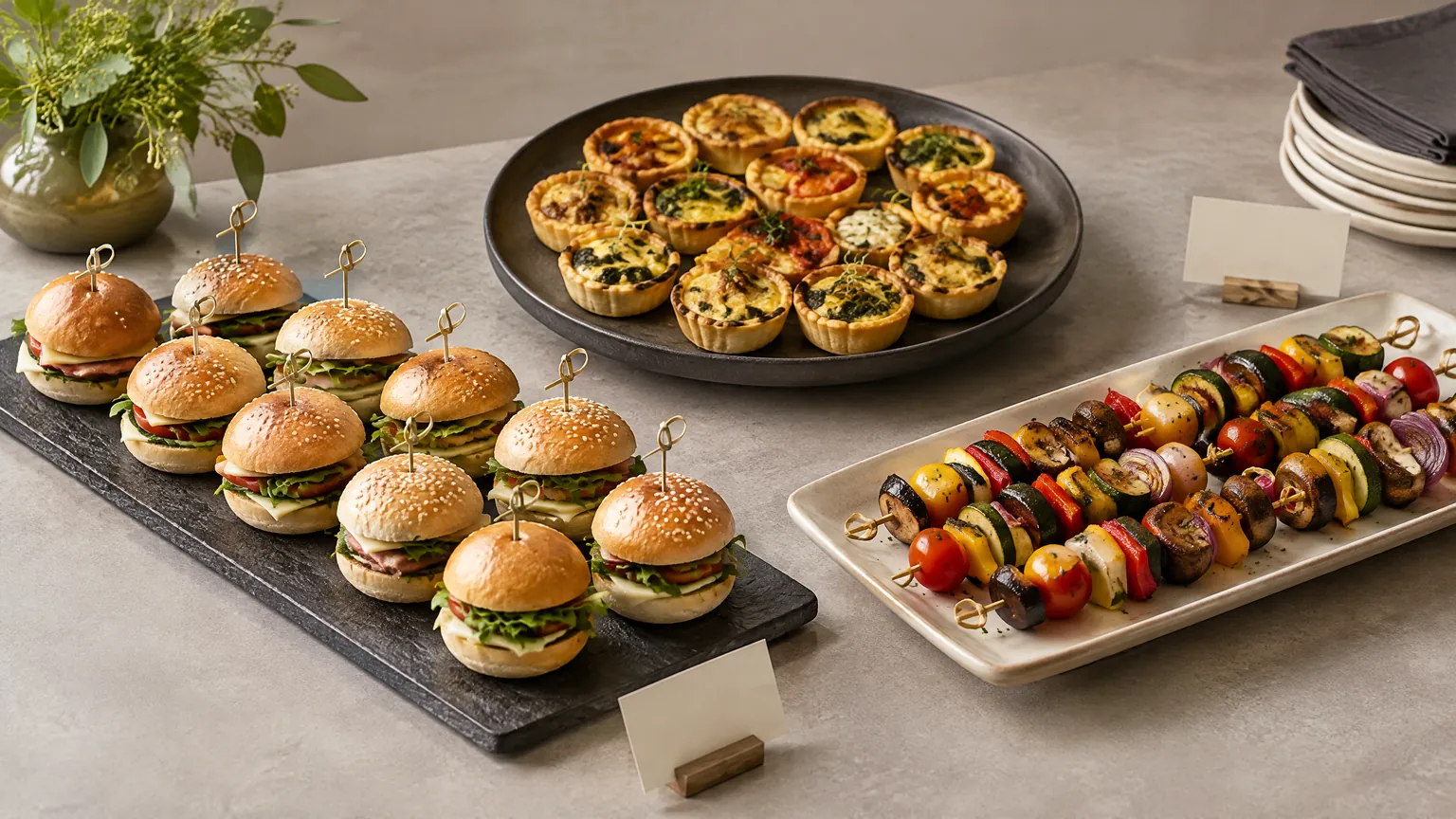
An office Christmas gathering may be a seated lunch, a reception after work or a short break between shifts. Those are different serving tasks. A team stopping for a full meal needs enough substantial food and somewhere to eat it. A reception may need food that guests can manage while standing. Describe the meal in ordinary terms before discussing turkey sizes or selecting trays from a photograph.
Imagine a Kwun Tong office where the customer-support team finishes later than colleagues in administration. A single announcement that lunch is open does not mean everyone can collect food together. Record which groups can attend each serving period and whether late colleagues need a separately arranged meal. Do not assume that food remaining on the buffet will be an adequate or appropriate late-shift allocation.
Count hosts, visiting colleagues and people with confirmed alternative meals alongside the main attendance list. Keep tentative attendance visible rather than quietly rounding it into an order. If a colleague wants both an on-site meal and an agreed takeaway pack, those are separate food allocations, even though the person appears only once on the attendee list.
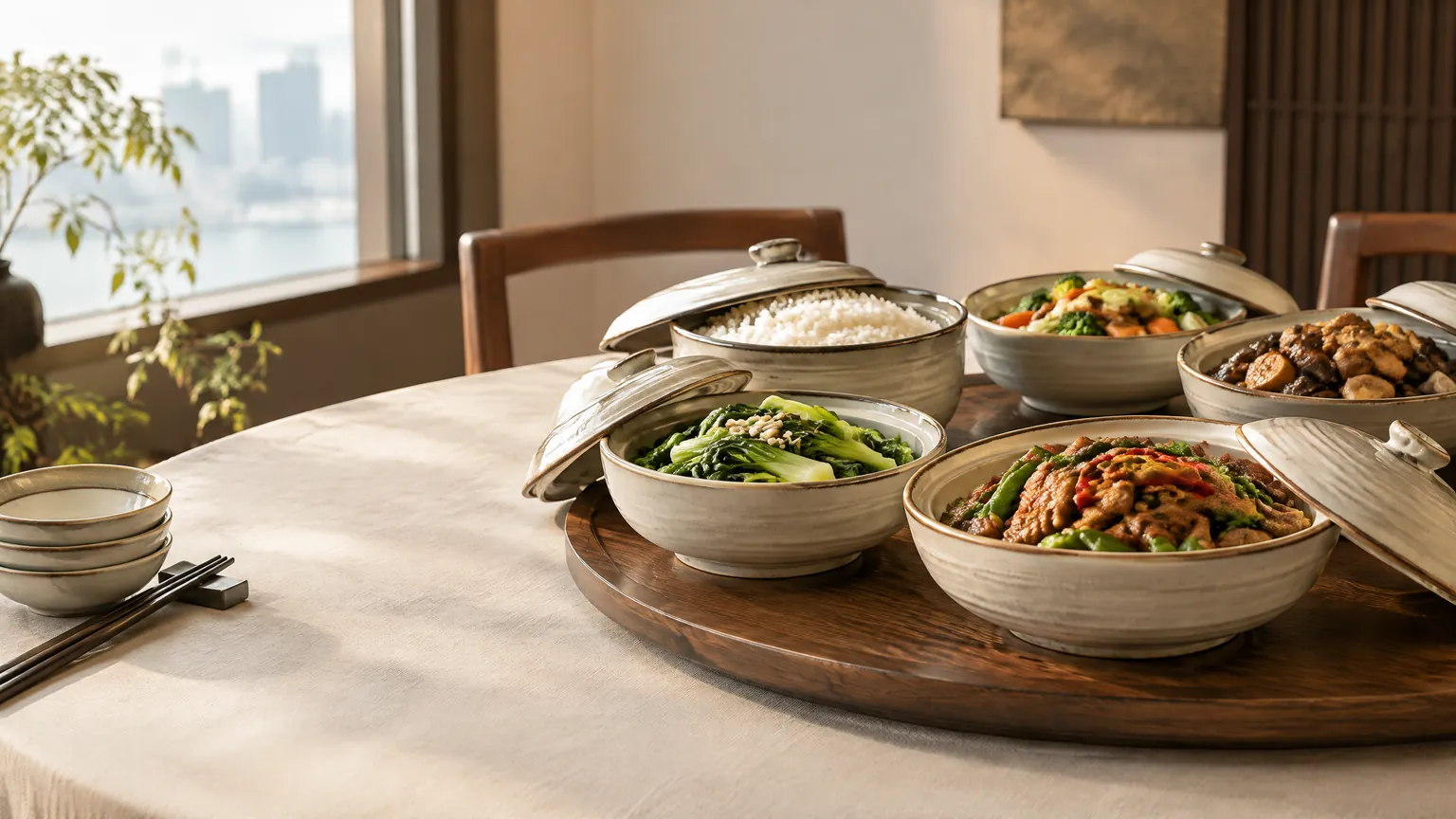
For the wider seasonal enquiry, Christmas Party Catering is a same-owner service-information resource describing several festive meal formats. Use it to frame a specific brief: a seated departmental lunch, a standing reception or individually packed meals for staggered attendance. Ask which format and dishes can be confirmed for your date, rather than assuming that every festive option described online is available together.

Decide what job the turkey is doing
A turkey can be the main protein for everyone, one choice among several dishes or a centrepiece for a short shared moment. State which role you intend. If everyone expects a turkey portion, ask the provider to identify the edible portions allocated to the order. A whole bird's appearance or overall weight is not a sufficient answer to how the meal will be divided.
The Christmas Roast Turkey Delivery page discusses whole turkey and portioned turkey formats with accompaniments. Before choosing between them, confirm what physically arrives: a whole dish requiring further service, portions already prepared for collection or a combination. The page's carving language should prompt a question about where and by whom that work happens; it is not proof that someone will be present in your office.
Whole-dish service needs a named handover
A whole dish may suit a smaller team gathered around one meal, particularly when the celebration includes a brief presentation before eating. However, assign responsibility for the next step. Who receives it, who makes it ready for guests, who serves the portions and who handles the remaining dish? Delivery, preparation for service and guest assistance are separate responsibilities unless the written order combines them.
In a Central meeting room, the same table may otherwise be expected to hold the turkey, plates, side dishes and a laptop for speeches. Give the serving task its own stable space instead of asking the organiser to improvise between presentations. If nobody has agreed to undertake whole-dish service, request a portioned format rather than planning around a reluctant volunteer.
A portioned format still needs allocation
Portioned turkey removes one task from the room, but does not define the portion each guest receives. Ask how the turkey, sauce and accompanying dishes are divided across the planned stations. If turkey is optional, explain that honestly in the meal announcement. If it is promised to every attendee, agree the allocation before guests start collecting food.
A mixed menu can retain a festive focus without making one carving point the only route to a substantial meal. The useful question is not which display looks most impressive, but whether guests can understand where to collect their meal and what is intended for them.
Choose between one line and multiple stations
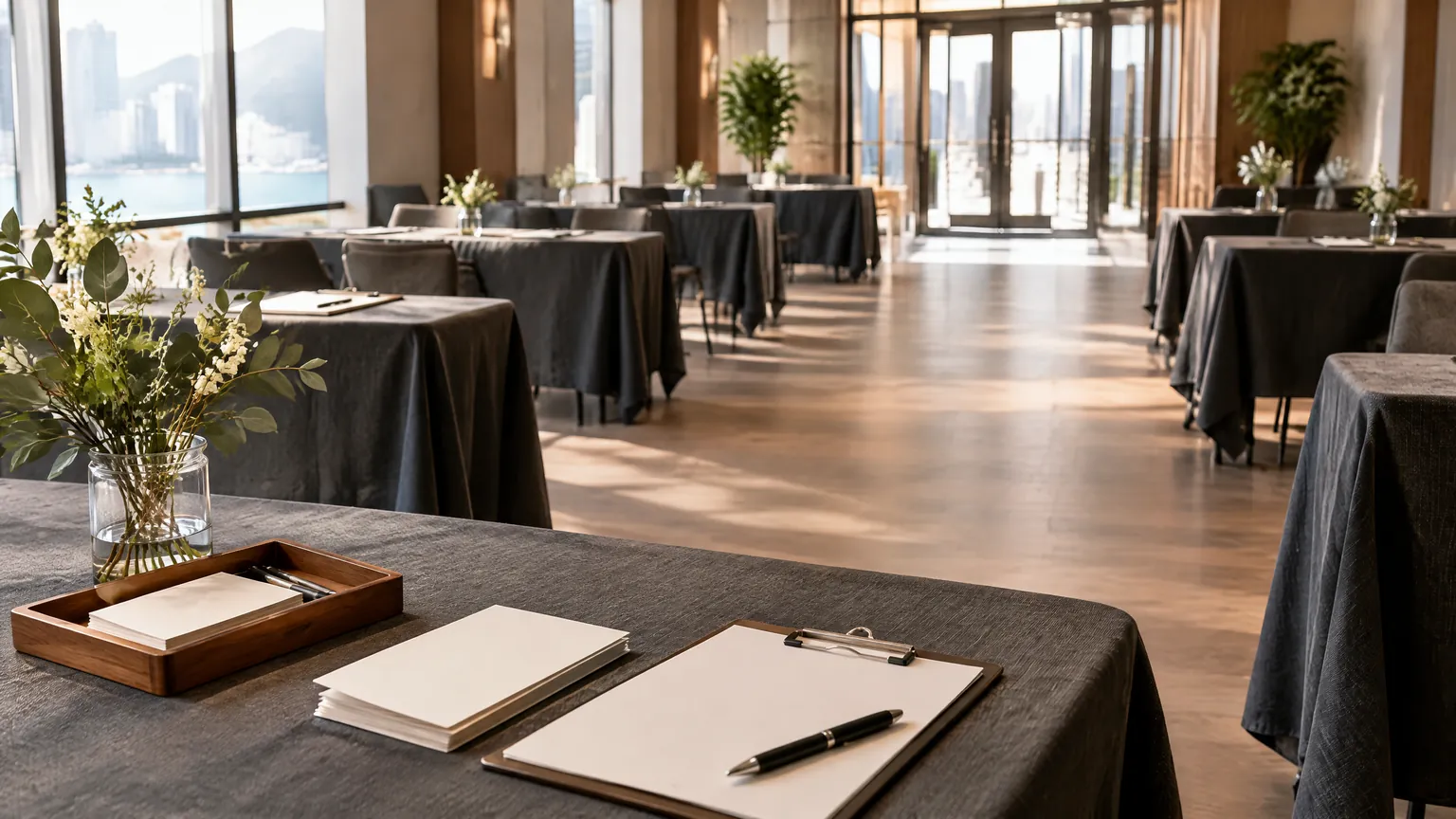
A single line is straightforward to explain and lets one service team see the whole menu. It can suit an office with one usable food table and staggered attendance. Its weakness is that a slow decision or serving task near the front can hold up everyone behind it. Moving the turkey to the middle of a crowded line does not remove that dependency.
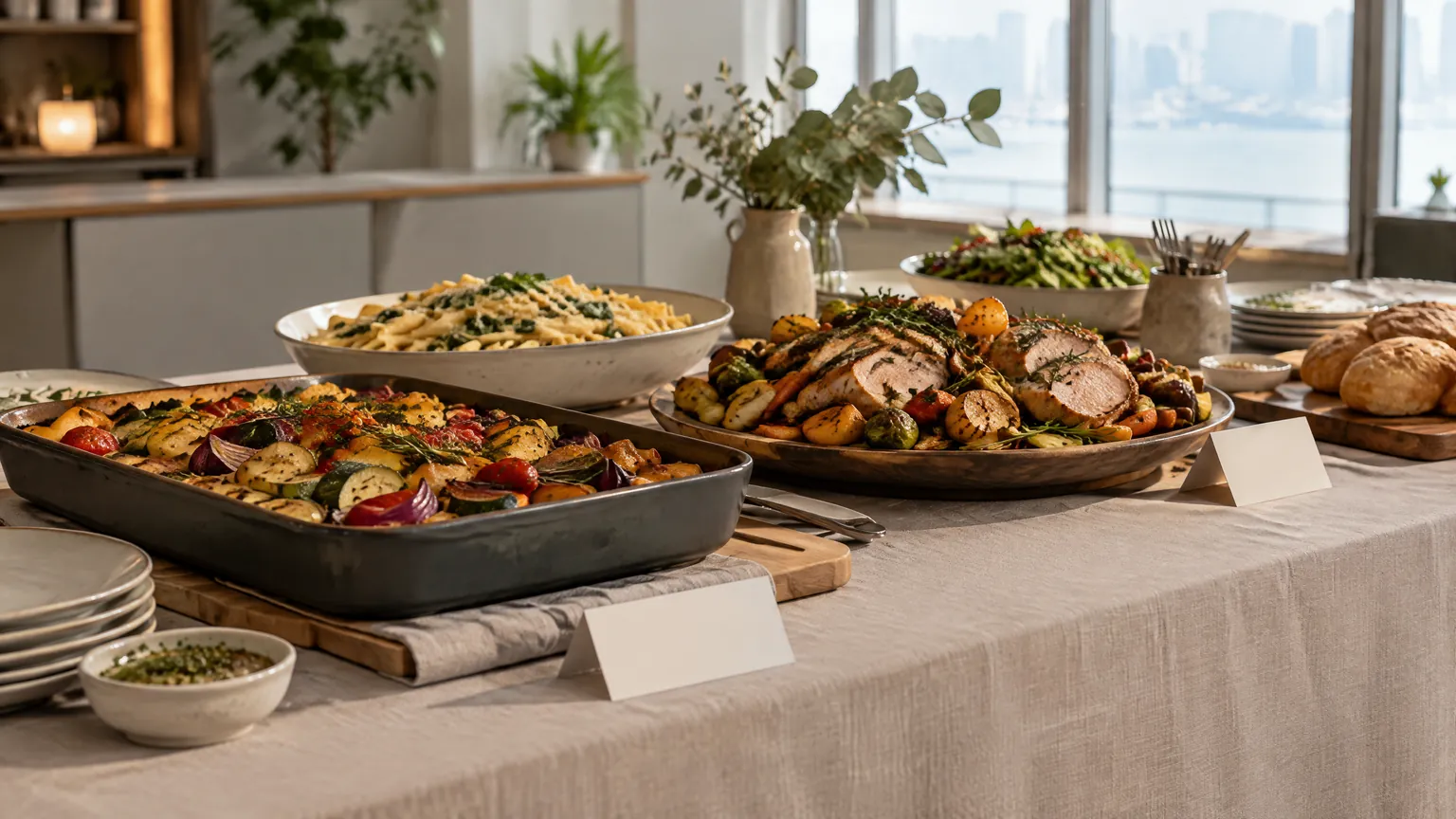
Multiple stations offer different possibilities. Two complete meal stations can be alternatives to each other. Separate turkey, sides and drinks stations are complementary: guests may need to visit several places. The second layout distributes tasks, but can also create crossing paths. Decide which arrangement you mean before counting tables or requesting another copy of each tray.
For a departmental event, the 50 Person Catering Package page offers a broad starting point for discussing group food formats and service arrangements. The package name does not replace an itemised portion schedule. Ask how each dish would be allocated to your actual attendees, whether the proposed order supports one line or several stations and which setup duties are specifically included.
If two stations are alternatives, tell guests they offer the same agreed meal, not a first course and a second course. Confirm that the menu really is duplicated before using that message. If one station lacks a dish, update the information rather than allowing colleagues to discover the difference after queueing. A staff member should know who can authorise moving an allocation between stations.
For a wider workforce gathering, the 100 Person Catering Package page describes larger corporate-event food and buffet service. Its staffing wording needs clarification: the introduction associates staff with full service, while the body also describes staff as optional. Request a written list of people, duties and service periods, along with the dish allocation, before treating a multi-station arrangement as confirmed.
There is no universal headcount at which a second station becomes necessary. A compact pantry with staggered attendance and a large gathering room with a simultaneous lunch break present different constraints. Compare the busiest collection period, available space and actual serving tasks, not just the total number of invitations.
Draw the queue, not only the buffet table
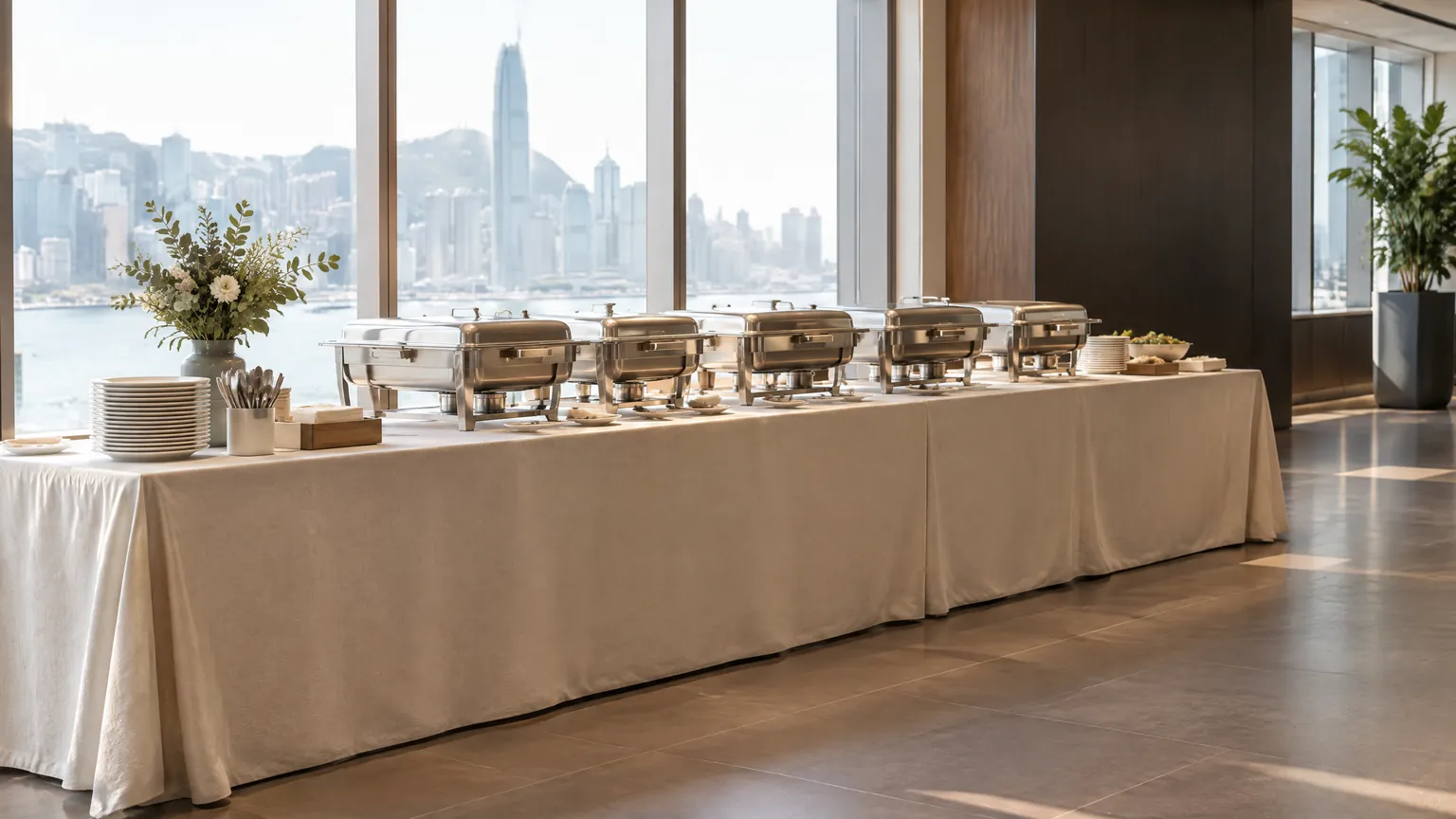
Walk the proposed route with the facilities team. Include where guests collect plates, where they pause to choose food and where they go carrying a meal. In a Quarry Bay workplace with visitors still arriving at reception, avoid making the office entrance double as the queue's waiting area. Put the drinks table where guests can reach it without returning through the main food line.
The Labour Department's Guidance Notes on Fire Safety at Workplaces says means of escape must remain safely accessible and unobstructed. It also calls for fire equipment to remain unobstructed and fire doors to stay closed.2 Apply that to the temporary event layout: neither spare cartons nor a queue should occupy an escape route, and a fire door is not a convenient prop for catering access.
Keep a route for someone who needs assistance carrying a plate, without requiring them to squeeze between waiting guests. Ask how such assistance will be offered rather than assuming every colleague can manage the same self-service arrangement. Place seating so that people leaving the queue do not immediately turn back into it.
If the provider proposes powered holding equipment, have the facilities team confirm the permitted setup. Labour Department guidance identifies overloaded circuits and sockets as workplace fire hazards.2 Do not solve a shortage of suitable connection points by improvising an arrangement on the day. A second station requires an approved location, not merely another empty table.
Make holding and replenishment part of the service brief
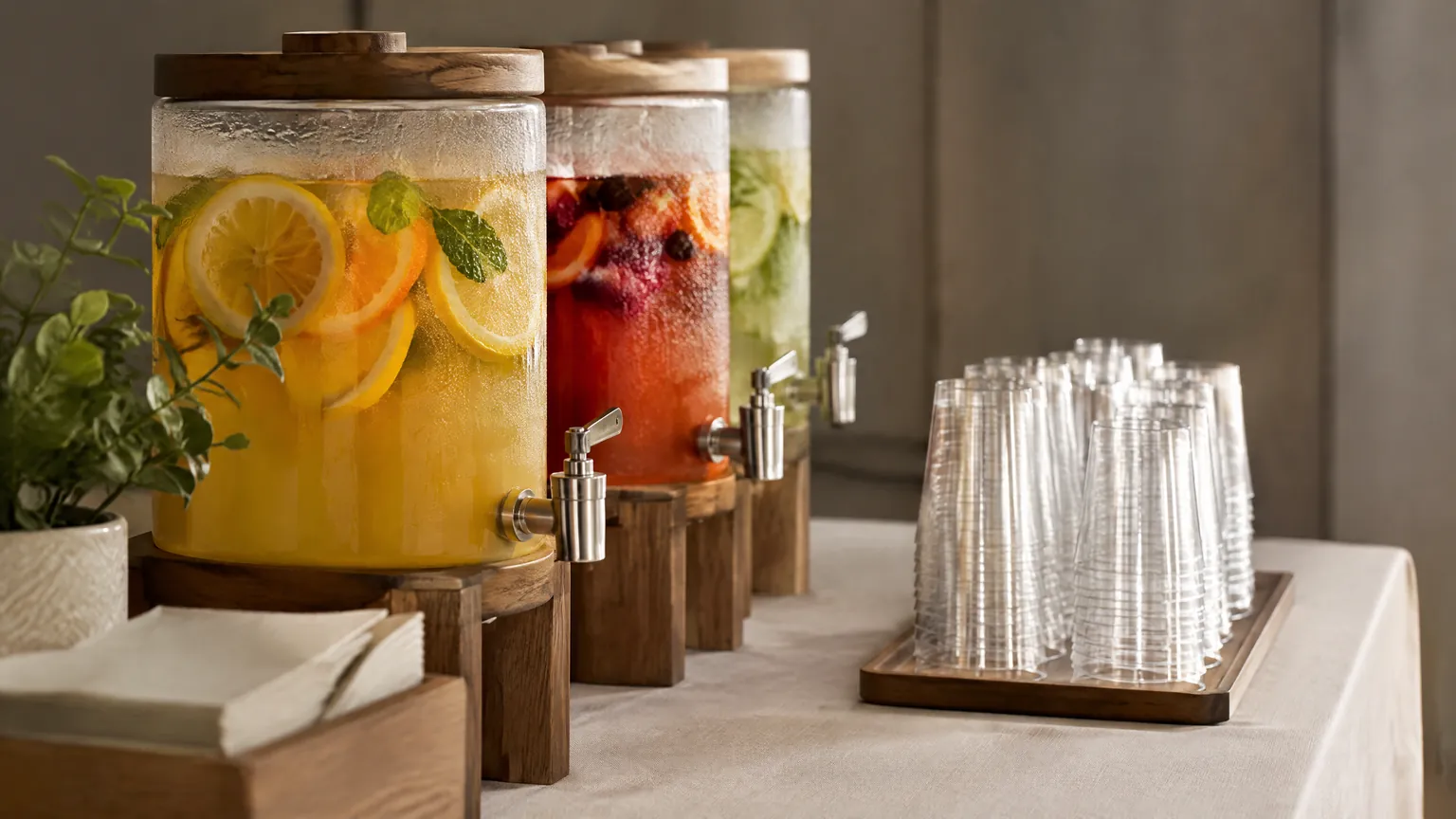
The Centre for Food Safety's buffet guidance calls for hot food to be held at 60°C or above and cold food at 4°C or below. It recommends displaying small portions, avoiding overly early display and not topping up an existing displayed batch with a fresh one.1 These are reasons to discuss the serving period and holding arrangements with the provider, not instructions to turn the office pantry into a kitchen.
Ask who will monitor the food during service, what equipment is needed and how the provider will manage replacement trays. A covered dish or an insulated-looking transport box does not by itself answer whether the food will remain under suitable holding conditions throughout lunch. Confirm where replacement food waits and who is responsible for it.
For staggered breaks, describe the full attendance pattern instead of asking for an early delivery and leaving the rest unspecified. If appropriate holding and later service cannot be arranged, discuss separately timed portions or a different meal format. Convenience should follow a workable food-handling plan rather than require colleagues to judge food by touch or appearance.
CFS also advises appointing staff to monitor buffet-table hygiene and remove contaminated food and utensils.1 At two stations, agree how that monitoring is covered at both tables. Keep serving utensils associated with their dishes and ask how replacements will be supplied. Separate utensils are a practical hygiene measure, not an assurance that a dietary requirement or allergen concern has been fully addressed.
Collect dietary enquiries before menu confirmation. Ask the provider about ingredients and relevant handling arrangements, and agree how the person receives their meal. Do not describe a tray as suitable merely because it looks vegetable-based or sits away from the turkey. If suitability remains unclear, keep that uncertainty explicit and resolve the meal arrangement directly.

Confirm people and festive availability together
Describe duties rather than requesting an unspecified amount of service. Your brief should distinguish receiving the order, setting out food, assisting guests, monitoring tables, replenishing dishes and clearing equipment. Ask which duties the provider accepts and which remain with the office. A delivery contact may leave after handover; an event organiser may be occupied with announcements when trays need attention.
December availability needs a direct confirmation for the proposed date, serving period and address. Give practical access information, including the receiving floor, building contact and any loading or lift arrangements that the facilities team has approved. Ask what happens if access or the programme changes. Do not treat a general seasonal webpage as a promise of capacity or punctual arrival.
For a Hong Kong workplace hosting colleagues from another floor, identify one receiving contact and one service decision-maker. They may be the same person, but that should be deliberate. The receiving contact checks the agreed items; the decision-maker handles changes to allocations or the timetable. Give both the final order details rather than relying on a forwarded message with an earlier headcount.
Agree the end of service as carefully as its start. CFS's buffet guidance advises against keeping buffet leftovers.1 Do not build promised takeaway meals around food remaining from an open display. Confirm any separately allocated packs before the event, and arrange clearing, container return and workplace waste sorting with the appropriate people.
A short checklist before the order is final
- Confirm who is eating, when they can attend and which separately allocated meals are required.
- Define the turkey's role and confirm its arrival format, portions and service responsibility.
- Decide whether stations are alternatives or complementary stops, and agree dish allocations.
- Have facilities check guest routes, equipment locations and building access.
- Confirm holding, monitoring, replenishment and clearing duties in writing.
- Reconfirm the festive date, service period and final receiving contact.
Read the finished plan from a colleague's perspective: where do I collect my meal, what am I entitled to receive and whom do I ask if the arrangement is unclear? Then read it from the organiser's perspective: who acts when a station needs attention? If both answers are specific, the centrepiece can be part of the celebration rather than an unresolved serving task.

Common questions
Should we order a whole turkey if nobody has agreed to serve it?
Not without resolving that responsibility. Ask whether the order can arrive portioned, or confirm exactly who will make the whole dish ready for guests and serve it. Delivery alone does not assign those tasks.
Does a second buffet station mean ordering a second complete package?
Not automatically. First decide whether the stations offer alternative collection points for the same meal or different dishes. Ask the provider to allocate the confirmed food across that layout rather than doubling the order by assumption.
Can a package name confirm that every colleague gets turkey?
No. Confirm the itemised menu, edible turkey portions and allocation to attendees. The package headcount does not establish which festive dishes are included or how they are divided.
How should we include colleagues whose break starts later?
Include their attendance period in the brief and ask for a confirmed later-service arrangement with appropriate holding, or separately timed meals. Do not reserve their lunch by assuming food can remain on the open buffet until they arrive.
Sources & what they support
Each reference supports only the stated scope. Citations are not independent endorsements of YumYum or its branches and do not confirm a provider’s current arrangements or any individual outcome.
- Centre for Food Safety — Keeping Your Buffet Safe (opens in a new tab)
Buffet hot and cold holding thresholds; small displayed batches; avoiding early display and topping up old batches; monitoring buffet hygiene and removing contaminated food or utensils; guidance against keeping buffet leftovers.
- Labour Department — Guidance Notes on Fire Safety at Workplaces (opens in a new tab)
Office workplace escape routes must remain accessible and unobstructed; fire equipment must remain unobstructed; fire doors should remain closed; overloaded electrical circuits and sockets are fire hazards.