Plan a Launch Reception Where Guests Can Actually Mingle
GotGear and YumYum (including its gifting, baking and florist branches) share an owner; this collection is not an independent recommendation. GotGear does not provide catering, gifting, cake, floral, tuition or rental services. External-service information is separate from GotGear’s equipment catalogue; confirm the actual scope with the relevant provider. Articles are general planning information, with no promises about supply, arrangements or outcomes. Concept photos are not records of real events, customers or classes.
The short answer
Plan the reception around what guests need to do: arrive, greet someone, eat comfortably and move through the room. Keep registration away from food queues, choose genuinely manageable bites, provide seats and surfaces, and agree who receives, replenishes and clears the food before invitations go out.
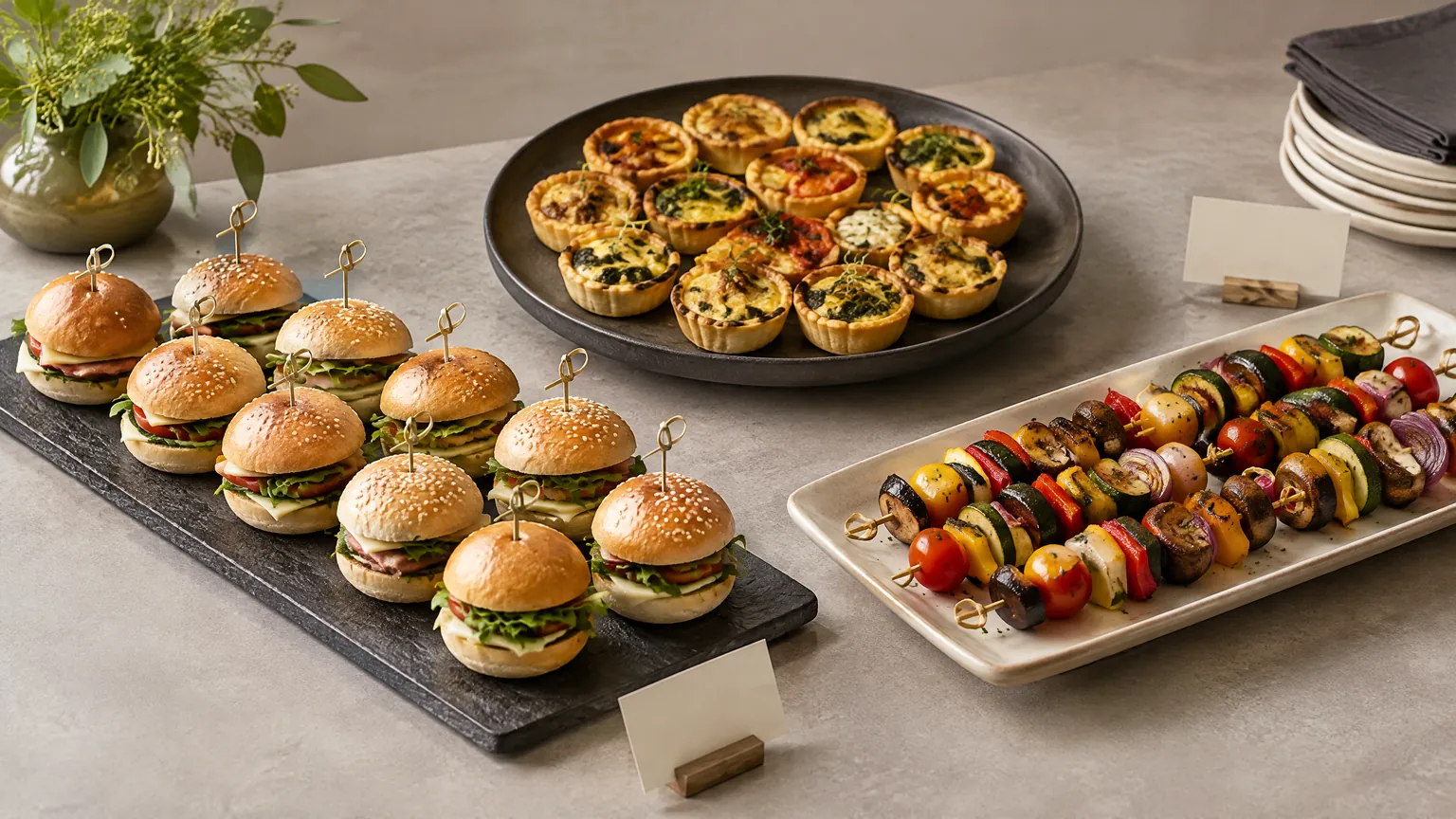
Plan the reception around what guests need to do: arrive, greet someone, eat comfortably and move through the room. Keep registration away from food queues, choose genuinely manageable bites, provide seats and surfaces, and agree who receives, replenishes and clears the food before invitations go out. A standing format should offer freedom to move, not make standing or juggling a drink compulsory.
For a Hong Kong office launch or showroom opening, the most useful starting point is a walk from the building entrance to the first conversation. A beautiful food table does little for mingling if guests reach it with a wet umbrella, a work bag and nowhere to put either down. Design the arrival and eating experience together, then choose food that fits it.
GotGear and YumYum share an owner. This is a planning article from GotGear as publisher, not an independent endorsement; GotGear does not provide food, floral, gift, class or rental services. Food-service enquiries and event-specific confirmations belong with the relevant provider.
Give arriving guests a clear first destination
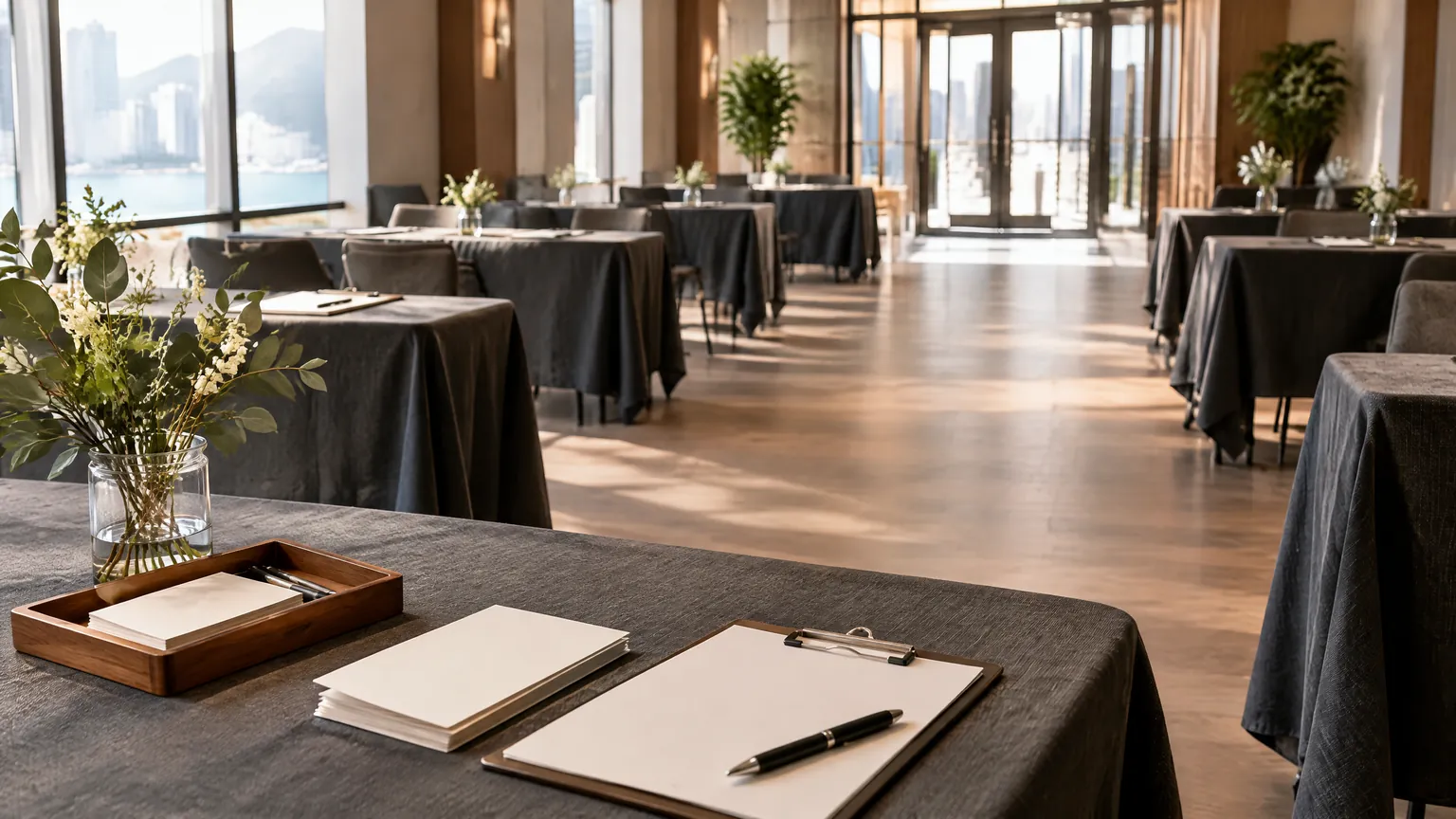
Imagine a new office in Quarry Bay welcoming business partners after work. Some guests arrive together from the lift; others come straight from meetings. Put the greeting point where it is easy to see, but leave a route past it for people already checked in. Locate bag storage and any umbrella stand beyond that first pause, rather than making everyone stop inside the doorway.
Do not automatically offer a drink while someone is finding their invitation or accepting a name badge. Let the host finish the welcome, explain where belongings can go and point towards refreshments. A guest should be able to decline a drink without feeling that they have missed the official start. Put water and other non-alcoholic choices where they are equally easy to identify.
Use the invitation to ask about dietary and access requirements, and give a named contact for questions. The Australian Human Rights Commission recommends these steps alongside attention to an accessible registration area. Its guidance is useful for event design; it does not establish whether a particular Hong Kong venue meets local requirements.2
Separate the expected total attendance from the busiest arrival moment. A flexible drop-in reception may spread visits, while a scheduled opening speech can bring people to the door together. Tell the venue and food provider which pattern you expect. If the arrival pattern changes, review the welcome area and service plan rather than merely adjusting the food quantity.
Test the menu against an actual conversation
A food name is not a handling test. Small portions can still have loose toppings, sticky sauces, bones or awkward wrappers. Before choosing, ask what a guest must hold, remove and discard. A manageable bite should let someone pause a conversation, eat without complicated assembly and dispose of any wrapper or pick without searching across the room.
Check the bite, not just its size
Picture a guest holding a glass and speaking to a colleague. A compact sandwich may be straightforward, while a sauced wing may need somewhere to place the glass and a way to handle waste. These are planning examples, not promised menu items. Ask for an accurate description of each proposed dish, including whether it needs a plate, fork, napkin or separate dipping container.
When reviewing Party Finger Food Catering, use the page as a starting point for snack-format enquiries rather than assuming every listed item is one-handed. Ask which proposed items work during conversation and which need a seated surface. You can include both, provided guests are not forced to balance a plate and drink while standing.
Avoid selecting everything for its appearance on a large display. A reception needs a workable mix of savoury food, appropriate alternatives and drinks, with the quantities discussed against its duration and relationship to dinner. If the event falls across a normal evening meal, say clearly whether it provides light refreshments or a meal; small bites do not become dinner simply because the reception runs late.
Make food choices possible without guesswork
Collect requirements before approving the menu. Ask the provider for item-level ingredient information and an explanation of relevant cross-contact arrangements. A separate tray or a vegetarian description is not an assurance about allergens. Where a requirement cannot be confirmed, tell the guest what remains uncertain rather than presenting a decorative label as a guarantee.
The Commission notes that food requiring fewer utensils can help participants with limited mobility or dexterity, and recommends offering assistance with selection and service.2 Do not assume one format suits everyone. Offer help discreetly, keep alternatives within reach and allow people to eat sitting down. Someone should not have to explain a personal condition to every member of the hosting team.
For a more formal product unveiling, Canapé Catering provides a relevant route for asking about small topped bases, tartlets and skewer-style selections. Confirm the proposed ingredients and how each piece is served, rather than treating the category as proof of easy handling. A delicate topping that falls off its base may be less useful for mingling than a simpler, more stable option.
Arrange routes for people, not just tables
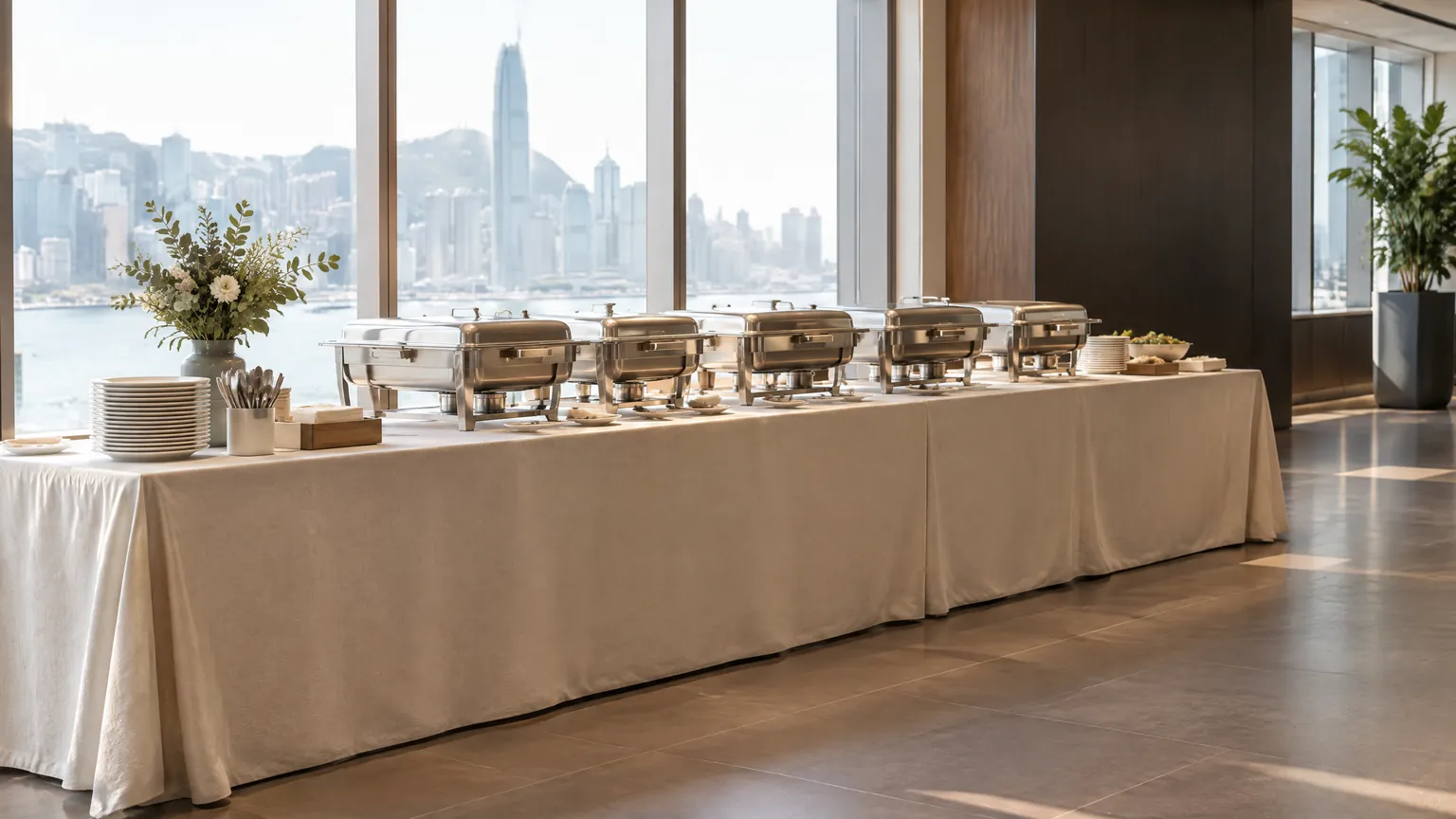
Draw the entrance, food point, drinks point, presentation area and seating on a simple room sketch. Then trace the paths between them. If everyone must pass through the same narrow gap to collect water, see the demonstration and reach the toilet, changing the menu will not solve the problem. Move furniture or change the service arrangement before adding another station.
The Commission's event guidance calls for unobstructed floor space, room to manoeuvre between tables, sufficient seating and tables of appropriate height. It also recommends a separate quiet area where practical.2 Apply those principles to the actual room with the venue team. A photograph of an empty space cannot show how circulation works once guests, open doors and queues are present.
Place some seats within the main conversation area, not only in an isolated corner. Give seated guests a usable surface for their food and drinks. Tall standing tables can supplement this arrangement, but should not be the only surfaces available. Ask the venue to verify the routes and facilities it describes as accessible, and communicate the practical details guests need.
In a hypothetical Kwun Tong showroom, keep refreshments away from the product demonstration's viewing edge. Guests approaching the food should not cross in front of a presenter or block someone who wants to leave the group. Use any quieter side area for conversation only if it remains easy to find and does not become a storage space during setup.
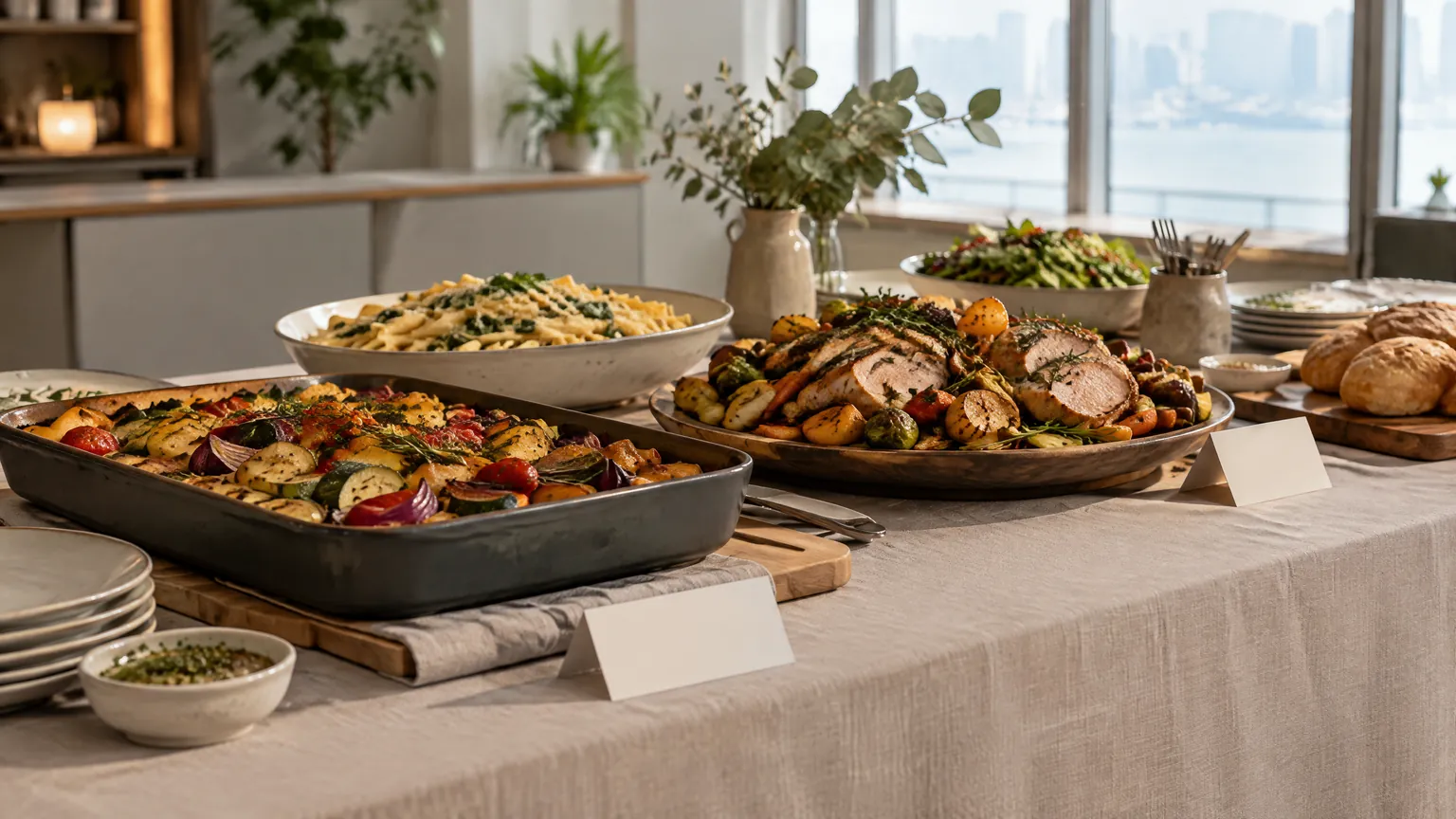
A shared table can work if guests can approach, choose and move away without obstructing the route. The Food Platter Delivery page is relevant when comparing sharing formats, but ask about platter dimensions, serving utensils and holding requirements before deciding where they belong. A single impressive spread is not necessarily the best arrangement for a compact office with staggered arrivals.
Replenish in batches without turning the room into a queue
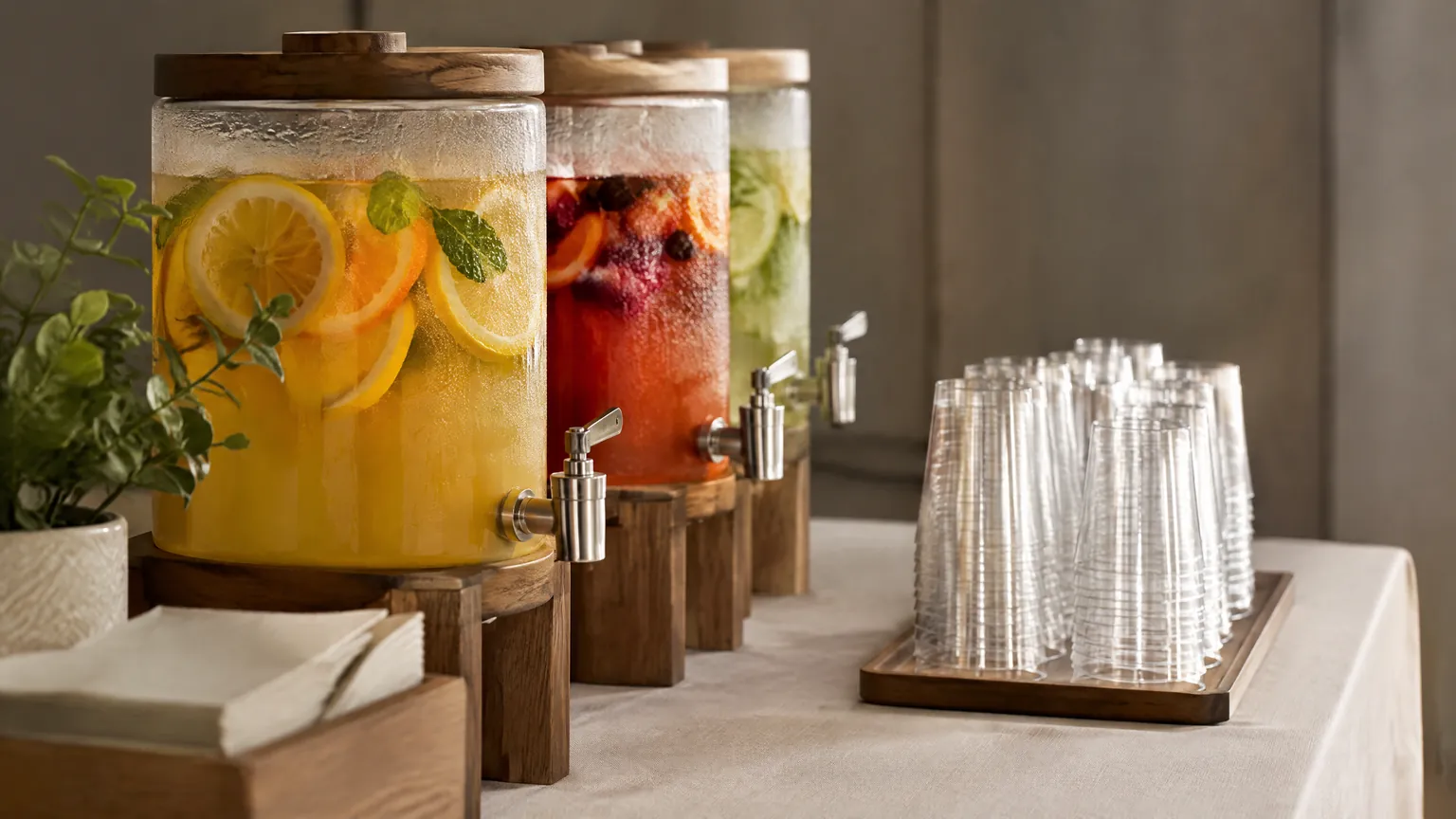
Agree where reserve food will be held and who decides when another batch comes out. The Centre for Food Safety advises against displaying food too early, recommends small display portions, and says not to top up a displayed batch with a fresh one. It also recommends monitoring buffet tables and removing contaminated food or utensils.1 These points matter even when the host calls the event a reception rather than a buffet.
Ask the food provider to set out the suitable holding and display arrangements for the agreed menu. Confirm whether the venue has the facilities those arrangements require and who is responsible for them. Do not use the end of a speech, the appearance of a tray or an air-conditioned room as the sole basis for deciding food can remain on display.
For replenishment, choose a route that does not cross the main conversation circle. Leave room for someone to remove a tray before its replacement arrives. If the only suitable food point is beside the presentation area, agree pauses in movement so the person carrying food is not trying to squeeze past a speaker or a group taking photographs.
Keep drinks separate from food where the layout permits. Pouring, choosing and collecting cups can take different amounts of time from picking up a bite. Give empty cups a clear destination and keep spills from becoming part of the walking route. Separating stations is a layout option, not a reason to scatter essentials so far apart that guests repeatedly cross the room.
Protect conversation time around the launch moment
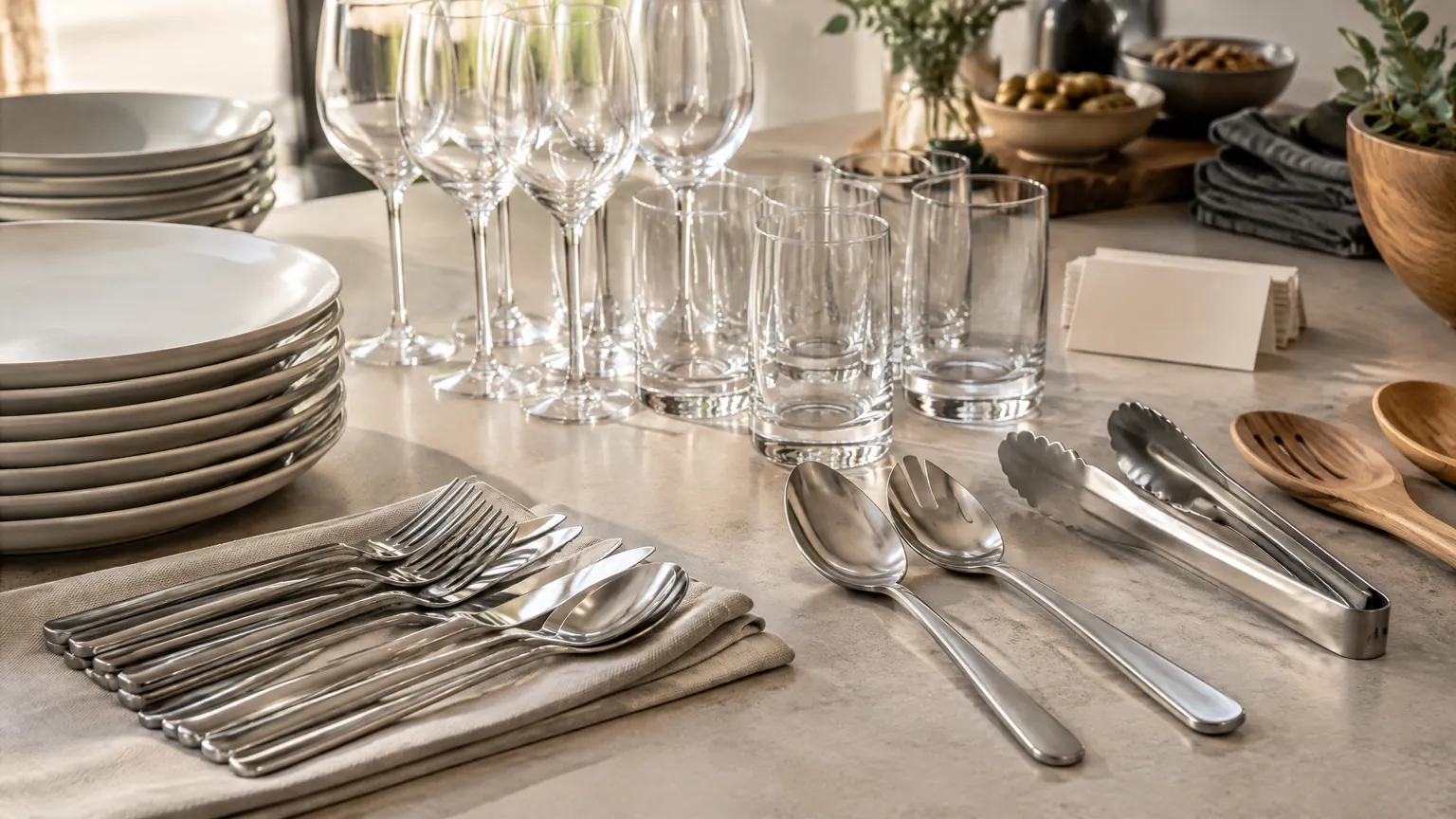
An opening reception usually has a reason for gathering people: a welcome, a ribbon-cutting or a short demonstration. Tell the person coordinating food exactly when guests will be asked to focus. Agree whether food movement pauses, whether drinks remain available and what happens if the formal moment is delayed. Do not leave that decision to someone carrying a tray through the crowd.
For Grand Opening Catering enquiries, describe the programme and the room as well as the food you want. Ask for written confirmation of any proposed setup, service support and clearing responsibilities. The page discusses launch-reception arrangements, but its description should not be treated as confirmation that every element is available or included for your event.
Give guests a chance to put down food and drinks before the formal moment begins. Announce the transition clearly and allow time for people to choose a viewing position. A wheelchair user, a seated guest and someone arriving just before the welcome should not be left behind a wall of standing people. Check sightlines while arranging the room, not after the speaker starts.
Keep the programme honest. If there is a lengthy demonstration followed by networking, state that sequence in the invitation. If the welcome is brief and the rest is informal, avoid repeatedly interrupting conversations for announcements. The aim is not continuous activity; it is enough structure that guests understand what is happening and can take part comfortably.
Name the receiver and the clearing responsibilities
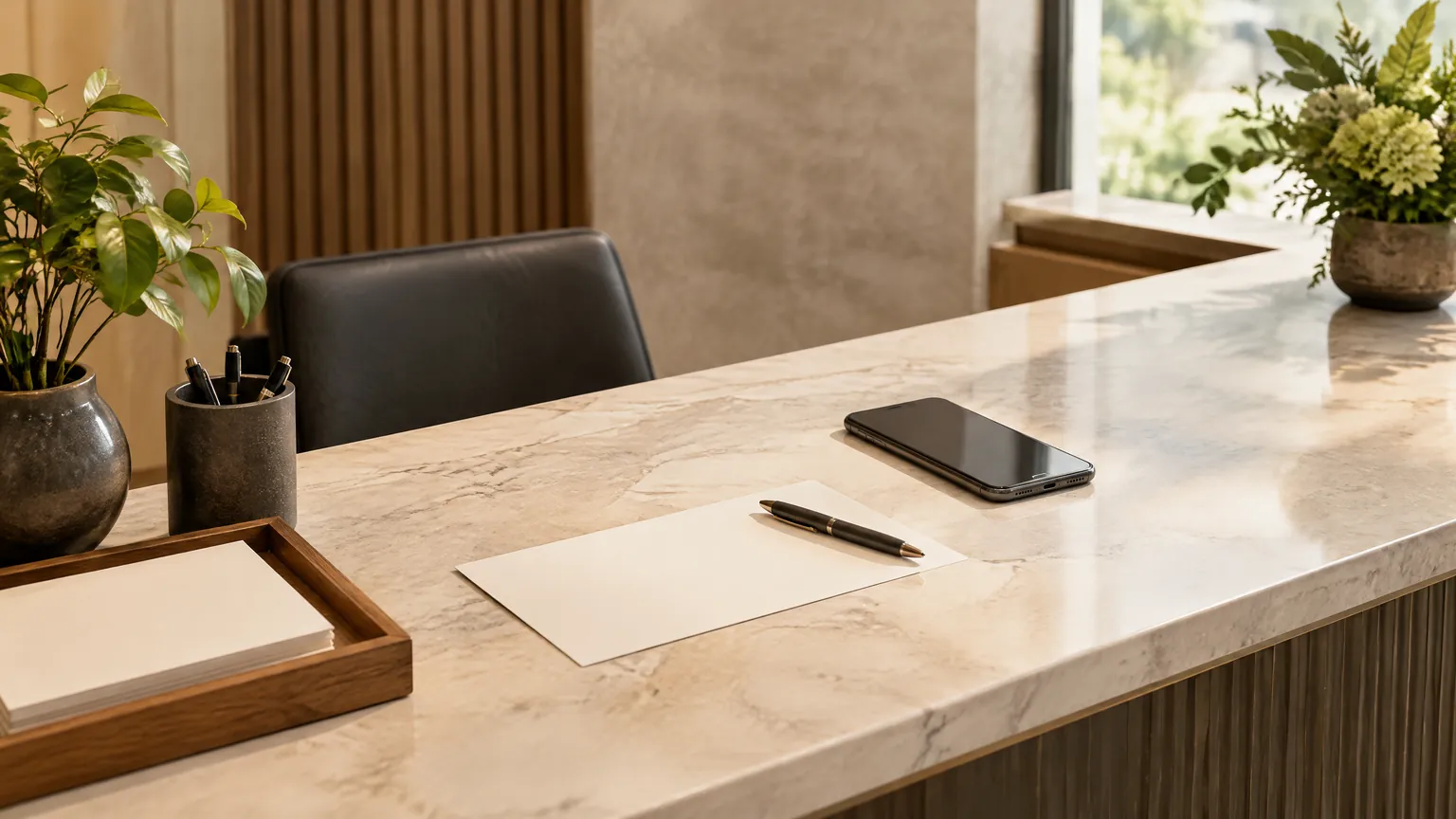
The person greeting guests should not also be expected to disappear to a loading area when food arrives. Nominate a receiver, provide a backup contact and confirm building access with the venue. At a high-rise office, identify the permitted receiving point and lift arrangements rather than assuming the guest entrance is also suitable for food handover.
Give the receiver the confirmed order description and provider contact. Agree who checks the handover, where food goes next and who can resolve a mismatch. The Centre for Food Safety's guidance includes checking package integrity and protecting food during transfer.1 Ask the provider what checks and instructions apply to this order; the host's role is to make the handover possible, not improvise food handling.
After service, follow the agreed clearing and food-safety instructions. The CFS buffet guidance advises against keeping leftovers from display.1 Do not turn exposed reception food into informal takeaway gifts because containers happen to be available. Keep the handling of any untouched reserve food separate, and obtain clear provider instructions rather than assuming all remaining food has the same history.
A short room-ready check
Before doors open, walk the room with the host, venue contact and whoever is responsible for service. Test the route while holding the items guests will actually carry. Make these final checks concrete:
- Can a new guest finish registration and set down belongings before collecting refreshments?
- Can someone reach food, water, seating and the toilet route without crossing a queue?
- Are menu information, dietary questions and discreet assistance assigned to a named contact?
- Does the team know where reserve food belongs and how displayed batches will be replaced?
- Can guests put down drinks and see the launch moment from seated and standing positions?
- Are receiving, clearing and any end-of-event food decisions explicitly assigned?
If a check fails, simplify the arrangement. Remove an unnecessary station, change an awkward dish or shorten a disruptive programme segment. The best reception plan is one people can use without instruction: a clear welcome, comfortable choices and enough space to continue a conversation.
Common questions
Should I hand every guest a drink at registration?
No. Complete the welcome first and let guests put down bags or umbrellas. Point out the drinks area, including water and non-alcoholic choices, so accepting a drink is optional rather than another task at the entrance.
Can I include food that needs a fork at a mingling reception?
Yes, if suitable seats and surfaces are available and the service plan supports it. Keep genuinely manageable handheld choices too, and do not describe every small portion as one-handed food.
What should change if the opening speech runs late?
Tell the person coordinating food and follow the agreed holding and display plan. Adjust replenishment and communicate the revised programme; do not simply leave trays out until the speech ends.
Does a standing reception still need seating?
Yes. Provide seats with usable food-and-drink surfaces within the social area, keep routes clear and ask guests about access requirements. Standing should be a choice, not the condition for joining a conversation.
Sources & what they support
Each reference supports only the stated scope. Citations are not independent endorsements of YumYum or its branches and do not confirm a provider’s current arrangements or any individual outcome.
- Centre for Food Safety: Keeping Your Buffet Safe (opens in a new tab)
Supports not displaying food too early, small display batches, avoiding topping up an existing batch, monitoring tables, checking packaging, protecting food during transfer, and not keeping displayed leftovers. Used for host/provider coordination, not cooking instructions.
- Australian Human Rights Commission: Hosting accessible and inclusive in-person meetings and events (opens in a new tab)
Supports RSVP requests for dietary and access requirements, an accessible registration area, unobstructed circulation, sufficient seating and suitable tables, a quiet area where practical, utensil-light food choices and assistance with selection. Practical event-design guidance, not Hong Kong legal compliance advice.