Share the Hosting Work at a Multigenerational Reunion Meal
GotGear and YumYum (including its gifting, baking and florist branches) share an owner; this collection is not an independent recommendation. GotGear does not provide catering, gifting, cake, floral, tuition or rental services. External-service information is separate from GotGear’s equipment catalogue; confirm the actual scope with the relevant provider. Articles are general planning information, with no promises about supply, arrangements or outcomes. Concept photos are not records of real events, customers or classes.
The short answer
Share reunion hosting by assigning specific jobs before choosing the final menu: guest coordination, food receiving, table service and cleanup. Agree which traditions your family wants to keep, choose communal dishes that suit the available space, and give every task a named person and a clear finish.
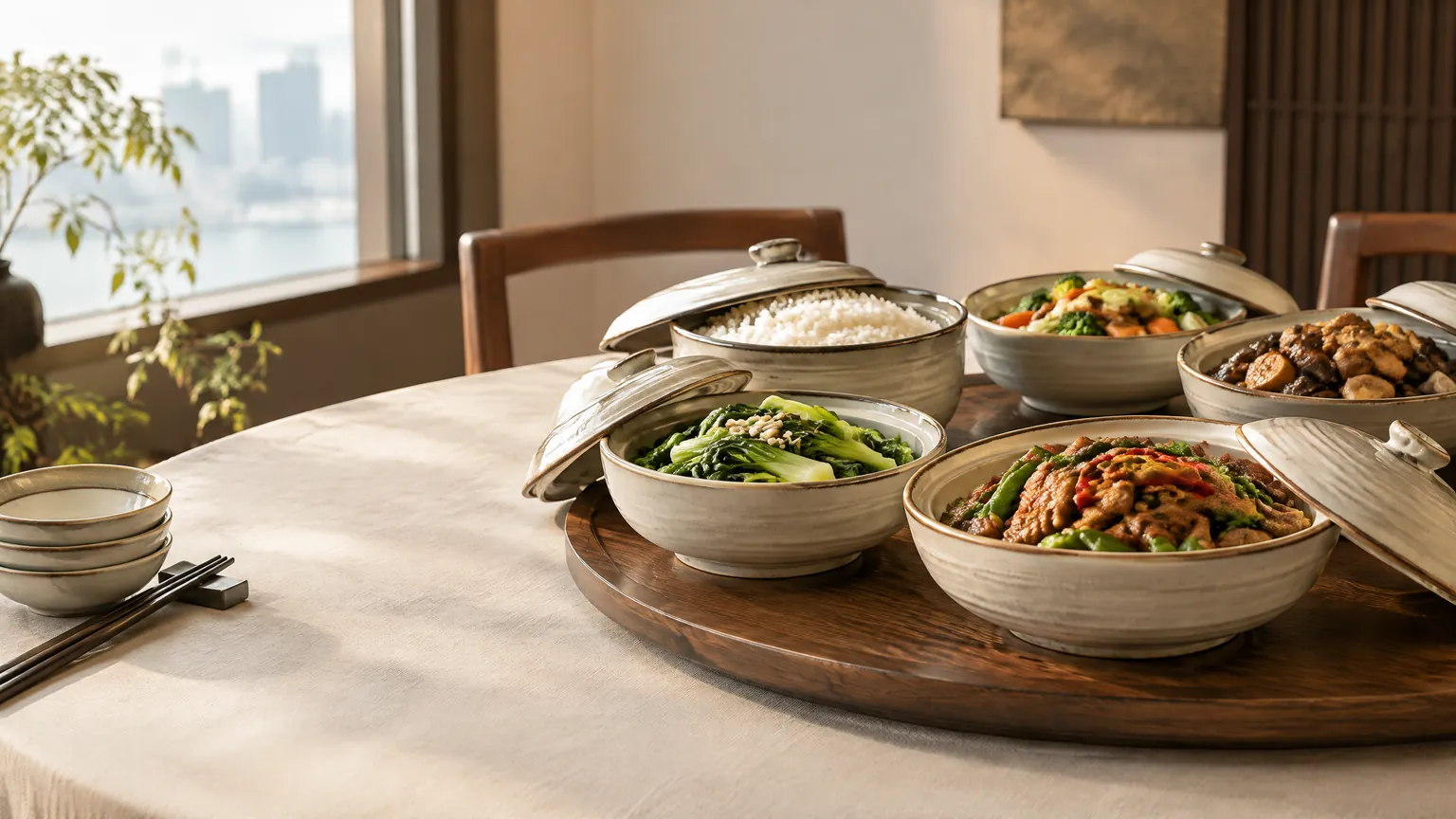
Share reunion hosting by assigning specific jobs before choosing the final menu: guest coordination, food receiving, table service and cleanup. Agree which traditions your family wants to keep, choose communal dishes that suit the available space, and give every task a named person and a clear finish. Ordering food can reduce cooking, but it does not automatically cover moving chairs, helping someone reach a serving dish or washing the last bowls.
A reunion should leave its host time to sit down with the family. This is a planning article from GotGear, which shares ownership with YumYum; it is not an independent provider endorsement. GotGear publishes the journal and does not provide catering, floral, gift, class or rental services.
Agree what the evening needs to include
Start with a short family conversation about the gathering itself. Is everyone coming for a seated dinner, or will some relatives visit briefly after work? Does the household want a group photograph before the meal? Is a particular shared dish important to someone, or simply familiar from previous years? These answers determine the sequence of the evening more usefully than a long wish list of dishes.
In a hypothetical Sha Tin flat, a grandparent may prefer an early dinner while an adult child travelling from a Kwun Tong workplace cannot arrive until later. Choose whether to begin at the agreed time and arrange a separate, properly handled meal for the late arrival, or move the whole dinner. Do not quietly make one relative responsible for repeatedly reopening service throughout the evening.
Ask about practical help directly. A guest may want a chair with a back, room beside the table for a walking aid, or assistance carrying a bowl. Another may prefer not to be photographed. Record the request without turning it into a judgement about age or ability. Let people decide how much help they want.
Keep traditions family-led
If your family likes an elder to offer the first welcome, make space for that. If it prefers everyone to begin together without a formal sequence, that is a workable choice too. Do not assume the eldest woman will cook, the youngest adult will clean, or every household must include the same centrepiece. Ask which moments matter and who actually wants to lead them.

Give each helper a job with an ending
Replace “everyone will help” with small, complete assignments. One person confirms attendance and sends the final meal time. Another receives the food and passes on its handling instructions. A table helper checks that bowls, drinks and serving utensils are within reach. A closing helper organises suitable leftovers and clears the dining area. In a small household, one adult can take more than one role, provided the jobs do not clash.
Define what completion means. “Set the table” could end when plates are down, while nobody has checked the serving spoons or cleared space for the basin. A clearer instruction is: put out the agreed places, reserve space for the shared dishes, add separate serving utensils, and tell the host when the table is ready. This avoids a host having to inspect and finish every delegated job.
Allocate the work that happens away from the table as well. A relative handling building entry cannot also be the only adult supervising a young child at that moment. Someone greeting guests should not have to leave mid-conversation to answer every food enquiry. Give helpers access to the order summary so the host is not the sole source of information.
Plan around departures, not just arrivals
Ask when helpers need to leave. An adult returning to an early shift may be happy to receive food and arrange chairs but unable to wash up later. Another arriving after work may take the closing task instead. Agree this before the evening, and name a backup for receiving. Sharing work does not require identical duties; it requires a realistic agreement that everyone can understand.
Choose communal dishes by the work they create
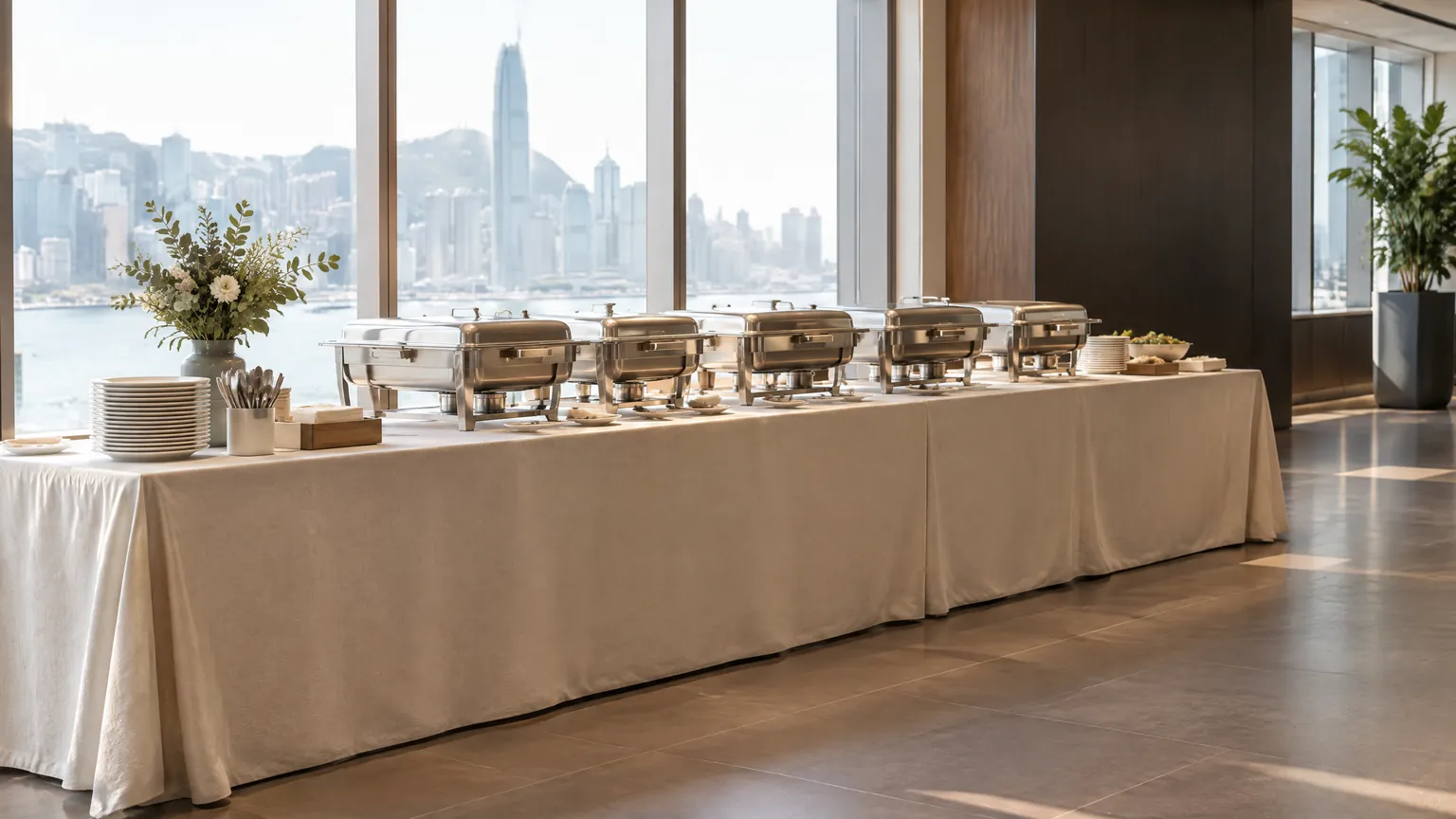
A shared centrepiece can make the meal feel connected, but it also occupies table space and creates serving decisions. Sketch the usable dining surface, including each person's bowl and glass. Leave somewhere stable for lids and serving tools. If the centrepiece prevents guests from reaching their own places comfortably, simplify the spread or use a nearby side table rather than expecting people to stretch across it.
For a family considering a basin feast, the Poon Choi Delivery page is a category reference for the enquiry, not proof that a particular basin will fit the household. Ask for the confirmed contents, container dimensions and handling instructions. The Hong Kong Centre for Food Safety advises consumers to ask whether reheating is needed, how to do it and whether the original container is suitable; a large pot takes longer to reheat thoroughly.1 Give those instructions to the receiving helper, not only the person who placed the order.
If relatives want a roasted centrepiece, use the Roast Pig Catering information to ask about the actual serving format. Confirm whether the selected item arrives portioned, what remains for the household to do, and which accompaniments are included. A photograph of a whole roast is not a portion count. Avoid creating an unassigned cutting task at a crowded family table; request a format the household can manage without assuming that all options arrive ready to share.
Also identify anyone who does not want the communal main. Ask about ingredients and practical alternatives in advance, rather than asking them to pick around the dish in front of everyone. A separate bowl or utensil does not establish that food is free from allergens or cross-contact. Where this matters, obtain specific information from the provider and let the guest decide whether the arrangement meets their needs.

Turn the menu into a household task list
Read a set menu as a collection of things that must be received, stored and served. A rice tray needs a serving tool and a landing place. A chilled dessert needs suitable storage until its turn. Drinks need cups and somewhere that does not block the food. Several dishes arriving together can still require different handling, so assign the practical work before adding more variety.
When reviewing Catering Packages, compare the confirmed dish quantities and meal roles rather than treating a group-size label as a complete hosting plan. Ask which containers and utensils come with the chosen set and which duties, if any, are included. Do not assume that a package supplies someone to serve, wash household dishes or remove packaging. Keep the family's responsibilities visible even when much of the cooking is outsourced.
Consider a Tseung Kwan O household where an aunt also offers homemade soup. Tell the attendance coordinator before finalising the menu so it is counted as part of dinner, not an unnoticed extra. Agree who will bring it, where it will go and who will handle its service. The same applies to fruit or dessert brought by visiting relatives: welcome the contribution, but give it a place and a person rather than leaving bags around the entrance.
Make the serving order comfortable for the whole table
Choose a simple sequence that does not require the host to keep standing. Set out suitable tableware and drinks first, then bring the main dishes to their agreed positions when the meal is ready to begin. If someone would like help serving a first portion, ask a nearby willing adult to assist. Keep the route between the kitchen and dining table free of bags and spare chairs.
Place communal chopsticks and spoons where people can see them. CFS specifically recommends communal utensils when eating poon choi.1 Tell everyone which tools are for shared food before the first serving, without singling out a guest who is unfamiliar with the arrangement. Put each serving tool on a clean rest or plate rather than leaving it across someone else's eating bowl.
Take photographs before food is opened or when the table can pause without disrupting its handling. The family can choose a short welcome before serving, but a long photo session should not leave the meal waiting unattended. CFS advises eating poon choi promptly, not keeping it at room temperature for more than two hours, and consuming it in one go.1 Plan conversation around dinner rather than keeping the same basin available for successive waves of visitors.
If a family member is delayed, communicate the revised arrangement to both that person and the receiving helper. Do not promise that everything will remain on the table until they arrive. The useful question is what meal can be provided with appropriate handling, not how to preserve an ideal-looking full table throughout the evening.
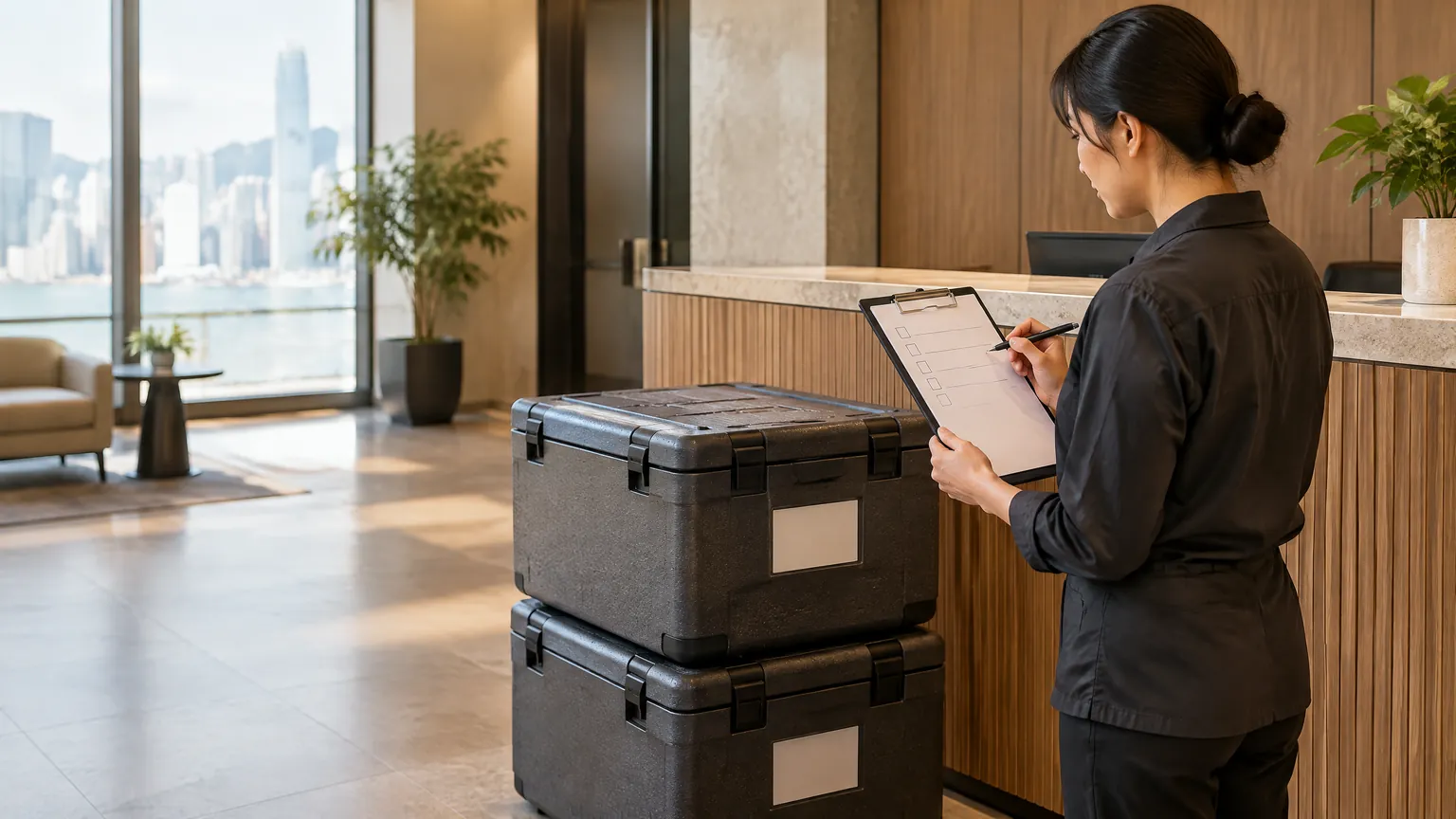
Give the receiving helper authority to ask questions
Before arrival, clear a stable receiving surface and make the order summary easy to find. Confirm the actual handover point, building access arrangements and receiving contact with the provider. If the gathering is in a booked residents' room rather than a flat, check its food rules, usable appliances and closing requirements with the venue. These are venue-specific arrangements, not services to infer from a catering page.
The Catering Services overview can help the family compare shared dishes with platters or individual meals when the room or arrival pattern makes one large communal meal awkward. Once a format is chosen, ask for a written account of what the provider supplies and what the household must arrange. Keep food provision, receiving, table setup and end-of-evening clearing as separate questions; do not assume the overview commits the provider to all four.
Tell the receiving helper to check the order against its confirmed contents and pass on any instructions immediately. If something is unclear, they should contact the provider rather than guessing from the appearance of a container. Agree who can approve a proposed substitution. This is especially important when a guest has asked about particular ingredients or when a missing item changes the family serving plan.
CFS advises returning home promptly after collecting poon choi and avoiding prolonged room-temperature storage.1 If a relative collects it, do not add unrelated errands to the journey. Match collection to the planned meal and the supplier's instructions. A receiving task is complete only when the food has reached its appropriate next place and the household understands what happens next.
Close the meal without leaving one person behind
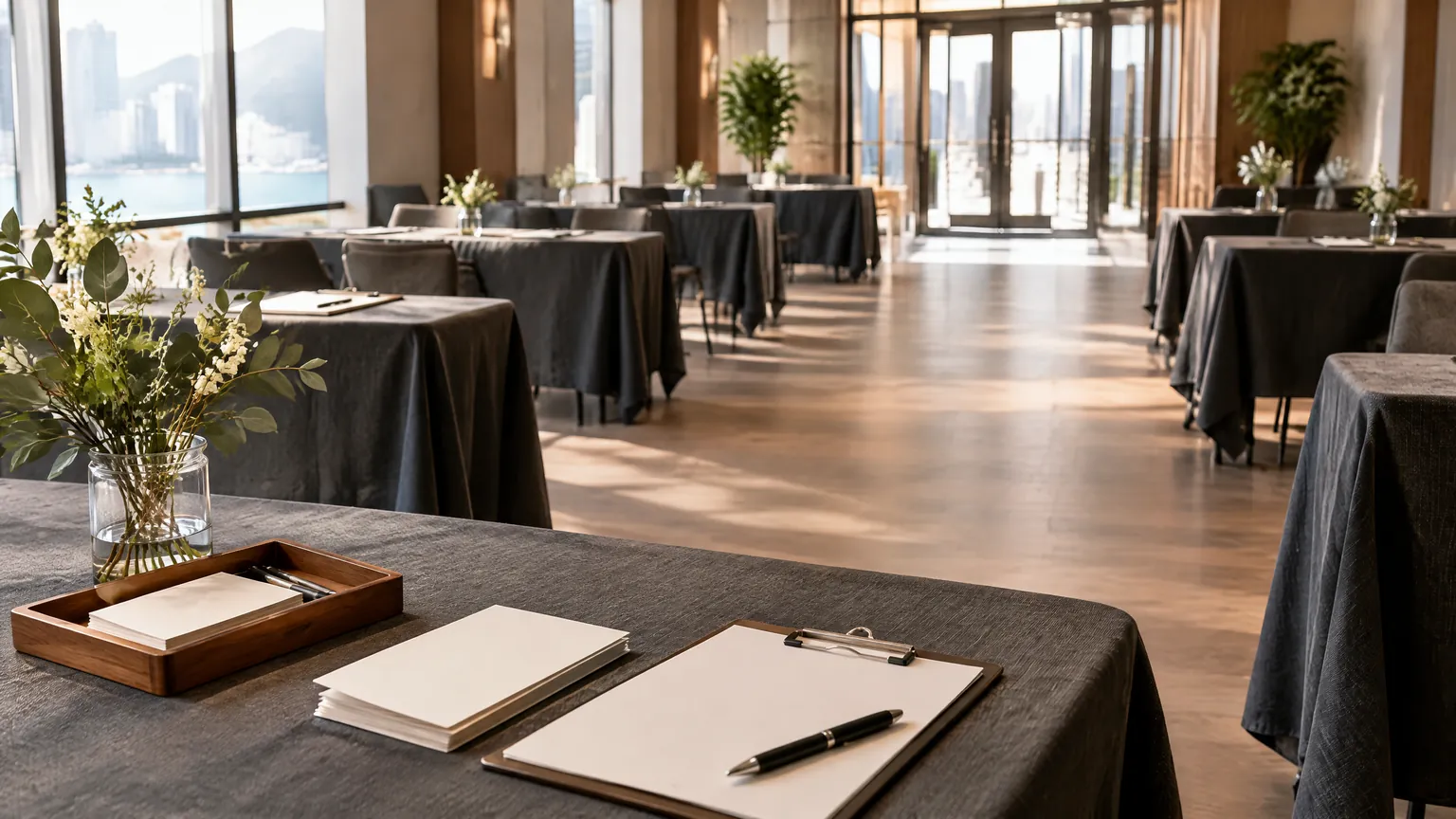
Begin clearing as each part of the meal finishes, with the diners' agreement, rather than removing everything while someone is still eating. Keep used bowls separate from clean storage containers. Give the washing helper room to work, and have another adult collect packaging and return furniture. If the reunion uses a residents' room, include the journey home with household belongings in the closing assignment.
Plan to finish the poon choi at the meal, in line with CFS guidance, rather than deliberately ordering a basin for repeated later servings.1 For other suitable perishable side-dish leftovers, USDA advises prompt refrigeration and dividing large quantities into shallow containers to cool quickly. It also advises discarding perishable food left at room temperature for more than two hours; hotter conditions require a shorter window.2 Packing food late does not undo earlier mishandling.
Do not automatically distribute leftovers to departing guests. Ask whether they want them and can take them promptly to suitable storage. Record what was packed and when, and pass on the relevant provider instructions. Where the handling history is uncertain, avoid offering reassurance based on how the food looks. Preventing surplus through a realistic menu is more useful than pressuring relatives to carry food home.
Finally, make the host's last task small: check that the room is settled, then stop. Thank helpers for the specific work they completed. A reunion has genuinely shared hosting when the person who opened their home can finish the evening with the family, rather than begin a second shift after everyone leaves.
A short checklist before the reunion
- Confirm who is eating dinner, visiting briefly or arriving late.
- Agree the family moments to keep and when they will happen.
- Name the receiving, table-service and closing helpers, with a backup.
- Check centrepiece space, serving tools and each dish's handling instructions.
- Separate confirmed provider inclusions from household jobs.
- Plan the end of service and suitable leftover handling before food arrives.
Common questions
Who should receive the food if the host is greeting relatives?
Choose an adult who will be present at the agreed handover time and give them the confirmed order, provider contact and handling instructions. Name a backup and let the receiver ask the provider about unclear instructions or substitutions.
Must the eldest relative lead the meal or be served first?
No universal sequence is needed. Ask what your family prefers and whether that relative wants the role. Keep any chosen welcome brief enough to fit the serving plan, and offer practical help according to each guest's wishes.
Does a group catering package mean the family has no serving or cleanup work?
No. Confirm the exact inclusions for the selected order. Receiving food, arranging household tableware, assisting diners, washing bowls and clearing the room remain separate jobs unless a specific arrangement says otherwise.
Should we leave the poon choi on the table for relatives arriving later?
Do not plan continuous room-temperature service. CFS advises prompt consumption and eating poon choi in one go. Agree a separately handled meal for late arrivals with the provider instead of assuming the original basin can wait.
Sources & what they support
Each reference supports only the stated scope. Citations are not independent endorsements of YumYum or its branches and do not confirm a provider’s current arrangements or any individual outcome.
- Centre for Food Safety: Poon Choi and Food Safety (opens in a new tab)
Consumer guidance to confirm reheating and container suitability, return promptly after collection, use communal utensils, avoid room-temperature holding beyond two hours and consume poon choi in one go.
- USDA Food Safety and Inspection Service: Leftovers and Food Safety (opens in a new tab)
General household guidance on prompt refrigeration of suitable perishable leftovers, shallow containers for rapid cooling, discarding food left at room temperature beyond two hours and shorter limits in hotter conditions; not a guarantee for any specific take-home dish.