Host a Colleague’s Birthday Without Turning It into a Big Production
GotGear and YumYum (including its gifting, baking and florist branches) share an owner; this collection is not an independent recommendation. GotGear does not provide catering, gifting, cake, floral, tuition or rental services. External-service information is separate from GotGear’s equipment catalogue; confirm the actual scope with the relevant provider. Articles are general planning information, with no promises about supply, arrangements or outcomes. Concept photos are not records of real events, customers or classes.
The short answer
Ask your colleague privately whether they want a workplace birthday gathering, then choose one short eating window and count only the people who expect to eat. A modest snack break, a clearly planned lunch or a quiet card can each be enough. Keep attendance, contributions and photographs optional, and arrange receiving, storage and clear-up before choosing the food.
Ask your colleague privately whether they want a workplace birthday gathering, then choose one short eating window and count only the people who expect to eat. A modest snack break, a clearly planned lunch or a quiet card can each be enough. Keep attendance, contributions and photographs optional, and arrange receiving, storage and clear-up before choosing the food.
GotGear and YumYum share an owner. This is a planning article in GotGear’s business and lifestyle journal, not an independent endorsement. GotGear does not provide food, floral, gift, class or event-equipment services; any food arrangements need separate confirmation with the provider.
Ask what would feel comfortable before inviting anyone
Start with a private question that offers a genuine choice: would your colleague enjoy a short team break, prefer a card, or rather have no workplace celebration? Do not order food first and then ask them to approve the surprise. If they prefer something quiet, that answer is the plan, not an obstacle to overcome.
Agree on what may be mentioned in the invitation. Their age, full birth date and personal plans are not needed to explain a brief gathering. The Privacy Commissioner’s guidance says personal data collected for a purpose should be necessary and adequate but not excessive. It also limits new, unrelated uses without express and voluntary consent. An HR record is therefore not a casual invitation resource to repurpose without checking the organisation’s policy and the colleague’s wishes.1
Separate permission for the gathering from permission for photographs or wider sharing. Someone may enjoy cake with their immediate team but dislike a photograph on a company social account. Asking separately is a practical way to respect that difference; it is not a substitute for the employer’s privacy rules. A celebration without a camera still counts.
Make the invitation easy to decline. In a Central office, for example, a colleague may have a client call during the break and another may be working elsewhere. State the start and end, make clear that dropping in is optional, and avoid asking absent people to explain themselves publicly. If contributions are voluntary, arrange them privately rather than circulating a named payment-status list.

Decide whether this is a snack break or a meal
A birthday is the occasion, not the portion specification. An afternoon pause after everyone has eaten lunch needs a different order from a gathering advertised as lunch. Say which one you are offering before collecting responses. Otherwise, one person arrives hungry while another brings a packed meal, and the same tray has to meet incompatible expectations.
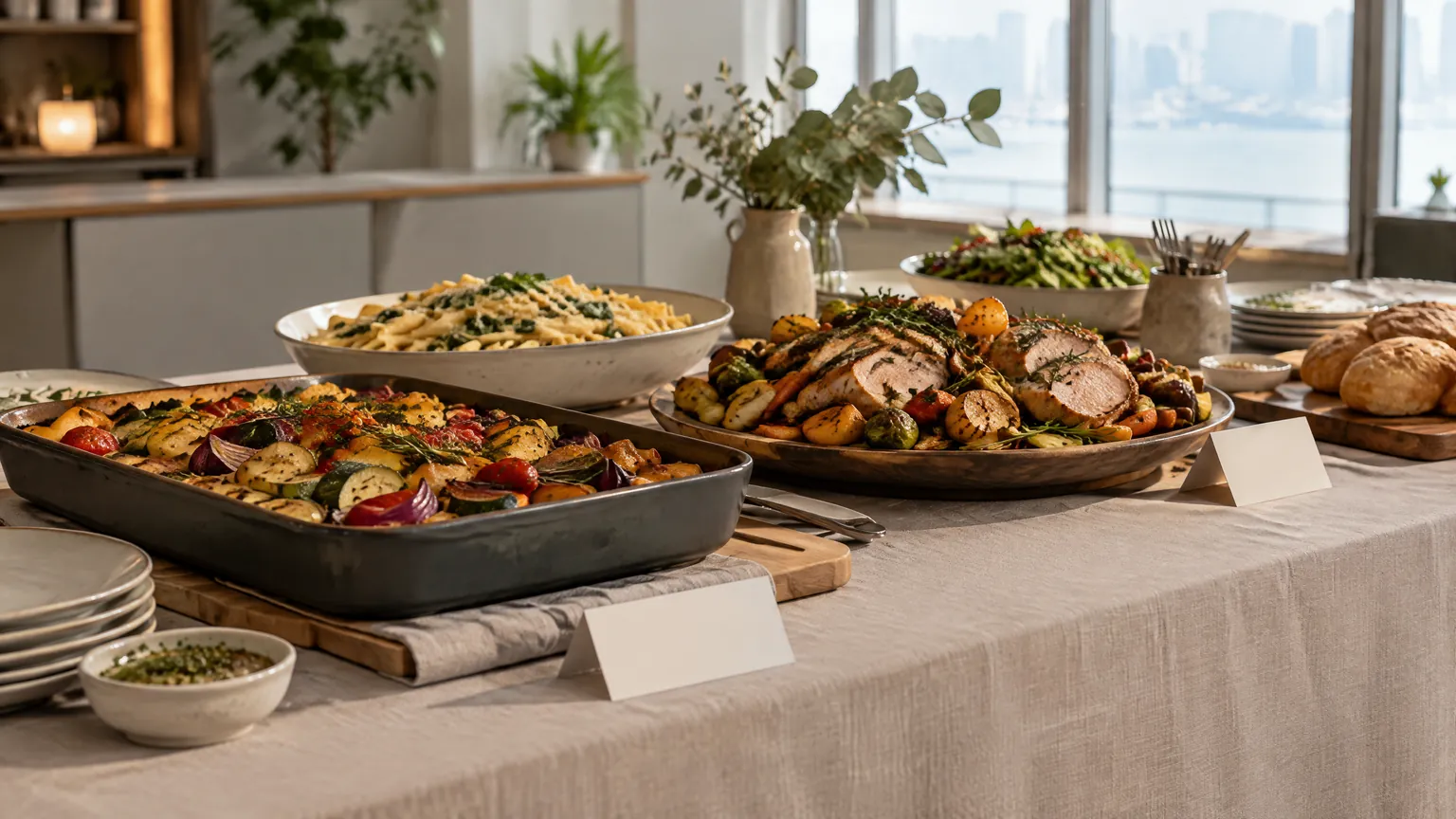
For a celebration-focused comparison, the Birthday Catering resource can help frame questions about shared savoury food and sweet additions. Use it to decide what belongs in your brief, not to assume that a pictured spread is suitable for your colleague or that every element is included. Confirm the current contents, quantities and any separate cake arrangements directly.
Count people who expect to eat, not people on the invitation
Consider a hypothetical Kwun Tong team of twelve. Eight colleagues confirm they will join an afternoon snack break, two will be off-site, and two have not replied. Your working count is eight confirmed snack eaters, with two unresolved responses recorded separately. It is not automatically twelve meals, nor a reason to reduce everyone to an arbitrary fraction of a meal.
Give colleagues a simple reply choice: joining and eating, joining without food, or not joining. Set a reply deadline that lets you clarify the order with the provider. If a response changes after confirmation, ask whether the quantity can still change; do not assume the order has changed just because your spreadsheet has.
Translate serving descriptions into usable quantities
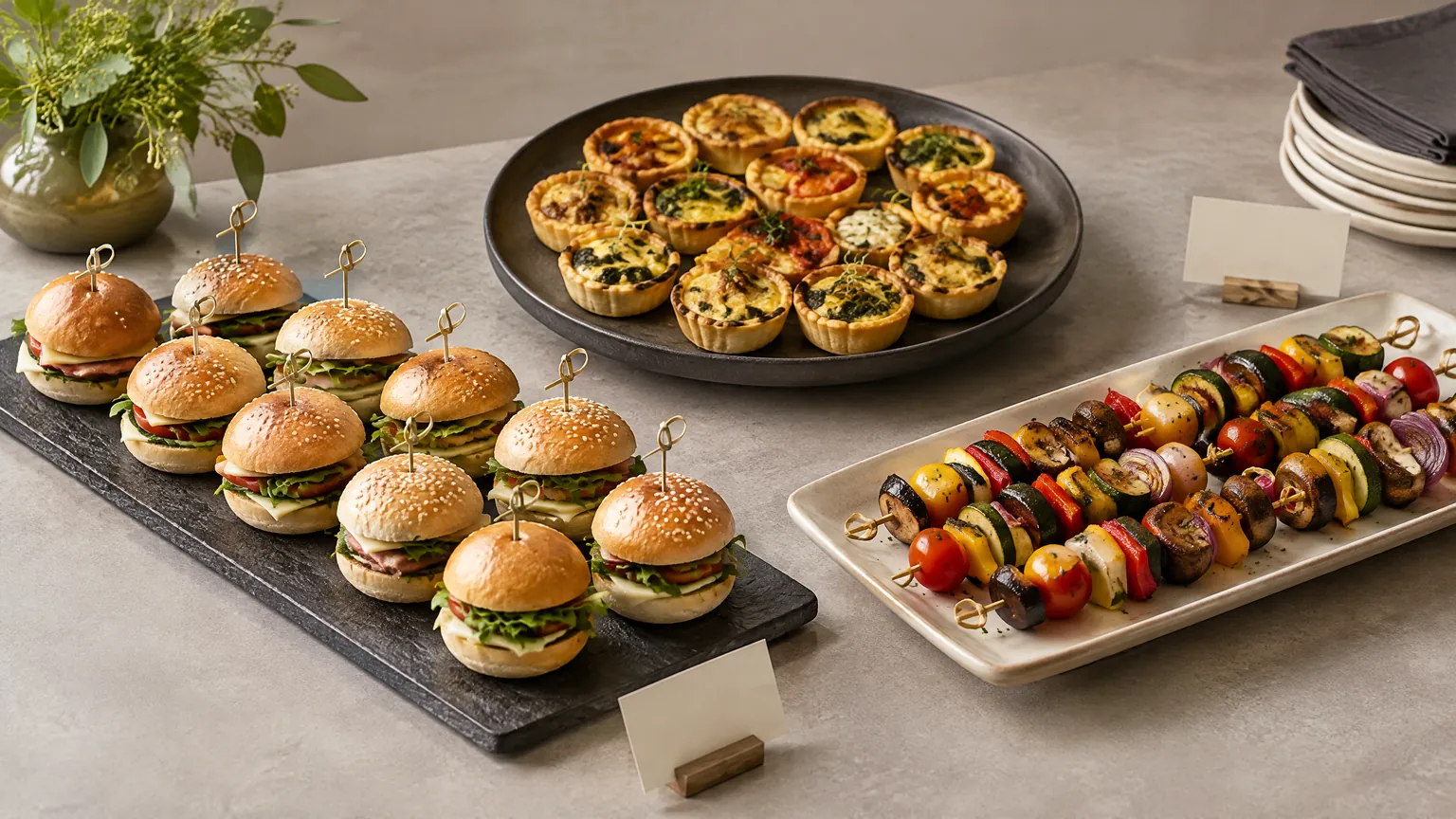
Ask whether a stated serving range describes a light snack, an accompaniment or a complete meal. For finger food, request the actual number of pieces and how they are divided among the selections. For shared main dishes, ask what portion basis the provider uses. A group-size label alone does not tell you whether everyone can have the main item they expect.
Keep the dessert count separate. Some colleagues may join the chat but skip dessert, while others may want a savoury bite only. Record unresolved food needs before ordering rather than filling every gap with an extra platter. Hong Kong’s Environmental Protection Department places avoiding food waste at source ahead of managing surplus; accurate eating intentions are a useful first step.2
Let the room set the upper limit
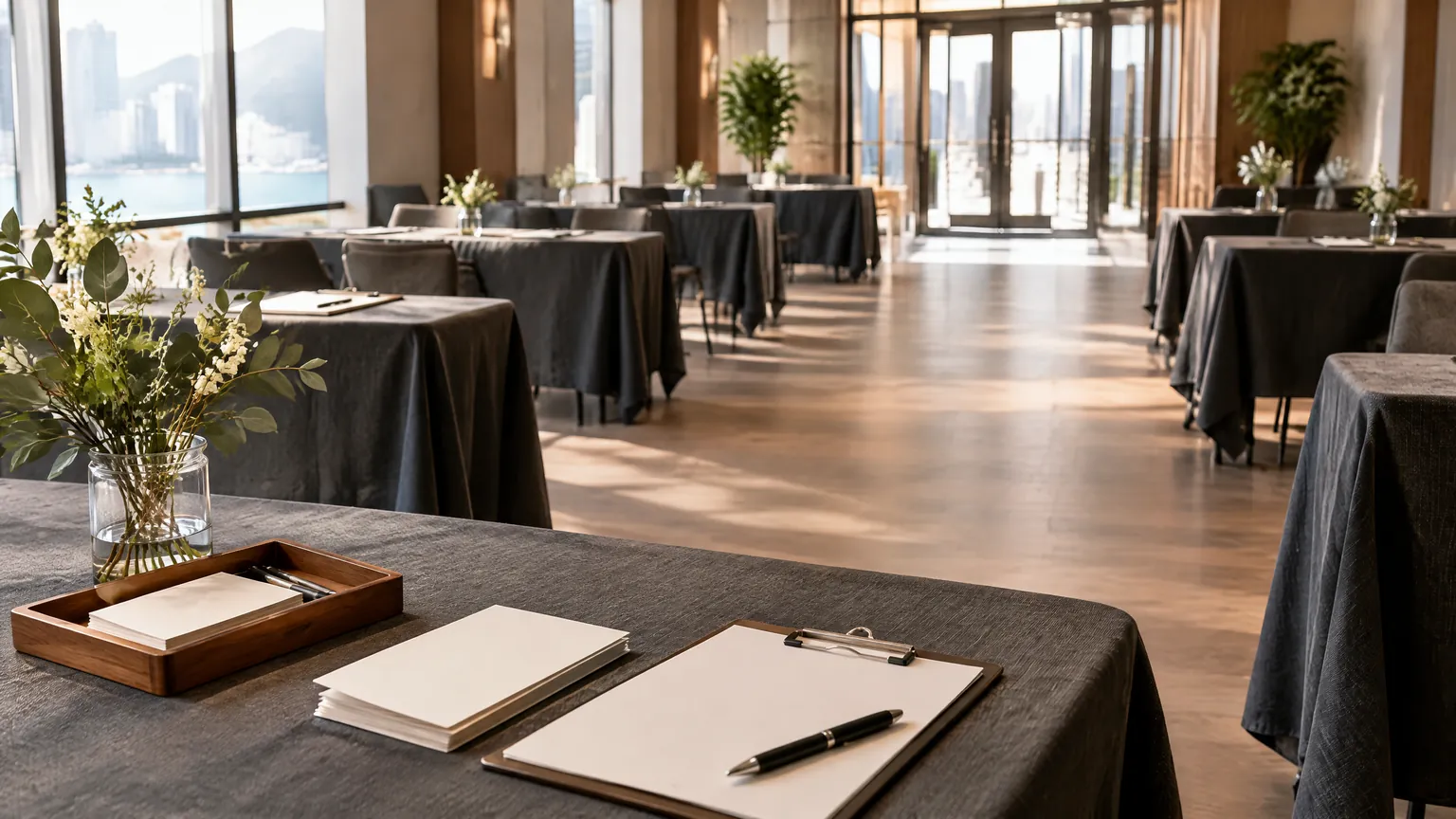
Walk through the actual space while it is in normal use. A meeting room that seats the team may have no spare surface for food, used plates and packaging. A pantry counter may already hold mugs and lunch containers. Check the room booking, permission to bring food, access arrangements and who needs the space immediately afterwards.
Think about how someone will enter, collect food and return to a seat. Keep the door route and access to workstations clear. Allow colleagues to sit rather than making standing participation the only option. If a compact office cannot accommodate both food and people comfortably, reduce the menu or use another approved room instead of covering desks with trays.
The Party Catering resource provides a broader gathering context when you are comparing shared dishes, finger food and drinks. For this workplace birthday, narrow that scope to what the room can actually handle. Ask what arrives ready to serve and which responsibilities remain with your team; a party category does not by itself confirm setup, serving help or clear-up.
In a hypothetical Sheung Wan workspace, a side table might accommodate a small savoury selection and dessert, but not a full meal spread plus everyone’s belongings. That makes a short snack break a more workable brief. If you are replacing lunch, look for a space with the necessary seating and serving surface before expanding the food order.
Storage belongs in this room check too. Measure whether the relevant containers can fit in the shared refrigerator, with permission, rather than assuming space will appear on the day. Ask whether the food needs chilled or hot holding. An air-conditioned room is not a refrigerator, and a covered tray does not establish a safe holding temperature.3
Keep the scope modest without leaving hidden tasks
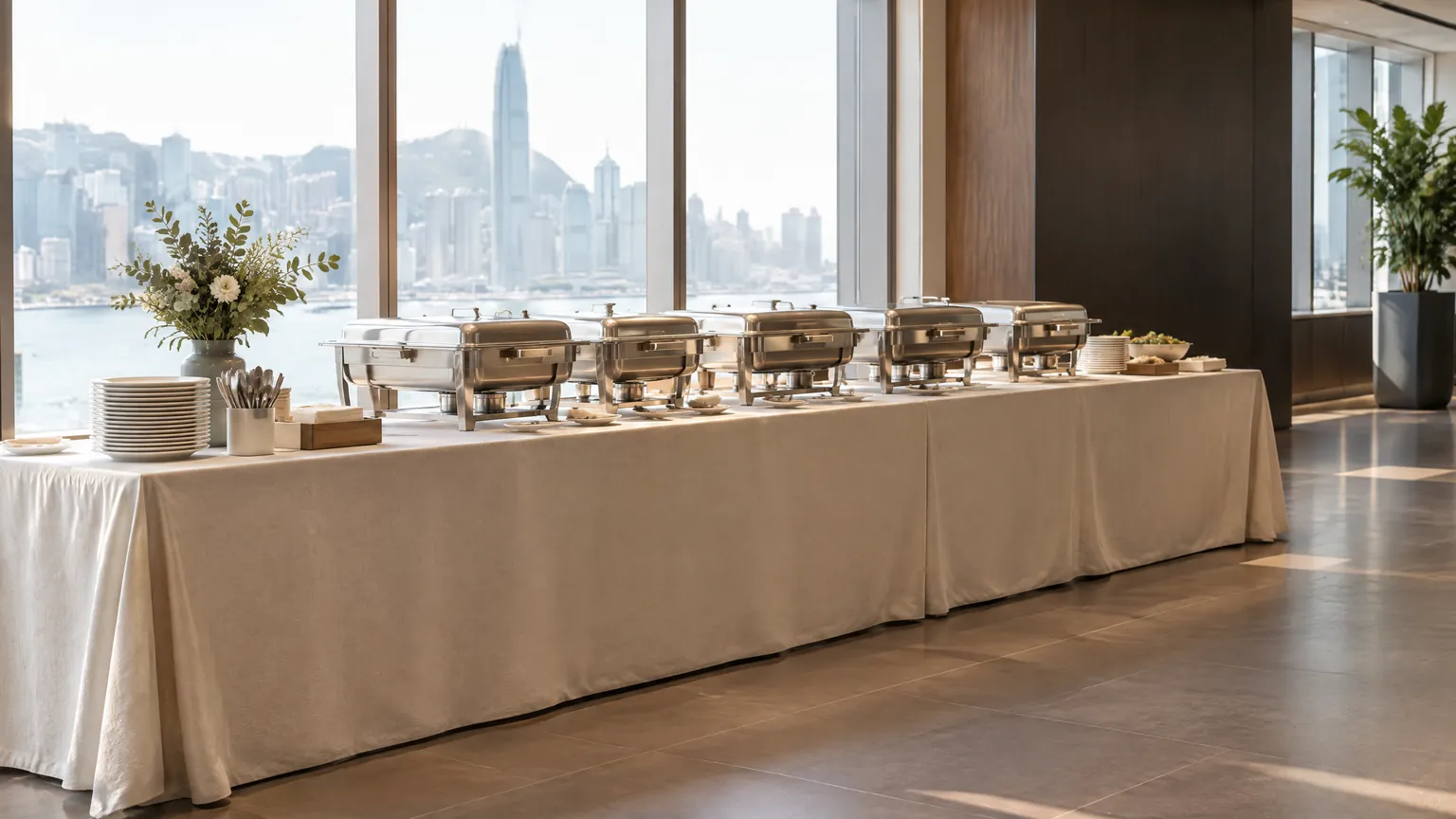
Decide what is essential: the agreed food, a usable place to eat and someone responsible for the finish. Decorations, speeches, games and a separate drinks display are optional. A restrained celebration can have one brief birthday greeting and ordinary conversation; it need not become an organised programme that the colleague has to perform in.
When comparing a restrained order, treat Budget Catering as a scope-enquiry resource rather than evidence that a particular option is the cheapest or most suitable. Send the same confirmed eater count, eating window and food needs for each comparison. Ask what the proposed food and packaging include, then identify any remaining tasks before choosing between smaller and larger formats.
Ask who supplies plates, serving tools, napkins and containers for food that can appropriately be stored. Confirm whether a cake needs a separate order, a board-sized refrigerator space and a cutting tool. Do not assume these come with savoury food. If workplace policy does not permit candles or open flames, leave them out; the birthday greeting does not depend on them.
For a hypothetical fifteen-person office, adding another menu component may also add another container to receive, another serving tool and more refrigerator space. Compare that extra work against what the additional food solves. If it merely makes the table look fuller, keeping the original brief may be the better decision. If it fills a confirmed meal gap, clarify its quantities and handling needs.

Choose food people can actually manage in the break
For a short break, think beyond how a platter looks. Can someone collect a portion without balancing several plates? Does the item need a seat and cutlery? Will sauces make it awkward beside a laptop? Keep eating away from work equipment where possible, and choose the format to match the available table and time rather than asking colleagues to improvise.
The Food Platter Delivery resource is relevant if you are considering a compact shared-food arrangement. Ask for current platter contents, piece counts, container dimensions and storage instructions. Decide whether one shared display or separately held portions better fits attendance; neither a serving-range label nor a photograph proves that the order will work for your particular eating window.
Collect practical dietary requirements privately and explain who needs the information to arrange food. Avoid asking for diagnoses or publishing names beside food restrictions. Keep the information only as long as needed for the purpose, following workplace policy; the Privacy Commissioner’s guidance includes both limited retention and safeguards against unauthorised access.1
Ask the provider to confirm ingredients and relevant cross-contact arrangements for the actual selection. A vegetarian preference and an allergy require different questions. Do not describe a tray as suitable for a particular allergy merely because one obvious ingredient is absent. If a colleague cannot establish suitability, let them join without eating the shared food, without having to justify that choice to the group.
A dessert-only break is also possible if the colleague wants it and everyone understands it is not lunch. Check who actually wants dessert and whether its storage requirements are manageable. Keep the focus on a comfortable gathering, not on ensuring that every colleague eats the same thing.
Give the food an eating window, not an all-day display
Name a receiver and a backup before confirming the order. Give them the building access details and the agreed receiving location, and leave enough time to check the contents without disrupting the break. A ground-floor handover in a commercial building is not the same as food appearing on the meeting-room table. Confirm the actual arrangement rather than inferring it from a broad delivery statement.
CFS advises keeping prepared food refrigerated at or below 4°C or hot above 60°C unless it is consumed immediately. Its public guidance says prepared food held at room temperature for less than two hours can be refrigerated for later use, while food held for more than four hours should be discarded.3 These are food-handling limits, not permission to plan a long office display. Ask for the relevant handling information and keep the gathering short.
Coordinate the receiving and eating times. If a meeting is delayed, do not simply leave food on a desk until everyone becomes available. Use the confirmed storage arrangement or seek instructions from the provider. If there is no suitable holding arrangement, change the food or timing before the order is finalised.
A colleague arriving later should not have to guess whether an exposed portion is still suitable. Decide in advance whether a portion can be set aside under appropriate conditions. Do not treat arrival at the office as proof of the food’s earlier handling, and do not judge safety by appearance or smell: CFS explicitly cautions that these cannot reliably establish it.3
Finish without handing the birthday colleague the clean-up
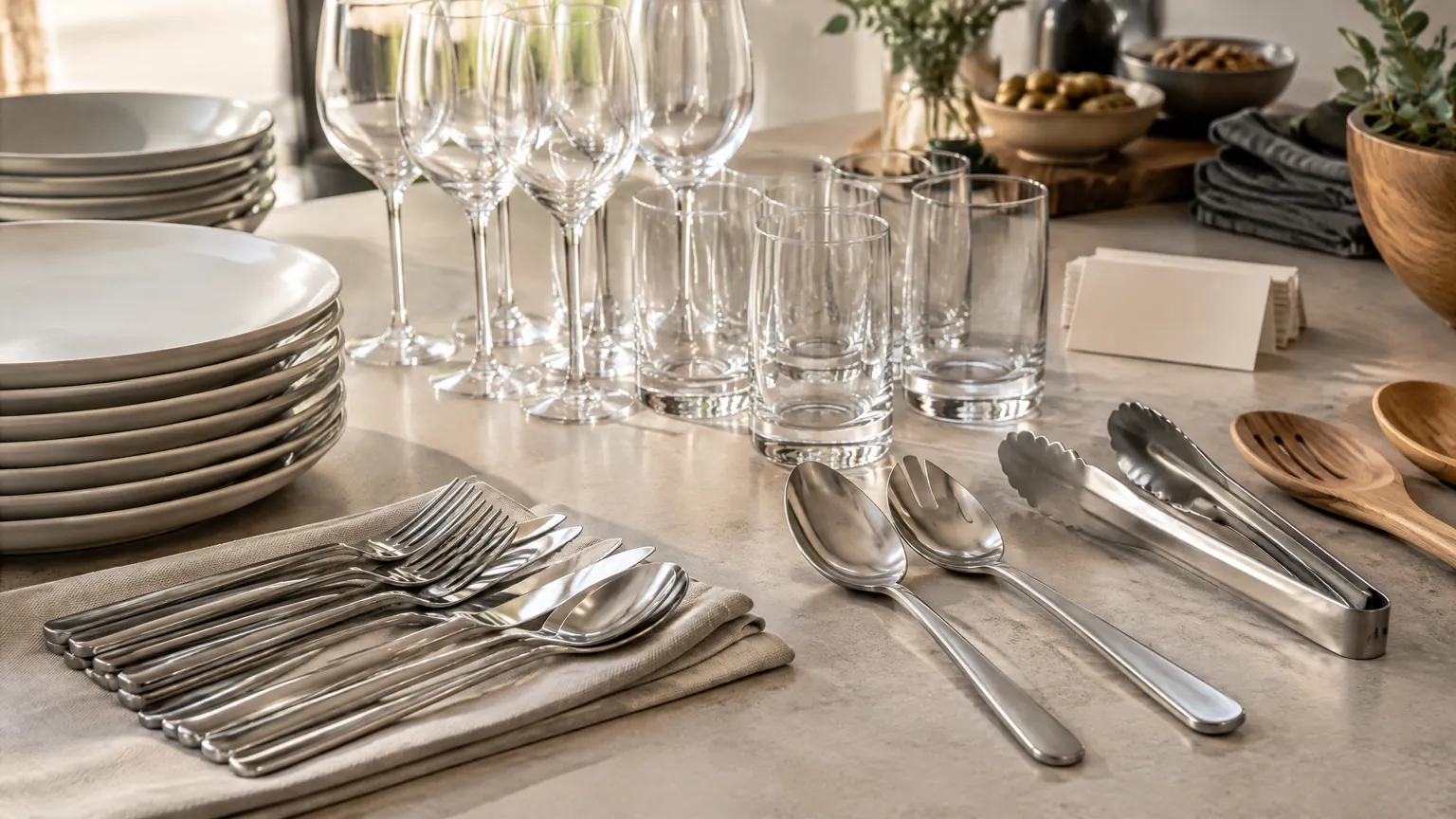
Agree who clears the table and returns the room to working use. Keep the birthday colleague free to leave when the break ends. One organiser can handle the food check while another collects used tableware, wipes the approved surfaces and separates packaging according to the building’s arrangements.
Avoid solving surplus by asking everyone to take food home regardless of its handling history. Check whether remaining food can be stored appropriately; if its safety is uncertain, do not press colleagues to accept it. For unavoidable waste, use the building’s actual separation facilities rather than assuming a food-waste collection service is available. EPD advocates separation and recycling of unavoidable food waste, but local arrangements still need checking.2
Keep a short, non-personal note for the next organiser: whether the room was too cramped, which quantities were excessive and whether receiving worked. Do not retain a colleague’s dietary details or birthday preferences indefinitely just because they were helpful once. A future organiser can ask again.
A short action checklist before you confirm
- Ask the birthday colleague privately what they want, including whether they want photographs.
- State snack break or meal, then confirm actual eaters and unresolved responses.
- Check the room, container space and suitable storage before choosing the format.
- Confirm quantities, ingredients, serving items and the receiving arrangement with the provider.
- Assign a receiver, a backup and a clear-up helper; communicate a clear finish time.
If one of those decisions is unresolved, simplify the gathering rather than quietly adding obligations. A card today and a short food break on another agreed day may be more considerate than a rushed surprise. The useful measure is whether your colleague can enjoy the moment without being pushed into hosting, eating, paying or posing.
Common questions
Can we keep the food a surprise while asking whether our colleague wants a gathering?
Yes. Ask first about the gathering, timing and level of attention, then keep the food choice within those agreed boundaries. Do not treat permission for a short break as permission for speeches, photographs or a larger guest list.
How should we count colleagues who may join after a client meeting?
Record them separately as unconfirmed or late arrivals, then ask whether they expect a snack or meal. Confirm any reserved portion and suitable holding arrangement before ordering; do not leave a plate exposed for an unspecified arrival time.
What if the meeting room has space for people but not a full food spread?
Reduce the food format or use another approved space. Check the serving surface, entrance route and storage as well as seats. If you switch to a snack break, tell colleagues clearly that it will not replace lunch.
Must everyone contribute or eat the shared food?
No. Make attendance, contributions and eating separate optional choices, subject to workplace policy. Arrange contributions privately and let colleagues join the conversation without explaining why they are not eating.
Sources & what they support
Each reference supports only the stated scope. Citations are not independent endorsements of YumYum or its branches and do not confirm a provider’s current arrangements or any individual outcome.
- The Ordinance at a Glance — Office of the Privacy Commissioner for Personal Data (opens in a new tab)
DPP1 necessary, adequate but not excessive collection and transparency; DPP2 limited retention; DPP3 express voluntary consent for a new unrelated use; DPP4 security. Supports privacy-conscious birthday and dietary planning, not a claim that the suggested process guarantees legal compliance.
- Food Waste Challenge — Environmental Protection Department (opens in a new tab)
Avoiding food waste at source is the first priority; unavoidable food waste should be source-separated and recycled. Supports confirmed eating intentions and checking actual building separation arrangements without assuming service availability.
- CFS reminds public to keep an eye on food safety risks in summer — FEHD (opens in a new tab)
Prepared food at or below 4°C or above 60°C unless consumed immediately; less than two hours at room temperature may permit refrigeration for later use and more than four hours requires disposal; smell and flavour do not establish safety. Supports a short eating window and confirmed food-specific holding arrangements.