Turn Dietary Requests into Clear Questions for an Event Supplier
GotGear and YumYum (including its gifting, baking and florist branches) share an owner; this collection is not an independent recommendation. GotGear does not provide catering, gifting, cake, floral, tuition or rental services. External-service information is separate from GotGear’s equipment catalogue; confirm the actual scope with the relevant provider. Articles are general planning information, with no promises about supply, arrangements or outcomes. Concept photos are not records of real events, customers or classes.
The short answer
Turn each guest’s dietary request into three separate questions: which ingredients must be excluded, what certification evidence is needed, and what cross-contact limits apply. Match the answers to a specific meal, not just a menu category. Keep unresolved requirements open until the supplier provides a clear response and the guest has the information needed to decide.

Turn each guest’s dietary request into three separate questions: which ingredients must be excluded, what certification evidence is needed, and what cross-contact limits apply. Match the answers to a specific meal, not just a menu category. Keep unresolved requirements open until the supplier provides a clear response and the guest has the information needed to decide.
For a Hong Kong workplace gathering, this avoids a familiar planning error: choosing a plant-based platter and assuming it also answers every religious or allergy-related request. A meal may satisfy one requirement while leaving another unanswered. The useful document is an enquiry matrix that records those differences, rather than a single column headed “special meals”.
GotGear and YumYum share an owner. This is a same-owner planning journal, not an independent provider endorsement; GotGear does not provide food, floral, gift, class or rental services.
Separate the request from the evidence needed
Begin with the guest’s own wording. “I prefer vegetarian food” and “I need food without milk because of an allergy” require different follow-up questions, even when both people are considering the same vegetable dish. Do not change either request into the other because it makes ordering simpler. Ask what the meal must exclude and whether any additional ingredient or handling conditions apply.
The distinction matters because a vegan label is not an allergen-exclusion statement. The UK Food Standards Agency explains that food labelled vegan may have unintended contact with allergens of animal origin. Its advice supports asking separately about allergies and intolerances; its UK legal rules should not be treated as Hong Kong requirements.1
Use separate fields, not a single yes or no
An enquiry matrix can be a short document with one entry for each proposed meal. Give each entry a meal identifier, the requirements it must meet, ingredient questions, certification questions where relevant, cross-contact questions, the supplier’s answer and the outstanding decision. These fields let an organiser compare responses without collapsing different concerns into one label.
Use a status such as “answer received”, “clarification needed” or “not offered”. Avoid “safe” as an organiser’s shorthand. A received answer may still describe a limitation, and a document attached to a message may cover only one ingredient. Record what the answer actually establishes before deciding whether that meal can proceed.
Keep overlapping requirements together
One attendee may require a vegan meal and also exclude sesame. Another may need halal food and a separate gluten-related enquiry. Keep those combined requirements in the same meal entry. Counting each tick as a different person can produce duplicate orders; separating the conditions into unrelated messages can produce a meal that addresses only half the request.
For a seminar in Wan Chai, the useful question is therefore not “How many dietary categories do we have?” It is “Which proposed meal addresses every stated requirement for this attendee, and which answers are still missing?” That is the decision the matrix should make visible.

Ask what vegetarian and vegan mean for the actual dish
The Vegetarian Catering page describes vegetarian options and includes dairy-named dishes such as cheese-baked vegetables and cream pasta. That makes it a starting point for a dish-level enquiry, not evidence that every item meets a vegan request. Ask whether the proposed meal includes milk, eggs or other ingredients the guest excludes, including sauces and dessert.
A guest may also have personal restrictions beyond the category name. At a family gathering in Sha Tin, one relative might accept egg and dairy while another avoids them; someone else might ask about particular aromatics. Record those instructions rather than assuming that “vegetarian” carries the same meaning for the whole household. Let the supplier answer against the stated exclusions.
The Vegan Catering page provides plant-based menu directions for lunches and gatherings. Use those directions to ask about the complete proposed meal and its ingredient information. If the guest also has a milk, egg, soy, nut or sesame restriction, open a separate allergen question instead of treating the plant-based description as confirmation of suitability.
Be specific without proposing a recipe. “Does this proposed meal contain the ingredients our guest excludes, including dressing, garnish and accompanying items?” is more useful than asking the supplier to make something “clean”. The FSA specifically warns against assuming vegan-labelled food is suitable for a person with an allergy to an animal-derived ingredient.1
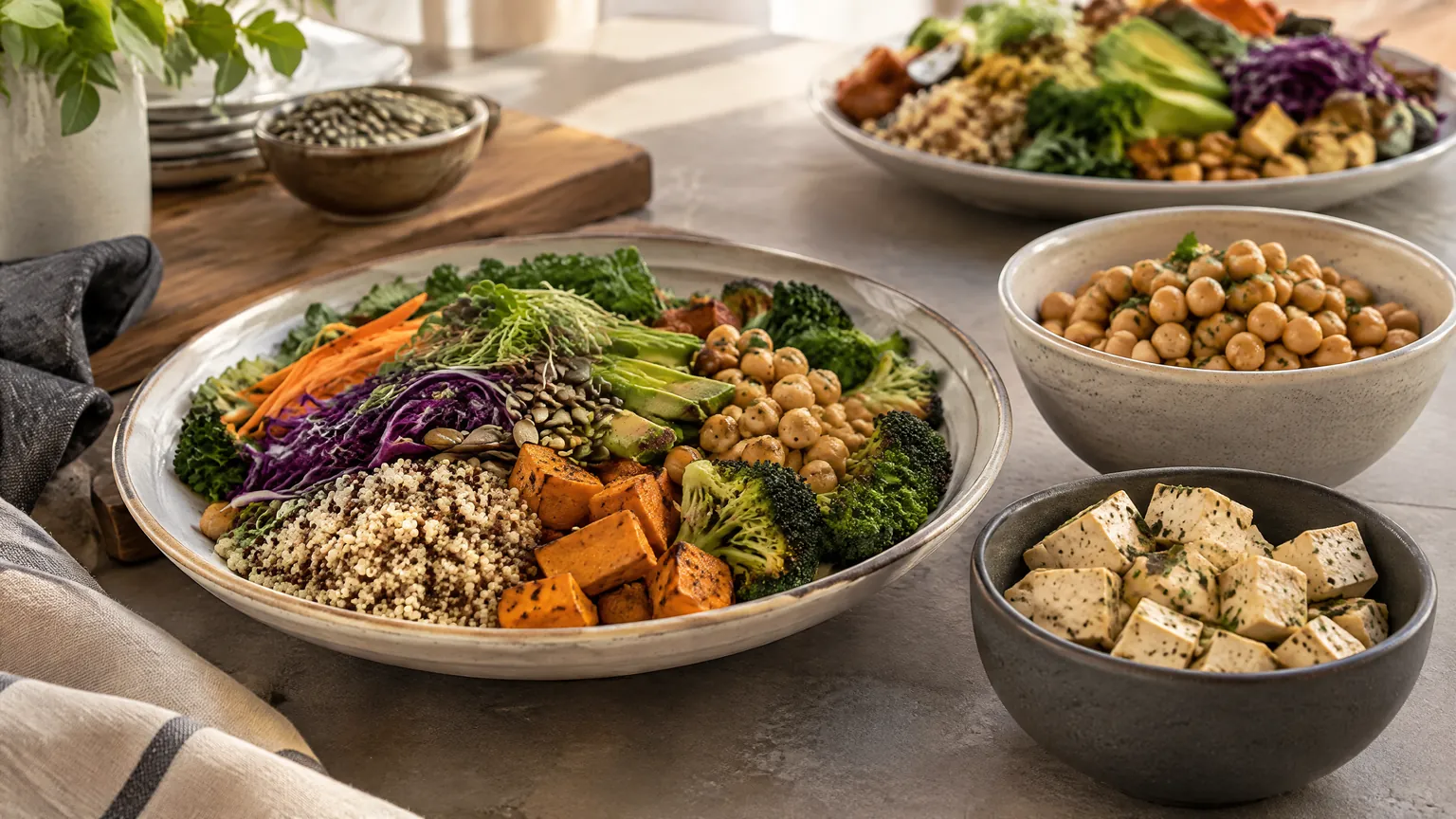
A vegetable-and-grain photograph cannot settle these questions. Neither can a green icon or a dish name that sounds plant-based. Ask for the current information for the items actually being proposed, then preserve the answer beside that meal in the matrix.
Treat halal certification as an evidence question
For Halal Catering, ask what current certification evidence applies to the proposed order. Request the issuer, certificate holder, covered premises or products, validity details and relevant scope. Do not infer that a cuisine name, the absence of pork, or a general website statement establishes the certification your guest requires.
Hong Kong’s Incorporated Trustees of the Islamic Community Fund states that it conducts halal inspections and issues halal certificates under the supervision of its Imams.3 This provides a relevant local reference for understanding that certification is an identifiable process. It is not evidence that a particular supplier, kitchen or menu holds a current certificate.
Consider an evening reception in Central where the supplier sends a certificate relating to a meat ingredient. The next question is whether that evidence addresses the guest’s requirement for the whole catered meal. Ask the supplier to explain what it covers and what it does not. Keep questions about the preparation premises and handling separate where those details are required.
If the supplier describes food as “Muslim-friendly”, do not silently replace that wording with “certified halal” in the guest message. Share the description and available evidence accurately. Ask the attendee or relevant host what evidence they need; do not decide their religious requirements for them. An unanswered certification question should remain visible even when the menu itself looks suitable.
Make gluten questions wider than the main ingredient
Use Gluten-Free Catering as an enquiry starting point and ask for the proposed meal’s ingredient information and cross-contact limitations. A rice-based main course or a flourless-looking dessert does not answer every gluten-related question. Keep any additional allergen exclusions explicit rather than interpreting gluten-free wording as the absence of all allergens.
Hong Kong’s Centre for Food Safety notes that gluten may occur in sauces, gravies, vegetarian meat substitutes and soup, as well as more obvious cereal-based foods. It also distinguishes wheat allergy, coeliac disease and non-coeliac gluten sensitivity.2 For an organiser, the practical consequence is to retain the guest’s stated requirement and ask about the whole meal, not diagnose or rename it.
At a Kwun Tong office lunch, for example, “rice with vegetables” is too broad an answer if the supplier has not addressed the sauce and accompanying soup. Ask whether the response includes those components. If a sauce is proposed as a substitute, request confirmation for that replacement rather than assuming the original answer still applies.
The CFS explains that Hong Kong requires cereals containing gluten to be declared on prepackaged food labels. For non-prepackaged food, it suggests declaring allergens on menus to help customers make informed choices.2 Do not assume a short event menu provides the same detail as an ingredient label. Ask what written information is available for the specific catered items.

Write questions that produce comparable answers
The matrix is most useful when it connects a requirement to an answer and a next decision. It need not be a large spreadsheet. A concise entry can hold the proposed meal name, its included components, the exact question, the reply date and the outstanding point. Use the same fields when approaching different suppliers, but retain their actual wording.
For a vegetarian entry, the question might be: “Please identify whether the proposed meal includes egg or dairy, including the dessert.” The next decision is whether that matches the guest’s exclusions. A reply about the main dish alone leaves the dessert field open; it does not complete the entry.
For a vegan entry with a sesame allergy, ask two questions: whether any animal-derived ingredients are intentionally included, and what information the supplier can provide about sesame ingredients and unintended contact. A reply saying “all plant-based” addresses neither the sesame ingredients nor the handling question. Ask for those missing answers rather than restarting the entire enquiry.
For a combined halal and gluten-related entry, attach the certification enquiry to the same proposed meal as the ingredient and cross-contact questions. This prevents an approval for a halal menu being carried over to a different gluten-free option without review. It also makes clear that a single attendee needs one meal meeting both conditions, not two separate meals.
Send enough event context for the supplier to answer realistically: venue, meal format, whether food will be shared or individually packed, and whether a host will add other items. A small shared table at home creates a different handover question from individually identified boxes collected by an office administrator. Neither format is automatically suitable; the response must address the planned arrangement.
Read a supplier reply for gaps, not reassuring adjectives
A useful answer identifies the actual meal, addresses each question and states any limitations. A broad reply such as “we accommodate dietary needs” may be encouraging, but it is not yet an answer to the exclusions in the matrix. Ask which proposed items the supplier can offer under the stated conditions and which it cannot.
Treat evidence as specific. An ingredient list helps explain what is intentionally used; it does not by itself explain unintended contact. A certificate may establish a defined certification scope; it does not answer every separate allergy question. A promise to pack meals separately does not, by itself, describe what happened before packing. These are reasons for targeted follow-up, not grounds to accuse a supplier of failing.
The FSA recommends asking about handling-related allergen risks and last-minute recipe changes or ingredient substitutions.1 Translate that advice into an event question: “If any component changes after confirmation, will you provide updated information before we accept the affected meal?” Do not turn a general answer into permission for all future substitutions.
If the supplier cannot answer a requirement, mark the entry accordingly and tell the guest while there is still time to choose another arrangement. Do not downgrade an allergy-related exclusion to a preference or weaken a certification requirement merely to close the order. Where uncertainty remains, leave the affected meal unconfirmed rather than reassuring someone without evidence.

Carry the confirmed information through handover
Once a meal is agreed, keep its identifier attached to the order and receiving instructions. The FSA advises asking for individual meals and containers to be identified when ordering for several people.1 For a Hong Kong event, agree how that identification will work with the supplier and receiving host; do not assume a delivery team will know the organiser’s private notes.
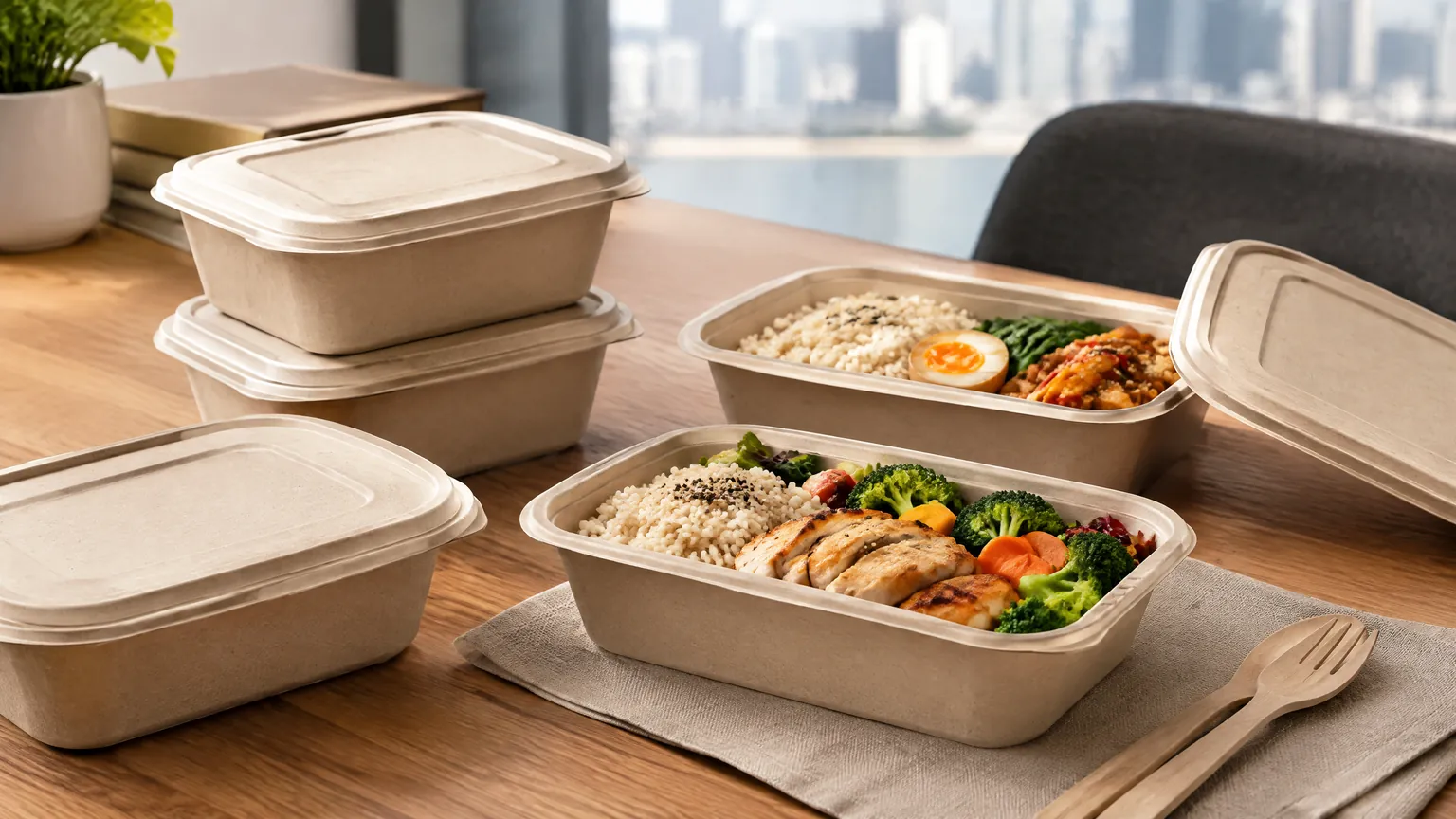
At a shared office reception desk, the receiver should be able to match the identified box to the agreed meal without guessing from its appearance. Keep ingredient information accessible to the relevant guest. If the item arrives changed or unidentified, contact the supplier before presenting it as the confirmed meal. An attractive container is not evidence of its contents.
For a household celebration, also decide whether the host will add sauces, snacks or desserts. Adding an unreviewed extra can move the meal beyond the supplier’s answer. Keep the agreed meal intact and ask about any proposed additions instead of extending the original confirmation to the whole table. This is an information check, not a substitute for supplier controls.
Before closing the enquiry, use this short checklist:
- Match every requirement to a specific proposed meal and all its components.
- Separate ingredient answers from certification evidence and cross-contact limitations.
- Return unanswered questions to the supplier without changing the guest’s request.
- Record how substitutions will be rechecked and how meals will be identified.
- Tell the guest what is confirmed and what remains unresolved.
A well-kept matrix does not promise that every request can be accommodated. It gives the organiser a defensible way to distinguish a menu idea, a supplier answer and an unresolved requirement. The best final message is precise: this is the proposed meal, this is the information supplied, and this is the point still requiring a decision.

Common questions
Can I use one vegan option for every dietary request?
No. Check every requirement against that specific meal. A vegan description does not settle separate allergy, gluten-related or halal certification questions. Keep overlapping requirements together in the meal’s enquiry entry.
What should I ask for when a supplier says a menu is halal certified?
Ask for current evidence identifying the issuer, holder, covered premises or products, validity details and scope relevant to the proposed order. Share the evidence and any limitations accurately; do not assume an ingredient certificate covers the whole catered meal.
Does a separate lunch box answer the cross-contact question?
Not by itself. It may help with identification and handover, but ask separately what ingredient and handling information the supplier can provide for the meal before it was packed. Do not present packaging as a guarantee.
What if a confirmed dish is replaced shortly before the event?
Reopen that meal’s entry. Request updated ingredient information, relevant certification evidence and cross-contact details for the replacement. Do not extend the original answer to a different dish or tell the guest it is confirmed while questions remain open.
Sources & what they support
Each reference supports only the stated scope. Citations are not independent endorsements of YumYum or its branches and do not confirm a provider’s current arrangements or any individual outcome.
- Food Standards Agency: Food allergy and intolerance advice for consumers (opens in a new tab)
Vegan labels do not establish allergen exclusion; unintended contact remains possible. Supports asking about handling risks and recipe substitutions, and requesting identification of individual meals and containers. UK legal requirements are not applied to Hong Kong.
- Centre for Food Safety: Are gluten-free food products better choices for the general population? (opens in a new tab)
Gluten may occur in sauces, gravies, vegetarian substitutes and soup; wheat allergy, coeliac disease and non-coeliac gluten sensitivity are distinct. Hong Kong prepackaged-food allergen declaration requirements differ from the source’s suggested menu declarations for non-prepackaged foods.
- The Incorporated Trustees of the Islamic Community Fund of Hong Kong: Halal Certification (opens in a new tab)
The institution states that it conducts halal inspections and issues halal certificates under Imam supervision. Supports an identifiable local certification process, not certification of YumYum or any specific supplier, premises or order.