Explore Floral Techniques Before Turning a Hobby into a Business Idea
GotGear and YumYum (including its gifting, baking and florist branches) share an owner; this collection is not an independent recommendation. GotGear does not provide catering, gifting, cake, floral, tuition or rental services. External-service information is separate from GotGear’s equipment catalogue; confirm the actual scope with the relevant provider. Articles are general planning information, with no promises about supply, arrangements or outcomes. Concept photos are not records of real events, customers or classes.
The short answer
Explore floral work in stages: first learn to handle materials, then practise a specific technique, then repeat it under a different brief. Consider business learning only after you understand what you can make consistently and what still needs guidance. A startup-labelled workshop is not, by its name alone, a professional qualification or a promise of employment.
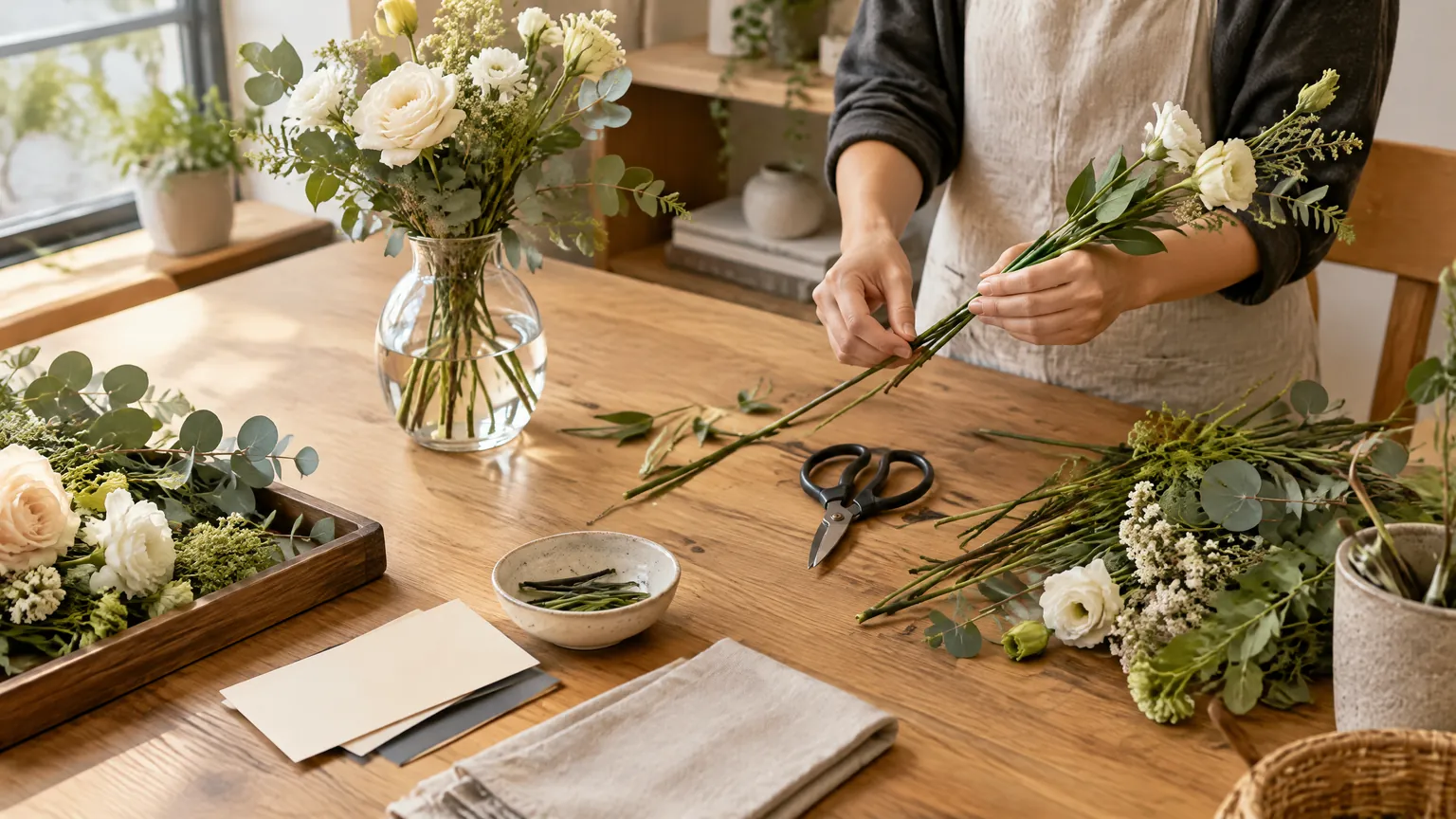
Explore floral work in stages: first learn to handle materials, then practise a specific technique, then repeat it under a different brief. Consider business learning only after you understand what you can make consistently and what still needs guidance. A startup-labelled workshop is not, by its name alone, a professional qualification or a promise of employment.
A finished bouquet can make the next step look deceptively simple. Yet enjoying an afternoon of arranging flowers, understanding why an arrangement works and being ready to accept responsibility for somebody else's event are different achievements. You can explore each without committing to the next. This is particularly useful if a friend gives you a workshop experience and assumes it will launch a new career.
GotGear and YumYum share an owner. This is a same-owner journal guide, not an independent endorsement: GotGear does not provide food, floral, gift, class or rental services. The linked learning pages are resources for framing enquiries; they do not replace confirmation of a provider's current teaching arrangements.
Set the next goal before choosing the project
Use a learning ladder with observable steps. At the first step, your goal might be to recognise the materials and handle them without damaging the parts you want to display. At the next, it might be to make a small arrangement whose shape you can explain. Later, try repeating that arrangement with a changed colour brief or a different container. Business exploration belongs after you have identified these practical strengths and gaps, not automatically after a successful photograph.
For a Hong Kong office worker with only a dining table available at home, a sensible first goal could be a compact piece that can be carried home and practised again without taking over the household. Someone already making gifts for relatives may instead need feedback on proportion or finishing. Neither person needs to start with a large event installation simply because it looks impressive online.
Write your goal as an action rather than a style label. “I want to explain how I chose the focal flowers” is more testable than “I want to make something professional.” Add how you will check it: a second attempt, a comparison from several viewing angles, or a specific question to the teacher. Keep the goal narrow enough that feedback can address it directly.
If you are considering the Flower class resource, use it to begin that discussion rather than infer a lesson plan from its title. Ask whether the proposed project includes individual material preparation, composition choices and feedback, or mainly following a demonstrated design. The current page does not establish those details, so a written response is more useful than assuming every introductory session covers the same foundations.

Learn what happens before the arrangement looks finished
Fresh-flower preparation deserves attention even when your main interest is wrapping. The Royal Horticultural Society describes conditioning as preparing cut flowers for display. Its guidance includes removing foliage that would sit below the water level, using clean vases and placing prepared stems in clean water in a cool location. Different plants can have different handling requirements. 2
This gives you a practical question for a workshop: are the stems supplied ready to arrange, or will you learn how they were prepared? Ready-prepared materials can support an enjoyable introduction. They simply provide less evidence about whether you can manage the preceding stage independently. Ask the teacher to explain which decisions you made and which were made before you arrived.
For a modest arrangement intended for a Kwun Tong meeting room, think beyond how it faces the camera. Can people see one another across the table? Is the container stable where notebooks and laptops will be placed? Who will look after it afterwards? The RHS recommends checking water, keeping vases clean and choosing a cooler position away from heat. Those are useful care considerations, not a guarantee that every arrangement will last for a particular period. 2
Ask for material-specific tool and handling guidance too. The RHS cautions that some plants can cause skin irritation and some are poisonous. 2 Do not assume a flower is suitable to touch, place near food or leave within reach of children simply because it appears in a decorative design. A learning session should give you a chance to ask what you are handling, without turning the exercise into improvised safety advice.
Separate arranging dried materials from learning to dry them
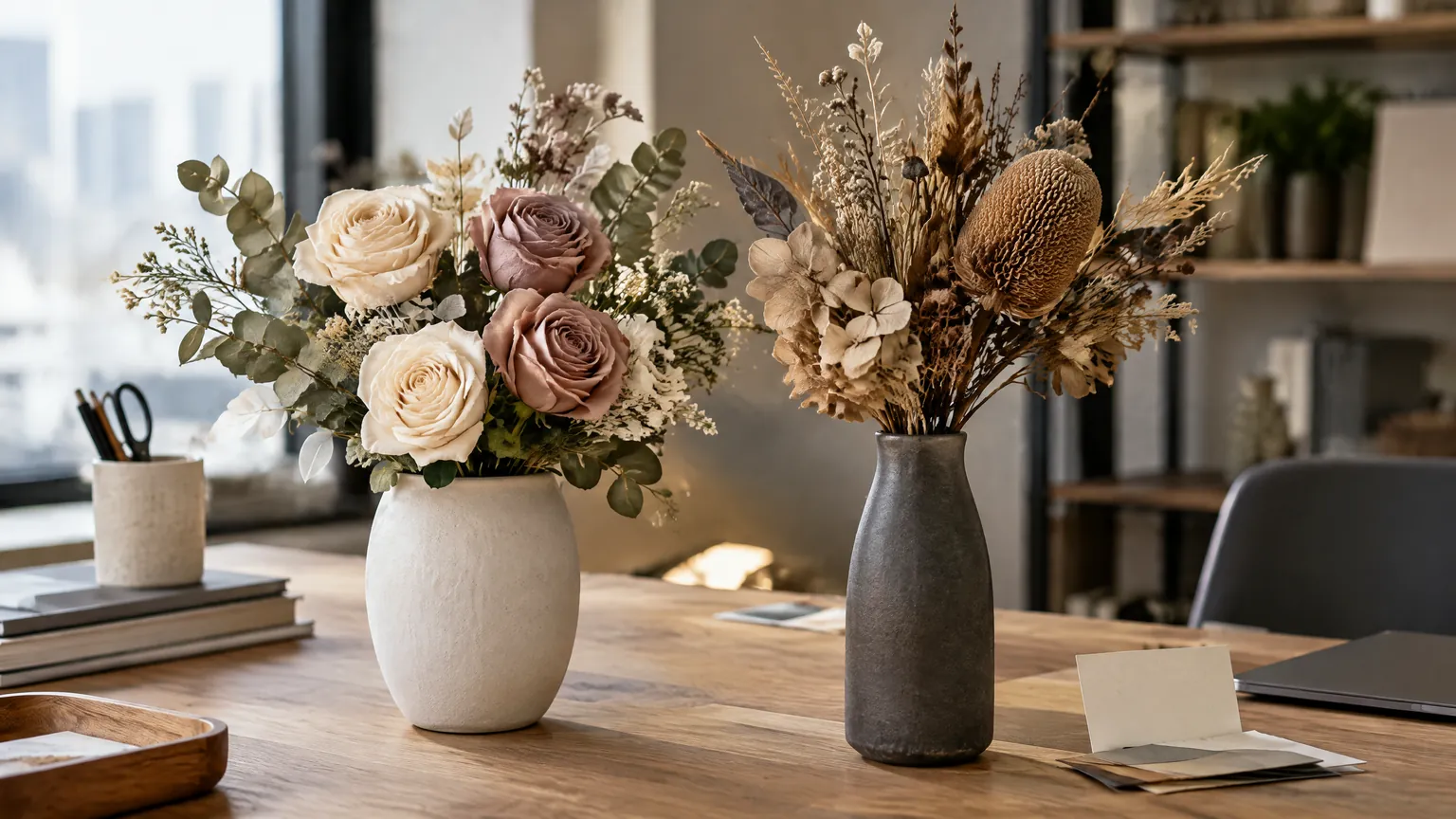
A dried-flower project may begin with prepared stems. In that case, the learning is about selecting, placing and supporting those materials. Drying flowers from fresh involves another set of decisions. Illinois Extension recommends good-quality flowers and an air-drying environment that is warm, dry, dark and well ventilated; it notes that direct sunlight can fade flowers. 1 A desk beside a bright window is therefore not automatically a suitable drying location.
Before using the Dried flower workshop resource to enquire, decide which of these activities you want to learn. Ask whether participants arrange supplied dried stems, observe drying preparation or follow a drying project beyond the session. The current page does not establish that sequence. If your interest is a small keepsake for a Hong Kong flat, learning to compose prepared materials may be enough; it need not be presented as mastery of preservation.
Test the material, not just the colour palette
Illinois Extension notes that air-dried flowers become stiff, that some flowers shrink and that some colours fade. Pressing, by contrast, produces flattened material between absorbent layers. 1 These are reasons to choose the technique around the intended object. A flat framed composition and a rounded tabletop posy require different forms; one successful project does not demonstrate control of both.
For your next practice piece, compare the silhouette before adding decorative wrapping. Record which stem was easy to place and which needed careful support. Ask how to revise the design without repeatedly forcing stiff material. If the brief includes preserved materials as well as dried ones, request their identification and care instructions separately rather than treating similar-looking stems as interchangeable.
At home, identify where you can work and where the piece will be displayed. For example, a dining corner beside the kitchen may be convenient for arranging but unsuitable for storing loose materials among cooking equipment. Discuss the actual storage environment with the provider. Do not promise that a dried arrangement will keep its colour indefinitely, and do not attempt unfamiliar chemical or heated preservation methods from a photograph.
Turn a bouquet style into specific practice questions
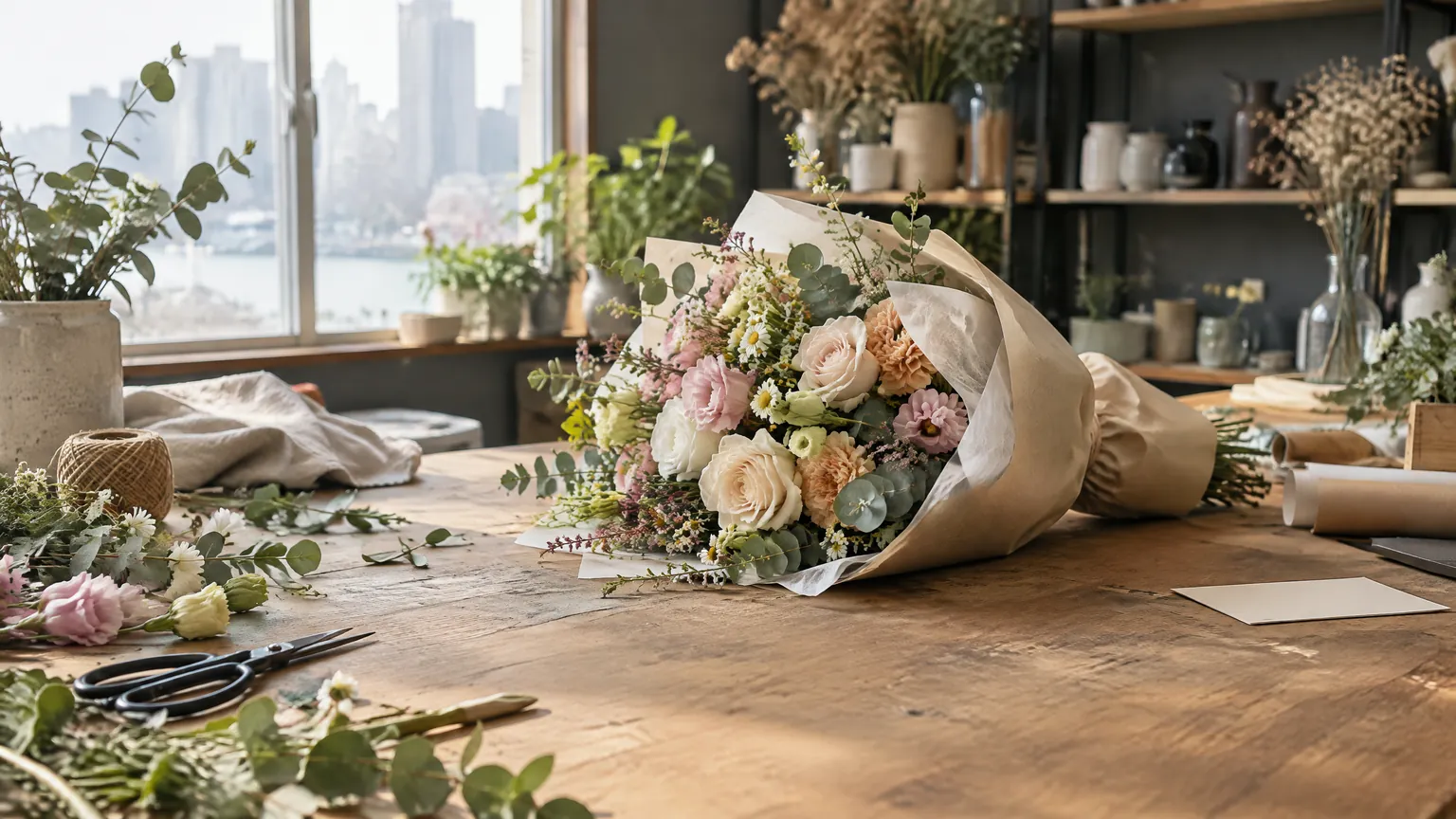
A style name is most useful when it helps you describe what you want to examine. You might be interested in open space between blooms, a soft colour transition or the relationship between the flower heads and the wrapping. Ask for examples of the proposed teaching project and name the element you hope to practise. Do not assume a national style label establishes one universal method.
The Korean bouquet class resource can help frame an enquiry about bouquet composition and wrapping, but its current copy does not confirm a particular syllabus. Ask whether learners choose flower placement themselves, practise holding and securing the bouquet, or concentrate on wrapping a prepared bunch. Confirm which part can be retried and what feedback is available before choosing it as your next learning step.
Compare the bouquet before and after wrapping
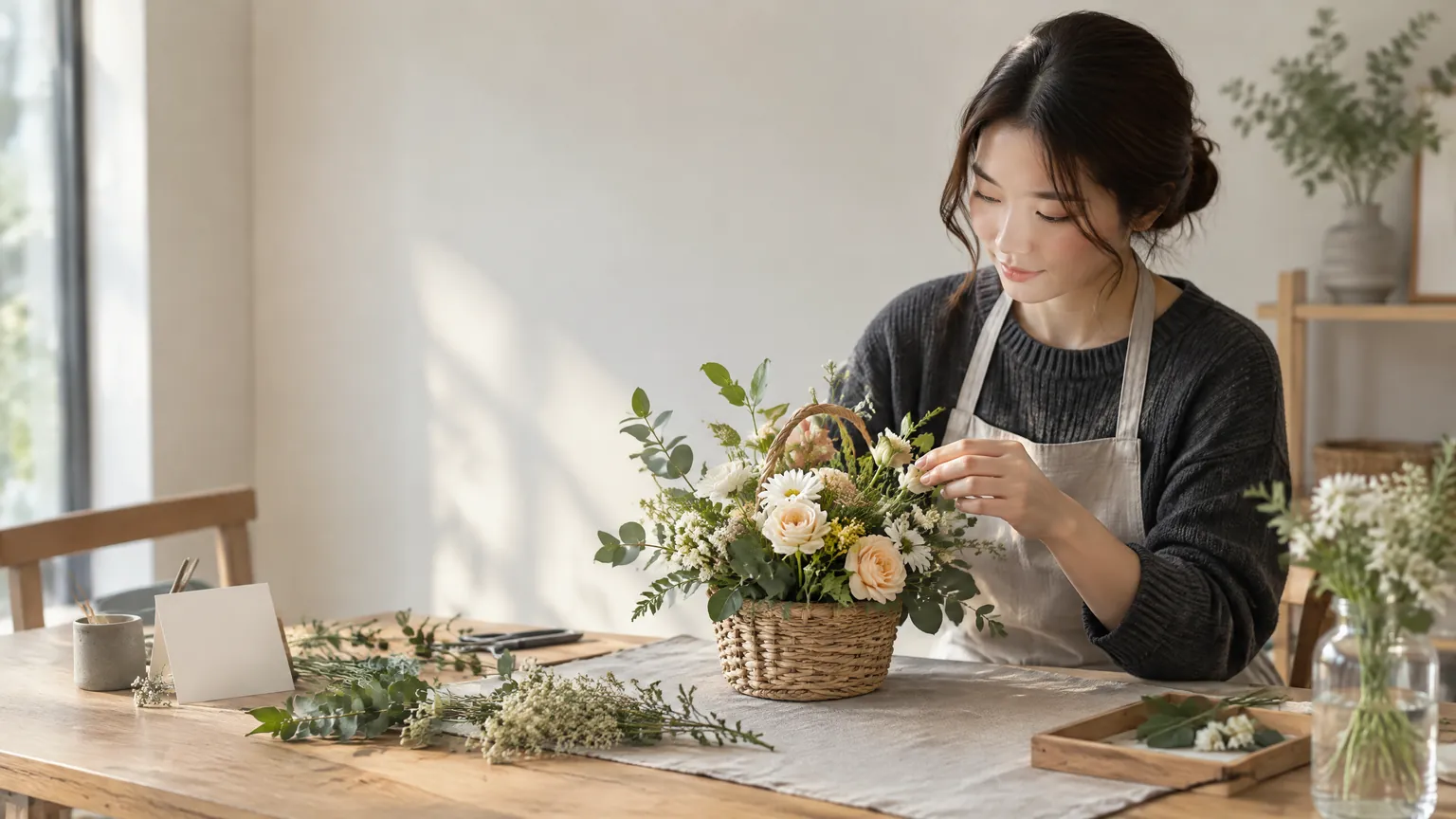
A useful practice test is to view the unwrapped bouquet from the front, side and above, then compare those views after wrapping. You are looking for an observable change: did the paper conceal an unresolved shape, or did it support a shape you had already chosen? Ask the teacher to comment on one specific point, such as whether a focal bloom is visible from the intended presentation angle.
Imagine making a farewell gift for a colleague who will carry it from Central onto public transport. A broad presentation shape may suit a posed photograph but be awkward to hold alongside a work bag. Include the recipient's journey in the practice brief. Ask how the finished piece should be supported for carrying and what care information should accompany it; neither class attendance nor attractive wrapping guarantees protection in transit.
Repeat the exercise with one changed condition, such as a narrower shape or a different paper finish. Keeping other choices similar makes it easier to see what that change does. There is no need to measure progress by making every subsequent bouquet larger. A smaller piece whose construction you understand may tell you more about your learning than a complicated piece assembled with substantial help.
Keep evidence of learning without inventing a portfolio
After a session, make a short project record. Include the brief, materials, decisions you made and the feedback you received. Photograph the result clearly, but describe it as your practice work. If a teacher selected the materials, demonstrated the exact design or adjusted the final arrangement, record that assistance. This makes your next goal more accurate and avoids presenting guided work as an independently delivered commission.
A useful repeat brief could be a low tabletop piece for a family gathering in a small flat. Another could be a compact thank-you posy intended to be held rather than placed in a vase immediately. Compare how you approached those constraints. Did you notice the container earlier? Did you ask about care before wrapping? Did you recognise where you still needed help? These observations are more informative than counting finished pieces.
Do not use a colleague's appreciation as evidence of commercial demand. A gift made without a deadline dispute or a detailed specification is different from work someone relies on for an event. Equally, avoid claiming that a practice photograph represents a real customer installation. If other learners appear in your images, ask their permission before sharing them and use a view of your own work when permission is uncertain.
At the end of this stage, you may decide that floristry is best kept as a hobby. That is a valid outcome, not a failed business plan. You might enjoy making occasional gifts but dislike repeating a design, storing materials or documenting another person's requirements. Recognising that preference before accepting responsibilities is a useful result of learning.
Treat business exploration and qualifications as separate questions
Business learning should address the work around the flowers as well as the finished object. Ask whether a proposed session discusses taking a brief, recording requested changes, planning materials, documenting substitutions and explaining care. These are questions about a syllabus, not claims that any particular workshop supplies them. Identify which topics require further learning rather than expecting one session to answer everything.
If you open the Florist startup class resource, treat “startup” as a topic to clarify. The current page does not establish an assessed business programme or a recognised qualification. Request the actual learning outcomes and ask how practical work differs from business discussion. A session might help you explore an idea, but its label cannot promise readiness to open a shop, win customers or obtain employment.
If a provider separately claims recognition under Hong Kong's Qualifications Framework, check the specific qualification, not the general workshop title. The official Qualifications Register FAQ advises matching the unique registration number against the register, or searching by programme title when no number is supplied. It also explains that the registration validity period concerns when learners commence study for the recognised qualification. 3
An attendance document should not be treated as proof of assessed competence or QF recognition without checking what it represents. The register explains that listed, quality-assured programmes include formal assessment of specified outcomes. 3 Conversely, an informal hobby session need not be chosen for a formal qualification at all. Decide whether your aim is enjoyment, practical improvement or recognised study, and verify only the claims relevant to that aim.
Fit the learning into your actual space and schedule
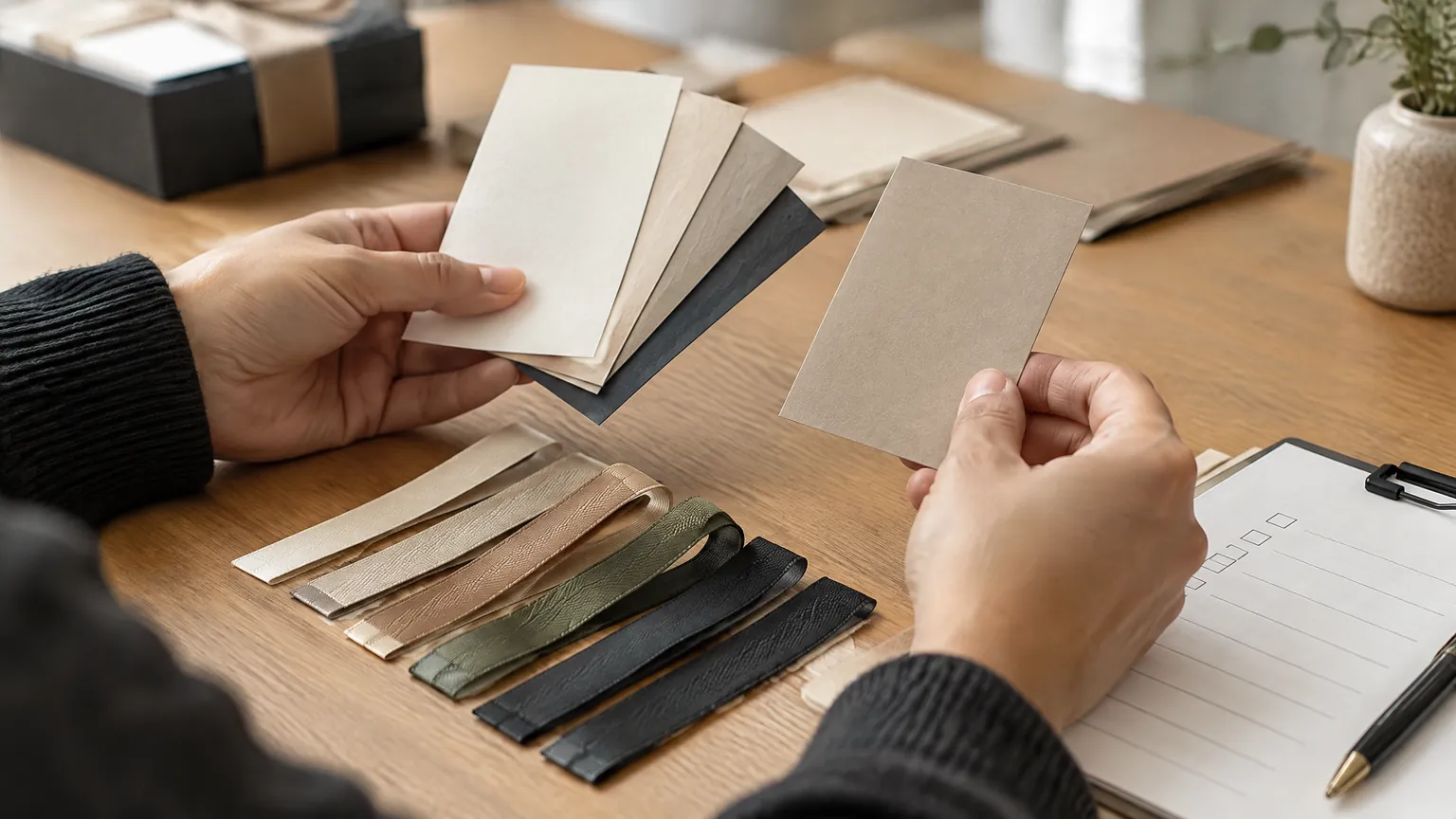
Before booking, plan the whole evening rather than only the lesson. If you finish work in Kowloon and travel home to the New Territories, ask about the actual venue and finishing arrangements, then consider carrying a fragile piece while managing your bag. Do not infer a teaching venue from a page's topic or an illustrative photograph. Confirm the instruction language and whether you can ask technical questions comfortably.
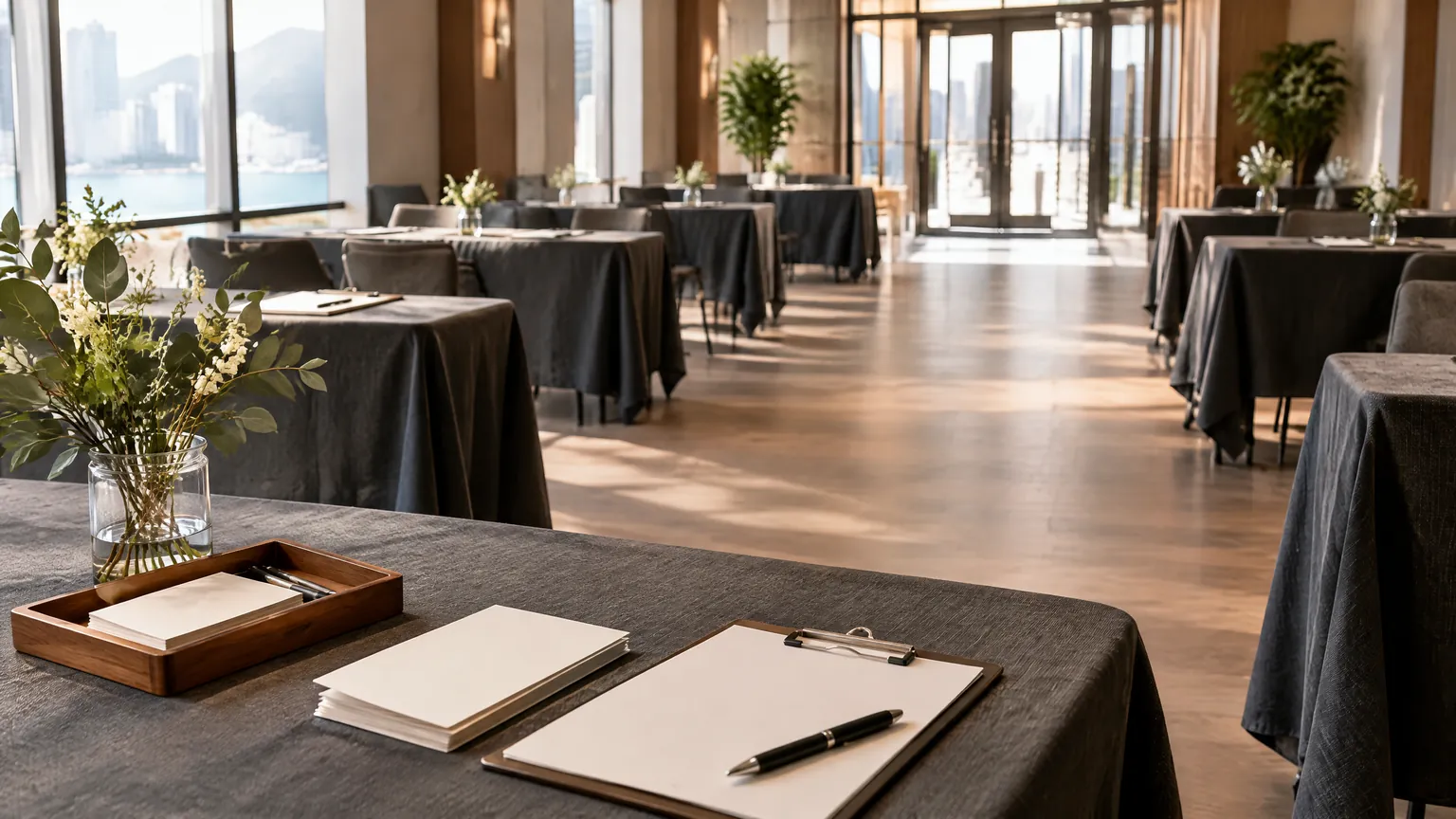
For a workplace activity, separate a shared creative experience from individual skill development. A room with clear routes and sufficient working space may support both, but colleagues will not necessarily have the same starting point. Agree whether success means completing a modest basket together or receiving individual feedback. Avoid advertising the activity to staff as business training when that scope has not been confirmed.
Use this short checklist before committing to your next step:
- Write one practical skill you want to perform or explain.
- Confirm the project, supplied materials and preparation you will do yourself.
- Ask what feedback and opportunities to retry are included.
- Check the actual venue, instruction language and carrying arrangements.
- Verify any specific qualification claim separately from the workshop name.
Then choose the smallest learning commitment that answers your current question. If you still need help with basic handling, deepen that practice. If you can explain and repeat a technique, explore a changed brief. If a business idea remains appealing, seek clearly scoped learning about responsibilities beyond the design. Let evidence from your own work determine the next step rather than a course label or a polished picture.
Common questions
Should I choose dried-flower work or fresh bouquet styling first?
Choose the technique that serves your next project. For a small display made with prepared dry materials, focus on handling and composition. For a hand-held fresh gift, ask about stem preparation, bouquet construction and care. Neither route automatically covers the other.
Will a dried-material session teach me to dry fresh flowers?
Not necessarily. Ask whether it uses supplied dried stems, demonstrates preparation or follows a drying project beyond the session. The assigned guide does not confirm that teaching sequence.
Does a startup-labelled floral session give me a recognised qualification?
The label alone does not establish recognition. Ask for the exact award and assessment details. If QF recognition is claimed, match the qualification's registration number, programme details and relevant validity period with the official Qualifications Register.
What should I record after my first bouquet session?
Record your brief, material choices, decisions, teacher assistance and one point of feedback. Keep clear photographs labelled as practice work. Use the record to choose a repeat exercise, not to imply that you completed a customer commission.
Sources & what they support
Each reference supports only the stated scope. Citations are not independent endorsements of YumYum or its branches and do not confirm a provider’s current arrangements or any individual outcome.
- Illinois Extension: Make flowers and memories last forever with drying for design (opens in a new tab)
Good-quality material selection; warm, dry, dark and well-ventilated air-drying conditions; sunlight-related fading; stiffness, shrinkage and colour changes in some dried flowers; pressing produces flattened material. The headline is not used as a durability guarantee.
- Royal Horticultural Society: Cut flowers, cutting and conditioning (opens in a new tab)
Conditioning as preparation for display; removal of foliage below the water level; clean vases and water; cooler positioning away from heat; species-specific handling needs; caution that some plants irritate skin or are poisonous. No fixed vase-life or safety guarantee is inferred.
- Hong Kong Qualifications Register: Frequently Asked Questions (opens in a new tab)
Checking claimed QF recognition by unique registration number or programme search; registration validity period and study commencement; quality-assured registered programmes include formal assessment. Does not verify recognition of any assigned floral class.