Combine Mid-Autumn Thanks with an Office Tea Break Without Confusing the Orders
GotGear and YumYum (including its gifting, baking and florist branches) share an owner; this collection is not an independent recommendation. GotGear does not provide catering, gifting, cake, floral, tuition or rental services. External-service information is separate from GotGear’s equipment catalogue; confirm the actual scope with the relevant provider. Articles are general planning information, with no promises about supply, arrangements or outcomes. Concept photos are not records of real events, customers or classes.
The short answer
Combine the occasion, not the order logic: approve takeaway gifts by recipient, refreshments by attendance, and each handover by its storage needs. Ask colleagues separately whether they will join the tea break and how they would like to receive a gift. Confirm the supplier's actual packaging, contents and delivery responsibilities before treating one seasonal enquiry as a complete office arrangement.
Combine the occasion, not the order logic: approve takeaway gifts by recipient, refreshments by attendance, and each handover by its storage needs. Ask colleagues separately whether they will join the tea break and how they would like to receive a gift. Confirm the supplier's actual packaging, contents and delivery responsibilities before treating one seasonal enquiry as a complete office arrangement.
A Mid-Autumn thank-you can be a short gathering with tea, a gift to take home, or both. The avoidable problem is assuming that everyone in the room needs the same thing. In a hypothetical Hong Kong office, a colleague working remotely may be included in the gift allocation without attending tea; a visiting project partner may join the break without receiving a staff gift. A clear distinction prevents an informal celebration from becoming a confused distribution exercise.
GotGear and YumYum share an owner. This is GotGear's planning journal, not an independent provider endorsement; GotGear does not provide food, gifts, flowers, classes or rental services.
Approve the thank-you before choosing its packaging
Start with the purpose of the gesture. Is the company thanking its whole team, acknowledging a particular project, or welcoming guests during a seasonal meeting? Write that decision in ordinary language and ask the responsible manager to approve it. Then decide who is included and whether the gift is per person, per household or per visiting organisation. These are different choices; a large decorative box does not resolve them.
For example, a Central office might hold its tea break while some operations colleagues are on duty at another workplace. Decide whether those colleagues receive the same gift through a separate collection arrangement, rather than leaving their inclusion to whoever happens to be near the pantry. The policy should be settled before cards are prepared. External recipients may also have their own gift-acceptance rules, so ask their contact before making an allocation permanent.
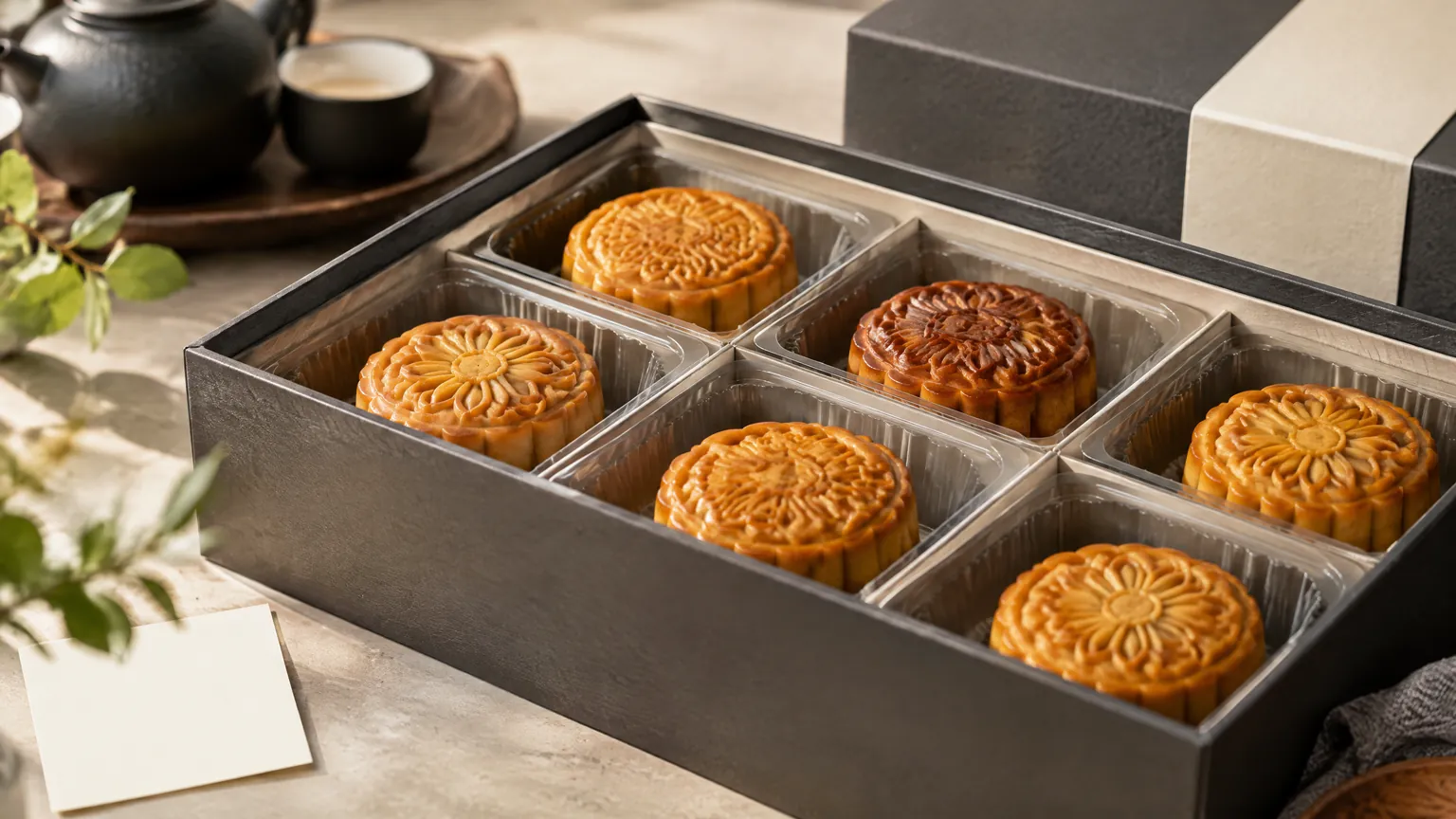
Use the same-owner service resource for Mooncake Gift Sets to begin a discussion about suitable gift formats. Ask what the proposed set actually contains, how its items are protected, and which storage instructions accompany it. Keep the product choice conditional until those answers fit the recipient's circumstances; a festive page or attractive illustration does not confirm the contents of your order.
Record who can approve a substitute if the initial choice cannot be supplied. The person responsible for the message may not be the person checking dietary requests, and reception should not have to choose a replacement on arrival. A useful approval note therefore names the gift decision-maker and the food decision-maker, even if one colleague holds both roles.

Ask about attendance and gift acceptance separately
An invitation should let someone join tea without accepting a takeaway gift, or receive a gift without joining the gathering. This need not become an elaborate survey. Ask whether they expect to attend, whether they wish to receive the proposed gift, and which offered collection arrangement suits them. State that the organiser will follow up privately on relevant food requirements. Avoid asking colleagues to explain a personal reason for declining.
Imagine a colleague leaving the office straight after the gathering for a long evening away from home. A refrigerated gift may be inconvenient even though they would welcome a small tea break. Another colleague may prefer not to receive food at all. Neither answer should be treated as lack of appreciation. A neutral thank-you message allows the gesture to remain considerate without making food consumption part of workplace participation.
Keep the information request proportionate
Recipient names, contact details and addresses can involve personal data. Hong Kong's data protection principles require collection to be related to a lawful purpose and not excessive. When collecting directly from someone, explain the purpose, the classes of recipients of the data and whether providing it is voluntary, among the required information. These principles support a restrained form, rather than a shared sheet asking everyone for a home address just in case. 2
If office collection is available, do not request a home address from that person. For an agreed separate dispatch, explain which supplier will receive the necessary delivery details and how the person can correct them. Do not copy medical explanations into the reception list. The organiser may need a private follow-up about a specific food requirement; the receiver usually needs only enough information to identify the correct package.
Do not assume that an address held for another workplace purpose can simply be reused for seasonal gifting. The data-use principle restricts use to the original or a directly related purpose unless prescribed consent is obtained for another purpose. Refer uncertain reuse to the organisation's privacy lead. A fresh recipient confirmation is a practical way to check the preferred arrangement, but it is not a substitute for the organisation's privacy obligations. 2
Choose gifts around the real route home
Storage is a selection question, not an afterthought for reception. The Centre for Food Safety advises following package instructions for mooncakes not consumed immediately, keeping snowy mooncakes at 4°C or below and ice-cream mooncakes at −18°C or below. It also advises using an icebox when carrying those types outdoors. A paper gift bag is not evidence that a chilled product can remain unrefrigerated through an evening commute. 1
Consider a hypothetical Kwun Tong team whose members collect gifts before leaving for different parts of Hong Kong. Some may go home promptly; others may meet family or attend another event first. Ask the supplier for the proposed product's actual storage and transport instructions, then offer arrangements that the office and recipients can realistically follow. Do not describe any mooncake style as suitable for an entire journey solely from its name.
Check available storage before confirming the choice
If the gift needs refrigeration, inspect usable space rather than relying on the statement that the office has a fridge. An appliance filled with staff lunches may not hold the packaged gifts. The CFS advises wrapping mooncakes properly and separating them from raw food in refrigerated storage to prevent cross-contamination. Keep the supplier's packaging and instructions with each gift rather than removing protective layers to squeeze more into a shelf. 1
Ask whether the supplier will provide recipient-facing storage information and whether the planned collection timing fits it. The organiser should know who will move an arriving product into suitable storage and who will notify recipients when collection opens. If those arrangements cannot be confirmed, revisit the product or timing before approving the order. A vacant air-conditioned meeting room is not a replacement for required refrigeration.
Specify refreshments without using the gift count
The tea order serves a gathering; the gift order conveys thanks beyond it. Build the refreshment request around confirmed attendance, the length of the break and whether people have already eaten. A short pause between meetings calls for a different arrangement from a gathering replacing a meal. Explain the intended use to the supplier rather than assuming that a seasonal gift allocation supplies the tea menu too.
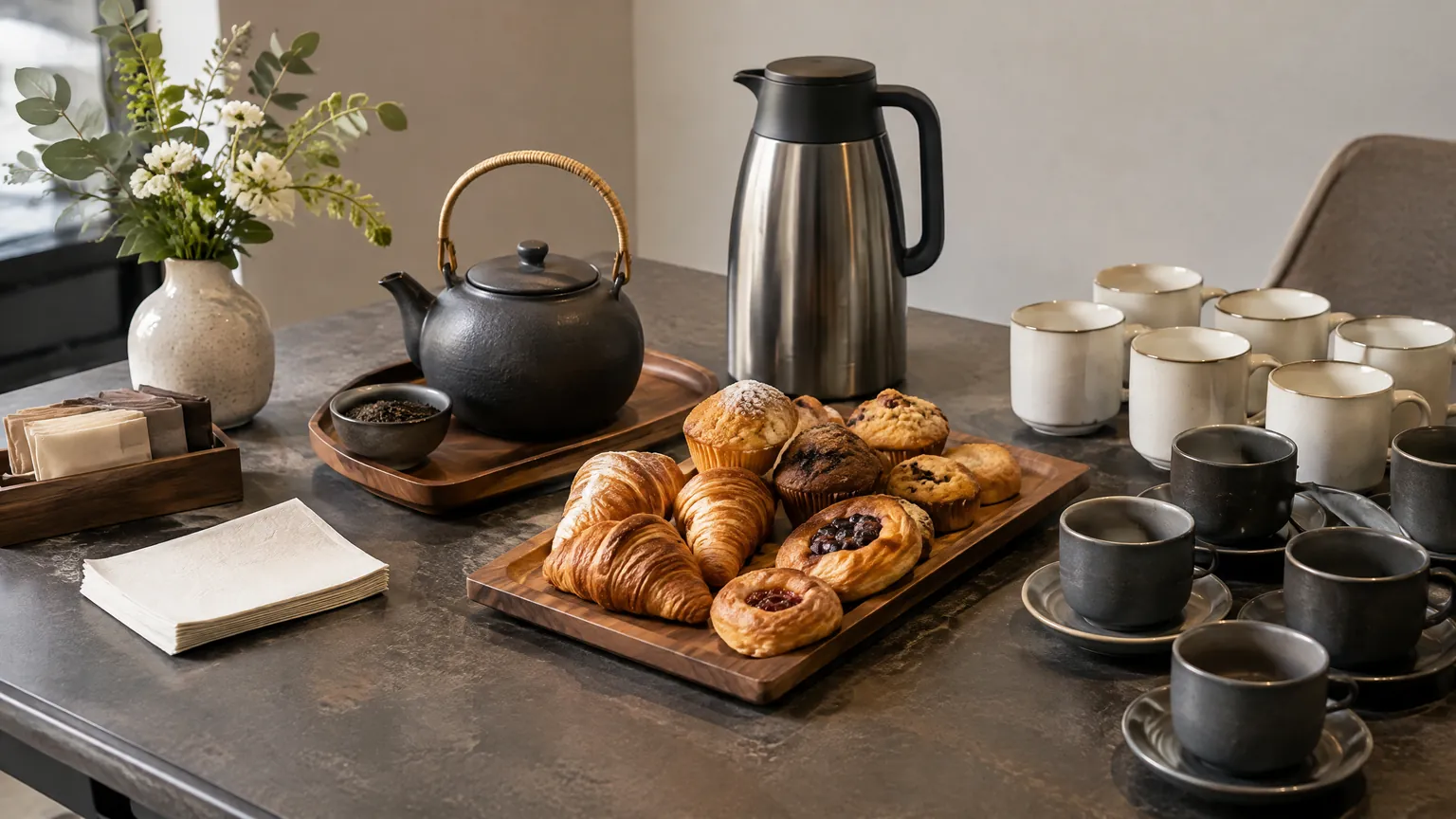
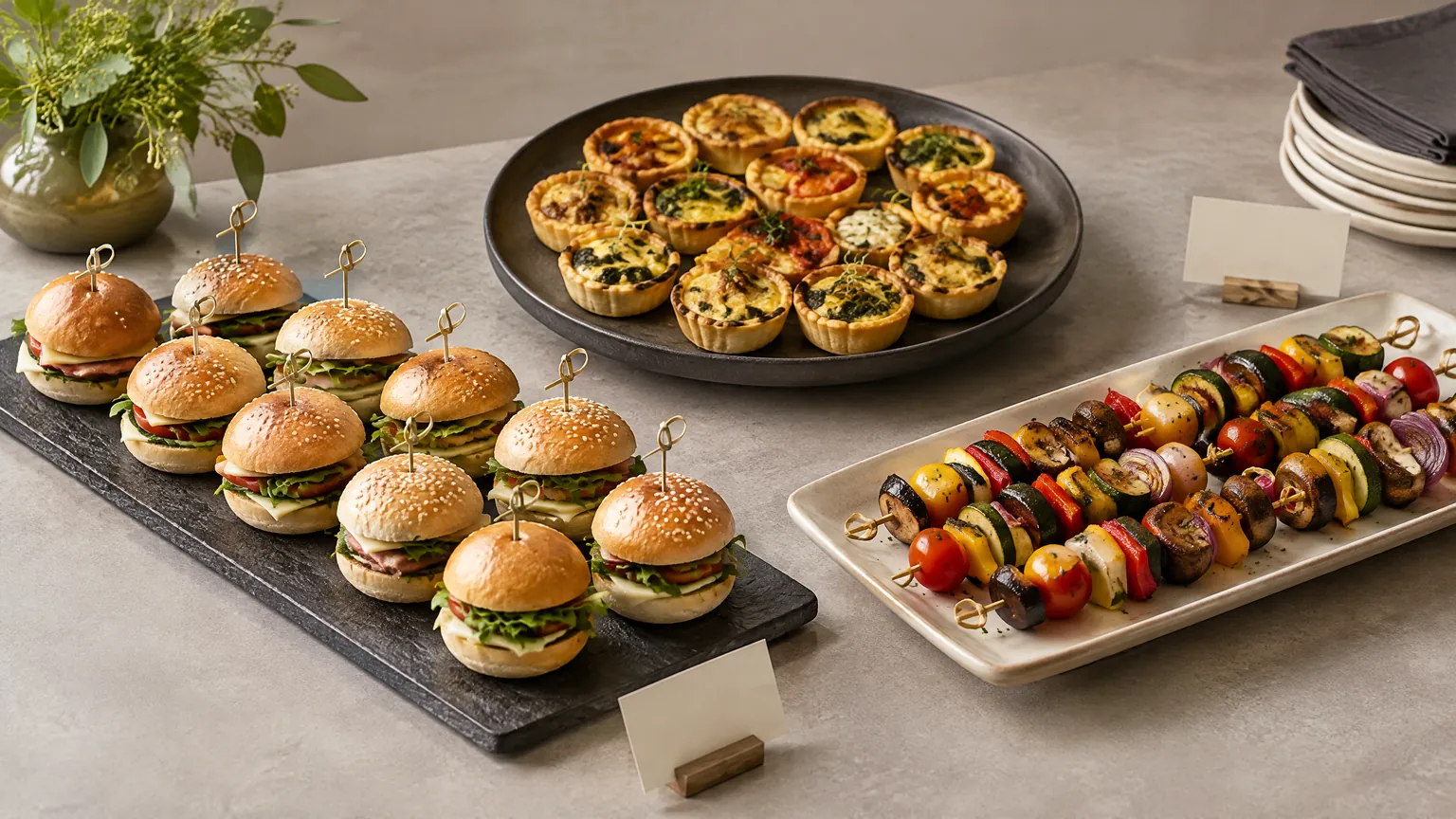
The same-owner Afternoon Tea Box Catering resource describes individual tea-refreshment formats. For this occasion, ask the supplier to confirm the actual savoury and sweet contents, relevant ingredient information, packaging and storage instructions. Also ask whether beverages and cups are included. Individual boxes may simplify handing out portions, but they do not establish allergy suitability or remove the need to check food handling and holding arrangements.
Keep intact recipient gifts away from the refreshments table. If you want mooncakes opened for sharing, authorise that as a separate food-use allocation and obtain appropriate ingredient and handling information. Otherwise, the person setting out tea may open boxes that already belong to absent colleagues. A closed cupboard or clearly separated receiving space is more reliable than expecting everyone to recognise which identical-looking packages are reserved.
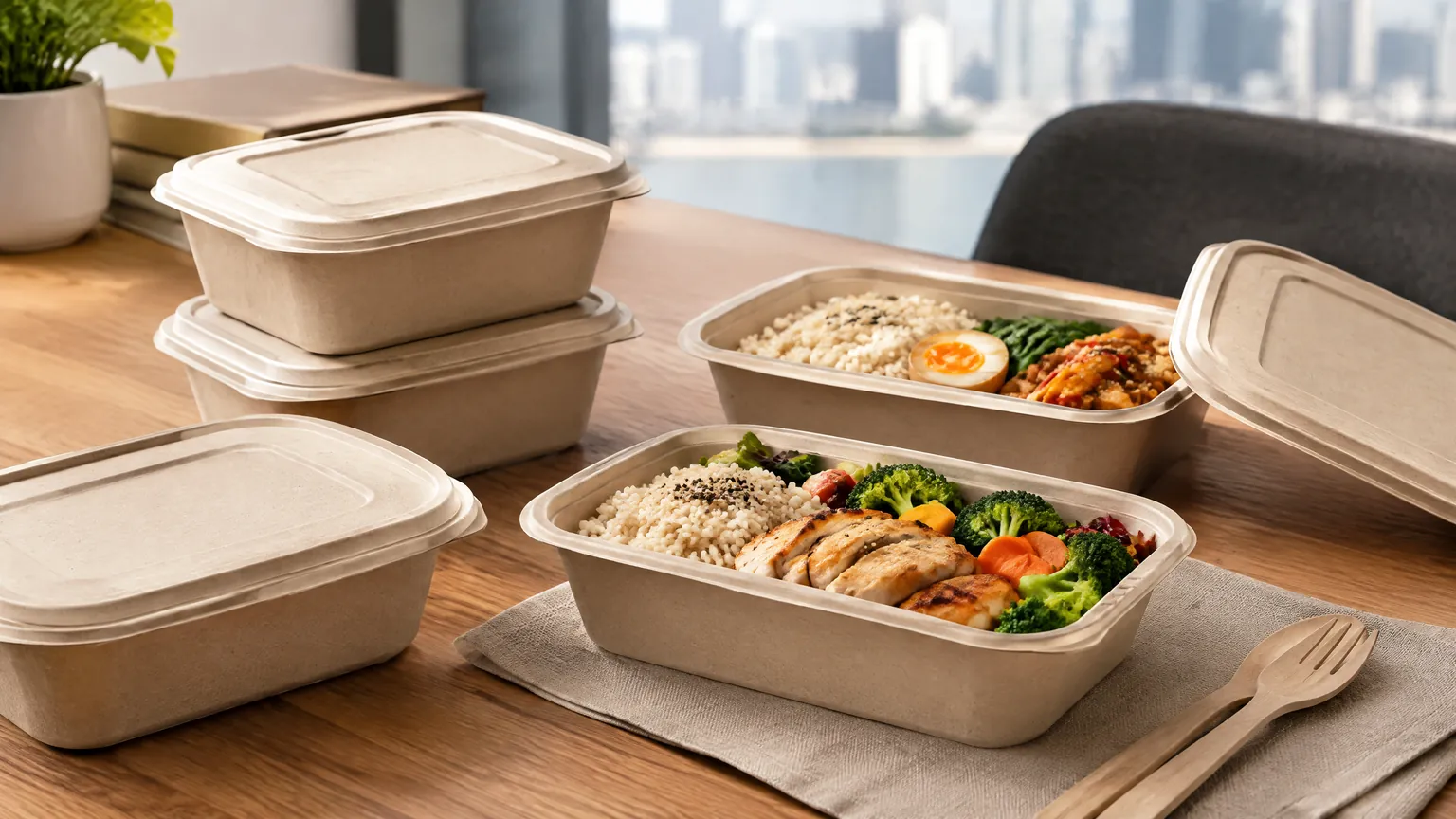
An extended training session may create a genuine meal need before the festive break. In that case, the same-owner Office Lunch Catering page is a separate enquiry resource for lunch formats, not an automatic addition to the tea order. Confirm lunch diners, serving time and individual-box or shared-platter arrangements independently. Do not turn a light thank-you gathering into a meal order unless the schedule and organiser actually require it.
Ask privately about food requirements and obtain a specific supplier response before assigning a supposedly suitable box. A vegetarian preference, an ingredient avoidance and a concern about cross-contact are not interchangeable. Tell colleagues what has been confirmed and what remains uncertain; neither festive packaging nor a broad menu label warrants an allergen-free assurance.

Make the approval note answerable by the supplier
For Corporate Mooncake Orders, use the same-owner page as the starting point for a clearly bounded enquiry. Ask whether the supplier can support your proposed gift allocation, packaging and recipient handover arrangement alongside any refreshments enquiry. Request separate written confirmation of those responsibilities. The page's broad seasonal scope should not be read as confirmation of individually addressed dispatch, personalised cards or a combined delivery schedule.
A workable approval note distinguishes the recipient gift from food intended for immediate sharing. For each, state what is being approved and by whom. If the supplier proposes a substitution, ask whether it changes storage requirements, ingredients, packaging or the message on the card. An alternative that looks equally festive may still require a different receiving arrangement.
Confirm where the supplier's responsibility ends. Is the agreed handover at a building entrance, reception counter or another permitted point? Who carries the packages onward, sets out refreshments and handles empty packaging? Check building access with the office or management contact. Do not promise upstairs access or a particular arrival window to colleagues until the relevant parties have agreed it.
Approve the card separately from the delivery details. A simple seasonal message can be warm without describing every recipient as a client or assuming that every household celebrates identically. Show the wording to the responsible person before cards are attached, and keep any personal address off material visible to the wider office.
Give reception a sequence, not a vague event name
Reception should be able to identify what has arrived without knowing the whole celebration. Provide the agreed supplier contact, receiving point, order identifiers and the colleagues responsible for gifts and refreshments. Tell the receiver which items require immediate attention to storage. Where the orders arrive together, one handover can still involve different next steps; it should not become a single instruction to leave everything beside the tea table.
For a meeting-room gathering, let the host release refreshments when the room is ready and the relevant holding instructions can be followed. Keep gift collection elsewhere if a queue would interrupt the break. CFS advice includes checking mooncake packaging and expiry dates and washing hands before handling or consuming mooncakes. Preserve the product information and use clean handling when opening any separate sharing allocation. 1
If a carton appears damaged, an expected item is missing or the storage instructions are unclear, refer that issue to the organiser and supplier before distribution. Record what was actually received rather than treating a general receipt as confirmation of every detail. Do not make an improvised safety judgement from how a product looks or whether the outer box feels cool.
For late collectors, follow the product's instructions and the agreed collection arrangement. Do not leave gifts overnight at reception by default. A colleague's unexpected absence is a reason to contact them about the next step, not to open their gift for the remaining attendees.
Close the event without leaving open-ended obligations
Before the gathering, complete this short action checklist:
- Approve who receives a gift independently of who attends tea.
- Confirm acceptance, collection preference and any necessary private food follow-up.
- Match the proposed products to verified storage space and transport instructions.
- Obtain separate confirmation of gift contents, refreshments and handover responsibilities.
- Name a substitute approver, receiver and backup contact.
Afterwards, reconcile the remaining unopened gifts with the recipient record. Confirm which colleagues still need an agreed collection opportunity and which items have already been handed over. Keep personal information accessible only to those who need it. The data protection principles require appropriate security and retention no longer than necessary for the collection purpose; close the seasonal address list under the organisation's retention policy instead of keeping it indefinitely for future celebrations. 2
The useful result is not a more elaborate festival programme. It is a thank-you that colleagues can accept comfortably, refreshments that match the actual break, and a receiving arrangement that nobody has to guess. Keep those decisions distinct and the two parts can share an occasion without being mistaken for the same order.

Common questions
Should every tea-break attendee receive a mooncake gift?
Not automatically. Approve gift recipients separately from the tea invitation. A visiting colleague may attend without a gift allocation, while an absent team member may still be included in the thank-you.
Can we collect gifts at reception and let staff take them later?
Only if the receiving space and collection timing meet the product's storage instructions. Snowy mooncakes require refrigeration at 4°C or below according to CFS advice; an ordinary reception counter does not provide that storage.
Do we need everyone's home address for a corporate gift order?
No. Do not request a home address from someone using office collection. For an agreed separate dispatch, explain the delivery purpose and data recipients, collect only necessary details, and check the organisation's privacy process.
Can unopened recipient gifts become extra tea refreshments?
Do not treat allocated gifts as spare food. Authorise any mooncakes intended for sharing separately. If allocations change, obtain the organiser's approval and check ingredient, storage and handling information before serving anything.
Sources & what they support
Each reference supports only the stated scope. Citations are not independent endorsements of YumYum or its branches and do not confirm a provider’s current arrangements or any individual outcome.
- Centre for Food Safety: Test results of seasonal food surveillance project on mooncakes all satisfactory (opens in a new tab)
Consumer advice to check packaging and expiry, follow package storage instructions, refrigerate snowy mooncakes at 4°C or below, freeze ice-cream mooncakes at −18°C or below, use an icebox outdoors, separate wrapped mooncakes from raw food and wash hands before handling. Does not verify a named supplier or an individual order.
- Community Legal Information Centre: The meaning of personal data and the six data protection principles (opens in a new tab)
Related and non-excessive collection, collection-purpose information and transfer classes, accuracy, necessary retention, prescribed consent for a new use and appropriate security. Supports restrained recipient-data handling without implying that every gift requires statutory consent.