When Training Attendance Changes Late, Reconfirm Lunch in the Right Order
GotGear and YumYum (including its gifting, baking and florist branches) share an owner; this collection is not an independent recommendation. GotGear does not provide catering, gifting, cake, floral, tuition or rental services. External-service information is separate from GotGear’s equipment catalogue; confirm the actual scope with the relevant provider. Articles are general planning information, with no promises about supply, arrangements or outcomes. Concept photos are not records of real events, customers or classes.
The short answer
Reconfirm who needs lunch first, then ask what can still change in the accepted order. Settle the revised meal quantities and contents before confirming the delivery handover and individual meal identification. Keep a fallback ready until the provider explicitly accepts the amendment; a changed attendance list does not itself change a food order.

Reconfirm who needs lunch first, then ask what can still change in the accepted order. Settle the revised meal quantities and contents before confirming the delivery handover and individual meal identification. Keep a fallback ready until the provider explicitly accepts the amendment; a changed attendance list does not itself change a food order.
For a Hong Kong training organiser, the difficult case is rarely a simple increase or decrease. An afternoon-only participant joins, a trainer leaves before lunch, and an attendee switches from in-person to remote. These changes affect different meals. Treating them as one new attendance total can leave the organiser with the right number of names but the wrong lunch allocation.
GotGear and YumYum share an owner. This journal provides planning information, not an independent endorsement; GotGear does not supply food, flowers, gifts, classes or rental services. The practical sequence below separates your internal decision from the food provider's acceptance.
Start with lunch attendance, not the registration total
Make a lunch list from the current training timetable. Ask whether each person will be present during the meal break and whether they actually need an organised meal. Include trainers, interpreters and support colleagues where lunch is intended for them. Keep people attending remotely or arriving after lunch out of the meal total unless a separate arrangement has been agreed.
Consider a hypothetical workshop in Kwun Tong: several registered participants leave after the morning session, while another colleague joins for the afternoon exercise. The afternoon arrival increases attendance but may not increase lunch demand. A trainer staying through the break may need a meal even if their name never appeared on the participant registration form. Resolve these details before sending an amendment.
Show both the old order and the requested change
Retain the accepted meal breakdown alongside the new request. Mark a person as an addition, a cancellation request or a replacement, rather than silently overwriting their row. If one attendee replaces another, the total may stay unchanged while the menu requirement changes. An unchanged headcount is not proof that the original boxes still fit.
Use plain status wording: requested, accepted or unresolved. A colleague's message saying they cannot attend belongs in your internal record; it does not prove the provider has removed their meal. Ask one coordinator to send amendments so that separate messages from the trainer and administrator do not create competing versions.

Find out what stage the accepted order has reached
Once the meal need is clear, ask the provider whether the order is still amendable, already being prepared, packed or dispatched. Do not assume an advertised short-notice option allows an existing order to be rewritten. Increasing a standard meal quantity, substituting an ingredient and changing the destination are different requests, and each may have different limits.
For a genuinely new short-notice requirement, YumYum's Same Day Catering page is a resource for exploring meal formats and enquiry questions. Give the provider the actual date, required eating time and quantity, and ask what is available for that order. Do not tell participants that an extra lunch is arranged until the provider accepts the request and confirms a workable handover.
Ask about additions and reductions separately. If fewer people need lunch, find out whether quantities can still be reduced and whether the accepted order terms change. If more people need lunch, check whether extra meals can accompany the original batch or require another arrangement. Neither outcome should be inferred from a general website description.
Set an internal decision point before the training team must announce lunch arrangements. This is your coordination deadline, not a claimed supplier cutoff. If the provider cannot resolve the request by then, move to the agreed fallback rather than keeping participants waiting for an uncertain answer. Leave the original order intact unless a change is explicitly accepted.

Reconcile quantities and contents before moving the handover
Send the old breakdown and the requested final breakdown in the same message. Distinguish standard meals from meals needing a different menu. Ask the provider to restate what they can supply, rather than accepting a reply that only says the new headcount is noted. The useful confirmation describes the meal types as well as the total.
If the original plan uses sharing trays, ask whether the revised quantities still suit the people eating and the available serving space. Do not invent a portion conversion from trays to individual boxes. Moving to boxed meals may simplify allocation, but it is a format change requiring confirmation, not an administrative relabelling of the same order.
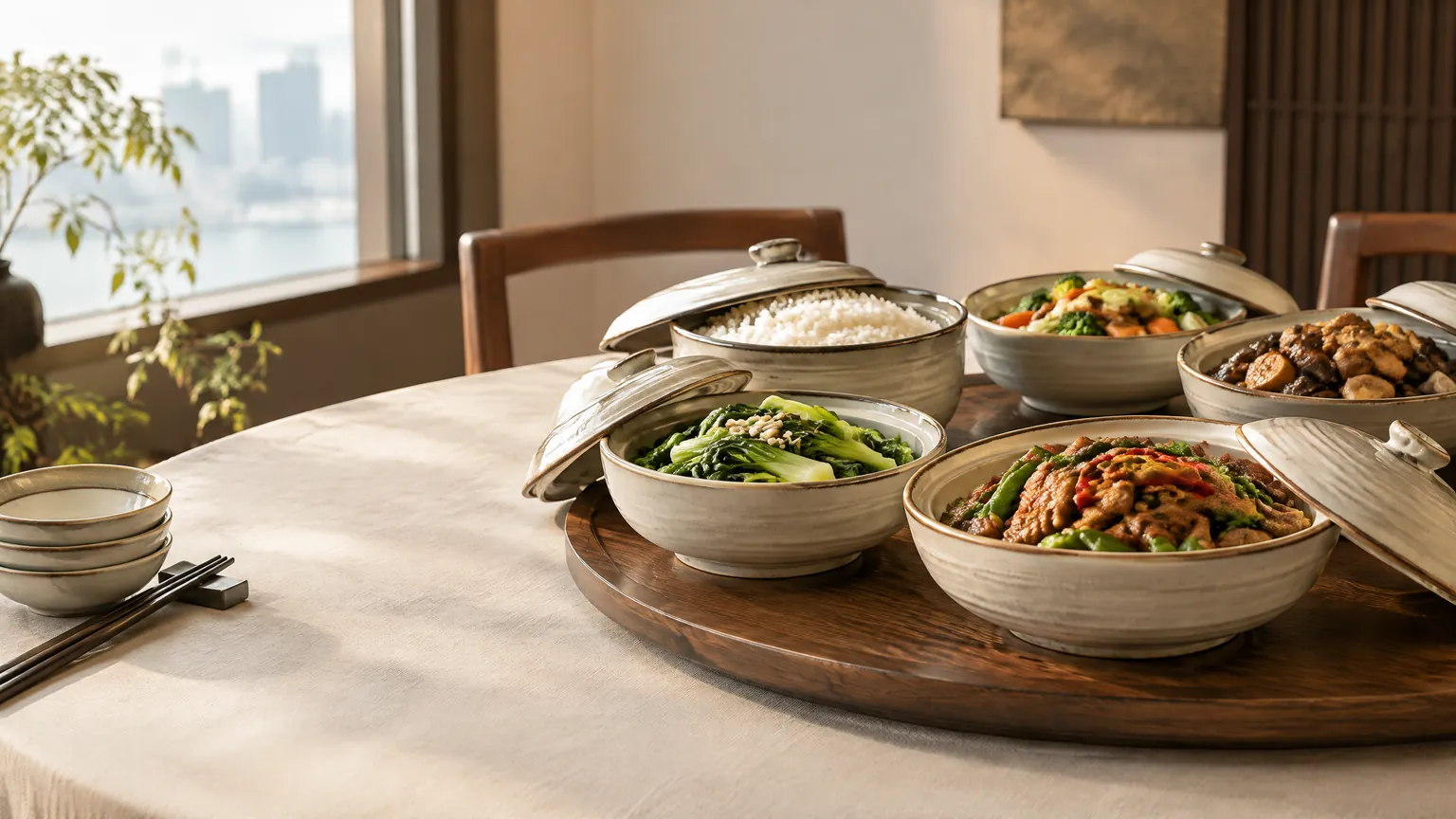
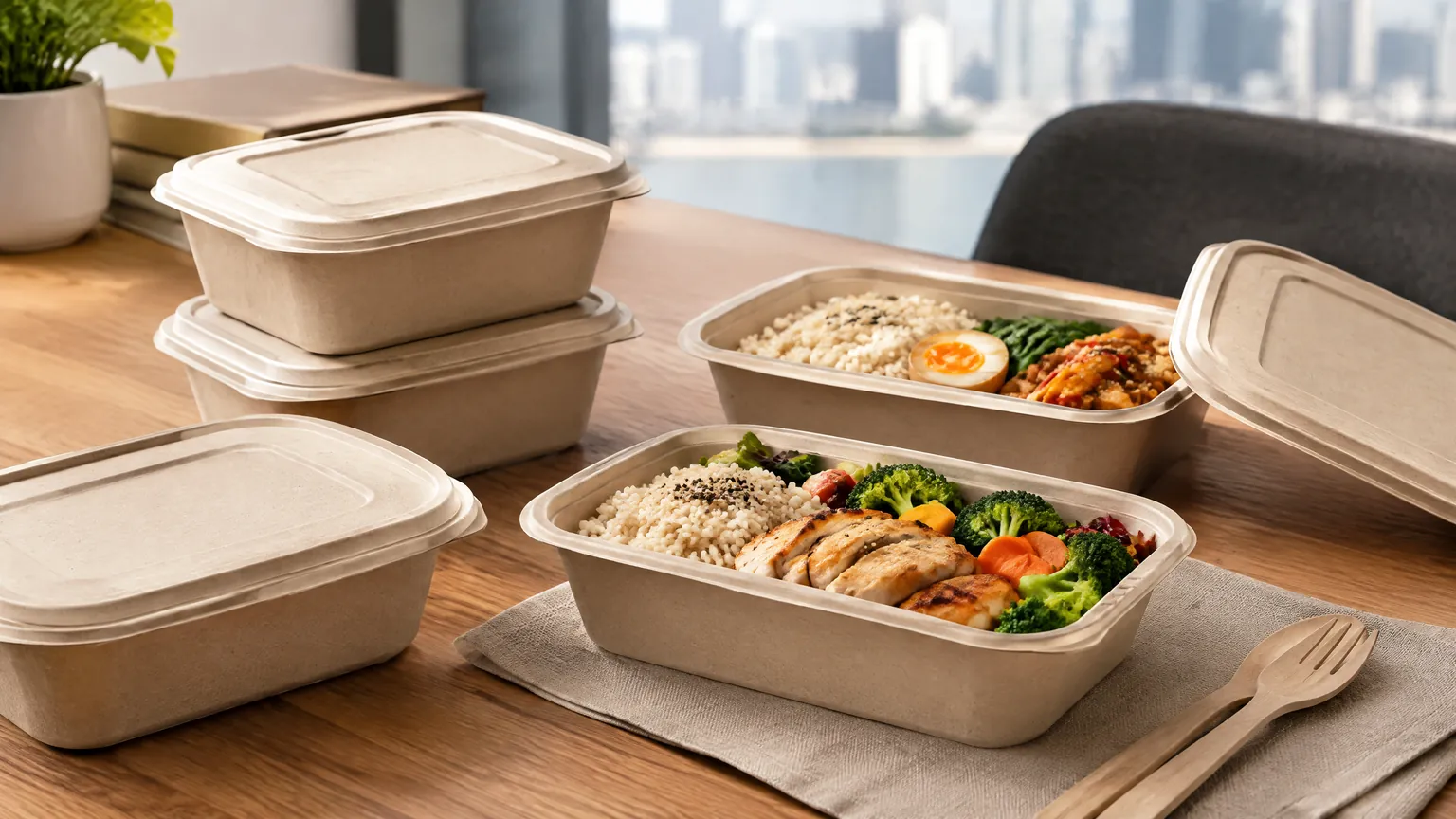
YumYum's Bento Box Catering page describes individual lunch-box formats relevant to training meals. Use it to consider whether separate portions would make the revised allocation easier to manage, then confirm the actual contents and available quantities. Closed individual containers make counting more straightforward, but they do not establish ingredient suitability or permission to change an accepted menu.
Check utensils, drinks and any separately packed components after settling the meal breakdown. An increase in lunches may require more cups or cutlery, while a reduction does not automatically alter an accepted drinks order. At a rented training room, ask what is already available rather than assuming an office pantry is accessible.
Treat dietary changes as a separate acceptance question
A late replacement attendee may require a different meal even when the overall count stays the same. Ask privately for the exact requirement and pass on the relevant information without guessing from a broad label such as vegetarian. For an allergy-related request, ask the provider about the complete meal, ingredient substitutions and possible allergen cross-contact. The UK's Food Standards Agency recommends these consumer questions when ordering food; its legal requirements are not being presented as Hong Kong law here.3
Keep the request unresolved until the provider has explained what can and cannot be accommodated and the participant has the information needed to decide. Do not turn a general statement about menu flexibility into an allergen-free assurance. If the answer is unclear, discuss a participant-led alternative rather than improvising a replacement dish or removing an ingredient at the receiving desk.
Reconfirm the destination and who will receive the food
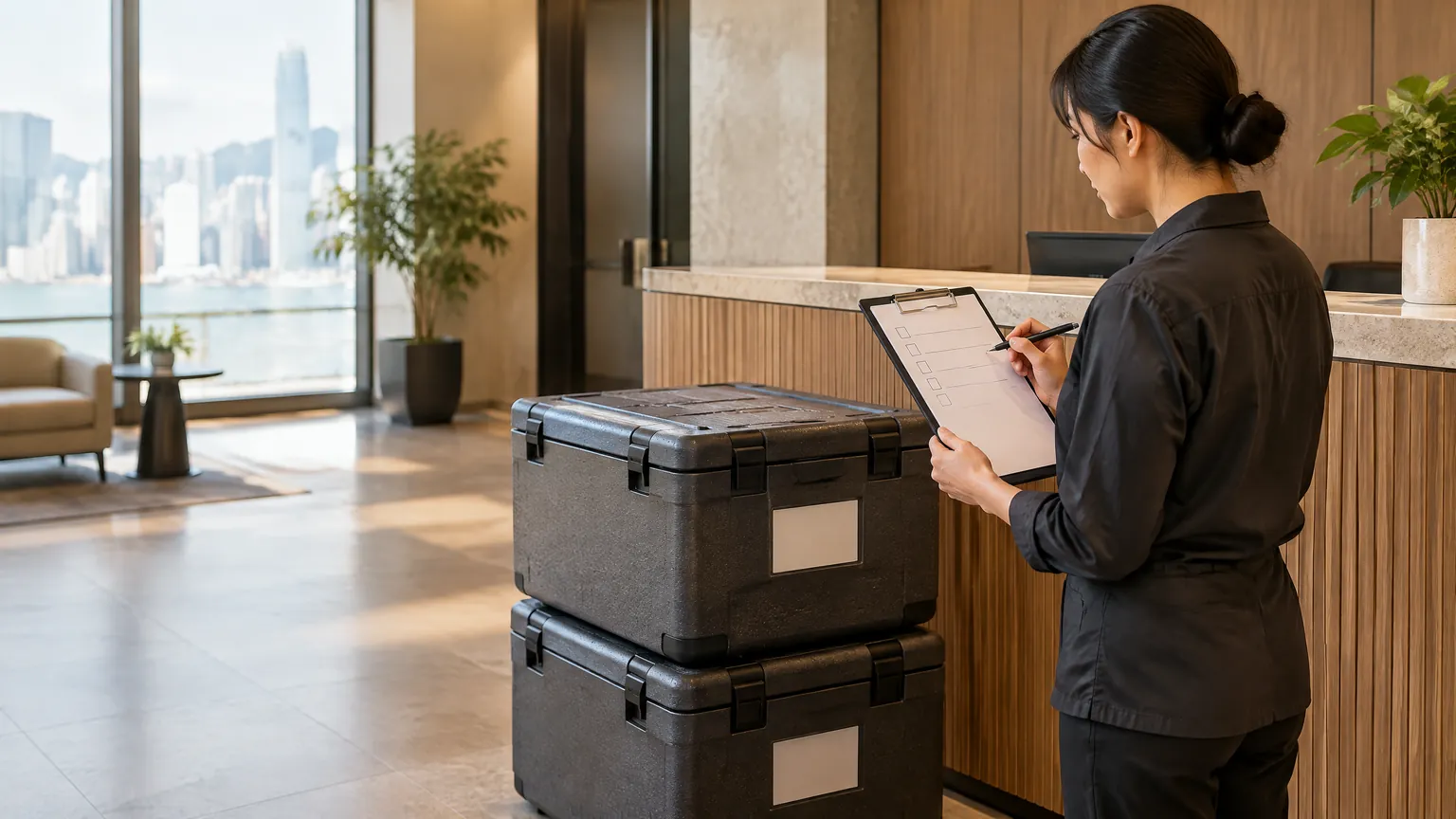
Only after the meal scope is settled should you confirm how the revised order reaches the people eating it. Write the building name, address, floor and intended handover point together. If attendance changes require moving the workshop to a different room, say whether this changes the delivery destination or only the route after reception receives it.
YumYum's Catering Delivery page covers packaged meal and sharing-dish delivery considerations. Use that scope to frame an enquiry about your specific handover: where the food can be received, who will meet it and what access arrangements apply. An office address alone does not confirm delivery to a training-room door, an MTR meeting point or another location.
For example, a workshop in a Central office tower might move floors while keeping the same building. Check with reception whether the named receiver can collect the food and take it to the revised room. In a Kwun Tong commercial building, clarify the correct entrance and whether a trolley route or goods lift is needed. These are hypothetical planning examples, not claims about any provider's coverage.
Choose a receiving colleague who will be free during the expected handover, with a backup if that person is also facilitating the session. Confirm an arrival window that works with building access and the intended eating time. A later lunch break does not automatically mean the provider can postpone dispatch, especially if the original batch is already travelling.
Protect individual meal details without losing the allocation
Keep attendance information and sensitive meal details separate where possible. The general session list can show who needs a lunch and whether that lunch is confirmed. Limit access to the fuller dietary record to people who need it for ordering and handover. Do not publish a participant's private explanation on a room noticeboard just to help distribute boxes.
City University of Hong Kong's summary of the data protection principles explains that personal-data collection should be necessary rather than excessive, records should be accurate, and practical safeguards should prevent unauthorised access. These principles support a restrained lunch-list design: explain why meal information is collected, check corrections and avoid retaining it longer than needed.2
Ask the provider how different meals will be distinguished and keep the identification consistent with the accepted breakdown. A neutral meal code may be useful, but the organiser must still know which participant it belongs to. Do not assume an unlabelled box can be identified by appearance. The Food Standards Agency specifically advises asking for meals and containers to be labelled when ordering takeaway food for several people.3
Give the receiver the final accepted version, not the most recently edited request. Mark unresolved meals visibly in the private coordination record so that the receiving team does not distribute a standard box as a supposedly confirmed alternative. A box being present is not the same as that person's requirement being met.
Plan the break around food handling, not just the agenda
When training runs late, tell the provider and receiver promptly. Ask whether the accepted handover can change and what holding instructions apply if food arrives before the revised break. Do not leave delivered lunches on a side table while waiting for an open-ended exercise to finish.
Hong Kong's Centre for Food Safety advises keeping hot delivered food above 60°C and cold food at or below 4°C. It also explains that time outside appropriate temperature control is cumulative across handling, storage and transport. Arrival at the office does not reset that history, and an insulated-looking carrier alone does not establish the food's holding conditions.1
For the organiser, the immediate decision is whether lunch can proceed as planned or whether the session needs a practical adjustment. Ask for the provider's handling instructions and consider the venue's actual facilities. If handling time is uncertain, the CFS advises consuming delivered food as soon as possible; do not stretch the break merely because the room is air-conditioned.1
At receipt, compare the delivered breakdown with the accepted order and check container integrity and general conditions. CFS recommends these checks for delivered food.1 Record a discrepancy and contact the provider promptly. Keep drinks on a separate clear surface where practical, and distribute the confirmed meals without unnecessary opening, swapping or repacking.

Use a fallback that leaves no participant guessing
Prepare alternatives before you know whether the amendment is possible. Depending on the training timetable, you might retain the accepted order for those already covered and agree a separate lunch arrangement for late additions. Another option is a clearly communicated independent lunch break. Check any workplace approval needed for the arrangement before presenting it as settled.
YumYum's Office Lunch Delivery page introduces workplace meal options such as individual lunches, sandwiches and salads. It can inform a separate meal enquiry when extra training lunches cannot join the accepted batch. Confirm that new enquiry independently; an office-lunch category page does not establish availability, an amendment policy or compatibility with your existing delivery.
For a participant with a specific dietary requirement, ask which fallback they prefer after explaining the provider's limits. They may choose an independently arranged meal or bring their own. Do not assume a nearby option will meet the requirement, or require someone to accept a standard meal because the main order is already confirmed.
Tell participants only the arrangement that is accepted. A useful update might explain that the original lunches remain confirmed, while late additions will have a separate break arrangement. Give the relevant time and meeting point without sharing private meal details. This is clearer than announcing a revised group lunch while its final quantities are still unresolved.
A short action checklist before the next session starts
- Check who will eat during the break, including trainers and support colleagues.
- Preserve the accepted order and send one clearly marked amendment request.
- Obtain acceptance of the meal breakdown, then reconfirm handover and access.
- Match individual meals to the agreed identification and keep private details restricted.
- Share the confirmed plan or activate the fallback before participants need to decide.
After lunch, reconcile what was requested, accepted and received. Keep any unresolved discrepancy for follow-up under the agreed order terms. The point is not to eliminate every late change; it is to stop an attendance change from becoming an unconfirmed food commitment.

Common questions
Does a lower attendance count automatically reduce the lunch order?
No. Record the lower meal need internally, then ask whether the accepted quantity can still be reduced. Keep the original accepted order as the operative version until the provider confirms the amendment and any changed terms.
What if a replacement attendee needs a different meal but the total stays unchanged?
Send a menu substitution request separately from the headcount update. Confirm the exact requirement, the complete meal and the provider's handling limitations. An unchanged total does not make the original meal suitable for the replacement attendee.
Should lunch delivery move later when the training session overruns?
Only if the provider accepts the revised handover. First establish whether the food is already prepared or dispatched. If it arrives at the original time, follow the handling instructions and adjust the session rather than assuming it can wait indefinitely.
What should I announce if extra meals are still unconfirmed?
State which lunches remain confirmed and explain the agreed fallback for late additions. Do not announce that the revised group order is complete while quantities, individual requirements or the separate handover remain unresolved.
Sources & what they support
Each reference supports only the stated scope. Citations are not independent endorsements of YumYum or its branches and do not confirm a provider’s current arrangements or any individual outcome.
- Centre for Food Safety: Control for Safe Delivered Foods (opens in a new tab)
Hot and cold holding temperatures; cumulative time outside temperature control across handling, storage and transport; prompt consumption when handling time is uncertain; checking delivered-food container integrity and general conditions.
- City University of Hong Kong: Ordinance and Principles (opens in a new tab)
Necessary rather than excessive personal-data collection, accuracy, purpose-related use, limited retention and practical protection against unauthorised access; applied editorially to private meal details and attendance records.
- Food Standards Agency: Food Allergy and Intolerance Advice for Consumers (opens in a new tab)
Consumer questions about complete meal ingredients, last-minute recipe changes and possible allergen cross-contamination, plus identification of meal containers in group takeaway orders. UK legal requirements are not represented as Hong Kong law.