Keep an Onboarding Lunch Moving When Teams Eat in Shifts
GotGear and YumYum (including its gifting, baking and florist branches) share an owner; this collection is not an independent recommendation. GotGear does not provide catering, gifting, cake, floral, tuition or rental services. External-service information is separate from GotGear’s equipment catalogue; confirm the actual scope with the relevant provider. Articles are general planning information, with no promises about supply, arrangements or outcomes. Concept photos are not records of real events, customers or classes.
The short answer
Plan each lunch wave separately, reserve its confirmed meals and appoint someone outside the training room to receive them. Agree the building handover and the later team's holding or separate-arrival arrangement before ordering; one delivery does not automatically suit two breaks.
Plan each lunch wave separately, reserve its confirmed meals and appoint someone outside the training room to receive them. Agree the building handover and the later team's holding or separate-arrival arrangement before ordering; one delivery does not automatically suit two breaks.
Consider a hypothetical onboarding day in a Kwun Tong office. New starters finish their morning introduction first, while their team buddies remain on a customer-support rota until a later break. Both groups should have an organised lunch, but they cannot collect it together. The task is to connect the timetable, confirmed order and reception handover so the second group is not left with whatever remains.
GotGear and YumYum share an owner. This is a planning article in GotGear's journal, not an independent endorsement; GotGear does not provide catering or other food services.
Start with lunch waves, not the room booking
A training-room attendance list is not yet a lunch order. Some facilitators may leave before lunch, a remote colleague may join only the afternoon session, and the receptionist may need a meal despite not attending training. Ask who needs lunch on site and when they can actually eat. Put each confirmed diner in one lunch wave, with a meal choice and a named contact for changes.
In this example, the earlier wave contains new starters and their facilitator. The later wave contains buddies released from the support desk. Keep their allocations separate even if everyone chooses the same dish. A total tells the provider how many meals are requested; wave subtotals tell the office which meals must remain available after the first collection.
Give the internal reply deadline enough separation from the provider's confirmed order deadline to resolve missing answers. Record a submitted version rather than silently changing the live sheet afterwards. If a buddy becomes absent, the internal list can show that change, but the confirmed order remains unchanged until the provider accepts an amendment. This avoids a receptionist receiving a different quantity from the one the organiser expects.
Ask for meal information privately
A simple request form can ask for lunch participation, collection wave and meal preference, with a private route for dietary questions. Explain why the information is needed and who will receive it. Hong Kong's data-protection principles call for collection that is adequate but not excessive, appropriate security, accurate records and retention no longer than necessary for the purpose. A publicly editable sheet of personal dietary explanations is therefore a poor default. 2
Use a neutral meal code on the distribution sheet where practical, with the necessary detail held by the organiser. Do not collect medical histories to organise lunch. For an allergy or other requirement, obtain the provider's specific ingredient and handling response and let the colleague consider whether the proposed meal meets their needs. A dish name alone does not establish suitability or absence of cross-contact.

Choose a format that protects the second group's allocation
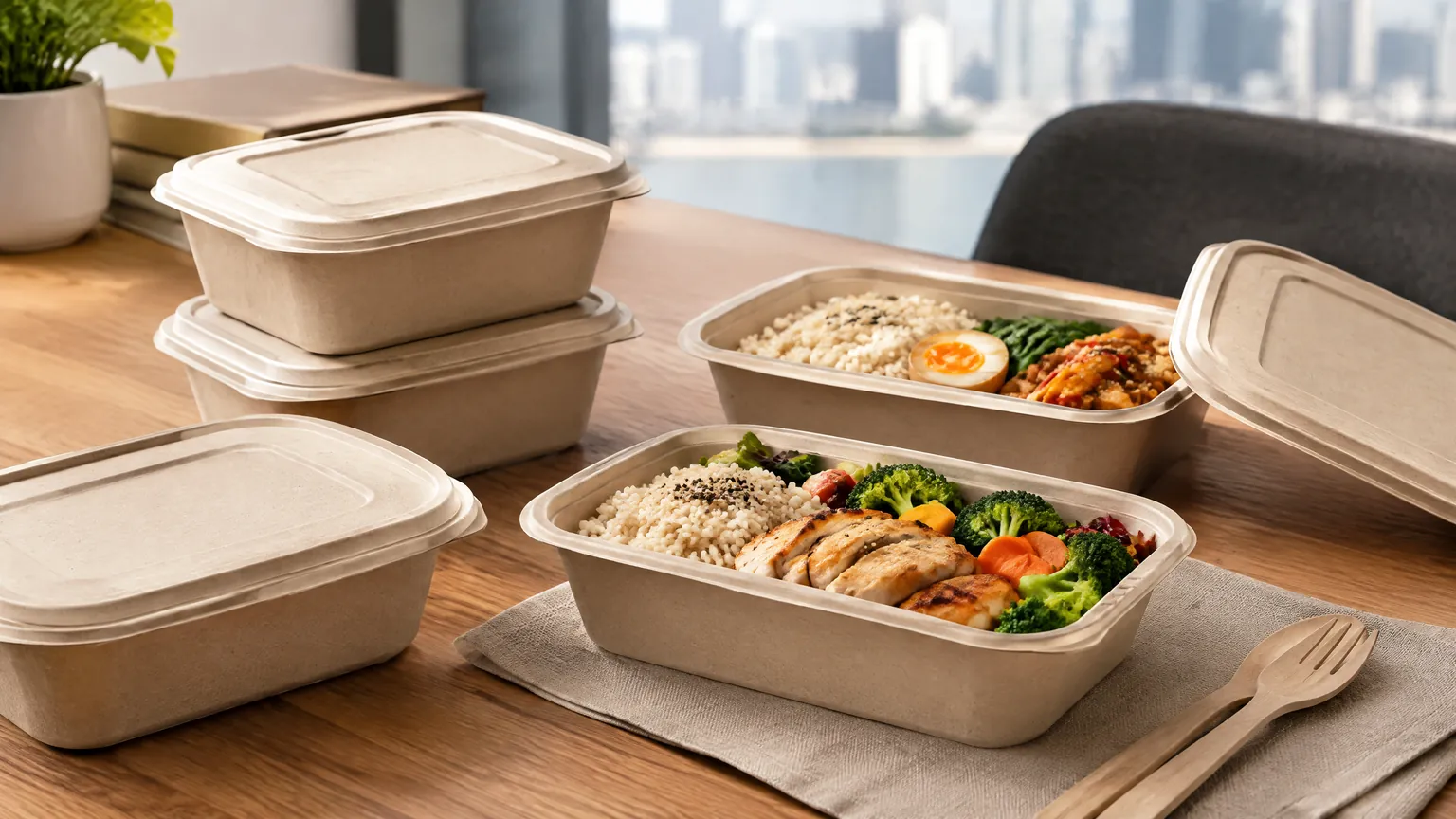
Individual meals make it easier to reserve a portion for someone who cannot leave their desk yet. They also let reception compare delivered quantities with the order without opening every container. The trade-off is packaging volume and the space needed to sort boxes. Confirm how choices will be distinguished, whether utensils are included and whether containers are suitable for the agreed handling arrangement.
YumYum's Bento Box Catering page is a resource for comparing individual lunch-box formats. For this onboarding day, the useful question is whether the confirmed selections can be identified and divided into the two requested allocations. Treat the page's examples as a starting point for discussion, not confirmation of a particular menu, dietary suitability or arrival arrangement.
Sharing platters can suit a group that sits down together and has space to serve itself. They are harder to allocate when the first wave serves freely and the second wave arrives later. If shared food is preferred, ask whether separate, clearly allocated portions for each wave are possible and how the later portion would be held. Do not plan the second lunch around uncertain leftovers from the first.
The Office Lunch Catering resource describes individual and shared workplace meal formats. Compare those formats against the actual break pattern: boxes may fit staggered collection, while shared dishes need an agreed serving and allocation arrangement. Confirm the order's contents and any setup responsibilities directly rather than assuming that a workplace package includes every accessory or a person to distribute it.
Confirm the building handover before finalising the order
An office address is only part of the delivery instruction. For the imagined Kwun Tong workplace, the organiser should check with building management where food can be handed over, which entrance is appropriate and whether an internal colleague must bring it upstairs. If a service lift is required, confirm its permitted use rather than assuming it is available because the building has one.
The Kwun Tong Corporate Catering page covers district-focused corporate enquiries. Its location theme does not establish access to this office or prove a branch exists nearby. Give the provider the exact building and unit, describe the approved receiving point, and ask for written confirmation of whether that specific handover can be arranged.
Separate arrival, receipt and the first bite
Write down three moments: the requested handover window, the time someone will be available to receive, and each team's intended meal break. They are not interchangeable. A delivery that reaches the entrance during a presentation still needs a receiver, an authorised route upstairs and an agreed place for the meals before collection.
Appoint a primary receiver and a backup who are not both occupied with the same training session. Give them the submitted order and an agreed contact method for the provider. Reception should know who takes responsibility after handover. Avoid sending a new starter to search outside for an unfamiliar courier while the organiser remains in a meeting.
Keep instructions concise enough to use on a phone: building, entrance, receiving point, contact and what to do if access is unavailable. Discuss any proposed change with the provider and receiver instead of casually switching from reception to a station meeting point on the morning. A change of destination can also change the time and people needed to bring lunch into the office.
Give the later wave a real holding plan
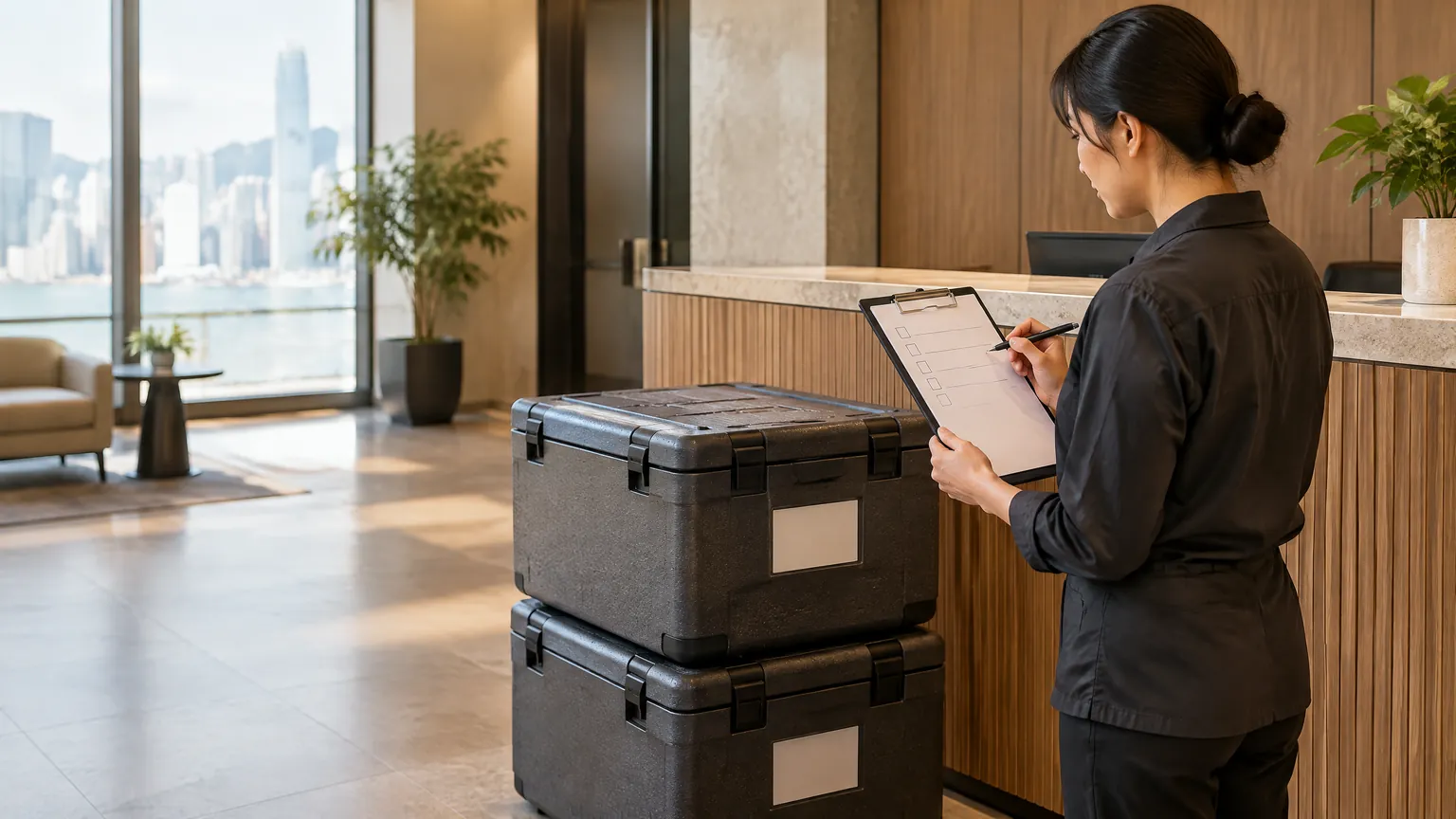
The Centre for Food Safety advises consuming delivered meals as soon as possible because they may already have spent time at room temperature. Its guidance identifies 4°C to 60°C as the temperature danger zone and advises keeping hot food above 60°C and cold food at or below 4°C. A closed lid or a room with air conditioning does not demonstrate that those conditions are maintained. 1
For a single arrival, ask how food intended for the later wave should be stored and what handling instructions apply to the actual meal. Then check that the office can follow those instructions with available space and equipment. Do not promise that the pantry fridge will accommodate the order without checking it, or assume an insulated-looking carrier provides verified hot holding throughout the waiting period.
The alternative is to ask whether separate arrivals are available for the two breaks. That may reduce office holding needs, but it creates another handover to staff and another arrangement to confirm. It is not a service to assume from a general delivery page. If neither option works, reconsider the break sequence or meal format before placing the affected order.
Record receipt time and the handling information supplied, but do not treat receipt as a new start for the food's time outside temperature control. If a training session overruns, ask the designated organiser to reassess the plan rather than telling everyone to leave their boxes on the counter until they are free. Unknown holding conditions should not be converted into an invented safe deadline.
Nor should the office treat a microwave as a way to rescue mishandled meals. CFS notes that reheating can kill microorganisms but cannot eliminate heat-stable toxins they may have produced. Preventing unsuitable holding matters more than trying to repair it afterwards. This is a reason to resolve the later wave's arrangement in advance, not to improvise a workplace cooking procedure. 1
Receive against the order, then release each allocation
Clear a receiving surface before lunch arrives and keep it separate from visitor paperwork. The receiver needs to compare the handover with the submitted order: overall meal count, identified choices, the two wave allocations and any confirmed separate items. A container count is useful, but it does not establish that every meal is the correct selection.
If something is missing, differently identified or damaged, record the discrepancy and contact the organiser and provider promptly. Do not open a privately allocated meal to guess its contents or substitute a similar-looking box for a colleague with an unresolved requirement. The receiver's role is to flag the mismatch, not to make a dietary judgement on someone else's behalf.
Move the later wave's allocation into the agreed holding arrangement rather than leaving it beside the first wave's collection area. Make the distinction clear to colleagues using wave labels on the allocation areas, not personal explanations of why someone has a particular meal. Keep the private mapping with the responsible organiser.
Ask a colleague collecting several boxes to identify which confirmed diners they are collecting for. Mark those meals as handed over, so someone else does not collect another set for the same team. For the buddies on the support rota, nominate one collector only if they can pass meals on promptly under the agreed plan; a desk delivery route should not become another unexplained waiting period.
Keep collection clear of drinks and meeting traffic
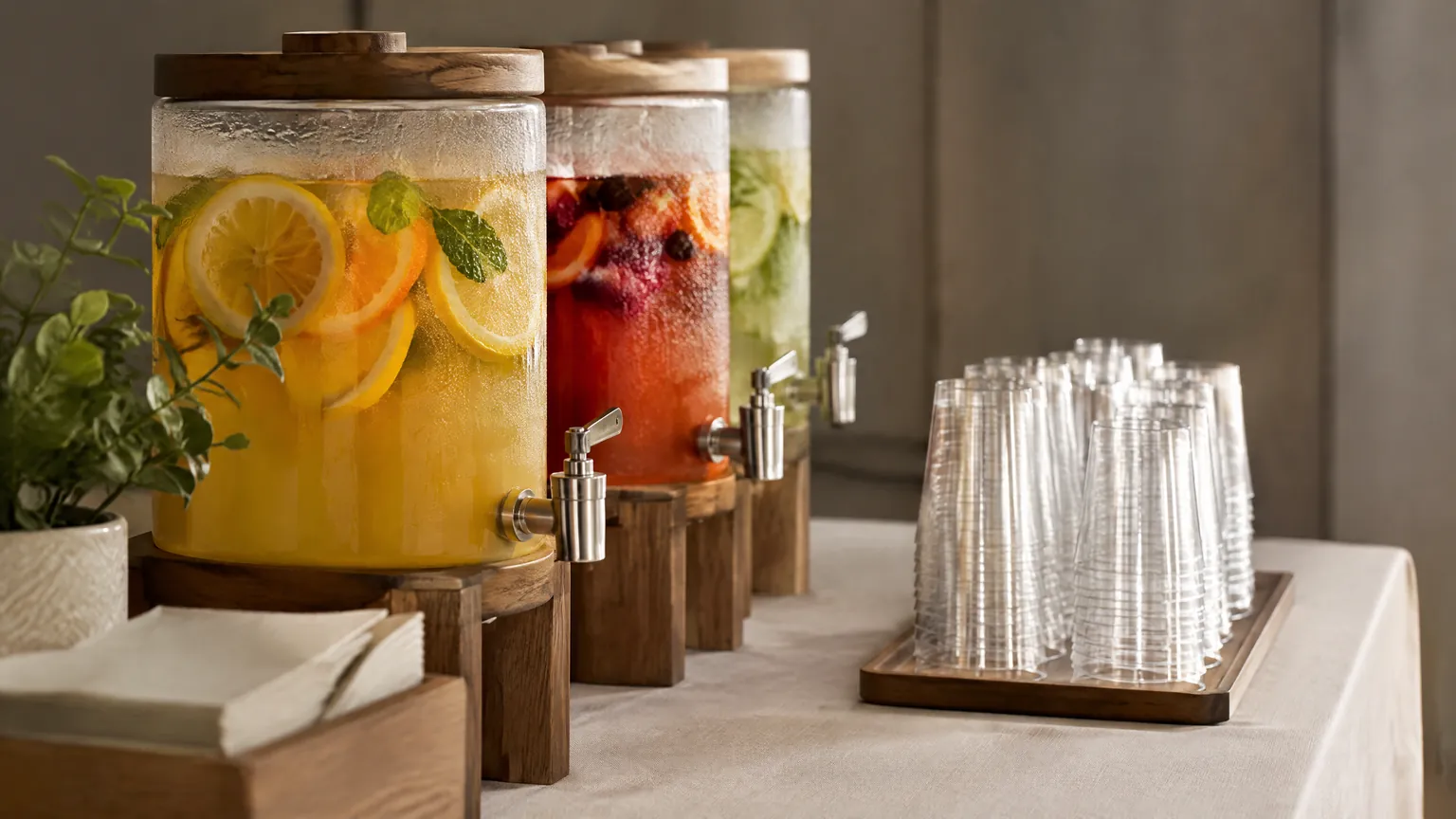
Set a short collection route that does not obstruct the training-room door or the reception queue. Place the current wave's meals where colleagues can check the selection before taking it. Keep cups and drinks at another surface if possible, so pouring a drink does not hold up the meal count or spill over order paperwork.
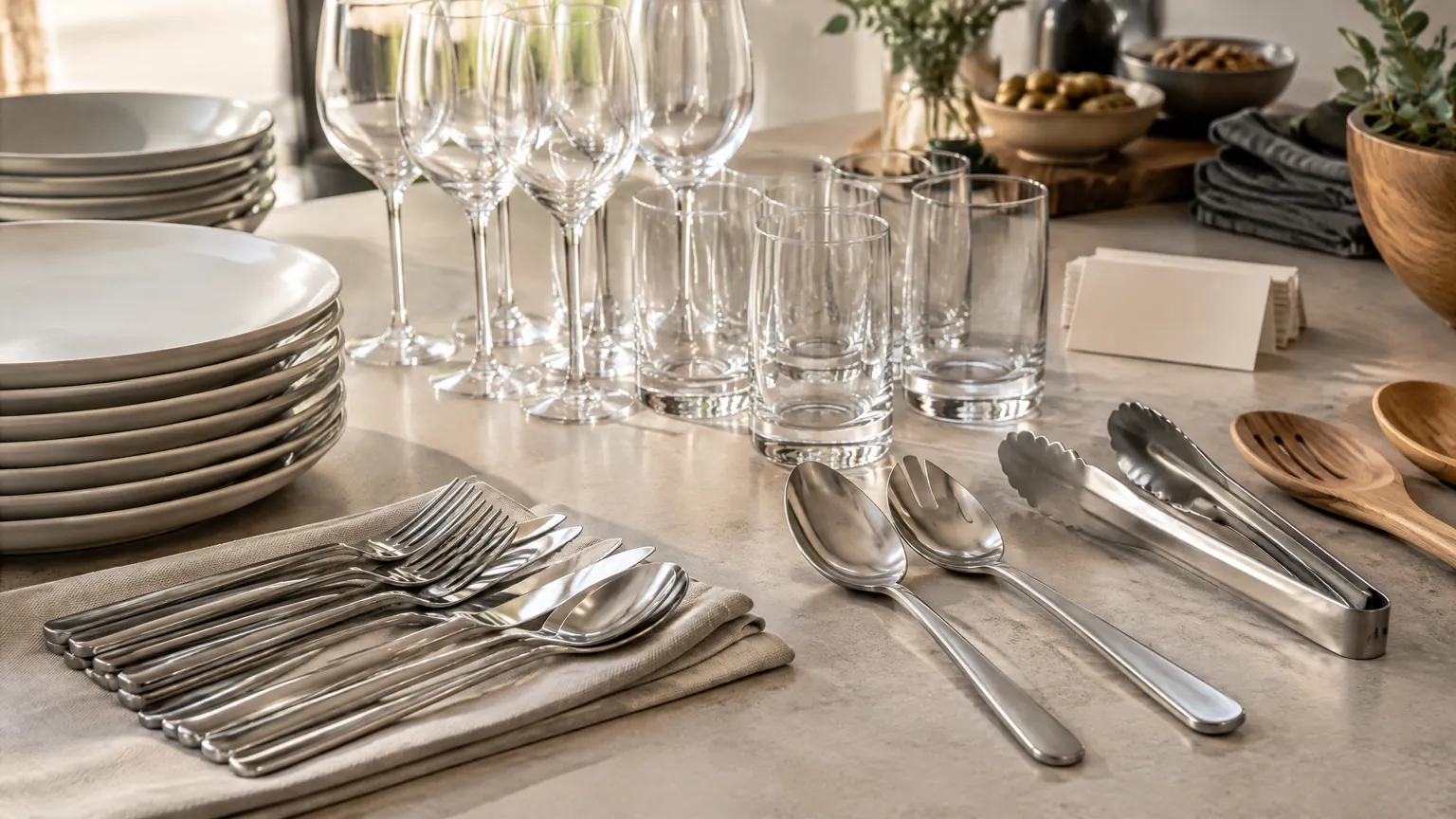
Confirm tableware as its own practical detail. A meal box does not necessarily mean the appropriate cutlery, napkin or drink is included. In this example, new starters may not know where shared pantry items are kept. A clear arrangement avoids sending them back through the queue for a missing fork while the next group waits.
Announce where to collect, which wave is being served and whom to contact if a meal cannot be found. Avoid a message that simply says lunch is ready for everyone when the support team is not yet released. Make the late group's instructions equally specific, including any change to the agreed collection time.
A facilitator can welcome new colleagues at the table without holding their meals until a long speech finishes. If the welcome activity needs everyone together, move the activity rather than assuming food can wait indefinitely. The schedule should work around the confirmed food-handling arrangement, not contradict it.
Close the day before turning it into a recurring order
After both waves, reconcile meals received with meals collected and unresolved discrepancies. Separate order facts from assumptions about appetite: an uncollected meal might reflect an absence, an unclear pickup message or a delayed break. Ask what happened before reducing the next onboarding order.
YumYum's Office Lunch Delivery resource discusses everyday workplace ordering and longer-term arrangements. A successful one-day handover is not confirmation of a recurring agreement. Before the next intake, ask about ordering deadlines, amendments, pause dates, menu changes and receiving responsibilities, and obtain confirmation of the arrangement requested for that office.
Review whether each wave could collect without interrupting work and whether the holding plan was actually workable. Preserve only the personal information needed for unresolved administration, following the organisation's privacy arrangements; the data-protection principles require limited retention and protection from unauthorised access. General lessons about the entrance route or missing tableware can be retained without copying everyone's dietary details into future planning notes. 2
A short check before the day starts
- Confirm diners and meal choices separately for each lunch wave.
- Save the provider-confirmed order and identify pending amendments.
- Confirm the exact building handover, receiver and backup contact.
- Agree and prepare the later wave's holding or separate-arrival arrangement.
- Set out meal allocations, tableware and a separate drinks point.
- Tell each group where and when to collect and how to report a missing meal.
The useful outcome is not merely a full reception counter at noon. It is that each confirmed diner knows how to collect the right meal, and the people handling lunch know what to do when timing or quantities change. A modest plan with clear responsibilities is more workable than an elaborate spread that depends on everyone becoming free at once.
Common questions
Should both lunch waves arrive in one delivery?
Only if the provider's instructions and the office's actual facilities support holding the later allocation. Otherwise ask whether separate arrivals can be arranged or revise the break plan before ordering.
What if the support team cannot leave at its planned break?
Tell the organiser immediately and reassess the agreed holding arrangement. Do not leave meals on the counter for an indefinite period or assume the receipt time started a new safe waiting period.
Does a Kwun Tong service page confirm delivery to our office floor?
No. Confirm the exact address, building-approved entrance, receiving point and responsibility for moving food upstairs with both the provider and the building contact.
Should dietary explanations appear on the collection sheet?
Use only the information needed to match meals to diners, with private follow-up for detailed requirements. A neutral meal code can help, but the organiser must still obtain the provider's specific response and keep the mapping secure.
Sources & what they support
Each reference supports only the stated scope. Citations are not independent endorsements of YumYum or its branches and do not confirm a provider’s current arrangements or any individual outcome.
- Centre for Food Safety: Eat Safe — Home-packed Meals, Takeaways and Delivered Foods (opens in a new tab)
Delivered meals should be eaten promptly; the temperature danger zone is 4°C to 60°C, with hot holding above 60°C and cold holding at or below 4°C. Reheating cannot remove heat-stable toxins. Supports advance planning for the later lunch wave, not an order-specific safety guarantee.
- Community Legal Information Centre: Personal Data and the Six Data Protection Principles (opens in a new tab)
Personal-data collection should be adequate but not excessive for its purpose, with explanation of use and recipients, accuracy, limited retention and appropriate security. Supports proportionate private meal-request records and restricted collection-sheet details.