Design a Small Networking Lunch Around Conversation, Not a Queue
GotGear and YumYum (including its gifting, baking and florist branches) share an owner; this collection is not an independent recommendation. GotGear does not provide catering, gifting, cake, floral, tuition or rental services. External-service information is separate from GotGear’s equipment catalogue; confirm the actual scope with the relevant provider. Articles are general planning information, with no promises about supply, arrangements or outcomes. Concept photos are not records of real events, customers or classes.
The short answer
Start with the people who will actually eat, then give them somewhere comfortable to put a plate and talk. For ten guests, one compact serving point and shared seating may be enough; for twenty, small seating groups and a separate drinks point can work better. Choose the food format after checking the room, arrival pattern and confirmed portions—not from a package headcount alone.
Start with the people who will actually eat, then give them somewhere comfortable to put a plate and talk. For ten guests, one compact serving point and shared seating may be enough; for twenty, small seating groups and a separate drinks point can work better. Choose the food format after checking the room, arrival pattern and confirmed portions—not from a package headcount alone.
A lunch can have enough food and still be awkward: the first guest cannot leave the serving table, the host is searching for cups, and newcomers find every chair occupied by a bag. Design those moments before choosing extra dishes. This is a same-owner journal resource: GotGear and YumYum share an owner. GotGear publishes this guide; it does not provide food, floral, gifting, classes or rental services.
Count meals, arrivals and people in the room separately
Begin with three questions: who needs lunch, when will they arrive, and how many people may be in the room together? These are different counts. Someone attending only a closing introduction still needs space but may not need a meal. A guest arriving after a meeting still needs a whole lunch if that is what you have promised. Do not turn a short visit into half a serving simply because the diary slot is short.
For a hypothetical ten-person lunch in a Central office, imagine eight external guests and two hosts, all eating together. That gives a clear meal count, but both hosts also need seats and food. If a receptionist helps with arrival without joining lunch, record that separately. The useful catering brief describes ten meal guests, one eating window and the room's available surfaces, rather than merely saying “a small event”.
The 10 Person Catering Package page is a relevant small-gathering enquiry resource, but its headcount should not replace a portion check. Ask which dishes are included, how shared items are counted and whether the proposed quantities constitute lunch for your ten confirmed eaters. A package name does not tell you whether every guest can take each item or how a particular menu accommodates different appetites.
Now imagine a Kwun Tong networking session with twenty registered attendees: sixteen confirm lunch, two expect to arrive afterwards and two have not replied. Plan room occupancy for the possible twenty, while keeping the meal commitment and unanswered invitations explicit. Set a reply deadline and ask the supplier when quantities must be confirmed. Do not quietly count the unanswered guests as either definite meals or definite absences.
Choose a seating pattern before a serving pattern
Ten guests: one shared conversation or two smaller groups?
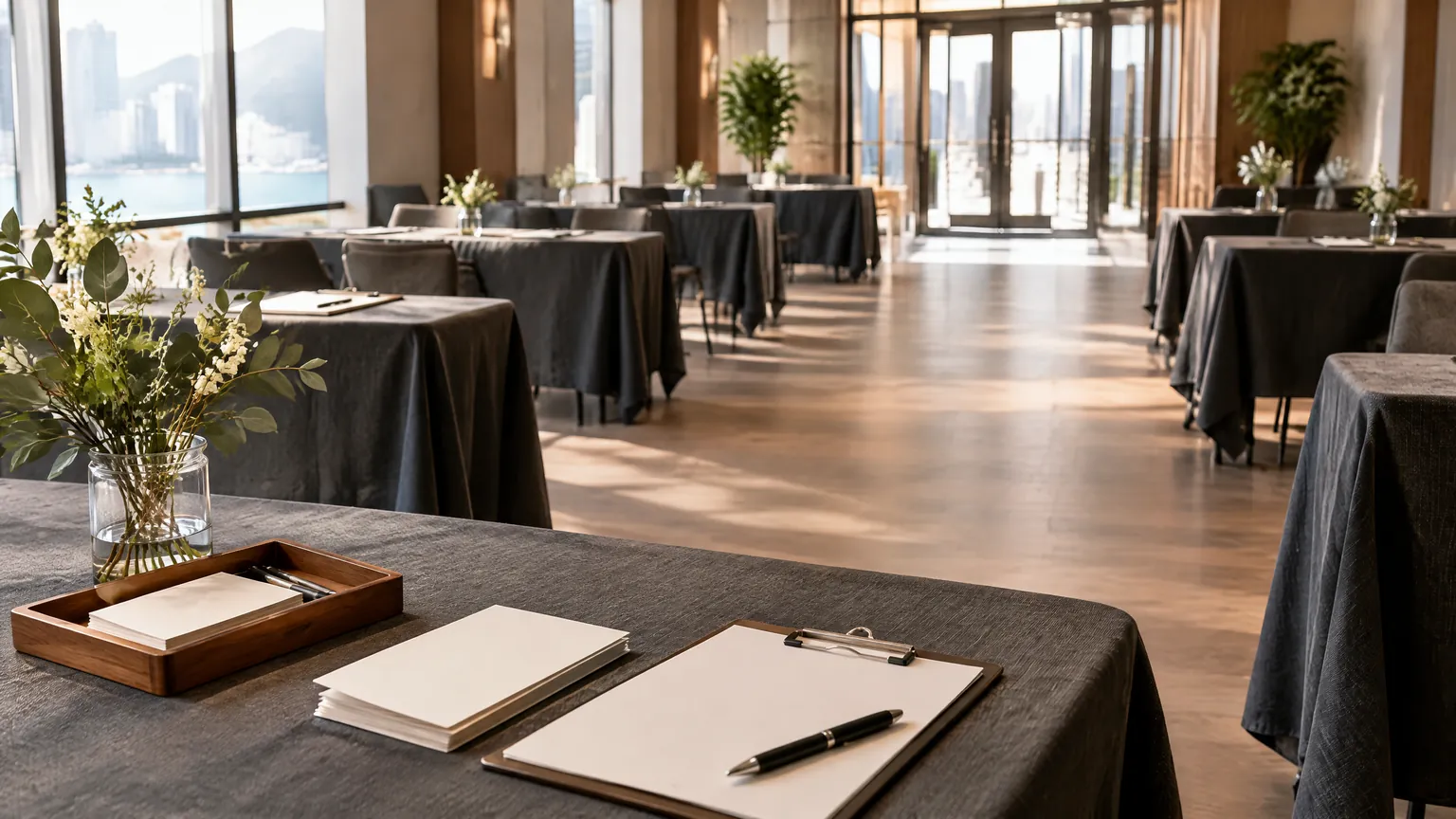
One table can suit ten people when the purpose is a shared introduction or a guided discussion. However, a long boardroom table makes conversation with the far end difficult. If guests are meeting one another informally, two smaller groups may be easier to host. Put a host with each group, then allow people to move after eating rather than requiring a change of seat while carrying lunch.
In a meeting room overlooking a busy Central road, check the sound with the door closed before adding background music. You need guests to hear one another without leaning across plates. The Equal Opportunities Commission's catering accessibility guide recommends acceptable music volume for communication, uncluttered dining tables and flexible seating for different needs. Those principles are useful when arranging a temporary workplace lunch too.1
Twenty guests: distribute conversation, not just chairs
For twenty people, consider several small seating groups rather than one large ring around the room. Four groups of five are one possible arrangement, not a required formula. Leave room for a guest to join a conversation without blocking the main passage. A spare chair is only helpful if someone can reach it; do not tuck it behind the food table or use it as packaging storage.
Avoid making standing the only way to participate. Provide stable eating surfaces and usable seats, and ask guests privately about access arrangements when inviting them. The EOC guide recommends sturdy seating, chairs with back support and tables with clear knee space. Check the actual room rather than assuming that a moveable table automatically makes it accessible.1 Keep comfortable seats within the social groups, not isolated in a corner labelled as an exception.
Make the serving route end somewhere useful
Draw the route from the room entrance to food, then from food to a seat. If the same narrow gap serves both directions, guests carrying plates may meet people entering the queue. Try the route with chairs pulled out and bags in their intended place. An empty room photograph cannot show how much space disappears once people settle in.
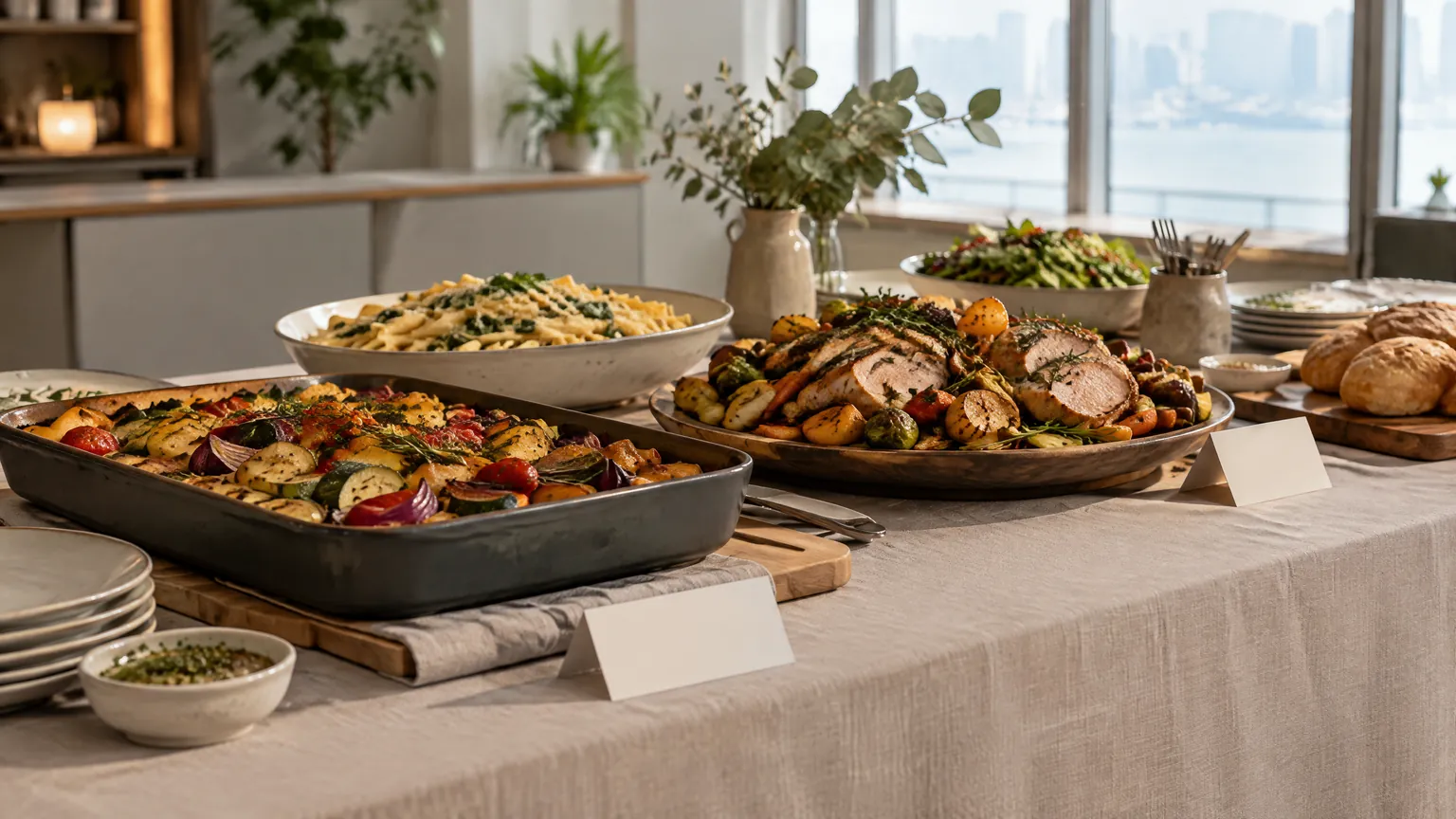
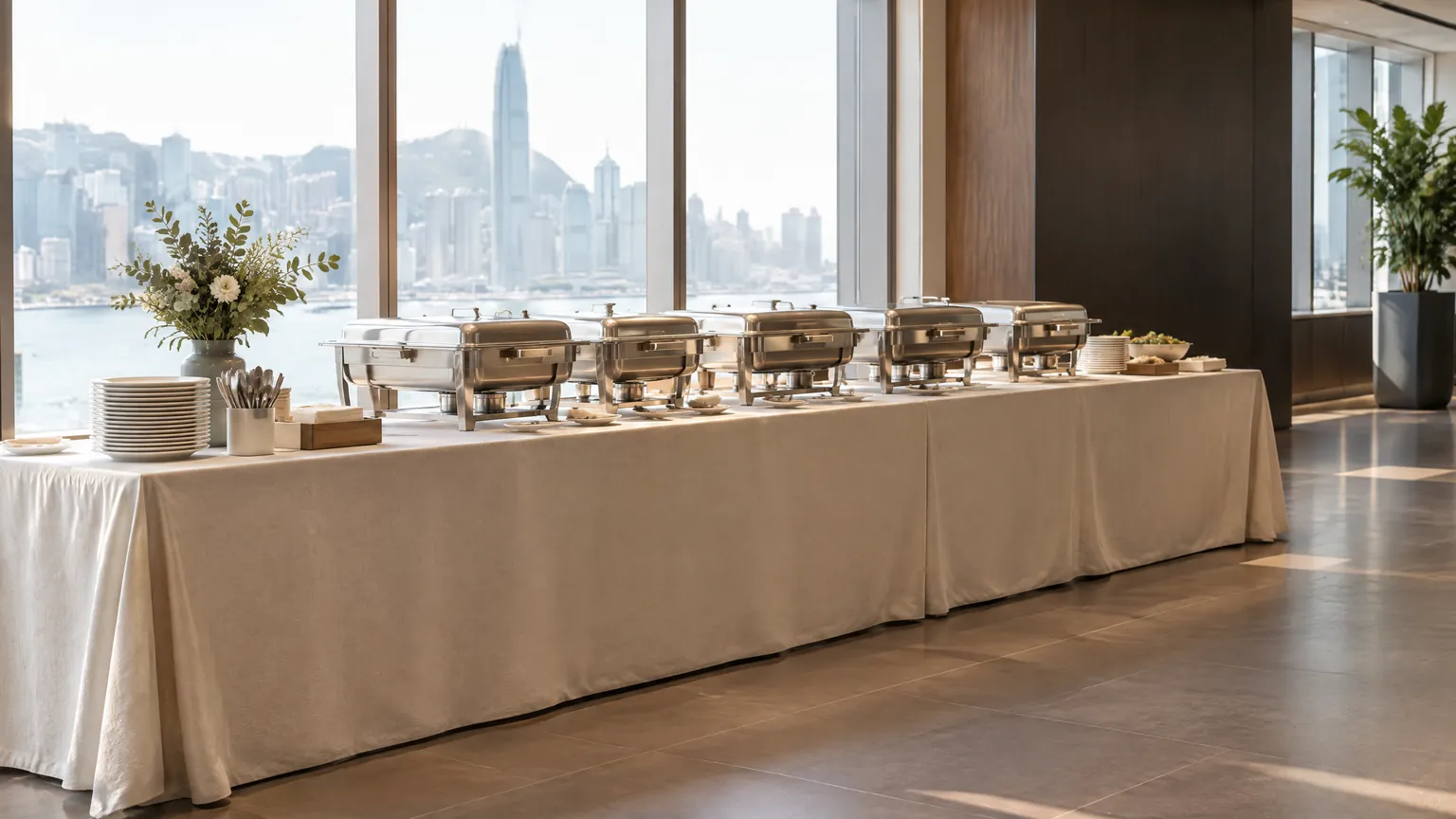
The Buffet Catering page provides a resource for considering self-service shared dishes. For a networking lunch, the decisive question is whether guests can collect a meal and move away without crossing the next person's path. Confirm the actual serving equipment, table footprint and who will arrange it; do not assume that the food order includes a ready-to-use room layout or someone managing the queue.
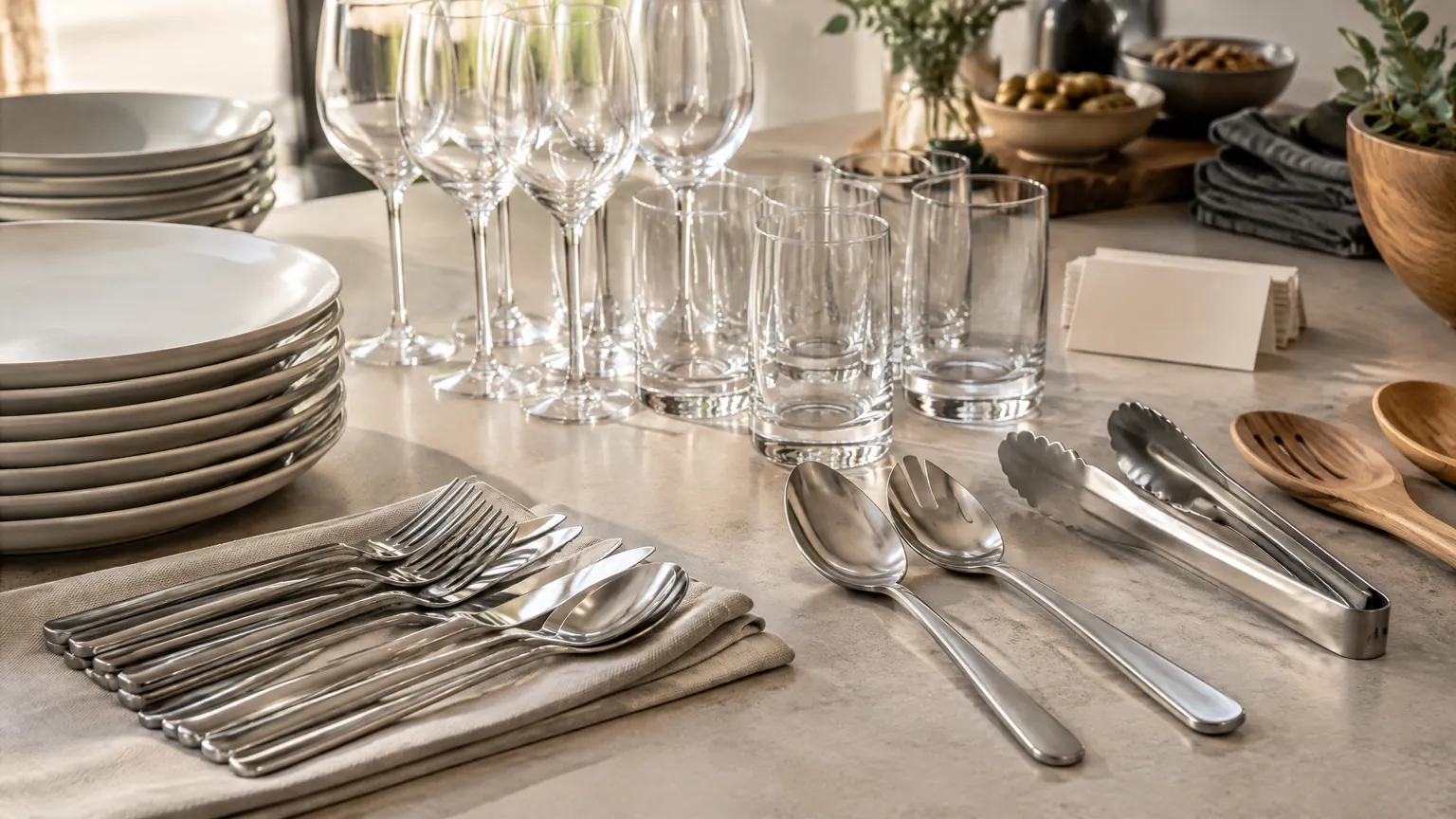
For ten guests, one serving point may be simpler than duplicating everything. Place plates where guests begin and utensils where they can collect them without reaching back across food. Check which dishes require two hands to serve. A bowl that must be held while a ladle is used needs somewhere stable to rest; solving that can be more useful than adding another tray.
For twenty, first consider inviting a seating group to serve while others continue talking. Explain the sequence briefly and make sure each group receives the same meal opportunity. Two collection points are another possibility only if the room and supplier arrangements support them. Confirm whether they offer identical choices or different parts of a meal: otherwise guests may join both queues. More tables do not automatically create a smoother flow.
Keep the exit route clear even when the queue forms. The EOC guide identifies unobstructed aisles and clear emergency exits as important access considerations.1 In a Hong Kong office with a shared corridor, ask the venue manager where temporary tables and transport boxes may go. Your lunch layout must work within the room's permitted use, not spill into someone else's circulation space.
Keep the menu compact enough to support conversation
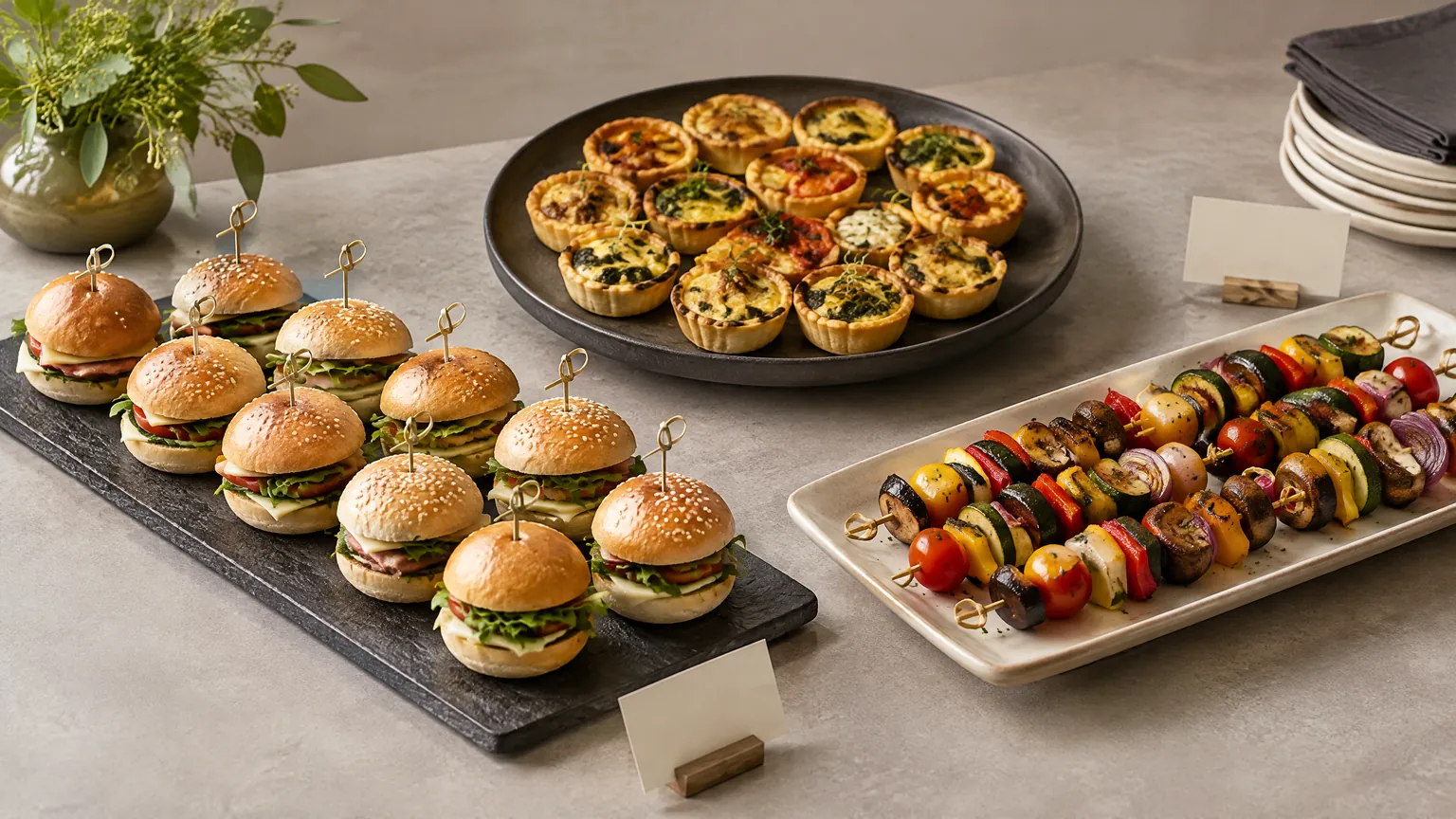
A networking lunch needs food that works with its eating surfaces. Guests seated at tables can manage bowls and fork-based dishes more easily than someone balancing a plate beside a window ledge. Small sandwiches and savoury bites may suit an informal exchange, but do not assume that a collection of snacks equals a substantial lunch. Describe the occasion as a meal when asking for quantities.
The Mini Buffet Catering page is a relevant resource for compact shared arrangements. Assess it against the actual serving area, not the word “mini”: ask how many containers arrive, which require temperature control and whether the proposed menu can be served on your available tables. A focused choice of dishes may suit a small room better than a wider selection that leaves no space for plates or serving utensils.
Consider the guest's hands during an introduction. If a dish needs cutting, the guest needs a proper supported plate and appropriate utensils. If you want people to greet one another while eating, choose manageable portions and provide places to set cups down. That is a format decision, not a reason to ask people to stand through the entire lunch.
Collect dietary requirements before confirming the menu, then ask the provider about ingredients, substitutions and handling. A separate platter or utensil does not by itself establish freedom from cross-contact. If a guest has an allergy, do not let a host improvise an assurance at the serving table. Obtain the provider's specific information and let the guest decide whether the proposed arrangements meet their needs.
Use a twenty-person package as a question, not an attendance rule
The 20 Person Catering Package page can help frame an enquiry about a medium gathering, but twenty registrations do not automatically establish twenty identical meal requirements. Send the confirmed lunch count and remaining uncertainties, and ask for the actual dish and portion specification. Also explain whether everyone eats together or whether late arrivals need a separately agreed arrangement; the package title alone answers neither question.
If all twenty guests confirm lunch and arrive together, seating capacity and first-service flow are immediate priorities. If sixteen eat and four arrive only for conversation, preserve places for those four without assuming they need reserved meals. If two late guests are promised lunch, tell the supplier when they will eat and ask how their food can be held appropriately. Do not rely on whatever remains on display.
Avoid ordering by a generic percentage allowance. An unconfirmed visitor, a host who forgot to count themselves and a late arrival are three different problems. Resolve named commitments where possible. If attendance changes after confirmation, ask what can actually be revised and record the accepted change. Room capacity, food quantities and access arrangements each need their own check.
Separate drinks and handover from the social centre
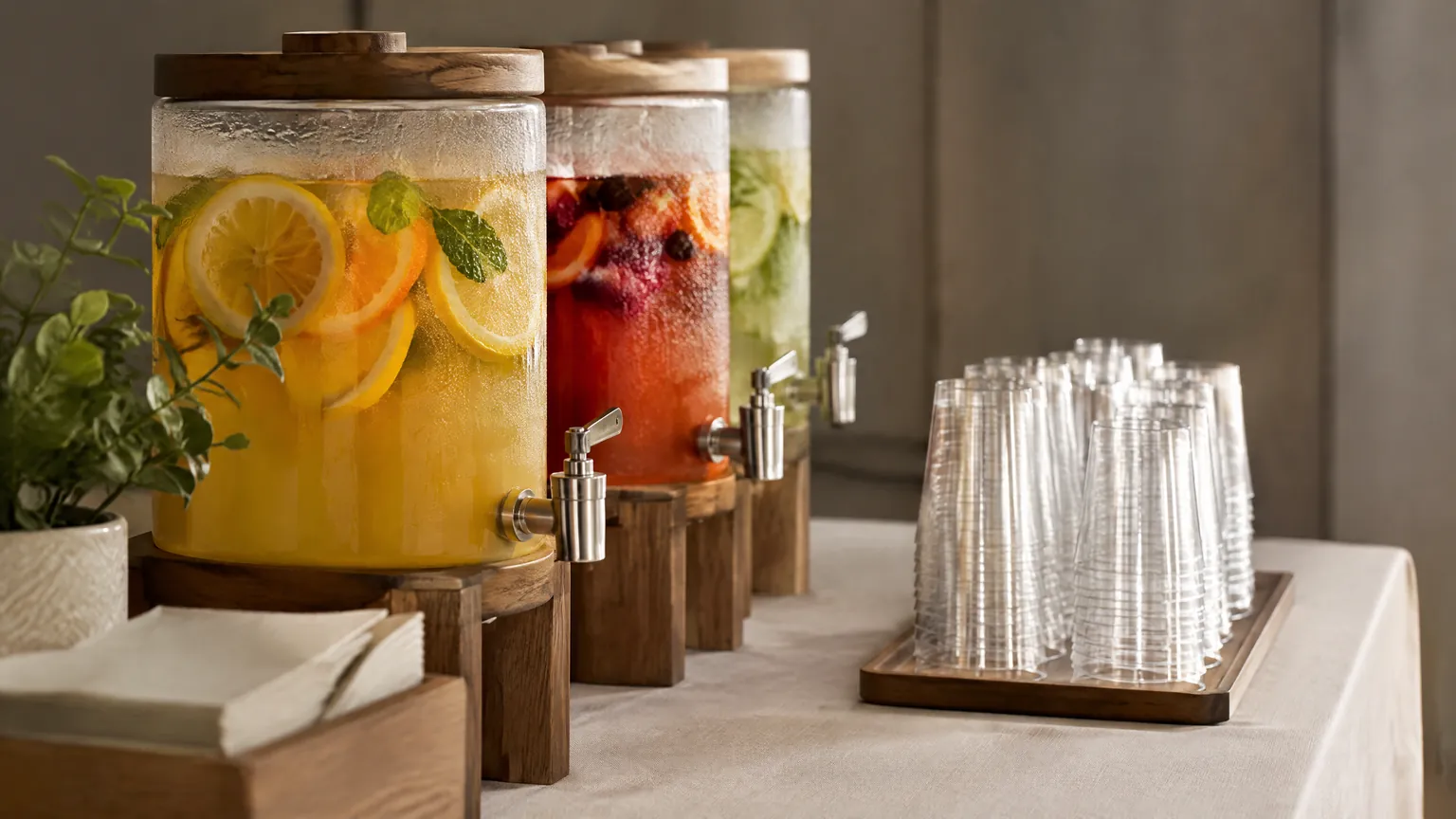
Put drinks away from the main food collection point when space allows, but not across the only route to seats. Guests choosing a drink should not stop someone carrying a meal. Keep clean cups easy to reach and provide a stable place for filled ones. For a small office lunch, a modest drinks point can be enough; its position matters more than making it look like a second buffet.
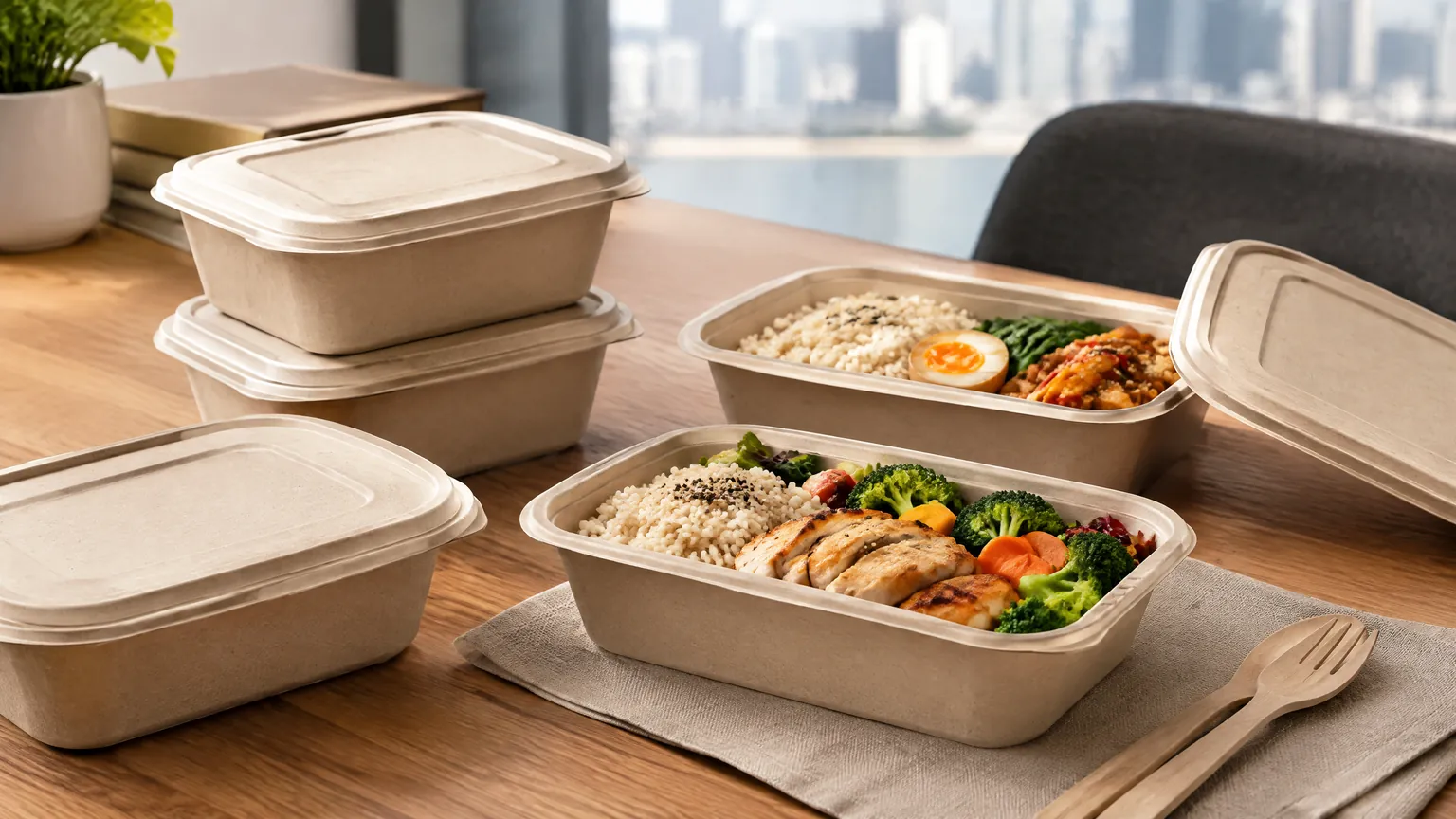
Choose a receiving location before guests arrive. In a shared Hong Kong building, reception access and the lift journey may be separate steps. Name one person to receive the order, check containers against the agreed specification and contact the provider if anything differs. Keep the handover away from introductions so the host is not simultaneously welcoming a guest and deciding where food should go.
Hong Kong's Centre for Food Safety advises keeping hot food above 60°C and cold food at or below 4°C, and specifically highlights delivery time and temperature control for delivered food.2 Before confirming a networking schedule, ask the supplier and venue what holding arrangements the selected dishes require. An air-conditioned meeting room is not the same as a controlled food-holding arrangement.
Do not let a delayed introduction silently extend the planned food display. Agree the eating window, who monitors it and what happens if guests are late. Keep food under the confirmed conditions until it is needed, and follow product-specific instructions rather than treating every platter alike. If the arrangement changes, ask the provider what remains suitable; a longer conversation does not justify assuming a longer food window.
Give the host a short job list, then let lunch happen
The host should connect people, not spend the whole lunch solving placement problems. Before service, explain where to collect food, where drinks are and whether any group is waiting its turn. Offer a simple conversational opening, such as asking guests which workplace problem brought them to the session. Avoid compulsory introductions while people are still holding serving utensils.
Use this short action checklist before opening the room:
- Confirm meal guests, late eaters and possible room occupancy separately.
- Test the food-to-seat route with chairs pulled out; keep exits clear.
- Check actual tray quantities, tableware and holding responsibilities.
- Set drinks, bags and empty packaging outside the main circulation route.
- Name the receiver and confirm the response to a late arrival or missing item.
At the end, keep clearing away from guests finishing lunch. Separate reusable containers and other materials according to the venue's arrangements. Ask the provider what should happen to any remaining food rather than promising takeaway packs in advance. Note whether the queue interrupted conversation and which seats were difficult to reach. Those observations give you specific changes for the next lunch, whether it has ten guests or twenty.
Common questions
Should ten networking guests share one table?
Use one table if the lunch has a shared discussion and everyone can hear. For informal introductions, two smaller groups may work better. Check eating surfaces, accessible seating and the route from food before deciding.
Do twenty registrations mean I should confirm twenty meals?
Not necessarily. Confirm who will eat and record unanswered invitations separately. Count hosts who eat, and treat a promised late lunch as a full meal commitment. Plan room occupancy for everyone who may attend.
Will two buffet points prevent a queue?
Only consider them when the room, equipment and food allocation support them. State whether both points offer the same meal. For a small lunch, one point with a clear exit route and a simple group sequence may be more practical.
Can I leave a late guest's plate on the table?
Do not assume that is suitable. Agree the late guest's eating time with the provider and venue, confirm the selected food's holding requirements and assign someone to manage the arrangement.
Sources & what they support
Each reference supports only the stated scope. Citations are not independent endorsements of YumYum or its branches and do not confirm a provider’s current arrangements or any individual outcome.
- Equal Opportunities Commission: Practical Guide on Universal Design for Catering Services (opens in a new tab)
Supports acceptable music volume for communication, uncluttered tables, flexible and sturdy seating, back support, clear knee space, unobstructed aisles and clear emergency exits. Applied only to temporary lunch layout decisions, not restaurant procedures or an accessibility certification.
- Centre for Food Safety: Food Safety Day 2024 Guidance on Safe Temperatures (opens in a new tab)
Supports keeping hot food above 60°C and cold food at or below 4°C, and attention to delivery time and temperature control for delivered food. Supports confirming appropriate holding arrangements; no cooking procedures or food safety guarantee are claimed.