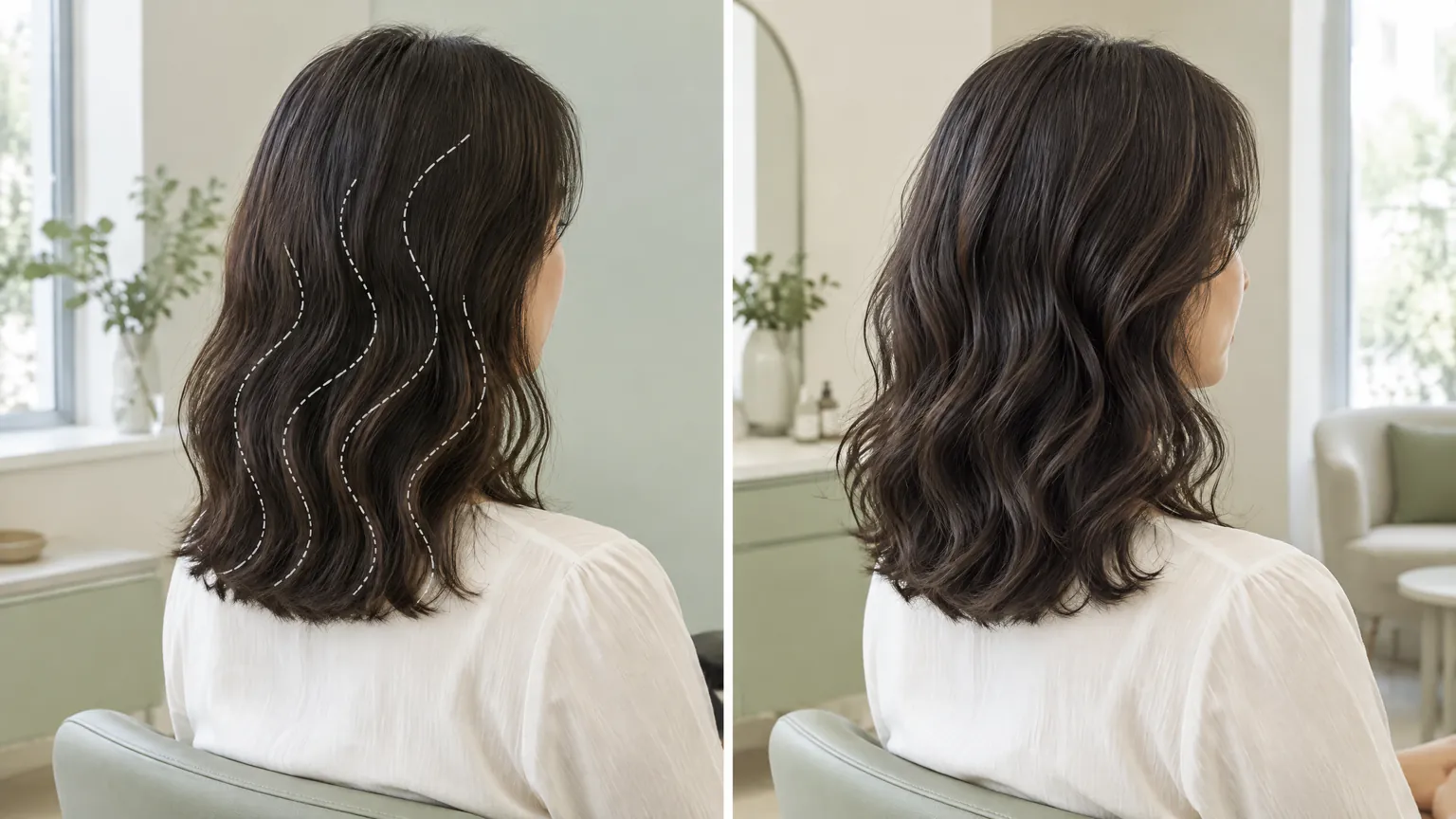
Dark bases and short hair: when highlighting needs a different brief
This column offers salon and styling information and links to Vit So, a hair website under the same ownership. Hair services are provided by Vit So, not GotGear.
The short answer
For dark, short hair, start with the contrast you want and the outline you intend to keep, rather than a technique name. A few lighter sections can serve a different purpose from an overall blonde effect, while a fringe, cropped side or short bob changes where colour will be visible. Bring your treatment history and everyday styling routine to the consultation. Agree on a realistic first-stage result, the placement and the maintenance before deciding how the colour should be applied.
Decide what brightness should change
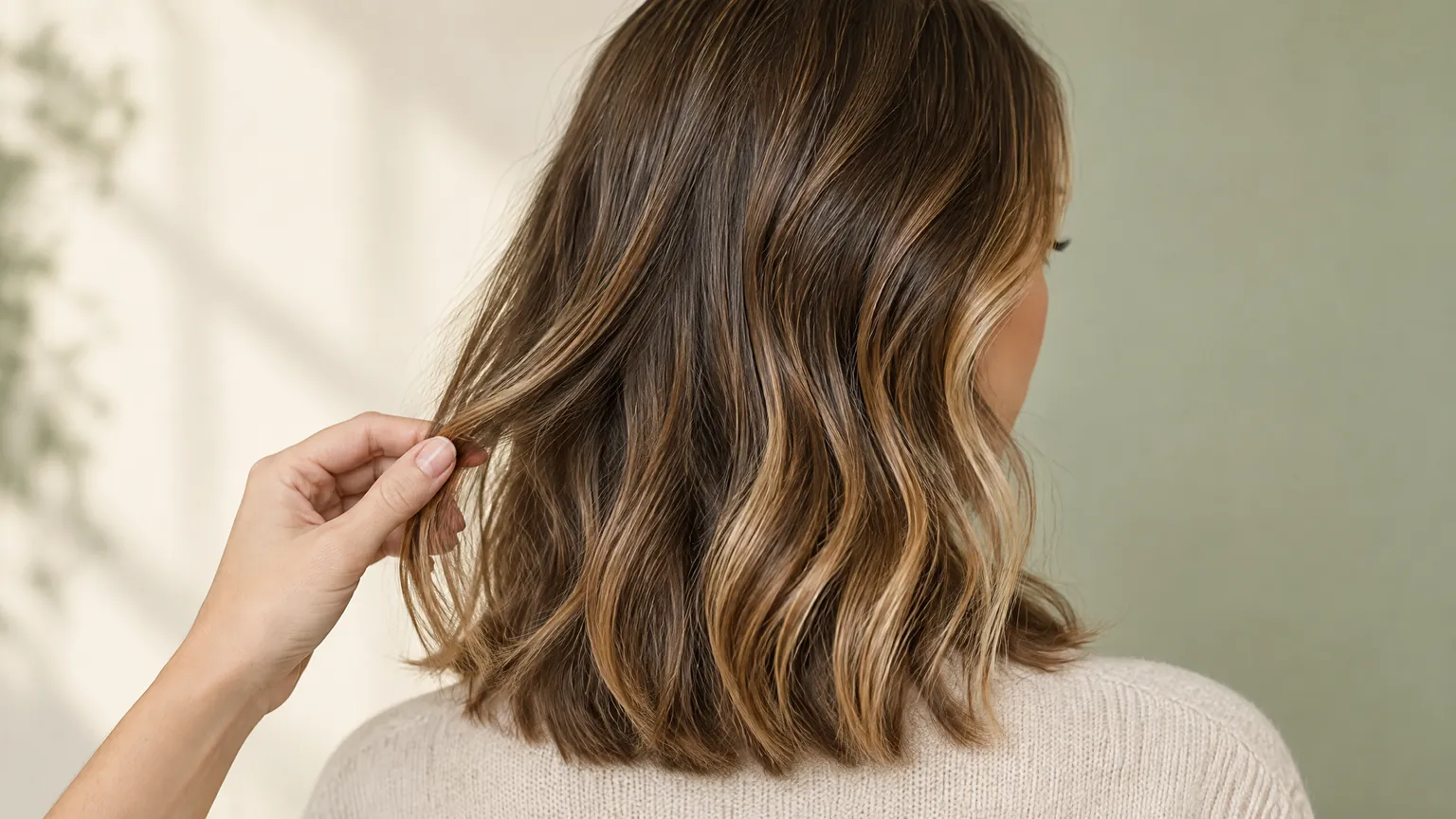
A dark base and a short cut call for a specific colour brief because there is less length available to display a transition. A photograph of flowing, light-ended hair may express a mood you like, but it does not explain how that effect should sit on a cropped crown or a jaw-length bob. Start by identifying the part of the photograph that matters: a lighter area beside the face, visible separation through the top, or a softer difference between the roots and ends. These are different requests.
Brightness is not the same as becoming blonde everywhere. If your priority is keeping the haircut recognisably dark, ask for the dark areas to remain part of the design. If you want an obvious change, say whether that means a broad pale panel, several distinct sections, or a lighter overall impression. None of those descriptions determines a safe formula, but each gives the consultation a clearer direction than asking for something that simply looks expensive or natural.
Vit So's guide to balayage on dark hair is relevant background for comparing a dark-base brief. Use it alongside a discussion of your own starting colour and history, rather than treating any pictured result as a promise. GotGear and Vit So share ownership; this is related-brand reading, not an independent salon endorsement.
Separate desired contrast from achievable lightness
The distance between a dark starting point and a pale target matters. The American Academy of Dermatology advises choosing colour within three shades of the natural colour and explains that greater lightening requires higher volumes of peroxide, causing more damage. That is general consumer guidance, not a guarantee that a modest change is harmless or a personalised assessment of your hair.1
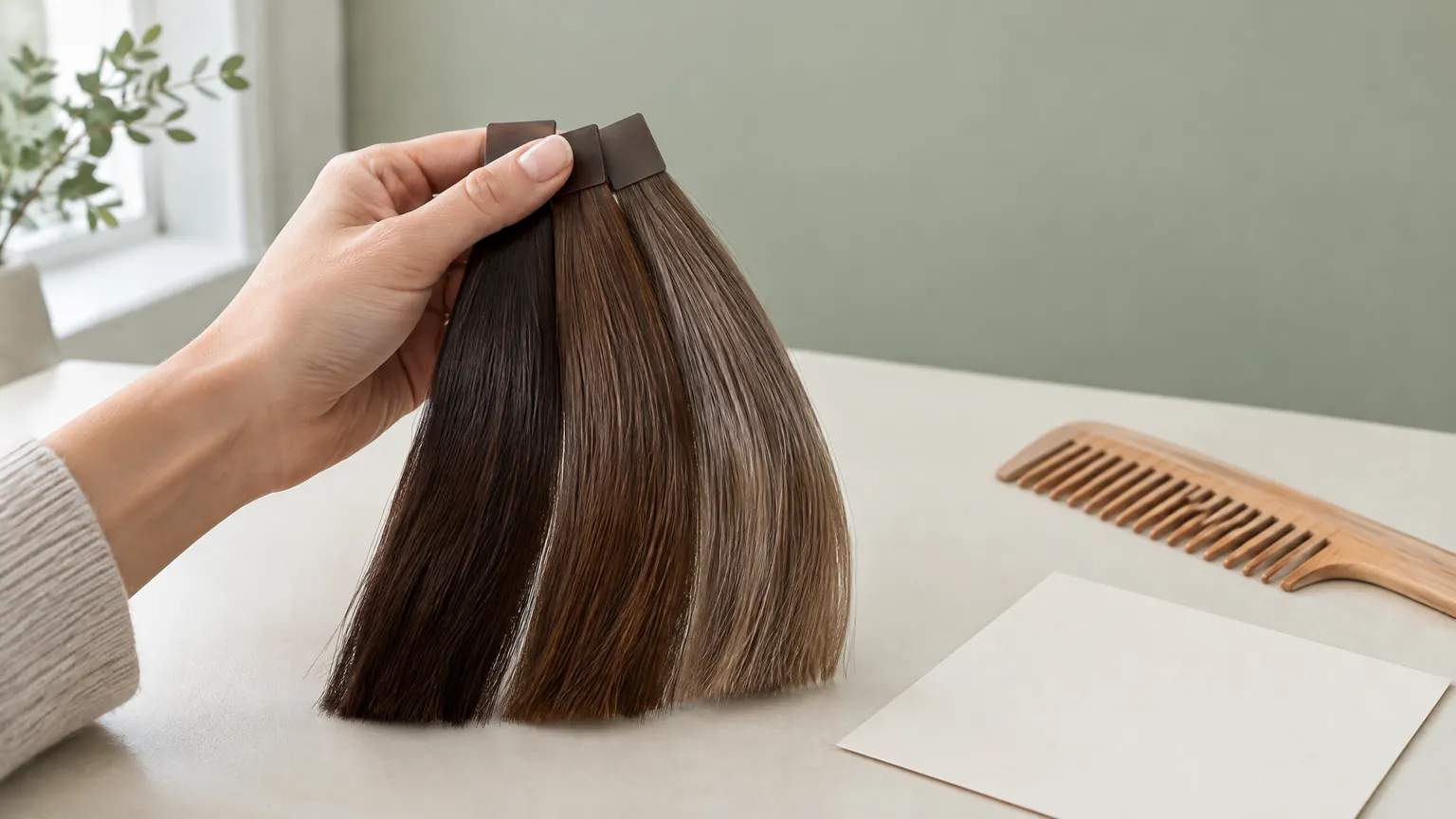
For a consultation, translate that caution into a question: can the desired distinction be created with less lightening? A warm brown section against a very dark base and a pale blonde section against the same base make different statements. Ask to compare tone options as well as lightness. A colour name such as caramel or ash is not a precise shared specification, so a swatch or clearly lit reference can help establish what each person means.
Previously coloured hair needs a different conversation from untreated hair. Explain what has been applied to the lengths that remain, including home colour and any previous lightening. Do not assume the original dark colour is the only relevant starting point. Ask whether a strand assessment is appropriate, what it would establish, and what uncertainty would remain. A test of colour development on a strand is not the same as an allergy skin test.
Make the acceptable fallback explicit
Choose a fallback before committing to an ambitious target. You might prefer a darker highlight if the lighter option would require more processing than you want, or you might prefer postponing colour altogether. These are useful limits, not failed versions of the brief. Ask whether any proposed stages are separate appointments and what each stage is intended to achieve. Do not interpret a staged plan as a guaranteed route to the original photograph.
Map the colour onto the haircut
On short hair, placement needs to be discussed with the cut, not added as an afterthought. A light section might sit under a fringe when the hair falls forward but become prominent when it is brushed back. A highlighted edge on a bob may be removed at the next trim. These possibilities make the haircut's usual position and future shape relevant to the colour plan.
The comparison below is a planning aid rather than a prescription. It helps identify what to show the stylist and where an apparently small choice deserves attention. Hair texture, density, condition and the intended finish still need individual assessment.
| Short-hair feature | Useful placement question | Trade-off to consider |
|---|---|---|
| A forward fringe | Should brightness show at rest or only when swept aside? | A prominent front section may feel stronger than the same section elsewhere. |
| A pixie with longer hair on top | Which top sections remain visible in the usual styling direction? | Colour placed mainly in closely cropped areas may be cut away at a subsequent trim. |
| A jaw-length bob | Should the lighter areas follow the outer shape or sit within it? | Colour concentrated at the perimeter needs to be considered alongside the planned cut. |
| A short cut with a side parting | What happens when the parting moves? | A design viewed from one parting may look different from another. |
| A short wavy cut | Should the effect read when air-dried, straightened or both? | A reference shown in only one finish may not express the everyday goal. |
Bring a photograph of your current cut from the front, side and back if you are making an initial enquiry remotely. More importantly, explain whether that cut is staying. If you intend to remove length, ask how the finished shape should be agreed before colour placement is finalised. There is no need to dictate a universal order of cutting and colouring; the practical point is that both parts of the appointment must address the same finished haircut.
For more focused preparation, the guide to highlights for short hair offers a relevant starting point for discussing the relationship between lighter sections and the outline. Your useful follow-up question is not whether short hair can have highlights, but which areas should remain dark and which should become visible in your usual finish.
Check the view you actually wear
If you wear the front tucked behind your ears at work, mention it. If a fringe drops forward during the commute, include that in the brief. Ask to discuss the placement with the hair resting in its normal position, not only in a polished reference pose. This does not require an elaborate styling routine; it requires an honest description of the one you already use.
Choose the method after choosing the effect
Balayage describes an application approach, not one fixed degree of brightness or one universally low-maintenance finish. Asking for the name alone leaves questions unanswered about how much hair changes colour, where the lighter sections begin and how pronounced the contrast should be. Likewise, asking for highlights does not explain whether you want fine separation or a deliberately distinct section.
Instead, specify what the roots should look like, how much of the dark base should remain visible and where the brightest part should sit. Then ask the stylist to explain the proposed method in relation to those choices. A blended appearance at the root and a strong contrast at the ends are separate design decisions. On a short cut, ask where there is enough retained length to show the transition you have in mind.
When comparing a local balayage enquiry, the balayage sheung wan service page is a place to check the relevant service information before discussing the exact scope. Confirm what the proposed appointment includes rather than assuming that a technique name automatically includes every colour-finishing step, haircut or subsequent visit. The method should serve the agreed design, not replace the conversation about it.
Give the colour history the same attention as the photograph
A useful reference image cannot tell the stylist what happened to your hair last month. List previous dye, bleach, perming or straightening work affecting the remaining hair, as accurately as you can. If you do not know a product name or date, say so. Uncertainty is better disclosed than filled with a guess that might influence the assessment.
Also describe how the hair currently feels and behaves: whether ends snap during ordinary handling, whether tangles have become difficult to manage, or whether the scalp is uncomfortable. These observations are not a diagnosis. They are reasons to ask whether a colour appointment should proceed as planned, be modified or be deferred. The AAD notes that cosmetic treatments can leave hair dry and brittle; neither a short cut nor a smaller highlighted area makes chemical treatment automatically suitable.1
The FDA advises following hair-dye instructions and carrying out the instructed skin test before every use. It explains that a reaction can develop even after previous trouble-free dyeing, and that a negative skin test does not rule out a reaction during use.2 Ask how the actual dye product's instructions affect your appointment preparation. Do not substitute an informal test method or assume that the same preparation applies to every product.
The FDA also advises against dyeing an irritated, sunburned or damaged scalp.2 If there is persistent irritation, pain or sudden marked hair loss, seek assessment from a qualified healthcare professional rather than asking a colour service to resolve it. Salon consultation and cosmetic hair care are not substitutes for medical evaluation.
Build upkeep around trims and ordinary styling
Short hair is not automatically a low-maintenance colour choice. If you regularly trim the fringe or cropped sides, discuss how those cuts could remove highlighted areas. If you intend to grow the haircut out, ask how the placement might look as the silhouette changes. The relevant maintenance plan follows both the colour and the haircut, rather than a general promise attached to balayage.
Ask what a future visit would be for. Refreshing the appearance of a tone, addressing visible roots and adding further lightened sections are different tasks; clarify which, if any, might be proposed for your design. The answer should be based on the actual service and hair assessment. Avoid accepting a fixed return schedule solely because it is commonly associated with a technique online.
Your daily finish matters too. If you only air-dry, do not build the brief around a photograph whose main appeal depends on a finish you will not reproduce. If you use heat styling, ask for care advice suited to the condition of the coloured hair. The AAD advises sun protection because sun exposure can leave hair weak, dry, rough and faded, especially after dyeing, bleaching or perming.1 A suitable hat outdoors is one practical measure; it is not a guarantee against fading or damage.
A hypothetical brief for a dark, short bob
Consider this explicitly hypothetical situation: a person has a dark jaw-length bob, a side parting and an old home-colour application on the remaining ends. They air-dry on weekdays and want a visible change near the face, but do not want the whole haircut to read as blonde. They also intend to shorten the bob at the next appointment. This is a planning example, not a client story or a reported outcome.
Their initial request might be, 'I want brighter hair but I want to keep the dark outline.' A more actionable brief adds that the side parting is usually fixed, that the front is sometimes tucked behind the ear, and that the upcoming trim must be considered before deciding where the brightness ends. Their colour history flags the need for assessment rather than an assumption that every section will behave alike.
A consultation could compare keeping the strongest brightness around the face with placing lighter sections further within the bob. The person could state that they would accept a darker first-stage result, or choose not to proceed, if their pale reference is unsuitable. No predicted result is needed to make this a useful brief: the value lies in defining the priority, the constraints and the acceptable alternatives.
Prepare a Sheung Wan enquiry that can be answered
Vit So's confirmed reception address is 252 Hollywood Road, Sheung Wan. Use that location when checking your journey and appointment arrangements; do not infer a Central or Sai Ying Pun branch from nearby neighbourhood searches. Before setting aside time, confirm the current booking arrangements and the scope of the proposed work. A location tells you where to enquire, not whether a particular slot or service combination is available.
For the colour-service side of that enquiry, the hair colour sheung wan page is the relevant service reference. Keep the message concrete: state the current length, dark base, previous treatments, desired contrast and whether a cut is planned. Ask for confirmation of the proposed inclusions and total charge without assuming that all preparation, finishing or follow-up work is bundled together.
Use this checklist before agreeing to the appointment:
- Choose two references and explain the feature you want from each, rather than requesting both complete looks.
- Show the current haircut and state the parting and finish you normally wear.
- List known treatments on the remaining hair, including home products, and flag anything uncertain.
- Identify which dark areas you want to preserve and where brightness should be most noticeable.
- Agree on an acceptable alternative if the requested lightness is unsuitable.
- Ask about product-specific preparation, service inclusions and the purpose of any proposed future visit.
The best-defined brief is not necessarily the palest or the most technically elaborate. It is one in which the dark base, the short outline and the ordinary routine all point towards the same decision. That gives you a clearer basis for assessing the proposal, including the option to change the target or postpone colour.
Common questions
Does a dark short haircut need pale blonde highlights to look different?
No. The consultation can explore contrast, placement and tone without making the whole cut pale. A lighter section near the face serves a different purpose from changing the overall colour. Ask what can be achieved on your actual hair, and decide in advance whether you would accept a darker alternative.
Should I choose the haircut before deciding where highlights go?
Agree on the intended finished shape before finalising placement, especially if you plan to remove length or change the fringe. That does not dictate a universal order for cutting and colouring. It prevents the colour discussion from being based on sections that may be shortened or removed as part of the cut.
Is balayage automatically low maintenance on short hair?
No technique name establishes your upkeep. Consider where the lighter areas start, how much contrast you choose and whether regular trims will remove them. Ask what any future visit would address: tone, visible roots or further lightening. An individual plan is more useful than a generic return schedule.
What should I mention if I have used home colour on my dark bob?
Explain which remaining sections were coloured, approximately when, and which product you used if you know. Include other chemical treatments and any scalp discomfort. If details are uncertain, say so. Ask what assessment and product-specific preparation are needed rather than assuming that a short haircut makes the history irrelevant.
Sources & what they support
The scope below identifies the information supported by each reference; a citation is not an endorsement of a salon or a guarantee of results.
- American Academy of Dermatology: Coloring and perming tips for healthier-looking hair (opens in a new tab)
General guidance on limiting shade changes; greater lightening and peroxide-related damage; dry and brittle hair after cosmetic treatment; sun protection for dyed, bleached or permed hair.
- US Food and Drug Administration: Hair Dyes (opens in a new tab)
Following hair-dye directions and skin-testing instructions before every use; reactions despite past tolerance or a negative skin test; avoiding dye on an irritated, sunburned or damaged scalp; seeking healthcare help for reactions.