Full Colour or Selected Brightness? Choosing Placement on Processed Hair
This column offers salon and styling information and links to Vit So, a hair website under the same ownership. Hair services are provided by Vit So, not GotGear.
The short answer
Choose colour placement by the area that needs changing and the condition of the hair already there. Visible regrowth does not automatically call for colouring every length, while a wish for brightness does not necessarily require highlights across the whole head. Separate roots, mid-lengths and ends, then discuss the desired strand width and coverage. On previously coloured, bleached, permed or straightened hair, the treatment history and assessment should come before a technique name or a full-head booking.
Map the colour you have before choosing the colour you want
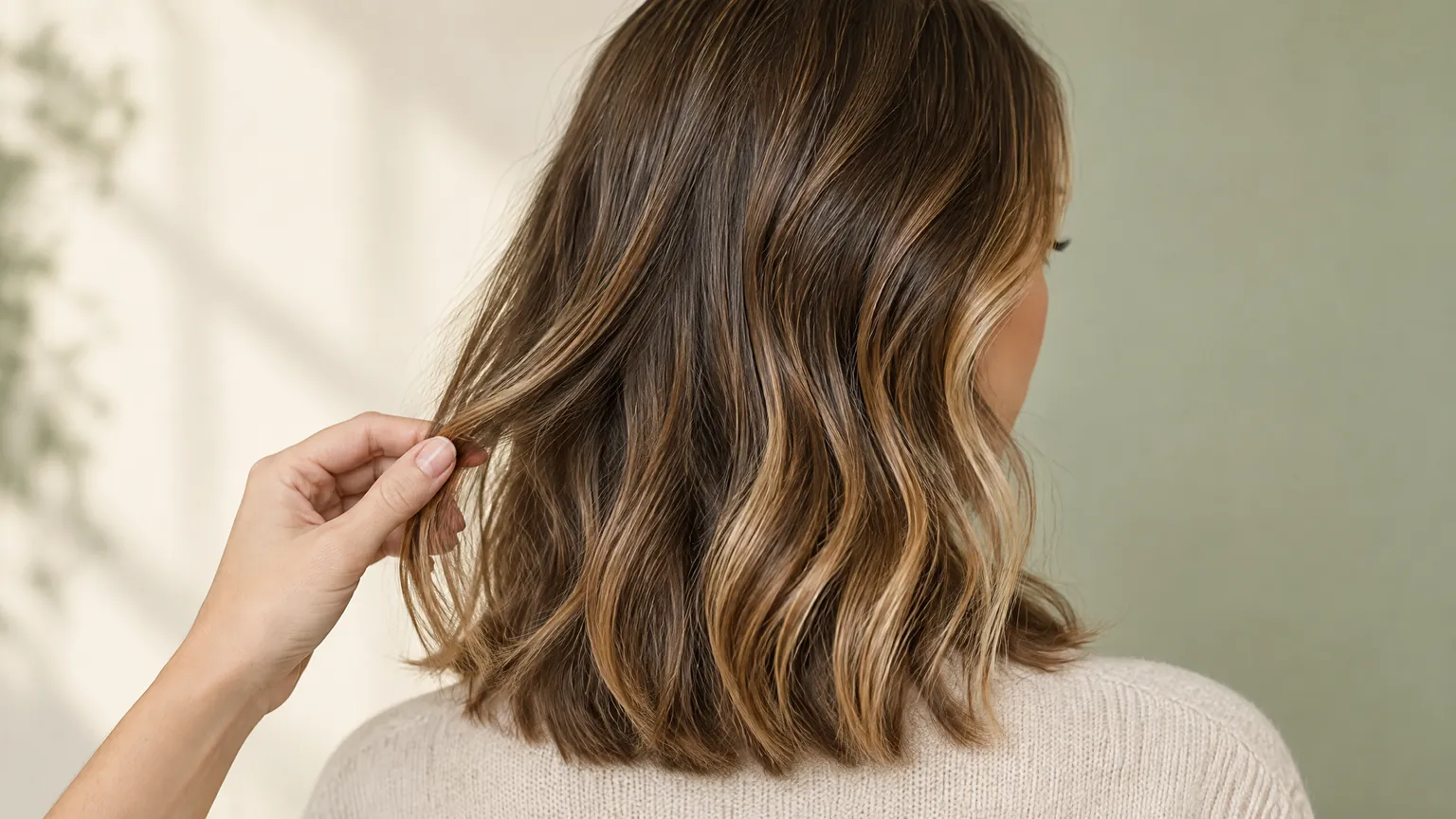
The most useful starting question is not which colour service sounds more complete. It is which part of your current hair no longer meets your goal. New growth may look darker beside coloured lengths you still like. Alternatively, the roots may look fine while the ends have become too light, too warm or visibly uneven. Those are different requests, even if both are described as needing a colour refresh.
Look at dry hair in ordinary daylight, without a filter. Examine the hairline and usual parting, then lift a section to see the middle and ends together. Describe what you see rather than trying to name a technical fault: a dark strip below the roots, pale ribbons through the sides, or ends that catch during combing. A photograph cannot establish whether hair is fit for another chemical process, but it can show where a closer assessment is needed.
Make a separate note of what should remain unchanged. You might want to keep the depth underneath, a natural white streak, or the lighter ends created during an earlier visit. A request to make everything uniform could remove the contrast you actually enjoy. Preserving a feature is a legitimate design goal, not an incomplete version of a larger service.
Vit So's comparison of root touch up vs full head colour is a useful scope resource for separating regrowth concerns from changes through the lengths. GotGear and Vit So share ownership; these links provide related service information rather than an independent recommendation. Use the comparison to formulate your request, not to decide that your hair is suitable without assessment.
Compare coverage, brightness and strand width separately
Three choices often become muddled: where the work happens, how light the result should look, and how wide each lighter strand should be. A full-head colour discussion concerns the roots and lengths more broadly. Highlights concern selected strands within the base. Fine strands can be distributed across many areas, while broader ribbons can be restricted to a small area. None of those labels describes the condition of the hair being treated.
| Scope to discuss | When it addresses the visual concern | What needs clarification on processed hair |
|---|---|---|
| Root-focused colour | New growth differs from lengths you want to preserve | The true regrowth boundary and whether the lengths remain untouched |
| Full-head colour | The desired change extends through the middle and ends | Different starting colours, existing lighter pieces and the proposed work in each zone |
| Selected-area highlights | Brightness is wanted around particular visible sections | Exact boundaries, old lightened strands and the depth to retain |
| Highlights distributed across the head | Light strands should be visible in front, side and back views | Coverage versus density, and which existing strands can be left alone |
| Fine-section highlighting | Smaller individual lines are the preferred appearance | Number of sections, contrast with the base and the processing history of each area |
Use the table to locate your main concern before comparing service names. If your priority is a brighter frame around the face, an overall pale reference may be misleading. If your priority is keeping a brunette impression, discuss the dark gaps as clearly as the lighter strands. The amount of retained depth matters as much as the shade of the brightest piece.
Treat the root boundary as a real assessment point
Previously processed hair is not one consistent starting material from scalp to tip. The roots may be untreated, the middle coloured, and the ends lightened more than once. A dark band near the scalp may belong to an earlier colour application rather than being entirely new growth. Give the sequence of treatments and approximate dates instead of assuming every darker area is available for the same process.
Colouring regrowth is not the same as repeating lightener
Ask whether the proposed work involves colouring new growth, lightening it, or changing the tone of existing lighter hair. These are not interchangeable descriptions. Wella Professionals' technical guidance advises precisely targeting regrowth and avoiding lightener overlap into previously lightened areas to help prevent over-processing. That supports a careful boundary discussion, not a home application method or a guarantee of an even match.1
Point out any shorter broken sections, unusually rough areas or ends that tangle more than before. These observations should be considered alongside the colour goal. Ask which zones would receive which type of product, which would be left alone, and whether the target needs adjusting. Wanting to retain length can be more important than reaching the lightest possible shade during one appointment.
The American Academy of Dermatology notes that appearance-enhancing treatments can leave hair dry and brittle, and that substantial lightening can cause more damage.2 A root-only plan may avoid unnecessary work through lengths that already suit you, but a smaller application area is not automatically risk-free. Condition, previous processing and the proposed change still determine whether the plan is appropriate.
Place brightness where it will actually be seen
For hair highlights, describe the visible pattern you want before choosing a shade. Do you want separate ribbons against a dark base, a scattered lighter effect, or a brighter surface with depth underneath? The linked service description can help with vocabulary; your current hair and the proposed placement still need to be discussed directly.
Bring views of the hairstyle you normally wear. A front-facing photograph says little about the nape exposed by a high ponytail. Hair tucked behind an ear reveals different sections from hair worn forward. If you alternate between a centre and side parting, show both. Otherwise, a design concentrated around one parting may not give the same visible distribution when you change it.
Coverage does not mean every strand becomes light
When considering full head highlights, ask which areas are included and how much darker hair will remain between the lighter strands. Coverage describes the areas considered; density describes the concentration of lighter sections within those areas. A widely distributed but less dense design and a densely brightened top section are different visual proposals.
On already highlighted hair, identify existing light strands you would like to keep. A fresh design need not be framed as starting again everywhere. Ask how the proposed placement relates to the old pattern, especially where pale ends sit below darker middle sections. The answer may involve preserving some existing brightness, reconsidering the target, or postponing more lightening rather than repeatedly treating the same lengths.
Share any planned cut before agreeing the placement. If you expect to remove several centimetres, the brightness should be discussed around the length you intend to keep. Show your normal texture too: a reference styled into waves can group strands into a different-looking pattern from the same hair worn straight.
Fine sections need a density plan, not a gentleness promise
The appeal of babylights is the smaller individual strand size. Wella Professionals describes the technique as lightening much finer sections than traditional highlights, with foil use depending on the intended lift.3 This definition explains the line design; it does not establish the products or method that will be used for your appointment.
Small lines are not the same as a small amount of processing. Many fine sections placed closely together can create considerable overall brightness. More widely spaced fine sections can leave much more of the base visible. Discuss both the strand width and the space between strands, rather than relying on the word 'subtle' to communicate everything.
Separate fine hair from fine highlighting sections
The size of a highlighting section is not a judgement about the strength of the hairs within it. If your hair is naturally fine, previously lightened, or breaking in particular places, say so separately. A delicate-looking colour pattern cannot establish that those strands will tolerate further processing. Nor does a soft visual blend mean the process is bleach-free.
Ask what level of contrast is feasible while retaining the condition and length you value. A very pale fine strand against a dark base can still be conspicuous. A slightly lighter strand closer to the base may express the softer look you had in mind. Bring a reference, but identify the features you like: the spacing, brightness around the face, or amount of darker hair left at the root.
Keep strand assessment separate from allergy precautions
A strand test and a skin allergy test answer different questions. Ask whether a strand assessment or test is needed to examine how representative sections respond to the proposed colour process. If the roots, middle and ends have different histories, ask which sections need checking. A result from one section should not be treated as proof that every other area will respond identically.
Hair-dye allergy precautions concern reactions to ingredients, not simply how strong the hair feels. The FDA advises following the product instructions and doing the specified skin test before every use. It notes that a reaction can develop despite previous uneventful colouring, and that a negative skin test does not rule out a later reaction during dyeing.4 Tell the salon about previous reactions rather than treating an earlier successful appointment as permanent clearance.
Recent texture services also belong in the discussion. The FDA's consumer checklist advises waiting at least 14 days after bleaching, relaxing or perming before using hair dye.4 That precaution is not automatic permission to colour as soon as the interval has passed. Product directions, the actual service sequence and the condition of the hair and scalp remain relevant.
Do not proceed with dyeing over an irritated, sunburned or damaged scalp; the FDA specifically advises against it.4 Persistent irritation, pain or sudden noticeable hair loss needs assessment by a qualified healthcare professional, not a cosmetic correction. Scalp comfort and hair condition should be addressed before trying to disguise a problem with more colour.
A hypothetical choice: keep the lengths, change the visible top
Consider a hypothetical reader with shoulder-length brown hair, darker regrowth and old lighter ribbons through the ends. The reader wears a low ponytail for work and likes the existing ends, but wants a brighter appearance around the face. Some end sections have become difficult to detangle. This is a planning example, not a client case or a predicted result.
An automatic full-head colour request would not describe the priorities well: it might alter the lighter ends the reader wants to retain. An automatic full-head highlight request could also be too broad if brightness at the hairline is the actual goal. A more useful enquiry separates the requests: assess the new growth, preserve the existing end pattern, and consider whether selected front sections can support further work.
The reader should show a front view with hair loose, a side view tucked behind the ear, and a ponytail view. The rough end sections should be identified rather than hidden in a styled photograph. Ask how any new brightness would meet the existing ribbons and what would remain darker. If assessment does not support further lightening, the planning priorities should change rather than treating the reference image as compulsory.
This approach leaves room for a modest change, a different tonal target or no further lightening at present. It does not assume a particular technique is available or that every concern can be resolved during one visit. The useful decision is whether the proposed scope respects both the visible goal and the hair being preserved.
Confirm the plan and make upkeep realistic
Before agreeing to colour work, use this checklist to turn the consultation into a clear description:
- Bring daylight photographs of roots, middle and ends, including your usual parting and a tied-back view if relevant.
- List previous colouring, bleaching, perming and straightening in sequence, with approximate dates and home-product details where known.
- State the areas you want changed and the existing features you want preserved.
- Describe preferred strand width, spacing and contrast separately from overall coverage.
- Identify fragile sections and previous reactions; ask about the necessary strand and product-specific skin checks.
- Confirm the application areas, any separate tonal work, included finish, total quotation and time allowance before agreeing the appointment.
Plan follow-up around what you will actually notice. A contrasting regrowth line, a change in the tone of old lighter strands and roughness at the ends are separate observations. Keep comparable daylight photographs so that a later enquiry can identify the change rather than simply request another all-over refresh. Do not assume that selected placement or fine lines guarantee a particular maintenance interval.
Your daily routine also affects what you can reasonably maintain. The AAD recommends conditioner after each shampoo, absorbing water with a towel rather than rubbing, and the lowest heat setting when heat tools are used.5 Its colouring guidance also notes that sunlight can weaken and fade treated hair, and recommends a wide-brimmed hat outdoors.2 These are general care measures, not promises of permanent repair or a fixed colour lifespan.
Tell the salon if you straighten frequently, swim regularly or spend long periods outdoors, and ask for care instructions relevant to the products actually used. The aim is not to keep adding colour whenever the hair looks different. It is to recognise whether the next concern is regrowth, tone, placement or condition, and choose the smallest appropriate scope only after that distinction is clear.
Common questions
Can I colour the regrowth while keeping old highlights through the ends?
That is a reasonable goal to discuss, not an automatic service outcome. Show where the new growth ends and the existing lighter pattern begins. Ask whether the proposed work can preserve those lengths, whether a separate tone adjustment is being suggested, and how previously lightened sections will be assessed.
Are very fine highlights necessarily a lighter workload for processed hair?
No. Fine describes the size of each selected section, not the total amount of hair being processed. Closely spaced fine sections can create substantial brightness. Ask about density, contrast and the existing condition, especially where old lightened strands would meet any new work. A delicate appearance is not a safety guarantee.
Which photographs help decide between selected and wider highlight placement?
Include front, side and back views in similar daylight, with your normal parting visible. Add a tied-back view if you wear a ponytail or bun, and show both partings if you switch sides. Keep current-hair pictures separate from the desired reference so the existing processing pattern is not mistaken for your target.
Does a successful strand test replace the hair-dye allergy check?
No. A strand test concerns the hair's response to the proposed process; a skin test concerns potential reactions to dye ingredients. Follow the product-specific allergy precautions and disclose earlier reactions. Even a negative skin test cannot guarantee that a reaction will not occur during colouring, as the FDA explains.
Sources & what they support
The scope below identifies the information supported by each reference; a citation is not an endorsement of a salon or a guarantee of results.
- Wella Professionals: Red Alert: How to Fix Hot Roots Fast (opens in a new tab)
Professional technical guidance recommends precisely targeting regrowth and avoiding lightener overlap into previously lightened areas to help prevent over-processing; no branded efficacy claims are adopted.
- American Academy of Dermatology: Coloring and perming tips for healthier-looking hair (opens in a new tab)
Appearance-enhancing chemical treatments can cause dryness and brittleness; substantial lightening increases damage concerns; sunlight can weaken and fade treated hair, and a wide-brimmed hat is recommended outdoors.
- Wella Professionals: Your Everything Guide to Babylights (opens in a new tab)
Babylights use much finer sections than traditional highlights; foil use depends on intended lift. This is technique vocabulary, not confirmation of a salon's specific products or methods.
- US Food and Drug Administration: Hair Dyes (opens in a new tab)
Product directions and skin testing before each use; reactions remain possible despite prior tolerance or a negative skin test; avoid dyeing an irritated, sunburned or damaged scalp; the consumer checklist advises at least 14 days after bleaching, relaxing or perming before using dye; reactions require healthcare advice.
- American Academy of Dermatology: How to stop damaging your hair (opens in a new tab)
General care guidance supports conditioner after each shampoo, towel absorption rather than rubbing and low-heat styling; concerns about thinning or hair loss warrant dermatological assessment.