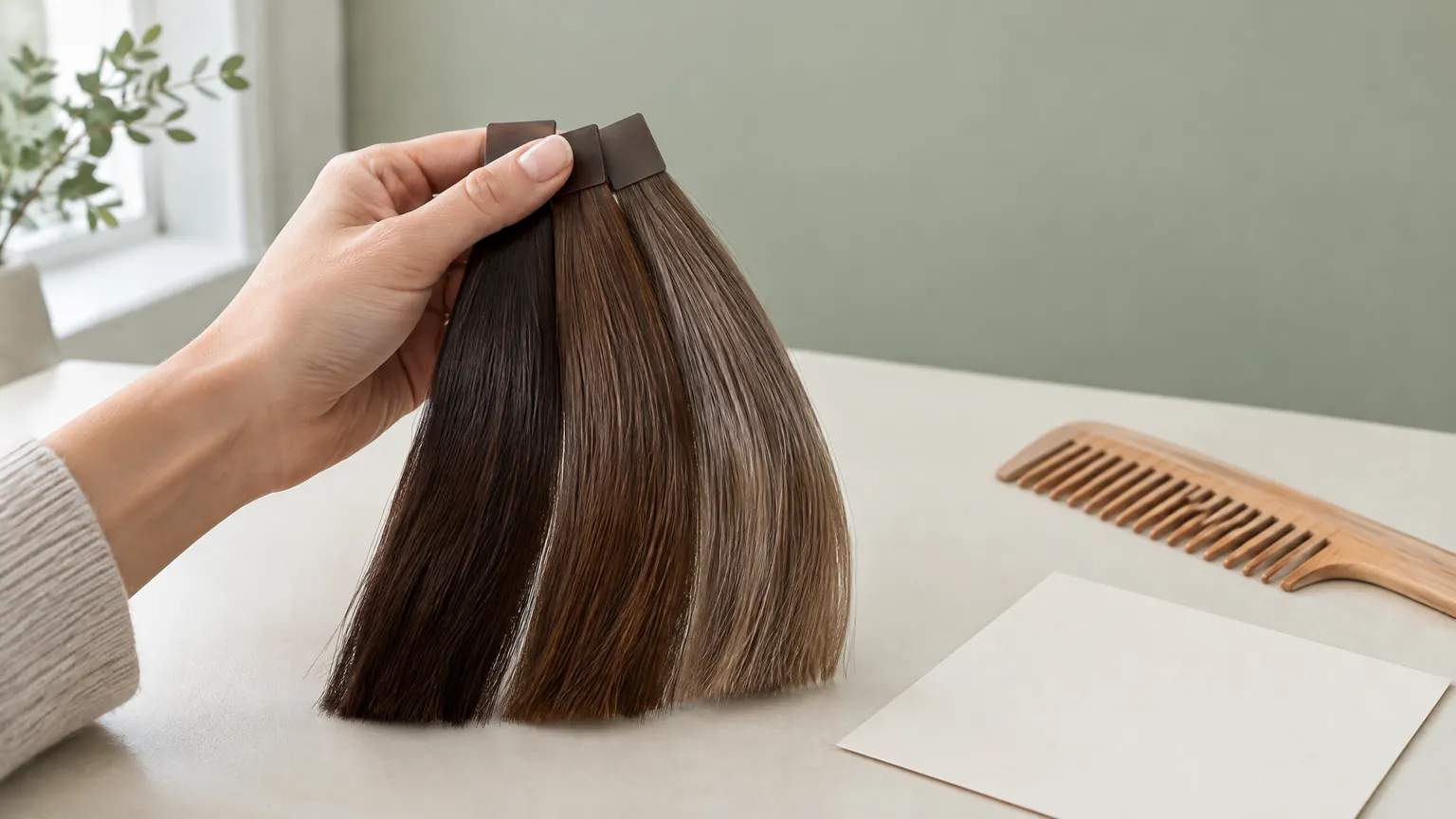
Short or long perm plans: compare movement and daily handling
This column offers salon and styling information and links to Vit So, a hair website under the same ownership. Hair services are provided by Vit So, not GotGear.
The short answer
Choose a short or long perm plan by the hair you need to manage during an ordinary day, not by curl size alone. Short sections make fringe direction and side width important; longer sections bring wave placement, collar contact and tying into the decision. Neither length guarantees easy styling or suitability for chemical processing. Start with your preferred dry outline, work requirements and treatment history, then discuss the cut and proposed movement together.
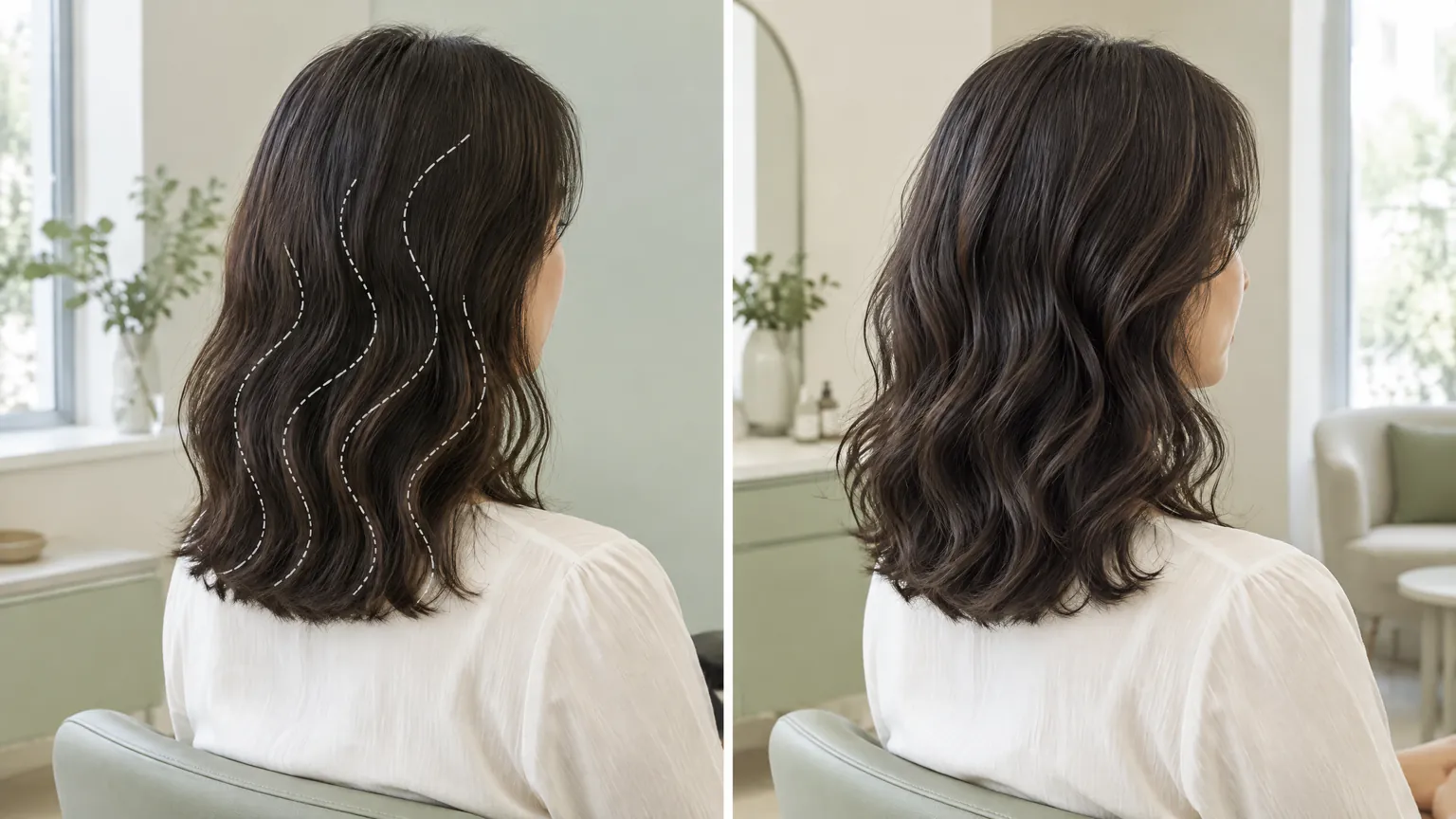
Choose the working-day shape before the curl
A short wavy top and a longer, swept-back style can both look controlled in a photograph. They ask different things of you when you put on glasses, change into a uniform or wash after an evening workout. The useful comparison is not simply short versus long. It is where the hair needs to stay, which sections you can arrange comfortably and what happens when it is worn in your normal way.
Start with two priorities that you would still care about without a reference image. Perhaps your fringe must stay clear of your eyes and your ear area should remain close. Alternatively, you may want movement through the back while preserving enough length to secure it for work. These priorities describe a wearable result. Asking for more texture does not explain them.
A perm is also a chemical decision, not just a haircut accessory. The American Academy of Dermatology warns that appearance-enhancing treatments can leave hair dry and brittle and recommends caution when perming.1 Choosing a subtle-looking wave does not establish that the treatment is suitable for your existing hair.
Short hair: judge the fringe, sides and crown separately
On a short cut, a bend near the end of a strand can noticeably change where that section rests. A fringe may turn away from the forehead, while movement beside the ears may create width you did not want. Examine the top, fringe, sides and nape independently before agreeing that the whole outline needs more movement.
The shortest retained sections matter as much as the longest piece on top. A reference with several visible bends along a long fringe may not translate into the same pattern after a close crop. Ask which sections have enough workable length for the proposed design after cutting. There is no useful single minimum to apply without knowing the intended shape and method.
Vit So, which shares ownership with GotGear, publishes a guide to perm for short hair that considers the shortest layers and dry outline. Its bob examples are useful for identifying length and width questions, but they are not a ready-made design for a cropped men's cut. Bring those questions back to your own fringe and ear area.
A longer top is not the same as a longer whole haircut
If you keep the sides close while growing the top, describe that combination explicitly. Movement through the retained top does not automatically mean that the sides or nape need chemical work. Ask how the intended bend will sit beside shorter, unchanged sections, particularly around your usual parting.
Think about future trims too. If keeping the same close outline means regularly shortening the top, discuss how those cuts would affect the treated lengths. Do not assume each haircut requires another perm. A styling adjustment or a revised cut may be a more appropriate subject for the next consultation.
Longer hair: place the movement and protect usable length
With longer hair, identify where the first visible bend should begin. Movement near the face makes a different outline from movement concentrated below the shoulders. A broad wave low down also does not necessarily answer a request for a fuller crown. Mark the area where you want change and the area you would prefer to look quieter.
Visible length and strand length are different considerations. Curving hair can make the ends appear higher even without removing the same amount through cutting. Rather than requesting no shortening at all, explain the dry position you need: below a particular collar edge, long enough to gather comfortably, or clear of the face when secured. Any planned trim belongs in that conversation.
Vit So's perm for long hair guide is a contextual resource for comparing wave placement with retained length. Use it to prepare a specific question about your lower outline, not to assume that a long-haired reference will have the same fullness or movement on your own hair.
Layers can change which pieces still reach the tie
Adding layers preserves some long hair while shortening other sections. That distinction matters if your work requires every front piece to be secured. A style that looks appealing when loose may leave shorter sections outside your normal ponytail or bun. Show the tied arrangement before agreeing to new face-framing pieces.
Likewise, do not choose extensive layering solely because you expect it to create waves. Ask what the cut would change about the lower edge and whether preserving fullness there is more important to you. Cut structure, chemical suitability and finishing technique are related decisions, but they are not interchangeable solutions.
Compare the practical trade-offs side by side
Use this table to identify questions, rather than treating either column as a promise. A longer top with cropped sides may combine issues from both columns. Your density, existing cut and proposed treatment still need individual assessment.
| Practical question | Shorter retained hair | Longer retained hair | What to settle before proceeding |
|---|---|---|---|
| Where should movement be visible? | Fringe direction and top separation may dominate the outline. | The first bend and lower wave placement become more noticeable. | Name the sections you want to change and those you want to leave quieter. |
| Which length must remain usable? | A short fringe or ear-level piece may not tuck away. | Front layers may stop reaching the usual tie. | Demonstrate the arrangement you actually need for work. |
| Where can extra width become awkward? | Movement beside glasses or ears may alter a compact shape. | Side and lower fullness may meet shoulders or clothing. | Compare front, side and back views in normal clothing. |
| What needs morning attention? | The fringe and parting may need local arranging. | Back sections, tangles and tied styles need consideration. | Ask for a routine using tools you own. |
| How do future cuts affect the plan? | A top trim may remove part of the treated length. | Layer changes can alter the wave outline while retaining the perimeter. | Discuss the next haircut without assuming more chemical work. |
Neither column is inherently low-maintenance. A short finish that depends on precise fringe placement can require more attention than expected. Long hair that is usually secured loosely may be straightforward to arrange, but its washing, detangling and drying needs still belong in the decision.
Test the outline against your actual uniform collar
A collar is a physical boundary, not just a styling preference. Before a consultation, wear the shirt or jacket shape you use most often and look at the hair with your head upright. Then turn naturally and check the back. Notice whether the ends rest on the collar, sit above it or fall beyond it. Do not pull the hair straight to make it appear longer for the photograph.
For shorter hair, the main question may be whether the nape remains clear and whether the front stays out of the eyes. For longer hair, consider whether a secure arrangement is necessary and which pieces escape it. Check your actual workplace requirements rather than assuming that all uniforms call for the same hairstyle. A perm does not replace required hair restraint.
Hypothetical example: a shop supervisor wears a high-collared shirt and needs hair kept clear of the face on shift. They like a shoulder-length wavy reference but currently rely on a low tie. Their consultation should first establish whether the shortest proposed layers would still reach that tie. If not, keeping longer front sections or revising the outline may matter more than matching the reference's wave placement.
Compare the loose and secured versions as two intended ways of wearing the same haircut. If the loose version is only for days off, say so. This gives the design discussion a practical order: workplace arrangement first, preferred loose shape second. Safety headwear must still be worn correctly; do not change its fit to protect a hairstyle.
Map chemical history along the hair you will keep
Do not describe your hair as untreated simply because the roots look natural. List previous colour, bleach, straightening and perming, including home products, and explain where those treatments remain. Longer hair may retain older processed sections; short hair can also retain treated ends. Length alone cannot establish the current condition.
Give approximate dates when exact ones are unavailable. Describe observations such as repeated snapping, unusually difficult detangling or scalp discomfort without trying to diagnose the cause. If a previous product caused a reaction, identify the product or service as accurately as you can. FDA guidance specifically warns that dyes and relaxers can harm the skin, hair and eyes and advises stopping use and contacting a healthcare provider after a bad reaction.3 That advice is relevant to reporting your history; it does not prove compatibility with a curl perm.
If you also want a colour change, raise it before scheduling either service. The AAD recommends reducing combined chemical services as part of damage prevention.2 A general interval from an online guide is not clearance for your particular hair, and a conditioning step is not evidence that further processing becomes suitable. Be prepared to revise or postpone the chemical plan.
During perm processing, report excessive stinging or burning immediately rather than enduring it for stronger movement. The AAD advises immediate rinsing of the solution and consultation with a dermatologist in that situation.1 Persistent irritation, pain or sudden marked hair loss also warrants assessment by a qualified healthcare professional, not a styling diagnosis.
Build a home routine you can actually repeat
Explain how you normally wash, dry and arrange your hair before choosing the finish. If you use only your hands and a dryer, ask for a demonstration with those tools. If you normally air-dry, ask what the proposed shape would require afterwards. A polished salon finish is not enough information about the work you would need to repeat at home.
General handling advice from the AAD includes conditioner after shampoo, absorbing water with a towel rather than rubbing, and the lowest heat setting when heat is used. Its guidance also recommends gentle wide-tooth combing while textured hair is damp and loosely pulled-back styles rather than tight pulling.2 These are damage-reduction habits, not instructions for creating a particular wave. Get treatment-specific guidance for the first wash, tying and ongoing styling.
For short hair, watch the fringe placement and how the sides are arranged. For longer hair, pay attention to back sections and how to remove tangles without tugging. Describe any routine you will not maintain, including repeated hot-tool styling. It is better to adjust the desired finish than to agree to a look whose daily preparation you already know you will avoid.
Before arranging a service, the men's perm page provides a place to check the stated scope and prepare questions about coverage. Confirm the intended cut, treated areas, included work, actual total and complete appointment allowance directly. Neither a short length nor a style label establishes the relevant service or an available appointment.
Bring a decision checklist, not only inspiration photos
Use the following checklist to make the consultation specific. It should show both what you want and what you need to preserve.
- Photograph current dry hair from the front, side and back, including the usual parting and shortest pieces.
- Show your work collar and any required tied arrangement; identify sections that must stay clear of the face.
- Mark the preferred movement area and the minimum acceptable dry outline using visible landmarks.
- List previous chemical treatments, approximate dates, treated zones and any reactions or breakage you have noticed.
- Describe your washing habits, drying tools and the morning arranging you are willing to do.
- Agree on the cut, proposed coverage, treatment-specific care and an alternative if chemical processing is unsuitable.
When comparing two possible plans, ask what each preserves as well as what each changes. You may decide that a compact fringe matters more than obvious waves, or that secure tying matters more than shorter layers. The useful plan is the one with clear priorities and an achievable routine, with suitability assessed before chemical work begins.

Common questions
Is a shorter perm plan easier to manage before a uniformed shift?
Not automatically. Short hair avoids some tying decisions, but the fringe and side outline may still need arranging. Compare the dry shape with your collar, glasses and workplace requirements. Ask for a routine using your normal tools rather than assuming a shorter cut needs no styling.
Can I keep enough length to tie back while adding waves?
Make tying a priority in the consultation, especially for the shortest front pieces. Curved hair can appear shorter, and new layers shorten particular sections even when the longest edge stays. Show your usual secured arrangement and ask what cut and movement plan can reasonably preserve it.
Does a long top with cropped sides require full-head treatment?
The haircut label alone does not determine coverage. Identify whether the desired change concerns the fringe, top or broader outline, then discuss how movement would meet the shorter sections. Confirm the assessed treatment area and included work rather than assuming either local or full-head processing is appropriate.
What should I disclose if my old bleach is now covered by darker colour?
Report both the earlier bleach and later colour, with approximate dates and the sections that remain. A darker appearance does not erase the processing history of those strands. Mention breakage or past reactions too, and allow the assessment to change or postpone the proposed perm plan.
Sources & what they support
The scope below identifies the information supported by each reference; a citation is not an endorsement of a salon or a guarantee of results.
- Coloring and perming tips for healthier-looking hair (opens in a new tab)
Supports possible dryness and brittleness from cosmetic treatments, caution when perming, and immediate rinsing with dermatology consultation for excessive stinging or burning during processing.
- How to stop damaging your hair (opens in a new tab)
Supports conditioning after shampoo, gentle towel absorption, low-heat styling, wide-tooth combing of damp textured hair, avoiding tight pulling and reducing combined chemical services.
- Hair Dye and Hair Relaxers (opens in a new tab)
Supports the stated risks of dyes and relaxers and advice to stop product use and contact a healthcare provider after a bad reaction; cited only for chemical-treatment history, not perm compatibility.