
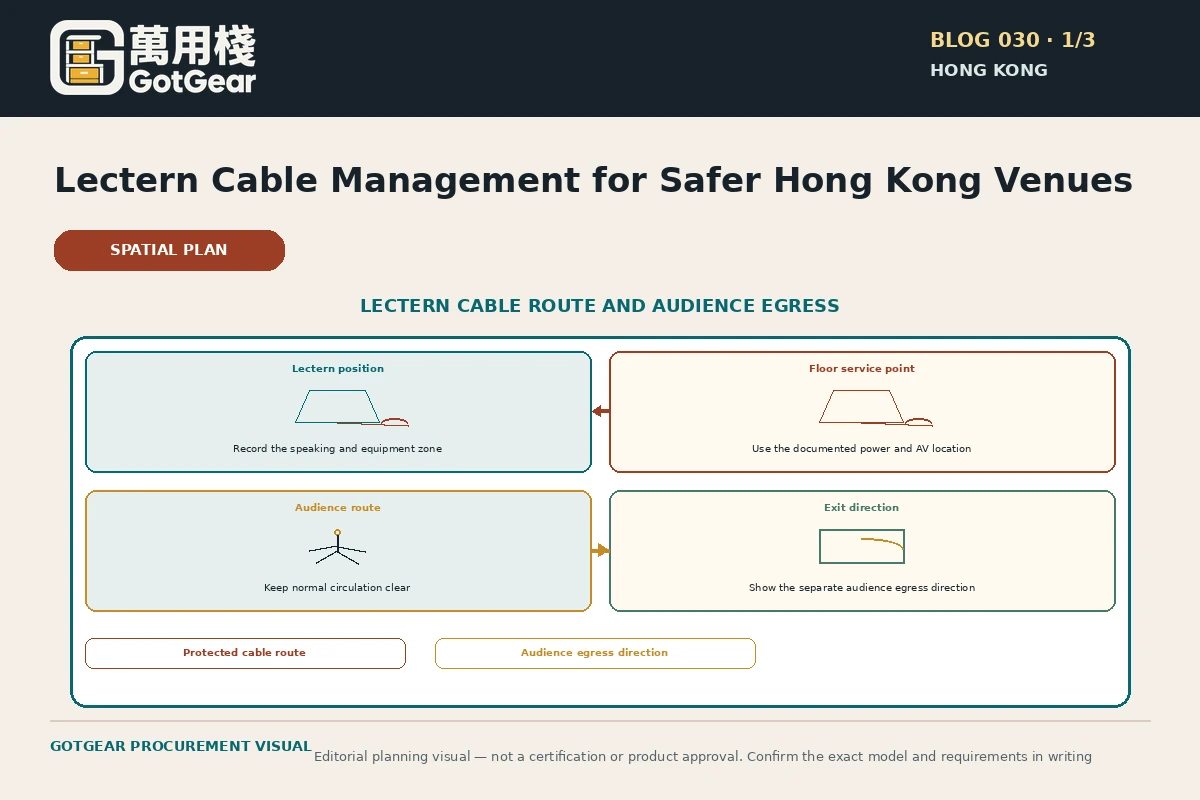
Decide on a lectern setup by starting with the use pattern: if speakers move and rooms change frequently, a mobile lectern with integrated cable channels is best; if AV equipment is long-term and traffic must be minimal, a fixed lectern with concealed wiring is safest; where building floor-boxes exist, place the lectern adjacent and route cables into a protected channel. Always risk-assess routes, secure or cover any runs that cross walkways, avoid narrowing escape paths and perform visual checks before events.
What to remember before you decide
- Decide the lectern type by matching speaker movement, frequency of use and existing building services.
- Always plan cable routes before placing the lectern and measure approach and escape-route widths.
- Use integrated or concealed wiring where possible; temporary covers are a mitigant, not a cure.
- Follow EMSD guidance when supplying plugs, flexible cords and extension units and apply ILO safety practices for trailing cables.
- Protect accessibility and means-of-escape visibility; do not allow any setup to narrow designated routes.
- Assign clear pre-event checks and maintenance responsibility to prevent recurrence of trip hazards.
How to choose between mobile, fixed and floor-box-adjacent lecterns
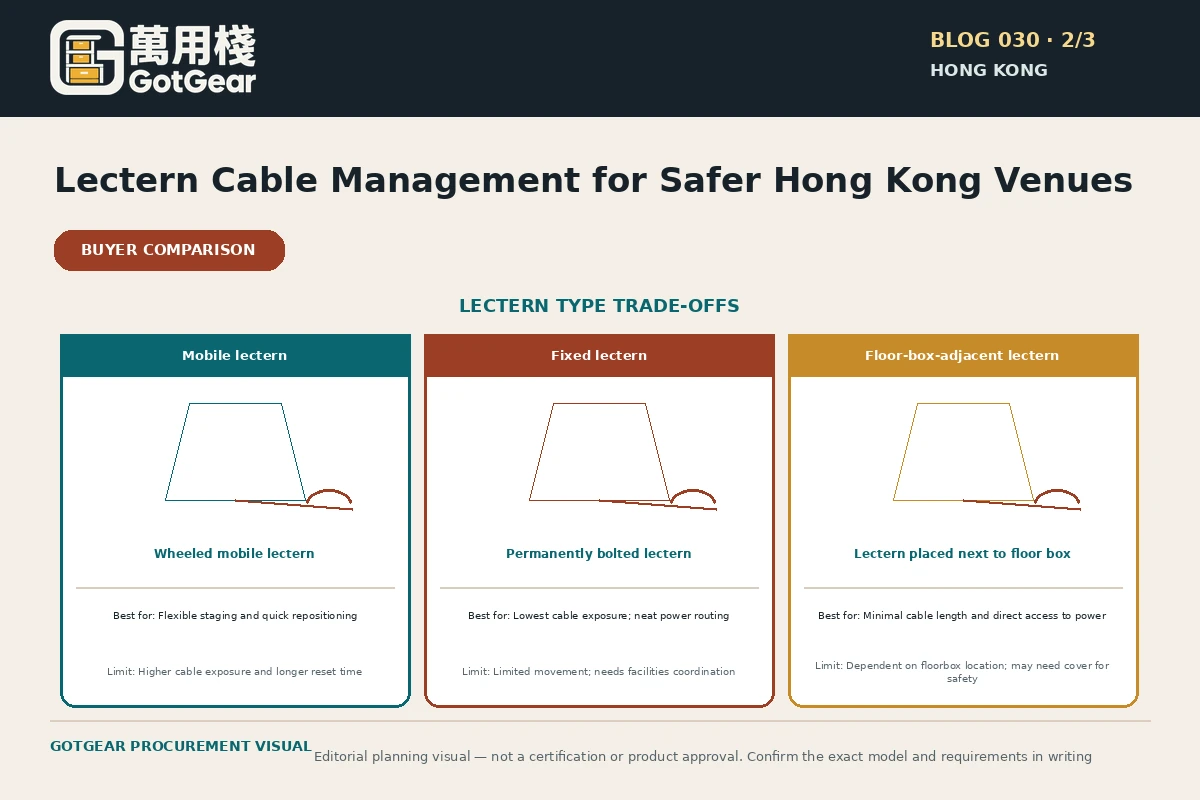
Start the decision by Begin by mapping speaker behaviour, audience flow and the nearest permanent power/AV sources. In Hong Kong venues — schools, conference centres, places of worship and corporate boardrooms — available space and expected frequency of change are the primary criteria. A mobile lectern gives flexible staging and is appropriate where rooms are reconfigured and the lectern is stored when not in use. A fixed lectern is best for venues that require consistent cabling permanence and minimal daily setup. A floor-box-adjacent layout uses building services and is attractive where documented floor service points are already provided. In Hong Kong, Buildings Department guidance stresses preserving clear escape routes; avoid any cable management approach that reduces a public corridor below designed means-of-escape widths or obscures signage. The EMSD outline on the Electrical Products (Safety) Regulation confirms that plugs, flexible cords and extension units supplied in Hong Kong are regulated as electrical products; treat those prescribed items accordingly when you specify extension leads or power strips, but do not treat that guidance as a venue wiring manual. International occupational-safety guidance (for example ILO electrical-safety guidance) recommends a risk assessment, suitable equipment and visual checks to prevent trailing cables from causing trips or falls — apply that as safety best practice in Hong Kong settings. Use these decision checks: Evaluate (1) speaker mobility and cord length needs, (2) expected AV connectivity (HDMI, XLR, network), (3) route widths for audiences and emergency egress, (4) frequency and staffing for setup, (5) accessibility requirements for wheelchair approach and operation, and (6) cleaning and maintenance access. A key limitation is that No cable cover or temporary mat can compensate for an overloaded circuit, unsuitable extension units, or a lectern placed across a required escape path. Temporary protection can reduce trip risk but not the obligation to keep exits clear nor the need for proper electrical protection and load calculation. Next, Map the lectern location on a scaled plan with measured route widths, mark nearest power/floor-box locations, list all AV connectors and lengths, and assign responsible staff for pre-event visual checks and daily testing. Where building wiring or floor-box work is required, instruct a qualified electrician or building services contractor and do not substitute consumer-grade items for installed services.
What to measure and record before specifying the layout
Essential measurements: Measure clear approach widths in the area around the lectern, from audience seating aisles to nearest exits and fire signage. Note floor transitions, thresholds and slope changes that affect cable routing. Record fixed service points (wall outlets, floor boxes) and their capacity and note any existing foot-traffic patterns used by performers or staff. Catalogue AV and power connector types and required cable lengths with service loops for movement. Verify the limits as well: Ensure that any specified extension leads or power distribution units supplied for use are listed within the EMSD scope for regulated products; do not assume a generic lead is suitable for venue-grade use. Validate that proposed cable covers do not create a secondary hazard by narrowing a route below required escape widths or creating a lip that impedes wheeled mobility. Next, Produce a single-page installation plans for procurement and facilities teams showing measured route widths, connector list, and the preferred protection method (inboard clip channels, under-floor ducts, or high-visibility cable ramp) and circulate it to AV and cleaning teams.
“Prioritise route integrity over convenience: a well-planned power and AV path is the most effective way to prevent trips, preserve accessibility and simplify cleaning.”— GotGear Editorial Team
What should buyers compare for lectern cable management Hong Kong?
| Option or approach | Best for | Trade-offs | Checks before acceptance |
|---|---|---|---|
| Mobile lectern with integrated cable channel | Flexible staging, multi-room venues and frequent reconfiguration | Requires regular cable management discipline and onsite storage; possible trip risk if channels are not used or leads are too long | On-site trial run with full cable set, measure route widths with lectern positioned, and confirm integrated channel accepts all required connector types and lengths. |
| Fixed lectern with concealed wiring | High-use installations where consistent AV setup and minimal daily handling are required | Higher initial installation time and resource requirements; less flexible if room layout changes | Inspection by facilities and AV teams with access to termination panels; confirm service panels lock and that wiring is accessible for maintenance. |
| Floor-box-adjacent lectern placement | Venues with documented floor service points and strong building management control | Dependent on existing floor-box locations; may require electricians for any modification | Confirm floor-box capacity and lid condition, test cable routing through designed access ports and ensure lids remain flush when cables are present. |
| Temporary cable ramps and covers | Short-term events where permanent work is impractical | Can hinder cleaning and wheelchair toe clearance; may wear quickly with heavy foot traffic | Select covers rated for pedestrian traffic, trial with cleaning equipment, and inspect for lip height and secure anchoring before each event. |
This framework helps buyers create comparable written enquiries. Final model specifications, availability, delivery and commercial terms must be confirmed in a formal quotation.
Event-day and recurring-use practices that reduce route and accessibility risks
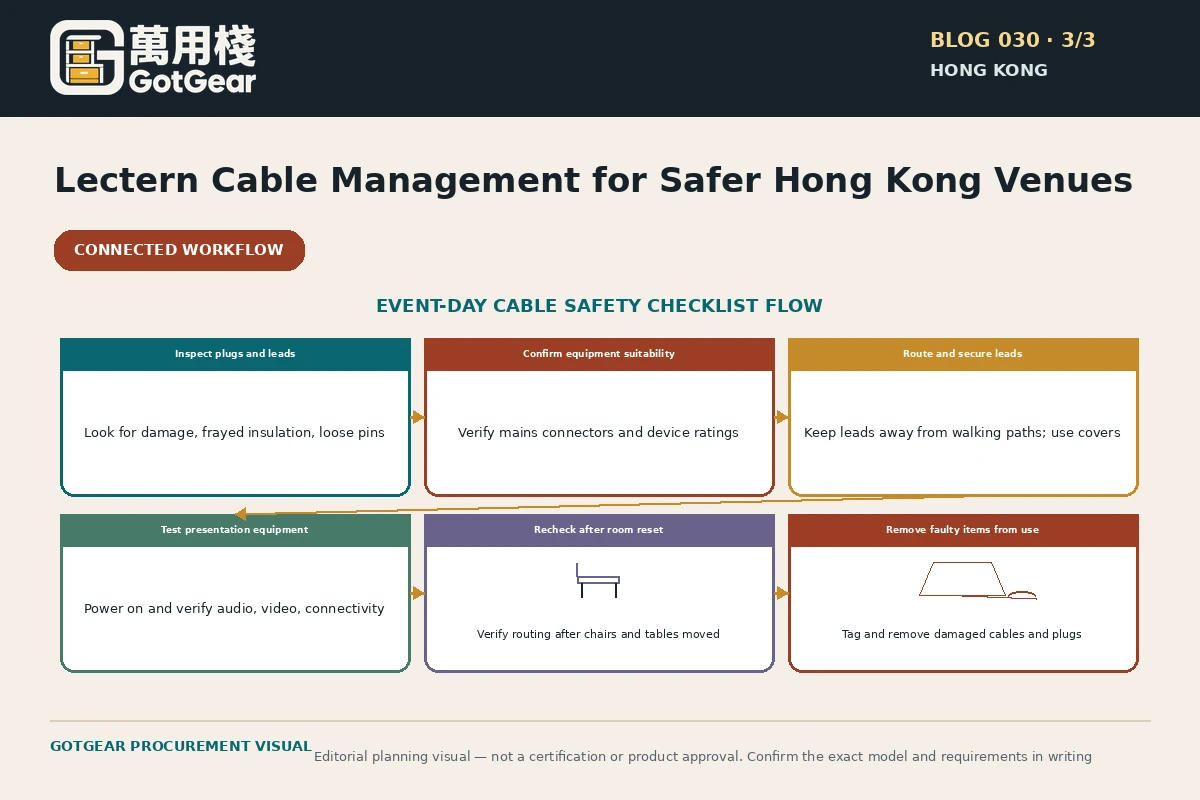
Event-day imperative: Before doors open, check every visible run, attachment and cover. For mobile lecterns confirm that integrated channels are connected to the distribution strip and that any trailing speaker microphone or instrument leads are routed to the channel, not across aisles. For fixed lecterns verify that any front access panels are secured and that concealed wiring is intact. For floor-box-adjacent setups confirm lids are closed, gaskets seated and that cables pass through the designed access port rather than across the surface. Hong Kong considerations: The Buildings Department code emphasises that means-of-escape and directional signage must remain visible; ensure that cable protection does not obscure signs or impede evacuation lines. Accessibility guidance from the Equal Opportunities Commission means you must preserve turning and approach spaces for wheelchair users and provide low-effort access to controls. A key limitation is that Regular checks and good housekeeping mitigate risk but cannot substitute for inappropriate siting — if a lectern must be placed in a primary escape path, relocate it. Next, Use the checklists below for event-day routine checks and for recurring maintenance, assign responsibility and keep a short log of checks after each event. If any damaged cable, cover or connector is found, withdraw the item from service until inspected or replaced.
Cleaning, maintenance, and limitations of temporary protection
Cleaning and maintenance criteria: Cable routes should allow standard cleaning operations without disassembly. For mobile lecterns, ensure integrated cable channels do not trap dust or liquids; design access panels for easy inspection. Fixed lecterns should have service panels that maintenance staff can open to examine terminations. Temporary covers and ramps should be removable for floor cleaning without tools or should be compatible with the venue’s cleaning equipment. A key limitation is that Temporary cable covers reduce trip risk but can accumulate moisture, obstruct vacuum heads and hinder wheelchair toe clearance if poorly specified. They are not a cure for overloaded extension units or insufficient power distribution. Next, Specify cable-protection profiles that meet tactile requirements for mobility aids, train cleaning staff on safe removal/replacement procedures, and schedule periodic inspections of concealed terminations and distribution units. If repeated temporary installation is needed for frequent events, upgrade to a fixed or floor-box solution instead of relying on coverings.
Lectern cable management Hong Kong decision checklist
- Map lectern location and measure clear approach and escape-route widths; confirm no reduction below required paths.
- List all AV and power connectors, required cable lengths and speaker movement radius.
- Identify nearest fixed power and floor-box locations and record their condition and capacity.
- Decide whether frequency of use demands fixed wiring or if mobile/flexible options suffice.
- Verify extension leads, power strips and plugs are within EMSD-regulated product types when supplied.
- Confirm cable protection will not obscure exit signs, directional signage or reduce perceptible information.
- Assess wheelchair approach, toe clearance and low-effort operability per accessibility guidance.
- Plan cleaning access so covers or channels do not impede routine maintenance.
- Assign responsible staff for event-day visual checks and logging issues.
- Schedule periodic inspections of concealed terminations and distribution units by qualified personnel.
Practical action sequence
- Produce a one-page site plans showing lectern position, measured route widths and nearest service points.
- Select the lectern setup (mobile, fixed or floor-box-adjacent) based on use pattern and recordings.
- Specify cable-protection types and confirm they meet tactile and clearance requirements for mobility aids.
- Run a full rehearsal with intended cables and speaker movement to validate routing and protection.
- Train AV and cleaning staff on installation, removal and inspection procedures and assign check responsibilities.
- Keep a short event log noting any damaged cables, covers or obstructions and remove defective items from service.
- When permanent work is required, instruct a qualified electrician and record any changes to the site plans.
- Review the layout annually or after any change in room configuration or audience size.
Apply the checks to your Hong Kong site
Hong Kong's mix of older buildings and modern venues means permanent services, floor penetrations and escape-route constraints vary by site. Use Buildings Department guidance on means of escape to ensure cable routing preserves exit widths, and follow EMSD guidance when selecting plugs and flexible cords supplied locally. Treat ILO risk-assessment and trailing-cable prevention recommendations as best-practice safety measures rather than statutory local law. Where accessibility is required, apply Equal Opportunities Commission principles for approach spaces and perceptible information around presentation furniture. When planning lectern cable management Hong Kong, map fixed services, audience paths and speaker movement before choosing a mobile lectern, fixed lectern or floor-box-adjacent setup. Comparing options for podium cable management Hong Kong clarifies trade-offs in route protection, cleaning access and recurring-use checks. Record the chosen presentation lectern power layout Hong Kong on circuit and cable diagrams attached to the event-day checklist. Operational takeaway: measure and photograph exit widths, trace all service routes, and add a site-specific cable-routing diagram to the venue safety pack before first use.
References used for this article
These sources provide regulatory, safety or planning context. They do not certify any GotGear product or replace site-specific professional advice.
- Electrical and Mechanical Services Department — Outline of Electrical Products (Safety) Regulation — Hong Kong official source on the Regulation’s scope for household electrical products supplied locally, safety compliance and prescribed plugs/extension units; scope limits will be stated.
- International Labour Organization — Electrical Safety — Recognised occupational-safety guidance on risk assessment, equipment checks and avoiding trailing cables that can cause trips or falls.
- Buildings Department — Code of Practice for Fire Safety in Buildings 2011 (2024 revision) — Hong Kong means-of-escape context for preserving clear exit routes and appropriate directional/exit signs.
- Buildings Department — Design Manual: Barrier Free Access 2008 (2025 Edition) — Hong Kong Buildings Department design guidance for barrier-free access routes, approach space and usable facilities; apply it to the site rather than treat it as product approval.
Questions about lectern cable management Hong Kong
Where should power and AV leads run?
Power and AV leads should run on the shortest practical route from their source to the equipment while avoiding public aisles and exit paths. Prefer concealed routes: fixed lectern trunking, underfloor ducts to floor boxes, or integrated channels in mobile lecterns. If crossing a path is unavoidable, use a purpose-made cable ramp that is rated for pedestrian traffic and does not reduce clear route width, and secure the ends so the cover cannot lift. Treat any extension leads and power strips as electrical products under EMSD guidance when supplied in Hong Kong, and ensure connectors are suitable for the load.
What should be checked before each event?
Before each event perform a visual inspection of all visible cables, connectors and cable covers. Confirm that integrated channels are closed, floor-box lids are seated, and no cables lie loose in aisles. Test microphones and powered equipment for operation and listen for hums or overheating. Verify that evacuation signage remains visible and that wheelchair approach spaces are unobstructed. Note that ILO occupational-safety guidance recommends risk assessments and visual checks as routine safety practice; keep a short log of checks and any remedial work.
When does a mobile lectern create a route risk?
A mobile lectern creates a route risk when its placement or trailing cables reduce a public walkway or escape route below required widths, when integrated channels are not used and leads trail across aisles, or when frequent repositioning leaves temporary runs unattended. Risk also increases if the lectern is placed near a stair, threshold or on a slope where cable covers cannot sit flat. Mitigate by positioning the lectern off primary escape lines, using integrated channels or ramps correctly, and assigning staff to manage cables during events.
Can cable covers replace proper wiring or floor-box access?
No. Cable covers are a temporary protection method to reduce trip risk; they do not replace the benefits of properly installed wiring or floor-box access. Covers can obstruct cleaning, affect wheelchair toe clearance and degrade under heavy traffic. Where events are frequent, invest in a fixed wiring solution or re-locate the lectern adjacent to existing floor-boxes to reduce the need for recurring temporary measures.
How do accessibility requirements affect lectern cable layout?
Accessibility requires that approach and working spaces for wheelchair users remain unobstructed, that controls are reachable with low physical effort and that routes provide adequate toe and knee clearance. Specify cable-protection with low-profile ramps and ensure connectors and panels are located within reach ranges. Consult the Equal Opportunities Commission guidance for universal-design principles and test layouts with a wheelchair user or accessibility representative before finalising placement.
Compare available product models and specifications
These product cards are matched to this buying topic. Select a specification and quantity to send the product details to WhatsApp.
 Display & Crowd ControlProduct reference image
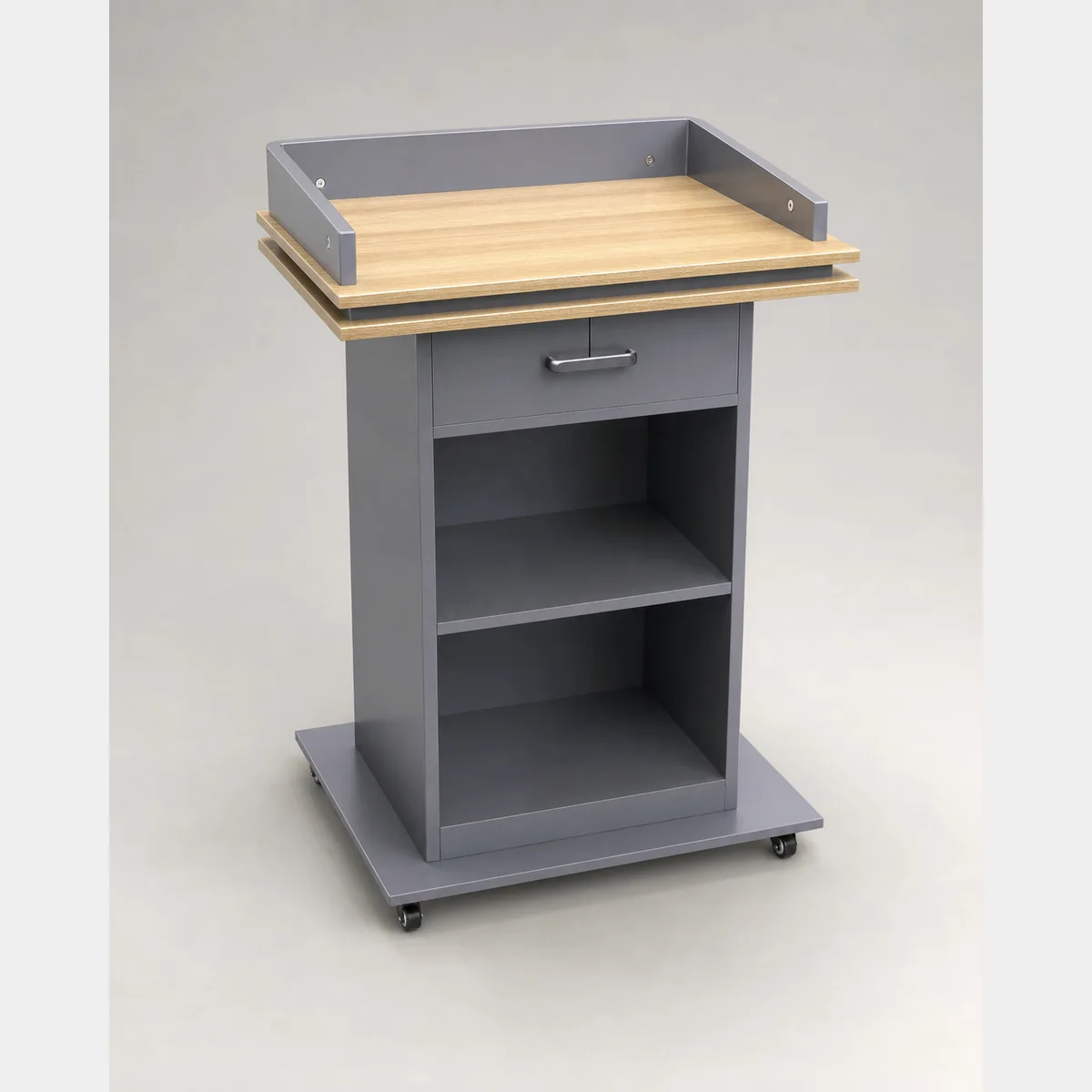
JA2001 Lectern
Lectern — Without castors: W60xH108 cm; With castors: W60xH106.5 cm. Formal quotation available upon request based on use, specifications and quantity.
- Without castors
- W60xH108 cm
- With castors
- W60xH106.5 cm
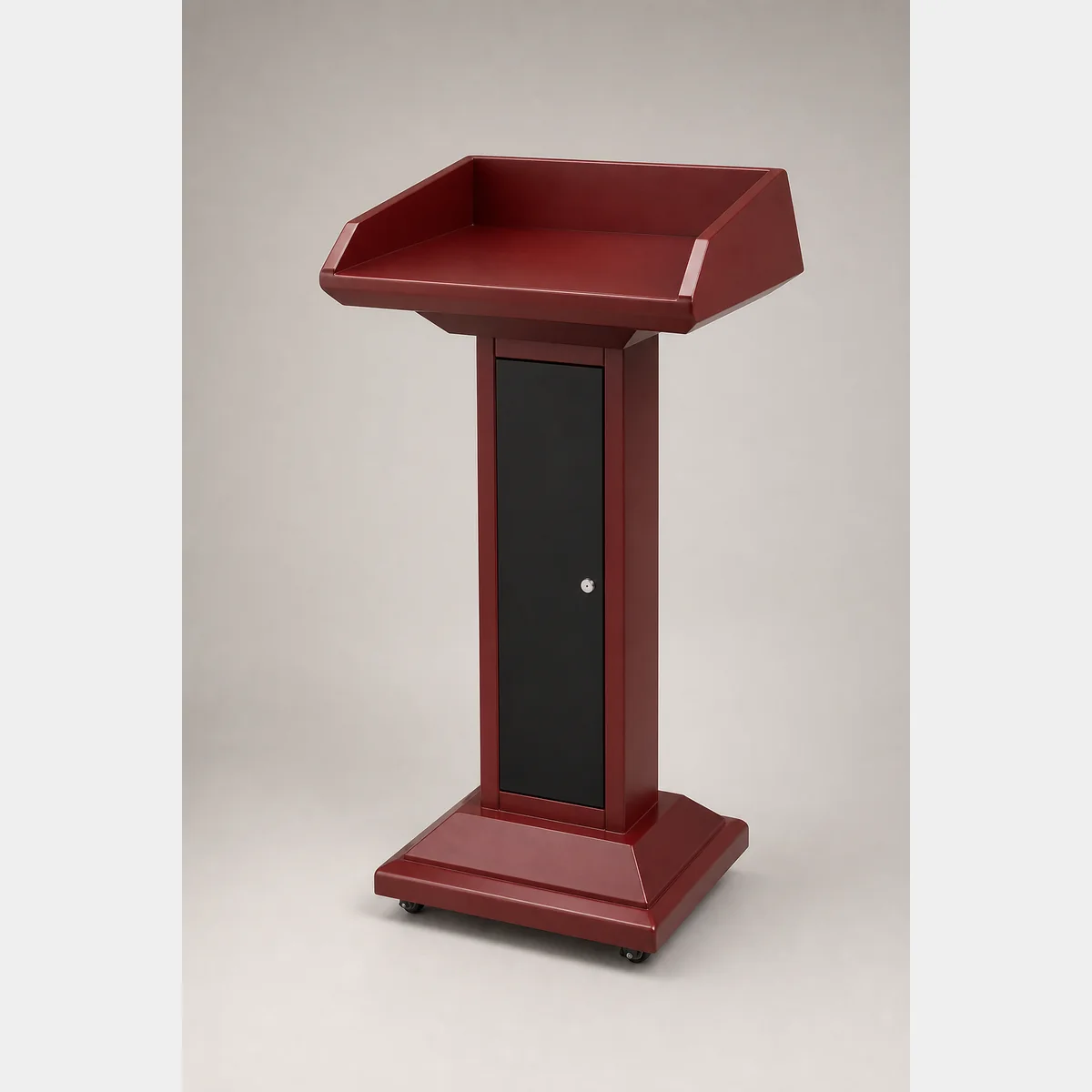 Display & Crowd ControlProduct reference image
Lectern
Lectern. Dimensions/Specification: L620xW420xH1150 mm; Suitable for: schools, churches, hospitals, restaurants, hotels, police academies, etc.; Material: steel. For a formal quotation, enquire with intended use, specifications and quantity.
- Dimensions/Specification
- L620xW420xH1150 mm
- Suitable for
- schools, churches, hospitals, restaurants, hotels, police academies, etc.
- Material
- steel
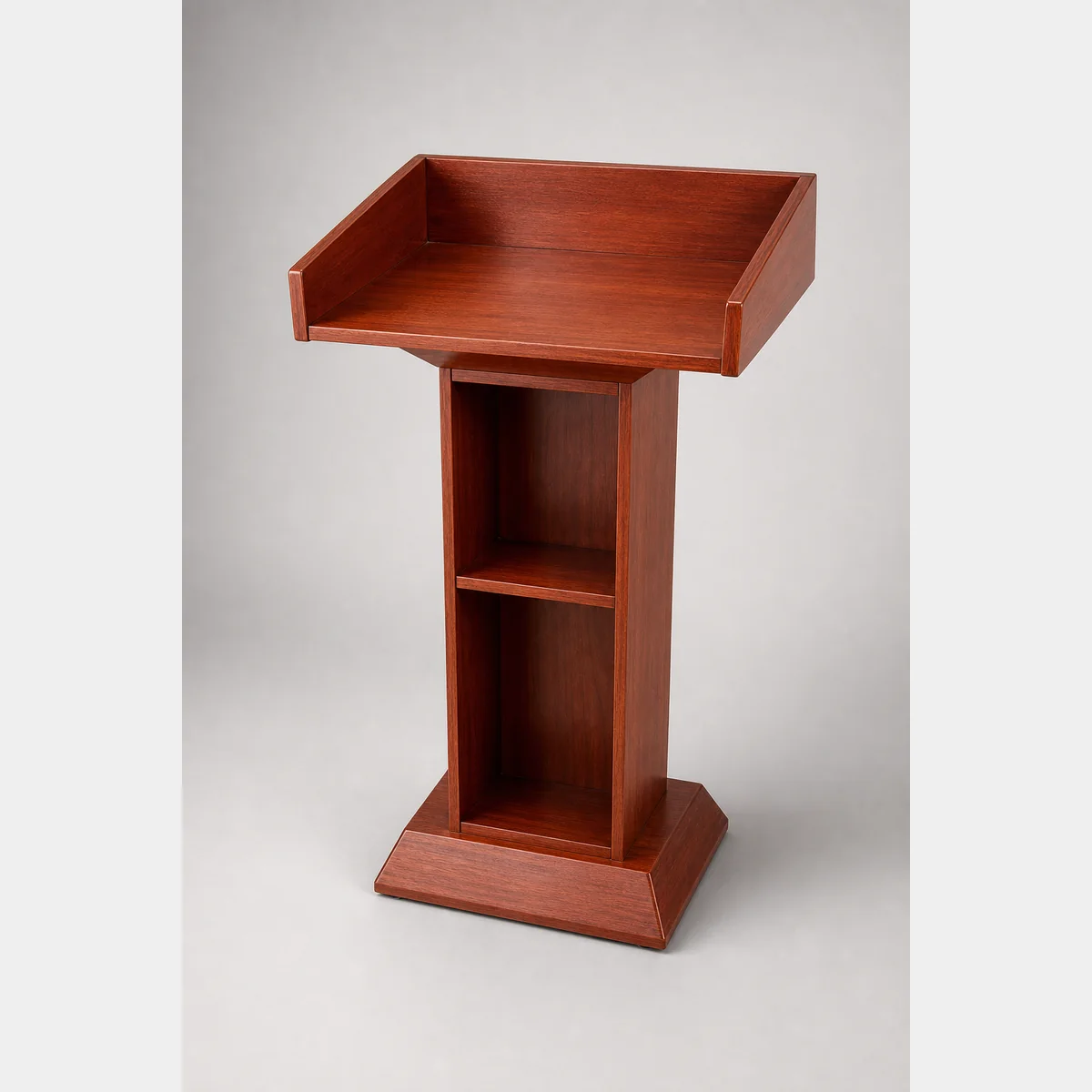 Display & Crowd ControlProduct reference image
Lectern
Lectern, Size/Spec line: L600xW440xH1130 mm/L60xW44xH112 cm. Formal quotation available based on use, specifications and quantity.
- Size/Spec line
- L600xW440xH1130 mm / L60xW44xH112 cm
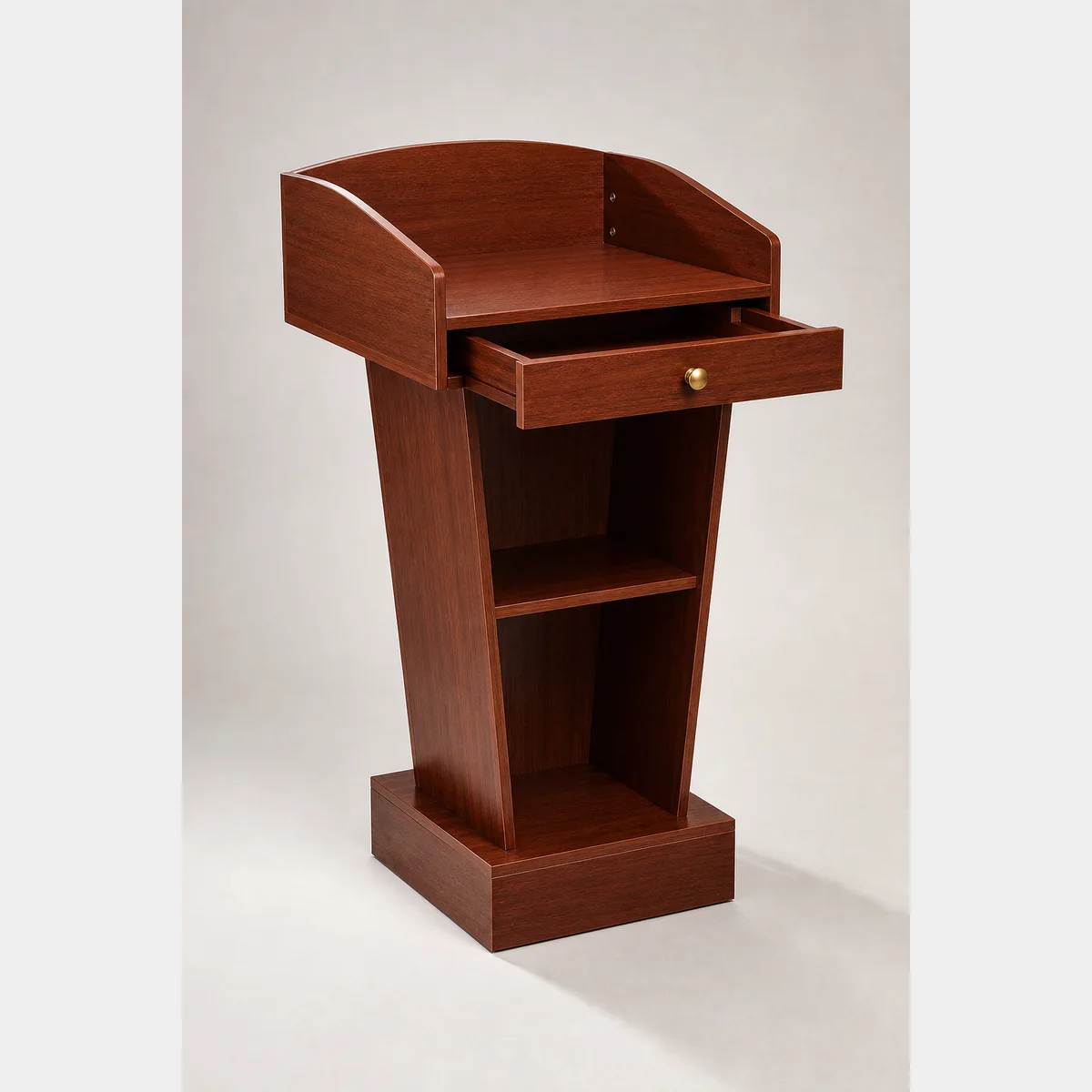 Display & Crowd ControlProduct reference image
Lectern
Lectern, dimensions/spec row: L60xW38.5xH115 cm / L60xW44xH113 cm. Request a formal quotation based on application, specifications and quantity.
- Dimensions/spec row
- L60xW38.5xH115 cm / L60xW44xH113 cm
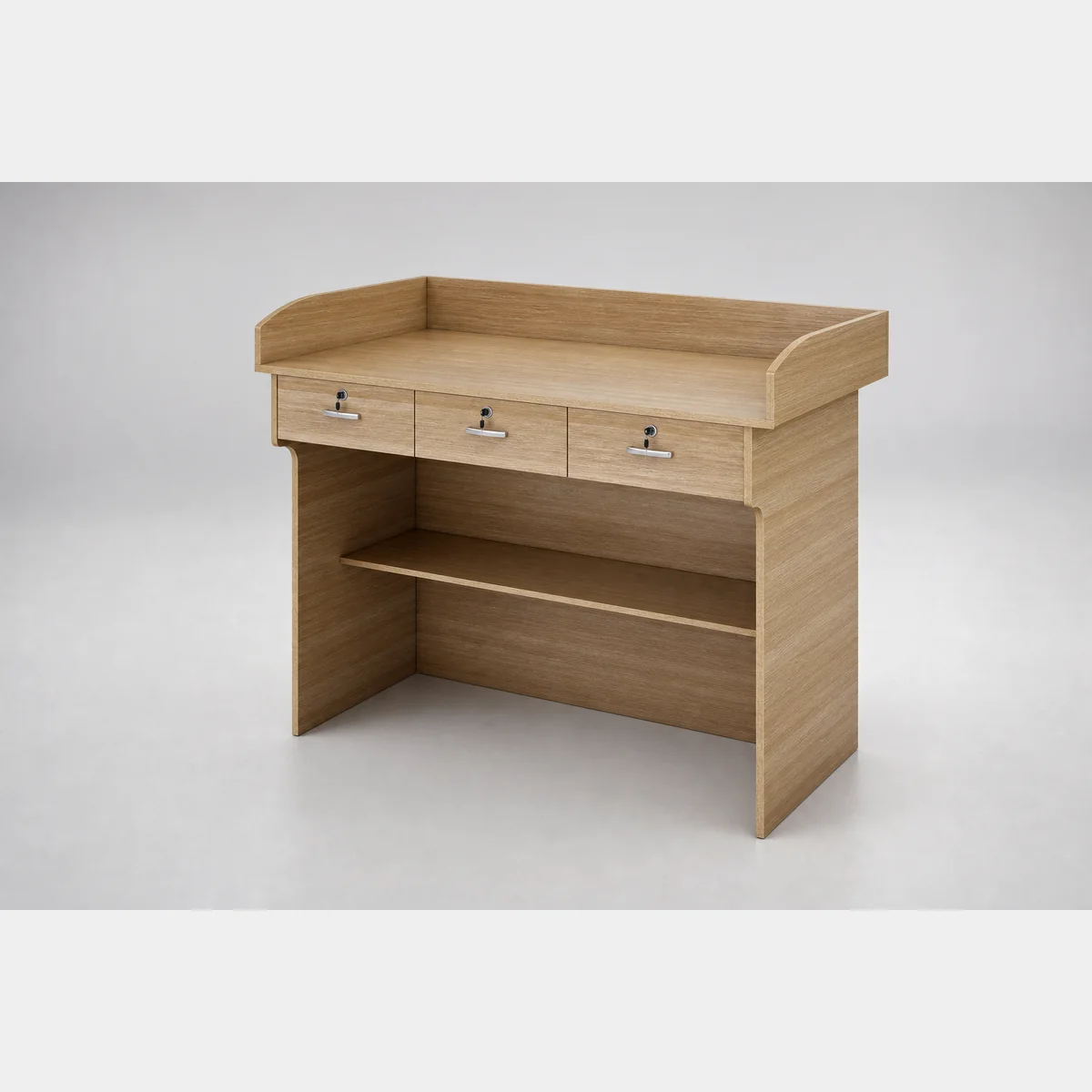 Display & Crowd ControlProduct reference image
Multi-purpose Lectern
Multi-purpose lectern, A: L80xW60xH106 cm; B: L120xW60xH106 cm; C: L150xW60xH106 cm. Formal quotation available based on use, specifications and quantity.
- A
- L80xW60xH106 cm
- B
- L120xW60xH106 cm
- C
- L150xW60xH106 cm
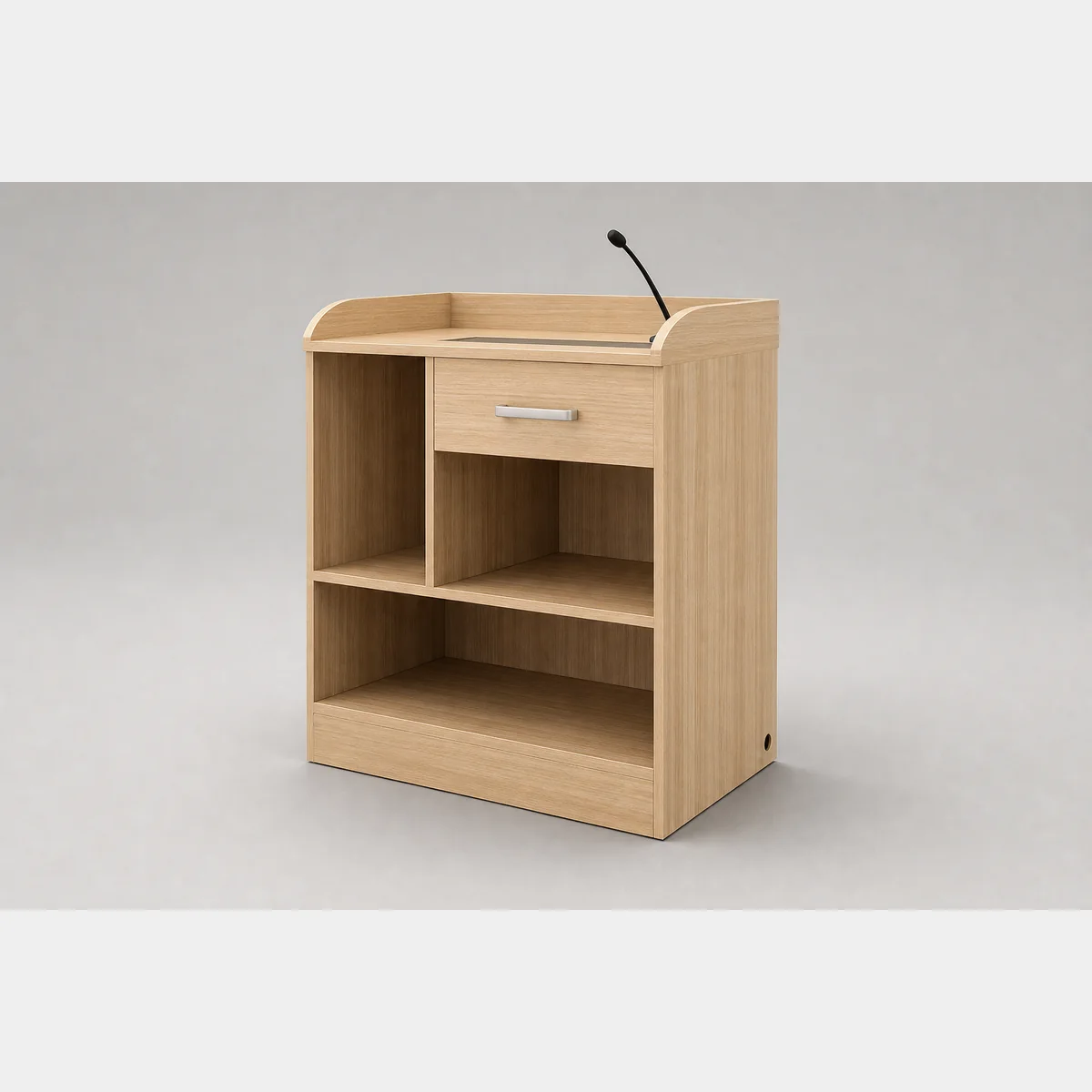 Display & Crowd ControlProduct reference image
Multi-purpose Lectern
Multi-purpose lectern. HA94002-A: L80xW40xH100 cm. HA94002-B depth requires written confirmation because source records conflict between 40 cm and 50 cm.
- HA94002-A
- L80xW40xH100 cm
- HA94002-B
- HA94002-B depth requires written confirmation because source records conflict between 40 cm and 50 cm.
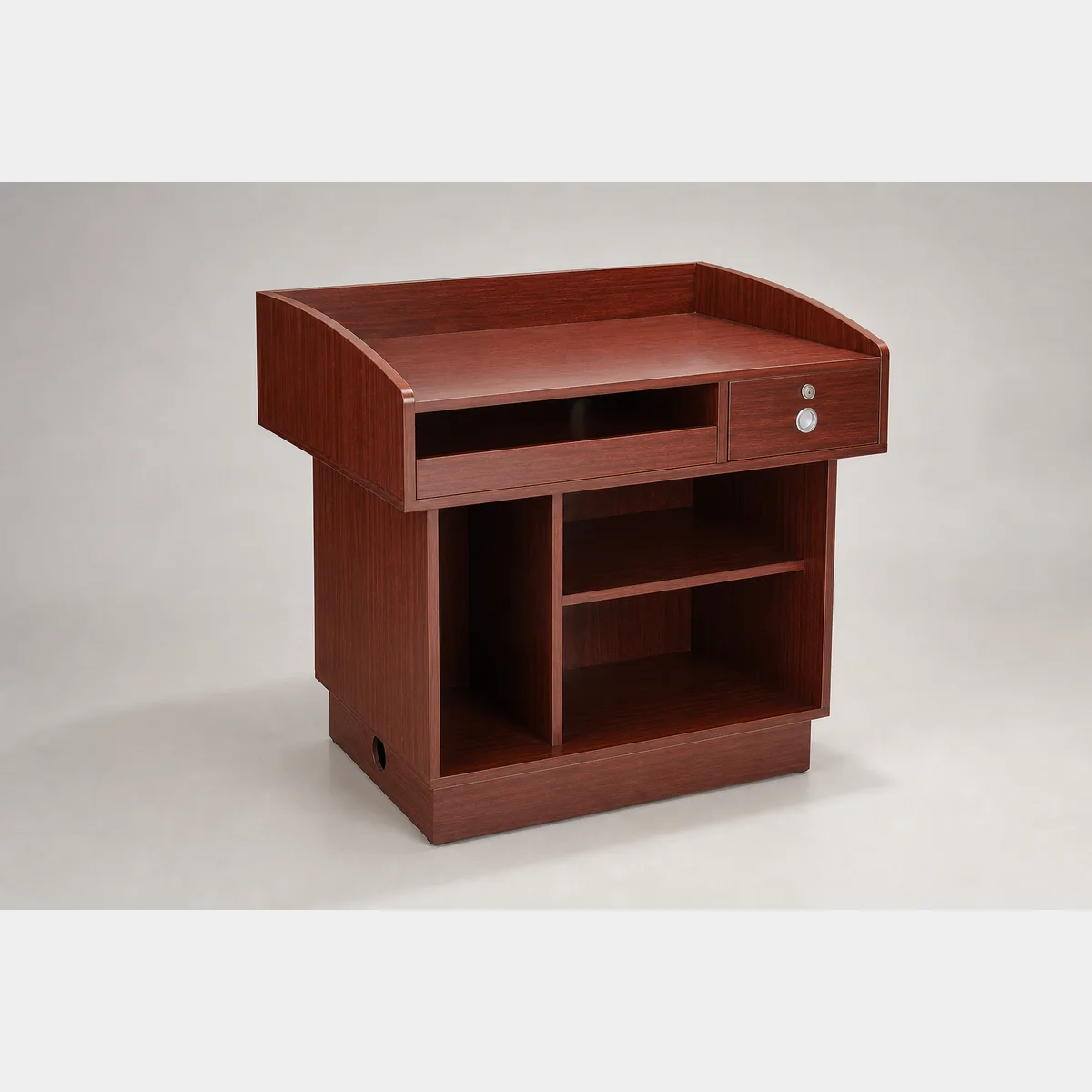 Display & Crowd ControlProduct reference image
Multipurpose Lectern
Multipurpose Lectern, dimensions/specs: L97xW68.5xH94 cm; suitable for multiple uses: schools, churches, hospitals, hotels, seminars, etc. Formal quotation available based on use, specifications and quantity.
- Dimensions/Specifications
- L97xW68.5xH94 cm
- Suitable / Uses
- schools, churches, hospitals, hotels, seminars, etc.
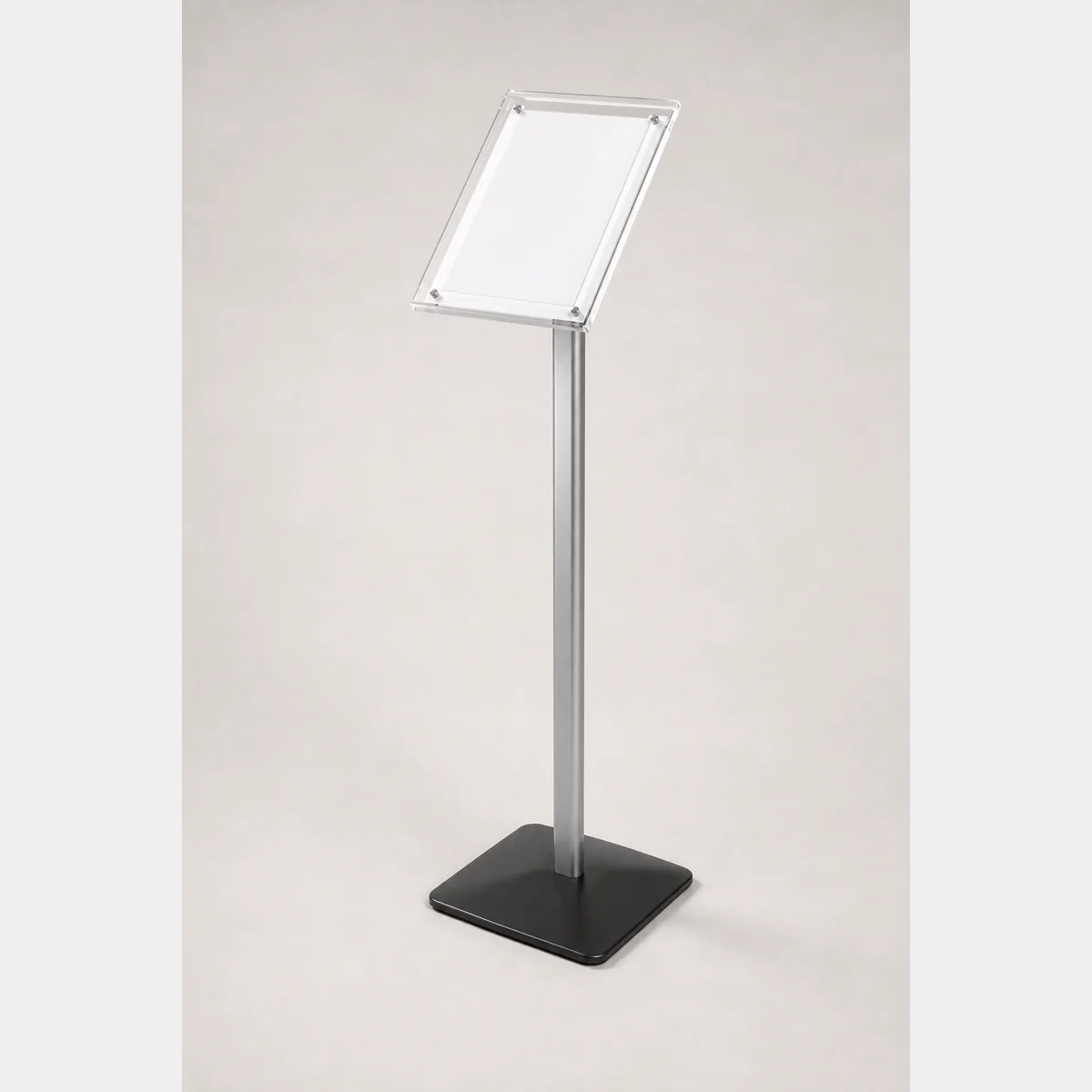 Display & Crowd ControlProduct reference image
Acrylic Sign Stand (S8726)
Acrylic sign stand. A: 345x260x overall height 1150 mm (A4); Base: 320x280 mm; Colour: black, silver pole. Formal quotation available based on use, specifications and quantity.
- A
- 345x260x overall height 1150 mm (A4)
- Base
- 320x280 mm
- Colour
- black, silver pole
Continue with closely related procurement topics
These pages share equipment, operating or decision-stage signals with this guide.
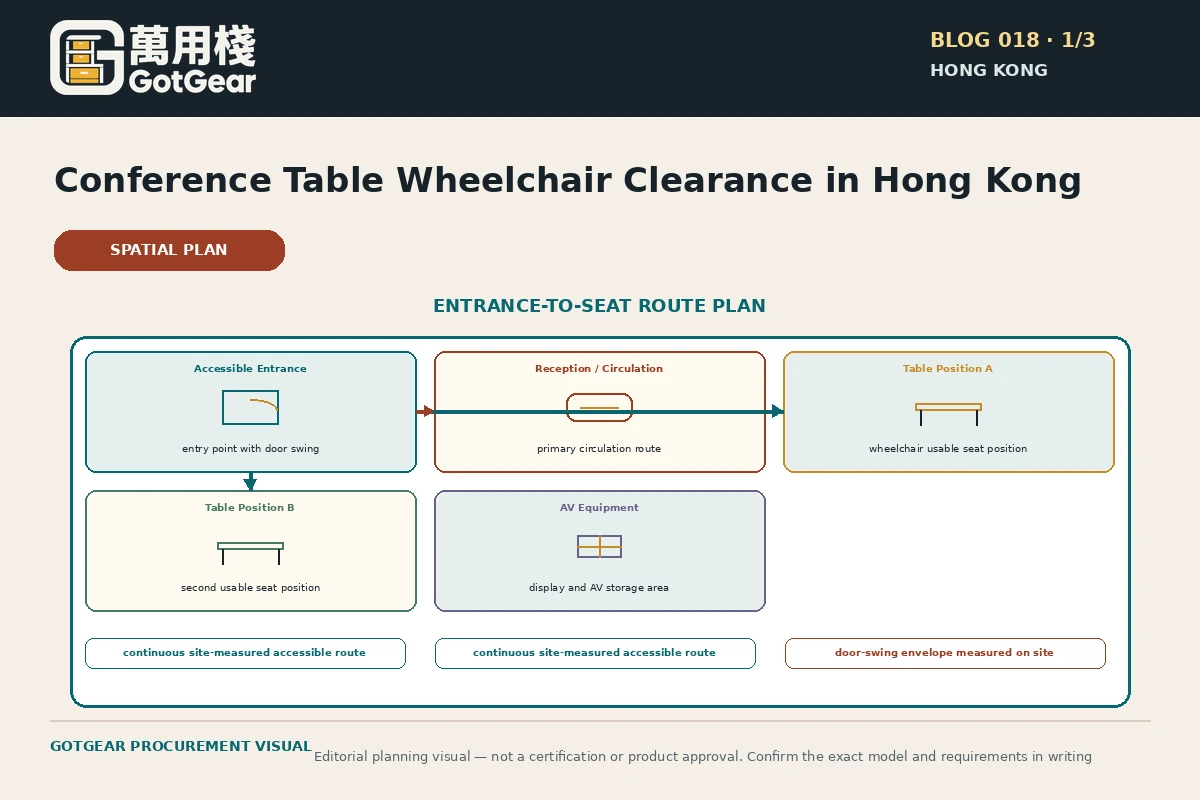
Conference table wheelchair clearance Hong Kong
GotGear explains conference table wheelchair clearance Hong Kong for Hong Kong buyers. See how accessible meeting room furniture Hong Kong supports wheelchair accessible conference table Hong Kong, with practical checks, evidence boundaries and written requirements.
Read the guide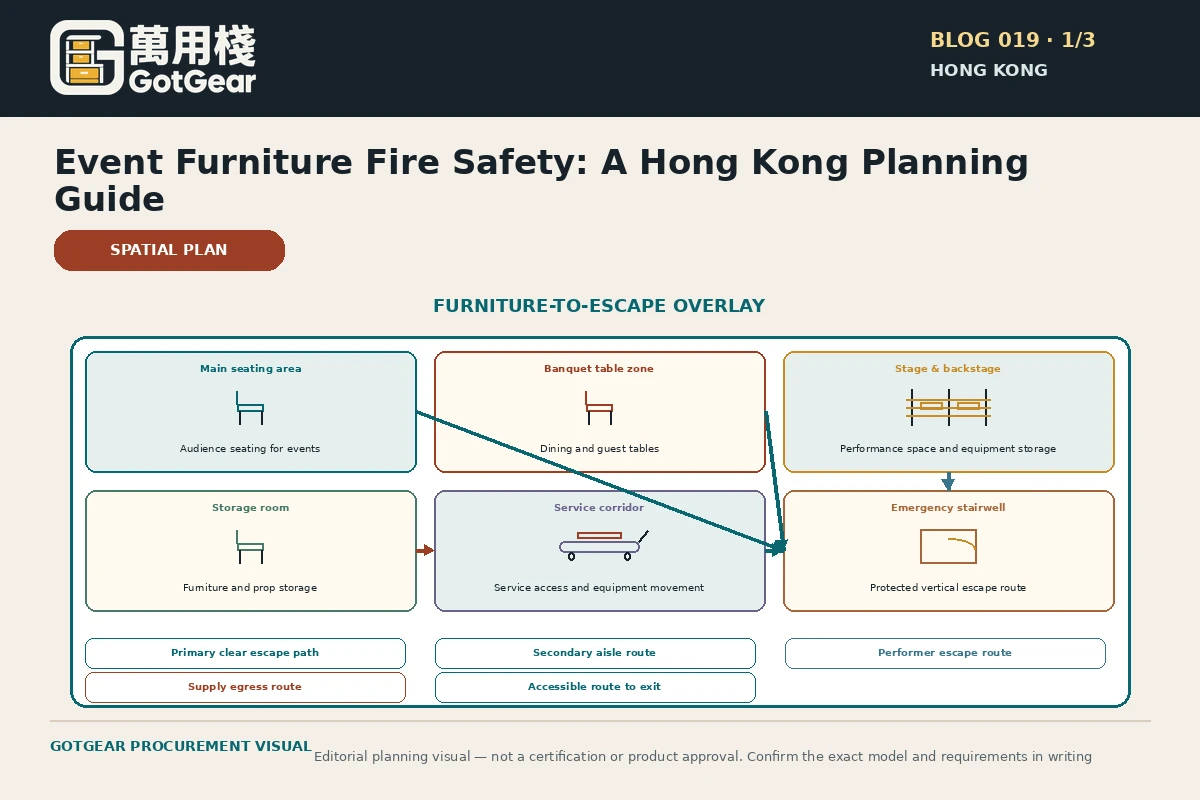
Event furniture fire safety Hong Kong
GotGear explains event furniture fire safety Hong Kong for Hong Kong buyers. See how upholstered event chair fire performance Hong Kong supports function room furniture fire risk Hong Kong, with practical checks, evidence boundaries and written requirements.
Read the guide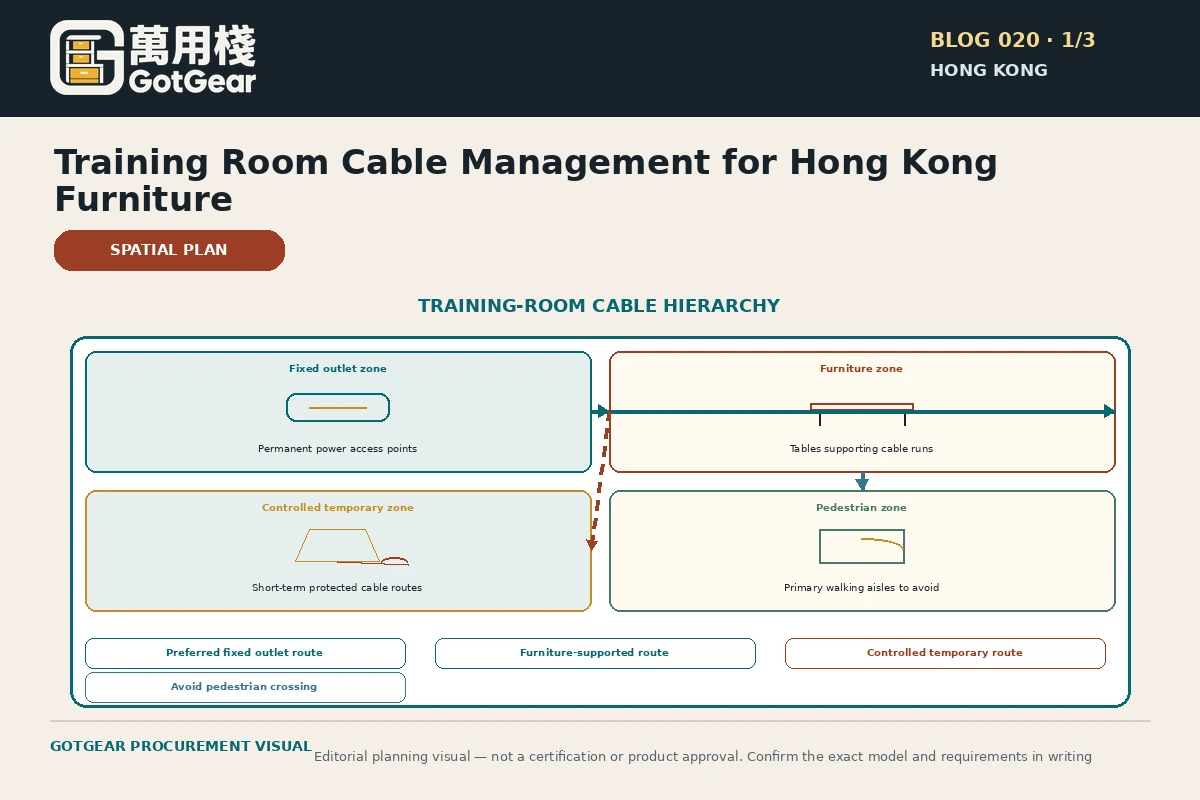
Training room cable management furniture Hong Kong
GotGear explains training room cable management furniture Hong Kong for Hong Kong buyers. See how conference table power module safety Hong Kong supports training table cable routing Hong Kong, with practical checks, evidence boundaries and written requirements.
Read the guide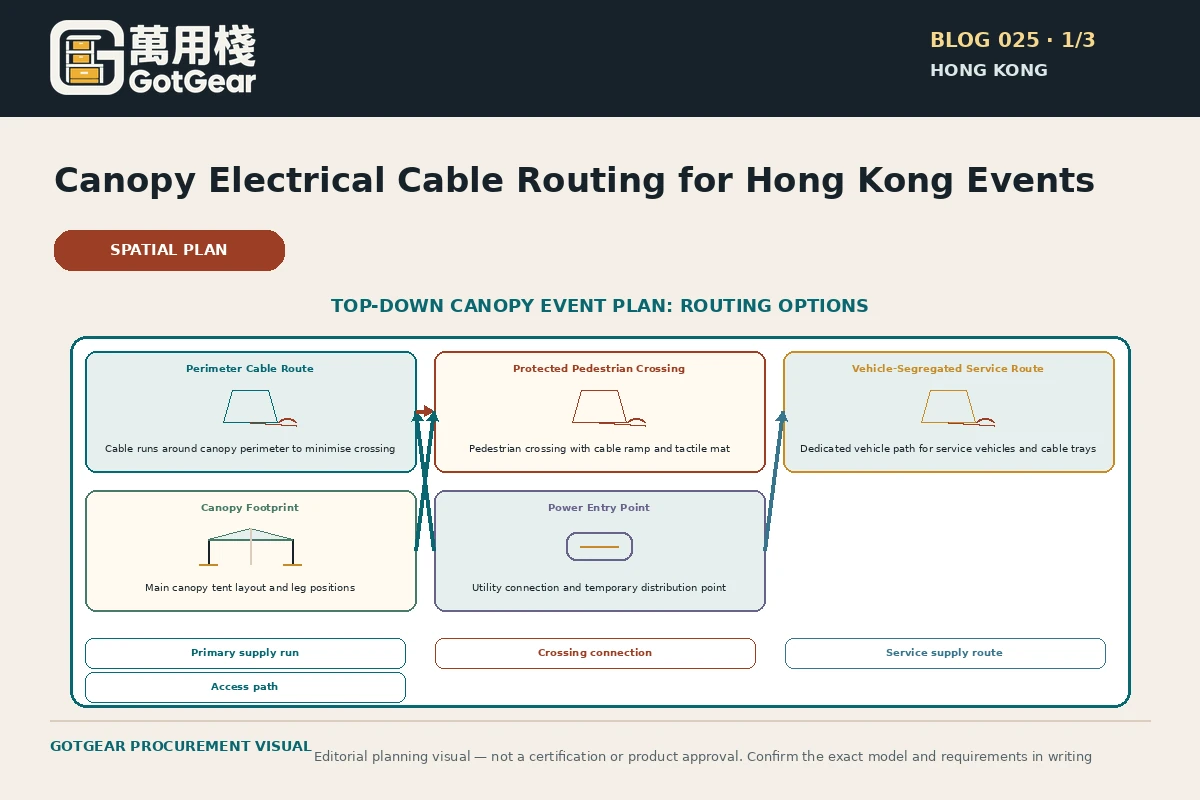
Canopy electrical cable routing Hong Kong
GotGear explains canopy electrical cable routing Hong Kong for Hong Kong buyers. See how outdoor event cable ramp layout Hong Kong supports canopy tent temporary power checklist Hong Kong, with practical checks, evidence boundaries and written requirements.
Read the guideRelated topic indexOpen more English procurement pages9 topics
Browse additional equipment families, applications and procurement questions relevant to these operating requirements.