
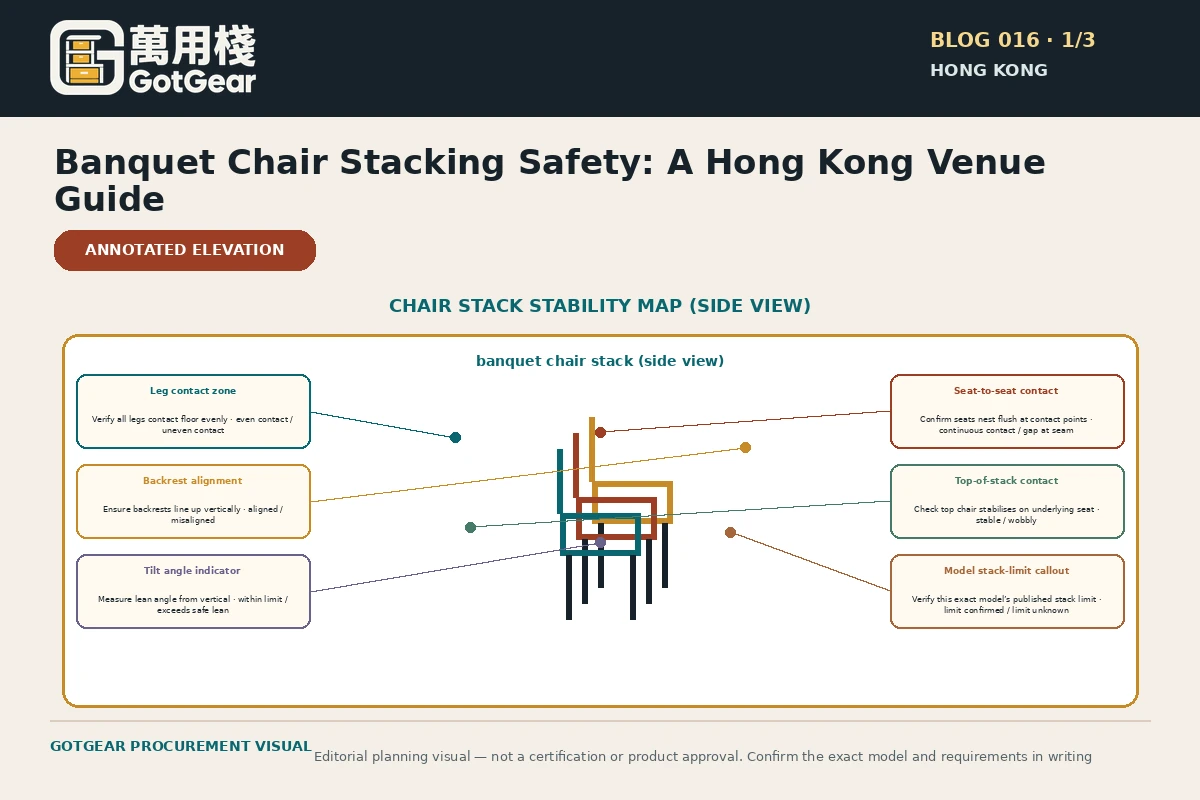
Always follow the chair manufacturer’s stated stack limit and supporting instructions, and assess the intended storage floor, handling route and staff capacity before stacking. Combine that product information with a local manual-handling review (distance, twisting, pushing/pulling, load stability and floor condition) and a visual-check escalation process for damaged chairs. Do not replace a product-specific stack claim with a generic height rule; instead design handling aids, staffing and inspection actions specific to the venue and the chair model.
What to remember before you decide
- Always prioritise the manufacturer’s stack limit and instructions over informal site rules
- Assess route geometry, floor condition and staff capability using Labour Department factors
- Design storage to reduce carrying distance and twisting; use trolleys or frames where practical
- Adopt risk-based visual inspections and a quarantine process rather than fixed arbitrary intervals
- Treat overseas guidance (ILO, HSE, OSHA) as helpful context, not Hong Kong legal advice
- Document stacking rules per chair model in your venue inventory and train staff accordingly
Before you buy: decision criteria for stacking and storage
Practical decision-making must start with the product datasheet and a site-specific handling review. For every chair model under consideration, obtain written manufacturer guidance that states the safe stack limit, whether chairs may remain stacked for long periods, and any stacking accessories such as clips or separators. Equally important in Hong Kong’s built environment is the storage-floor specification: confirm that the storage area has a flat, non-sloping surface with suitable finish (non-slip where staff walk with the load), adequate load-bearing capacity and drainage or humidity control if chairs are stored near windows or service ducts. Hotels and clubhouses often repurpose corridors and back-of-house spaces; measure door widths, corridor turns and any steps — a stack that is stable in a storage bay may be unstable when negotiated through a 90-degree turn. Consider staffing patterns: if you expect one person to move stacked chairs, reduce stacking heights compared with a two-person lift protocol or trolleys. Finally, evaluate handling aids and parking space for trolleys or stacking frames. Limiting stack height may be correct in one venue but unnecessary in another if you can provide a trolley and a short carrying distance. Decision limits: never rely on appearance alone; aesthetic similarity does not imply identical stacking behaviour. Next, request the manufacturer’s stacking instructions, measure routes and floors on-site, and perform a small trial move with representative staff and the proposed handling aids.
What to check on the product sheet and sample chairs
The product sheet should list a safe stack limit (number of chairs), any need for separators or anti-slip pads, and the recommended stacking orientation. If that information is absent, contact the manufacturer or supplier and document the answer before placing an order. Inspect sample chairs physically for seat and back geometry that locates the stack centres, the presence of frame stops or shelf features that stabilise a pile, and signs of brittle plastic or thin welds that can fail when chairs are stacked. In Hong Kong venues where storage space is at a premium, suppliers sometimes suggest higher stacks; treat these claims as conditional on manufacturer instruction and an on-site handling assessment. A key limitation is that supplier statements about typical practice are not a substitute for the product manual. Next, require suppliers to include stacking instructions in delivery paperwork; photograph sample stacks and annotate the photographs with measured stack height and staff positioning during a test move.
“Stack safety is an operating system: product limits, route design, handling aids and inspection are interdependent — treat them together rather than in isolation.”— GotGear Editorial Team
What should buyers compare for banquet chair stacking safety Hong Kong?
| Option or approach | Best for | Trade-offs | Checks before acceptance |
|---|---|---|---|
| Follow manufacturer-stated stack limit and product instructions | Operators seeking the clearest, product-specific safety basis | May limit stack heights and storage density compared with informal practices | Check written manufacturer documentation and include it in procurement paperwork |
| Use stack trolleys / dollies for moving and short-term storage | Venues with frequent set-up/tear-down requiring reduced manual effort | Requires storage space for trolleys and staff training; trolley stability must be tested | Trial trolley on full route and confirm lift and doorway fit before purchase |
| Install shallow racking or stacking frames | Operators wanting higher stacks but controlled stability | Higher initial resource requirements and possible landlord permissions; less flexible than loose stacks | Measure frame dimensions against chair stack geometry and load ratings |
| Limit stack height and rely on additional staff to lift | Small venues with narrow routes and available labour | Increases staffing time and labour resource requirements; human factors still create variability | Document team-lift procedure and test for force, posture and comfort |
| Adopt a conservative in-house stack rule lower than manufacturer advice | Risk-averse operators with variable staff capability or damaged-chair histories | Reduced storage efficiency and potential added handling frequency | Record rationale and re-evaluate annually or after incidents |
This framework helps buyers create comparable written enquiries. Final model specifications, availability, delivery and commercial terms must be confirmed in a formal quotation.
Storage layout, handling routes and environmental controls
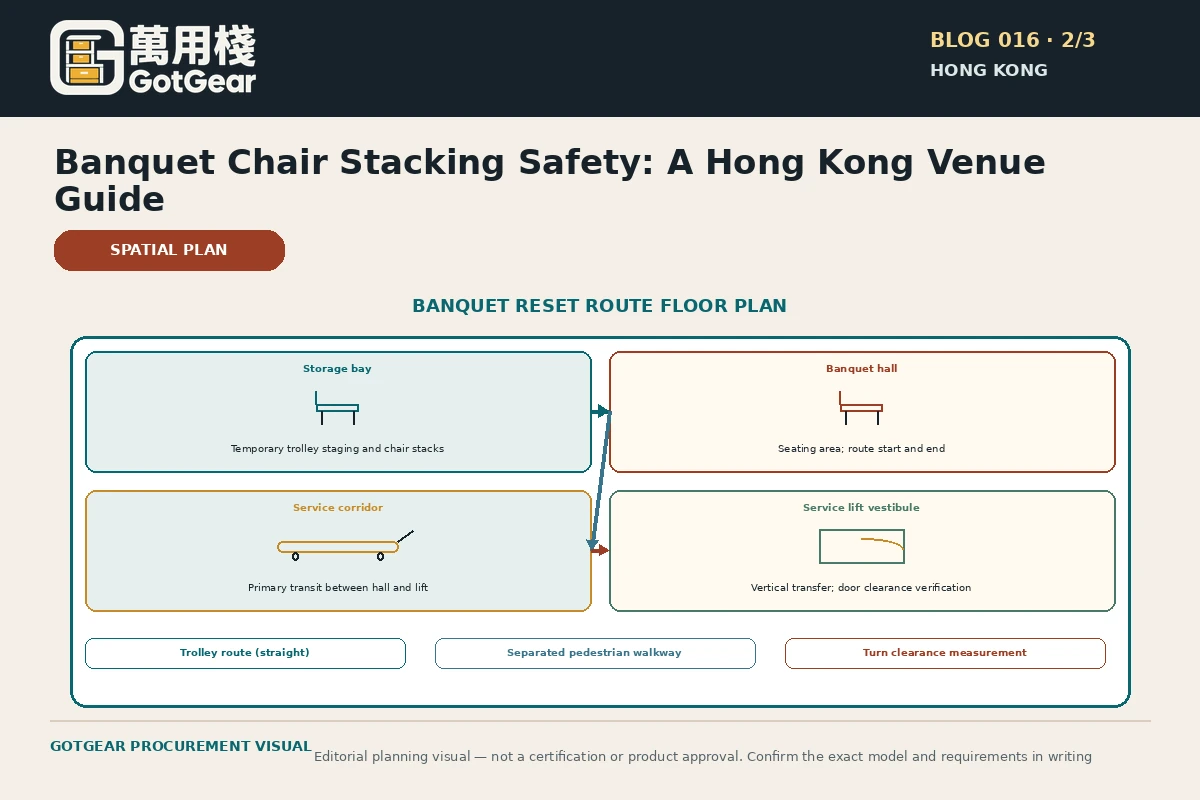
A well-planned storage location reduces manual handling and the likelihood of collapse. Choose a storage bay with a straight-line route from the service lift or function room and minimal turns. If moving chairs through passenger lifts, confirm lift capacity and floor area to avoid tight manoeuvres that increase twisting and pushing forces. Floors should be clean, level and free from trip hazards; where floors are polished or wet regularly, use non-slip surface treatments in the storage and handling path. Allow sufficient aisle width so stacks can be retrieved without pulling or awkward twisting of the torso. Consider vertical separation or simple racking: shallow shelving or stands that capture the base of a stack will reduce toppling risk and can permit lower manual handling forces. Environmental factors matter in Hong Kong: high humidity and coastal salt exposure accelerate corrosion on metal frames and may degrade adhesives and plastics, so include corrosion-resistant options or store chairs away from open windows. A key limitation is that retrofitting mechanical racking or bespoke storage frames may require landlord approval in leased premises and a resource requirements–benefit analysis. Next, map routes on a floor plan, test a full route with a loaded trolley, and set minimum aisle and lifting-space dimensions as part of your venue’s inventory map.
Inspection, maintenance and an escalated visual-check process
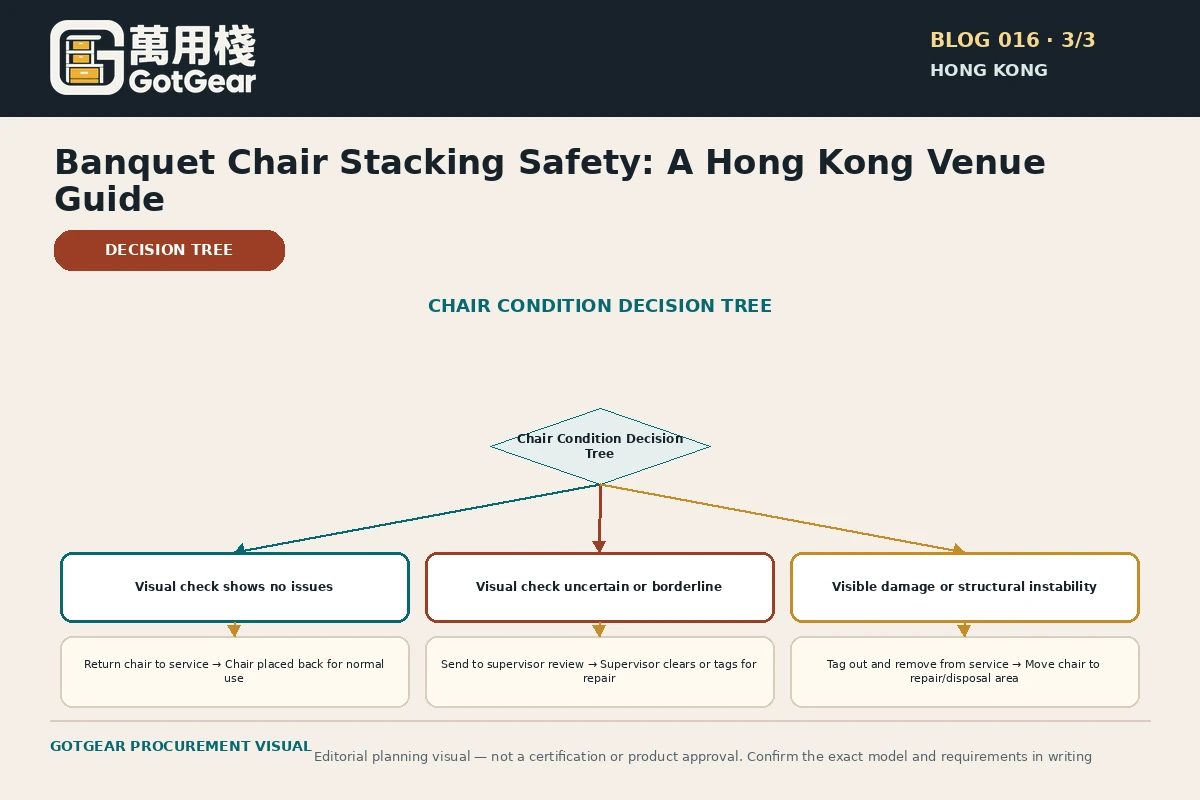
Inspections should be risk-based, product-specific and documented. Follow the Health and Safety Executive principle that inspection intervals reflect risk assessment and manufacturer recommendations; do not invent an arbitrary schedule. For each chair model, create a visual-check routine that frontline staff can perform at the start or end of a shift and a more detailed monthly check by a responsible person. Visual-check steps: ensure frames are straight, welds show no cracks, legs or glides are intact, joints are tight, seats and backs are free from delamination, and stacking surfaces or anti-slip pads are present. If a chair fails the visual-check, remove it immediately to a quarantine zone and label it for repair or disposal. Keep a simple log that records who inspected, what was found and the corrective action. A key limitation is that visual checks cannot detect internal fatigue in non-destructive ways; where chairs show repeated crack patterns, consult the supplier for replacement or a third-party engineer. Next, write short, photographed inspection triggers for staff, place a quarantine rack in the storeroom and adopt an incident log for damaged furniture.
Banquet chair stacking safety Hong Kong decision checklist
- Obtain the manufacturer’s written stack limit and any stacking accessories or orientation notes
- Measure storage-floor flatness, slope and load-bearing capacity at the intended bay
- Map the full handling route (doors, lifts, turns, distance) and test with a sample stack
- Confirm lift platform dimensions and rated capacity if stacks pass through lifts
- Assess staff numbers, typical shift patterns and available handling aids (trolleys, straps)
- Check environmental exposure (humidity, coastal salt, direct sunlight) that could affect materials
- Agree a visual inspection process and quarantine procedure for damaged chairs
- Require the supplier to include stacking instructions with delivery paperwork
- Record approved stack height per model in the venue inventory and update on change
- Train staff on posture, pushing/pulling limits and escalation for damaged chairs
Practical action sequence
- Request and file the manufacturer’s stacking instructions before purchase
- Measure and photograph the handling route and storage bay with a test stack
- Buy or allocate appropriate handling aids (trolley or stacking frame) and test them
- Create photographed visual-check cards and a quarantine zone for failed chairs
- Train staff on the new procedure and run a supervised trial shift
- Document the approved stacking and movement procedure in your operations manual
- Log the first month’s inspections and adjust procedures where staff report issues
- Review the arrangement annually or after any near miss or damage event
Apply the checks to your Hong Kong site
Use Hong Kong‑specific controls: apply the Labour Department’s manual‑handling factors — distance from the body, twisting, carrying distance, pushing/pulling, load stability, space, floor condition and training — when assessing each handling task. Treat ILO guidance on reducing twisting and carrying distance as practical context rather than law, and adopt the HSE’s risk‑based inspection approach for condition checks. OSHA’s storage principles can inform fall and collapse mitigation but should remain background guidance, not Hong Kong regulation. When in doubt about load‑bearing alterations or complex racking, consult your landlord and the chair manufacturer. For any venue, verify banquet chair stacking safety Hong Kong through site measurements, documents and a documented validation route; avoid assuming one layout fits all rooms. Use banquet chair storage planning Hong Kong to align stacking geometry with handling routes, and keep a stacking chair inspection checklist Hong Kong to log condition and training outcomes. Operational takeaway: run a documented lift‑and‑stack trial along the intended handling route, record failures and required changes, then embed those actions in your inspection checklist.
References used for this article
These sources provide regulatory, safety or planning context. They do not certify any GotGear product or replace site-specific professional advice.
- Hong Kong Labour Department — A Simple Guide to Health Risk Assessment — Local manual-handling assessment factors covering task, load, working environment and individual capability; supports the storage-and-moving review, not a universal chair-stack limit.
- International Labour Organization — Manual handling — Occupational-safety guidance on lifting, lowering, pushing, pulling and carrying; supports reducing twisting, carrying distance and unnecessary manual movement.
- HSE — Inspection of work equipment — Risk-based inspection principles and attention to deterioration; supports a product-specific visual-check approach rather than an invented inspection interval.
- OSHA — General requirements for storage — Recognised general storage principles: secure tiered materials against falling/collapse and keep aisles clear; explicitly not presented as Hong Kong law.
Questions about banquet chair stacking safety Hong Kong
Should I always follow a universal stack-height limit for banquet chairs?
No. Universal stack-height rules ignore differences in chair geometry, manufacturer design and the venue’s handling environment. The correct approach is to follow the manufacturer’s stated stack limit and then evaluate whether your storage floor, route and staff can safely meet the handling demands. If the manufacturer’s limit is not available, treat the chairs as unapproved for stacking until you obtain documented instruction or run a controlled trial with a conservative approach to stacking.
What manual-handling factors does the Hong Kong Labour Department say I should consider?
The Labour Department identifies task and environment factors such as distance from the body, twisting, carrying distance, pushing and pulling, load stability, available space, floor condition and individual capability. Use these factors to assess each chair-handling task in your venue: map where staff will be positioned relative to the load, measure carrying distances, note corridor widths and turns, and account for staff training and health. This assessment informs safe stack heights and staffing requirements rather than creating a one-size-fits-all limit.
How does ILO guidance affect our handling procedures?
The ILO emphasises reducing twisting, reaching and carrying distance and considering handling aids where loads must be moved. Treat this as international best practice context for designing routes and specifying trolleys or frames. While ILO guidance is not local law, it supports operational choices such as adding a trolley to reduce carrying distance or designing storage bays to eliminate tight turns that force twisting.
How often should we inspect stacked chairs?
Adopt a risk-based inspection approach. Use quick visual checks by frontline staff daily or per shift and a more detailed documented inspection monthly or as advised by the manufacturer. The HSE recommends inspection frequency should reflect the outcome of your risk assessment and the product’s expected deterioration; do not invent a fixed interval disconnected from real conditions. Increase inspection frequency in corrosive environments or where heavy use and damage rates are higher.
Is OSHA storage guidance applicable in Hong Kong?
OSHA’s general storage principles — secure tiered materials against falling, keep aisles clear and prevent collapse — are useful background guidance on preventing falls and maintaining clear routes, but they are not Hong Kong law. Treat them as reference material that can inform your venue’s storage arrangements alongside local regulations and manufacturer instructions.
What should I do if a chair fails an inspection?
Remove the chair immediately and place it in a clearly labelled quarantine zone. Record the defect in your inspection log, photograph the damage and notify the supplier if under warranty. If damage suggests a manufacturing or design fault (cracked welds, repeated frame failures), stop using that model pending supplier review. For cosmetic damage that doesn’t affect structure, segregate chairs for limited use with clear marking and faster replacement planning.
Compare available product models and specifications
These product cards are matched to this buying topic. Select a specification and quantity to send the product details to WhatsApp.
 Venue FurnitureProduct reference image
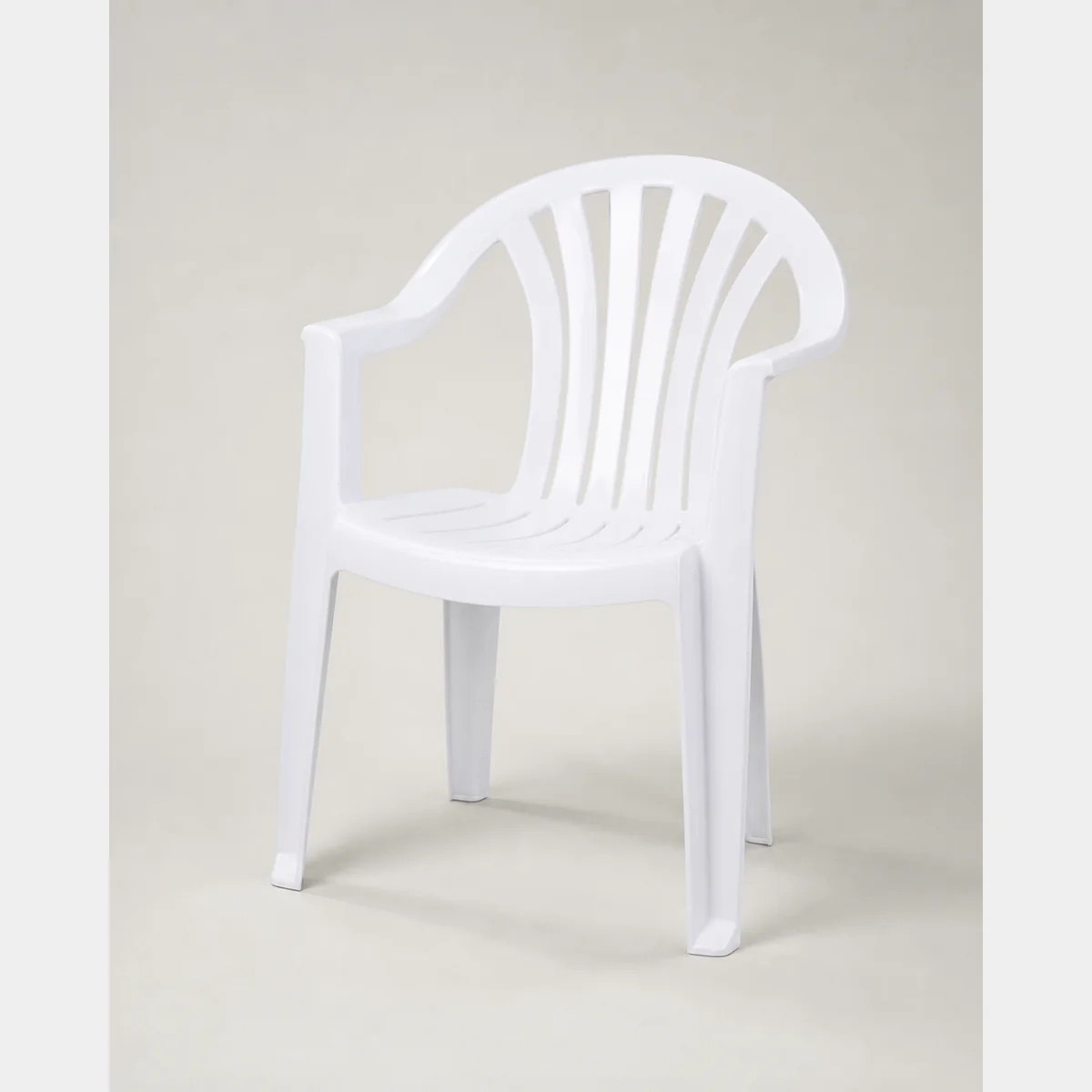
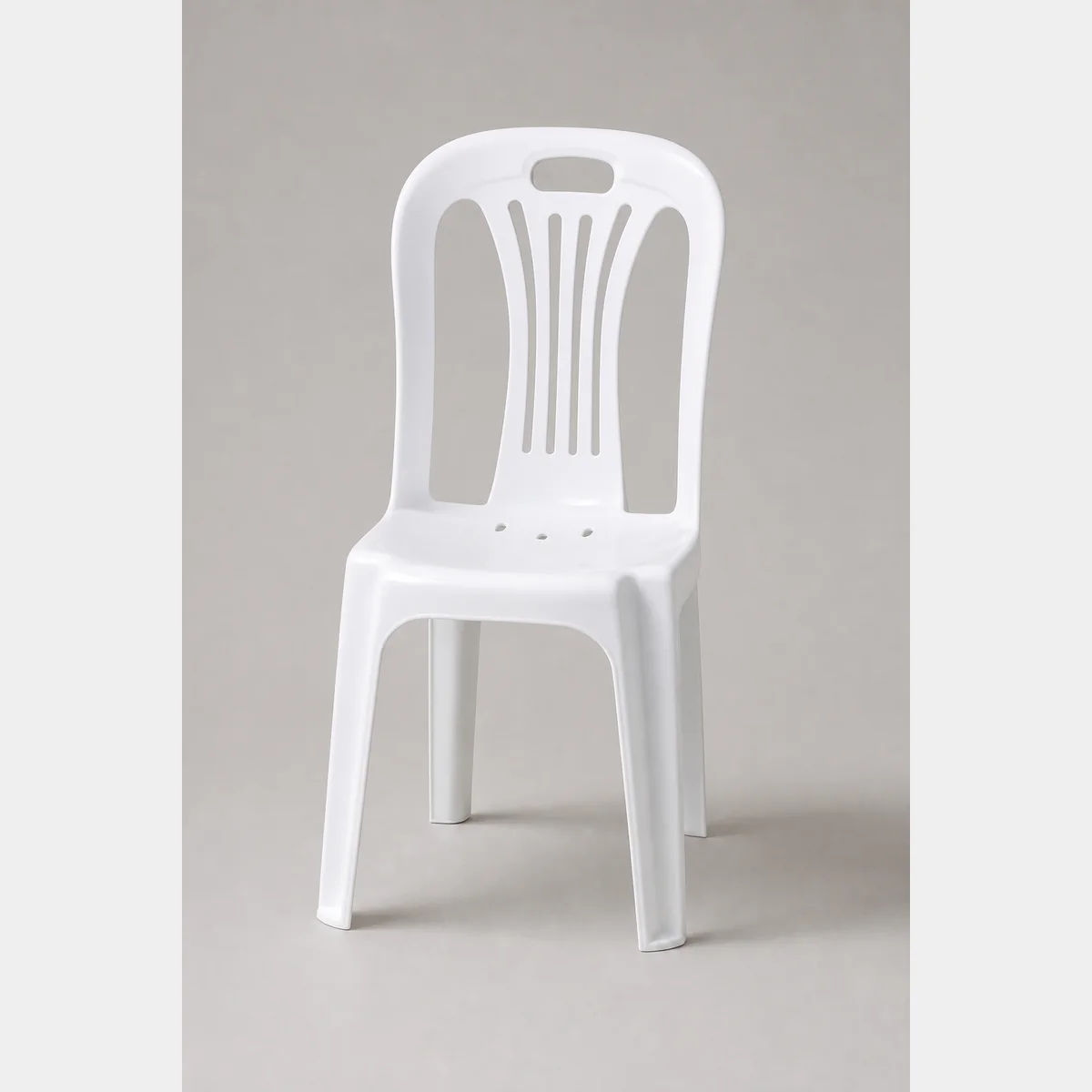
Armchair with Backrest
Armchair with backrest, A: L58xW56xH79 cm; B: L56xW56xH88 cm; C: L53.5xW55.5xH74.5 cm. Formal quotation available based on intended use, specifications and quantity.
- A
- L58xW56xH79 cm
- B
- L56xW56xH88 cm
- C
- L53.5xW55.5xH74.5 cm
 Venue FurnitureProduct reference image
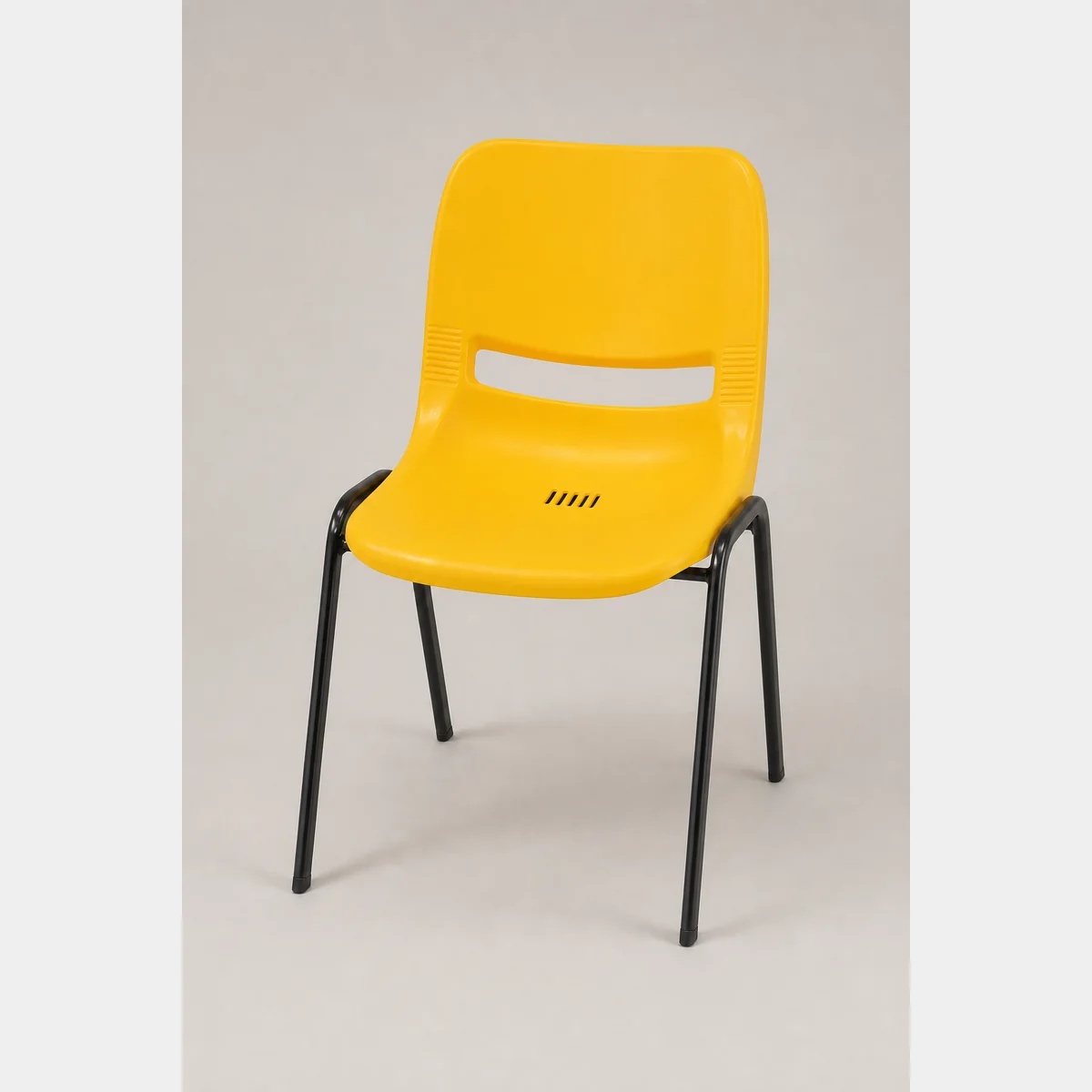
Backrest Chair
Backrest Chair — A: L41.5xW48.5xH88 cm; B: L40xW38xH78 cm; C: L43.6xW37xH87.5 cm. Formal quotation available upon request based on use, specifications and quantity.
- A
- L41.5xW48.5xH88 cm
- B
- L40xW38xH78 cm
- C
- L43.6xW37xH87.5 cm
 Venue FurnitureProduct reference image
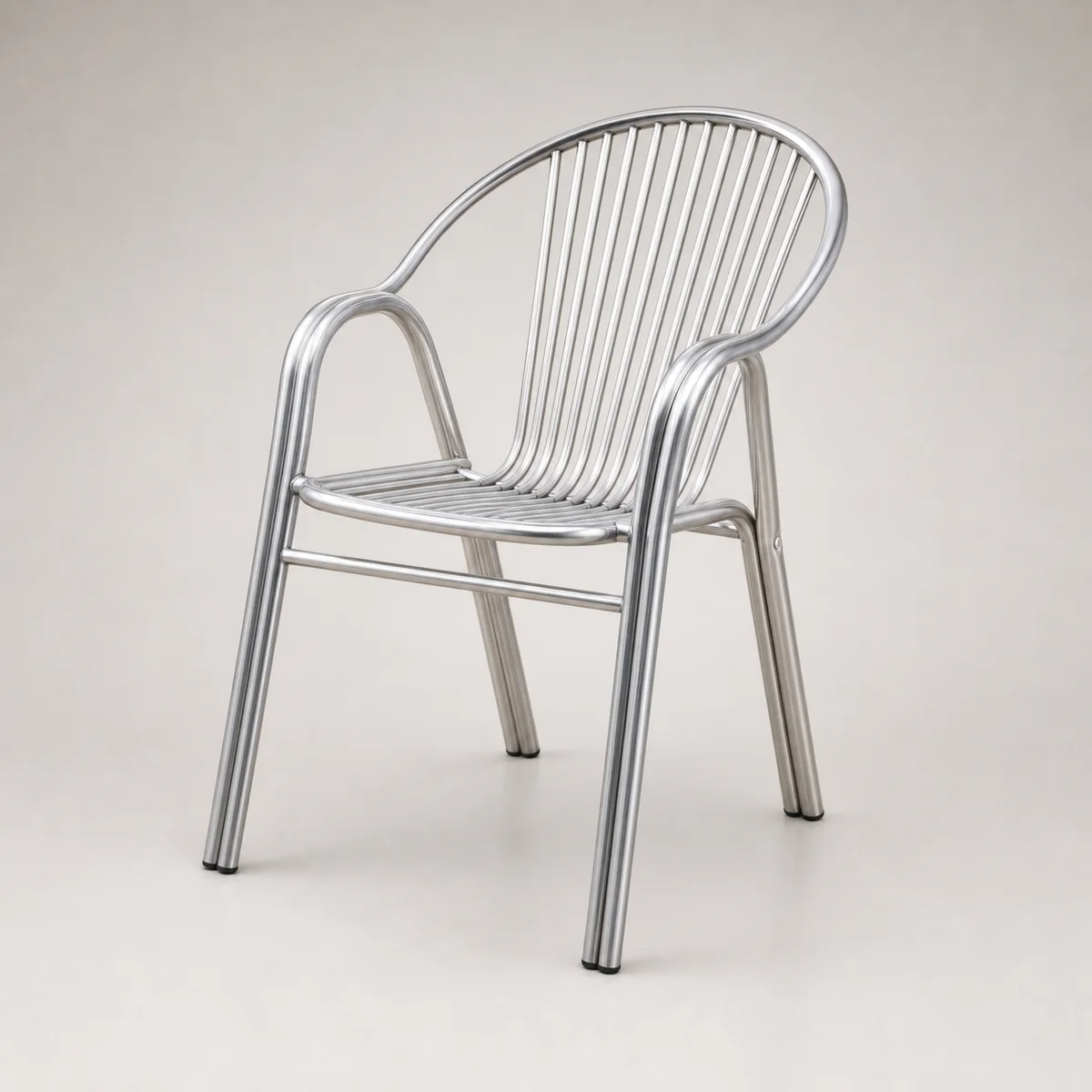
Backrest Chair
Backrest chair, Size / Specifications: 48x58xH79 cm; writing tablet colours: black, grey, blue. Formal quotation available on request based on use, specifications and quantity.
- Size / Specifications
- 48x58xH79 cm
- Writing tablet colours
- black, grey, blue
 Venue FurnitureProduct reference image
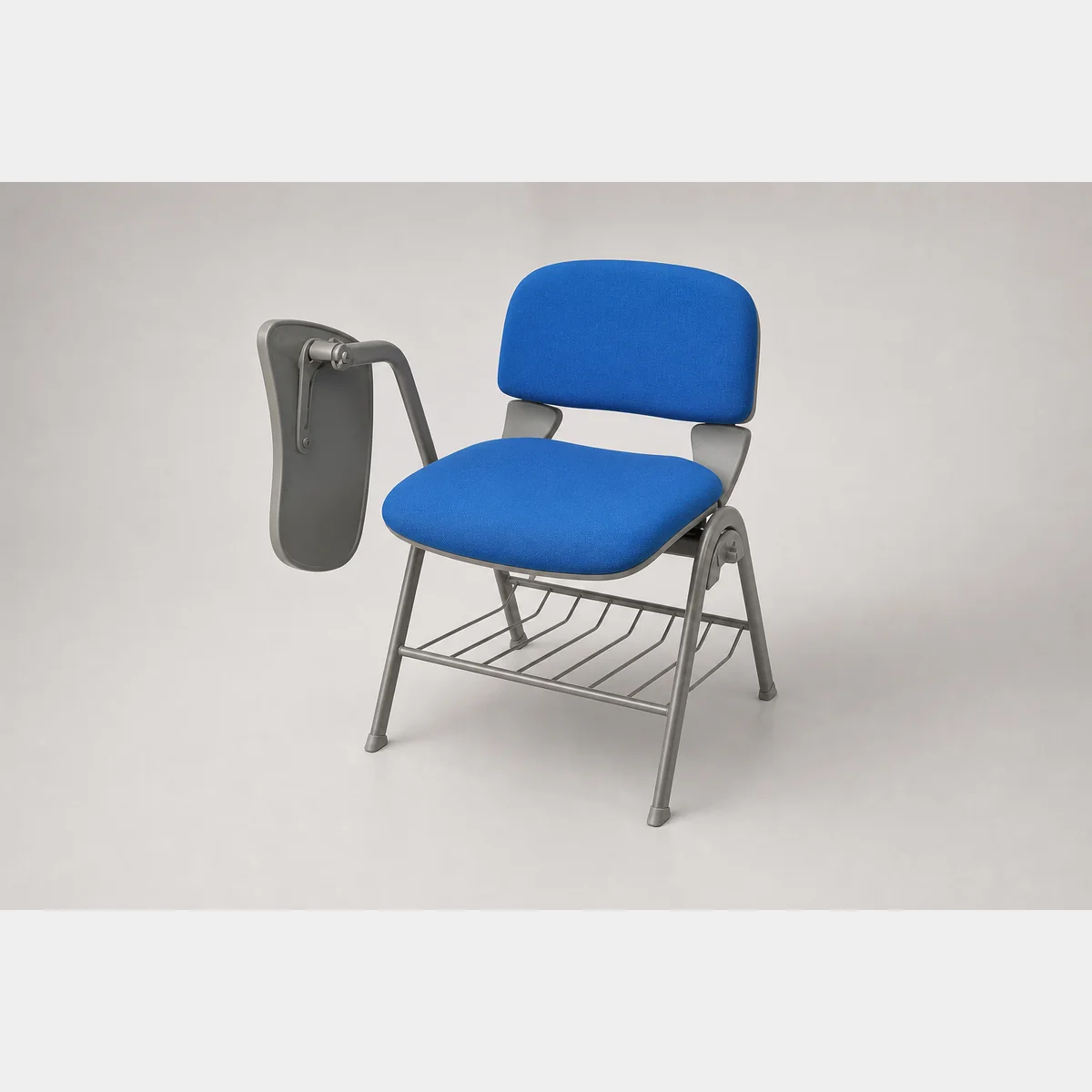
Backrest Chair
Backrest chair. Dimensions/Specifications: W56xD40xH80 cm / W57xD53xH74 cm. Formal quotation available on request based on use, specifications and quantity.
- Dimensions/Specifications
- W56xD40xH80 cm / W57xD53xH74 cm
 Venue FurnitureProduct reference image
Chair
Chair. A: with writing tablet and under-seat mesh; B: with writing tablet; C: plain chair. Formal quotation available based on use, specifications and quantity.
- A
- with writing tablet, under-seat mesh
- B
- with writing tablet
- C
- plain chair
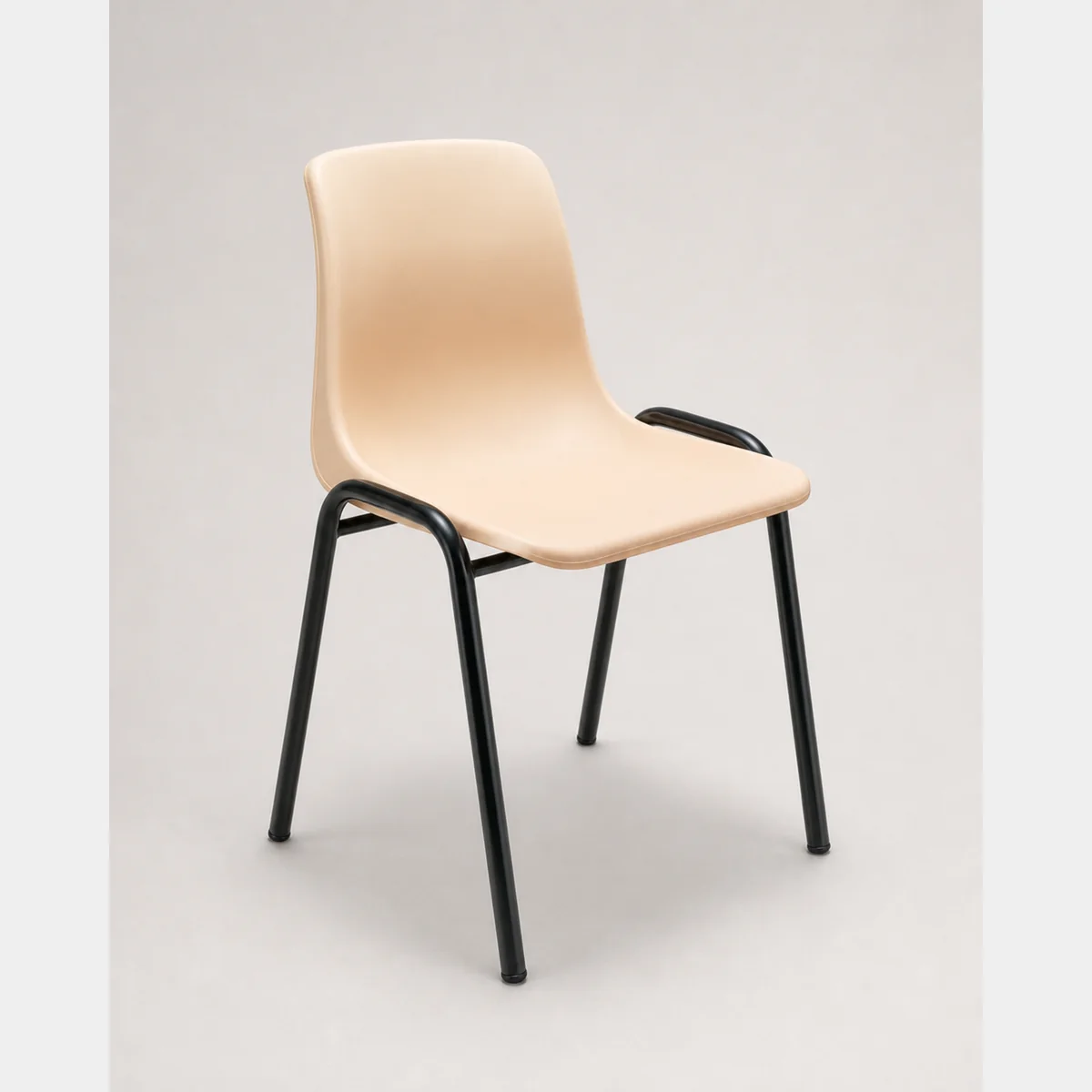 Venue FurnitureProduct reference image
Chair with Backrest (metal legs) - A-356
Chair with Backrest (metal legs), Dimensions: Length 500 X Width 485 X Height 737 mm; Colour: Apricot / Blue / Red; Minimum order quantity: 5 chairs. Formal quotation available based on use, specifications and quantity.
- Dimensions
- Length 500 X Width 485 X Height 737 mm
- Colour
- Apricot / Blue / Red
- Minimum order quantity
- 5 chairs
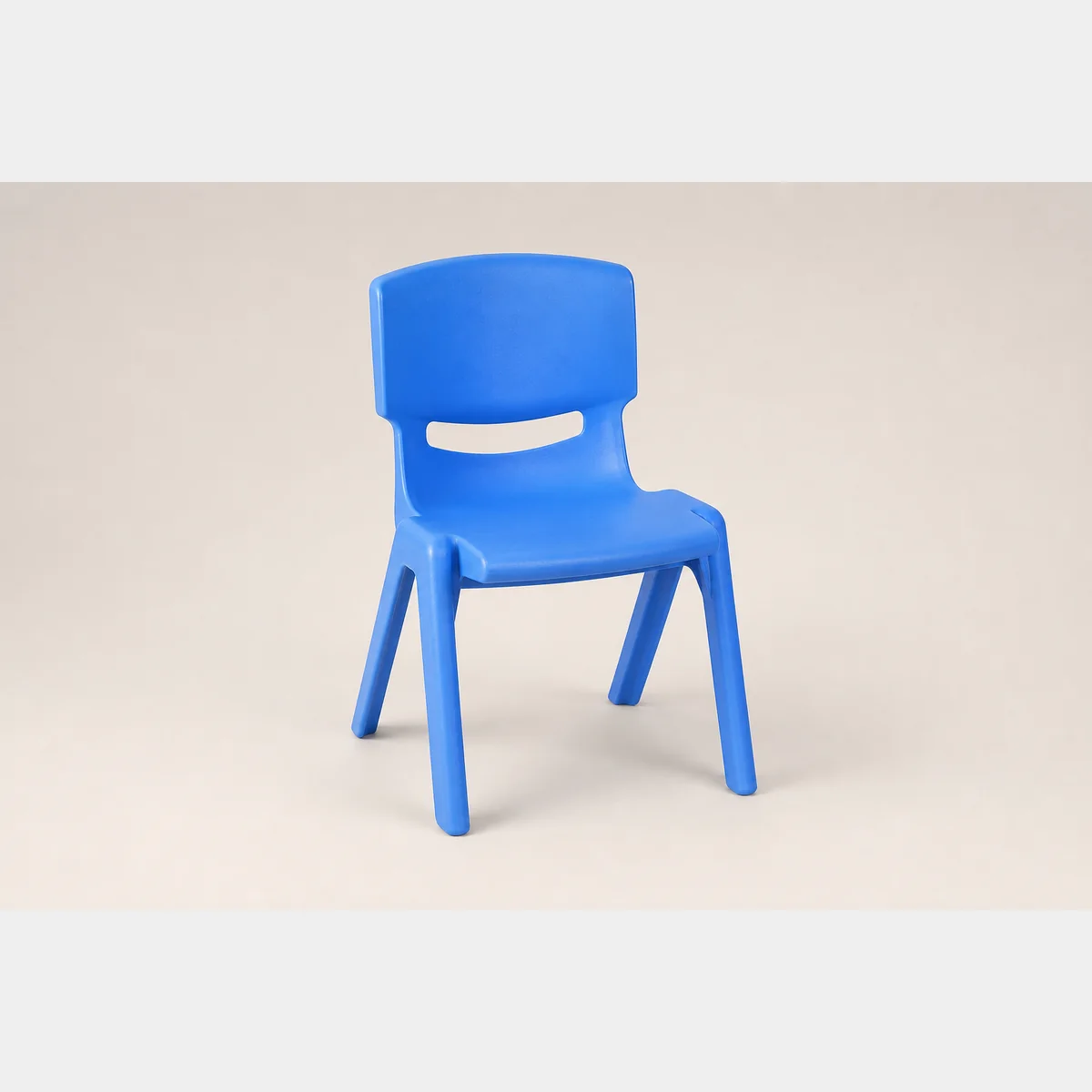 Venue FurnitureProduct reference image
Children's Chair
Children's chair in eight listed sizes, from W29xH43 cm to W46xH79 cm, with seat heights from 24 cm to 45 cm.
- Dimensions / specifications
- W29xH43 cm / W36xH51 cm
- Seat height
- 24 cm / 26 cm
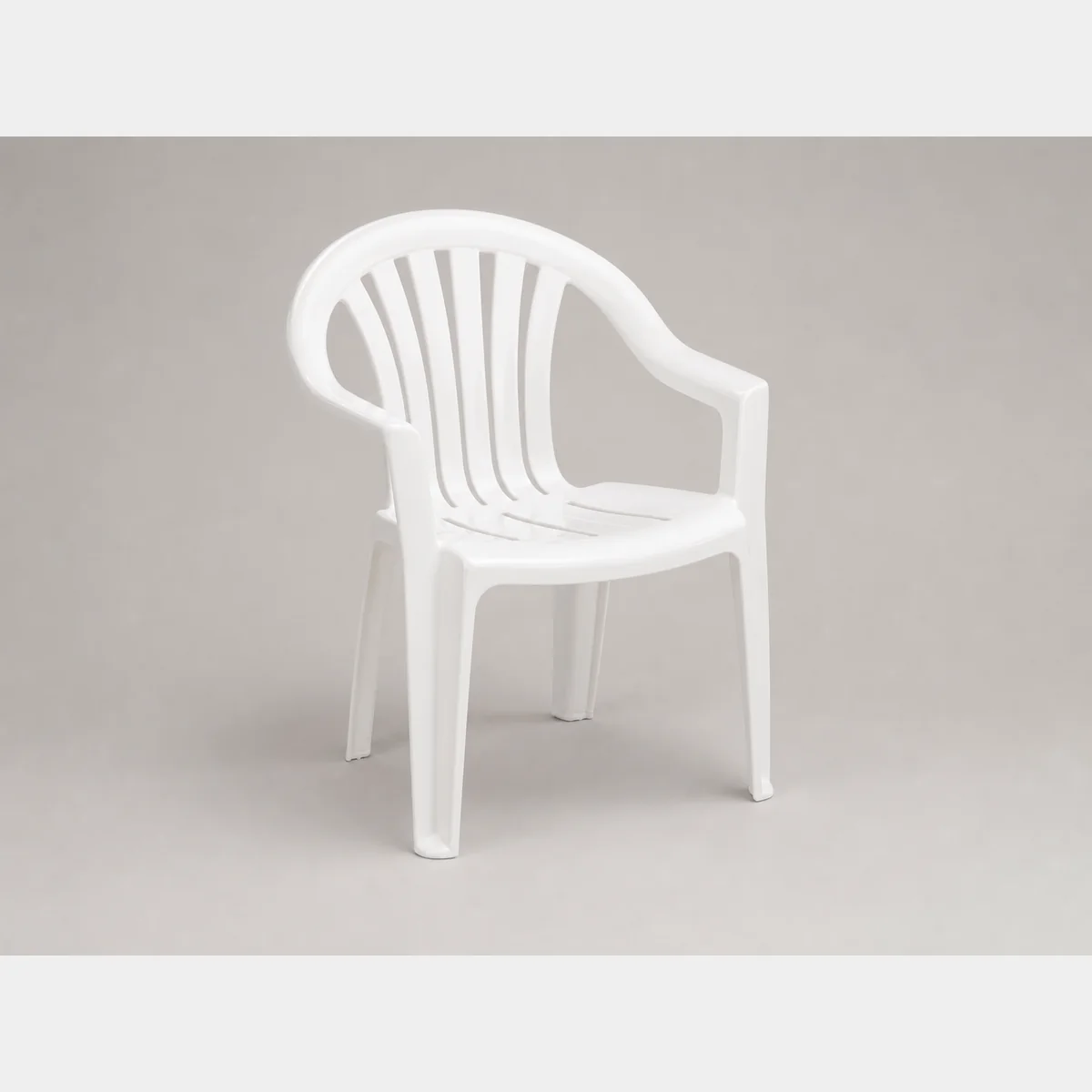 Venue FurnitureProduct reference image
Children's plastic chair — SKU: 1185
Children's plastic chair, Width: 520 mm; Height: 690 mm (Seat H360 mm); Colour: White. Formal quotation available on request based on use, specifications and quantity.
- Width
- 520 mm
- Height
- 690 mm (Seat H360 mm)
- Colour
- White
Continue with closely related procurement topics
These pages share equipment, operating or decision-stage signals with this guide.
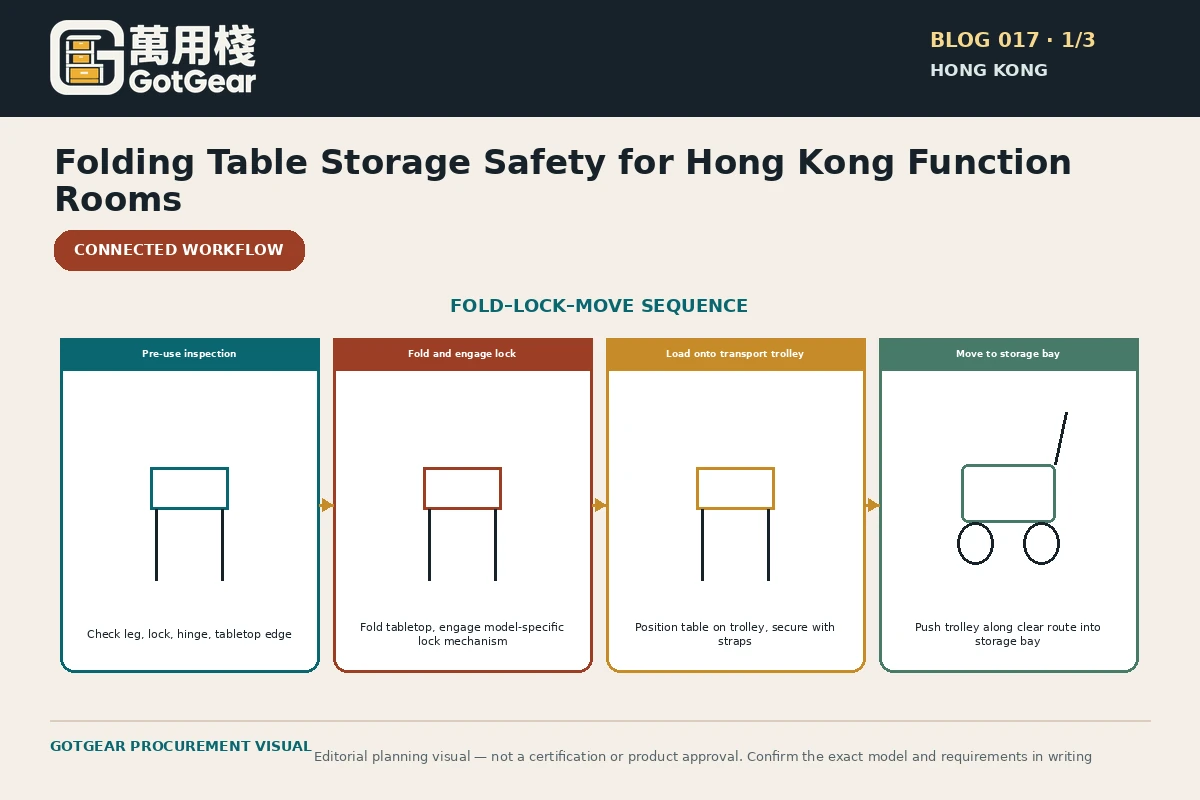
Folding table storage safety Hong Kong
GotGear explains folding table storage safety Hong Kong for Hong Kong buyers. See how folding table transport trolley Hong Kong supports commercial folding table inspection Hong Kong, with practical checks, evidence boundaries and written requirements.
Read the guide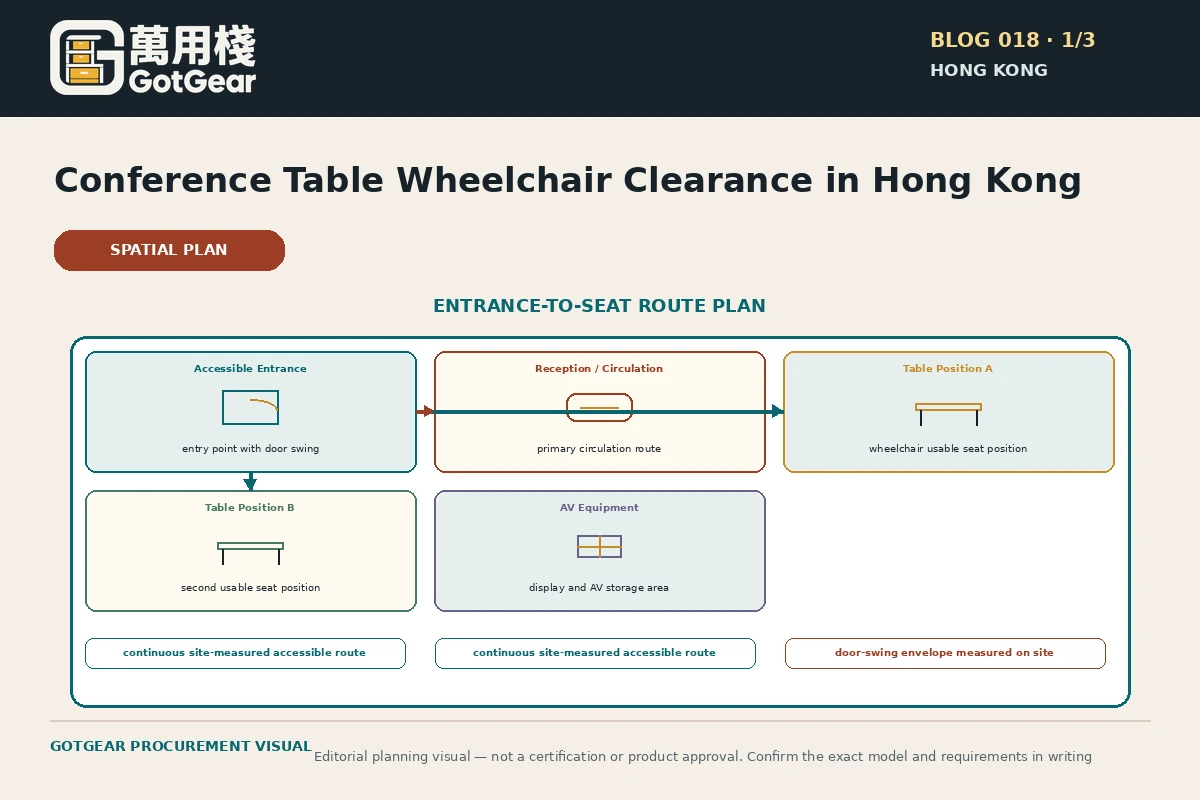
Conference table wheelchair clearance Hong Kong
GotGear explains conference table wheelchair clearance Hong Kong for Hong Kong buyers. See how accessible meeting room furniture Hong Kong supports wheelchair accessible conference table Hong Kong, with practical checks, evidence boundaries and written requirements.
Read the guide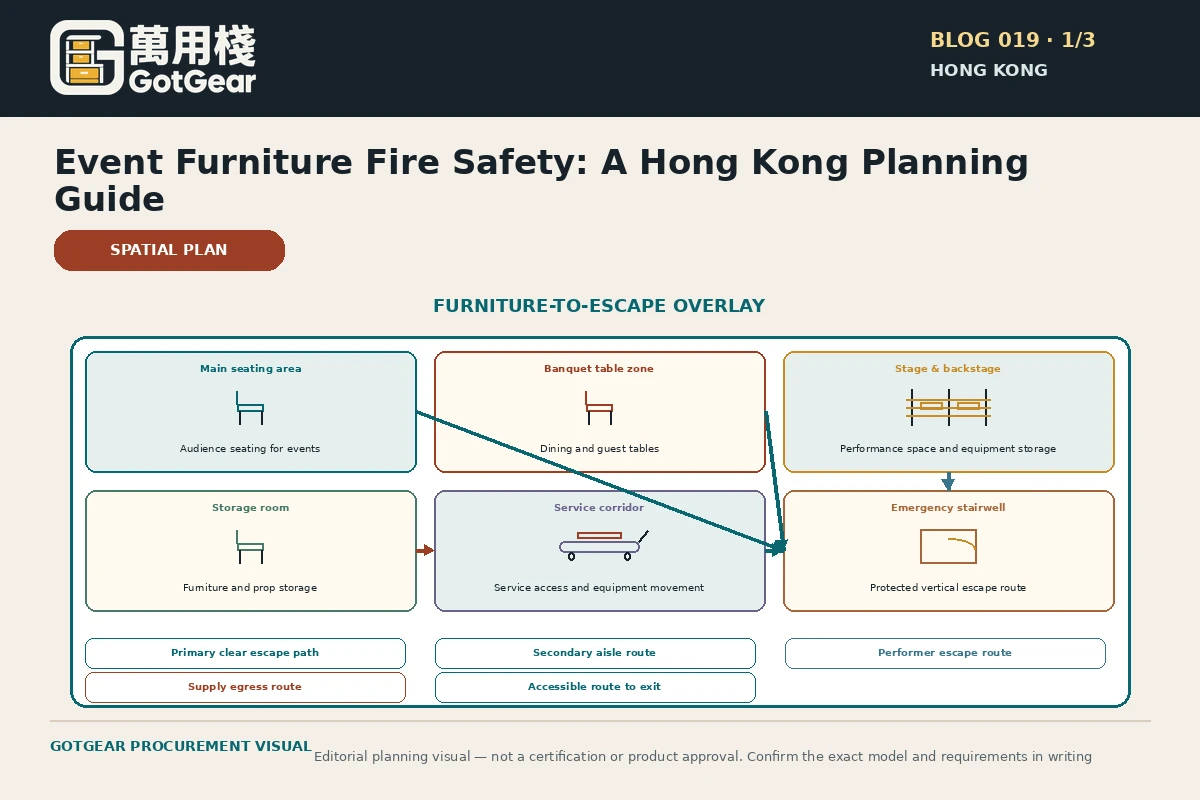
Event furniture fire safety Hong Kong
GotGear explains event furniture fire safety Hong Kong for Hong Kong buyers. See how upholstered event chair fire performance Hong Kong supports function room furniture fire risk Hong Kong, with practical checks, evidence boundaries and written requirements.
Read the guide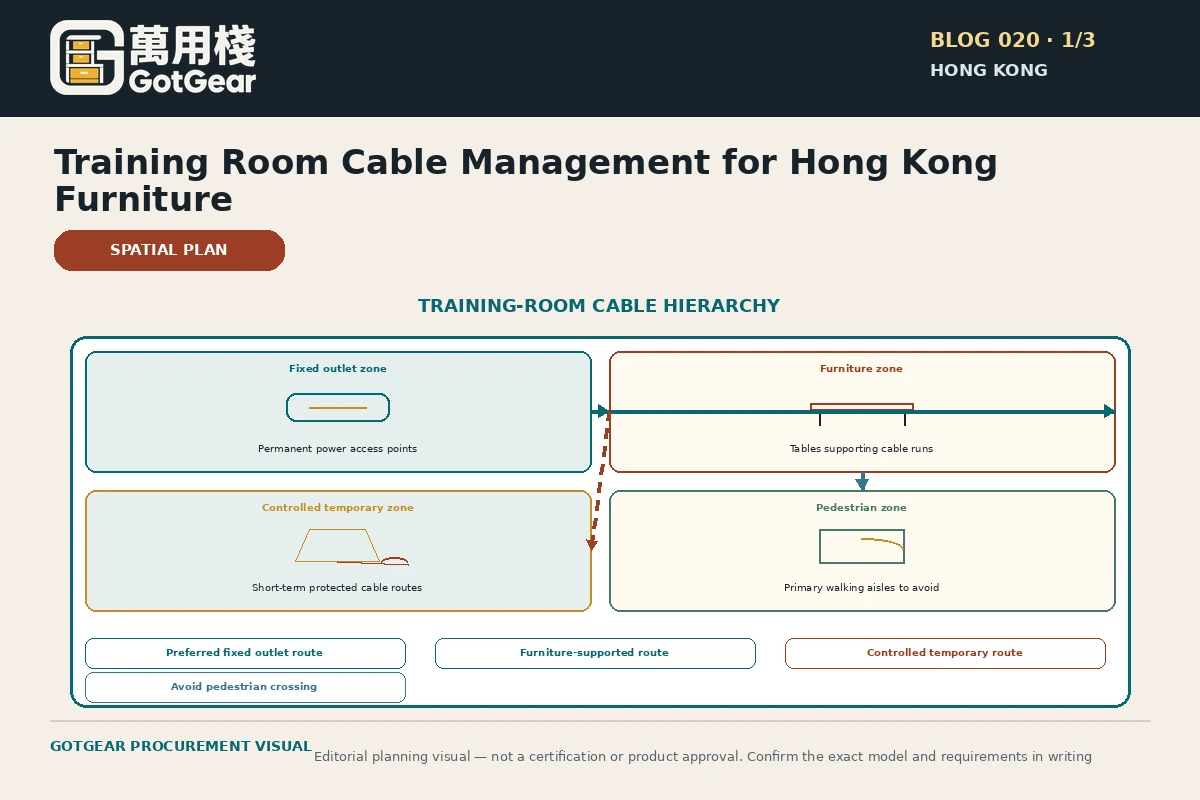
Training room cable management furniture Hong Kong
GotGear explains training room cable management furniture Hong Kong for Hong Kong buyers. See how conference table power module safety Hong Kong supports training table cable routing Hong Kong, with practical checks, evidence boundaries and written requirements.
Read the guideRelated topic indexOpen more English procurement pages13 topics
Browse additional equipment families, applications and procurement questions relevant to these operating requirements.