
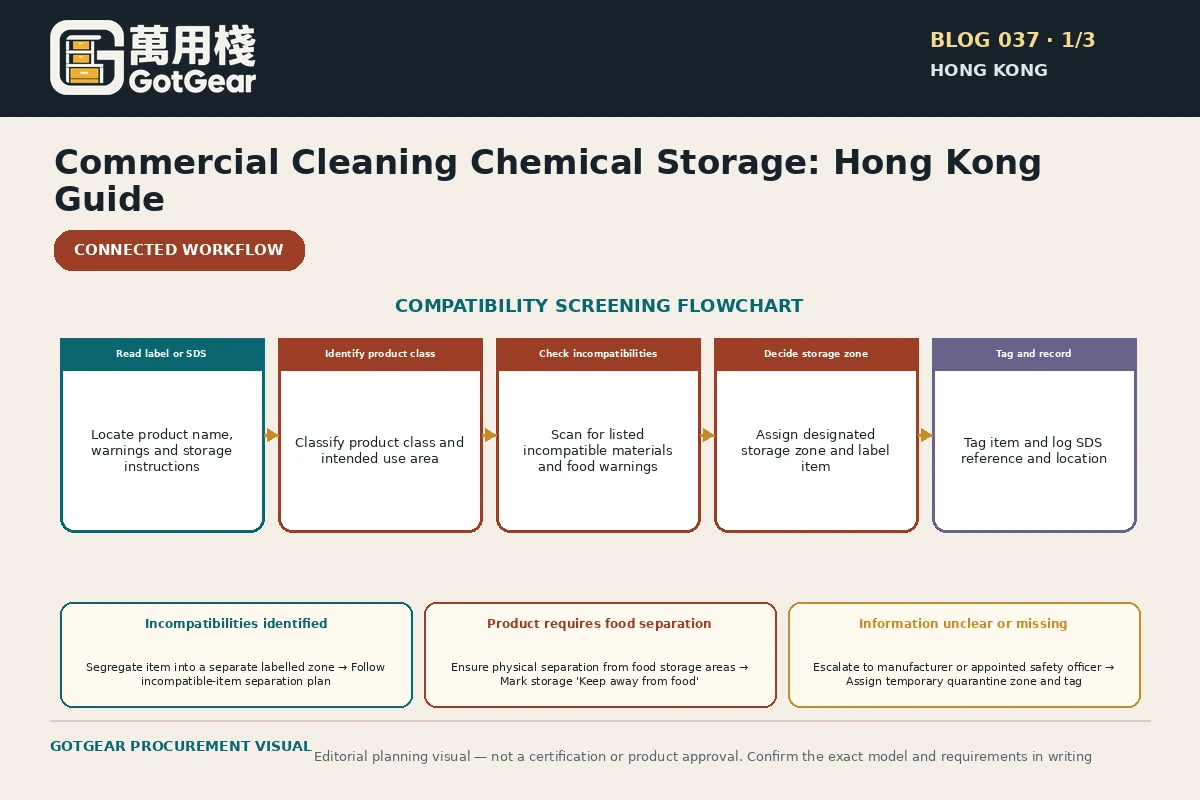
Begin your commercial cleaning chemical storage Hong Kong plan by recording every product from its supplier label and SDS, identifying incompatibilities, and grouping products so acids, alkalis, bleaches, and peroxide disinfectants are segregated. Keep disinfectants and cleaners in a cool, ventilated area protected from direct sun and always separate chemicals from food and packaging. Choose any janitorial cabinet only after documenting quantities, access control and spill response; cabinets help containment but do not override incompatibility risks or procedural controls.
What to remember before you decide
- Build storage decisions from supplier labels and SDS first; the container is secondary.
- Segregate bleach, ammonia, peroxide, acids, alkalis and solvents according to incompatibilities.
- Keep chemicals away from food and packaging in shared kitchens as CFS recommends.
- Prefer cool, ventilated, shaded storage; cabinets must meet capacity and ventilation needs.
- Apply EPD waste-code practices only when products are declared or stored as waste.
- Document quantities, access control, spill response and train staff; audit regularly.
Step 1 — Inventory, labels and SDS: build the storage plan from products
Use these decision checks: Start by listing every cleaning and disinfection product you bring on site, including concentrated forms, ready-to-use dilutions and aerosols. For each item record the supplier label details and the Safety Data Sheet (SDS) section 2 (hazards) and section 7–13 (handling, storage and incompatibilities). In Hong Kong the Labour Department highlights labels and SDS as primary hazard-communication tools; use them to identify corrosivity, oxidising properties, chlorine release potential and respiratory hazards. In Hong Kong, many commercial cleaning teams source products from multiple suppliers and third-party contractors; insist on receiving the SDS with every delivery and keep a central electronic and printed copy accessible to supervisors. A key limitation is that supplier SDS vary in completeness and language; older products or non-HK imports may have incomplete local guidance. If the SDS omits storage incompatibilities, treat the product conservatively until confirmed with the supplier or a competent safety adviser. Next, create a simple spreadsheet or asset register with product name, manufacturer, SDS link, quantity on site, storage classification (acid/alkali/oxidiser/bleach/solvent), and a proposed storage location. Use that register as the authoritative input to segregation decisions and cabinet sizing.
Identifying incompatibilities and obvious hazards
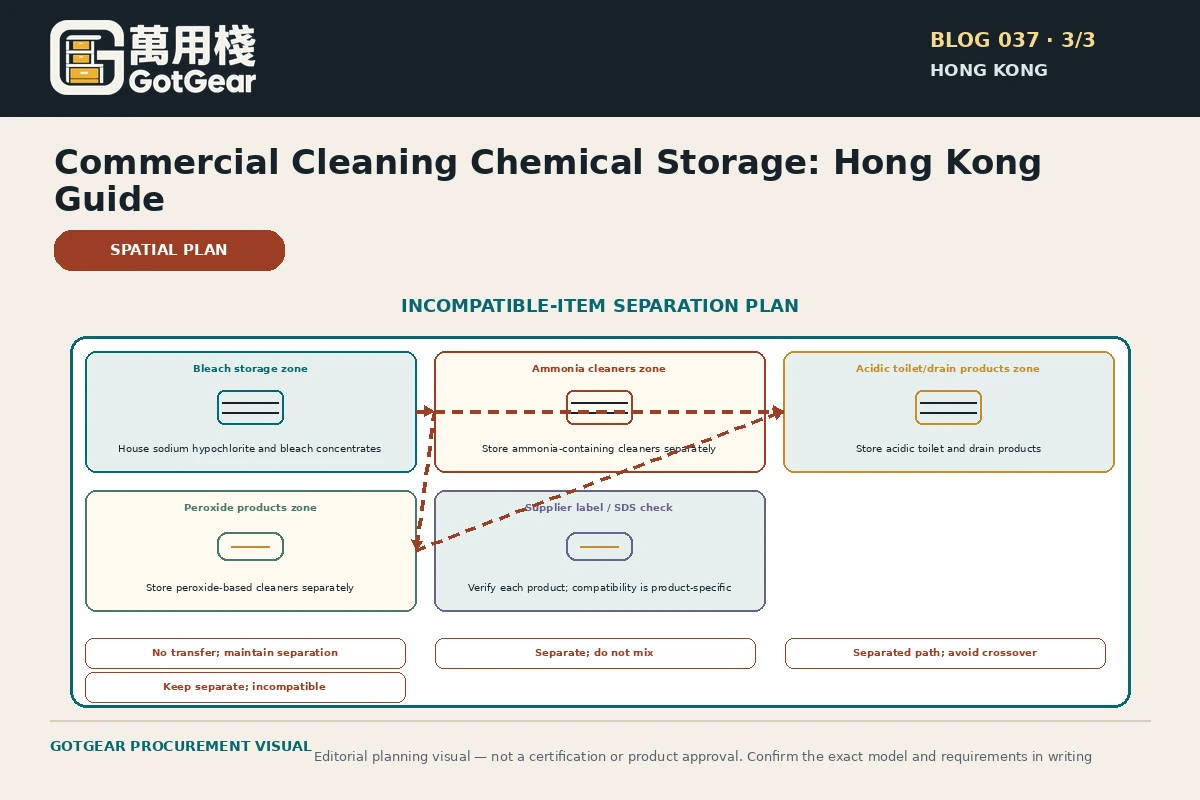
Use these decision checks: The Labour Department explicitly warns that bleach must not be mixed with ammonia or acidic products, and that peroxide disinfectants can form hazardous mixtures with cleaners containing acids or alkalis. For practical on-site planning, mark any sodium hypochlorite (bleach), peroxygen (hydrogen peroxide) disinfectant and ammoniated product on your inventory and tag them as priority segregates. In a Hong Kong commercial setting this often means separating janitorial supplies used in bathrooms (bleach/alkaline cleaners) from food-prep or public-area surface disinfectants (peroxide or alcohol) to avoid cross-contamination and accidental mixing during dilution or manual cleaning tasks. A key limitation is that incompatibility lists are product-specific; bleaching agents can vary in concentration and stabilisers, and some multi-purpose detergents contain hidden amines or acids. If products are used together in the same sink, dilution station or trolley, introduce procedural controls (dedicated dilution stations, labelled measuring devices, colour-coded containers) or physically segregate the products. Next, mark physical storage zones on a site plan, post clear incompatibility signage, and train staff on the three highest-risk combinations found in your inventory. Consider lockable segregated cupboards for high-risk items and clearly labelled secondary containment trays where spills could reach drainage.
“Treat the cabinet as one control among many: correct inventory, segregation and procedures make storage safe—hardware alone does not.”— GotGear Editorial Team
What should buyers compare for commercial cleaning chemical storage Hong Kong?
| Option or approach | Best for | Trade-offs | Checks before acceptance |
|---|---|---|---|
| Single multi-shelf janitorial cabinet with internal dividers | Small back-of-house areas with low daily chemical turnover | Limited capacity and modest ventilation; risk of storing incompatible materials if not strictly managed | Verify cabinet dimensions vs documented quantities, confirm passive vents and corrosion-resistant finish, and audit cabinet contents monthly against the inventory. |
| Dedicated lockable store room with mechanical ventilation | Medium to large facilities or sites with high volumes and multiple product classes | Requires more floor space and may need landlord or building services approvals in Hong Kong | Measure airflow rates, confirm bunding and drainage provisions, and compare stored quantities to SDS-recommended limits for bulk product stability. |
| Segregated trolley system with labelled, colour-coded containers for point-of-use | Operations needing mobility (e.g., cleaning teams in shopping centres or food courts) | Higher risk of accidental cross-contamination during refill or mixing events without strict procedures | Use distinct colour codes, lockable fill points, and require signed checklists when transferring products from central store to trolley. |
| Small fire-rated cabinet for flammables only, separate from other chemicals | Sites that use solvents or aerosol propellants alongside aqueous disinfectants | Does not address non-flammable incompatibilities (e.g., bleach vs ammonia) and may need ventilation planning for Hong Kong humidity | Confirm cabinet fire rating, keep flammables quantified against allowable inventory, and ensure clear signage and segregation from oxidisers. |
| On-demand contractor-managed storage with documented access and SDS handover | Organisations outsourcing inventory management or with irregular product delivery | Relies on contractor procedures and communication; site team must validate SDS receipt and storage conformity | Require contractors to supply SDS for every delivery, include storage rules in the contract, and conduct periodic joint inspections. |
This framework helps buyers create comparable written enquiries. Final model specifications, availability, delivery and commercial terms must be confirmed in a formal quotation.
Step 2 — Where and how to store: environment, food separation and emergency planning
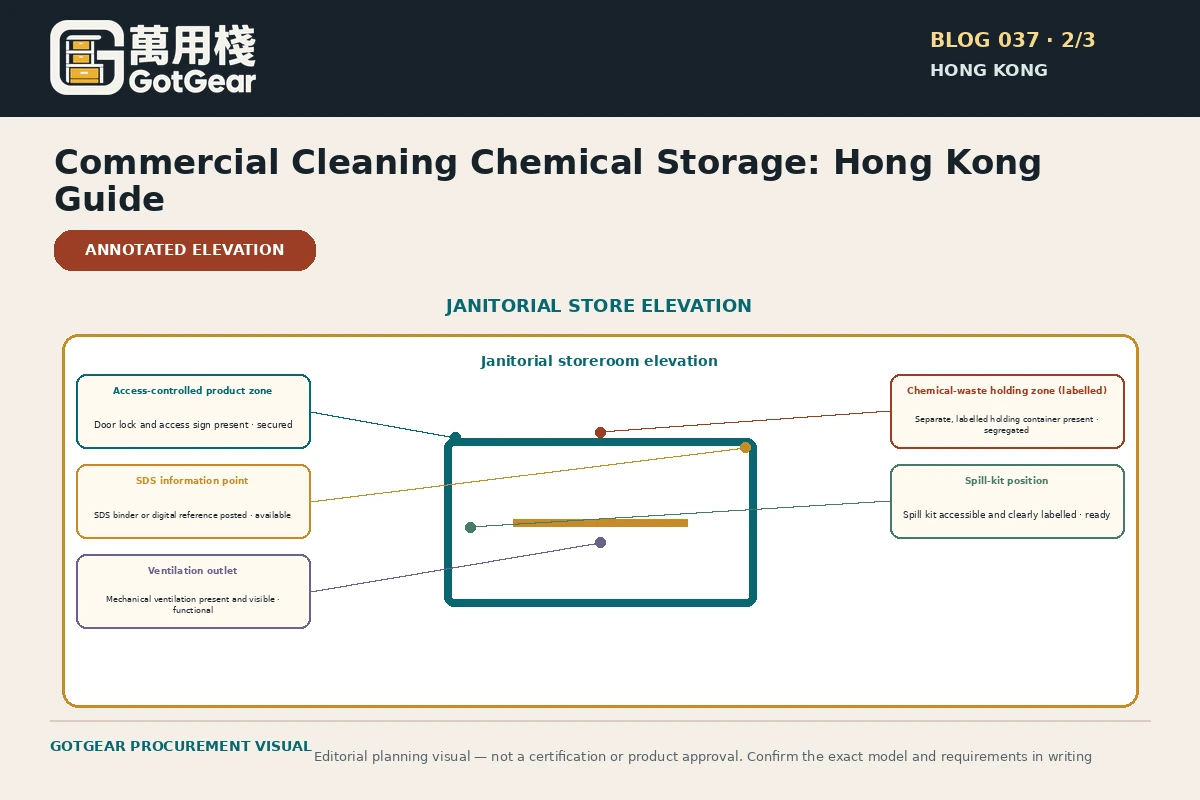
Use these decision checks: Store disinfectants and cleaning chemicals in a cool, ventilated area protected from direct sunlight and heat sources. The Labour Department advises cool, ventilated locations for chemical disinfectants; this reduces degradation and the risk of pressure build-up in sealed containers. For Hong Kong’s humid climate and dense building stock, avoid locating stores in direct sun-facing plant rooms or on rooftops without shade. In Hong Kong, shared-use kitchens, retail backrooms and building service corridors are common storage locations — but the Centre for Food Safety (CFS) specifies that chemicals used for cleaning or disinfection must be stored separately from food, food packaging materials and operational equipment in shared-use kitchens. This means dedicated lockable storage or physically separate rooms for cleaning products in premises that handle food. A key limitation is that space constraints in older buildings may force compromises. If a separate room is not possible, use robust segregation within a lockable cabinet and ensure distance and air separation from food stores. Next, on your site plan, flag all food-handling areas and ensure no chemical store is located above food storage. Install spill kits, bunded trays for shelf storage where leakage could contaminate lower levels, and ensure MSDS pockets are visible at the store door. Define clear access controls and a documented spill-response procedure.
Choosing cabinets, stores and handling controls — what the cabinet does and does not do
Use these decision checks: A janitorial chemical storage cabinet can provide security, secondary containment and limited segregation, but it is not a substitute for a storage plan based on SDS incompatibilities. When evaluating a cabinet for Hong Kong use consider cabinet capacity relative to your documented quantities, ventilation options (passive vents vs active exhaust), corrosion resistance, lockability for controlled access, and shelf containment to limit spills. In Hong Kong, cabinets are useful in small back-of-house areas where separate rooms are unavailable, but in high-volume operations a dedicated store room with mechanical ventilation and bunding is preferable. The Environmental Protection Department’s Code of Practice pertains to chemical waste packaging, labelling and storage; it applies to chemicals once declared as waste. Distinguish normal product storage from waste handling — the EPD code governs how waste containers are labelled and stored, not automatically every unopened cleaning product on a shelf. A key limitation is that cabinets with inadequate ventilation can trap fumes in humid Hong Kong environments and accelerated corrosion may shorten cabinet life. Some cabinets marketed for ‘universal’ storage do not prevent incompatible reactions if you place acids and oxidisers together under the same lock. Next, after documenting the inventory and incompatibilities, choose a cabinet only if it meets the capacity and ventilation needs identified. Document permitted contents for each cabinet, publish a cabinet label list, and conduct a quarterly review to confirm contents match records. If chemical products will become waste on site, follow the EPD Code of Practice for waste labelling and storage until collection.
Commercial cleaning chemical storage Hong Kong decision checklist
- Collect supplier labels and current SDS for every cleaning product on site and store them centrally.
- Classify products by chemical class (bleach, peroxide, acid, alkali, solvent, oxidiser, ammoniated).
- Identify and document all incompatibilities highlighted by the SDS and the Labour Department guidance.
- Map storage locations relative to food handling areas and ensure physical separation for food premises.
- Calculate maximum on-site quantity per product against safe-storage guidance and cabinet capacity.
- Select storage type (cabinet, store room, trolley) based on documented quantities and ventilation needs.
- Specify access controls, responsible persons and lockable closures for each storage location.
- Install spill containment measures (bunds, trays) and maintain a stocked spill kit at each store.
- Label cabinets with permitted contents and keep an updated inventory list at the door.
- Plan training and refresher schedules covering SDS reading, safe dilution, incompatibilities and spill response.
Practical action sequence
- 1. Create a complete product inventory with SDS links and assign chemical class tags.
- 2. Mark incompatibilities and plan physical segregation zones on a facility layout.
- 3. Choose storage type and confirm cabinet/store specifications (capacity, ventilation).
- 4. Install containment trays, signage and MSDS pockets at each storage location.
- 5. Update operational procedures to forbid mixing incompatible products and mandate PPE.
- 6. Train staff on SDS basics, incompatibilities and spill-response procedures with drills.
- 7. Audit storage monthly and reconcile physical stock to the inventory register.
- 8. Review waste-handling triggers and apply EPD Code of Practice when products are declared waste.
Apply the checks to your Hong Kong site
Start commercial cleaning chemical storage Hong Kong planning at the label and safety data sheet: let each product’s handling, incompatibilities and spill controls set storage location, separation and ventilation requirements. Hong Kong guidance emphasises segregating incompatible products and keeping chemical stores cool and ventilated, with particular care to protect food-facing operations. The Labour Department publishes practical handling and incompatibility advice for disinfectants, the CFS requires separation of chemicals from food and packaging in shared kitchens, and the EPD’s Code of Practice becomes relevant where cleaning products are managed as chemical waste. Use those official resources to shape inventories, segregation decisions and waste-handling procedures rather than choosing units by appearance. A cleaning chemical segregation guide Hong Kong should be applied site-by-site, and any janitorial chemical storage cabinet Hong Kong must address the segregation, ventilation and containment needs stated on labels and SDS. Operational takeaway: map each SKU to a labelled storage zone, document the validation checks against current Labour Department, CFS and EPD guidance, and train staff on the segregation map.
References used for this article
These sources provide regulatory, safety or planning context. They do not certify any GotGear product or replace site-specific professional advice.
- Labour Department: Guidance Notes on Safe Use of Chemical Disinfectants — Handling, incompatible mixtures, storage, labels, hazard communication and emergency measures for chemical disinfectants.
- CFS: Shared-use Kitchen Guidelines — Food-safety guidance that cleaning and disinfection chemicals should be stored separately from food, food packaging and operational equipment.
- EPD: Code of Practice on Packaging, Labelling and Storage of Chemical Wastes — Hong Kong requirements and compatibility principles for chemical waste; relevant when cleaning chemicals become regulated waste.
Questions about commercial cleaning chemical storage Hong Kong
Why must bleach not be mixed with ammonia or acids?
Bleach (sodium hypochlorite) can react with ammonia-containing cleaners to produce chloramines and with acids to release chlorine gas; both outcomes are hazardous to health. The Labour Department warns specifically about these dangerous mixtures. In practice, plan to keep bleach products separated and ensure dilution stations are dedicated and clearly labelled; where separate sinks are not possible, require time-separated use schedules and thorough rinsing before switching product classes.
Do I have to store cleaning chemicals separately from food in shared kitchens?
Yes. The Centre for Food Safety advises that chemicals for cleaning or disinfection must be stored separately from food, food packaging materials and operational equipment in shared-use kitchens. For Hong Kong shared facilities, that means providing a dedicated lockable cabinet or room for cleaning products, or ensuring robust physical separation and strict labelling so food contamination risk is eliminated. Where separation is limited by space, document controls and consider relocating chemical storage offsite or to a non-food zone.
When does the EPD Code of Practice on storage apply to my cleaning products?
The Environmental Protection Department’s Code of Practice governs packaging, labelling and storage of chemical wastes. It becomes relevant when cleaning products are declared as chemical waste or accumulated waste containers are held on site pending collection. Normal unopened products kept for use are not automatically subject to the EPD waste-code requirements, but if you store leftover or expired materials awaiting disposal you should follow the EPD guidance for labelling, containment and segregation of waste streams.
Will buying a janitorial chemical storage cabinet make incompatible chemicals safe to store together?
No. A cabinet can provide security, containment and limited segregation, but it does not neutralise chemical incompatibilities. If the SDS indicates that two products must be segregated, they should not be placed in the same cabinet compartment unless the cabinet is specifically designed with separate ventilated compartments and you have documented justification. Treat the cabinet as one element of a broader plan: inventory, incompatibility mapping, ventilation, labelling and procedures.
What ventilation and environmental controls should I prioritise in Hong Kong?
Prioritise cool, well-ventilated storage away from direct sunlight and heat sources to reduce product degradation and pressure build-up. For small cabinets, passive vents may be acceptable if the cabinet is located in a well-ventilated room; for larger stores or significant quantities install mechanical extract to maintain negative pressure relative to occupied areas. Also consider humidity control in Hong Kong buildings to slow corrosion of containers and cabinets, and specify corrosion-resistant shelving and coatings as needed.
What immediate steps should a facilities manager take after an accidental spill or suspected mixture?
Follow your documented spill-response procedure: evacuate the immediate area if fumes or reaction are suspected, isolate the spill zone, use appropriate PPE, and consult the SDS for specific spill and first-aid instructions. If hazardous gases may be present or a reaction has occurred, contact emergency services and your occupational safety advisor. Record the incident, review what led to the spill (labelling, storage or procedural failure) and update training and storage plans to prevent recurrence.
Compare available product models and specifications
These product cards are matched to this buying topic. Select a specification and quantity to send the product details to WhatsApp.
 Cleaning & Waste ManagementProduct reference image
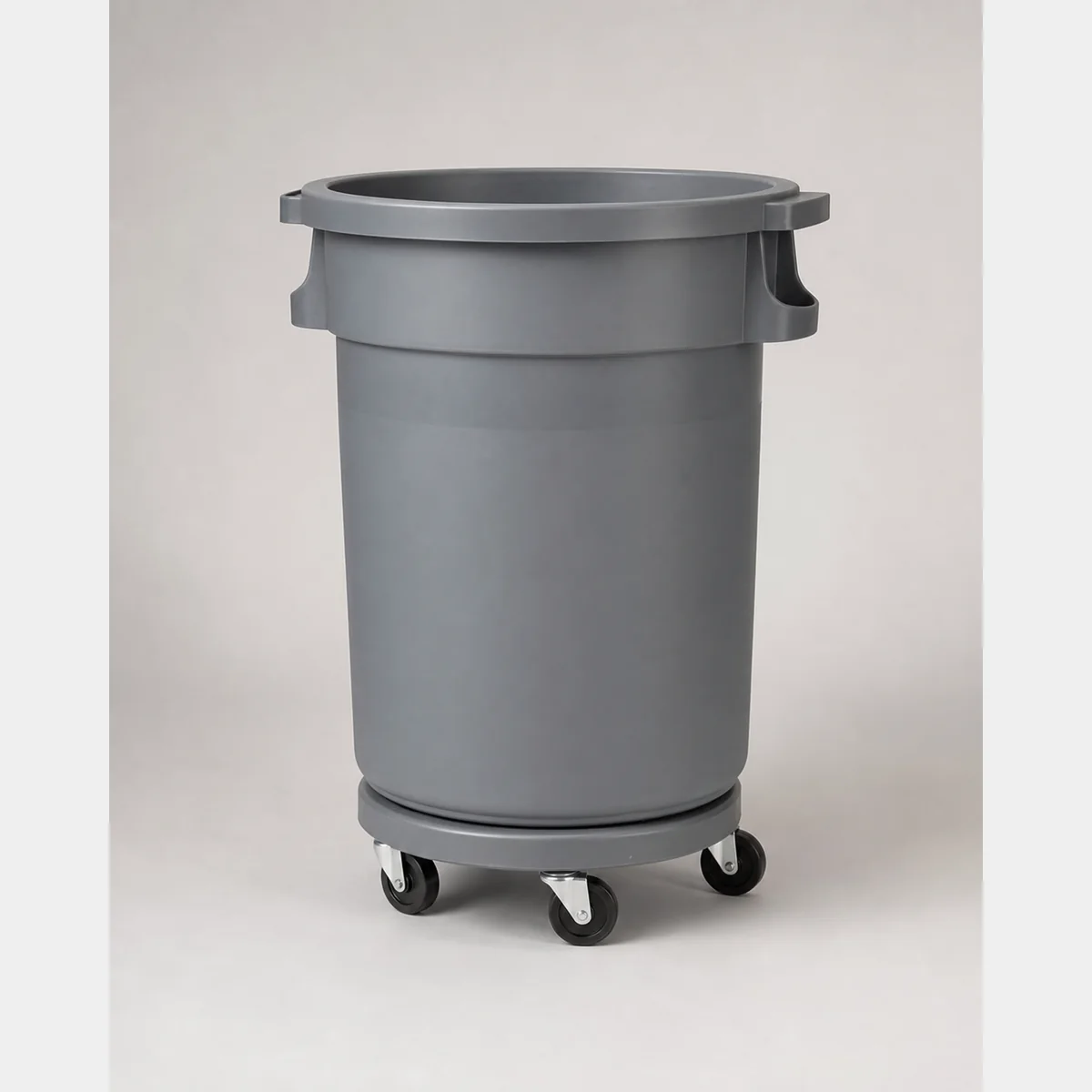
Round Storage Tub
Round storage tub; Capacity: 167L / 120L; Product dimensions: Ø61XH93 cm / Ø56XH82 cm; Minimum order quantity: 1 unit. Formal quotation available upon enquiry according to use, specifications and quantity.
- Capacity
- 167L / 120L
- Product dimensions
- Ø61XH93 cm / Ø56XH82 cm
- Minimum order quantity
- 1 unit
 Shelving & StorageProduct reference image
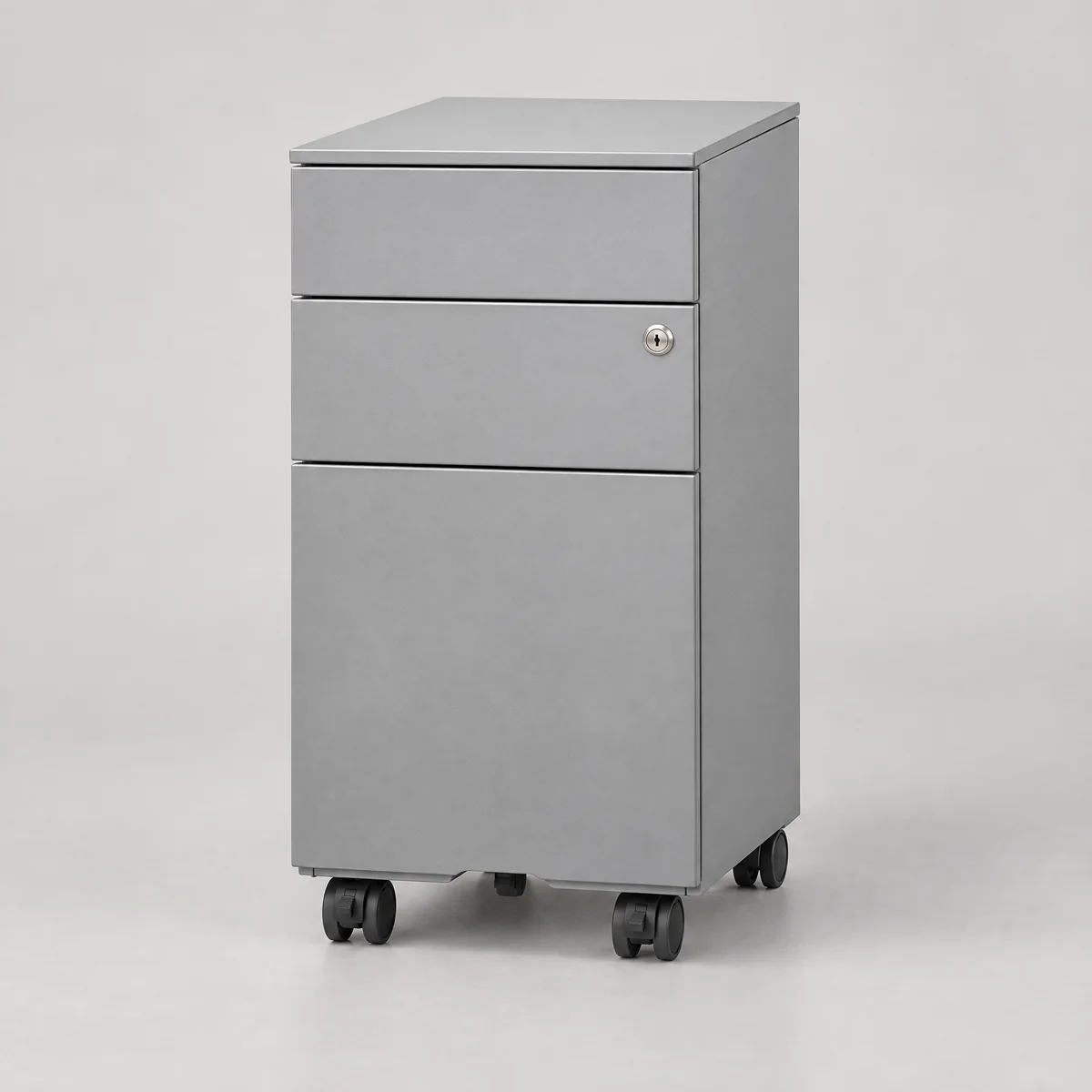
3-tier filing cabinet
3-tier filing cabinet; Size: Length 300xDepth520 × Height 600 mm. Formal quotation available based on use, specifications and quantity.
- Size
- Length 300xDepth520 × Height 600 mm
 Shelving & StorageProduct reference image
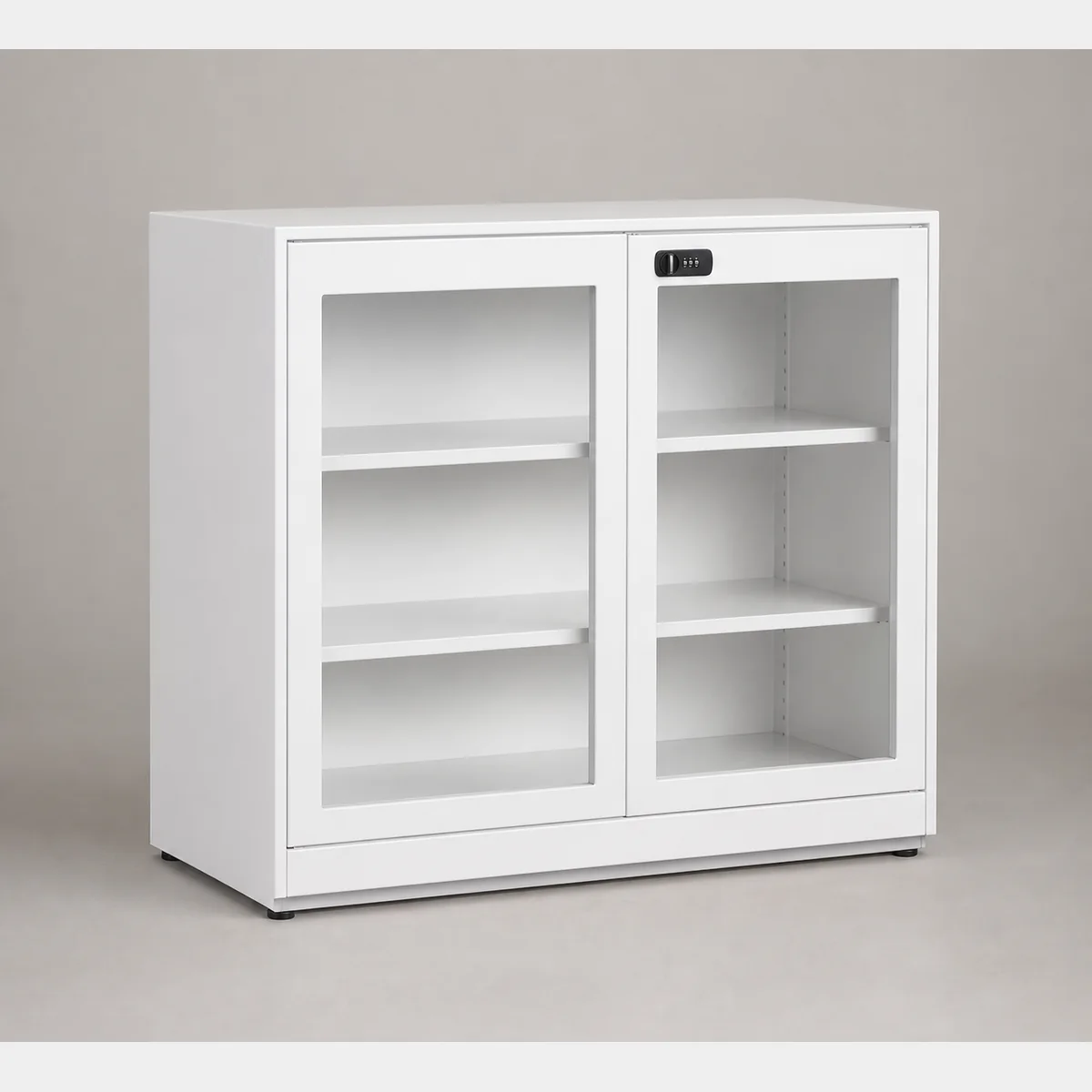
Double-door glass cabinet (numeric keypad lock)
Double-door glass cabinet (numeric keypad lock), A: L800xW400xH750 mm; B: L800xW400xH1150 mm; C: L800xW400xH750 mm. Formal quotation available based on use, specifications and quantity.
- A
- L800xW400xH750 mm
- B
- L800xW400xH1150 mm
- C
- L800xW400xH750 mm
 Shelving & StorageProduct reference image
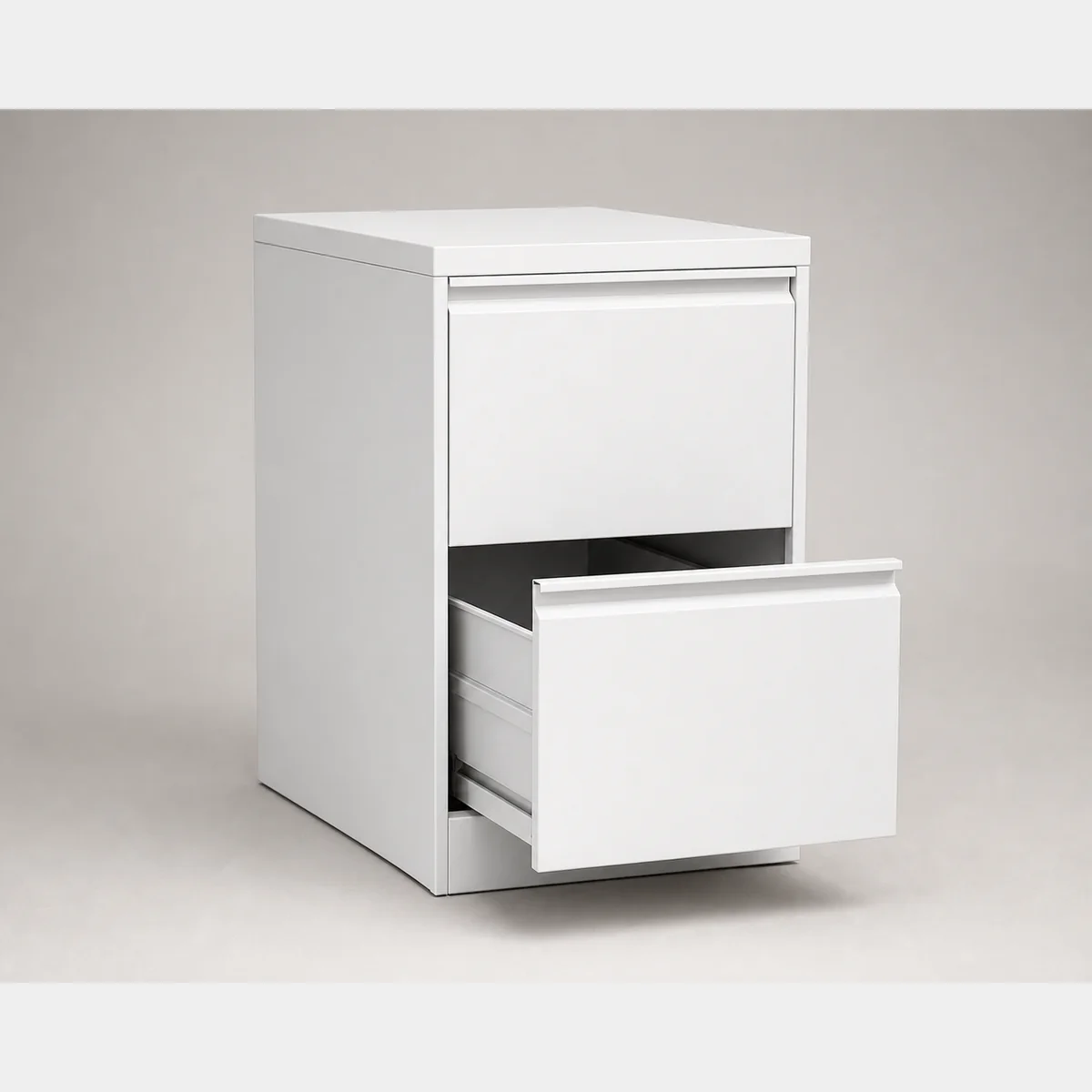
Drawer filing cabinet
Drawer filing cabinet. For intended use, size and quantity, contact the supplier for official specifications and a formal quotation. Model JCB3004.
- JCB3004-A option 1
- W460xD620xH731 mm
- JCB3004-B option 2
- W460xD620xH1031 mm
- JCB3004-C option 3
- W460xD620xH1331 mm
 Shelving & StorageProduct reference image
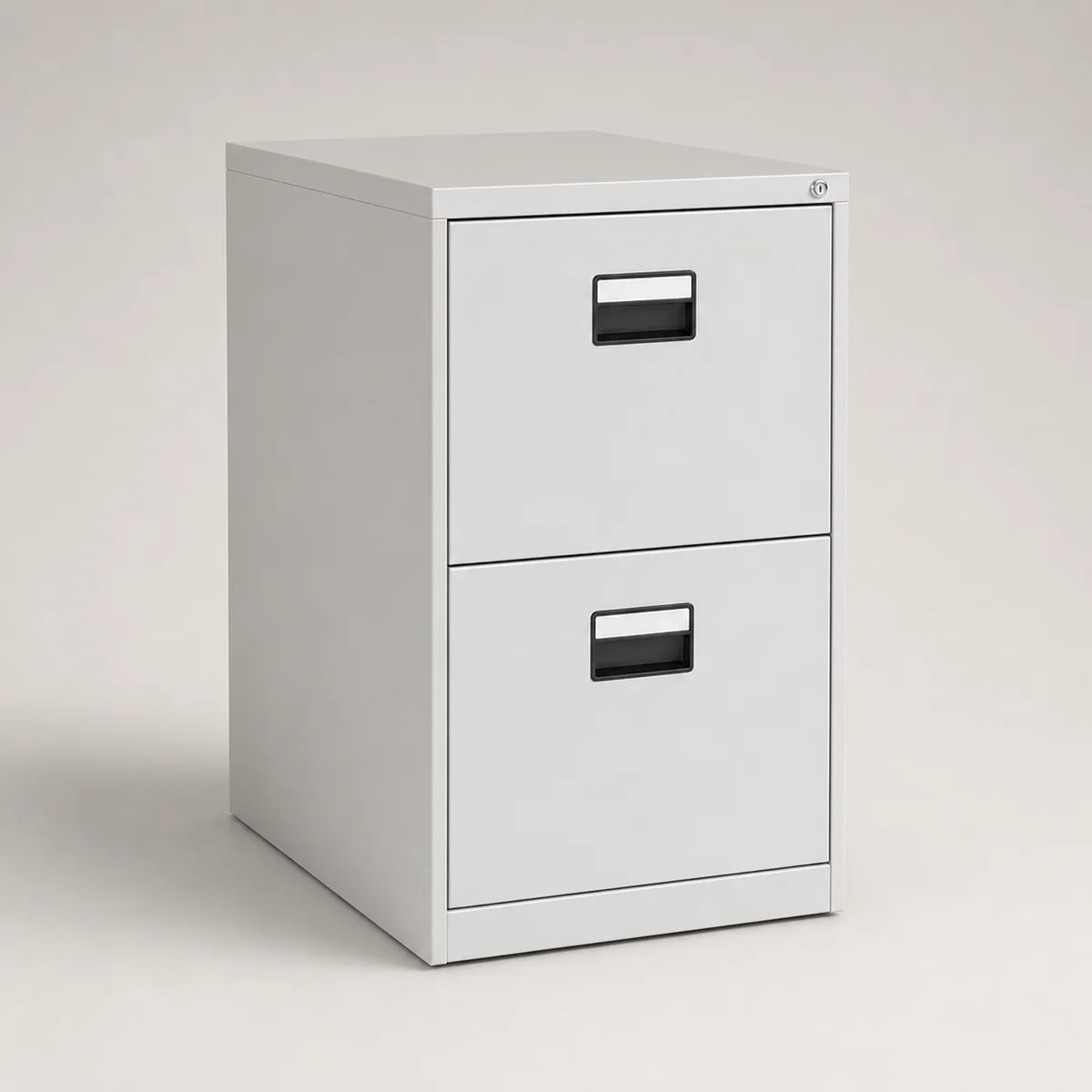
Drawer Filing Cabinet
Drawer filing cabinet. For official specifications and a formal quotation according to use, size and quantity, please contact GotGear.
- JCB3004-D
- W460xD620xH731 mm
- JCB3004-E
- W460xD620xH1031 mm
- JCB3004-F
- W460xD620xH1331 mm
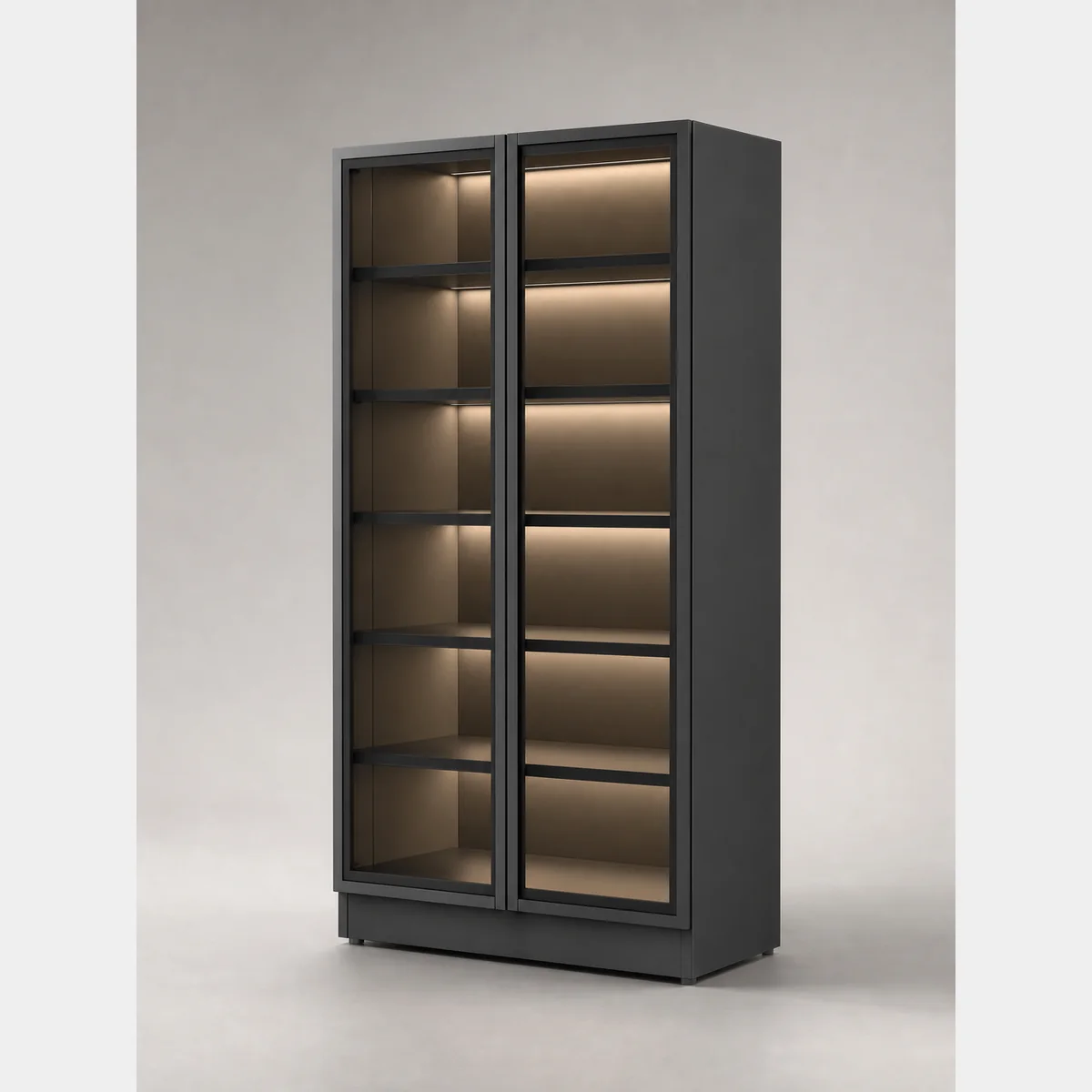 Shelving & StorageProduct reference image
Glass-door Storage Cabinet
Glass-door storage cabinet. Dimensions/specifications: L40xW35xH120 cm / L60xW35xH120 cm; Colour: Dark Grey / Dark Grey, White; Use: Suitable for displaying ornaments, figurines, models, shoes, exhibits, etc. Formal quotation available based on use, specifications and quantity.
- Dimensions / Specifications
- L40xW35xH120 cm / L60xW35xH120 cm
- Colour
- Dark Grey / Dark Grey, White
- Use
- Suitable for displaying ornaments, figurines, models, shoes, exhibits, etc.
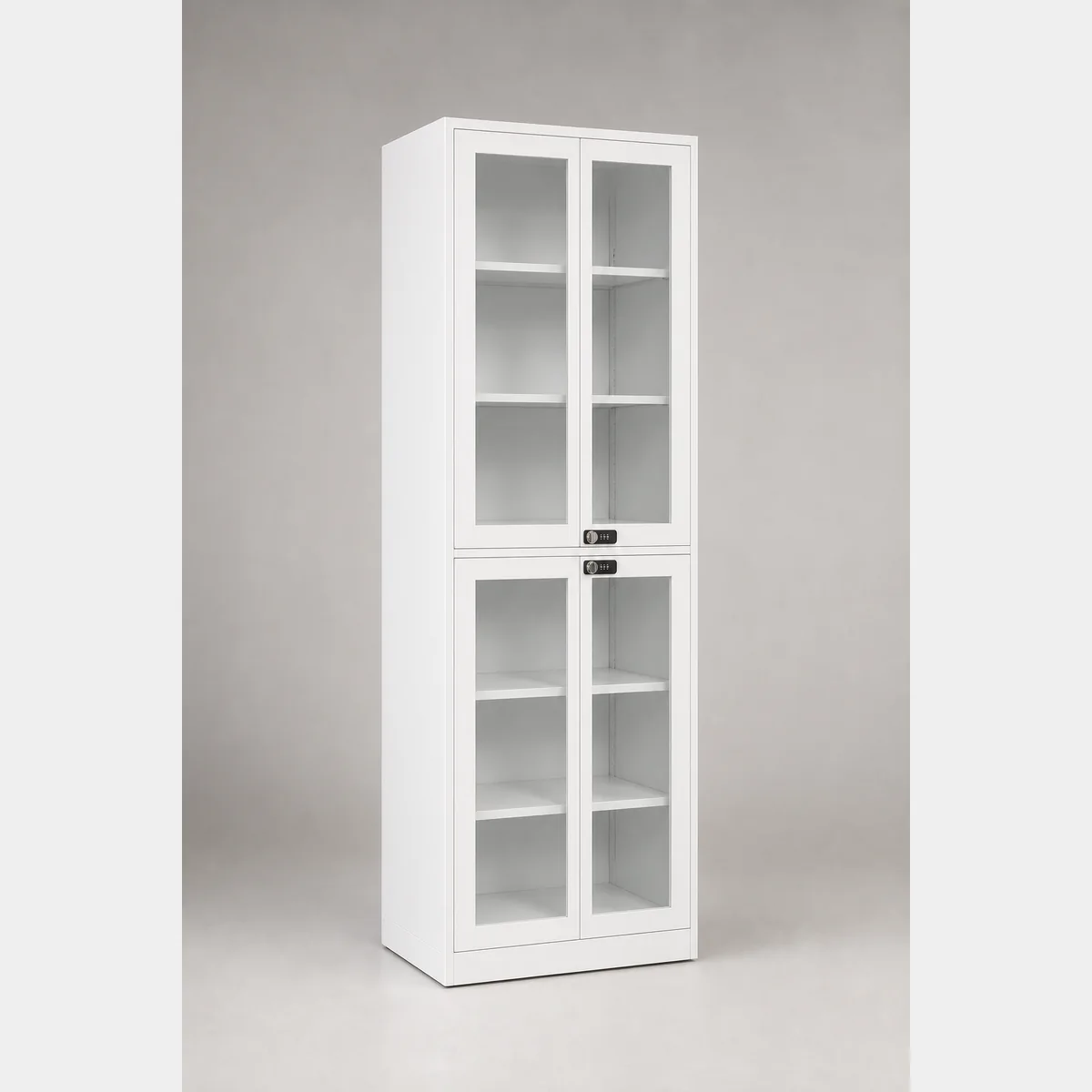 Shelving & StorageProduct reference image
JCB3011 Glass Door Cabinet (Password Lock)
Glass Door Cabinet (Password Lock), Dimensions / Specifications: L600xW400xH1850 mm / L700xW400xH1850 mm. Formal quotation available based on use, specifications and quantity.
- Dimensions / Specifications
- L600xW400xH1850 mm / L700xW400xH1850 mm
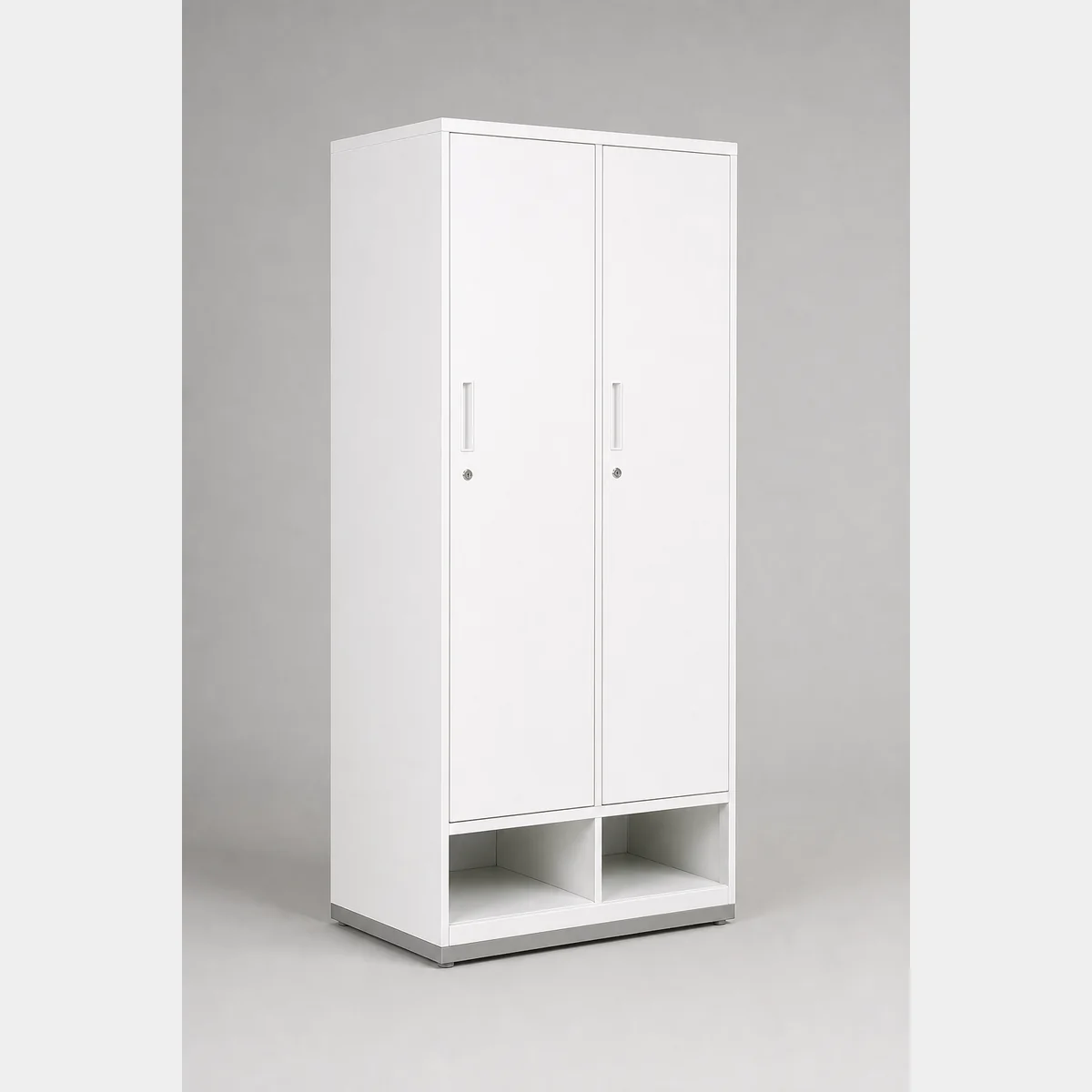 Shelving & StorageProduct reference image
Locker with Shoe Cabinet
Locker with shoe cabinet, A:W900xD500xH1900 mm; B:W900xD500xH1900 mm; C:W900xD500xH1900 mm. Request a formal quotation based on intended use, specifications and quantity.
- A
- W900xD500xH1900 mm
- B
- W900xD500xH1900 mm
- C
- W900xD500xH1900 mm
Continue with closely related procurement topics
These pages share equipment, operating or decision-stage signals with this guide.
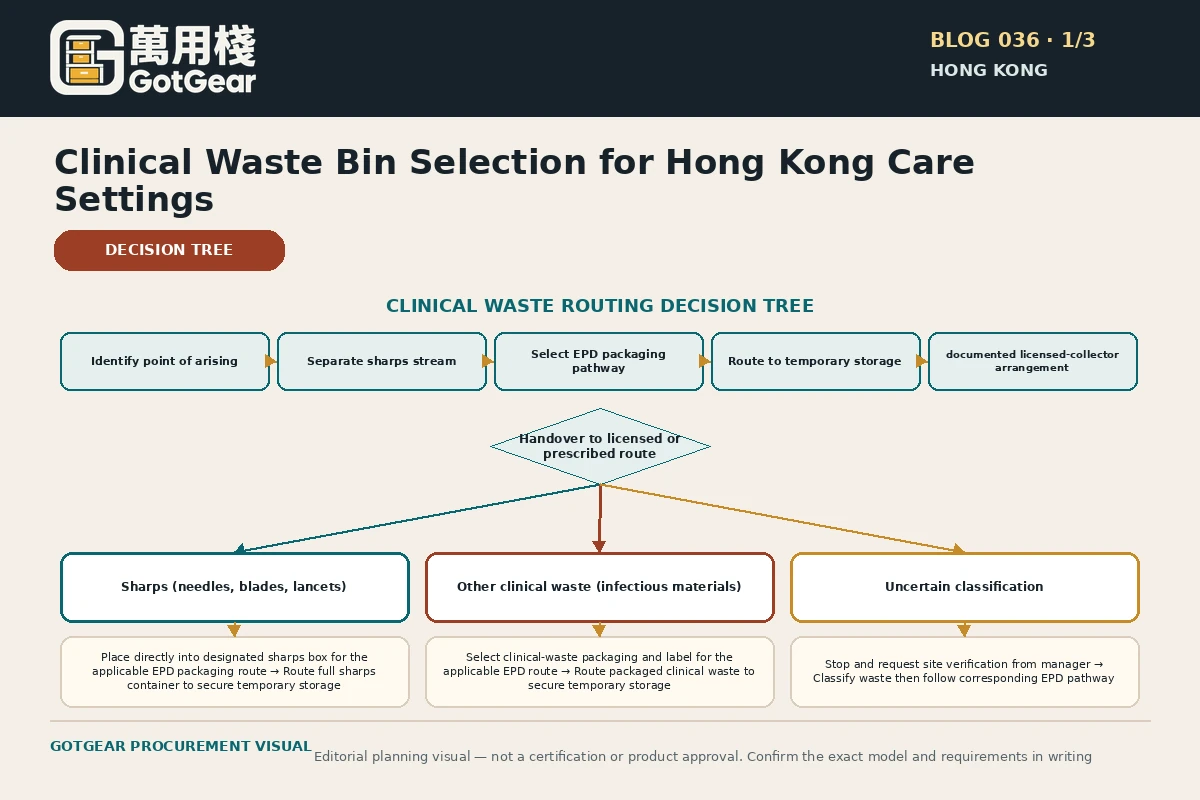
Clinical waste bin selection Hong Kong
GotGear explains clinical waste bin selection Hong Kong for Hong Kong buyers. See how clinical waste container requirements Hong Kong supports healthcare sharps waste bin Hong Kong, with practical checks, evidence boundaries and written requirements.
Read the guide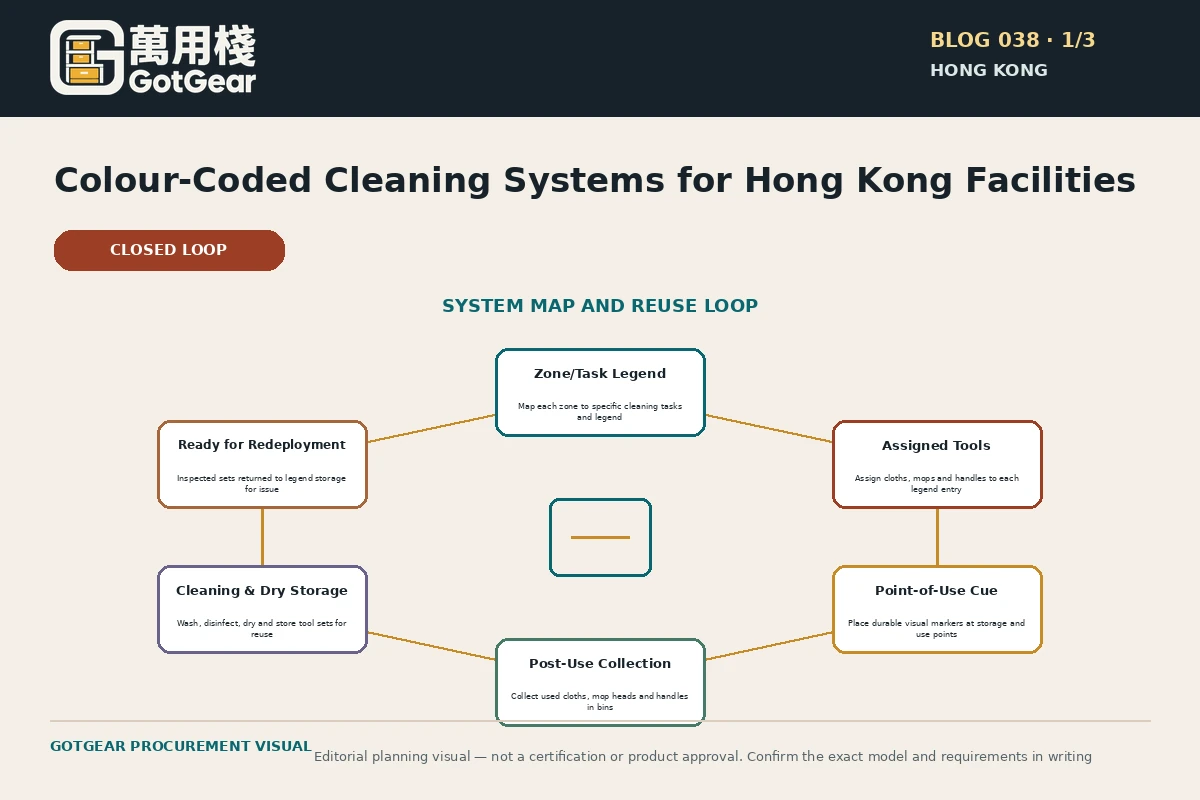
Colour coded cleaning system Hong Kong
GotGear explains colour coded cleaning system Hong Kong for Hong Kong buyers. See how colour coded cleaning cloths Hong Kong supports colour coded mop system Hong Kong, with practical checks, evidence boundaries and written requirements.
Read the guide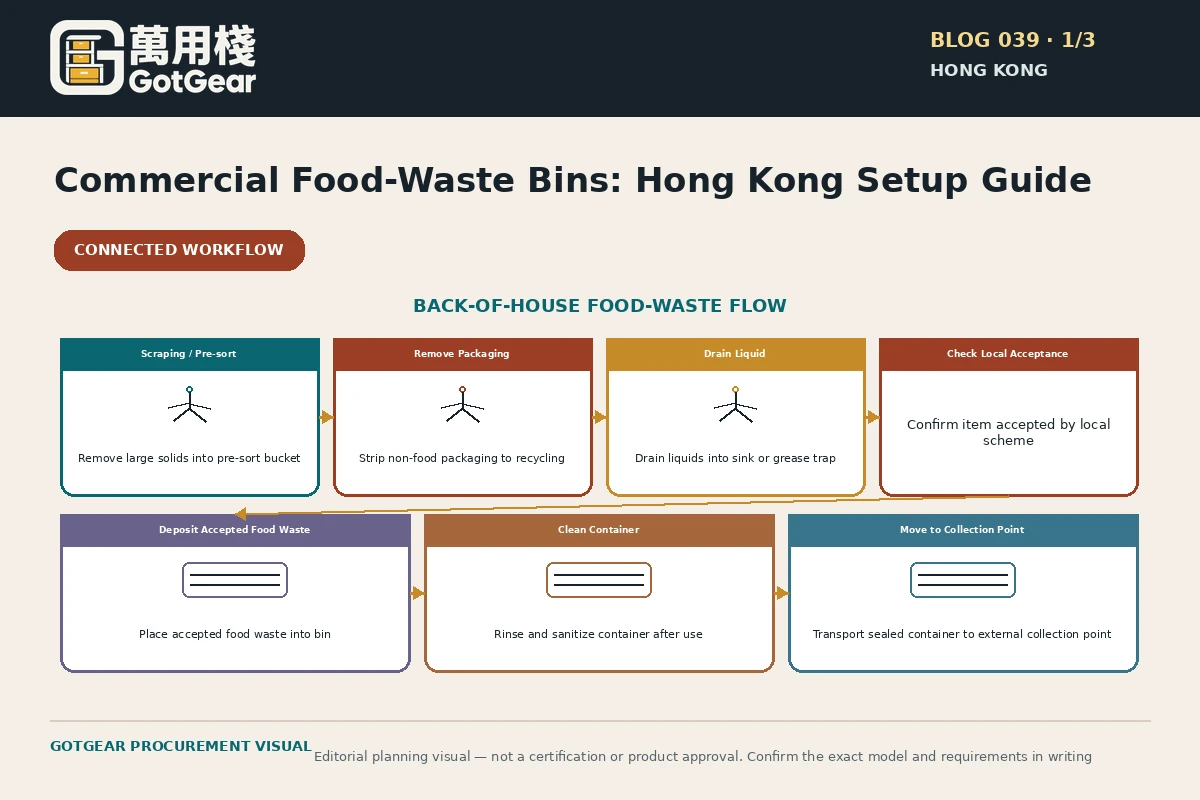
Commercial food waste bin selection Hong Kong
GotGear explains commercial food waste bin selection Hong Kong for Hong Kong buyers. See how restaurant food waste container Hong Kong supports food waste collection point design Hong Kong, with practical checks, evidence boundaries and written requirements.
Read the guide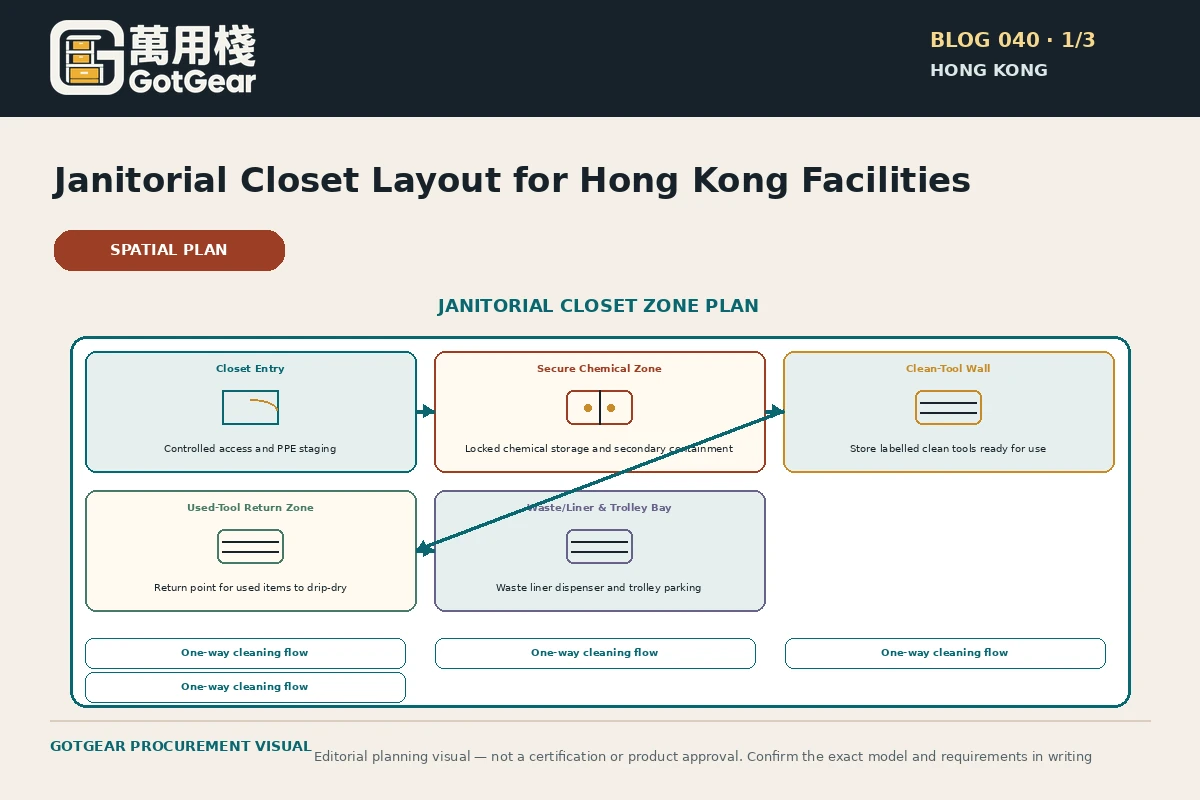
Janitorial closet layout Hong Kong
GotGear explains janitorial closet layout Hong Kong for Hong Kong buyers. See how commercial cleaning supply storage Hong Kong supports cleaning equipment storage room Hong Kong, with practical checks, evidence boundaries and written requirements.
Read the guideRelated topic indexOpen more English procurement pages7 topics
Browse additional equipment families, applications and procurement questions relevant to these operating requirements.