
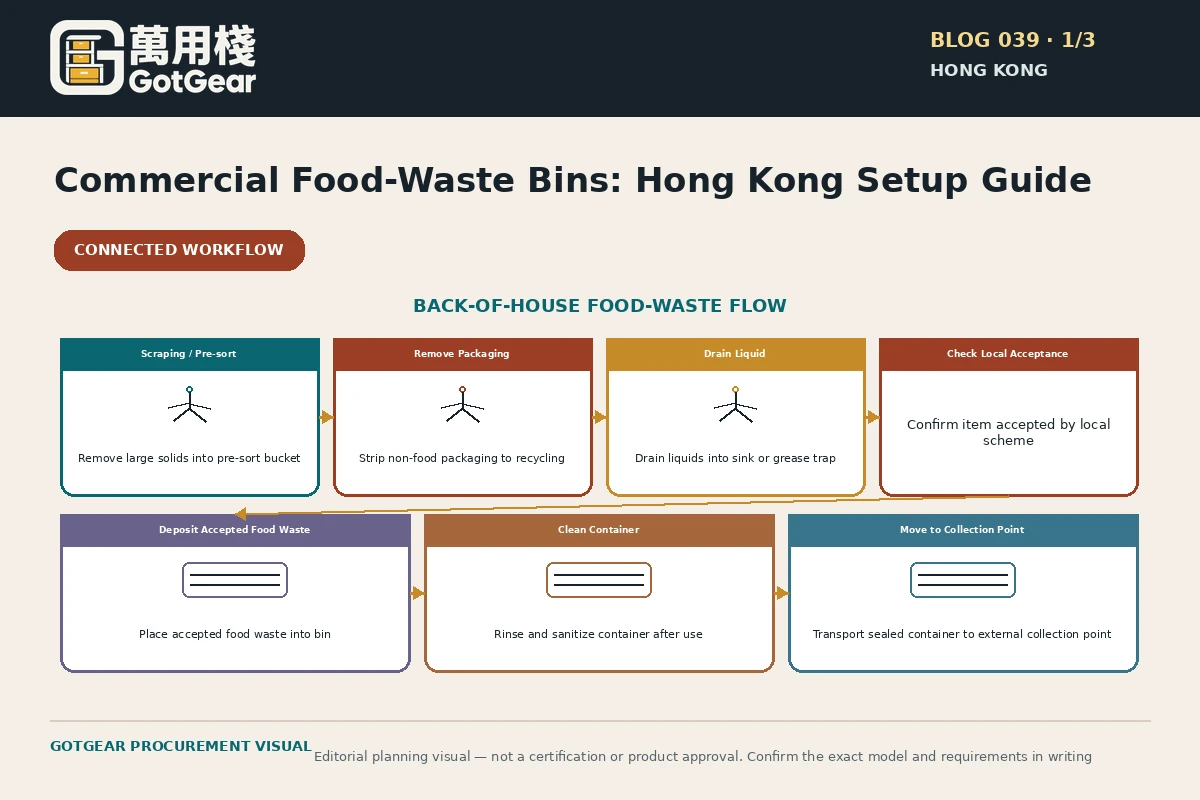
Start by checking the collector or programme's accepted-material list; then map a straight source-separation route that removes packaging, diverts recyclables and drains liquids before the food-waste bin. For restaurants and hotels in Hong Kong, use covered, easy-to-clean containers sized to your turnaround, provide short-term refrigeration or covered staging where needed, and ensure staff training and regular replacement and cleaning. Confirm eligibility, accepted materials and handover requirements directly with the current programme or collector.
What to remember before you decide
- Start with the collector’s written accepted-material list before choosing bin types or workflows.
- Design a simple de-packaging and drainage step at or near the point of waste generation to prevent contamination.
- Choose covered, easy-to-clean containers sized to your operational turnover and to fit building access constraints.
- Plan for odour control with lids, frequent emptying and short-term refrigeration when necessary.
- Coordinate with property management and the collector on collection-point placement, access windows and handover rules.
- Train staff, document cleaning and handovers, and review programme rules regularly to maintain compliance.
Step 1 — Work from the collector's rules to a simple source-separation path
Use these decision checks: Your first decision must be acceptance: which programmes or private collectors will pick up food waste from your location and what materials they accept. In Hong Kong, the Environmental Protection Department (EPD) encourages source separation and operates guidance and partnerships for commercial and industrial premises; many private collectors follow similar material rules. Establish whether the collector accepts mixed cooked and raw food, bones, dairy, packaging types and liquids. Limitation: Accepted-material lists change between collectors and over time; an assumption based on another site or old guidance risks rejection at handover. Next, contact the intended collector or your property management to obtain written acceptance criteria; request a short list of mandatory exclusions (for example packaging, utensils, or hazardous residues) and any pre‑treatment steps they require. Map the journey from point-of-waste generation (kitchen, prep station, plate return area) to the collection point and identify where de-packaging and drainage will happen.
De-packaging, drainage and in-premise handling
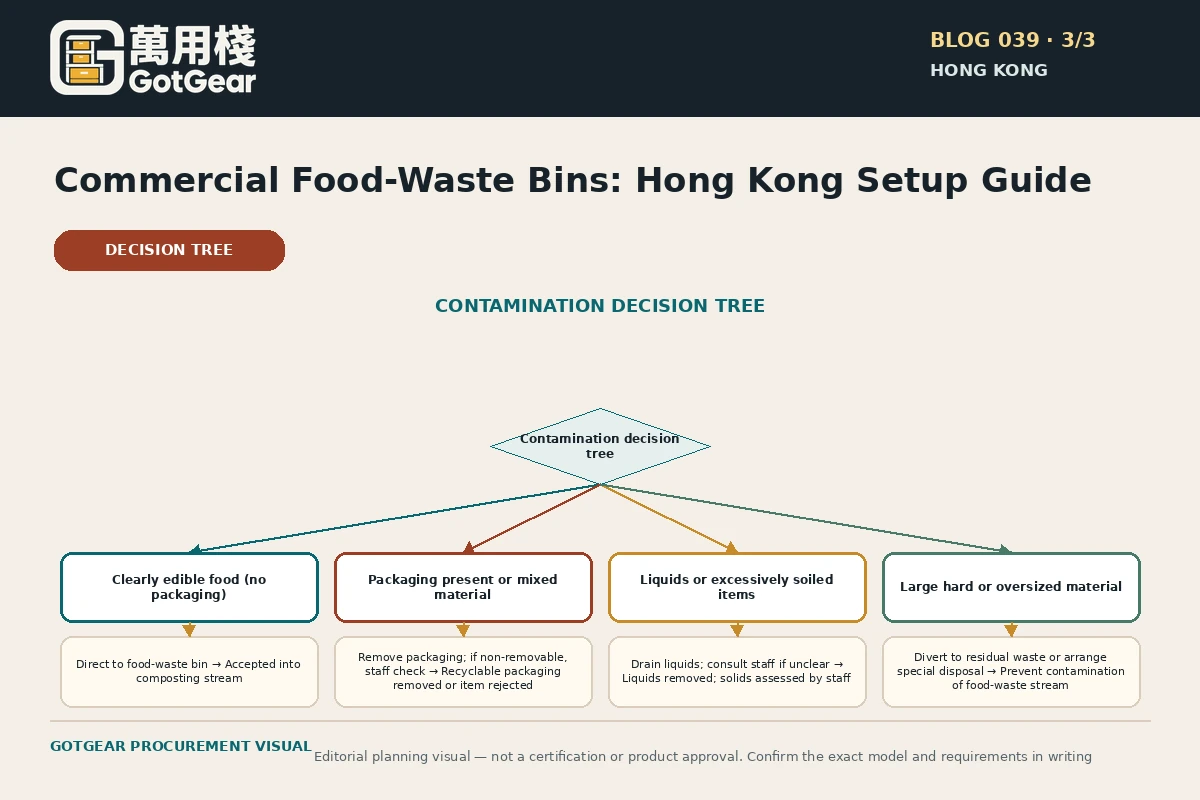
Use these decision checks: Decide where packaging removal and liquid drainage occur relative to the bin: at source (e.g. at prep benches or plate return), at a dedicated de-pack station, or at an intermediate staging bin. For many Hong Kong kitchens the fastest, lowest-contamination solution is immediate de-packaging at the plate return or dish‑washing area because it prevents excess non-food materials from reaching the food-waste bin. Choose materials and tools — bench scrapers, designated compostable liners if allowed, gravity drains or colanders — that match the collector’s rules. Limitation: Not every collector permits compostable liners, and liners can complicate downstream processing or cause rejection. Draining liquids into a grease trap, wastewater drain or a designated liquid collection container may be mandatory; drains must meet local plumbing rules. Next, install a simple de-pack station with clear signage and trays for removed packaging, provide a small colander or drain pan to collect liquids, and train staff to scrape plates and drain excess before binning. Verify with the collector whether liners are accepted and whether liquids should go to sewer, grease trap or into a separate liquid container for collection.
“Design bins and workflows to satisfy the collector’s rules first; capacity alone won’t prevent rejected loads or odour problems in dense Hong Kong premises.”— GotGear Editorial Team
What should buyers compare for commercial food waste bin selection Hong Kong?
| Option or approach | Best for | Trade-offs | Checks before acceptance |
|---|---|---|---|
| Small covered mobile tubs (20–60L) | High-turnover kitchens, plate-return stations, and front-of-house secondary collection. | Frequent emptying and more handling; smaller units can be time-consuming for staff but reduce odour when emptied often. | Measure average fill time over a week; confirm collector accepts smaller container volumes and whether liners are permitted. |
| Wheeled intermediate bins (120–240L) | Back-of-house interim storage with corridor access to loading bay. | Require space to store and manoeuvre; may be restricted by lift or corridor width in older buildings. | Physically measure routes and lifts; trial a week of movement during service to check obstruction and timing with property rules. |
| Large static bins (660–1100L) for centralised collection | Hotels, large catering facilities or multi-kitchen sites with mechanical handling. | Higher initial footprint and odour risk if not emptied frequently; needs mechanical emptying compatibility. | Confirm collector has compatible lifting equipment and agreed emptying frequency; inspect space for mechanical access and allowable storage times. |
| Dedicated de-pack station with sink/drain and temporary refrigeration | Sites with mixed packaged deliveries, high takeout volumes and variable collection windows. | Requires plumbing, maintenance and possible trade waste considerations; refrigeration increases energy use and space needs. | Check plumbing feasibility with building management; confirm refrigeration as an interim odour-control option with local fire/building rules. |
| Shared building collection room with pooled bins | Multi-tenant commercial or market complexes seeking a consolidated handover point. | Coordination overhead between tenants; risk of cross-contamination if tenant duties are unclear. | Agree a memorandum with property management on responsibilities, labelling, cleaning rota and access windows; trial for 30 days to refine rules. |
This framework helps buyers create comparable written enquiries. Final model specifications, availability, delivery and commercial terms must be confirmed in a formal quotation.
Step 2 — Bin design, cleaning access and on-premise controls
Use these decision checks: Select containers with close-fitting lids, smooth internal surfaces for easy cleaning, and robust handles for safe manual handling. In Hong Kong premises the Food and Environmental Hygiene Department (FEHD) guidance emphasises covered containers that are washed regularly, replaced if damaged and emptied at a frequency that controls odour and pests. Consider whether bins need lockable lids (for shared back-of-house areas), stackability (for storage) and compatibility with your emptying method — wheeled bins for corridor handover, static tubs for forklift or chute transfer, or smaller mobile units for high-turnover stations. Limitation: Larger capacity bins reduce handling but may sit longer and increase odour risk; smaller bins increase handling time and staffing resource requirements. Access constraints in older Hong Kong buildings — narrow stairwells, lift restrictions and limited back-of-house space — can rule out some bin types. Next, measure doorways, lifts and corridors, choose bin sizes that fit physically and operationally, and specify materials (stainless steel or food-grade polymer) that tolerate daily washing. Designate a cleaning and replacement schedule that aligns with FEHD expectations and your collector’s handover frequency, and log cleaning events.
Collection-point layout and handover workflow
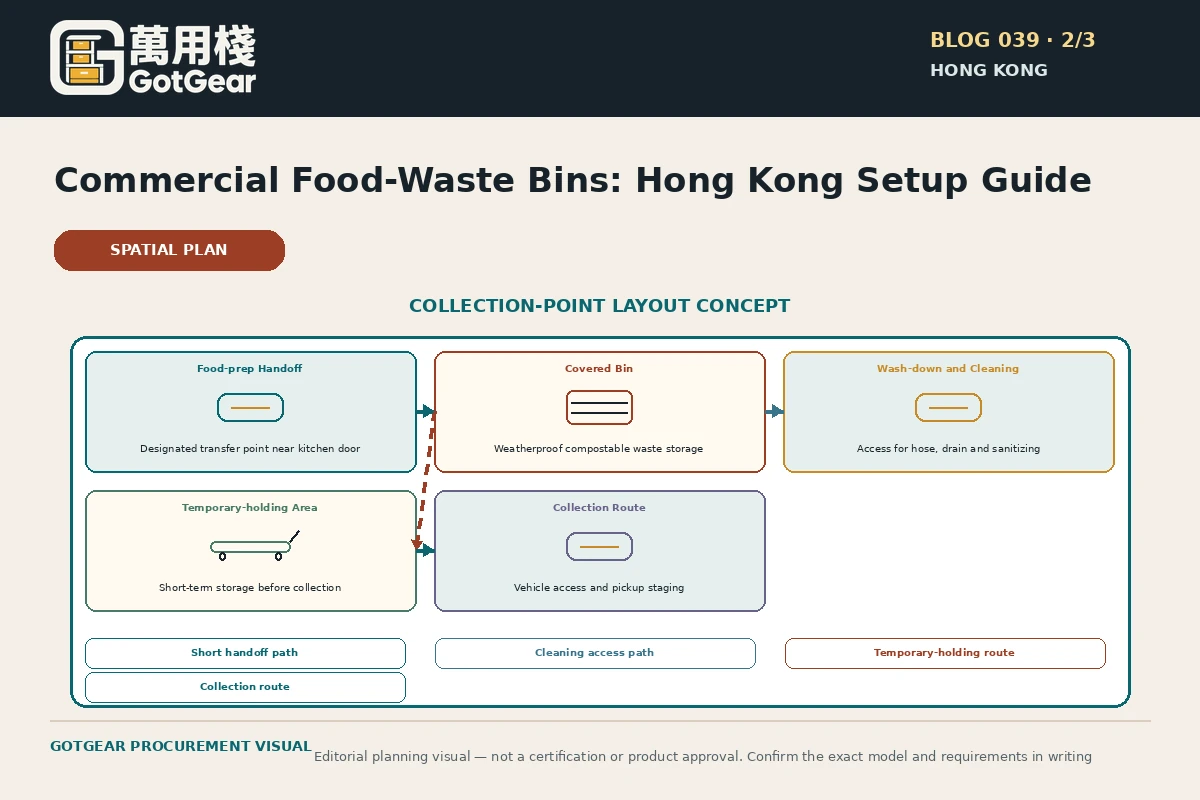
Use these decision checks: The collection point should be close to the route a collector will take, have clear segregation, and provide space for temporary refrigeration or covered staging if handover cannot occur immediately. For multi-tenanted buildings, coordinate with property management on a shared collection area and on access times. A key limitation is that Many commercial buildings in Hong Kong limit outdoor storage and have strict loading-window rules. A ground-floor collection room must manage odour, pests and hygiene to the FEHD standard and may require drainage and washable surfaces. Next, agree a handover window with the collector, set up a labelled, lockable collection area with impervious flooring, and include a short refrigeration option (a small chest or dedicated fridge) when immediate collection is not feasible. Confirm whether the collector requires sealed bins, specific wheeled bin types, or a particular labelling and record of contents at handover.
Commercial food waste bin selection Hong Kong decision checklist
- Confirm which collector or EPD-supported programme will handle your site and obtain their current accepted-material list in writing.
- Identify which materials must be removed before deposit (packaging, utensils, recyclables) and whether compostable liners are accepted.
- Measure physical constraints: doorways, lifts, corridors and loading bay dimensions to determine maximum bin size and manoeuvrability.
- Decide where de-packaging and liquid drainage will occur and ensure plumbing or designated liquid containers comply with building rules.
- Select bin materials and designs that allow daily washing and replacement without structural damage (stainless steel or food-grade polymer).
- Plan odour control: emptying frequency, short-term refrigeration, close-fitting lids and covered staging areas aligned to local FEHD guidance.
- Coordinate with property management for shared collection points, loading windows and access permissions in multi-tenanted buildings.
- Assign staff roles and training for source separation, de-packaging, drainage, bin cleaning and record-keeping to maintain hygiene and acceptance.
- Agree labelling, container sealing and documentation requirements with the collector to prevent rejection at handover.
- Set a cleaning and replacement schedule and log system that meets FEHD advice on washing and container condition.
- Estimate daily volume and variability to choose an appropriate combination of small mobile units and larger interim bins.
- Confirm any necessary permits, plumbing, refrigeration or electrical work with building management before installation.
Practical action sequence
- Contact intended collector or programme and request their acceptance criteria and handover requirements in writing.
- Survey the premises for physical constraints and map the shortest route from waste generation points to the collection point.
- Design a de-packaging and drainage station with trays/colanders and determine whether liquids go to sewer, grease trap or separate collector.
- Select bin types and sizes that physically fit the route, meet cleaning needs and have close-fitting lids; confirm liner policies.
- Establish a labelled collection point with impervious flooring, covered staging and short refrigeration where immediate collection is not possible.
- Train staff on source separation, packaging removal, liquid drainage and cleaning routines; display clear signage at generation points.
- Agree collection windows and handover procedures with the collector and property management; trial the workflow for at least two weeks.
- Adjust bin sizes, emptying frequency and staff rota after the trial to resolve odour, pest or operational bottlenecks.
- Document cleaning events, handovers and any rejected loads; maintain communication with the collector for ongoing compliance.
- Review the programme rules quarterly and update staff training and signage when acceptance criteria or property rules change.
Apply the checks to your Hong Kong site
Follow EPD encouragement for source separation and consult EPD materials for the commercial-and-industrial context; comply with FEHD guidance on covered, regularly washed containers and odour control. Because building realities — narrow service corridors and limited loading time — often override capacity-driven choices, emphasise handling workflow when doing commercial food waste bin selection Hong Kong. Always confirm acceptance and handover procedures with the current collector or programme in writing, since operational rules and eligibility vary and can change. For kitchens, prioritise de-packaging and liquid-draining access and easy cleaning when selecting a restaurant food waste container Hong Kong rather than assuming a single configuration suits every site. Early coordination of staff flow, staging and vehicle approach will shape practical food waste collection point design Hong Kong more than theoretical capacity. Operational takeaway: document collector acceptance, physically map service access and run a short on-site pilot to validate de-packaging, drainage and washing routines before full deployment.
References used for this article
These sources provide regulatory, safety or planning context. They do not certify any GotGear product or replace site-specific professional advice.
- EPD: Food Waste Challenge — Hong Kong food-waste strategy, source separation and commercial-and-industrial collection context.
- EPD: Food Waste Collection Services for Commercial and Industrial Sector — Operational source-separation guidance, including removal of food packaging, separating other waste and draining liquids.
- FEHD: Food Hygiene Code, Waste Storage and Disposal — Hong Kong food-premises guidance on covered waste containers, cleaning, replacement and emptying frequency.
Questions about commercial food waste bin selection Hong Kong
What materials will commercial food-waste programmes in Hong Kong accept?
Accepted materials vary by programme and private collector. The Environmental Protection Department (EPD) advises source separation and outlines the commercial-and-industrial collection context, but each collector publishes its own list of allowed items. Commonly accepted items include cooked and raw food scraps, fruit and vegetable peelings and similar unavoidable food waste. Many programmes exclude packaging, single-use utensils, recyclables and hazardous residues. Always confirm the precise accepted-material list with the collector before implementation to avoid rejection at handover.
Do I need to remove packaging and drain liquids before putting waste into the food-waste bin?
Yes—operational guidance used in Hong Kong commercial collections typically requires removal of food packaging and separate disposal of general waste and recyclables. Draining excess liquids is commonly requested to reduce weight, odour and contamination risk during collection and processing. In practice, set up a simple de-pack station where staff scrape plates and separate packaging, and provide a colander or pan to drain liquids into an approved drain or separate container as required by the collector.
What does FEHD say about food-premises waste containers and cleaning?
The Food and Environmental Hygiene Department (FEHD) recommends that food premises use covered waste containers, wash them regularly, replace cracked or damaged units, and empty them at a frequency that controls odour and pests—typically at least daily for food wastes in active kitchens. Design your cleaning schedule and container selection to make daily washing feasible, and keep dated logs of cleaning and replacement to demonstrate good practice and maintain hygiene.
Can I use compostable liners or biodegradable bags in my commercial bins?
Some collectors accept compostable liners, others do not because liners can contaminate the processing stream or interfere with mechanical separation. Do not assume acceptance based on retail product claims. Validate liner use with your chosen collector and, if approved, select documented compostable liners that match the collector’s processing method. If liners are not accepted, choose containers with smooth, easy-to-clean interiors and plan for more frequent washing.
How should I manage odour and pest risk between collections in Hong Kong's climate?
Reduce odour and pest risk by draining liquids before deposit, using close-fitting lids, emptying at a frequency that prevents prolonged storage, and, where immediate collection is not available, staging waste in a covered, sealed refrigerator or cold room. Regular washing and quick turnover are essential; consider a designated, easily cleaned collection room and short-term refrigeration for high-heat periods. Always check building rules on refrigeration and electrical supply before installation.
What information should I record and share with my collector to avoid rejected loads?
Keep a simple log of container fills, cleaning events and any pre-treatment like de-packaging or drainage. Share your site’s accepted-material handling procedure and any deviations with the collector. At handover, follow any labelling, sealing or documentation requirements the collector sets out and retain copies or photographs of sealed loads where possible. Timely communication of unusual items or contamination reduces rejection risk.
Compare available product models and specifications
These product cards are matched to this buying topic. Select a specification and quantity to send the product details to WhatsApp.
 Cleaning & Waste ManagementProduct reference image
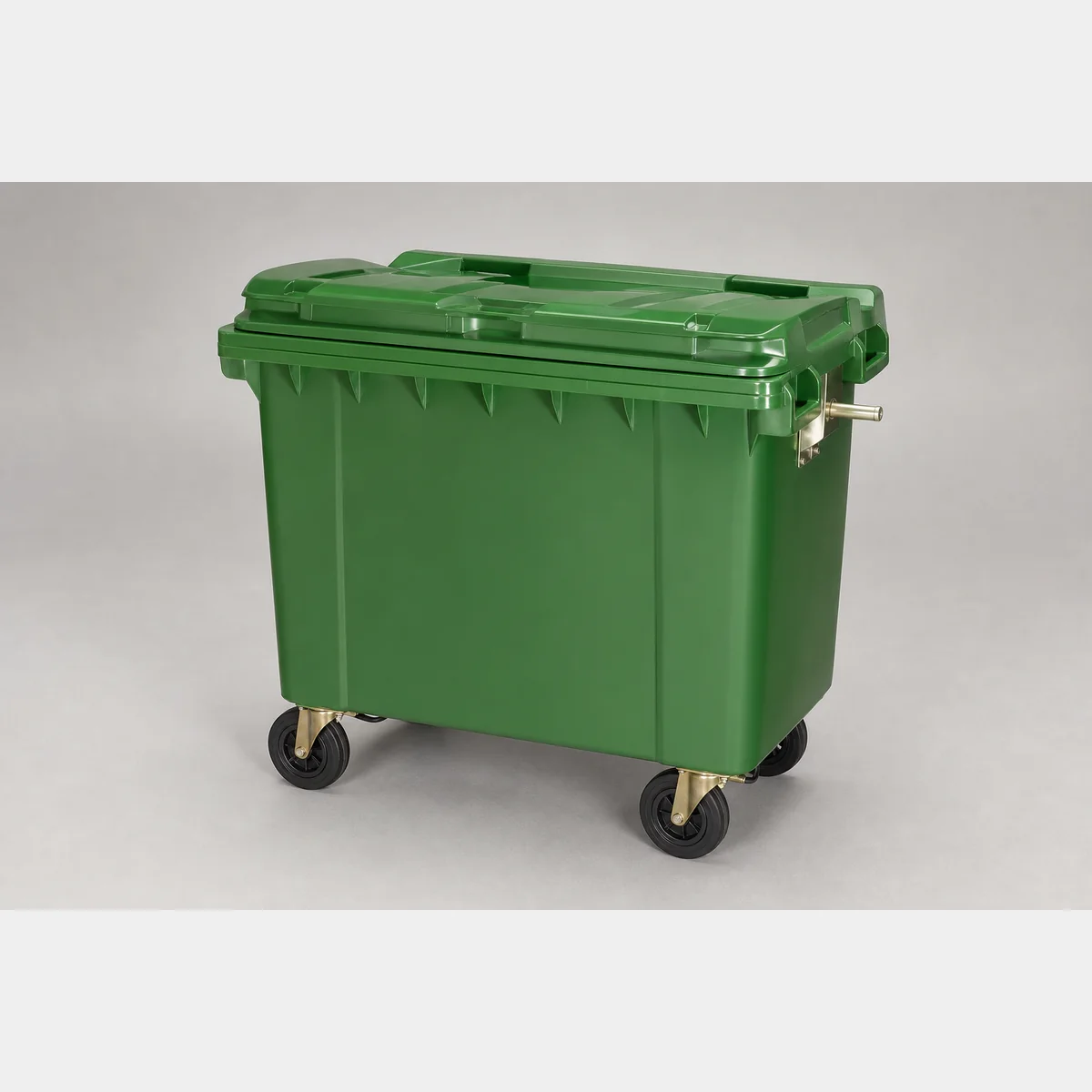
Eco-friendly Large Trash Bin (JB037)
660L Eco-friendly large trash bin. Dimensions/Specification line: L1420xW800xH1230 mm; Colours: Red, Grey, Blue, Green, Yellow; Use: Suitable for food waste, recyclables. Formal quotation available on request according to use, specification and quantity.
- Dimensions/Specification
- L1420xW800xH1230 mm
- Colours
- Red, Grey, Blue, Green, Yellow
- Use
- Suitable for food waste, recyclables
 Cleaning & Waste ManagementProduct reference image
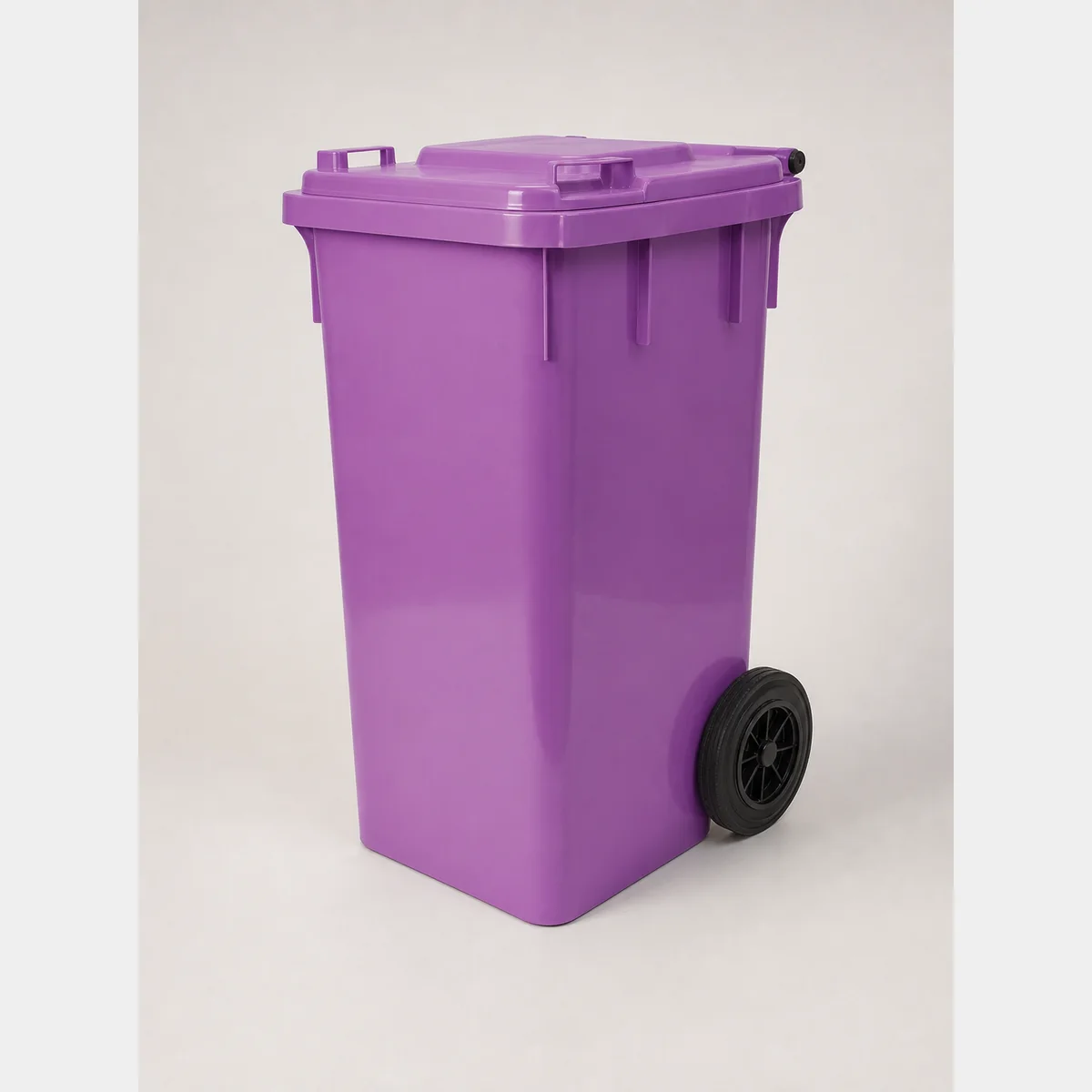
Purple food waste bin
Purple food waste bin. Sizes/specifications: L525xW485xH795 mm / L525xW485xH930 mm. Vol: 100L / 120L. Formal quotation available upon request for intended use, specification and quantity.
- Size/Specifications
- L525xW485xH795 mm / L525xW485xH930 mm
- Vol
- 100L / 120L
 Cleaning & Waste ManagementProduct reference image
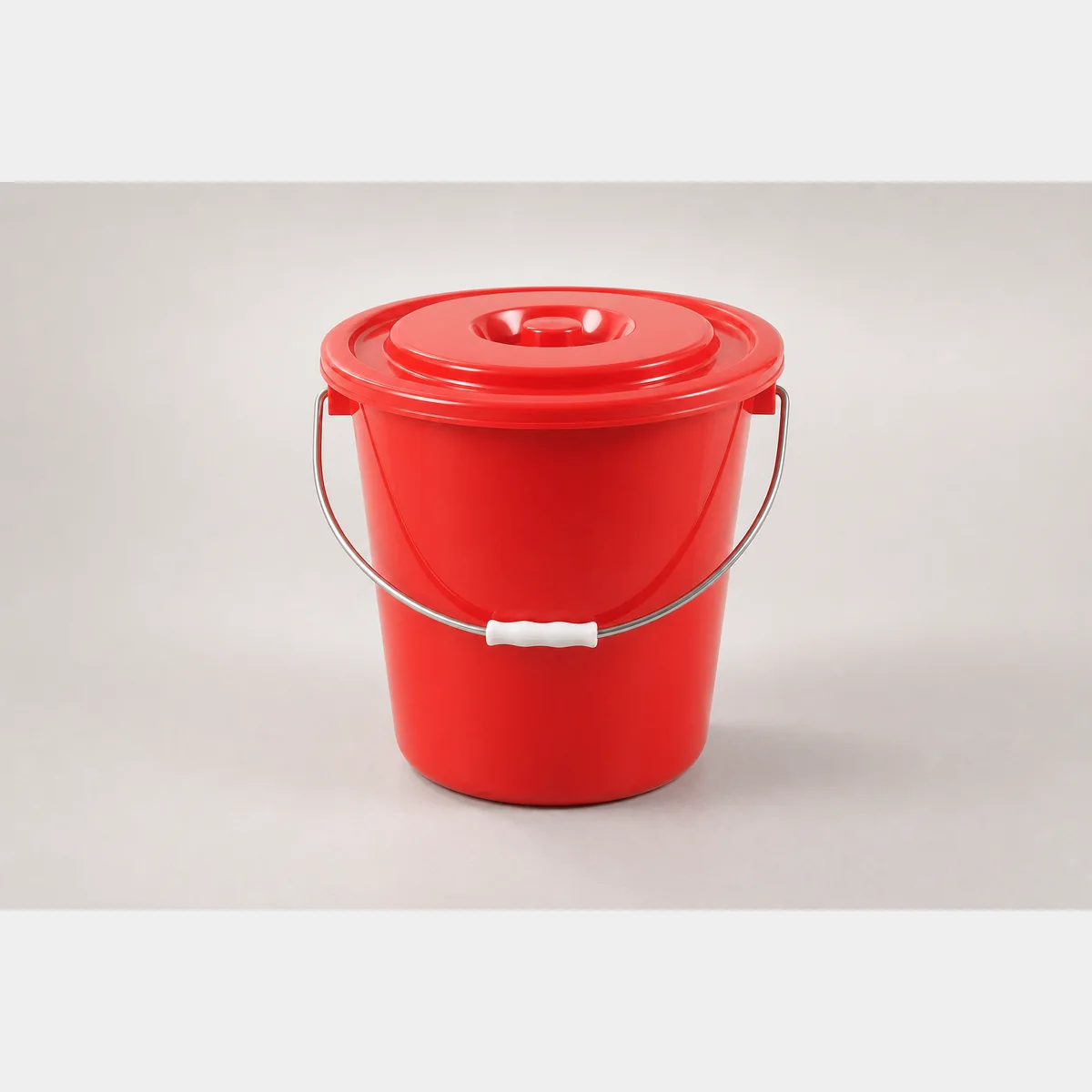
Bucket
Lidded and unlidded 30 L and 22 L bucket range. Minimum quantity: 5 sets. The 30 L model width requires written confirmation because source records conflict between 395 mm and 400 mm.
- 30 L models
- Lidded 280/280-1 / Unlidded 280
- 30 L dimensions
- Minimum L410xW395xH380 mm / Maximum L410xW395xH595 mm
- 22 L models
- Lidded 260/260-1 / Unlidded 260
 Cleaning & Waste ManagementProduct reference image
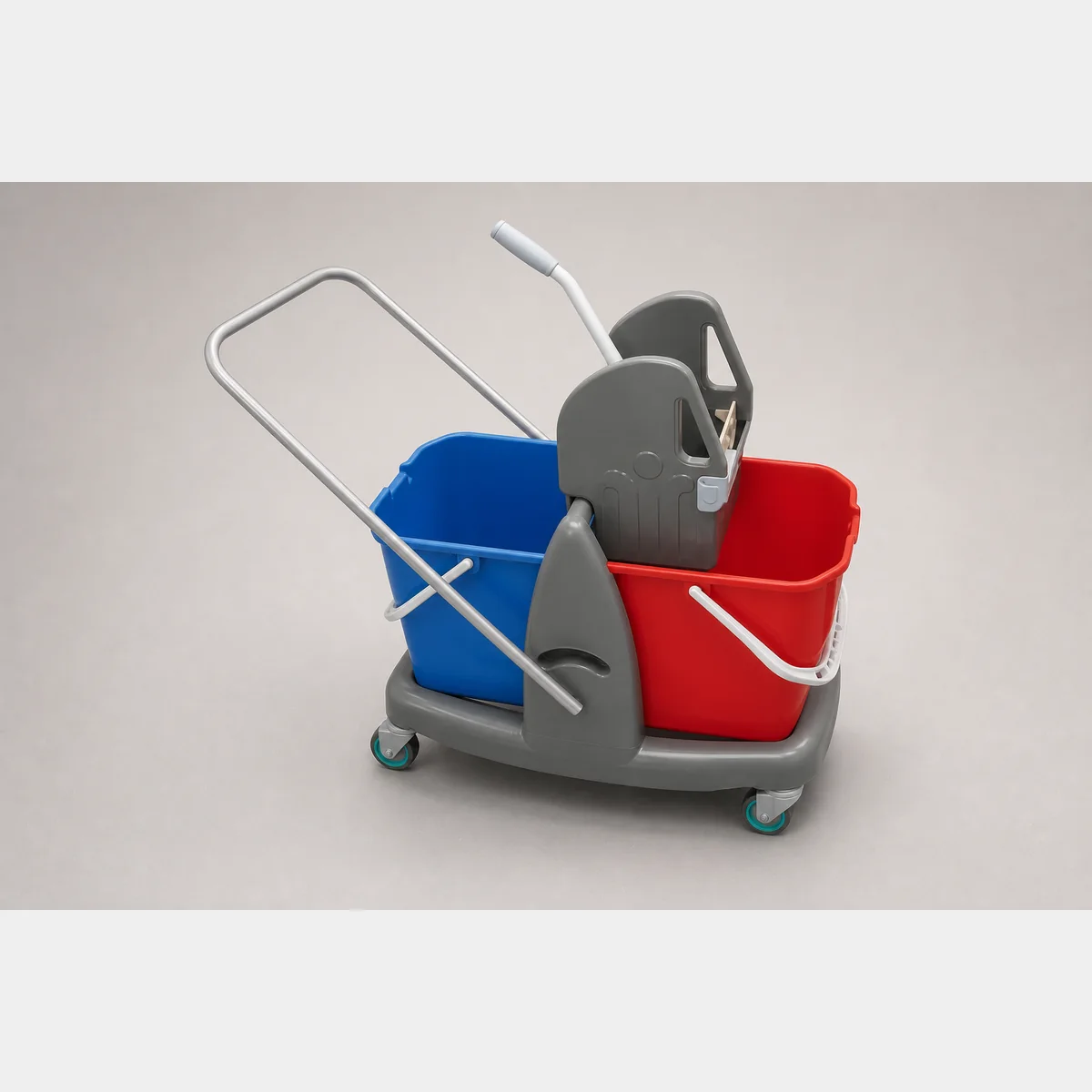
High-quality double-bucket wringer trolley
204 model dimensions require written confirmation because source product text and selector records conflict.
- Exact model dimensions
- 204 model dimensions require written confirmation because source product text and selector records conflict.
 Cleaning & Waste ManagementProduct reference image
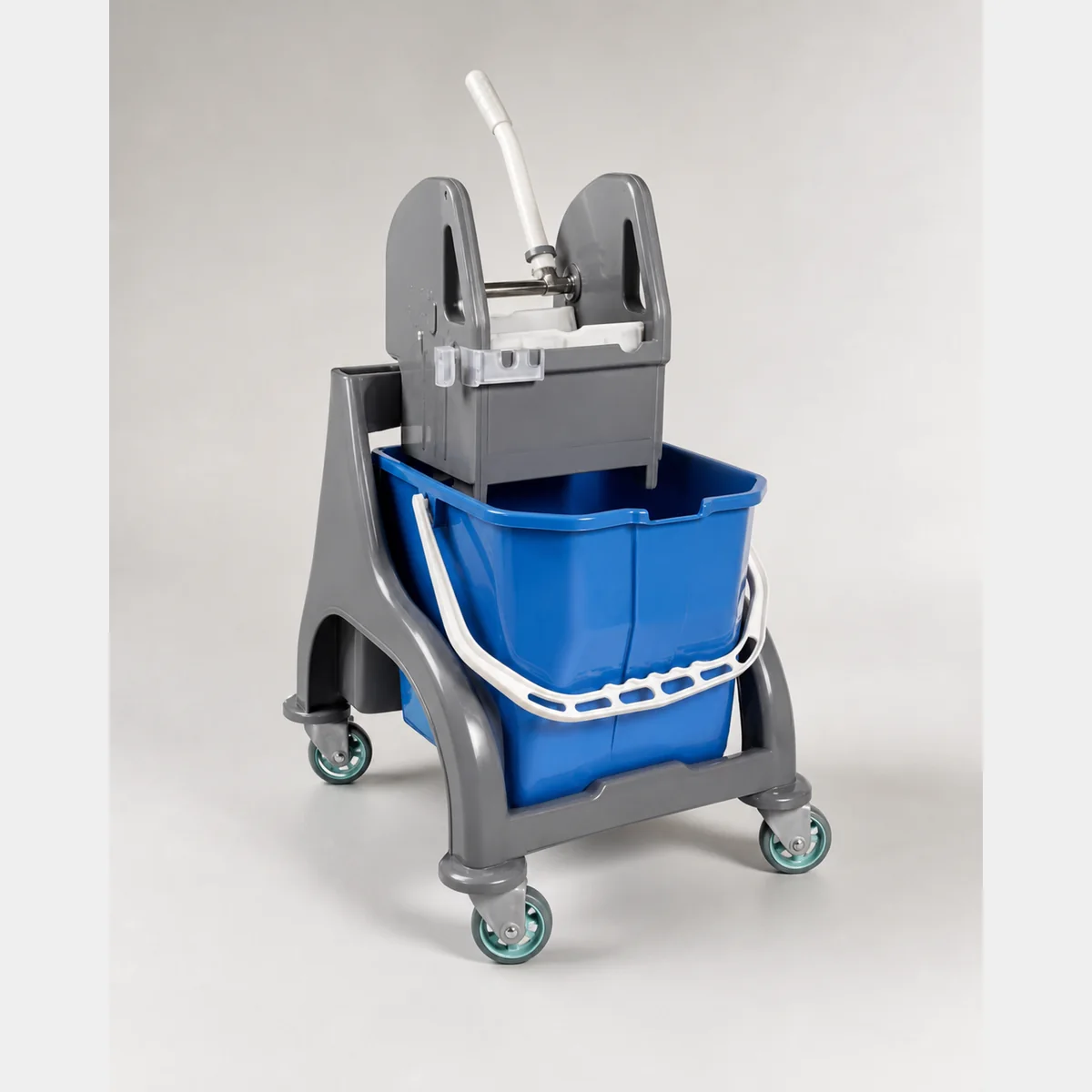
High-quality Mop Wringer Trolley
203 model dimensions require written confirmation because source product text and selector records conflict.
- Exact model dimensions
- 203 model dimensions require written confirmation because source product text and selector records conflict.
 Cleaning & Waste ManagementProduct reference image
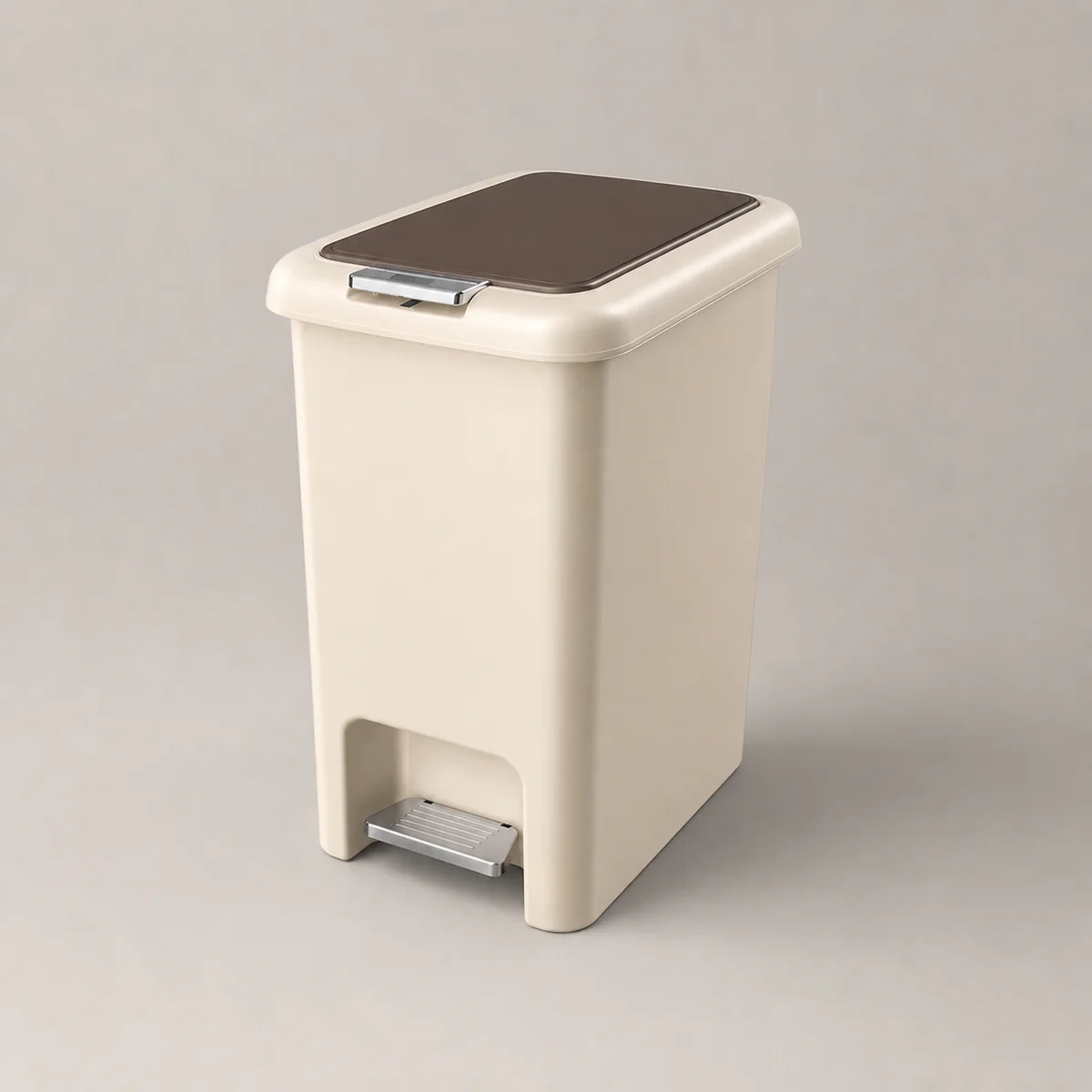
Pedal Bin
JB011-6 capacity requires written confirmation because source records conflict between 6 L and 6.5 L.
- 6.5L
- L24xW18xH30.3 cm
- 20L
- L32xW23.5xH42 cm
- 30L
- L39xW29.3xH49.5 cm
 Cleaning & Waste ManagementProduct reference image
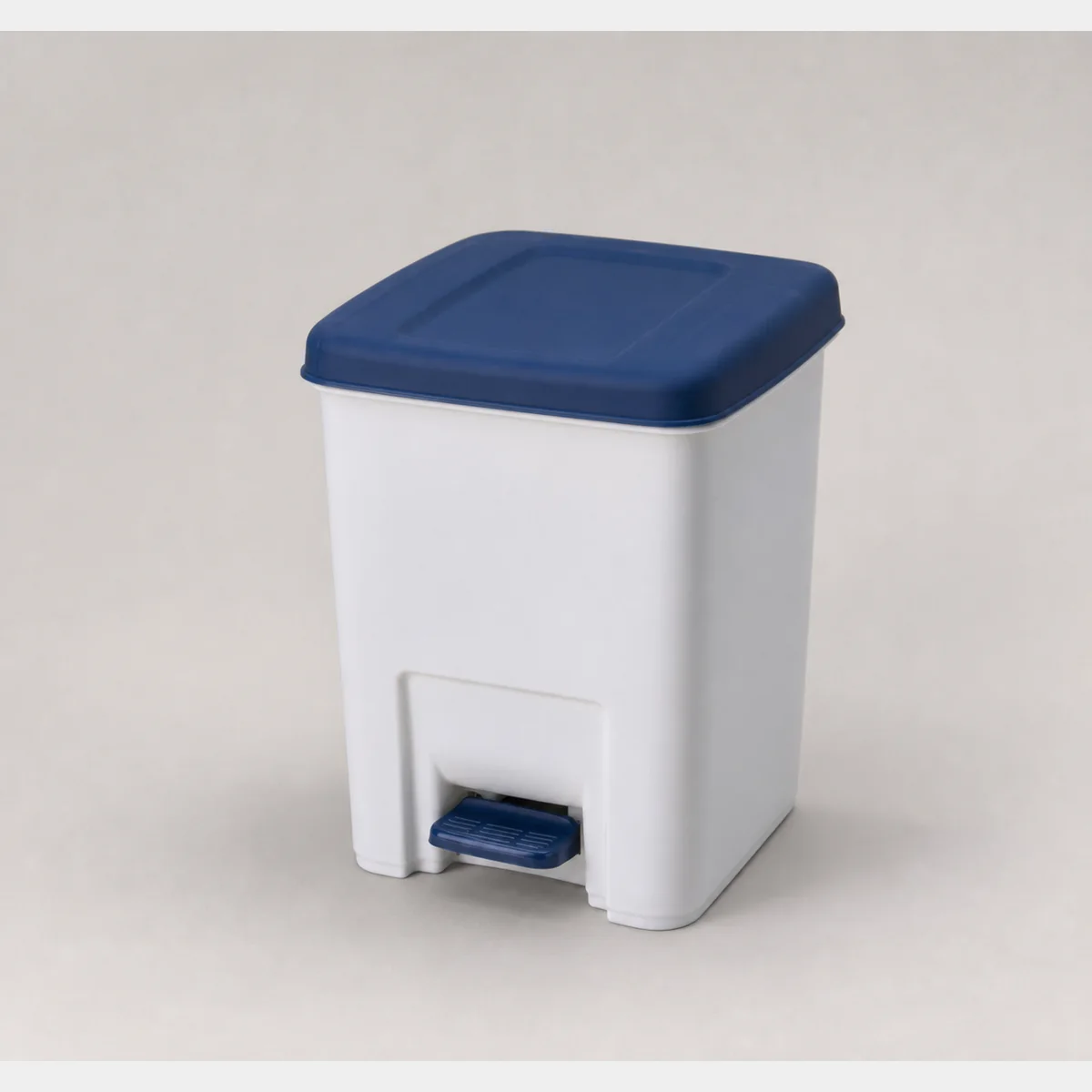
Pedal Bin
417-419 model dimensions require written confirmation because source product text and selector records conflict.
- Exact model dimensions
- 417-419 model dimensions require written confirmation because source product text and selector records conflict.
 Cleaning & Waste ManagementProduct reference image
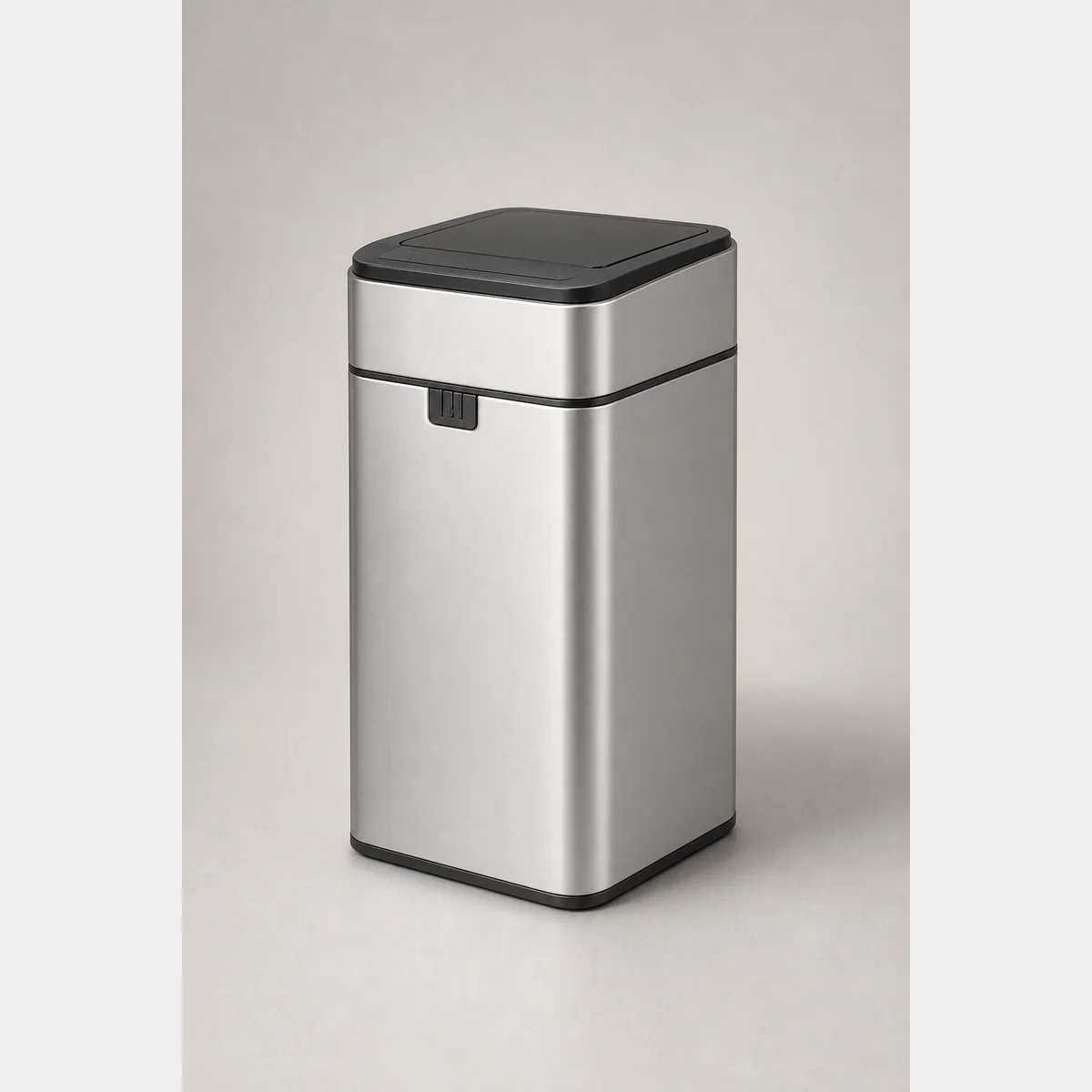
Stainless Steel Sensor Trash Bin
JB036-B capacity requires written confirmation because source records conflict between 14 L and 15 L.
- JB036-B capacity
- Requires written confirmation: source conflict between 14 L and 15 L
Continue with closely related procurement topics
These pages share equipment, operating or decision-stage signals with this guide.
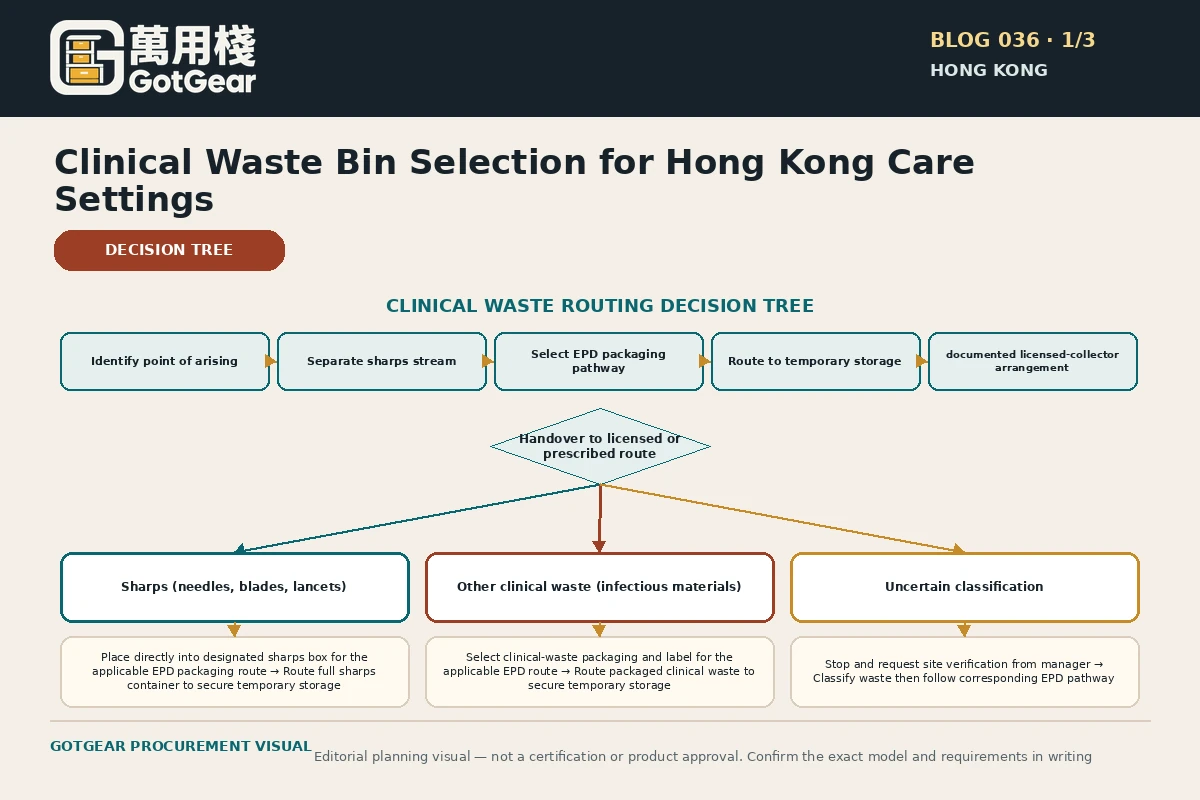
Clinical waste bin selection Hong Kong
GotGear explains clinical waste bin selection Hong Kong for Hong Kong buyers. See how clinical waste container requirements Hong Kong supports healthcare sharps waste bin Hong Kong, with practical checks, evidence boundaries and written requirements.
Read the guide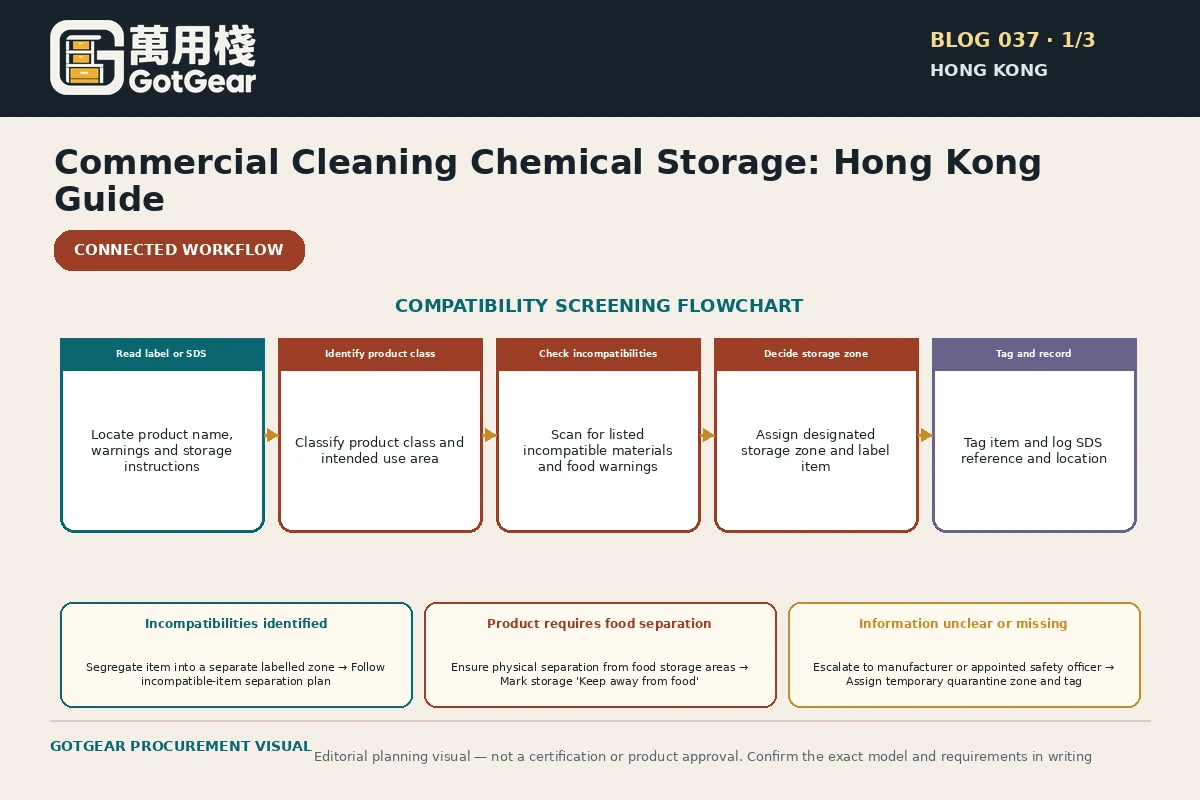
Commercial cleaning chemical storage Hong Kong
GotGear explains commercial cleaning chemical storage Hong Kong for Hong Kong buyers. See how cleaning chemical segregation guide Hong Kong supports janitorial chemical storage cabinet Hong Kong, with practical checks, evidence boundaries and written requirements.
Read the guide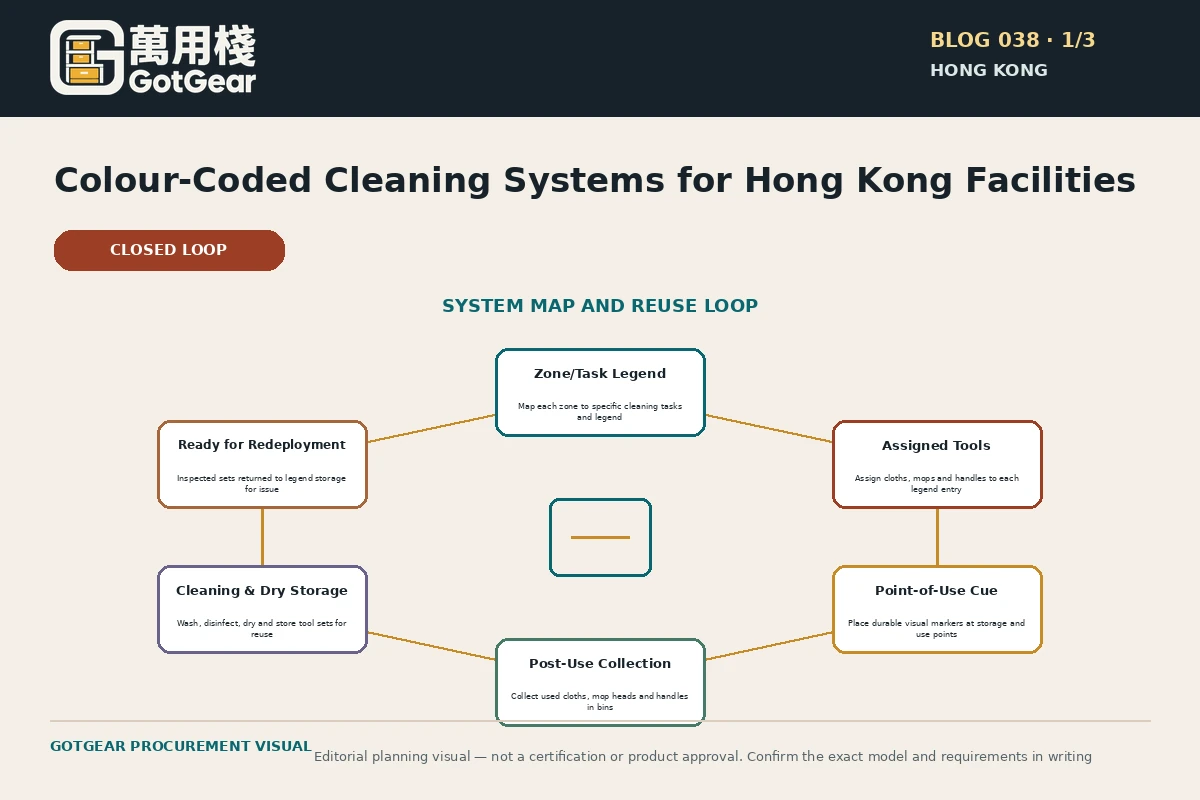
Colour coded cleaning system Hong Kong
GotGear explains colour coded cleaning system Hong Kong for Hong Kong buyers. See how colour coded cleaning cloths Hong Kong supports colour coded mop system Hong Kong, with practical checks, evidence boundaries and written requirements.
Read the guide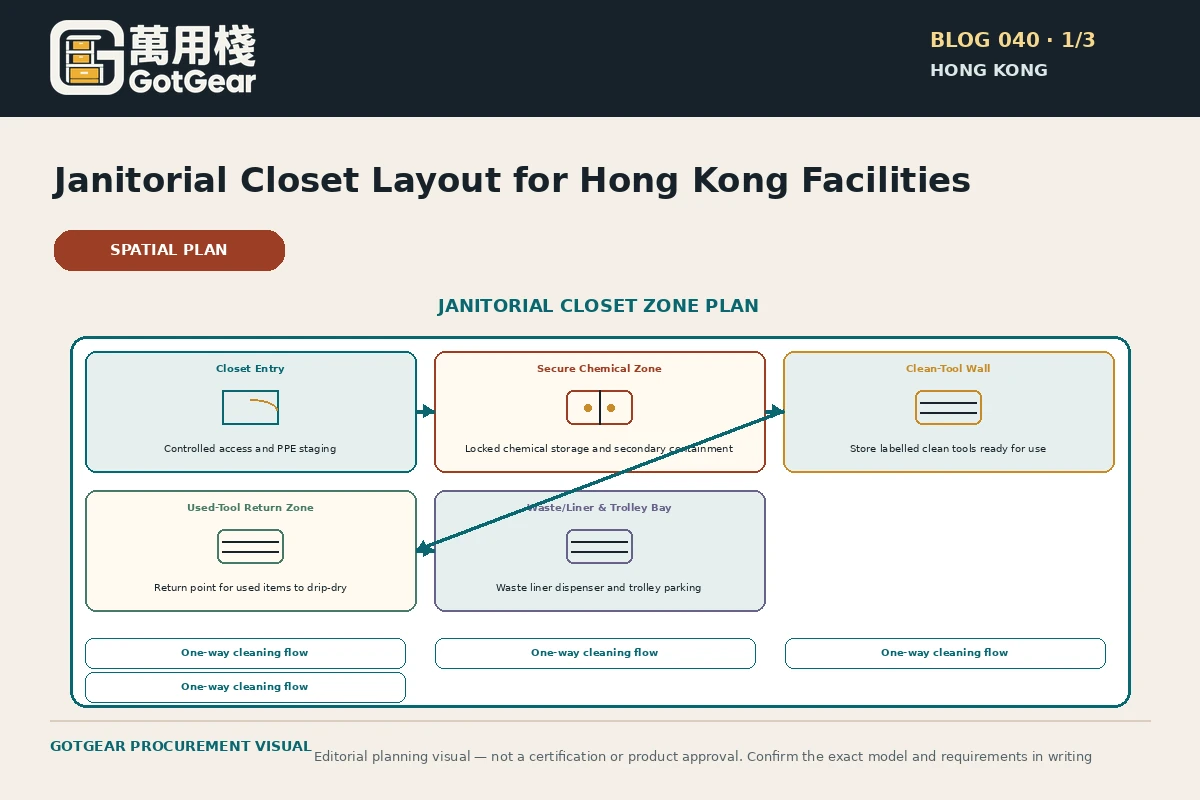
Janitorial closet layout Hong Kong
GotGear explains janitorial closet layout Hong Kong for Hong Kong buyers. See how commercial cleaning supply storage Hong Kong supports cleaning equipment storage room Hong Kong, with practical checks, evidence boundaries and written requirements.
Read the guideRelated topic indexOpen more English procurement pages5 topics
Browse additional equipment families, applications and procurement questions relevant to these operating requirements.