
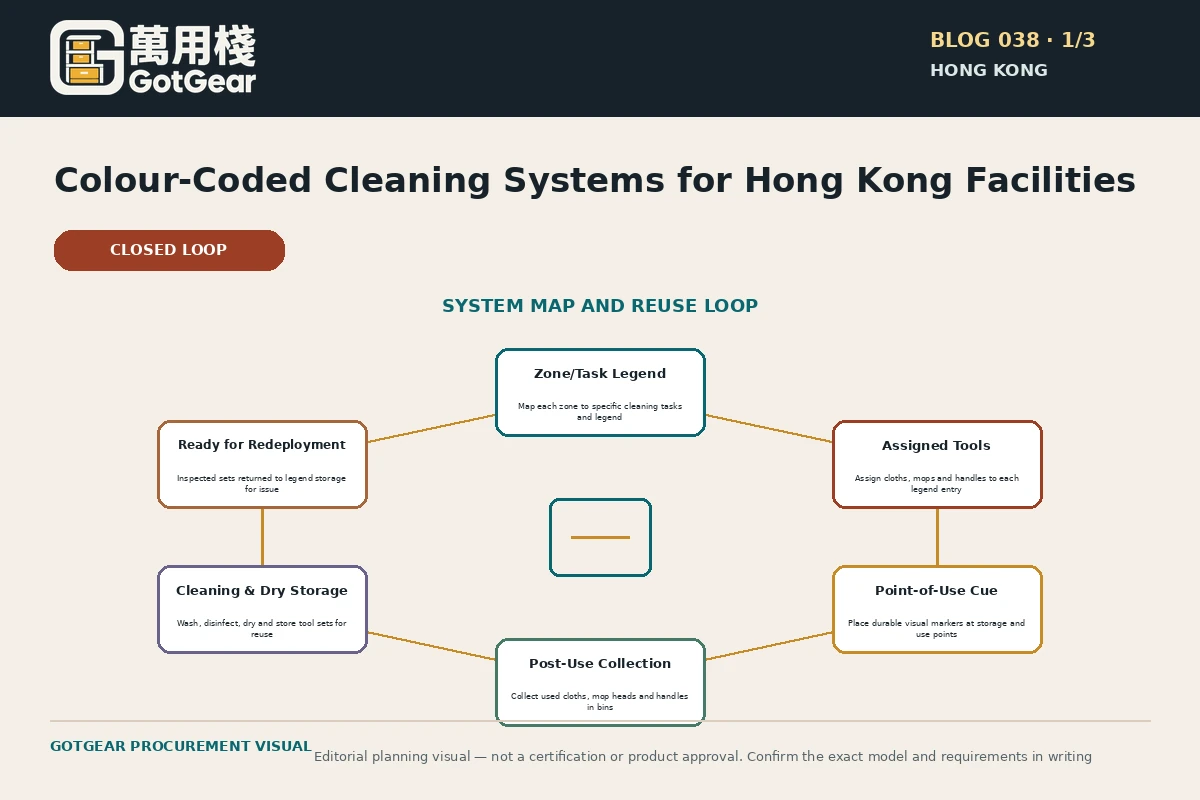
A colour‑coded cleaning system succeeds when each colour has one documented assignment visible in a site legend, staff are trained to follow that legend, and tools are cleaned, dried and inspected before storage and reuse. In Hong Kong, adopt colour coding as part of a full cleaning and sanitising programme that sets areas, chemicals, methods, frequency and responsibilities. Colour is a visual control; it cannot compensate for inadequate chemical compatibility, laundering, sequencing or staff supervision.
What to remember before you decide
- Make a visible, posted site legend the authoritative reference; do not rely on assumed industry colours.
- Colour coding works only when backed by proper laundering, dry storage and staff verification.
- Keep the palette as small as operationally possible and pair colours with bold printed labels.
- Validate material and chemical compatibility before committing to a cloth or mop type.
- Pilot the system, collect daily feedback and formalise sign‑off and audit routines.
Why a site legend matters more than off‑the‑shelf colour rules
In Hong Kong, Many cleaning suppliers ship pre-set colour kits and some international guidance shows sample colours, but Hong Kong premises are governed by local operational needs and FEHD expectations for a planned cleaning and sanitising programme. The Food and Environmental Hygiene Department (FEHD) expects a programme that identifies the items and areas, cleaning frequency, procedures, equipment and methods, chemicals or processes, and responsible staff. That list is the core of a site‑specific legend. Use these decision checks: Start by mapping your facility’s risk zones (e.g. food preparation, service floors, washrooms, clinical‑support rooms, public areas). For each zone list high‑touch items, permissible chemicals, and who is responsible. Choose a colour palette that is distinct in your lighting conditions and accessible to colour‑vision variants among staff. The palette should be no larger than the number of assignments you can reliably maintain. A key limitation is that There is no Hong Kong statutory colour assignment; overseas examples are illustrative only. If you adopt common international palettes without documenting assignments, staff may assume different meanings learned elsewhere. Colour alone cannot enforce sequence — for example, using the same cloth for a sink then a counter will transfer contamination despite the colour. Laundry quality, chemical compatibility and storage are operational dependencies. Next actions (site owners and contractors): Produce a one‑page legend that pairs short labels (e.g. FOOD PREP: Blue) with tasks and allowed chemicals. Post the legend at cleaning stores, trolley bays and breakrooms. Include the legend in your cleaning rota and induction. Evaluate lighting and signage legibility in at least three operating conditions (day, night, busy shift).
Deciding how many colours to use
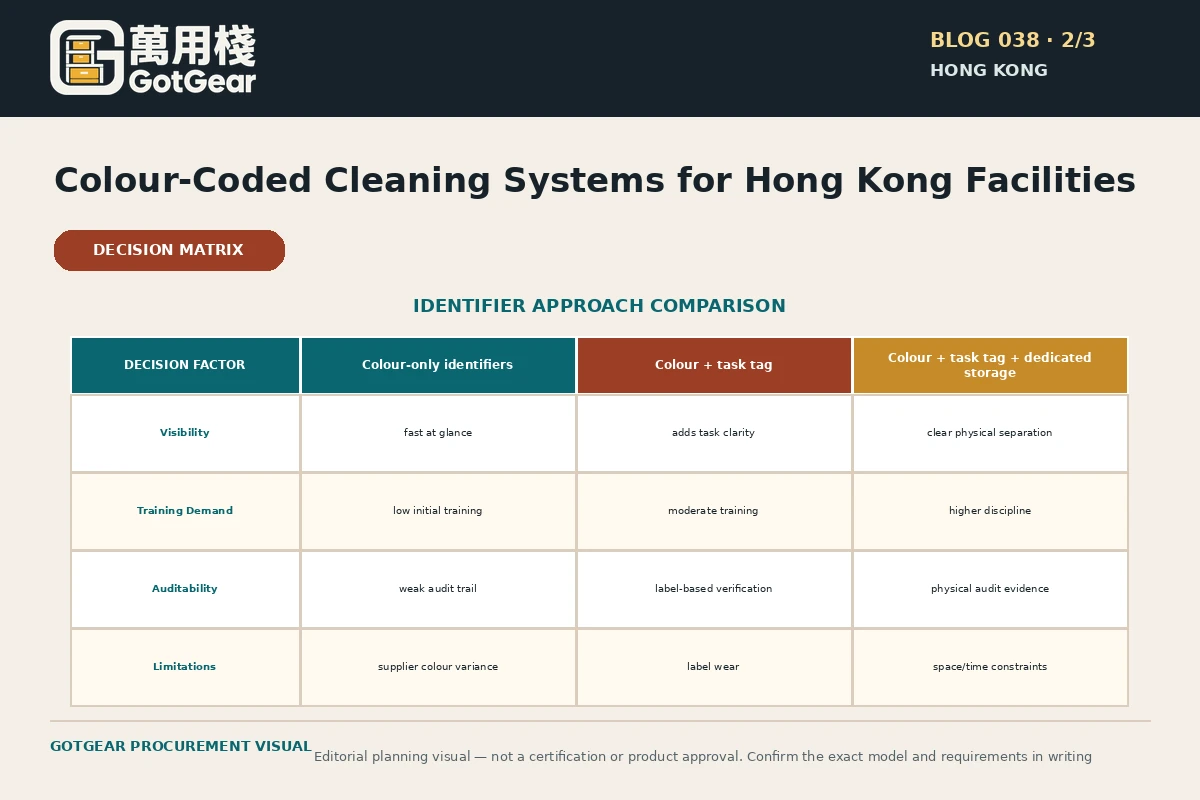
In Hong Kong, Space, staff turnover and shared kitchens are common challenges in the city. A simple, enforceable palette is usually more effective than many rarely used colours. Shared‑use facilities covered by local guidance emphasise separation of areas, equipment and chemicals; a manageable palette aids compliance with those principles. Use these decision checks: Limit colours to the number of distinct zones you must separate. Typical assignments for food premises include food prep, raw transfer, service, toilets, drains and clinical‑adjacent zones. Consider one colour for general low‑risk cleaning and another for sanitising tasks. Evaluate the size of your cleaning teams: larger teams can sustain more colours if supervision and controls are strong. A key limitation is that More colours increase cognitive load and storage complexity. If staff work across multiple sites or shifts, different legends can cause confusion unless inter‑site training and clear labelling are in place. Colour‑vision deficiency affects about 8% of men globally; avoid relying on hues alone — add bold printed labels and storage separation. Next, Trial a two‑week pilot with a reduced palette and monitor cross‑transfer incidents, cleaning time, and staff queries. Use the pilot to refine colour names (avoid ambiguous names like 'teal') and to create durable labels on buckets, trolleys and mop handles.
“Treat colour as a communication layer — clear, simple and enforced — within a documented cleaning programme. Without that programme, colour is decoration, not control.”— GotGear Editorial Team
What should buyers compare for colour coded cleaning system Hong Kong?
| Option or approach | Best for | Trade-offs | Checks before acceptance |
|---|---|---|---|
| Single‑site custom legend with 4 colours | Medium to large kitchens or hotels with defined risk zones | Requires initial mapping and training but reduces daily confusion; needs ongoing supervision. | Run a six‑week pilot, collect incident logs and staff feedback, and adjust colours if repeated errors occur. |
| Supplier standard colour kit | Small operations with limited procurement time | Quick to deploy but may not match your risk map; can create false assumptions if not documented. | Overlay the kit onto a site legend and re‑label items; monitor for mismatches during first month. |
| Colour tags only (handles and trolleys) with neutral cloths | Sites that cannot change laundering processes immediately | Simpler storage control but less protection during use; neutral cloths must be laundered between assignments. | Verify storage separation and that staff adhere to tagged allocations through daily checks. |
| Single colour for general tasks + separate sanitiser‑only colour | Operations wanting low complexity with a sanitising distinction | Lower training burden but potential ambiguity for intermediate risk zones. | Audit use of sanitiser‑only tools to ensure they are not used for routine cleaning of other zones. |
| Hybrid: colour + printed labels + barcode tracking | High‑risk or regulated environments where traceability matters | Higher upfront resource requirements and systems work; improves accountability and traceability. | Review scanned checklists and correlate with cleaning logs and supervisory spot checks. |
This framework helps buyers create comparable written enquiries. Final model specifications, availability, delivery and commercial terms must be confirmed in a formal quotation.
Mops, cloths and tool hygiene: selection, laundering and storage
In Hong Kong, Hong Kong premises face space constraints for drying and storage and high humidity that complicates proper drying. The CDC notes that cleaning equipment should be fit for purpose, cleaned and stored dry between uses, properly used and well maintained; this is practical guidance rather than local law. For mop systems, choose constructions that tolerate the local washing and disinfection methods and that can be efficiently wrung and dried in limited space. Use these decision checks: Select mop heads and cloths that are compatible with your disinfectant chemistry and laundering process. For example, microfibre cloths have different tolerance to heat and bleach than cotton. Establish maximum reuse counts based on manufacturer guidance and local laundering capacity. Choose mop‑handle colours, clips or tags that match the legend and that are durable under repeated washing and chemical exposure. A key limitation is that Colour dye bleeding during laundering can blur assignments. Some disinfectants degrade coloured fibres faster, creating mixed‑colour residues. High humidity in Hong Kong increases drying time; storing damp tools raises microbial risk. A colour system cannot fix poor laundering throughput — if your laundry process cannot deliver clean, dry items at the required frequency, either reduce reuse intervals or alter operational coverage. Next, Verify chemical compatibility with your chosen cloth/mop supplier and your current disinfectant. Set laundering parameters (temperature, detergents, bleach exposure) and validate by microbiological spot checks if risk justifies it. Provide labelled drying racks and schedule drying time into cleaning rosters so tools are stored dry.
Operational controls to make colour coding effective
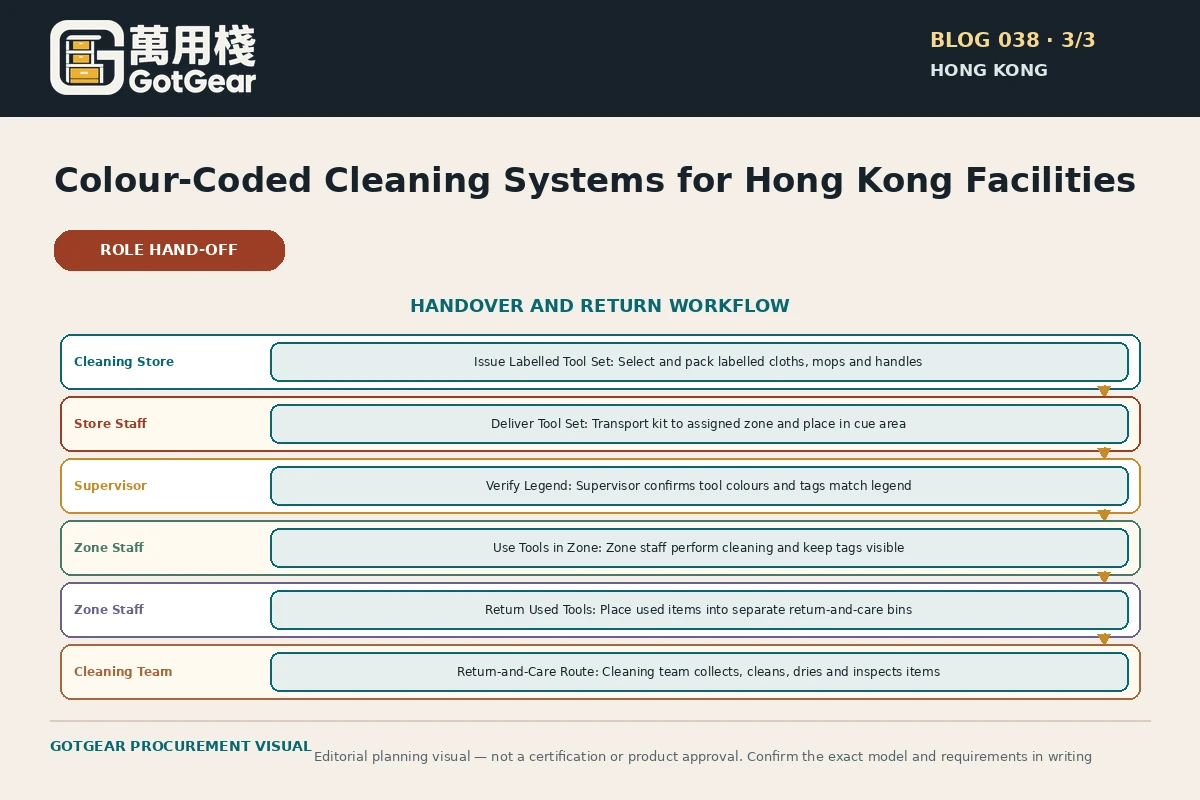
In Hong Kong, Routine audits and visible rules are key in high‑turnover urban operations. FEHD recommends identifying responsible staff in the cleaning programme; in practice that means named shifts, checklists and verification tags in Hong Kong premises. Use these decision checks: Define task sequences that prevent transfer (e.g. clean from low to high risk, finish food prep surfaces before washrooms). Use storage discipline: colour‑coded hooks, bins or labelled trolleys for each colour. Require a visual inspection and a quick condition checklist on the trolley or mop bucket before leaving the storage area. A key limitation is that Colour coding is only as strong as verification. Without supervision, staff may shortcut steps to save time. Language and training barriers in a multicultural workforce are a common cause of misapplication. Colour coding does not replace the need for PPE, correct contact times for disinfectants, or chemical safety data compliance. Next, Add line‑manager spot checks and a sign‑off sheet for each shift. Incorporate colour legend questions into induction quizzes and toolbox talks. Record exceptions and near misses to refine the legend and procedures. Schedule quarterly refresher training and annual review of the palette with frontline teams.
Colour coded cleaning system Hong Kong decision checklist
- Map all facility zones and list the items and surfaces in each zone.
- Decide a manageable number of colours that aligns with your zone map and staff capacity.
- Produce a single‑page printed legend showing colours, zone names and allowed chemicals.
- Verify chemical compatibility of colours and materials with your disinfectants and laundering process.
- Design storage that physically separates colours (hooks, bins, trolleys) and labels each storage point.
- Set laundering parameters and maximum reuse counts and check for dye bleeding or degradation.
- Plan training, induction tests and a schedule for quarterly refreshers including multilingual materials.
- Assign named responsible staff or shifts for verification and include sign‑off procedures.
- Pilot the system and collect incident logs, staff feedback and time‑motion observations.
- Define corrective actions for non‑conformance and a routine audit schedule with measurable KPIs.
Practical action sequence
- 1. Map zones and produce the colour legend document for posting.
- 2. Select colours and order durable labelled equipment (handles, buckets and cloths).
- 3. Verify material and chemical compatibility with suppliers and adjust laundering settings.
- 4. Install dedicated, labelled storage and drying facilities close to cleaning stores.
- 5. Run a two‑week pilot with frontline staff and record issues daily.
- 6. Deliver induction training, add legend to cleaning rotas and implement sign‑off sheets.
- 7. Begin formal audits and spot checks; revise legend or training where recurring faults appear.
Apply the checks to your Hong Kong site
In Hong Kong, adopt colour coding as a practical control layer within the FEHD-recommended cleaning and sanitising programme. Define a site-specific legend, set task rules, and pair those with tested laundering schedules and dry storage strategies to limit humidity-related contamination risks; document responsibilities for busy multi-site or shared-use kitchens so handovers and supplies remain traceable. Overseas guidance such as CDC supplies useful equipment-care examples, but remains context for operations rather than Hong Kong regulation. When specifying a colour coded cleaning system Hong Kong teams should validate the legend against existing task flows and laundering outcomes rather than assuming an external standard will fit. When specifying consumables, ensure colour coded cleaning cloths Hong Kong match your laundering and storage route. Likewise, implement a written routine for any colour coded mop system Hong Kong so mop heads, handles and storage are assigned and maintained in line with the site legend. Concrete operational takeaway: publish your site legend, test and record laundering and dry-storage routines, and assign named responsibility for each colour-coded item.
References used for this article
These sources provide regulatory, safety or planning context. They do not certify any GotGear product or replace site-specific professional advice.
- FEHD: Food Hygiene Code, Cleaning, Sanitizing and Maintenance — Hong Kong food-premises cleaning and sanitising programme content, including areas, methods, equipment, chemicals, frequency and responsibility.
- CDC: Environmental Cleaning Supplies and Equipment — Recognised occupational-health guidance on colour-coding cloths, cleaning-equipment care and dry storage between uses.
- CFS: Shared-use Kitchen Guidelines — Hong Kong food-safety context for keeping areas, equipment and chemicals appropriately separated.
Questions about colour coded cleaning system Hong Kong
Does FEHD require a specific colour code for cleaning tools in Hong Kong?
No single colour standard is mandated by FEHD. The Food and Environmental Hygiene Department requires a planned cleaning and sanitising programme that identifies the items and areas, cleaning frequency, procedures, equipment and methods, chemicals or processes, and responsible staff. A colour code can be part of that programme, but the site’s written legend and documented procedures are what demonstrate control to inspectors.
What does the CDC recommend about colour‑coded cloths and equipment?
The CDC provides practical guidance showing colour‑coded cloths as an example to prevent transfer between areas and emphasises that cleaning equipment should be fit for purpose, cleaned and stored dry between uses, properly used and well maintained. This is recognised occupational‑health guidance and useful as context for equipment care, but it is not Hong Kong law; adapt the advice to your local programme and constraints.
How should shared‑use kitchens in Hong Kong manage colour separation?
Shared‑use kitchens should keep areas, equipment and chemicals appropriately separated as recommended in local shared‑use kitchen guidance. Use a clear legend that all users can see on arrival; provide dedicated storage for colour‑coded tools, separate chemical bins, and require users to follow posted procedures. Where multiple operators use the same space, include the shared‑use requirements in booking terms and conduct a short induction on the colour legend.
Can colour coding replace proper laundering and drying procedures?
No. Colour coding is a visual assignment layer; it cannot compensate for inadequate laundering, wet storage or failing disinfectant contact times. The CDC highlights the importance of cleaning equipment being stored dry between uses. In Hong Kong’s humid conditions, plan drying capacity and laundering schedules that reliably return clean, dry items at the required frequency; otherwise, reduce reuse counts or adjust staffing to maintain hygiene.
What is the best way to train a multilingual cleaning team on a colour system?
Use a combination of methods: a one‑page legend with both colour swatches and bold printed labels in the team’s primary languages; hands‑on demonstrations; short quizzes in induction; visual signage at storage points; and ongoing toolbox talks with photographed correct/incorrect examples. Pair new staff with experienced mentors during the first shifts and use checklists and sign‑offs to build consistent habits.
How often should the colour system and legend be reviewed?
Review the legend and system at least annually and after any incident that suggests transfer or confusion. Quarterly spot audits and staff feedback sessions will surface operational issues faster. Re‑validate laundering, chemical compatibility and storage after any change to disinfectants, suppliers or facility layout.
Compare available product models and specifications
These product cards are matched to this buying topic. Select a specification and quantity to send the product details to WhatsApp.
 Shelving & StorageProduct reference image
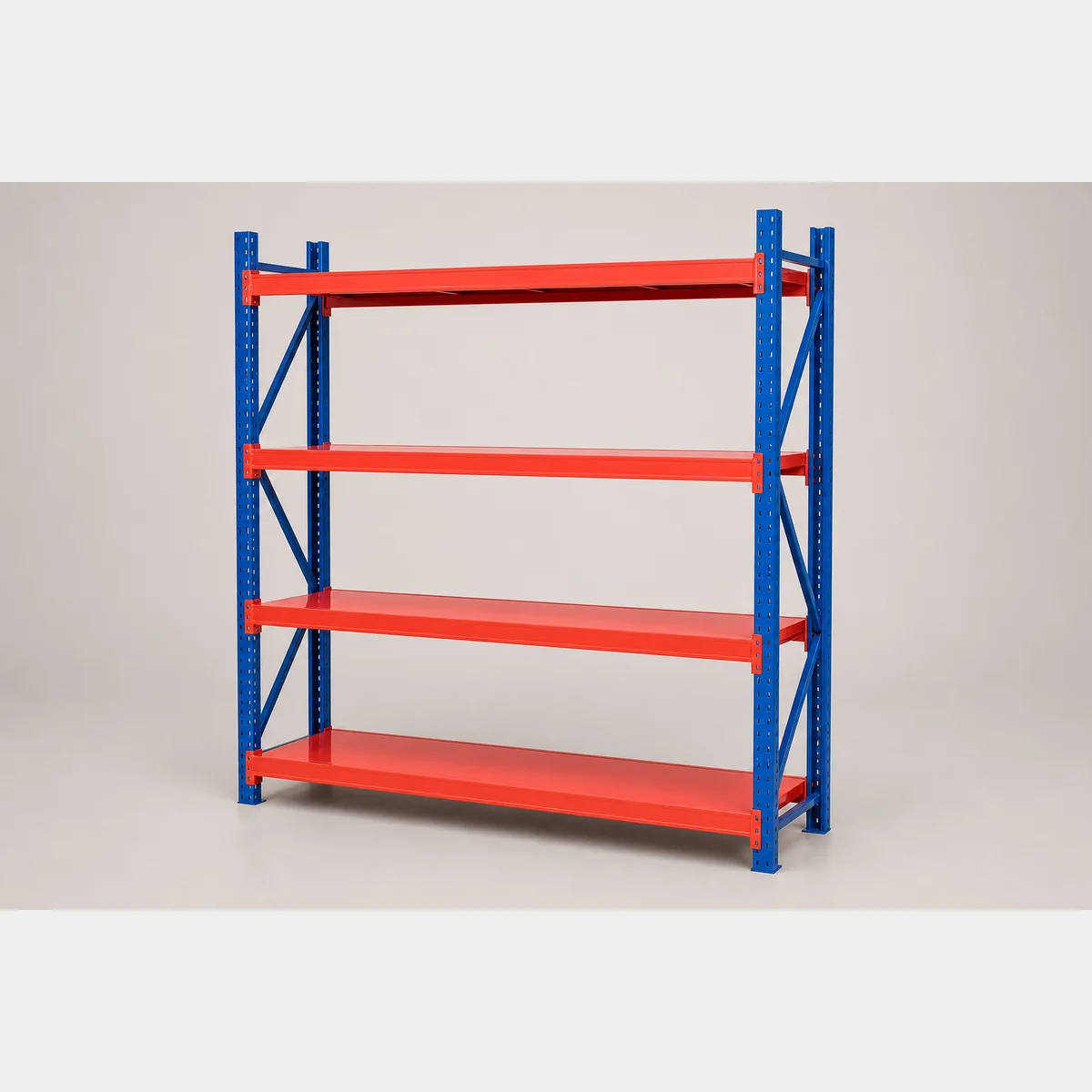
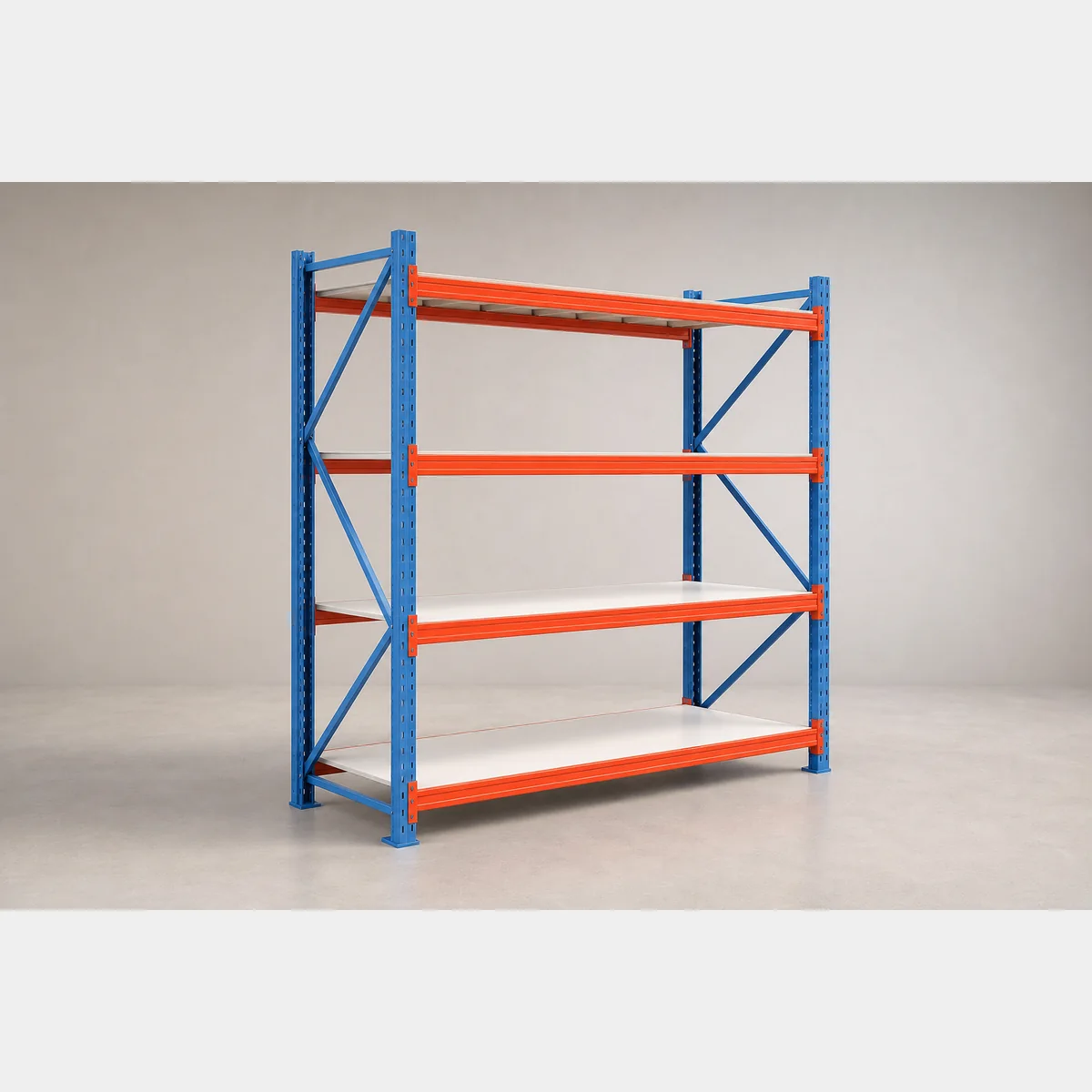
Medium Shelving Rack
Medium shelving rack, colour: blue upright posts, orange-red shelves and cross beams; average load per level: 300kg; A: L1200xW500xH2000 mm. Formal quotation available based on use, specifications and quantity.
- Colour
- blue upright posts, orange-red shelves and cross beams
- Average load per level
- 300kg
- A
- L1200xW500xH2000 mm
 Shelving & StorageProduct reference image
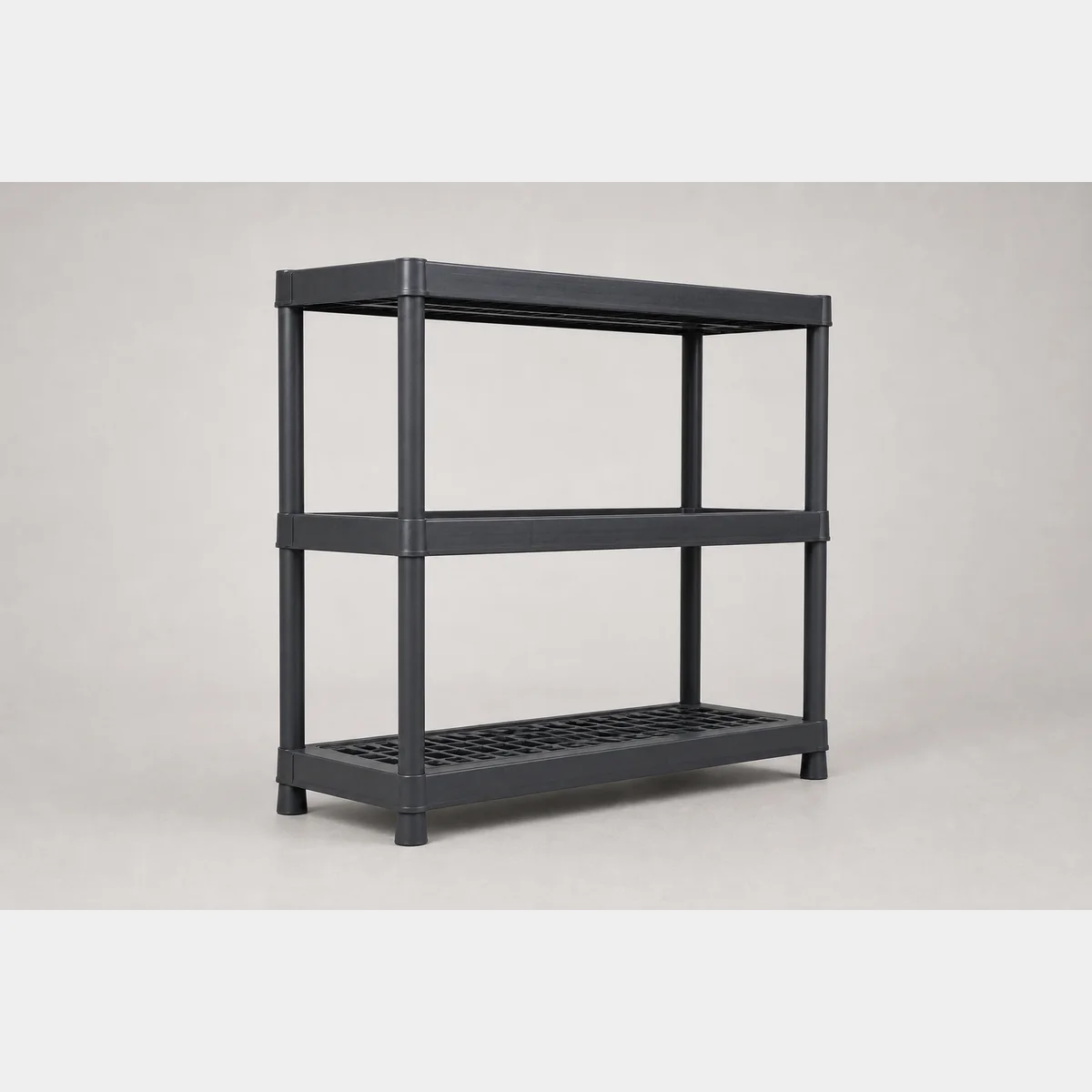
3-tier plastic shelving (SKU: 334-3)
3-tier plastic shelving, Dimensions: L1200 x W397 x H989 mm; Shelf clearance: 390 mm; Colour: Black/Grey. Formal quotation available on request according to use, specifications and quantity.
- Dimensions
- L1200 x W397 x H989 mm
- Shelf clearance
- 390 mm
- Colour
- Black/Grey
 Shelving & StorageProduct reference image
4-Tier Medium Shelving
4-Tier Medium Shelving, Colour: Blue; Size / Specification options: A. L2000 x W900 x H2000 mm / B. L2000 x W1000 x H2000 mm. Formal quotation available based on use, specifications and quantity.
- Colour
- Blue
- Size / Specification options
- A. L2000 x W900 x H2000 mm / B. L2000 x W1000 x H2000 mm
 Shelving & StorageProduct reference image
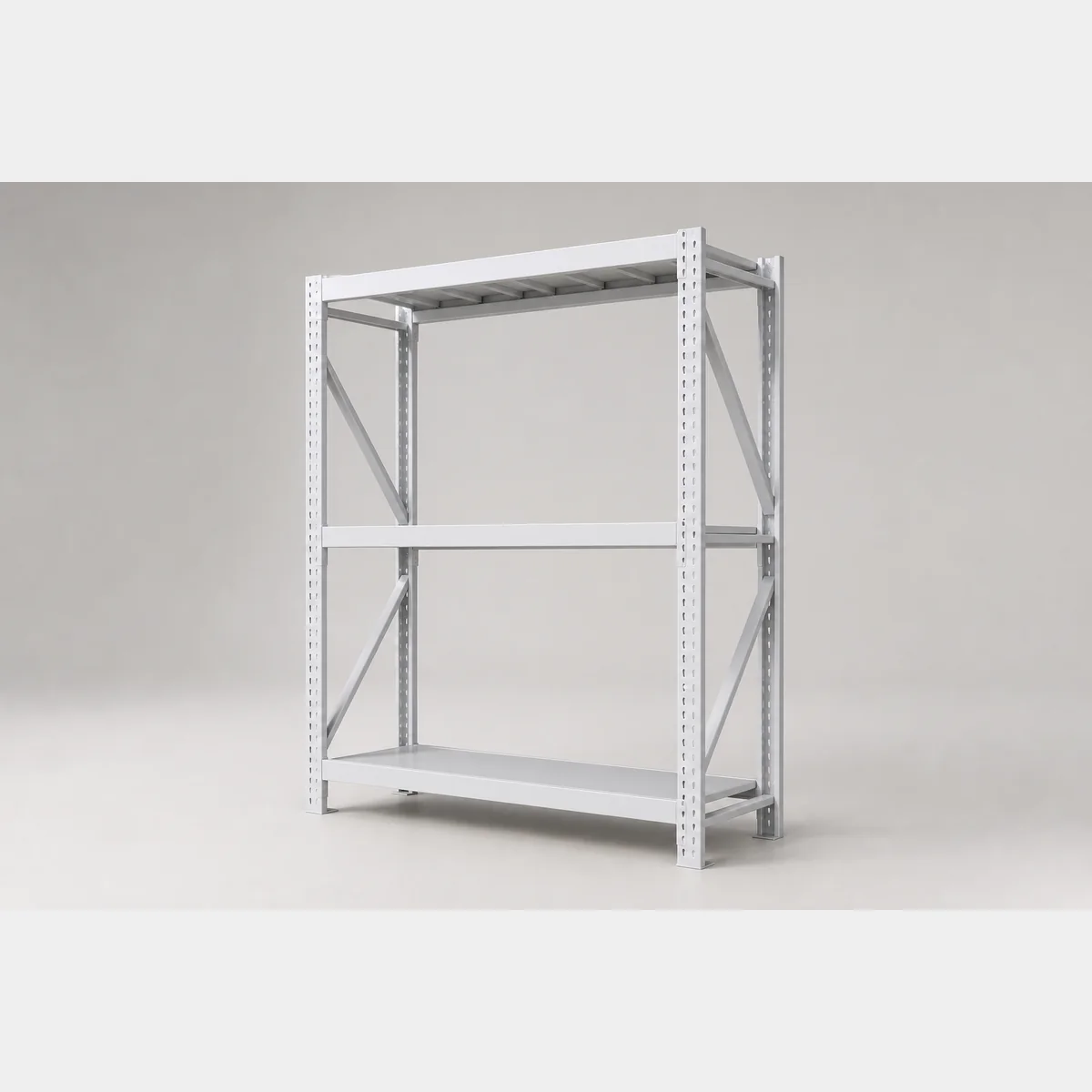
Clothing Rack
Clothing rack. Dimensions/Specifications: L1500xW600xH2000 mm / L2000xW600xH2000 mm; Colour: grey-white. Formal quotation available based on intended use, specification and quantity.
- Dimensions/Specifications
- L1500xW600xH2000 mm / L2000xW600xH2000 mm
- Colour
- grey-white
 Shelving & StorageProduct reference image
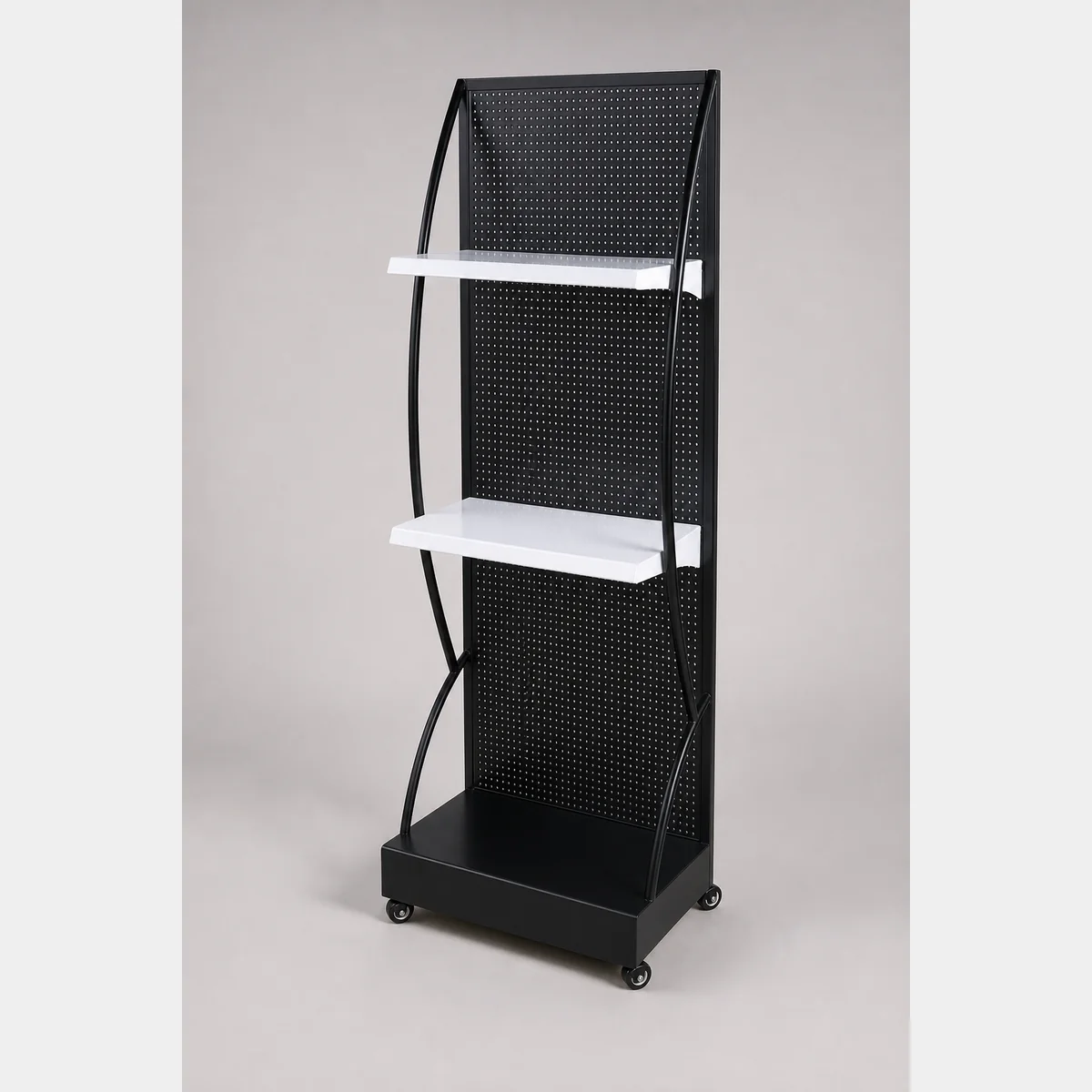
Large S display rack (S9810)
Large S display rack, overall dimensions: L600 X D380 X H1700 MM; Material: Iron with baked paint finish; Colour: Black / Blue. Formal quotation available based on use, specifications and quantity.
- Overall dimensions
- L600 X D380 X H1700 MM
- Material
- Iron with baked paint finish
- Colour
- Black / Blue
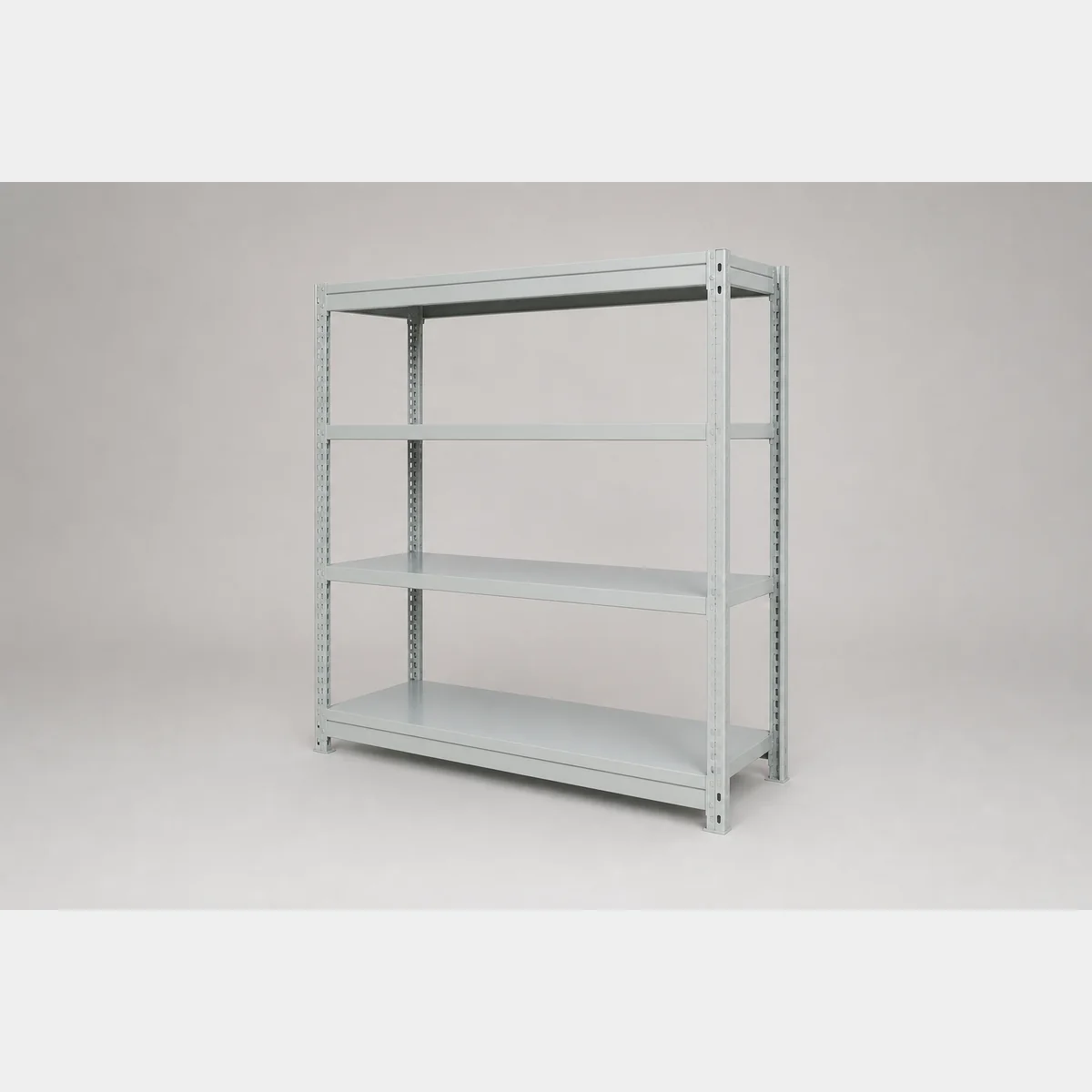 Shelving & StorageProduct reference image
Light-duty rack
Light-duty rack, Colour: Grey; Size/spec lines: A. L1260 X W450 X H2000 MM / B. L1560 X W450 X H2000 MM. Formal quotation available upon request based on usage, specifications and quantity.
- Colour
- Grey
- Size / Specifications
- A. L1260 X W450 X H2000 MM / B. L1560 X W450 X H2000 MM
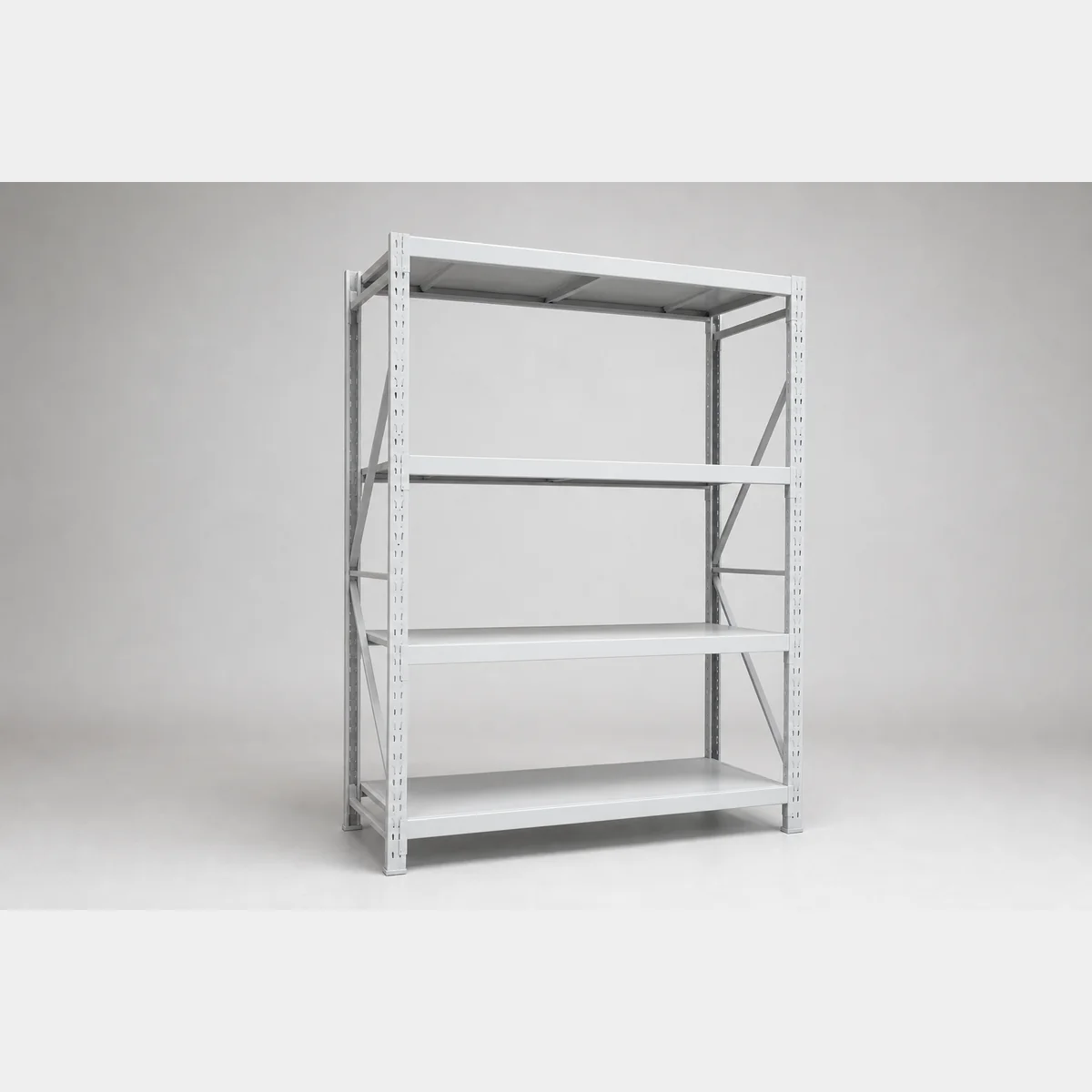 Shelving & StorageProduct reference image
Light-duty Shelving
Light-duty shelving. Dimensions / spec options: A. L1200 X W400 X H2000 MM / B. L1500 X W400 X H2000 MM; Colour: Grey. A formal quotation is available upon request based on use, specifications and quantity.
- Dimensions / Spec options
- A. L1200 X W400 X H2000 MM / B. L1500 X W400 X H2000 MM
- Colour
- Grey
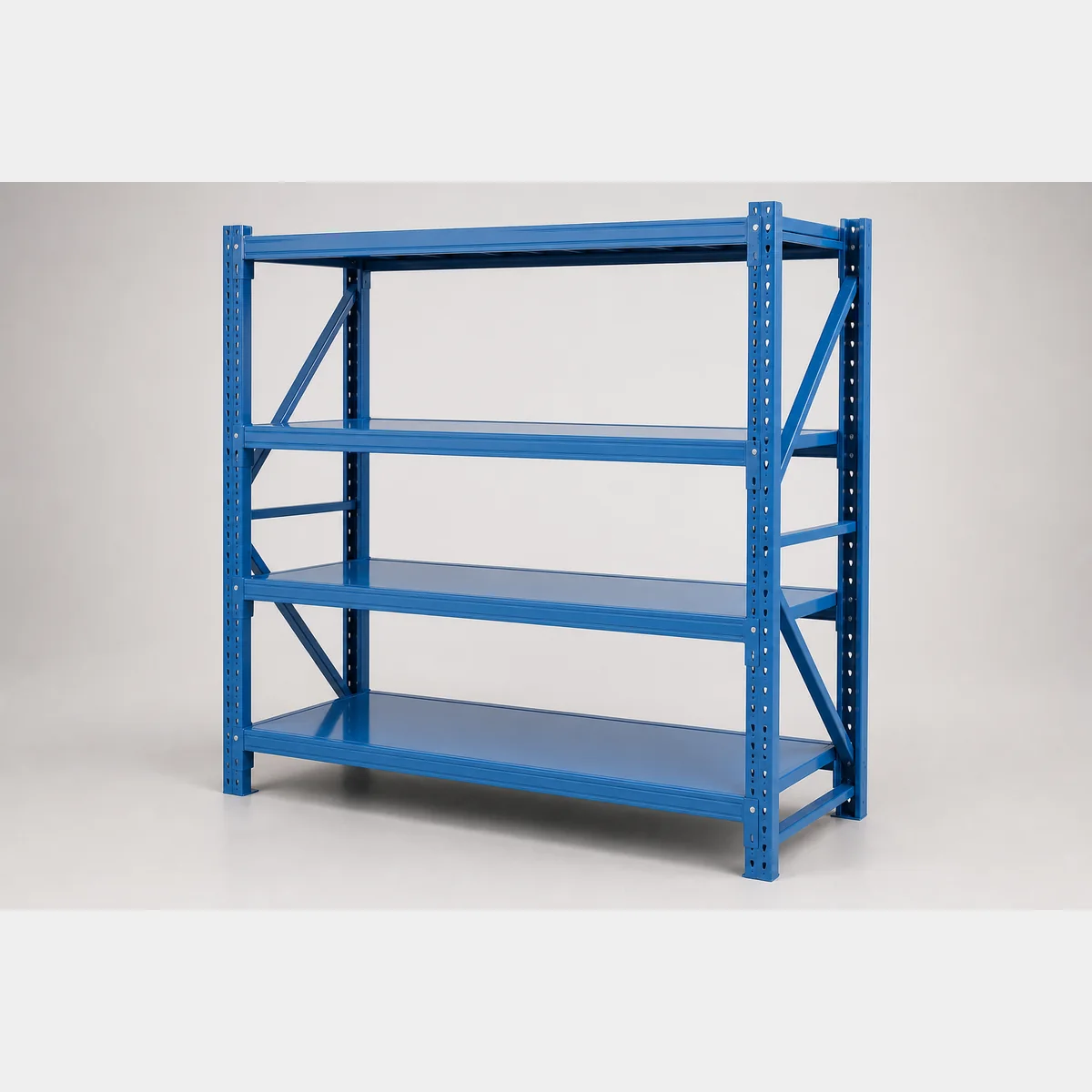 Shelving & StorageProduct reference image
Medium Shelving Rack
Medium shelving rack. Colour: Blue / Grey; Size/Specifications: A. L2000 X W600 X H2000 MM / B. L2000 X W600 X H2000 MM. Formal quotation available upon request according to intended use, specifications and quantity.
- Colour
- Blue / Grey
- Size / Specification
- A. L2000 X W600 X H2000 MM / B. L2000 X W600 X H2000 MM
Continue with closely related procurement topics
These pages share equipment, operating or decision-stage signals with this guide.
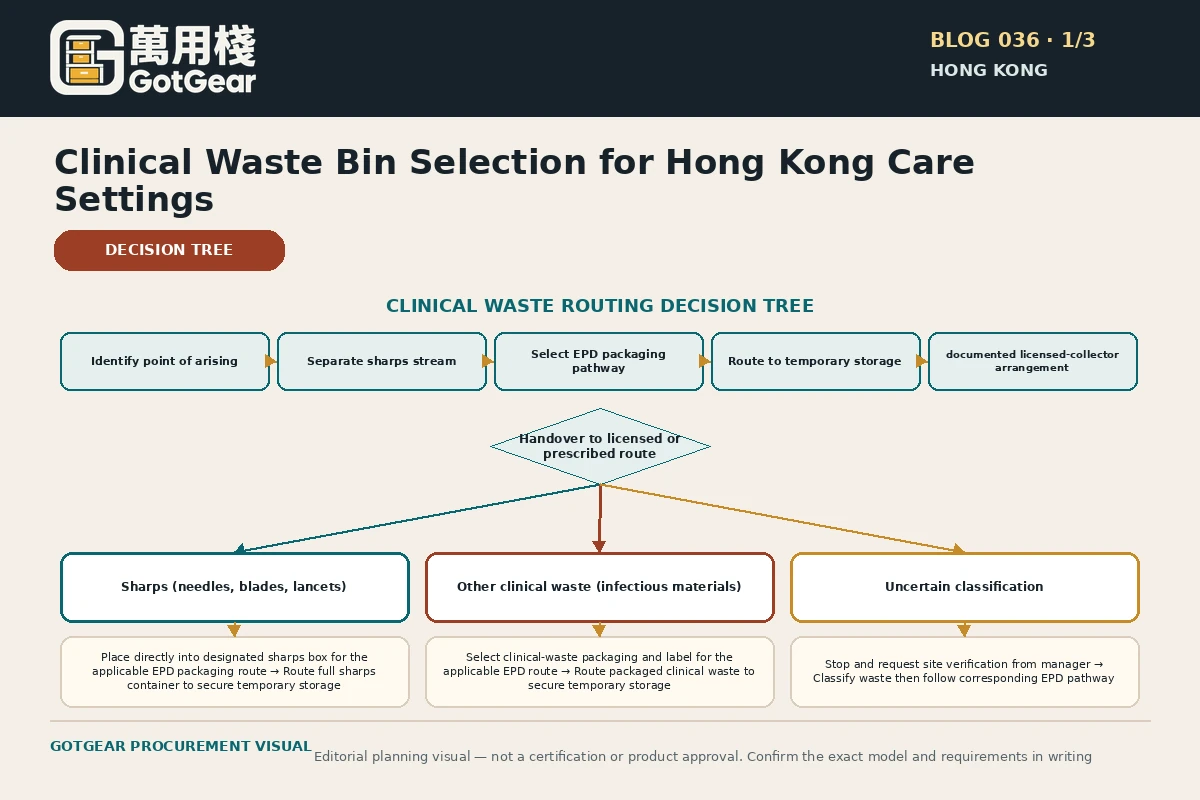
Clinical waste bin selection Hong Kong
GotGear explains clinical waste bin selection Hong Kong for Hong Kong buyers. See how clinical waste container requirements Hong Kong supports healthcare sharps waste bin Hong Kong, with practical checks, evidence boundaries and written requirements.
Read the guide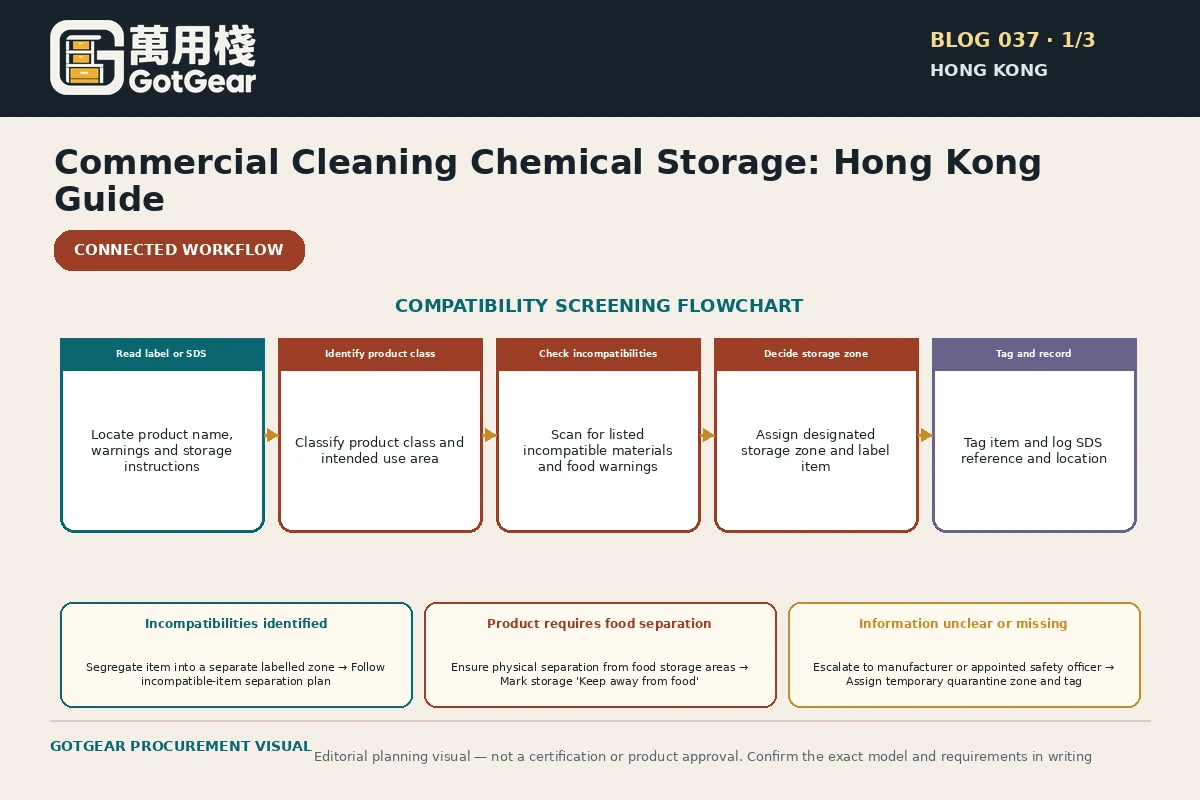
Commercial cleaning chemical storage Hong Kong
GotGear explains commercial cleaning chemical storage Hong Kong for Hong Kong buyers. See how cleaning chemical segregation guide Hong Kong supports janitorial chemical storage cabinet Hong Kong, with practical checks, evidence boundaries and written requirements.
Read the guide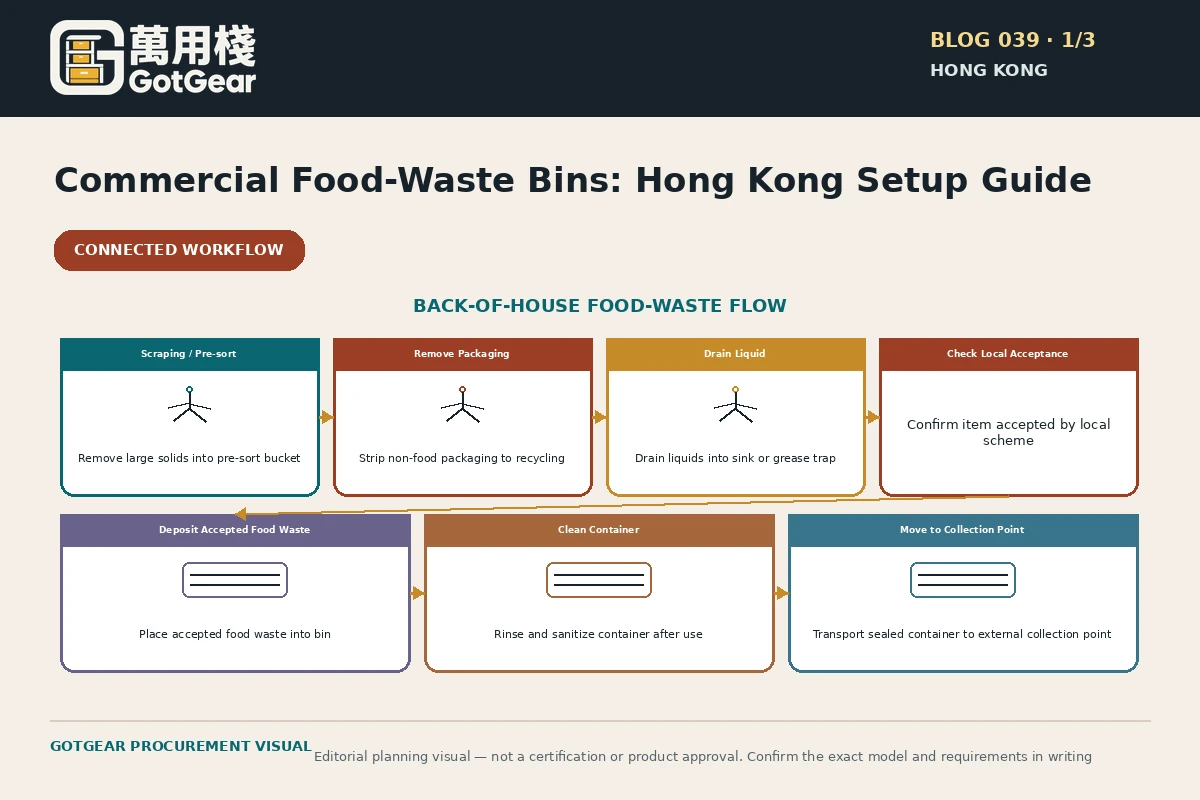
Commercial food waste bin selection Hong Kong
GotGear explains commercial food waste bin selection Hong Kong for Hong Kong buyers. See how restaurant food waste container Hong Kong supports food waste collection point design Hong Kong, with practical checks, evidence boundaries and written requirements.
Read the guide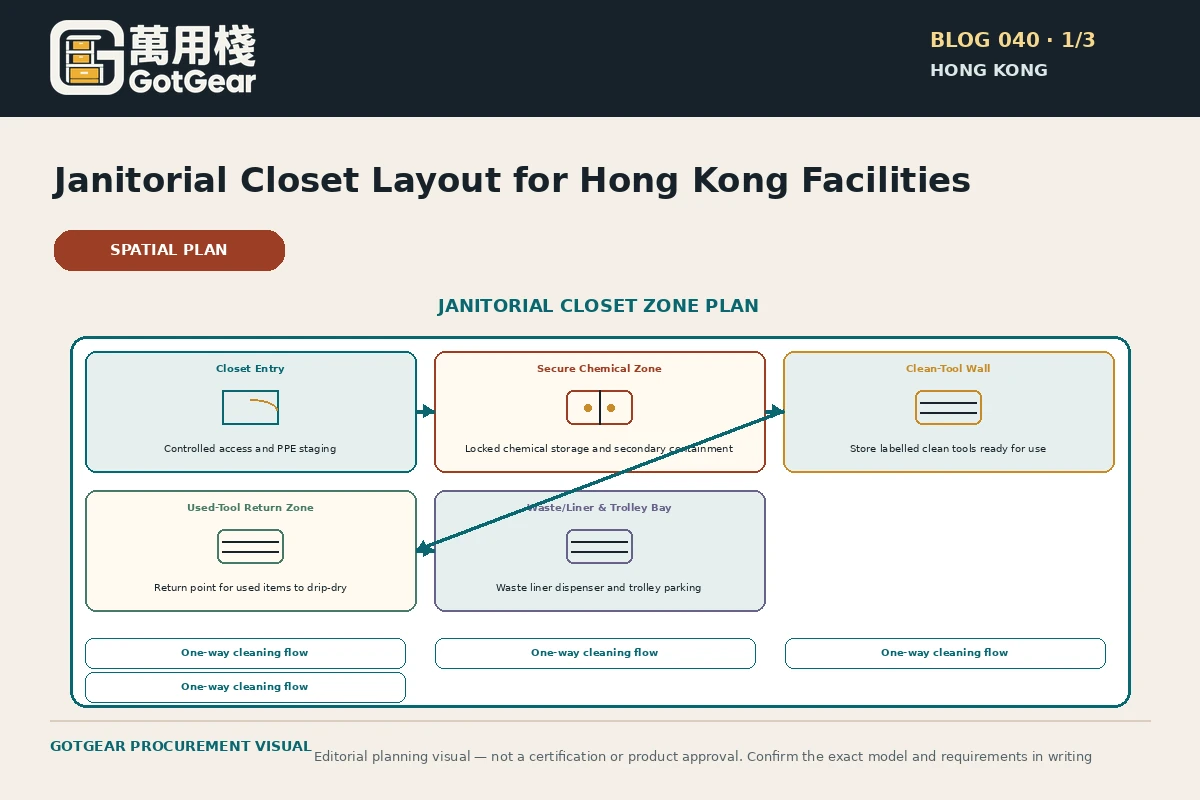
Janitorial closet layout Hong Kong
GotGear explains janitorial closet layout Hong Kong for Hong Kong buyers. See how commercial cleaning supply storage Hong Kong supports cleaning equipment storage room Hong Kong, with practical checks, evidence boundaries and written requirements.
Read the guideRelated topic indexOpen more English procurement pages26 topics
Browse additional equipment families, applications and procurement questions relevant to these operating requirements.