
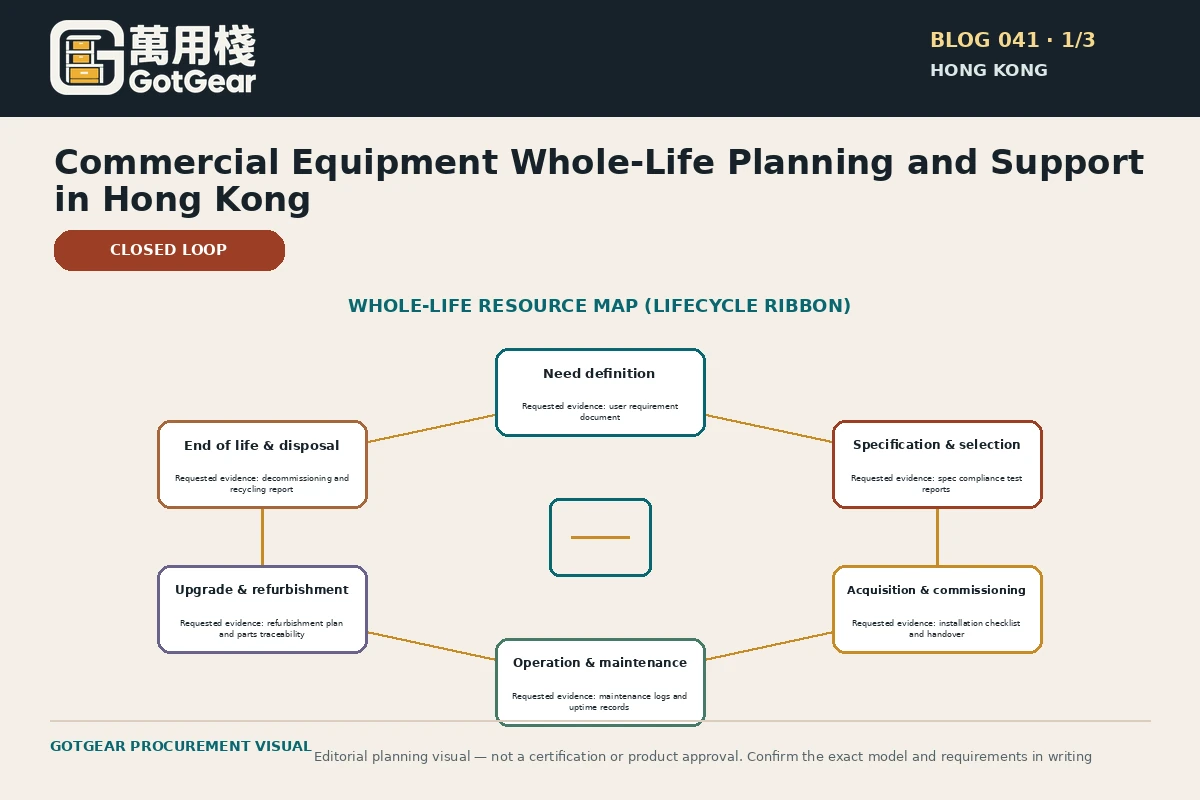
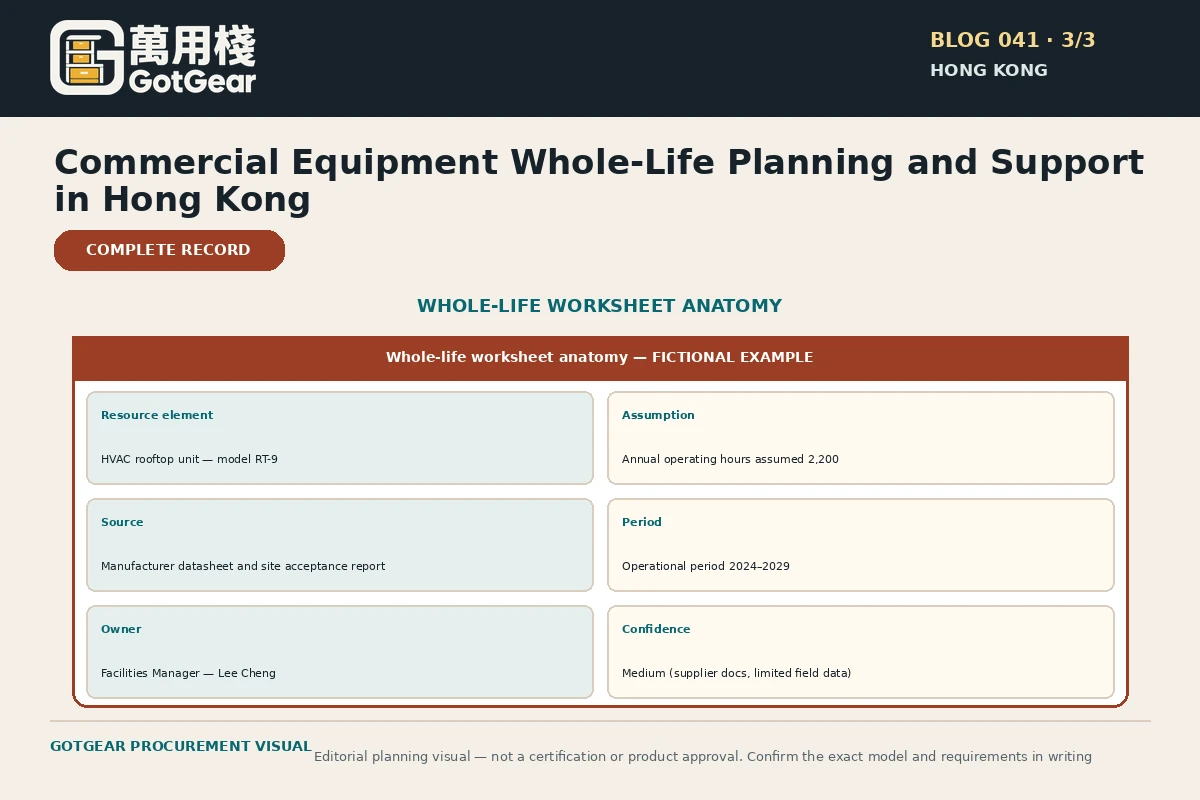
Build a like-for-like ownership-resource requirements worksheet that records purchase, site acquisition, operating inputs (energy, consumables, labour), warranty and after-sales support, maintenance/parts and end-of-life assumptions for a consistent period. Use conservative, documented assumptions for utilisation and failure rates, add a sensitivity note rather than false precision, and record the source and confidence for each input. This parallel comparison aids a robust decision but should sit alongside technical suitability, safety approvals and procurement governance.
What to remember before you decide
- Require a like-for-like ownership-resource requirements worksheet for material equipment and record assumption sources and confidence levels.
- Standardise analysis period and scope across all bidders to ensure comparability.
- Score support and warranty separately from acquisition resource requirements; validate local parts and technician availability.
- Use sensitivity scenarios rather than single-point forecasts to reflect uncertainty in utilisation and failure rates.
- Include end-of-life and disposal assumptions, and require evidence for take-back or recycling schemes.
- Keep the whole-life comparison model proportionate: reserve detailed present-value modelling for long-lived, capital-intensive assets.
Why whole-life resource requirements matter for Hong Kong organisations
Practical decision context Hong Kong facilities, operations and procurement teams face high urban temporary-use arrangements resource requirements, compact sites and tight service windows. That environment makes operating and support resource requirements proportionally important: a lower purchase quote can be quickly overtaken by higher installation complexity, frequent call-outs or extended downtime that impacts productivity or tenant relations. Public guidance and industry practice in Hong Kong encourage considering whole-life resource requirements where material, but each organisation must scale the approach to the risk and value of the equipment. Use these decision checks: Materiality threshold: set a financial or operational threshold above which you require a documented ownership-resource requirements comparison. This can be a percent of department capex or a fixed value. Use this threshold to avoid disproportionate modelling for low-risk consumables. - Comparable scope: require vendors to bid to the same scope of supply, installation and commissioning assumptions so acquisition figures are comparable. Ambiguity in scope is the commonest source of misleading comparisons. - Time horizon: choose a consistent analysis period (for example expected useful life or warranty-plus-extension period) and apply it to every option. Longer horizons magnify estimates — record the horizon prominently. Keep these limits in view: A whole-life comparison worksheet is not a precision forecast. Failure rates, future energy commercial terms, and disposal income are uncertain; avoid presenting point estimates without confidence ranges. Present-value models add technical rigor but also give a veneer of precision; if you do discount future resource requirements, explain the discount rate and sensitivity. Do not let resource requirements comparisons substitute for safety compliance, technical suitability or procurement-integrity checks. The procurement team should now Document internal requirements that defines materiality, horizon and required scope. Circulate a standard assumptions template to bidders and request evidence for support commitments. If the item crosses your materiality threshold, proceed to the standard ownership-resource requirements worksheet (see later) and plan for sensitivity scenarios rather than single-number comparisons.
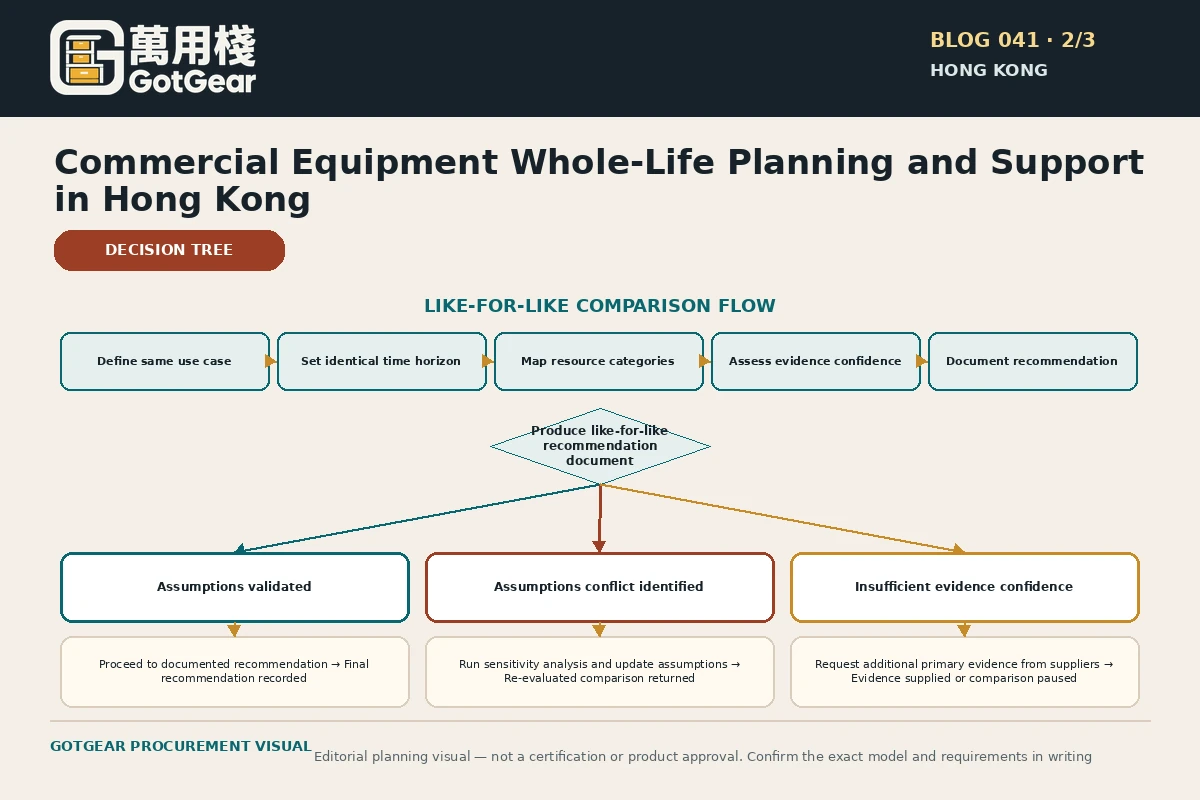
A practical ownership-resource requirements structure to standardise proposals
Columns and assumptions to include Create a single comparison table with the following column groups: purchase (equipment, licences), site acquisition (installation labour, minor works, access restrictions), use/support (energy, consumables, staff time), warranty and after-sales support (response times, parts, service levels), maintenance and spare parts (planned servicing, expected failures), and end-of-life (disposal, recycling, resale assumptions). Add two administrative columns: assumption source (vendor quote, historical data, catalogue) and confidence level (low/medium/high). How this works in Hong Kong practice - Site acquisition: account for hoist/hoarding, district access restrictions (for building common areas) and landlord consents; these are frequent hidden resource requirements in the territory. - Use inputs: estimate operating hours consistent with Hong Kong shift patterns and peak usage; for example, equipment serving multi-tenant office hours will have a different profile from 24/7 manufacturing or cold-storage use. - Support: Hong Kong’s dense service market can offer fast support but also variable parts availability; insist on defined response times and spare-part lead times in the bid. Decision criteria and validation Ask vendors for documented service-level commitments and a spare-parts availability statement. Validate warranty inclusions against an internal checklist: does the warranty exclude wear parts, consumables or onsite labour? Where possible, seek references from customers with similar operating hours in Hong Kong or the wider region. Limitations and handling uncertainty Treat repair frequencies and disposal values as assumptions, not facts. Capture low/medium/high confidence and include a sensitivity column: show how a change in utilisation or failure rate alters total resource requirements ranking. For high-value or high-risk equipment, consider complementing the worksheet with a present-value analysis; disclose the discount rate and why it was chosen.
“A transparent ownership-resource requirements worksheet, combined with documented service commitments and sensitivity checks, delivers defensible procurement choices without creating a false sense of precision.”— GotGear Editorial Team
What should buyers compare for commercial equipment whole life planning Hong Kong?
| Option or approach | Best for | Trade-offs | Checks before acceptance |
|---|---|---|---|
| Simple purchase-commercial terms comparison | Low-value, low-risk items with standardised specs and short useful life. | Fast and easy, but ignores operating, support and disposal resource requirements that can dominate in Hong Kong. | Confirm item falls below a documented materiality threshold and that historical operating resource requirements are negligible before using this approach. |
| Standard ownership-resource requirements worksheet (recommended) | Mid- to high-value equipment where installation, support or disposal resource requirements are material. | Requires disciplined assumptions and some data collection but produces transparent, comparable results. | Use identical analysis period, documented inputs, and sensitivity scenarios; require vendors to populate scope fields. |
| Present-value (discounted) life-cycle model | Long-lived, capital-intensive assets where future resource requirements are large and interest/discounting materially affect ranking. | More rigorous numerically but sensitive to discount-rate choice and can create false precision. | Publish discount rate, run alternate rates, and accompany with a non-discounted worksheet for operational clarity. |
| Service-contract-first procurement | Critical assets where uptime and local support availability outweigh purchase-commercial terms differences. | Shifts emphasis to contractual terms and service KPIs; may increase upfront resource requirements but reduces operational risk. | Score service SLA annex independently and verify local parts/technician availability with references. |
| Vendor-managed lifecycle (outsourced) | Organisations that prefer predictable resource requirements and single-point responsibility for support and disposal. | Can simplify management but may lock you into a higher overall spend or limit technology flexibility. | Negotiate termination terms, transparency on parts resource requirements and performance SLAs; require annual resource requirements reporting. |
This framework helps buyers create comparable written enquiries. Final model specifications, availability, delivery and commercial terms must be confirmed in a formal quotation.
Support, warranty and after-sales commitments you must record
Why after-sales matters and what to record After-sales commitments often determine lifetime resource requirements and availability. For Hong Kong buyers, capture the following explicitly: response times (business hours vs 24/7), parts lead times and local stocking, preventative maintenance schedules and resource requirements, escalation procedures for repeat faults, and the commercial model for spares (included, capped, or separate charge). When vendors propose remote diagnostics or predictive maintenance, request clarification of data ownership and data access for your in-house engineering team. Decision criteria for procurement evaluation - Measured service levels: prefer commitments with measurable KPIs (mean time to repair, parts availability percentage) and short remediation windows for critical assets. - Local capability: prioritise vendors or distributors with local technicians and stocked parts in Hong Kong unless the vendor can demonstrate equivalent regional support. - Contractual remedies: require service credits, termination triggers for repeated failures and clearly defined warranty exclusions. Limitations and proportionality A full service contract is not necessary for all assets. For low-risk items, an extended warranty with defined response times may suffice. For critical infrastructure (HVAC serving data centres, medical equipment, classroom AV networks) invest in stronger support commitments and consider separate service tenders. Do not confuse contractual complexity with actual responsiveness—verify references and ask for local case studies. Next actions to secure dependable support Request a redacted service-level annex with each bid and score it separately from commercial terms and technical suitability. For shortlisted vendors, obtain references and, where helpful, visit a local site. If local stocking is important, include a parts-availability subscore and require a commitment to maintain minimum spare-part stock levels for a defined period.
End-of-life, disposal and sustainability considerations
Including end-of-life in a defensible comparison End-of-life assumptions can materially affect ranking when equipment contains regulated materials, has resale value or requires specialist disposal. For Hong Kong buyers, clarify whether the supplier will remove and responsibly dispose of equipment, whether any take-back or recycling scheme exists, and any expected income from resale or trade-in. When resale is plausible, require a conservative resale assumption and document the market basis. Decision criteria and practical limitations - Regulatory compliance: ensure disposal methods cited by vendors comply with local Hong Kong environmental requirements; treat overseas recycling claims as context and seek evidence of local appropriate routes where required. - Resale realism: use recent, local resale data if available; if not, apply conservative residual values and sensitivity. - Sustainability reporting: capture embodied energy or projected carbon where this supports organisational sustainability targets but avoid overstating precise decommissioning emissions. Next actions and procurement steps Add an end-of-life row in your comparison table with disposal resource requirements, expected resale and confidence. If a vendor offers a take-back scheme, request terms and evidence of a functioning operation in Hong Kong or adjacent regional centres. For high-value or regulated equipment, require a disposal plan as part of the technical submission.
Commercial equipment whole life planning Hong Kong decision checklist
- Set and document a materiality threshold for when a whole-life comparison exercise is required.
- Define the analysis horizon and require all bidders to use the same period.
- Standardise scope of supply and installation details in the bid documents.
- Require vendors to provide documented service-level commitments and spare-part lead times.
- Record assumption source and confidence (vendor quote, historical data, catalogue) for every input.
- Include sensitivity scenarios for utilisation, failure rate and residual value.
- Score support and warranty separately from acquisition resource requirements in your evaluation matrix.
- Request local references or site visits to validate vendor performance in Hong Kong.
- Add an end-of-life/disposal row with regulatory compliance and any take-back terms.
- Retain technical and safety reviews as separate gates to the resource requirements comparison.
Practical action sequence
- Create an ownership-resource requirements template with purchase, acquisition, use/support, maintenance and end-of-life columns plus source and confidence fields.
- Issue a written requirements defining materiality, horizon and required scope to all prospective vendors.
- Ask vendors to complete the template and to supply evidence for support commitments.
- Validate vendor inputs with local references and available historical data.
- Prepare sensitivity scenarios (e.g., ±20% utilisation, double failure rate) and check for ranking stability.
- Score bids using a weighted matrix that separates whole-life comparison, technical suitability and support commitments.
- Negotiate service-level annexes and spare-part stocking commitments before award.
- Document the final assumptions and retain all vendor submissions as part of the procurement record.
Apply the checks to your Hong Kong site
Given Hong Kong’s dense urban fabric, short site windows and a mature service market, ownership resource needs often outweigh headline purchase terms for commercial equipment. Landlord and access constraints, local parts availability and demand-side operating hours must be explicitly modelled rather than assumed. Government and local agency guidance treats a life‑cycle approach as a structured decision framework; use that guidance while tailoring assumptions to your organisation’s procurement rules and risk appetite. Procurement teams preparing commercial equipment whole life planning Hong Kong should base comparisons on measured site constraints, documented service-access scenarios and current supplier evidence. When building models for commercial equipment lifecycle planning Hong Kong, separate purchase, site acquisition, use, support and end‑of‑life assumptions and record the source data. Plan commercial equipment after-sales support Hong Kong by mapping local parts networks, service windows and escalation routes into contract deliverables. Operational takeaway: require a single signed checklist that records site dimensions, confirmed access windows, parts-supply routes and documented vendor support commitments before selecting equipment.
References used for this article
These sources provide regulatory, safety or planning context. They do not certify any GotGear product or replace site-specific professional advice.
- Hong Kong Government Guide to Procurement — Government value-for-money evaluation may take account of whole-life resource demands and after-sale support, alongside commercial terms, compliance, reliability and quality; context only, not a private-sector rule.
- Architectural Services Department life-cycle resource planning — Defines life-cycle resource planning as a structured approach to whole-life resource planning and current/future expenditure across useful life.
- CIPS whole-life resource planning — Sets out procurement, acquisition, usage and end-of-life resource categories and implementation steps for a whole-life comparison exercise.
Questions about commercial equipment whole life planning Hong Kong
Does Hong Kong government guidance require whole-life costing in procurement?
Hong Kong government guidance recognises that value-for-money evaluations may take account of whole-life resource requirements and after-sale support alongside commercial terms, compliance, reliability and quality. That guidance is context for public-sector practice; private organisations should use similar principles proportionate to their procurement rules and the risk profile of the equipment. Treat the guidance as a framework rather than a mandatory rule unless your procurement policy states otherwise.
What’s the difference between a simple ownership-resource requirements worksheet and a present-value model?
A worksheet lists comparable resource requirements items over a common horizon (purchase, installation, operation, support, disposal) and records assumption sources and confidence; it favours transparency and simplicity. A present-value model discounts future resource requirements to a single net present value, which is useful for long-lived assets but introduces sensitivity to the chosen discount rate. Use the worksheet for clarity and add a present-value check only when discounting materially affects ranking; always disclose the discount rate and run sensitivity checks.
What data should I request from vendors to populate a whole-life comparison comparison?
Request a scope-confirmed commercial terms, installation and access assumptions, expected energy and consumable rates, warranty coverage and exclusions, defined response times and parts lead times, recommended maintenance schedule with resource requirements, historical failure rates if available, and any take-back or disposal terms. Ask vendors to identify the source of each input (catalogue, warranty document, historical data) and to declare confidence levels for estimates.
When is a whole-life comparison model disproportionate?
A detailed whole-life comparison model is often disproportionate for low-resource requirements, standardised items with minimal operating impact. If the item falls below your materiality threshold and historical operating resource requirements are negligible, a purchase-commercial terms comparison and standard warranty check are typically sufficient. Use the proportionate approach: apply detailed modelling where potential operating, support or disposal resource requirements could change the decision.
How should I treat warranty exclusions and consumables in the comparison?
List consumables and wear parts separately and note whether they are included in warranty or charged separately. Where warranty excludes consumables, estimate annual consumable resource requirements and include it in the use/support column. For exclusions that materially affect availability (for example, parts that are not stocked locally), apply a higher confidence penalty or run a sensitivity scenario to show the impact.
Can after-sales service promises be enforced in Hong Kong?
Service promises can be contractualised through service-level annexes with measurable KPIs, remedies and termination rights. For enforceability, ensure the contract defines KPIs, measurement methods, reporting frequency and remedies such as service credits. For critical assets, verify vendor capability with local references prior to contract signature; contractual remedies are stronger when backed by demonstrable capability and local presence.
Compare available product models and specifications
These product cards are matched to this buying topic. Select a specification and quantity to send the product details to WhatsApp.
 Material Handling & LogisticsProduct reference image
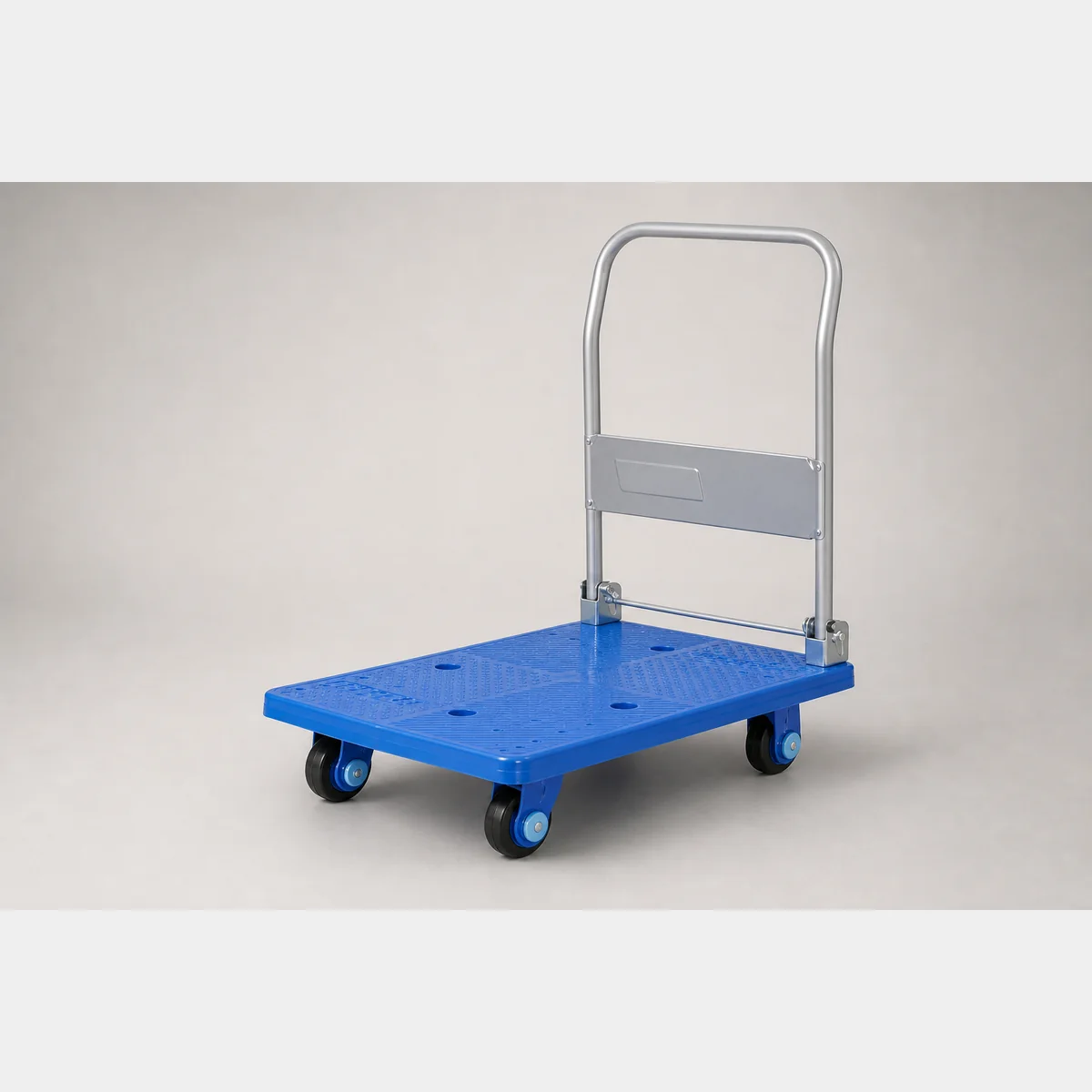
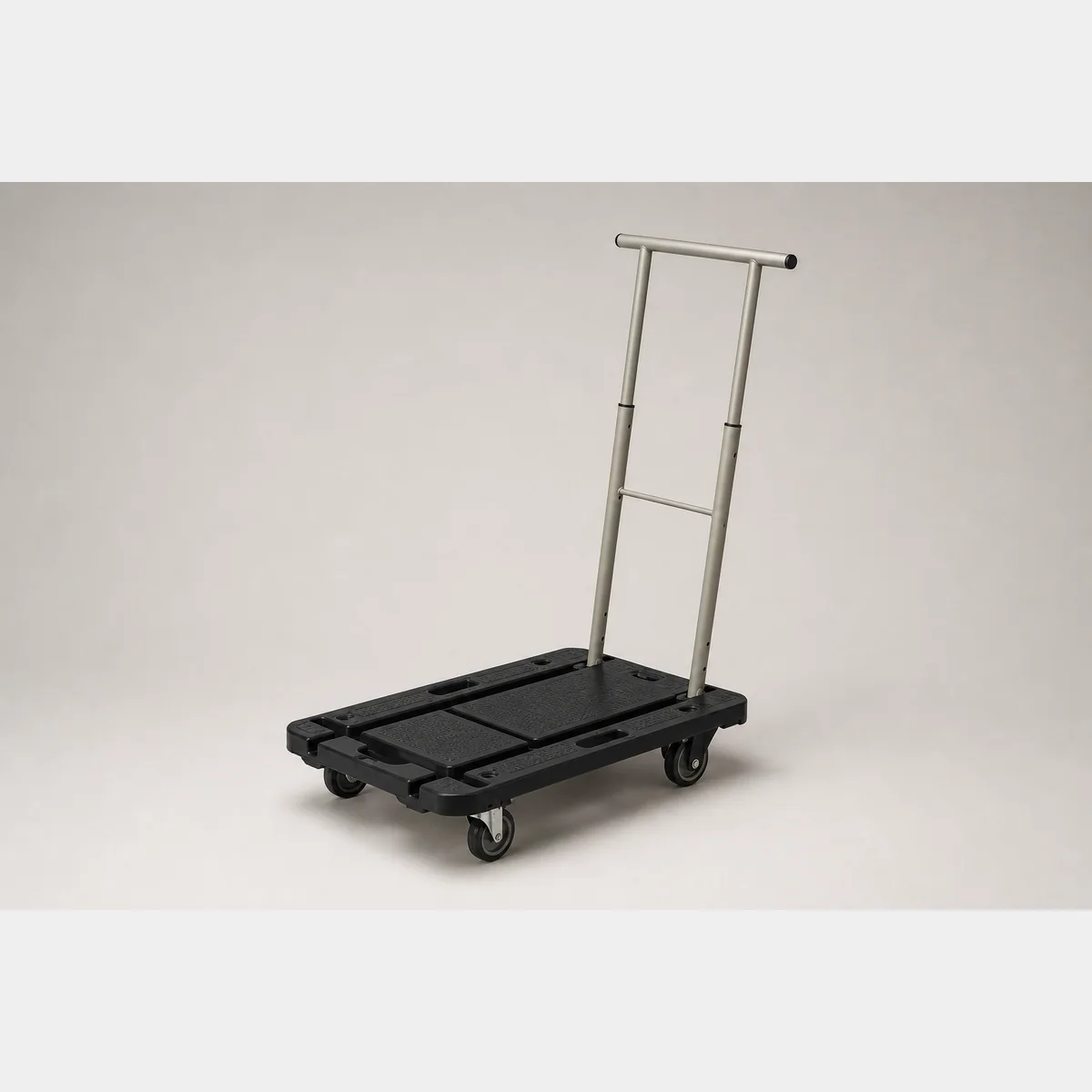
quiet hand trolley
quiet hand trolley. (A) Dimensions: L720 X W490 X H850 MM; Net weight: 10kg supports 150kg / 16kg supports 300kg; Wheels: 100 mm / 125 mm. Formal quotation available based on use, specifications and quantity.
- (A) Dimensions
- L720 X W490 X H850 MM
- Net weight
- 10kg supports 150kg / 16kg supports 300kg
- Wheels
- 100 mm / 125 mm
 Material Handling & LogisticsProduct reference image
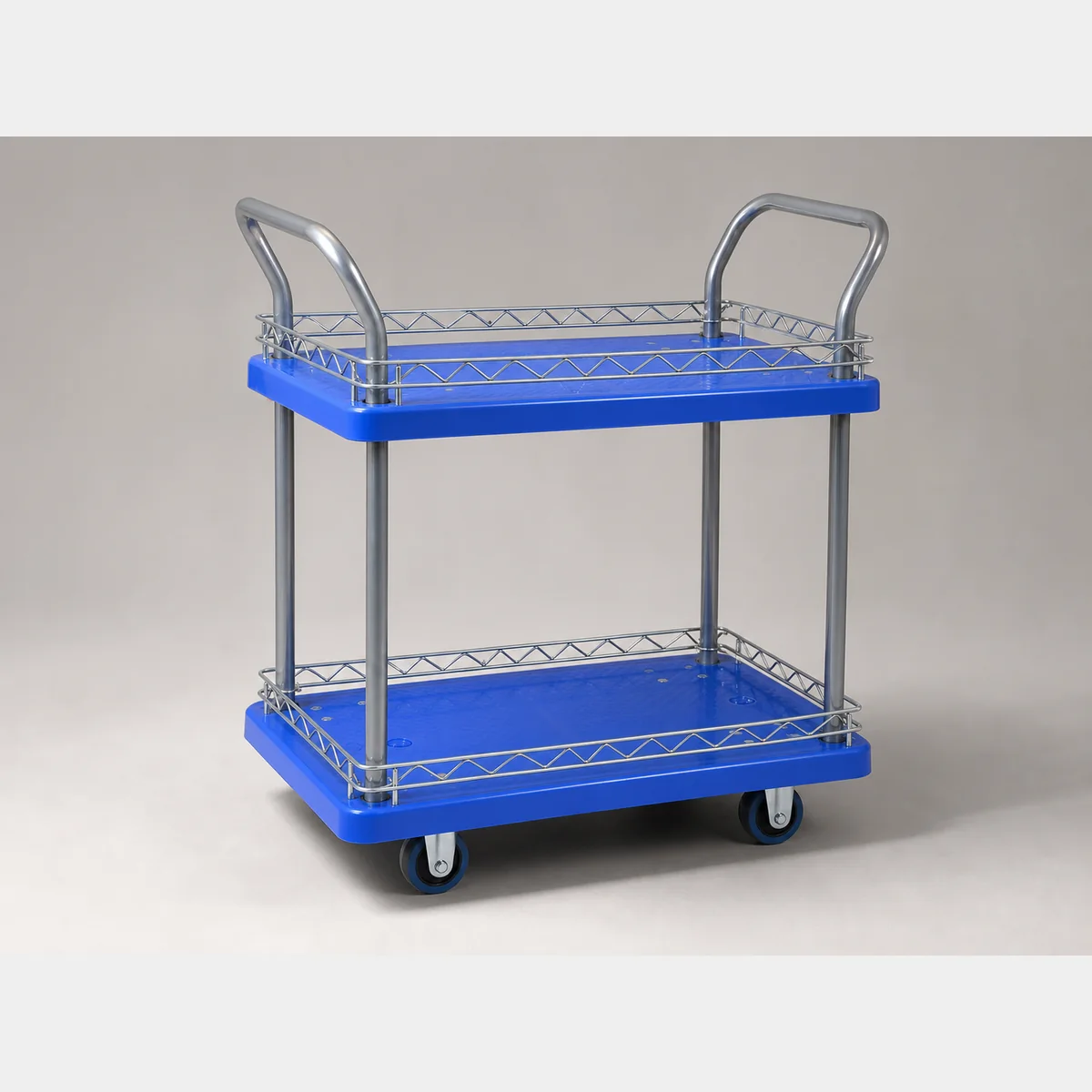
2-in-1 Hand Trolley
2-in-1 hand trolley, Dimensions/Specification: L600xW390xH820 mm; Formal quotation available based on application, specifications and quantity.
- Dimensions/Specification
- L600xW390xH820 mm
 Material Handling & LogisticsProduct reference image
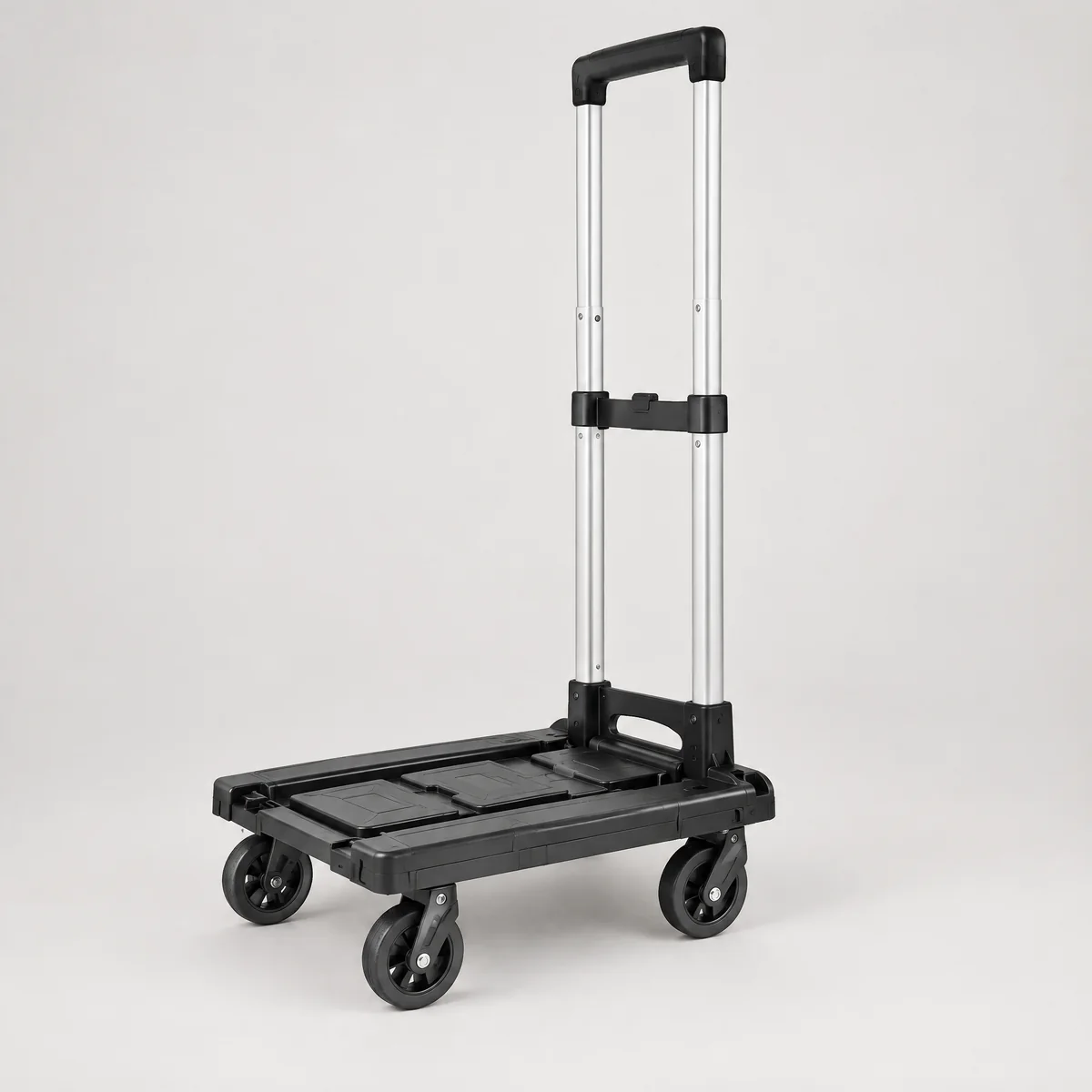
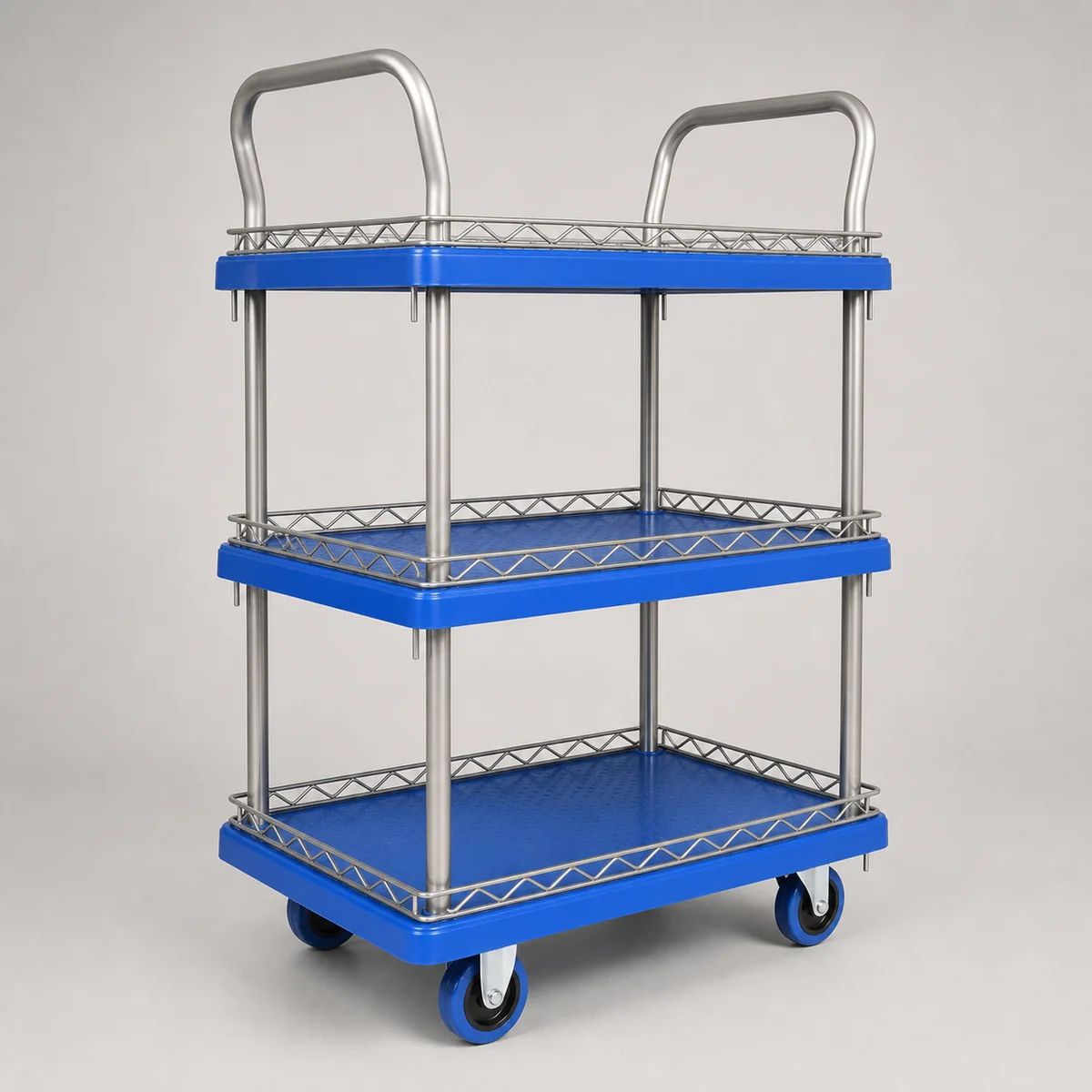
2-tier silent plastic trolley (with side guard rails)
2-tier silent plastic trolley (with side guard rails). (A) Dimensions: L730 X W480 X H950 MM; Net weight: 14.5kg *castor: 100 MM / 17.5kg *castor: 130 mm; Load capacity 150kg *shelf clearance: H550 MM. Formal quotation available based on application, specifications and quantity.
- (A) Dimensions
- L730 X W480 X H950 MM
- Net weight
- 14.5kg *castor: 100 MM / 17.5kg *castor: 130 mm
- Load capacity 150kg *shelf clearance
- H550 MM
 Material Handling & LogisticsProduct reference image
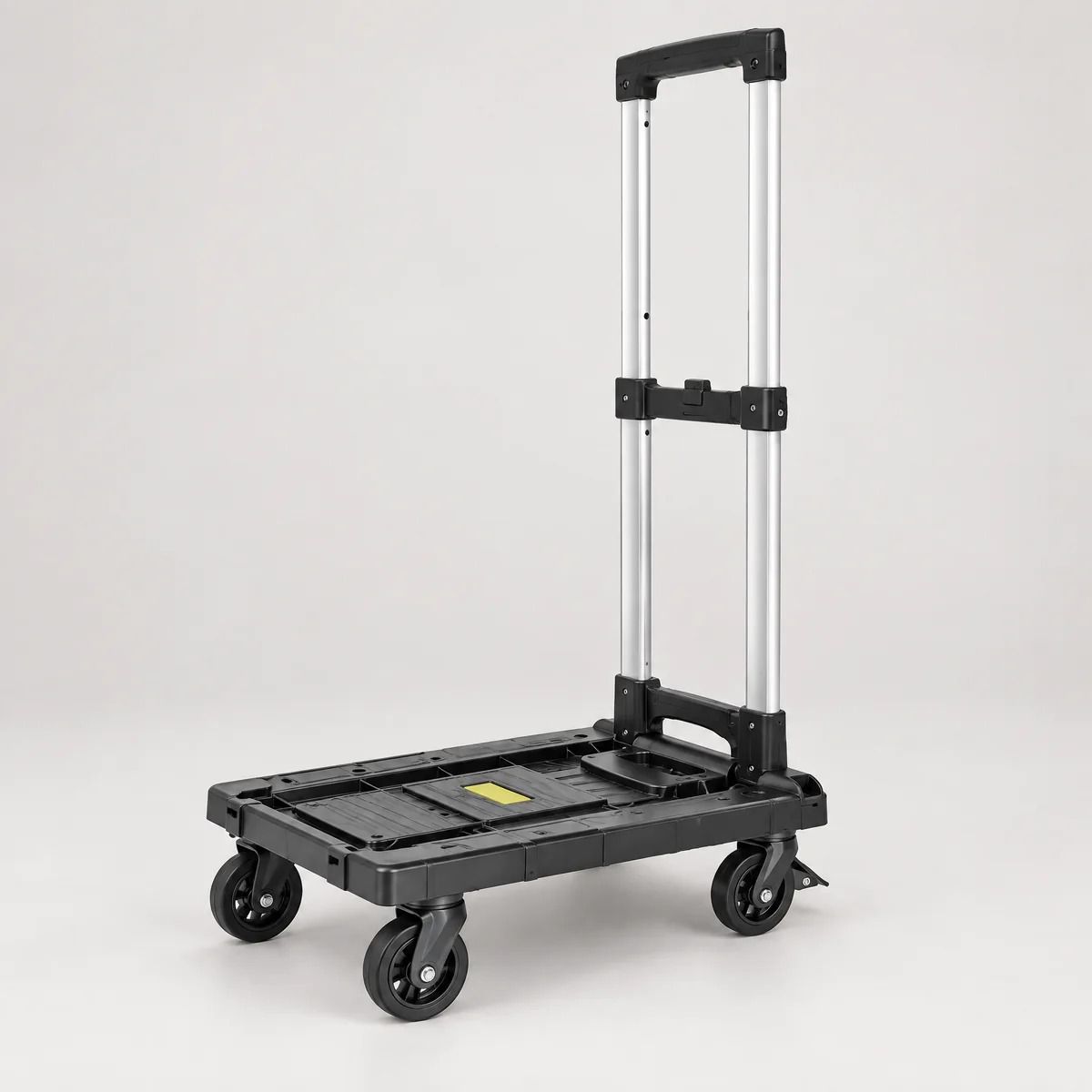
2.5-inch wheel hand cart
2.5-inch wheel hand cart, A: L48xW31xH78.5 cm; B: L50xW31xH88.5 cm; C: L55xW36xH97.5 cm. Please request a formal quotation with intended use, specifications and quantity.
- A
- L48xW31xH78.5 cm
- B
- L50xW31xH88.5 cm
- C
- L55xW36xH97.5 cm
 Material Handling & LogisticsProduct reference image
3-inch Wheel Hand Truck (SKU: JRA049)
3-inch wheel hand truck, A: L48xW31xH78.5 cm; B: L50xW31xH88.5 cm; C: L55xW36xH97.5 cm. For a formal quotation, please enquire with intended use, specifications and quantity.
- A
- L48xW31xH78.5 cm
- B
- L50xW31xH88.5 cm
- C
- L55xW36xH97.5 cm
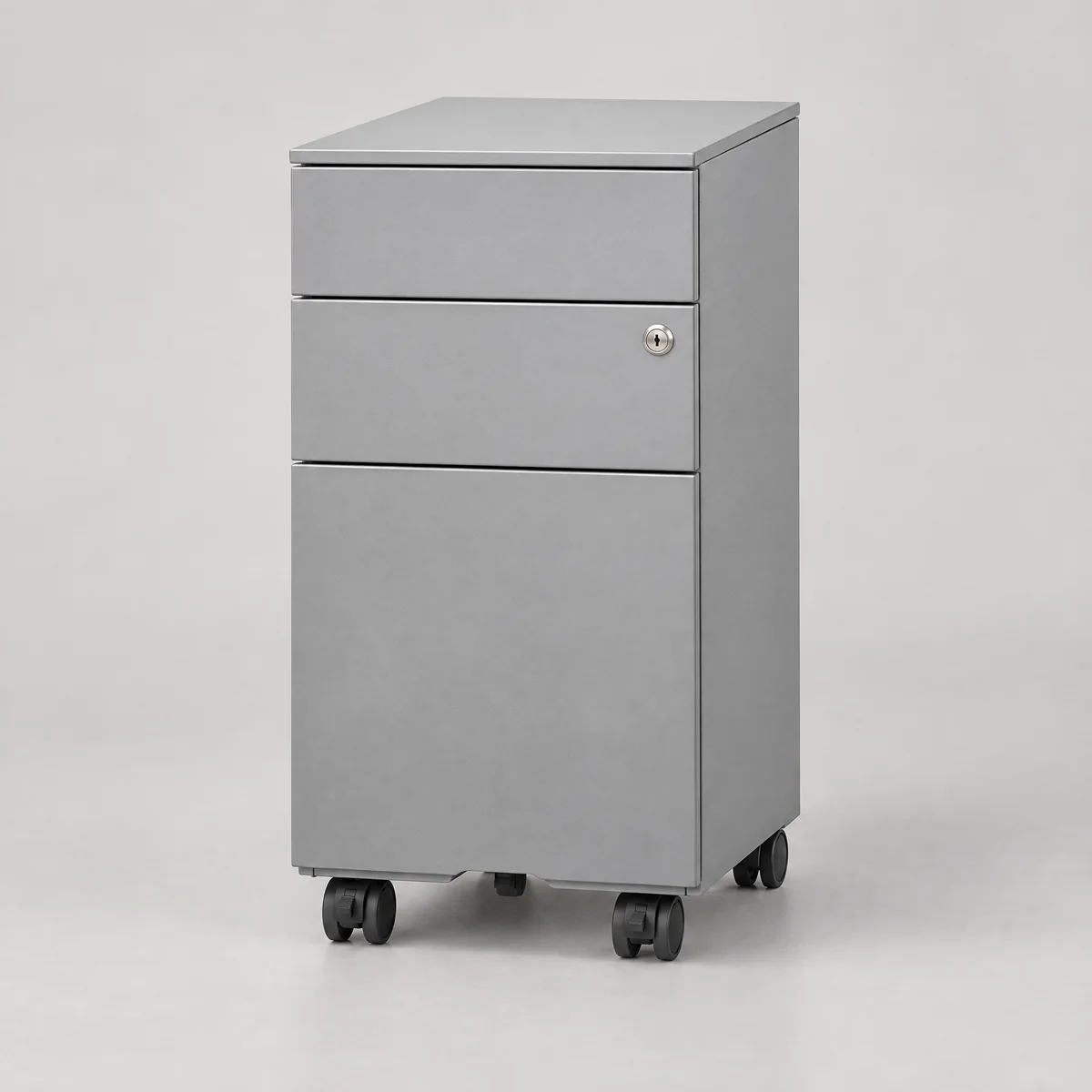 Shelving & StorageProduct reference image
3-tier filing cabinet
3-tier filing cabinet; Size: Length 300xDepth520 × Height 600 mm. Formal quotation available based on use, specifications and quantity.
- Size
- Length 300xDepth520 × Height 600 mm
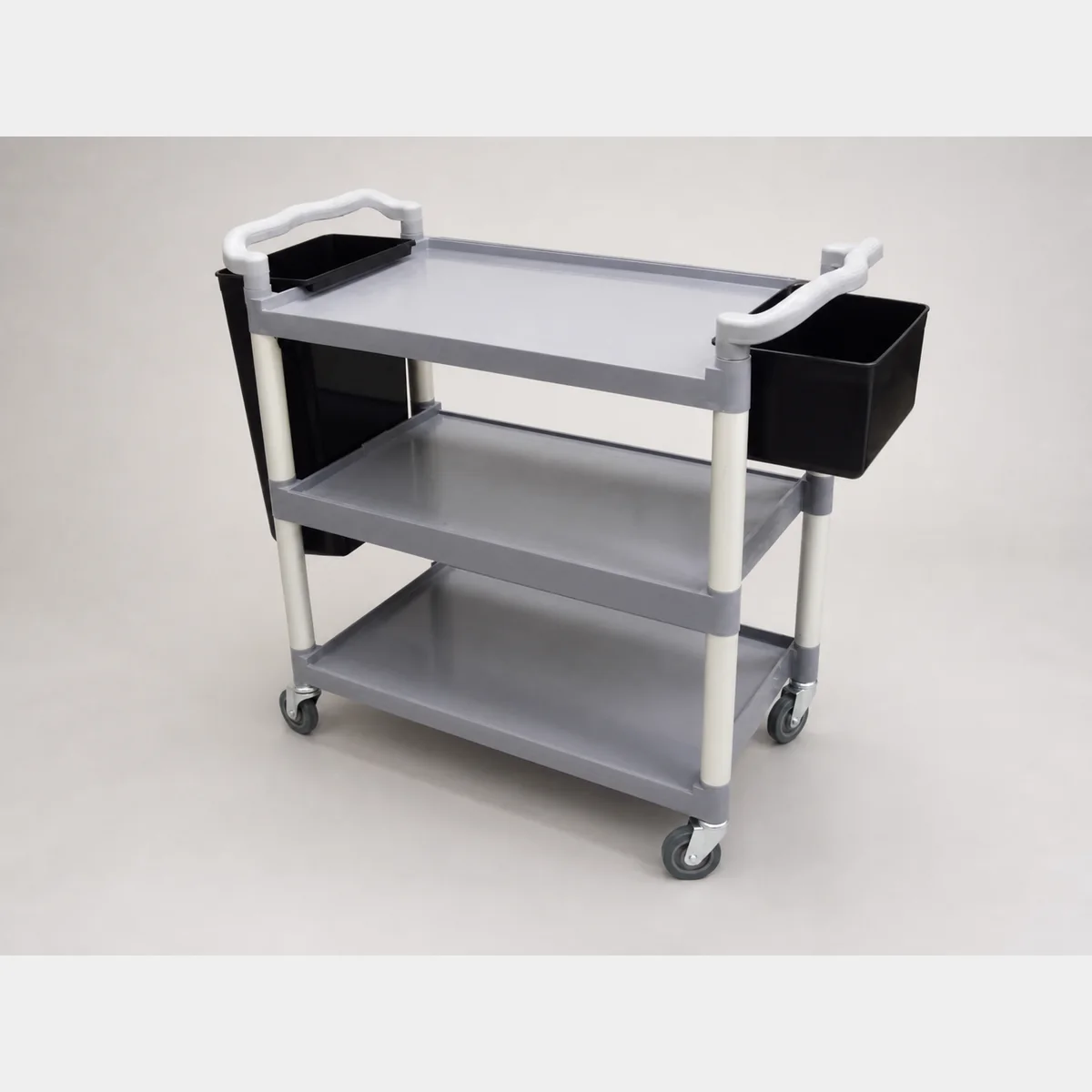
 Material Handling & LogisticsProduct reference image
3-Tier Plastic Railed Trolley (S8923-AF)
3-tier plastic railed trolley. Model association requires written confirmation: source records list L730xW480xH950 mm and S8923-BF at L880xW590xH1000 mm.
- Recorded sizes
- L730xW480xH950 mm / S8923-BF: L880xW590xH1000 mm
 Material Handling & LogisticsProduct reference image
3-tier plastic trolley
3-tier plastic trolley. (Large) Overall dimensions: L103 X W51 X H96 CM; each shelf size: L83 cm x W51 cm / L62 cm x W41 cm; (Small) Overall dimensions: L80 X W41 X H96 CM. Formal quotation available based on usage, specifications and quantity.
- (Large) Overall dimensions
- L103 X W51 X H96 CM
- Each shelf size
- L83 cm x W51 cm / L62 cm x W41 cm
- (Small) Overall dimensions
- L80 X W41 X H96 CM
Continue with closely related procurement topics
These pages share equipment, operating or decision-stage signals with this guide.
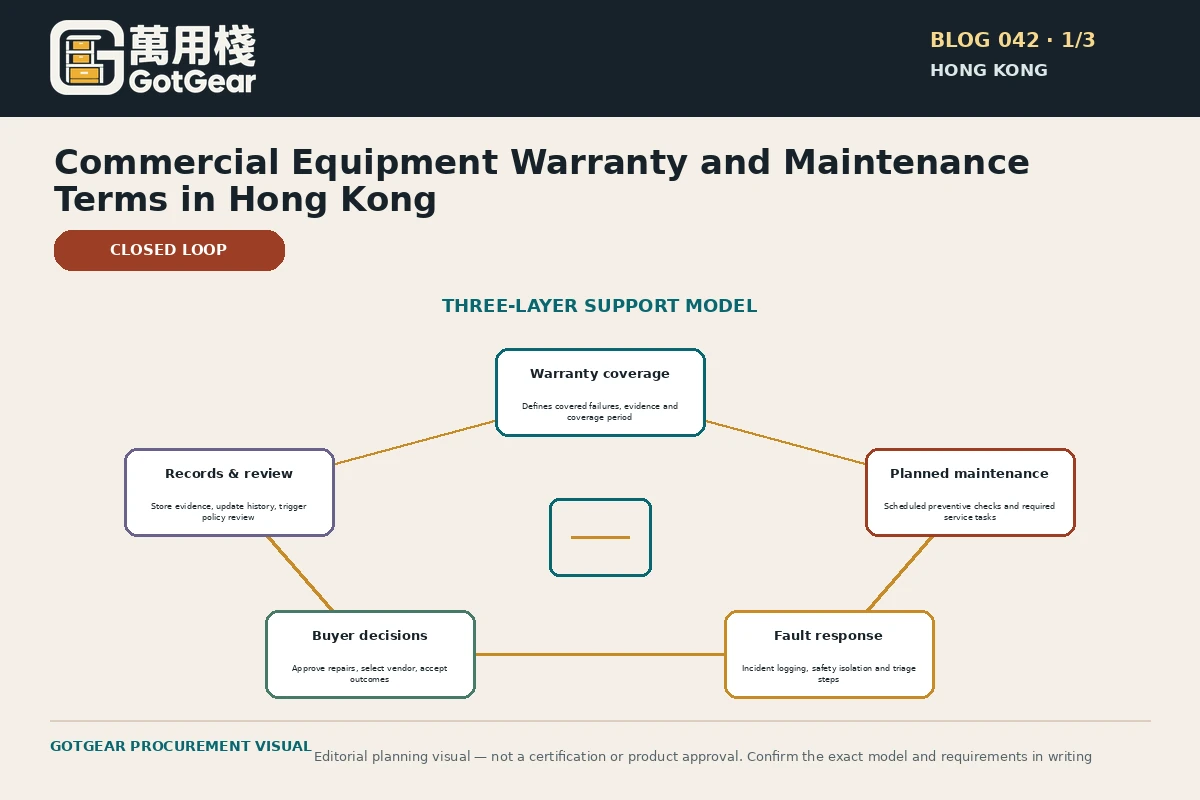
Commercial equipment warranty and maintenance terms Hong Kong
GotGear explains commercial equipment warranty and maintenance terms Hong Kong for Hong Kong buyers. See how commercial equipment warranty checklist Hong Kong supports commercial equipment preventive maintenance plan Hong Kong, with practical checks, evidence boundaries and written requirements.
Read the guide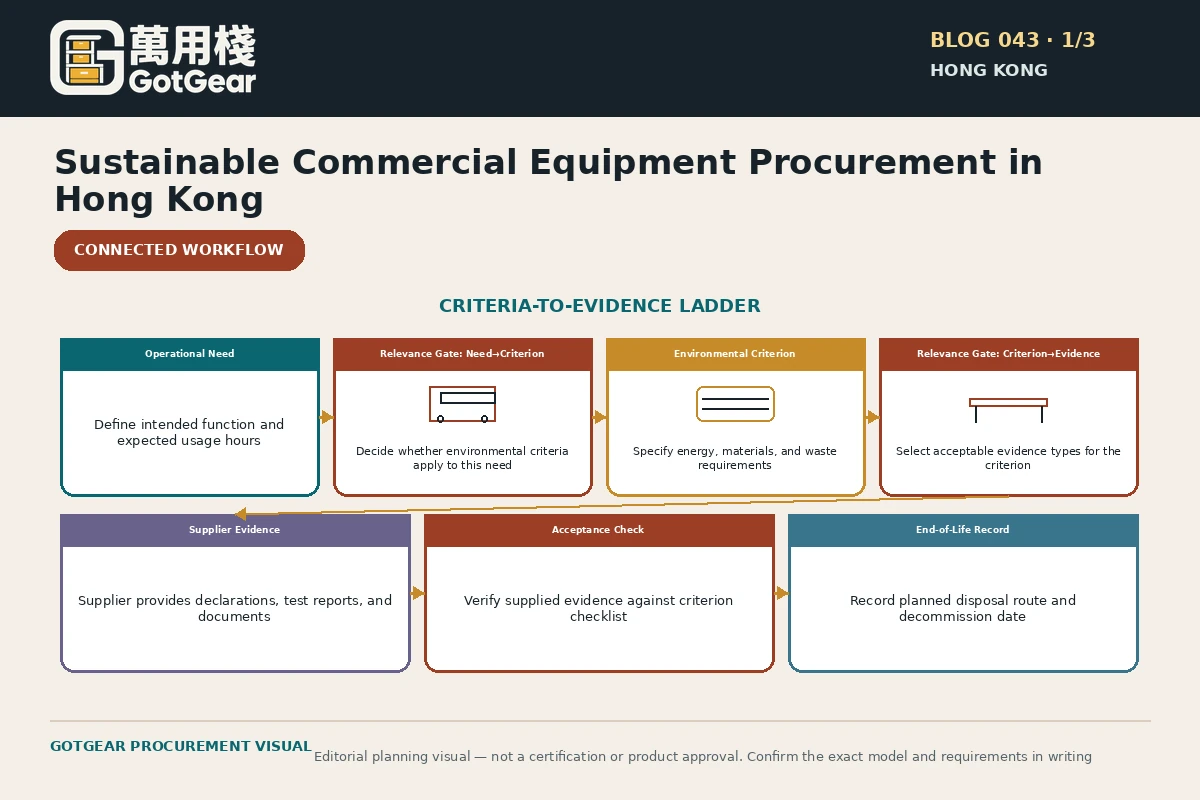
Sustainable commercial equipment procurement Hong Kong
GotGear explains sustainable commercial equipment procurement Hong Kong for Hong Kong buyers. See how green equipment specification Hong Kong supports commercial equipment end-of-life planning Hong Kong, with practical checks, evidence boundaries and written requirements.
Read the guide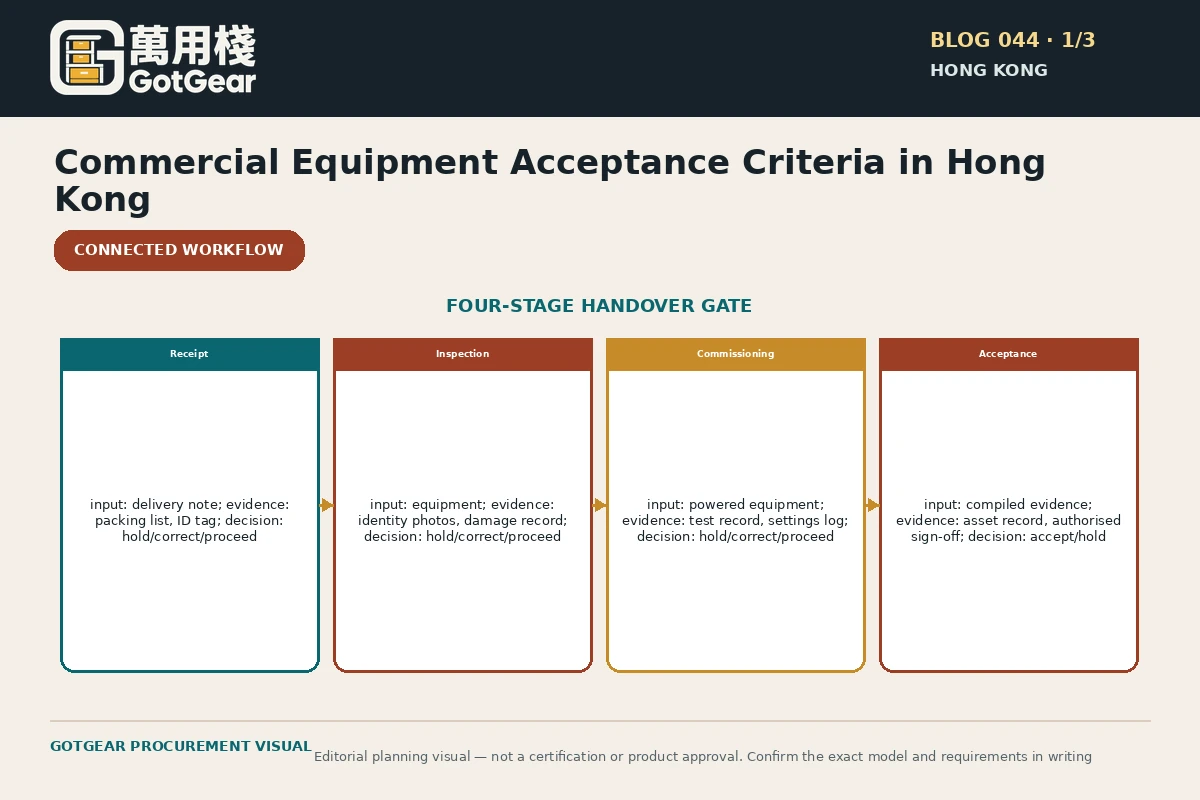
Commercial equipment acceptance criteria Hong Kong
GotGear explains commercial equipment acceptance criteria Hong Kong for Hong Kong buyers. See how commercial equipment commissioning checklist Hong Kong supports commercial equipment asset register Hong Kong, with practical checks, evidence boundaries and written requirements.
Read the guide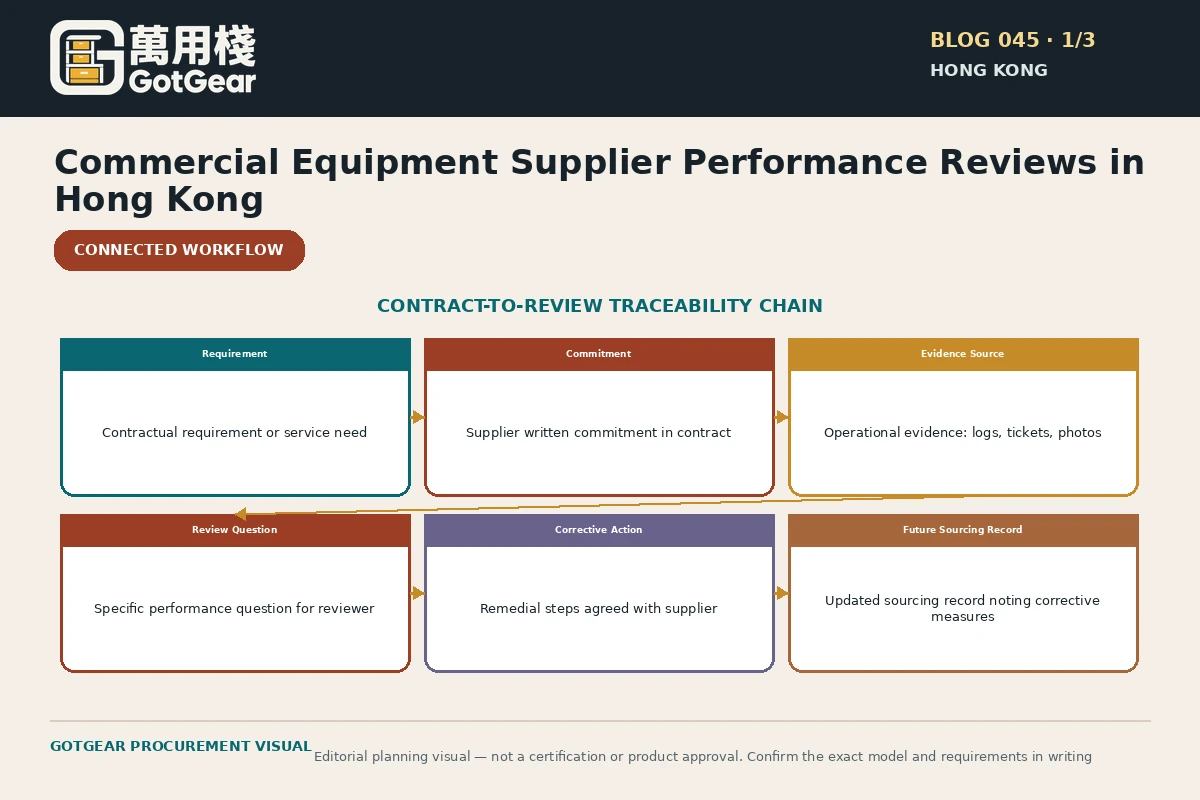
Commercial equipment supplier performance review Hong Kong
GotGear explains commercial equipment supplier performance review Hong Kong for Hong Kong buyers. See how commercial equipment service level agreement Hong Kong supports commercial equipment maintenance response time Hong Kong, with practical checks, evidence boundaries and written requirements.
Read the guideRelated topic indexOpen more English procurement pages14 topics
Browse additional equipment families, applications and procurement questions relevant to these operating requirements.