
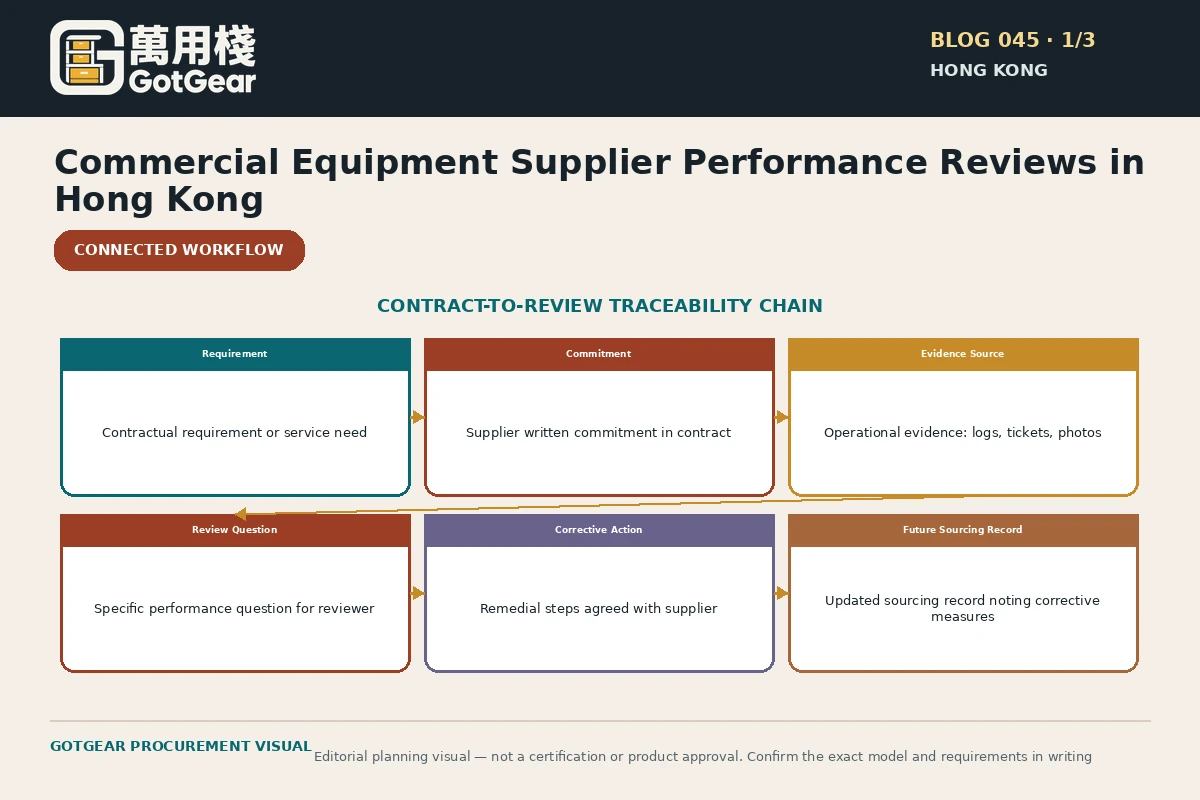
Design a supplier performance review around the specific promises in the contract: translate each covenant into a review question, note the pre-agreed evidence source (e.g. installation sign-off, service logs, user tickets), assign a review owner and record corrective actions. Treat an SLA as a tailored agreement with defined scope, clock-starts for response time, reporting cadence, exceptions and escalation paths. Use independent records, a named contract owner and a documented user-feedback route; do not rely on undocumented anecdotes when deciding remedies.
What to remember before you decide
- Build the scorecard from the contract: translate clauses into review questions with named evidence sources.
- Treat SLAs as negotiated, scoped agreements with clock-starts, exclusions and agreed reporting sources — do not copy generic response times.
- Define maintenance response milestones clearly (acknowledgement, attendance, resolution) and record the clock-start and exclusions.
- Use auditable evidence: ticket exports, signed handovers, technician reports and spare-parts invoices; avoid anecdotal inputs as sole evidence.
- Put governance in place: named contract owner, duty separation, conflict declarations, independently recorded assessments and a retained decision trail.
- For disputes or remedies, follow contractual processes and seek advice; public-sector practices inform governance but do not replace commercial contract terms.
- A score is only as reliable as its definitions and evidence; corrective actions and documented follow-up are as important as the numeric score.
Scorecard design: translate contract promises into review questions
Practical context: In Hong Kong organisations you will commonly manage a variety of commercial equipment — lab instruments, catering equipment, AV systems and specialised furniture — under different delivery and maintenance models. A sensible scorecard begins with what the contract actually promises, not with standardised response numbers. Use these decision checks: map each contractual clause (e.g. installation completeness, spare parts availability, training delivered, warranty scope, maintenance frequency, availability of consumables, reporting obligations) to a single review question and state the precise evidence source for each question. A key limitation is that a score is only as reliable as the definitions, evidence retention and the independence of the assessment. If the contract uses vague phrases such as "trigger support" or "reasonable effort", you must either re-interpret them in writing with the supplier or accept that these fields will remain qualitative in the scorecard. Isolated metrics such as response time can misrepresent quality if users bypass proper ticketing channels or if an equipment failure has downstream causes outside the supplier's control. Next, assemble the contract and annexes, list all promises and deliverables, select an evidence source for each item (e.g. signed handover form, ticket system export, maintenance log), and nominate review owners inside your organisation. Agree with the supplier how ambiguous clauses will be interpreted before your first formal review. Where public-sector practice is relevant, review the Hong Kong Government guidance on procurement and ensure your internal governance aligns with good practice rather than adopting public remedies wholesale.
Evidence types, owners and retained records
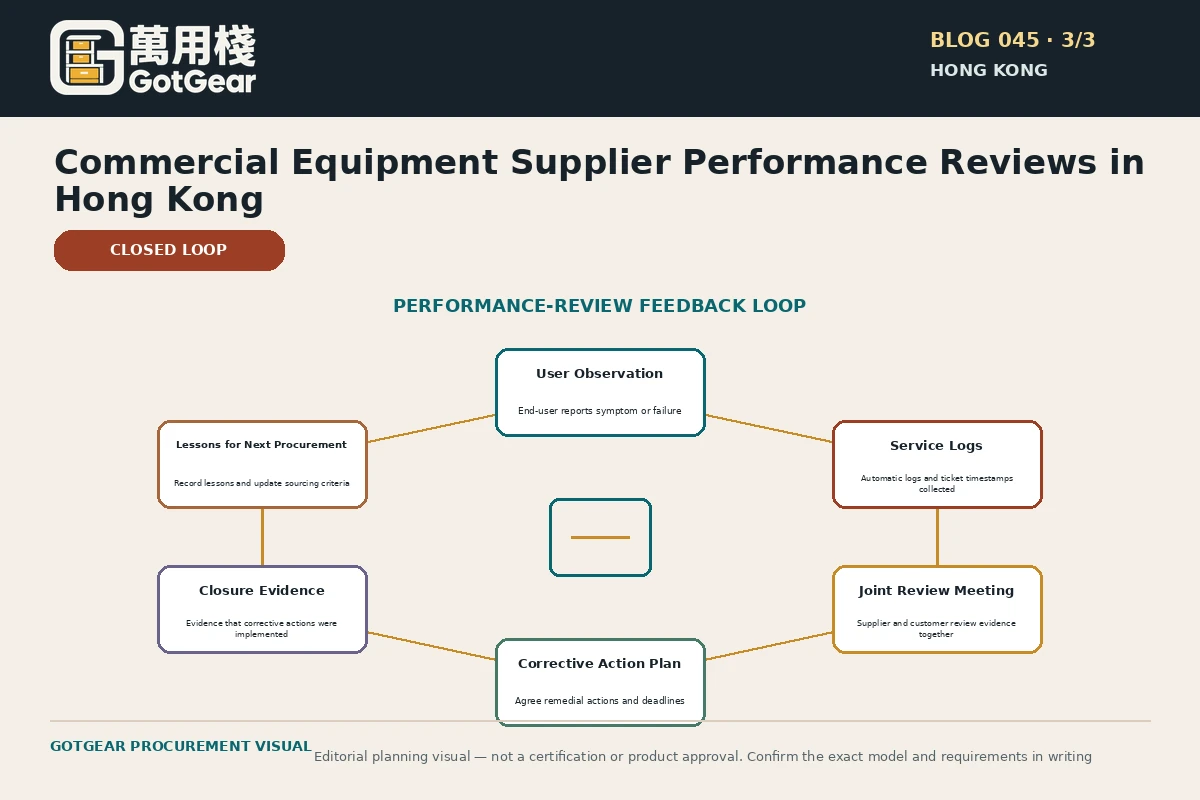
Practical context: Evidence in Hong Kong operations often lives across systems — onsite handover certificates in FM files, work orders in a third-party contractor's portal, and user feedback in a departmental inbox. Use these decision checks: specify the primary evidence source for every review question and a secondary source for cross-checks. Typical evidence types are signed delivery notes, calibration certificates, service-visit reports with time stamps, ticket-system exports showing timestamps and closure codes, and spare-parts invoices. A key limitation is that relying solely on user anecdotes or informal emails is risky; such inputs should be formalised through a recorded user-feedback route. If your organisation lacks an auditable ticketing system, invest in one or require the supplier to use it. Avoid creating numeric targets that have no supporting evidence in the contract; instead, record the method of measurement (for example, measurement by ticket timestamps from the agreed portal). Next, define the primary reporting source for each metric, ensure retention policies keep records for the contractually relevant period, and require suppliers to grant read access to logs where practical. Document who will extract reports, how often, and where exported records are stored. When evidence is incomplete, record that as a non-conformance and follow the agreed corrective-action route rather than treating it as an immediate contractual breach.
“A fair supplier review is not a scoreboard of complaints; it is a documented translation of contract promises into verifiable questions, evidence and corrective actions.”— GotGear Editorial Team
What should buyers compare for commercial equipment supplier performance review Hong Kong?
| Option or approach | Best for | Trade-offs | Checks before acceptance |
|---|---|---|---|
| Contract-first scorecard (translate contract clauses into questions) | Buyers seeking defensible, evidence-based reviews directly linked to the agreement | Requires time to map clauses and may expose poorly worded obligations | Confirm each question has a specified primary evidence source and a named review owner in your records |
| Template SLA enforcement (apply a standard SLA across suppliers) | Organisations with homogeneous equipment and limited governance resources | May impose inappropriate metrics and invite disputes when the scope differs | Use only if you can show the template matches the specific contract scope and exceptions are documented |
| Outcome-focused assessment (measure uptime, user satisfaction, business impact) | Buyers prioritising operational outcomes over activity logs | Needs robust instrumentation and agreed impact definitions; may miss contractual non-compliances | Ensure you can measure outcomes objectively (sensors, ticket closures, structured surveys) and map outcomes back to contract obligations |
| Third-party audit and verification | High-value or high-risk equipment where independence is essential | requires more internal resources and may slow decisions; useful when internal independence is limited | Use an independent auditor with access to raw logs and remit defined by the contract |
| Hybrid: scorecard plus targeted KPIs for critical assets | Organisations with a mix of critical and routine equipment | Needs governance to decide which assets get KPI treatment and to keep the process proportionate | Document the criteria for asset criticality and publish the hybrid approach in the contract or an annex |
This framework helps buyers create comparable written enquiries. Final model specifications, availability, delivery and commercial terms must be confirmed in a formal quotation.
Designing an SLA that works in Hong Kong practice
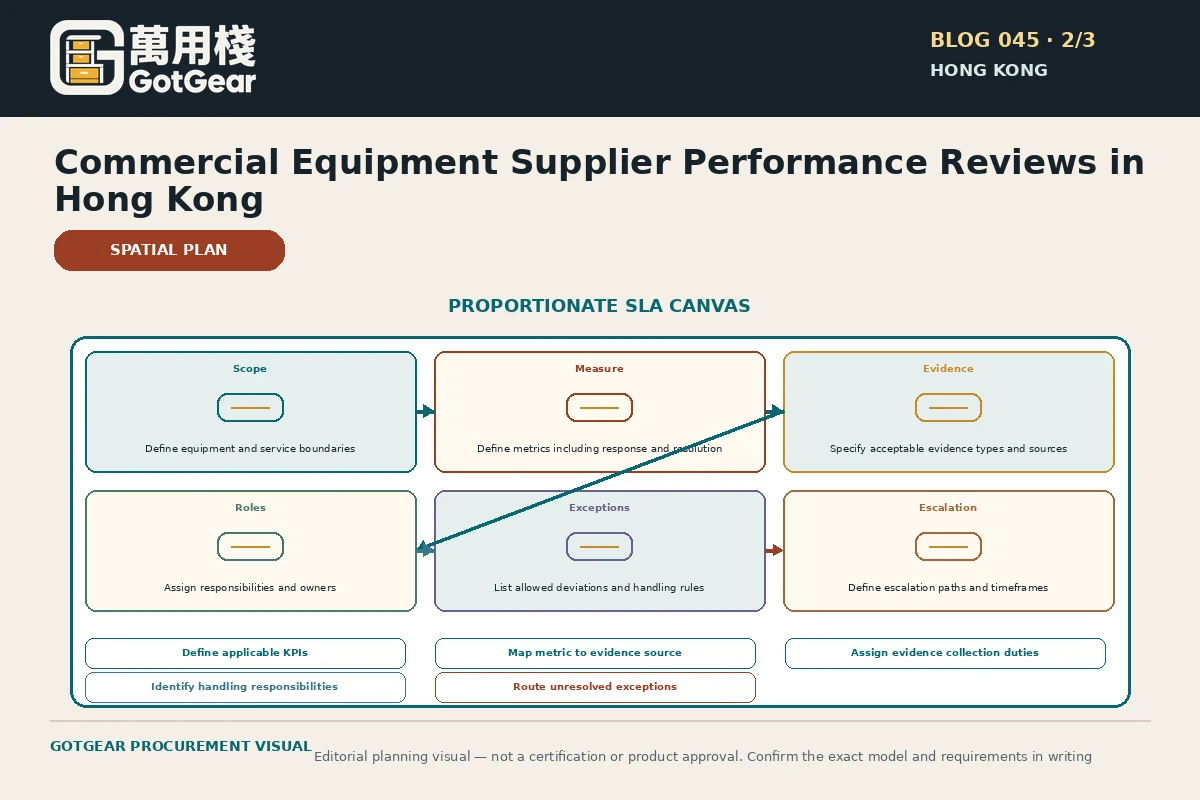
Practical context: Many buyers in Hong Kong treat SLAs as boilerplate. Instead, view an SLA as a bespoke statement of what the supplier must do and how you will measure it. Use these decision checks: an SLA must state the scope (which assets, locations and times it covers), the measurement method (ticketing source, clock-start definition and response classification), the reporting cadence and owner, defined exceptions and exclusions (e.g. force majeure, customer network faults), and the escalation path and remedies for sustained non-performance. A key limitation is that do not copy generic response times without matching them to service scope. For example, same-day attendance for a simple parts swap at a CBD office differs in feasibility and resource requirements from a repair at an island outstation. Moreover, response metrics without agreed clock starts are meaningless: is the clock started when the user calls, when the ticket is logged in the agreed system, or when the supplier acknowledges the ticket? Disputes often arise from these ambiguities. Next, agree a clock-start convention in writing (for example, ticket timestamp in the agreed portal), classify response categories (acknowledgement, attendance, resolution) and list exclusions. Define reporting frequency (monthly, quarterly) and the form of reports (scorecard, raw logs). Include a named contract owner and a declared route for user feedback and conflict-of-interest declarations. If your organisation is uncertain about withholding payments or remedies, seek legal advice before taking such actions; public-sector practices are informative but not prescriptive for commercial buyers.
Maintenance response time: define the clock and the exclusions
Practical context: Maintenance response time is the metric most prone to misunderstanding. In Hong Kong's dense urban sites, travel and access can be quick but working-hour restrictions, customs clearance for imported parts and building management approvals can add delay. Use these decision checks: define the clock-start event clearly (ticket logged in the agreed portal, supplier acknowledgement with unique reference, or a helpdesk phone call logged by a named owner) and set clear definitions for 'response' (initial contact, technician attendance, or fault resolution). Document exclusions such as customer network failures, third-party supplier faults, access delays caused by building management, and holidays. A key limitation is that a numeric response time is not a proxy for quality. A fast attendance that results in repeat visits may be worse than a slightly longer attendance that resolves the fault. In addition, isolated customer complaints without ticket records should not become the sole basis for a negative assessment. The scorecard should capture outcomes: was the root cause identified, was a permanent fix applied, and were users trained or informed? Next, list all likely exclusions in the SLA, decide which response milestone the metric measures, and mandate a root-cause report for repeat faults. Ensure the ticket system records call times and closure codes and that both parties can export logs. Where a performance problem emerges, follow a documented corrective-action process: issue a non-conformance notice, demand a remedial plan, monitor implementation against milestones and, if unresolved, escalate per the contract's governance clauses. Remember that government departments have their own regimes for evaluation and remedies; commercial buyers should rely on their contract and seek appropriate advice before withholding payments or applying termination remedies.
Commercial equipment supplier performance review Hong Kong decision checklist
- Confirm the contract and all annexes are the primary source for review metrics and that you can access the specified evidence sources.
- Map every contractual promise to a single review question and record the primary and secondary evidence sources.
- Define clock-starts and response milestones for maintenance metrics and agree exclusions in writing with the supplier.
- Nominate a named contract owner within your organisation responsible for extraction of reports, retention of records and running review meetings.
- Ensure ticketing or reporting systems are auditable and that both parties accept the export format for evidence.
- Establish a documented user-feedback route, instructing staff how to log issues to acceptable evidence channels.
- Require suppliers to declare conflicts of interest and to permit spot checks or independent verification where the contract allows.
- Avoid numeric targets borrowed from templates unless they are explicitly supported by contractual evidence and local operational reality.
- Record every review meeting, list actions, owners and deadlines and retain those records for the contractually relevant period.
- If considering withholding payments or termination, obtain legal advice and follow the contractual dispute and remedy process rather than acting on undocumented feedback.
Practical action sequence
- Gather the contract, annexes, installation and handover documents and open the ticket-system access for export.
- List all supplier promises and convert each into a review question with a named evidence source and internal review owner.
- Agree a clock-start and response definitions with the supplier in writing and list any exceptions.
- Configure your reporting extracts: agreed fields, frequency and who will receive the reports.
- Run an initial baseline review to surface gaps in evidence or ambiguous clauses and issue clarifying amendments or agreed interpretations.
- Record the first formal review, log non-conformances, demand a corrective-action plan with milestones and monitor until closed.
Apply the checks to your Hong Kong site
In Hong Kong, dense-site logistics, strict building-access procedures and frequent use of third-party contractors shape how organisations convert contract promises into verifiable performance scores. A commercial equipment supplier performance review Hong Kong should prioritise locally verifiable evidence — site access logs, contractor work records and recorded user feedback — alongside documented procurement decisions. Public-sector guidance emphasises pre-determined criteria, user-feedback routes and duty segregation; private buyers should mirror those governance controls while tailoring remedies to their contract and risk appetite. Treat a commercial equipment service level agreement Hong Kong as a bespoke allocation of obligations rather than a generic response-time promise, and distinguish a poor score from an automatic contractual remedy. Define how commercial equipment maintenance response time Hong Kong is assessed in context of access constraints and verification steps, and require corrective-action records before adjusting scores. Operational takeaway: implement a scorecard workbook that maps each contractual clause to specific on-site evidence fields and a mandatory corrective-action sign-off before remedies are triggered.
References used for this article
These sources provide regulatory, safety or planning context. They do not certify any GotGear product or replace site-specific professional advice.
- Hong Kong Government Guide to Procurement — Local public-procurement context for value, transparent procedures and assessment dimensions including reliability and after-sale support; not a mandate for private buyers.
- HKSAR LCQ3: Improving Procurement Processes — Reports that Government departments use track record, regularly evaluate contractor performance after award and take action under contract terms; public-sector context only.
- ICAC PSIC Procurement — Bidding and Contract Award — Recommends pre-determined criteria, conflicts management, duty segregation, documented decisions and supplier-performance evaluation via user feedback.
- CIPS Contract Management Cycle — Frames contract management as continuous across pre-award, award, management/development and exit phases.
Questions about commercial equipment supplier performance review Hong Kong
What must an SLA for commercial equipment include in Hong Kong?
An SLA should be a tailored mutual agreement that states the scope (which equipment, locations, hours), the measurement method (which system is the authoritative source), clock-start definitions for response metrics, clear response categories (acknowledgement, attendance, resolution), reporting cadence and file format, roles and responsibilities, exceptions and exclusions, escalation routes and agreed remedies. In Hong Kong contexts you should also list any building access constraints or customs-related delays as exclusions where relevant. These points avoid common disputes caused by ambiguous "trigger" or "reasonable" language.
How should maintenance response time be defined so it is enforceable?
Define the precise clock-start (for example, ticket timestamp in the agreed portal or supplier's acknowledgement with unique ID), state which milestone the metric measures (initial contact, technician on-site, or full resolution), and agree exclusions such as customer-side faults, third-party supplier failure, or access denial by building management. Also require time-stamped service reports and a root-cause analysis for repeat faults. Without these definitions response-time metrics become subjective and lead to disagreement.
Can I copy government procurement practice for supplier evaluation?
Government practice is a useful reference: Hong Kong public departments evaluate contractors, use track records and take action under contract terms, and their guides stress documentation and integrity safeguards. However, the government regime is specific to public procurement and its remedies and approvals do not automatically apply to commercial buyers. Use the principles — documented criteria, user-feedback routes, duty segregation and recorded decisions — but follow your contract and seek legal advice before applying remedies such as withholding payment or termination.
What evidence should I accept in a performance review?
Primary evidence should be auditable records referenced in the contract: signed handover forms, ticket exports with timestamps, technician reports, spare-parts invoices, calibration certificates and formal user-surveys collected through the agreed channel. Secondary evidence can be corroborating emails or site visit notes. Avoid basing decisions on ad-hoc emails or anecdotes; if a complaint arises outside the formal route, convert it into a logged ticket and investigate before making contractual findings.
What governance controls protect my review decisions?
Key controls include a named contract owner, independently recorded assessments, separation of duties (those who operate the asset should not be the sole reviewer), a formal user-feedback route, conflict declarations, retained records for the contractually relevant period, and a documented decision trail for corrective actions. These measures align with integrity safeguards recommended for procurement and reduce the risk of disputes or accusations of unfair treatment.
What should I do if the evidence is incomplete or ambiguous?
When evidence is missing, record the absence as a non-conformance and request the supplier supply the missing records within a defined period. If a clause is ambiguous, ask for a written interpretation agreed by both parties or issue an amendment. Do not leap to penalties on the basis of incomplete or anecdotal material; follow the corrective-action process in the contract and, if necessary, seek independent verification or legal advice before escalating to remedies.
Compare available product models and specifications
These product cards are matched to this buying topic. Select a specification and quantity to send the product details to WhatsApp.
 Shelving & StorageProduct reference image
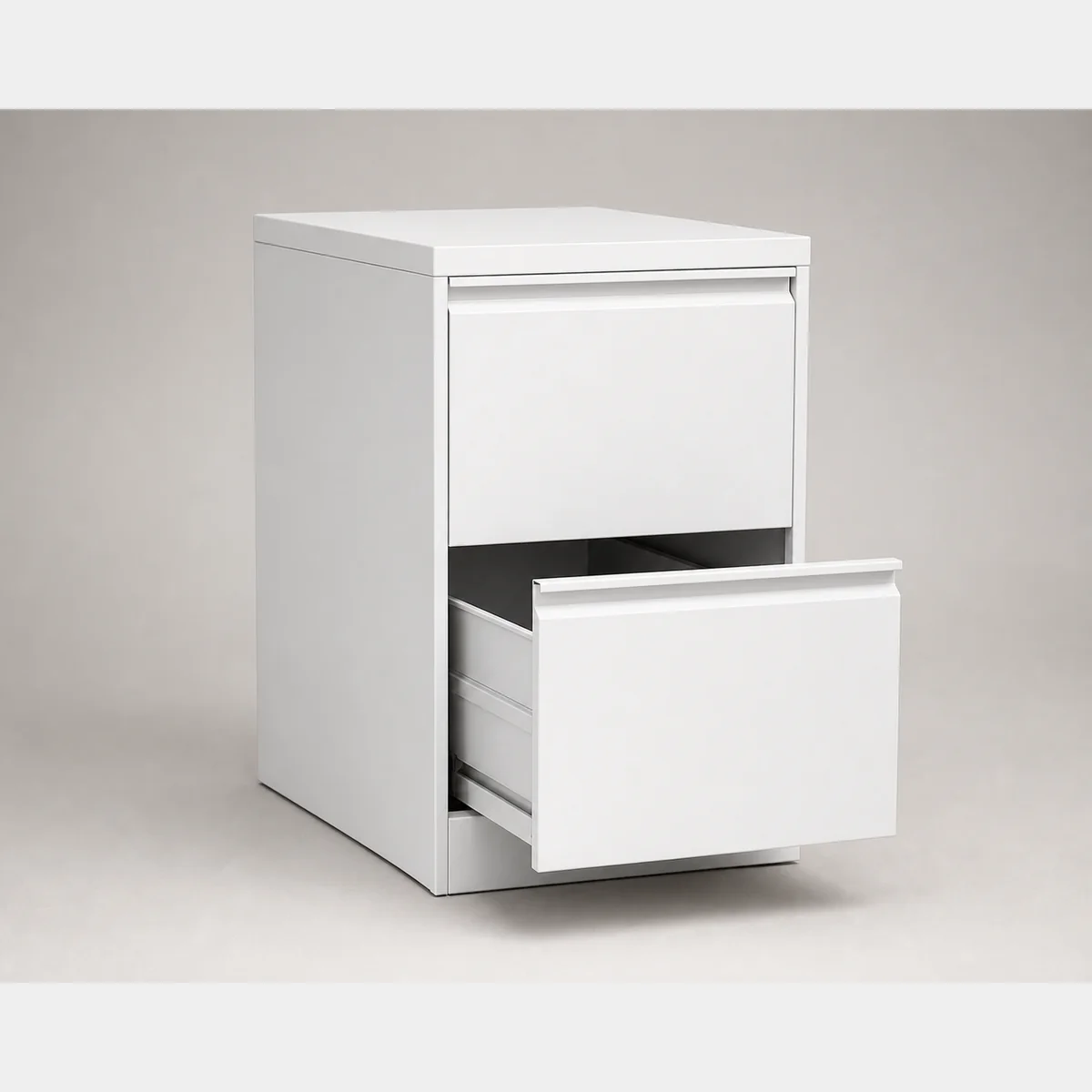
Drawer filing cabinet
Drawer filing cabinet. For intended use, size and quantity, contact the supplier for official specifications and a formal quotation. Model JCB3004.
- JCB3004-A option 1
- W460xD620xH731 mm
- JCB3004-B option 2
- W460xD620xH1031 mm
- JCB3004-C option 3
- W460xD620xH1331 mm
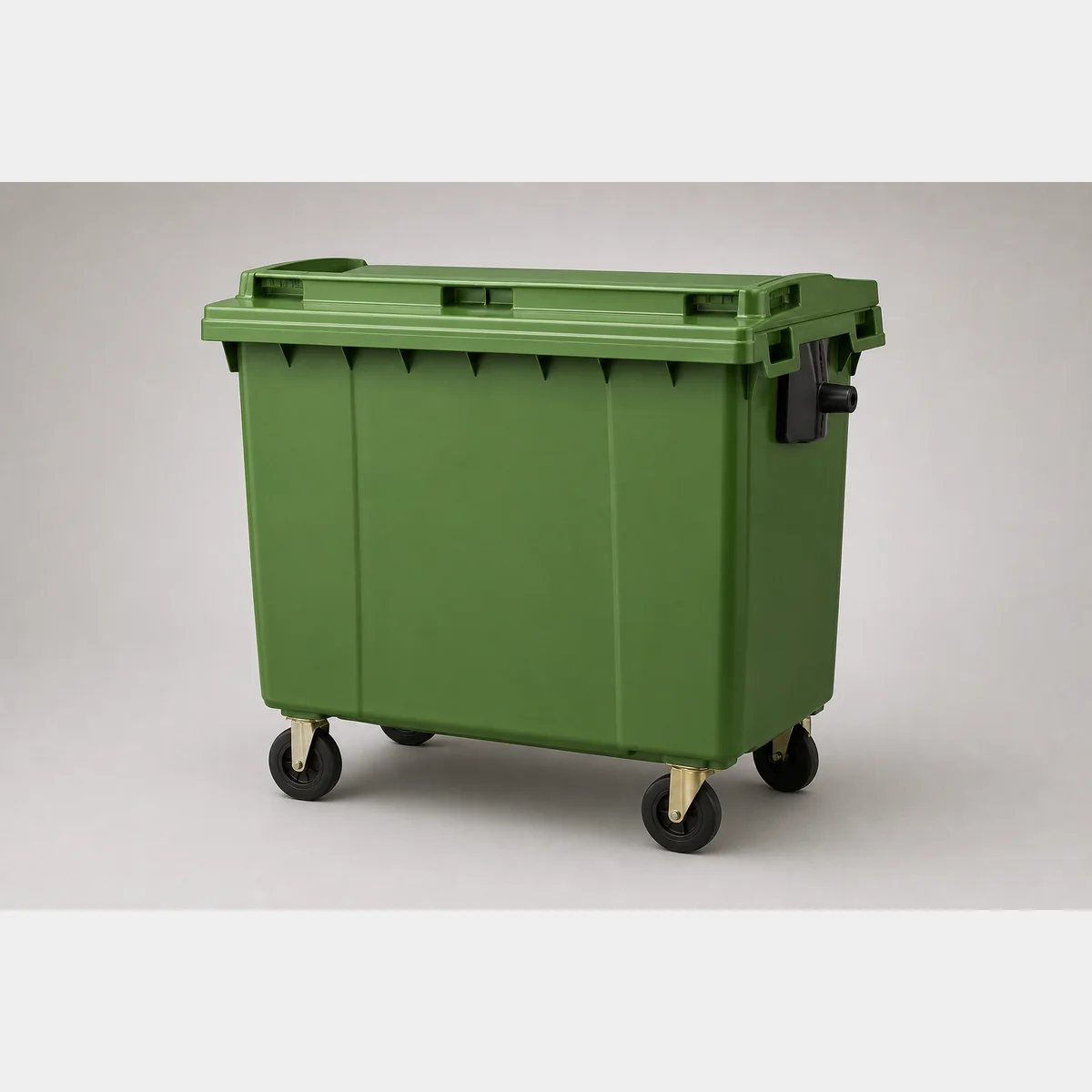 Cleaning & Waste ManagementProduct reference image
660 L Pedal-operated Mobile Waste Bin
Pedal-operated 660 L mobile waste bin, approximately L1410 x W785 x H1230 mm.
- Capacity
- 660 L
- Dimensions
- L1410 x W785 x H1230 mm
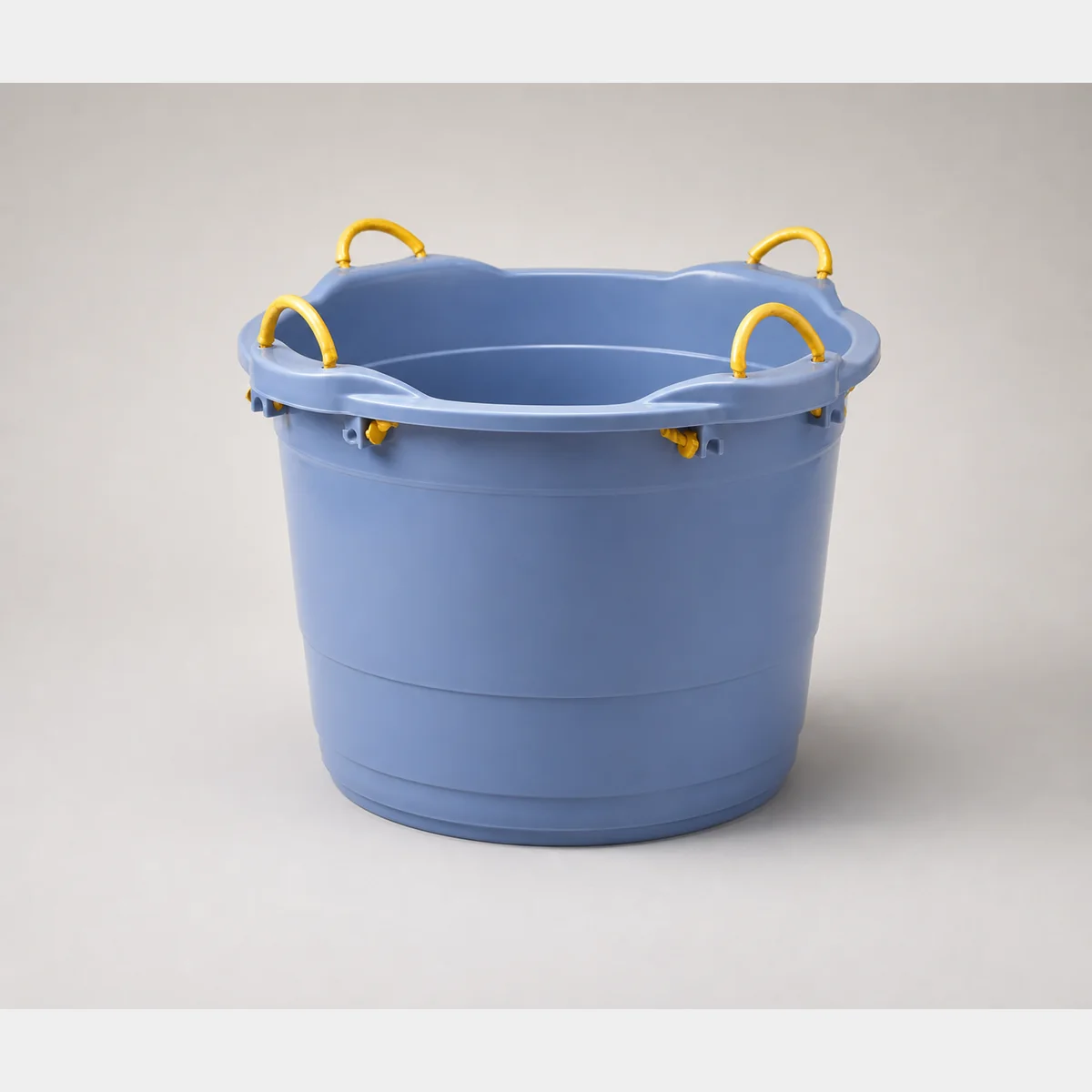 Cleaning & Waste ManagementProduct reference image
Bucket
Bucket, Capacity: 76 L; Size: dia.640*H450(mm); Minimum order quantity: 1 unit. A formal quotation is available upon request based on use, specifications and quantity.
- Capacity
- 76 L
- Size
- dia.640*H450(mm)
- Minimum order quantity
- 1 unit
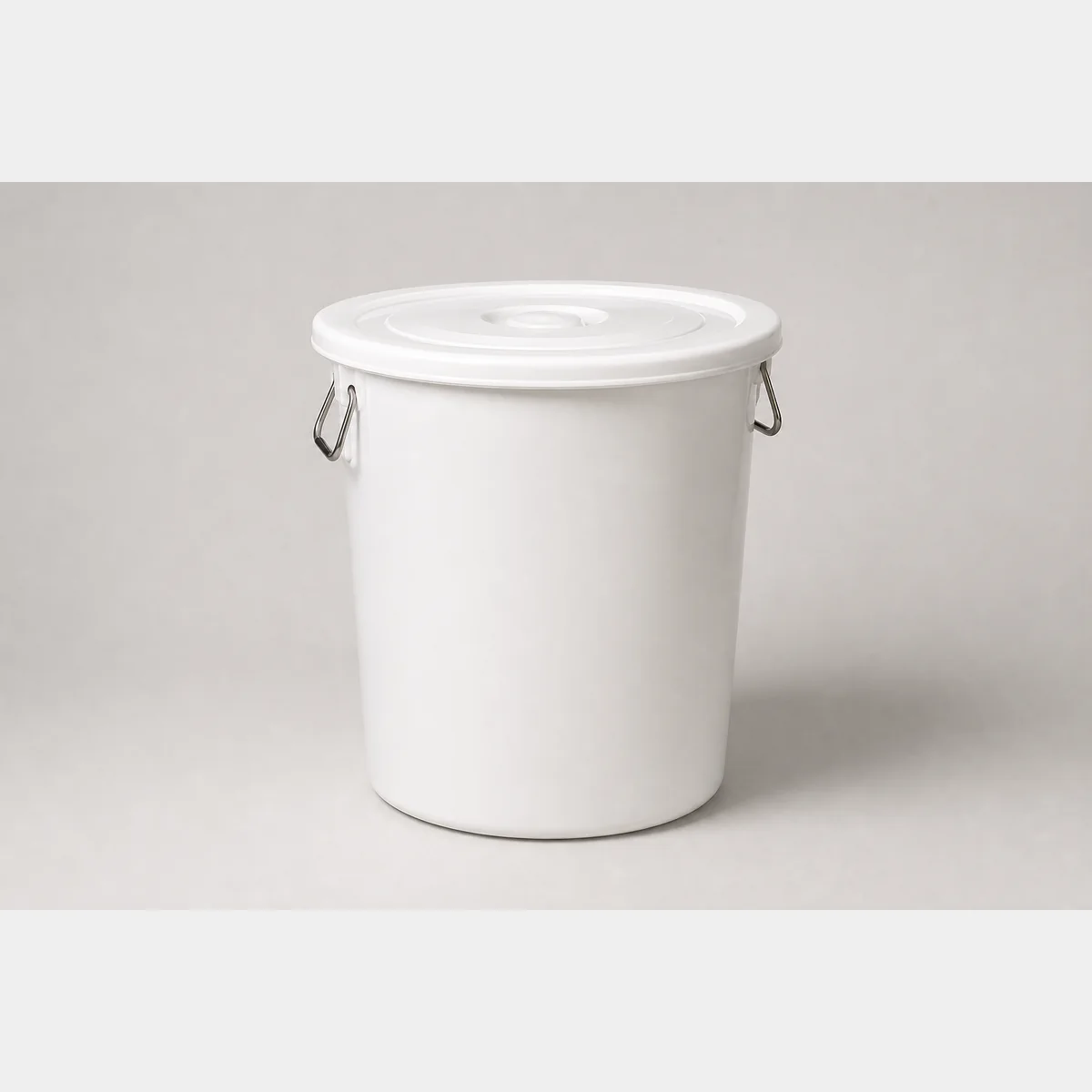 Cleaning & Waste ManagementProduct reference image
Bucket
Bucket — 35L: 400xH410 mm; 57L: 445xH530 mm; 85L: 500xH620 mm. Formal quotation available on request based on use, specifications and quantity.
- 35L
- 400xH410 mm
- 57L
- 445xH530 mm
- 85L
- 500xH620 mm
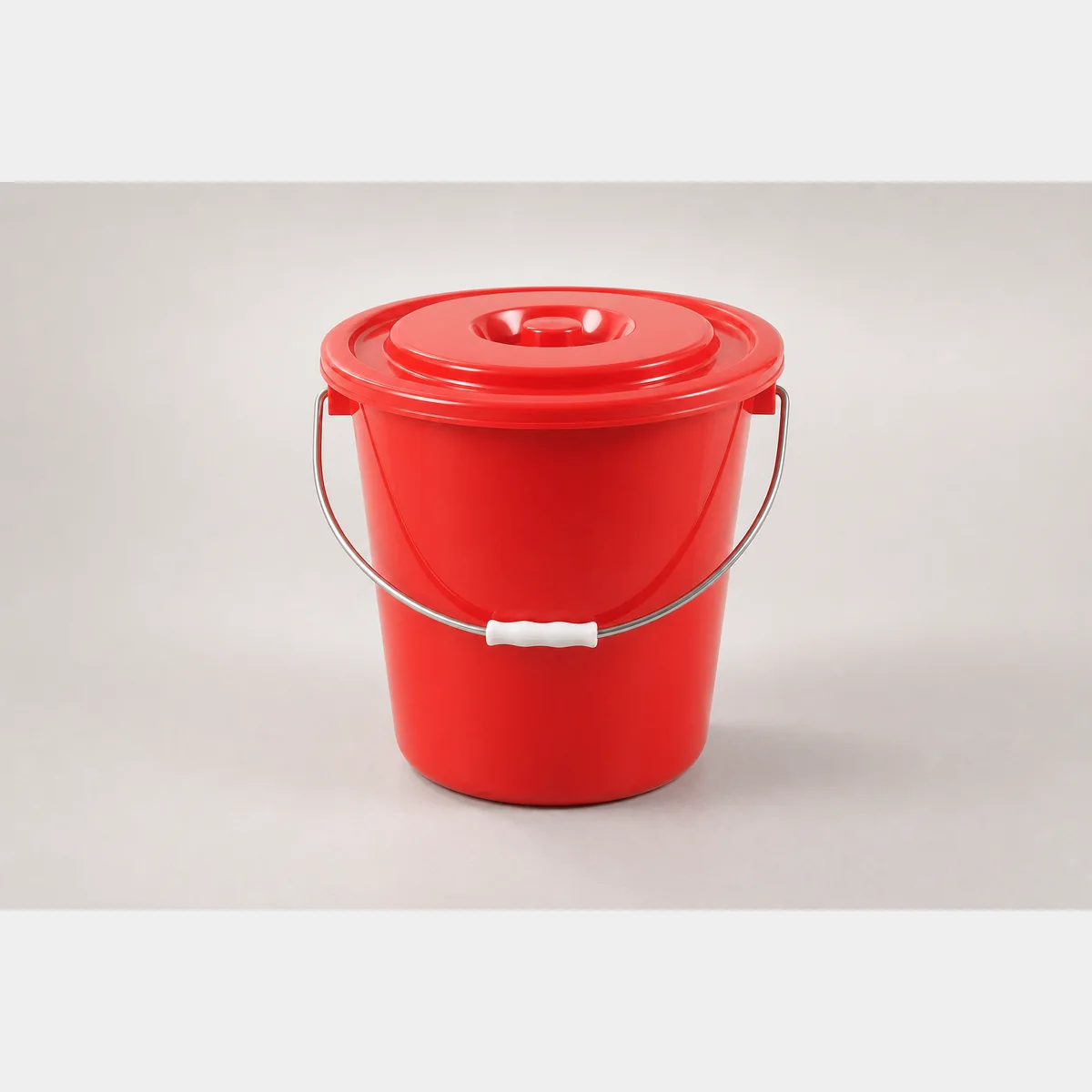 Cleaning & Waste ManagementProduct reference image
Bucket
Lidded and unlidded 30 L and 22 L bucket range. Minimum quantity: 5 sets. The 30 L model width requires written confirmation because source records conflict between 395 mm and 400 mm.
- 30 L models
- Lidded 280/280-1 / Unlidded 280
- 30 L dimensions
- Minimum L410xW395xH380 mm / Maximum L410xW395xH595 mm
- 22 L models
- Lidded 260/260-1 / Unlidded 260
 Cleaning & Waste ManagementProduct reference image
Bucket / Trash Bin
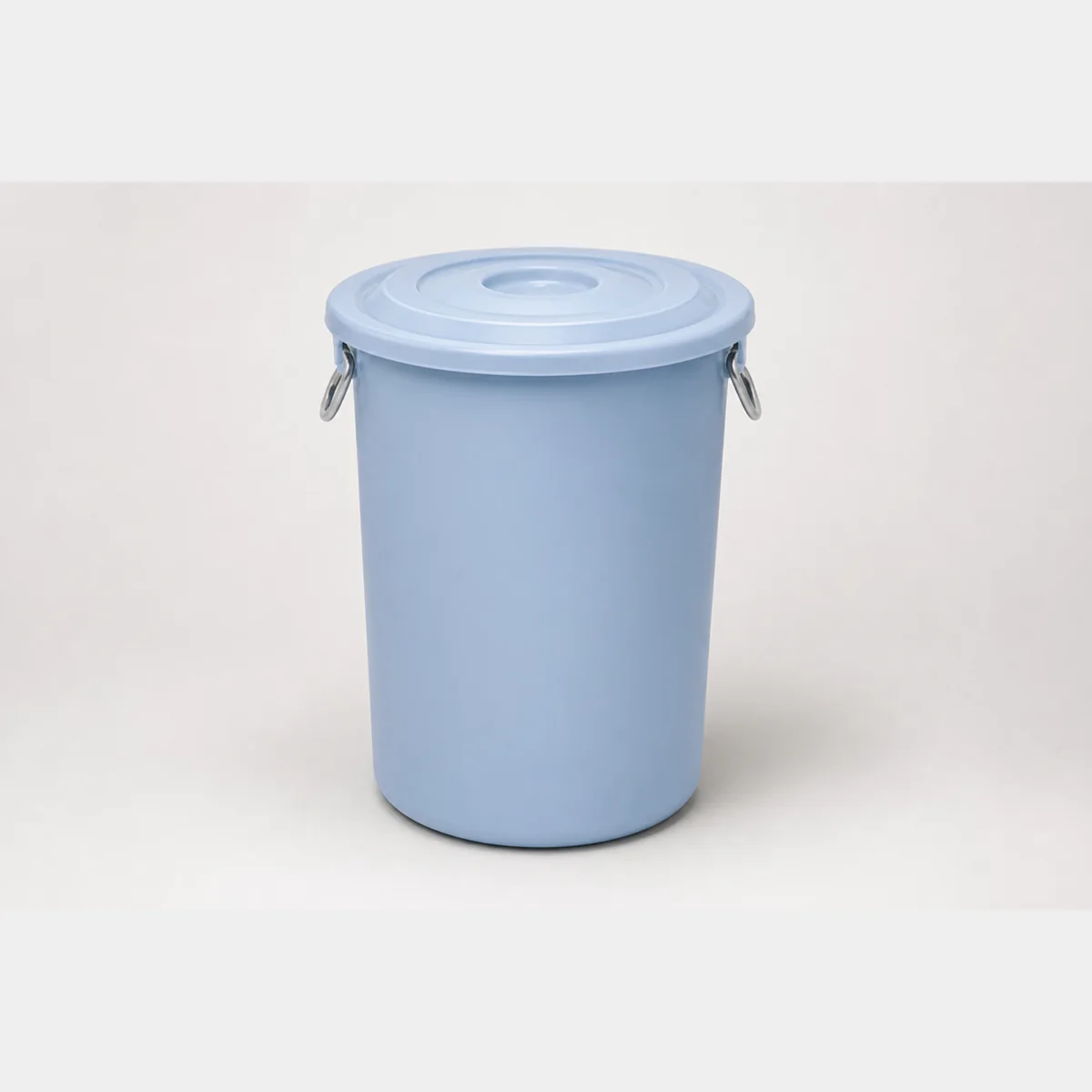
Bucket / Trash Bin, Item No. 2212 (bucket) & 2212-1 (lid) (Capacity: 47 L); Dimensions: dia.410*H615 (mm) / dia.457*H615 (mm); Bucket only (without lid): dia. 400 x 580 (mm) / dia. 445 x 578 (mm). Formal quotation available upon request based on use, specifications and quantity.
- Item No. 2212 (bucket) & 2212-1 (lid) (Capacity)
- 47 L
- Dimensions
- dia.410*H615 (mm) / dia.457*H615 (mm)
- Bucket only (without lid)
- dia. 400 x 580 (mm) / dia. 445 x 578 (mm)
 Cleaning & Waste ManagementProduct reference image
Eco-friendly Large Trash Bin (JB037)
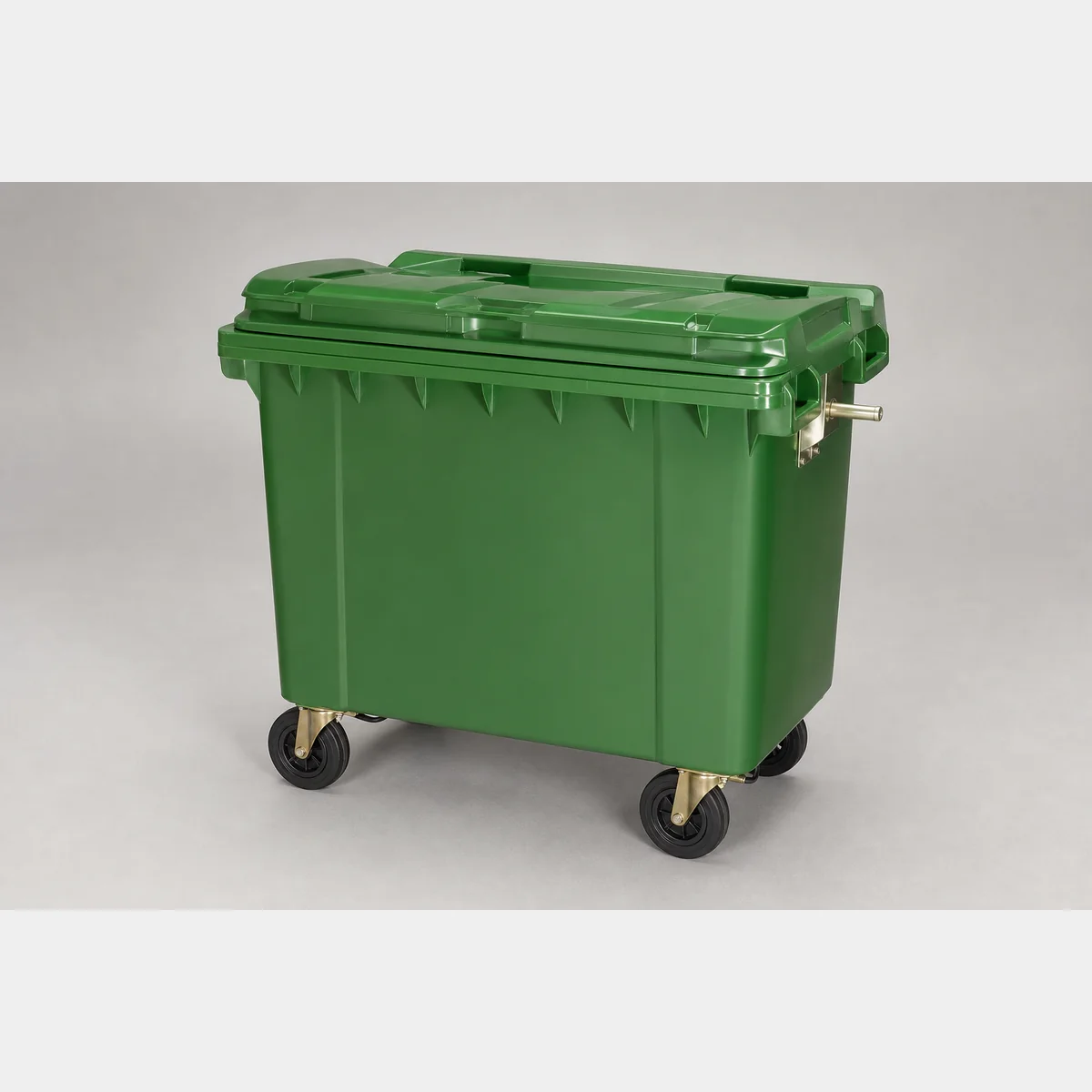
660L Eco-friendly large trash bin. Dimensions/Specification line: L1420xW800xH1230 mm; Colours: Red, Grey, Blue, Green, Yellow; Use: Suitable for food waste, recyclables. Formal quotation available on request according to use, specification and quantity.
- Dimensions/Specification
- L1420xW800xH1230 mm
- Colours
- Red, Grey, Blue, Green, Yellow
- Use
- Suitable for food waste, recyclables
 Cleaning & Waste ManagementProduct reference image
Flat-lid Trash Bin
Flat-lid Trash Bin; Capacity: 76L / 37L; Product dimensions: ø50XH58 cm / ø40XH43 cm; Minimum order quantity: 1 unit. Formal quotation available on request based on intended use, specifications and quantity.
- Capacity
- 76L / 37L
- Product dimensions
- ø50XH58 cm / ø40XH43 cm
- Minimum order quantity
- 1 unit
Continue with closely related procurement topics
These pages share equipment, operating or decision-stage signals with this guide.
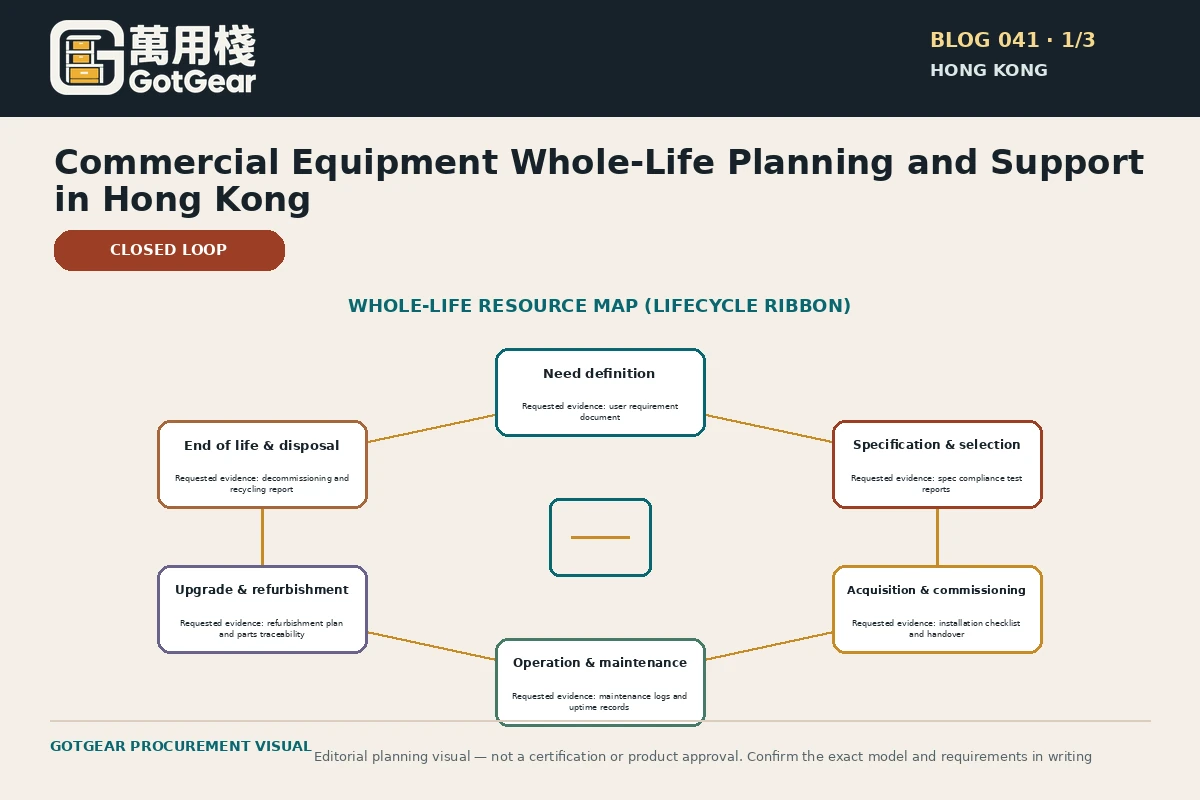
Commercial equipment whole life planning Hong Kong
GotGear explains commercial equipment whole life planning Hong Kong for Hong Kong buyers. See how commercial equipment lifecycle planning Hong Kong supports commercial equipment after-sales support Hong Kong, with practical checks, evidence boundaries and written requirements.
Read the guide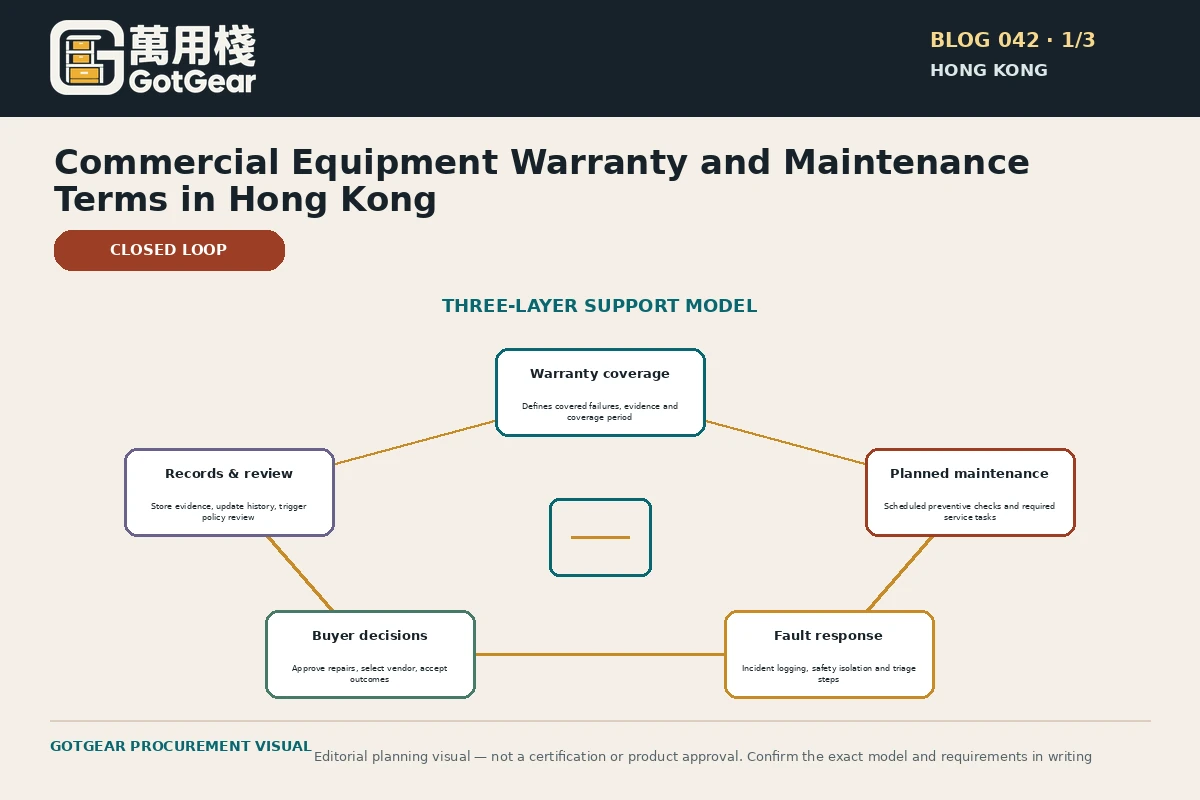
Commercial equipment warranty and maintenance terms Hong Kong
GotGear explains commercial equipment warranty and maintenance terms Hong Kong for Hong Kong buyers. See how commercial equipment warranty checklist Hong Kong supports commercial equipment preventive maintenance plan Hong Kong, with practical checks, evidence boundaries and written requirements.
Read the guide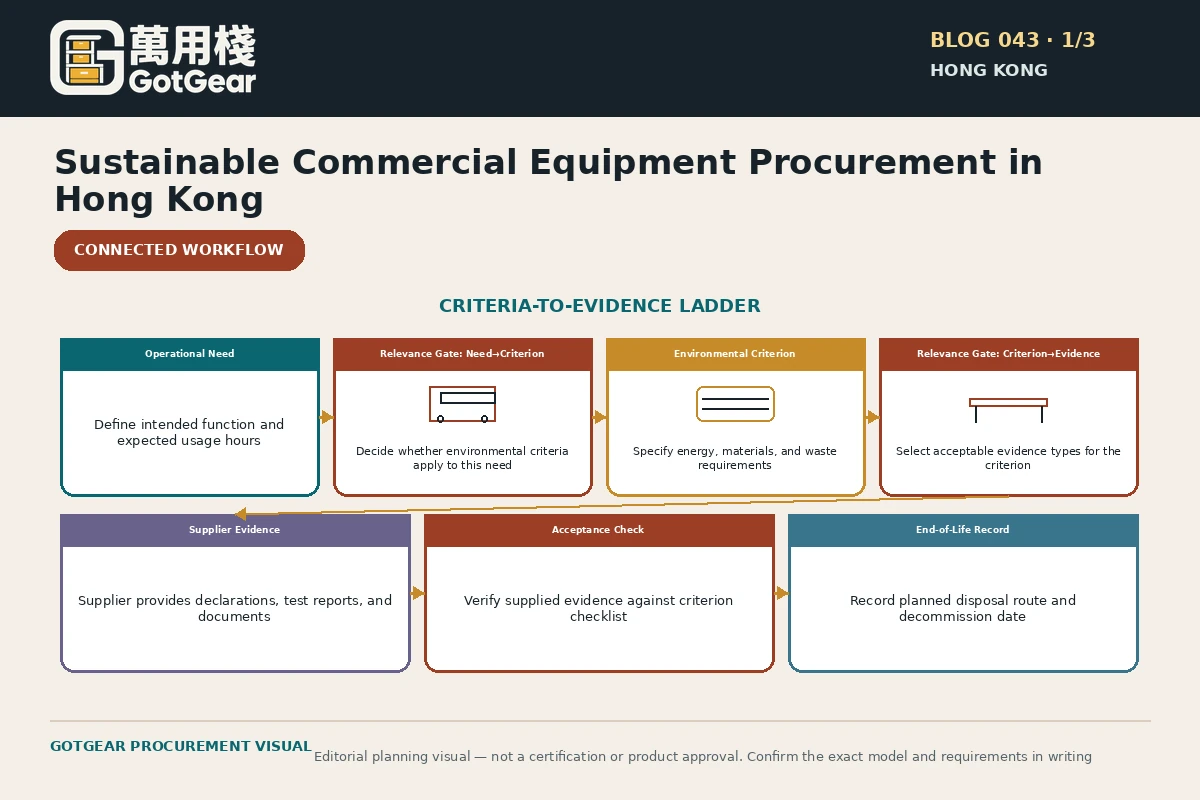
Sustainable commercial equipment procurement Hong Kong
GotGear explains sustainable commercial equipment procurement Hong Kong for Hong Kong buyers. See how green equipment specification Hong Kong supports commercial equipment end-of-life planning Hong Kong, with practical checks, evidence boundaries and written requirements.
Read the guide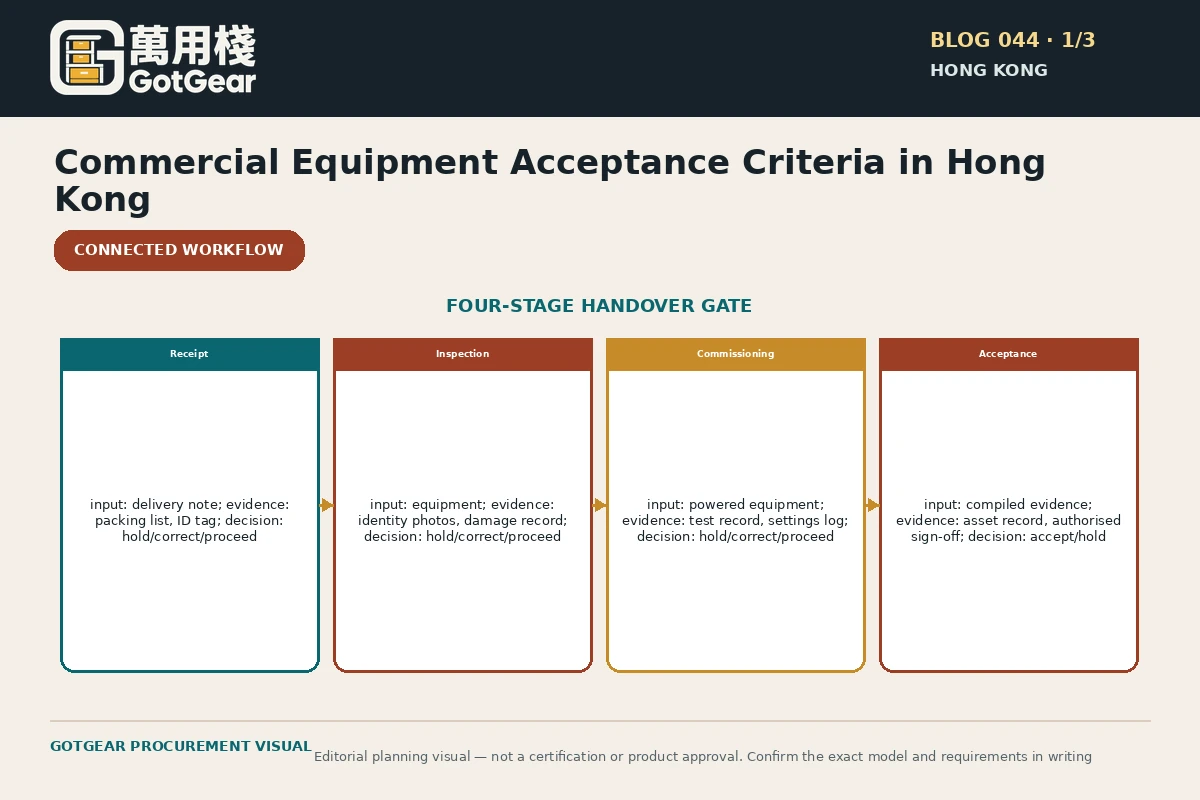
Commercial equipment acceptance criteria Hong Kong
GotGear explains commercial equipment acceptance criteria Hong Kong for Hong Kong buyers. See how commercial equipment commissioning checklist Hong Kong supports commercial equipment asset register Hong Kong, with practical checks, evidence boundaries and written requirements.
Read the guideRelated topic indexOpen more English procurement pages14 topics
Browse additional equipment families, applications and procurement questions relevant to these operating requirements.