
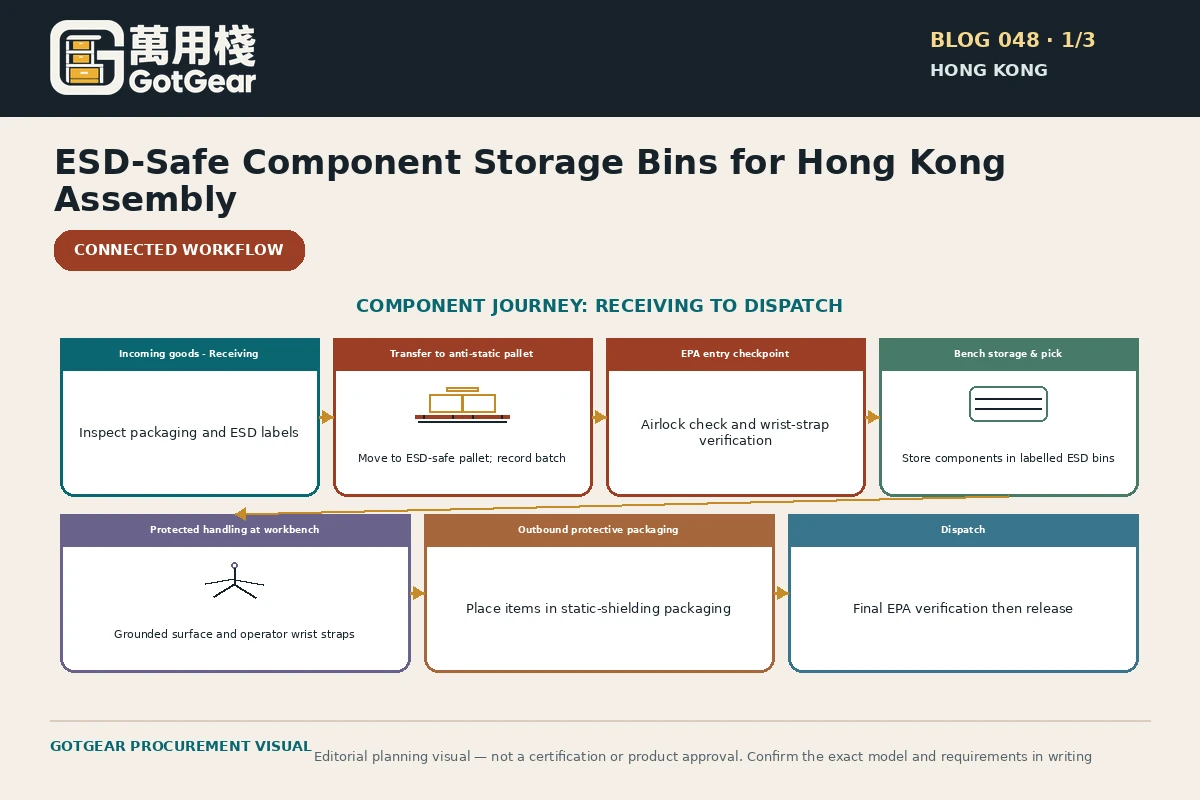
Select bins by matching part sensitivity (voltage withstand and handling frequency), processing location (inside or outside the EPA) and material compatibility with handling equipment. Inside an EPA, choose low-charging dissipative or conductive open bins and labelled segregated storage; for movement or storage outside an EPA, use static-shielding bags, metal-in or metallised containers that provide electromagnetic discharge shielding. Always integrate bin choice with grounding, handling procedures, training and verification as specified in ESD programme guidance such as ANSI/ESD S20.20.
What to remember before you decide
- Choose storage by route: in-EPA use favours dissipative or conductive bins; movement outside the EPA requires static-shielding packaging.
- Bins are one element of an ESD programme—grounding, training and verification are equally necessary.
- Require supplier test-method disclosure and run local bench trials; do not rely on product marketing as programme compliance.
- Label bin functions, verification schedules and outbound packing rules clearly for Hong Kong benches and warehouses.
- Verify bin performance periodically and audit end-to-end control from bench to shipping to ensure protection during transit.
Why bin material and the EPA boundary matter in Hong Kong operations
The decision starts with where parts are stored and how they move through the operation. In Hong Kong assembly and repair benches are often compact, busy and mixed—operators pick parts for rework, testing or low-volume assembly, and parts routinely cross zones (bench, test area, storage, dispatch). That means choosing storage by route: what protects a component on your bench is not necessarily sufficient during shipment or storage in a non-protected storeroom. Use these decision checks: identify the EPA boundary(s) in your facility, list which components are handled inside versus those that will leave the EPA, and match materials to part sensitivity. A key limitation is that bins alone do not prevent tribocharging, human touch discharges or reverse charge events; they protect by reducing charge accumulation and providing a controlled microenvironment. Next, map a simple route diagram of handling (bench → tester → packing → external transit), tag components by sensitivity, and select bin materials for each leg of the route. Record these choices in your facility ESD procedure to align with programme elements recommended by ANSI/ESD S20.20 rather than treating product claims as automatic compliance.
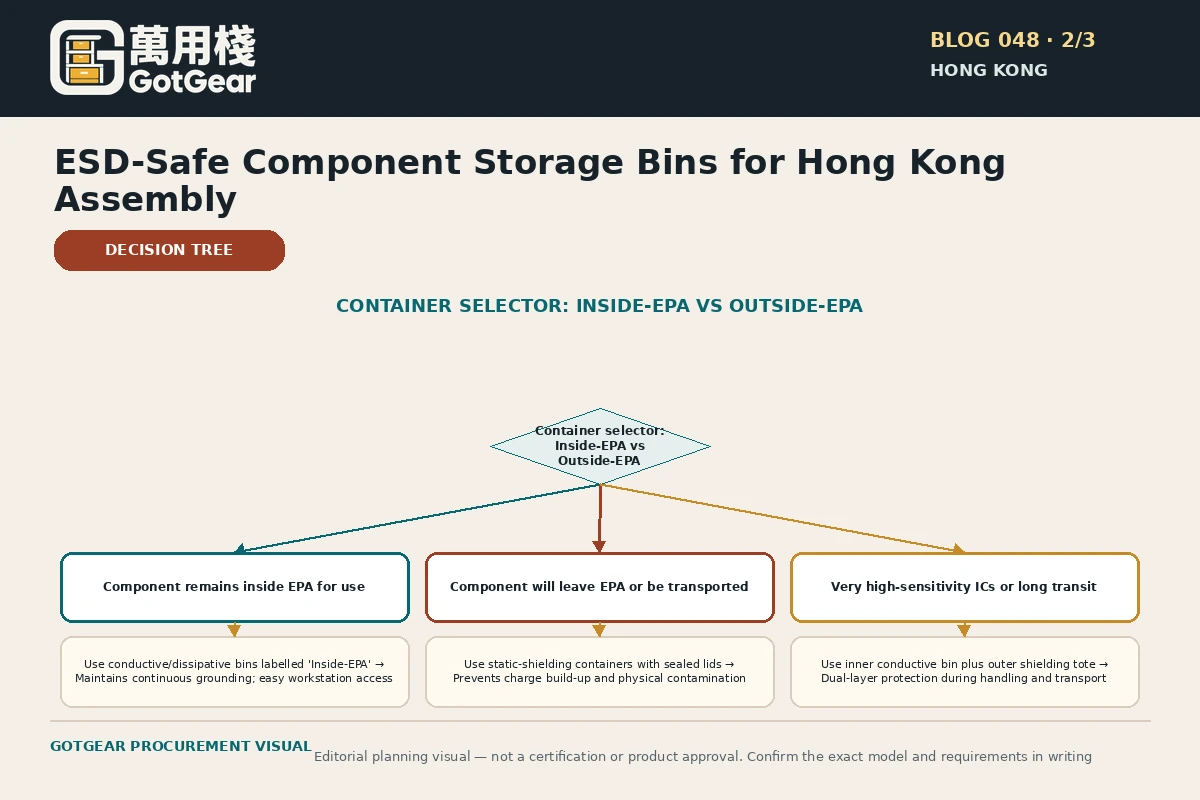
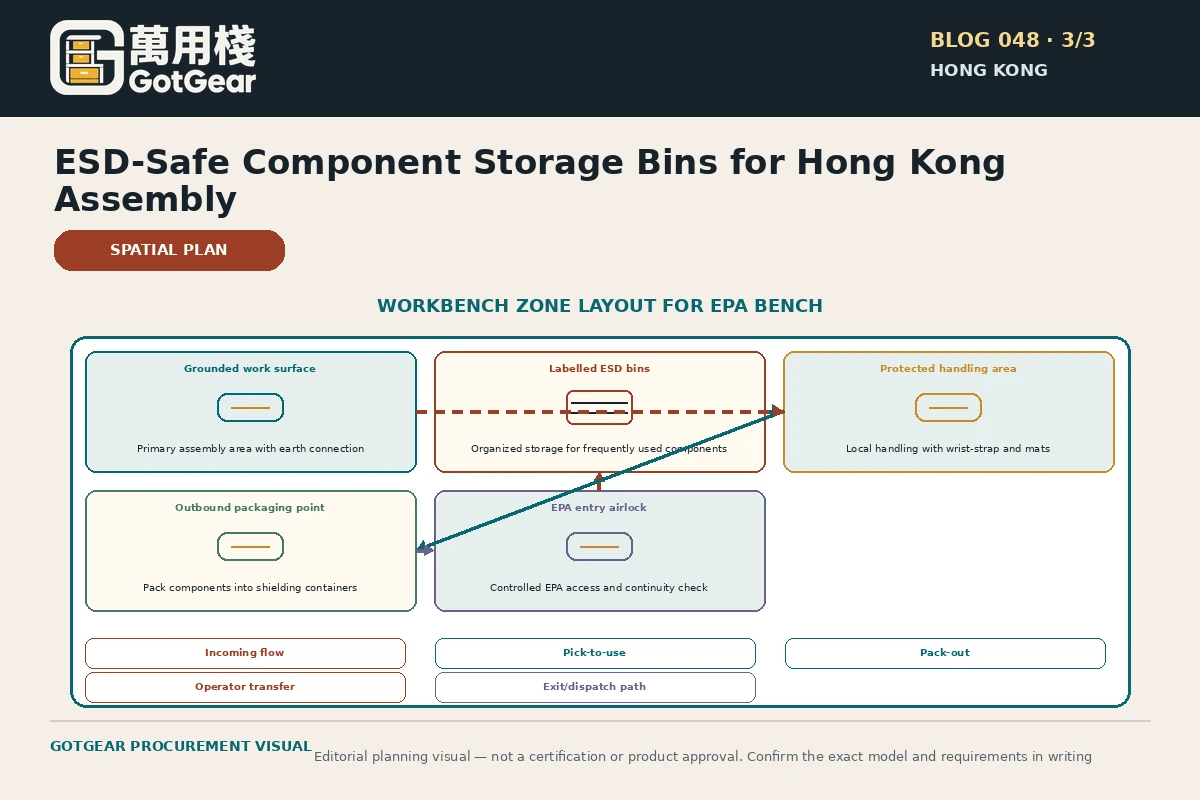
Common bin materials and how they perform at the workbench
Conventional open plastic bins are economical and convenient, but standard plastics can generate and hold charge—unsuitable for ESD-sensitive devices when handled outside dissipative control. Dissipative polymers are engineered to bleed charge slowly to ground and are a default choice for many Hong Kong benches where direct grounding (wrist straps, grounded work surfaces) is used consistently. Conductive bins provide a faster path to ground and are preferable where shielding and high-volume, continuous grounding is present. Practical considerations for Hong Kong teams: ensure bin surfaces are compatible with pick-and-place suction cups and component trays; check chemical resistance against cleaners used locally; and plan space for labelled segregated storage to avoid cross-contamination. Limitations include surface-resistivity drift with wear and contamination—regular cleaning and verification are required. Next, sample dissipative and conductive bins at your bench with representative parts, verify operator comfort for picking and visibility, then add bin material, use case and verification frequency to your ESD control documentation.
“In practice, a storage bin protects only as part of a chain: route, material, grounding, handling and verification. Specify and test each link, and treat supplier product data as input, not programme certification.”— GotGear Editorial Team
What should buyers compare for ESD-safe component storage bins Hong Kong?
| Option or approach | Best for | Trade-offs | Checks before acceptance |
|---|---|---|---|
| Standard open polypropylene bins | Non-sensitive mechanical parts and general organising on non-EPA benches | Low resource requirements and high visibility but will charge by friction and offer no ESD shielding or controlled charge bleed | Measure surface charging and resistivity on representative bins; restrict use to non-sensitive parts or place bins inside a controlled EPA only |
| Dissipative polymer bins (low-charging) | In-EPA bench storage where grounding procedures (wrist straps, grounded mats) are in place | Reduces tribocharging and bleeds charge slowly; not a substitute for shielding during external transport | Confirm material resistivity to dissipative range with supplier test reports and perform in-house spot checks; include bin type in ESD SOPs |
| Conductive bins | High-volume in-line assembly with continuous grounding and when faster charge dissipation is needed | Greater conductivity can create personal shock risks if not properly grounded and may interact with sensitive circuits if exposed | Verify compatibility with handling tools and grounding points; test for contact discharge where relevant and record findings in verification logs |
| Static-shielding metallised bags (metal-in bags) | Movement, storage or shipment outside the EPA for sensitive PCBs, ICs and small assemblies | Provide shielding from external fields but require proper sealing and handling to maintain effectiveness | Use defined packing tests and visual seal procedures; include shielding requirements on packing checklists for outbound items |
| Metal-in or conductive transport containers | Repeated transit of larger assemblies and consolidated shipments that must remain protected outside an EPA | More robust than bags for repeated handling, but bulkier and require grounding/insulation considerations during use | Inspect conductive surfaces and closure integrity regularly; document container use in shipping SOPs and run periodic audits |
This framework helps buyers create comparable written enquiries. Final model specifications, availability, delivery and commercial terms must be confirmed in a formal quotation.
Protective shielding solutions for movement and non-EPA storage
When components leave the EPA or are stored outside it in Hong Kong warehouses or transit, shielding is essential. Metallised static-shielding bags, metal-in containers or conductive totes are designed to prevent the field from penetrating and to allow any internal charge to settle without damaging sensitive circuitry. Use these decision checks: select shielding where the route includes non-EPA handling, long-term storage in shared warehouse racks, or third-party transport. Consider form-factor—bags are suitable for small reels and loose components; metal-in or nested conductive containers are better for larger assemblies or repeated movement. A key limitation is that shielding protects from external fields but not necessarily from mechanical damage; bags must be sealed or closed properly and conductive containers must be used with attention to grounding and insulation from non-conductive surfaces. Next, define the outbound packing standard for ESD-sensitive parts leaving the EPA, trial representative shipments to local couriers used in Hong Kong, and include packing verification steps (visual seal check, use of shielding labels and route record) in your packing SOP.
Integrating bins into a documented ESD control programme
A bin is an engineering control element, not a standalone programme. ANSI/ESD S20.20 and related principles underline that programmes require policy, training, grounding, handling controls and verification. For Hong Kong buyers this means: choose bins that match the documented control measures (for example, dissipative bins used together with grounded benches and wrist straps); establish cleaning and verification intervals for bin surfaces; and ensure procurement specifications require truthful product properties rather than certificates that claim compliance to a programme standard. Use these decision checks: include bin materials, labelling, verification frequency and route-based packing rules in your ESD policy. A key limitation is that suppliers may market materials as 'ESD-safe' without a specified measurement method or verification plan; your programme must include performance checks. Next, write a simple annex to your ESD policy listing approved bin types by use case, require suppliers to provide surface resistivity test methods and sample reports, and institute routine audits and wrist-strap/bench verification checks to confirm the whole control chain.
ESD-safe component storage bins Hong Kong decision checklist
- Identify which items are ESD-sensitive by reference designators and supplier sensitivity data.
- Map the handling route for each component from receipt to final assembly or dispatch, flagging EPA boundaries.
- Decide whether storage is permanent (long-term warehousing) or transient (bench pick-and-place) to determine shielding needs.
- Specify the required bin material (standard, dissipative, conductive) for each location and include permitted alternative types.
- Ensure bin design is compatible with pick-and-place feeders, manual picking ergonomics and visibility of labels.
- Require suppliers to state test methods used for surface resistivity and provide representative test reports, not just programme claims.
- Define cleaning procedures and verification intervals for bins and shielding materials in your ESD documentation.
- Include labelling rules that mark ESD sensitivity, EPA status and outbound packing requirements on bin faces.
- Assess mechanical protection needs separately—add cushioning or hard-shell containers where assemblies are fragile.
- Train operators on when to transfer items from open bins to shielding packaging before removing them from the EPA.
- Create inbound and outbound packing checklists that include shielding closure checks and route recording.
- Plan periodic audits that include bin material inspection, grounding checks and verification record review.
Practical action sequence
- Map current handling routes and mark EPA boundaries on a facility layout.
- Classify parts by ESD sensitivity and assign storage requirements for each class.
- Specify bin materials and shielding requirements in procurement documents with required test-method disclosure.
- Purchase trial quantities of dissipative bins and shielding packaging and run bench-level compatibility tests with pick-and-place or manual operations.
- Update your ESD programme documentation to include bin type, cleaning and verification schedules, and packing SOPs.
- Train staff on new handling rules, labels, sealing procedures and when to use shielding for outbound items.
- Implement a verification routine (surface resistivity spot-checks, visual packing inspections) and log results.
- Audit implementation after 30–90 days and adjust bin types, quantities or procedures based on operator feedback and verification data.
Apply the checks to your Hong Kong site
Hong Kong assembly, repair and testing teams must weigh space constraints, high throughput and mixed handling routes when selecting storage and shielding for sensitive parts. Choices between conventional open bins, dissipative or conductive bins inside an EPA, and protective shielding for movement outside should reflect bench layout, frequent transfers between EPA and non‑EPA areas, and common third‑party transit paths across Hong Kong. Procurement specifications ought to emphasise material compatibility with pick‑and‑place feeders and local cleaning regimens, require supplier test‑method disclosure, and align with an internal ESD programme that follows the structure of ANSI/ESD S20.20 as overseas guidance rather than a legal mandate. When specifying ESD-safe component storage bins Hong Kong teams should validate candidate products in situ rather than accept datasheet claims alone. For practical electronics assembly component bin selection Hong Kong and everyday electronics workbench parts storage Hong Kong, confirm handling ergonomics and packaging transitions. Operational takeaway: map movement routes and perform documented in‑bench validation, including supplier test methods and cleaning compatibility, before standardising a solution.
References used for this article
These sources provide regulatory, safety or planning context. They do not certify any GotGear product or replace site-specific professional advice.
- EOS/ESD Association — ANSI/ESD S20.20 overview — Recognised standards-organisation explanation of ESD programme elements, including packaging, grounding, training and compliance verification.
- EOS/ESD Association — Principles of ESD Control — Technical explanation of electrostatic protected area boundaries and why storage or transport outside an EPA needs low-charging, conductive or dissipative and shielding properties as appropriate.
- EOS/ESD Association — ESD Standards — Scope of ANSI/ESD S20.20 and ANSI/ESD S541, including packaging properties for ESD-sensitive items through production, transport and storage.
Questions about ESD-safe component storage bins Hong Kong
Is an ‘ESD-safe’ bin enough on its own to protect sensitive components?
No. A bin is one engineering control within a broader ESD control programme. Effective protection combines appropriate bin materials with EPA controls such as grounded work surfaces, wrist straps, footwear, training and verification. Bins reduce charge accumulation or provide a discharge path depending on material, but they do not replace procedural controls or shielding when items leave the EPA.
Can supplier claims that a product meets ANSI/ESD S20.20 be taken as proof of compliance?
Supplier marketing claims should not be treated as certification that your facility meets a programme standard. ANSI/ESD S20.20 outlines programme elements such as policy, training and verification; a product cannot be a programme. For procurement, request the supplier’s test method, surface-resistivity or shielding test data and consider independent spot checks. Your internal ESD programme must define how products are used and verified in your operational context.
How should I protect components that must leave the EPA and travel across Hong Kong or regionally?
When components move outside an EPA they require shielding—metallised static-shielding bags or metal-in containers are the usual options. Choose bags for small reels and loose components and conductive containers for repeated or heavier shipments. Ensure bags are sealed appropriately and containers closed firmly. Include packing checks in your SOP and log which items were packed in shielding and by whom.
How often should I test or verify the performance of dissipative or conductive bins?
Verification frequency depends on usage intensity and contamination risk. High-touch, high-throughput benches need more frequent checks (for example, weekly spot checks), while low-use storage may be checked monthly or quarterly. Include visual inspection for wear and contamination, surface resistivity spot tests using the supplier’s specified method, and record results in your verification log.
Are conductive bins risky because they could short sensitive parts?
Conductive materials provide a fast path to ground and can be appropriate when used correctly. The risk of shorting exists if conductive surfaces contact exposed circuitry without insulating separation. Use conductive bins with internal insulating dividers or liners where assemblies expose pins or pads, and ensure bins are part of a grounded handling system so that charges are safely managed.
What practical checks should procurement include when buying bins or shielding for Hong Kong operations?
Ask suppliers for test method descriptions, surface-resistivity ranges, and shielding effectiveness measurements. Request sample items for bench trials to check compatibility with local equipment and cleaning agents. Specify labelling and closure performance for bags and require maintenance and cleaning guidance. Record these requirements in purchase orders and update the ESD annex to your procurement standard.
Compare available product models and specifications
These product cards are matched to this buying topic. Select a specification and quantity to send the product details to WhatsApp.
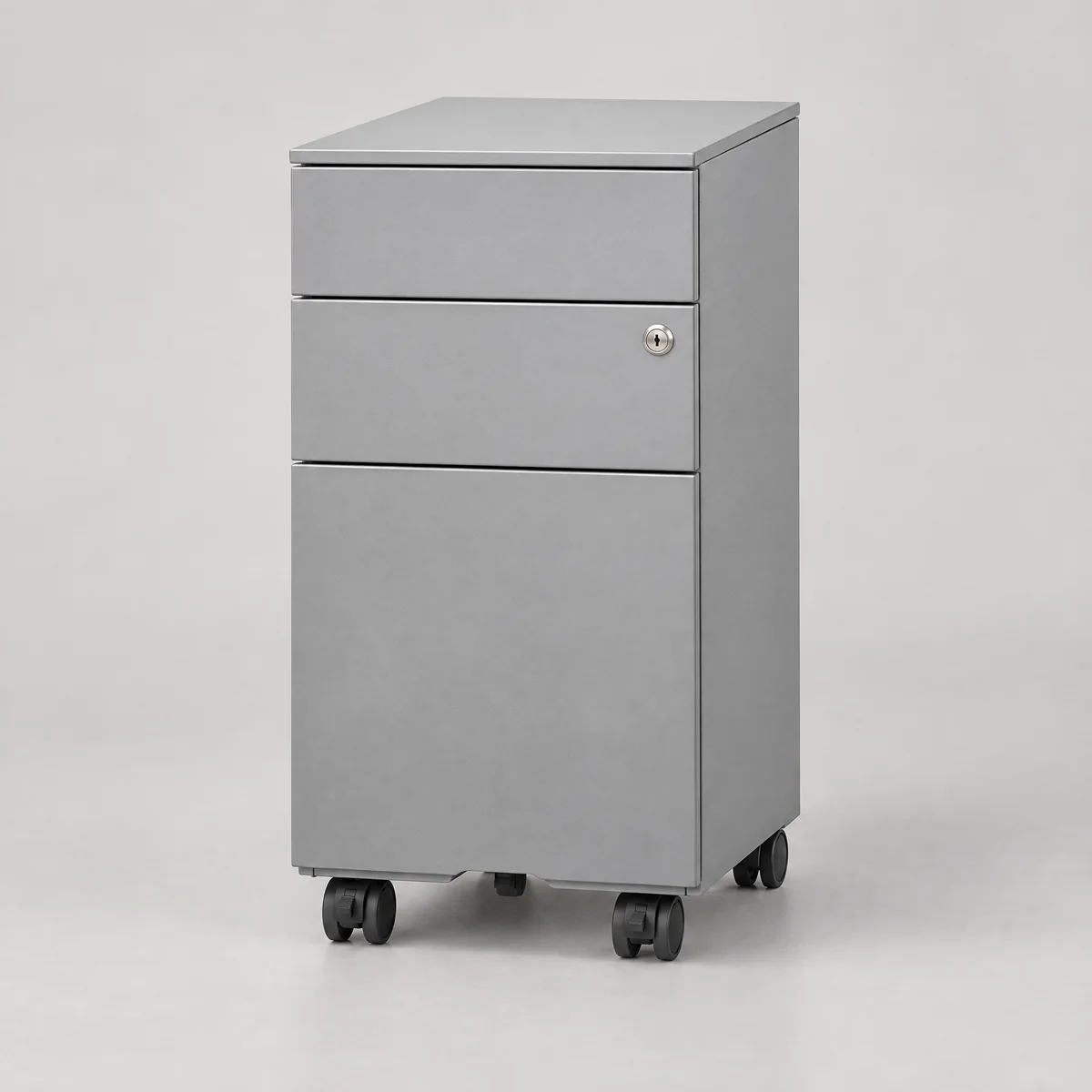 Shelving & StorageProduct reference image
3-tier filing cabinet
3-tier filing cabinet; Size: Length 300xDepth520 × Height 600 mm. Formal quotation available based on use, specifications and quantity.
- Size
- Length 300xDepth520 × Height 600 mm
 Shelving & StorageProduct reference image
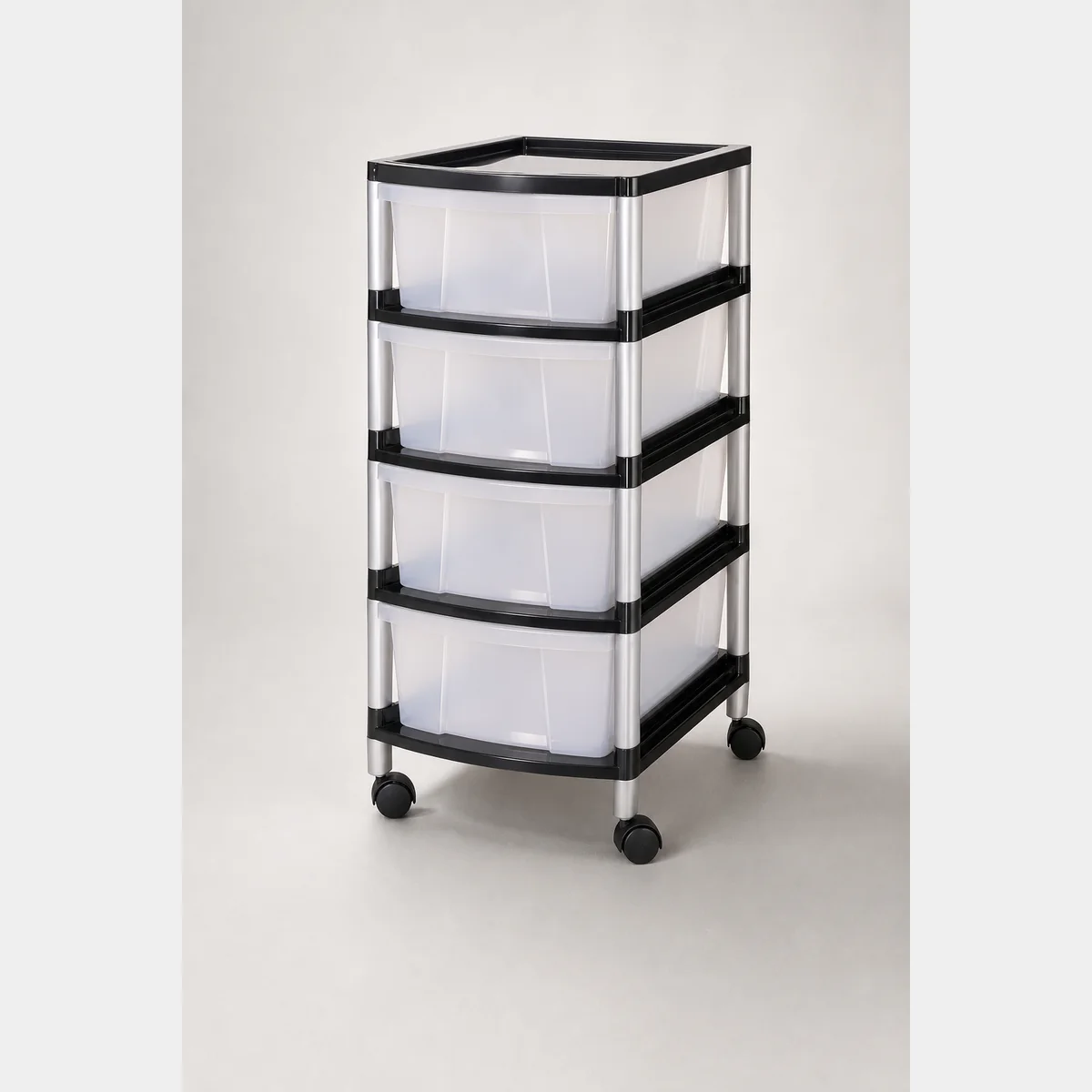
4-tier Rolling Drawer
4-tier Rolling Drawer, Item No: AD-3 / AD-4; Size: D388 x L298 x H517 (mm) / D15-1/4 x L11-3/4 x H20-3/8 (inch); Minimum order quantity: 1 pc. Formal quotation available upon enquiry for intended use, specifications and quantity.
- Item No
- AD-3 / AD-4
- Size
- D388 x L298 x H517 (mm) / D15-1/4 x L11-3/4 x H20-3/8 (inch)
- Minimum order quantity
- 1 pc
 Shelving & StorageProduct reference image
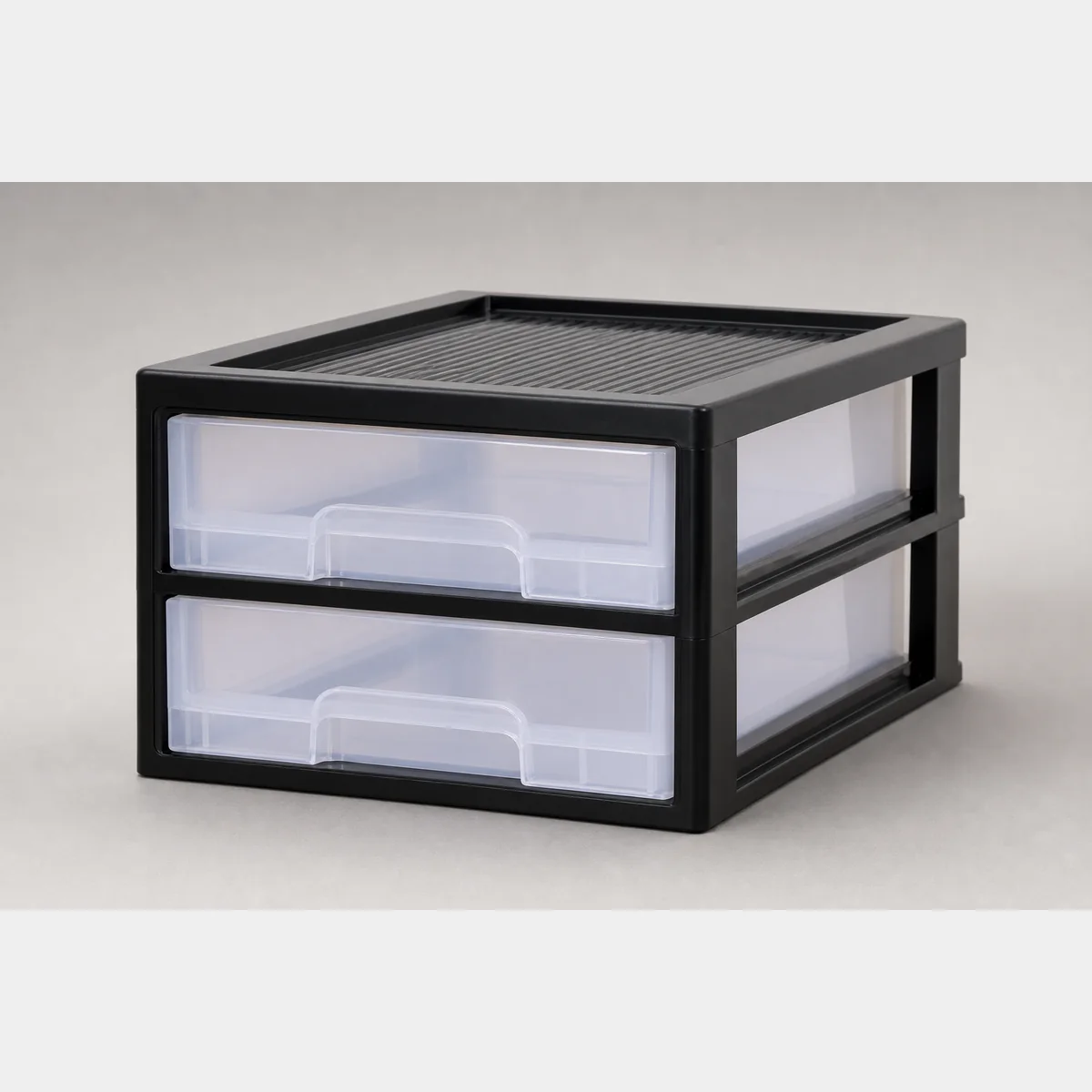
Document Plastic Box
Document Plastic Box — Dimensions / Specification: D406 x L325 x H225 (mm) / D16 x L12-3/4 x H8-7/8 (inch); Minimum order quantity: 1 unit. Formal quotation available based on use, specifications and quantity.
- Dimensions / Specification
- D406 x L325 x H225 (mm) / D16 x L12-3/4 x H8-7/8 (inch)
- Minimum order quantity
- 1 unit
 Shelving & StorageProduct reference image
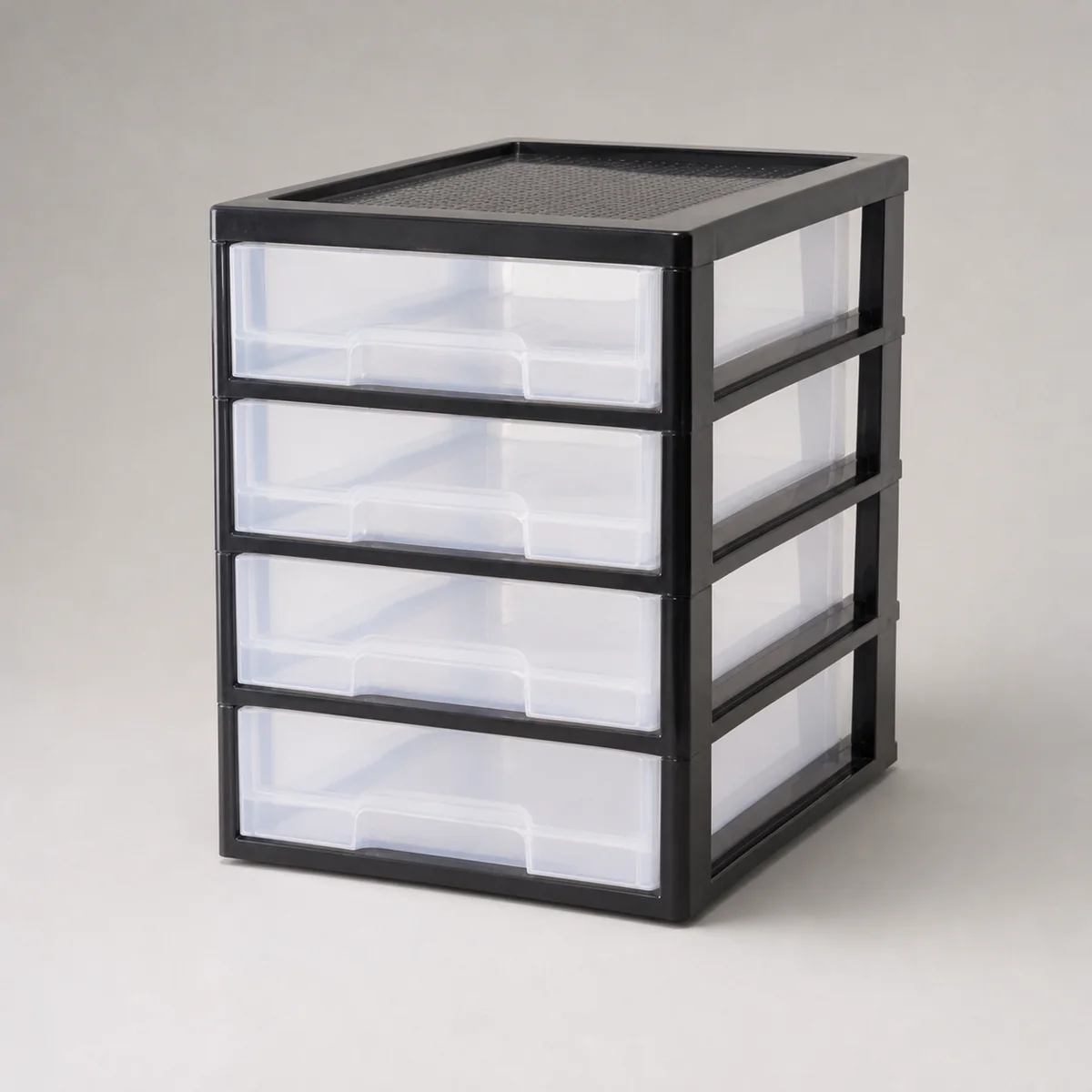
Document Plastic Box
Document plastic box. Dimensions / Specification: D406 x L325 x H420 (mm) / D16 x L12-3/4 x H16-1/2 (inch); Minimum order quantity: 1 unit. Formal quotation available upon request based on use, specifications and quantity.
- Dimensions / Specification
- D406 x L325 x H420 (mm) / D16 x L12-3/4 x H16-1/2 (inch)
- Minimum order quantity
- 1 unit
 Shelving & StorageProduct reference image
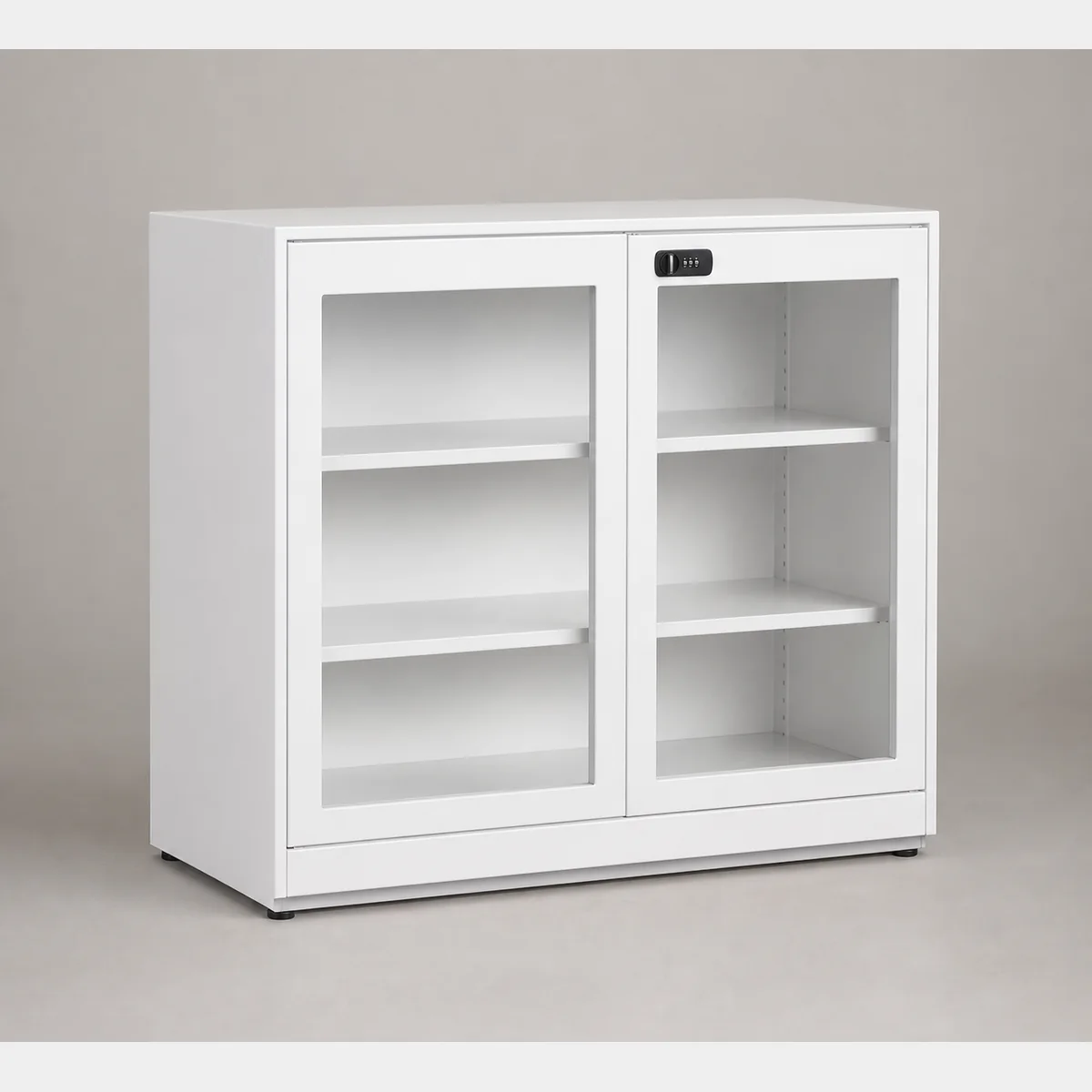
Double-door glass cabinet (numeric keypad lock)
Double-door glass cabinet (numeric keypad lock), A: L800xW400xH750 mm; B: L800xW400xH1150 mm; C: L800xW400xH750 mm. Formal quotation available based on use, specifications and quantity.
- A
- L800xW400xH750 mm
- B
- L800xW400xH1150 mm
- C
- L800xW400xH750 mm
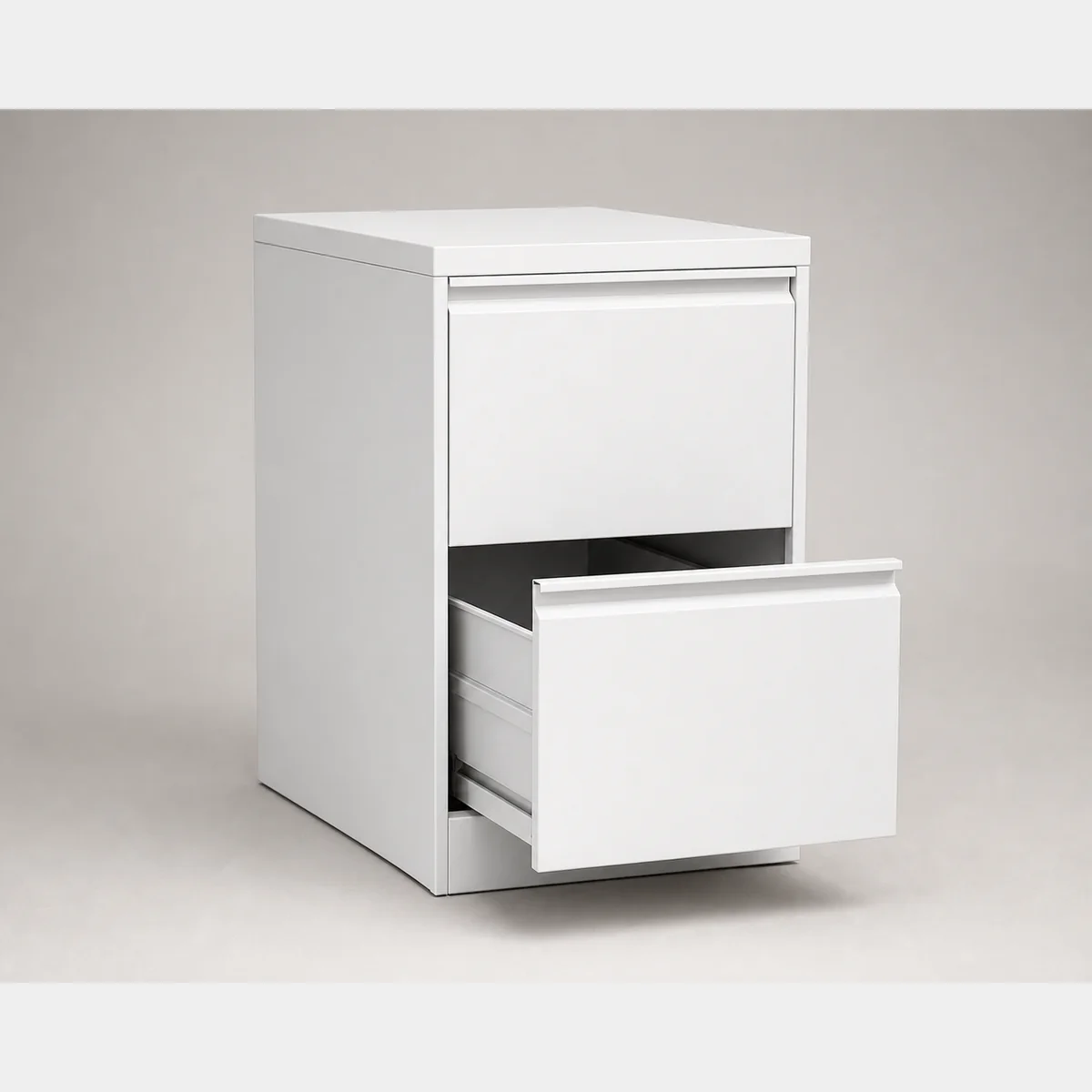 Shelving & StorageProduct reference image
Drawer filing cabinet
Drawer filing cabinet. For intended use, size and quantity, contact the supplier for official specifications and a formal quotation. Model JCB3004.
- JCB3004-A option 1
- W460xD620xH731 mm
- JCB3004-B option 2
- W460xD620xH1031 mm
- JCB3004-C option 3
- W460xD620xH1331 mm
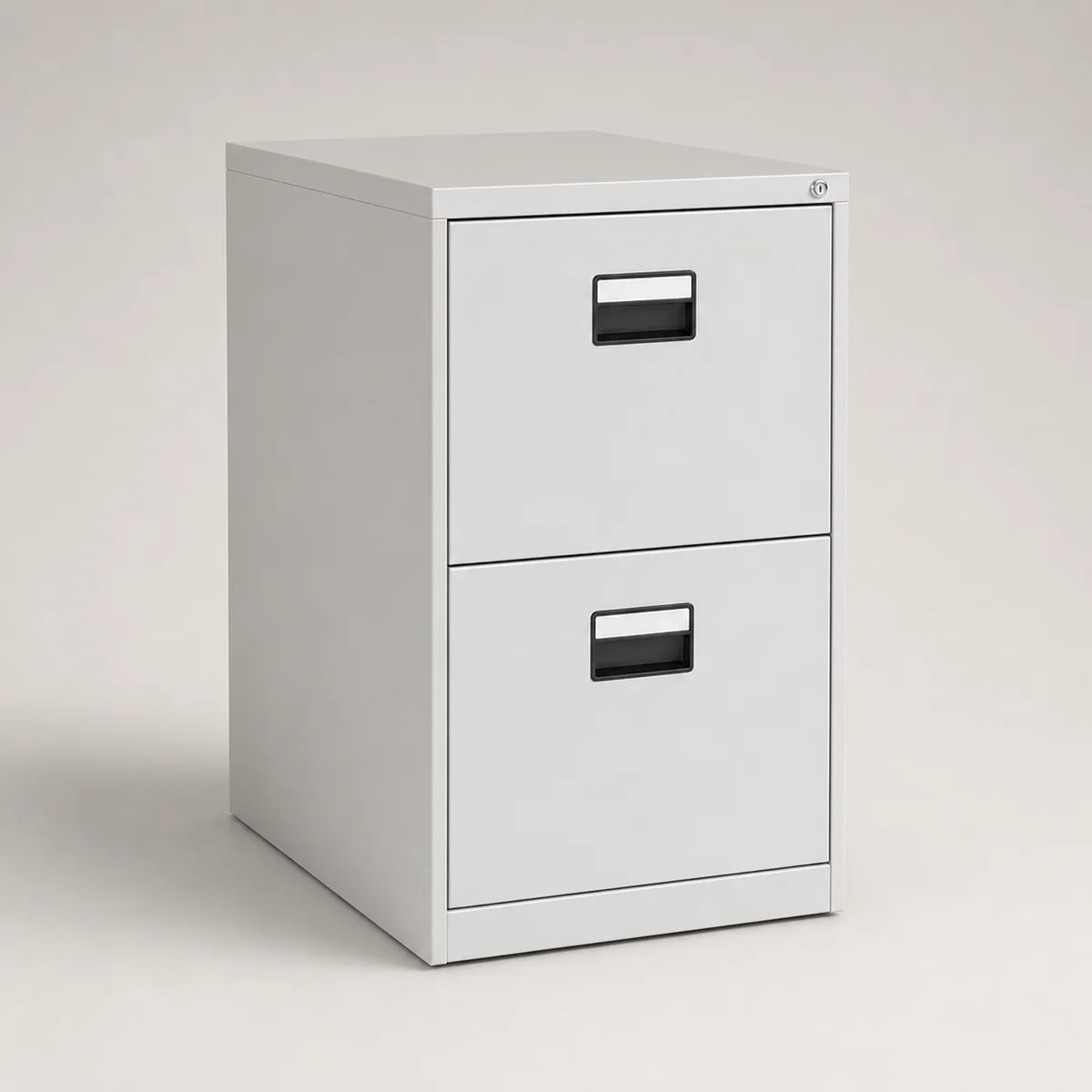 Shelving & StorageProduct reference image
Drawer Filing Cabinet
Drawer filing cabinet. For official specifications and a formal quotation according to use, size and quantity, please contact GotGear.
- JCB3004-D
- W460xD620xH731 mm
- JCB3004-E
- W460xD620xH1031 mm
- JCB3004-F
- W460xD620xH1331 mm
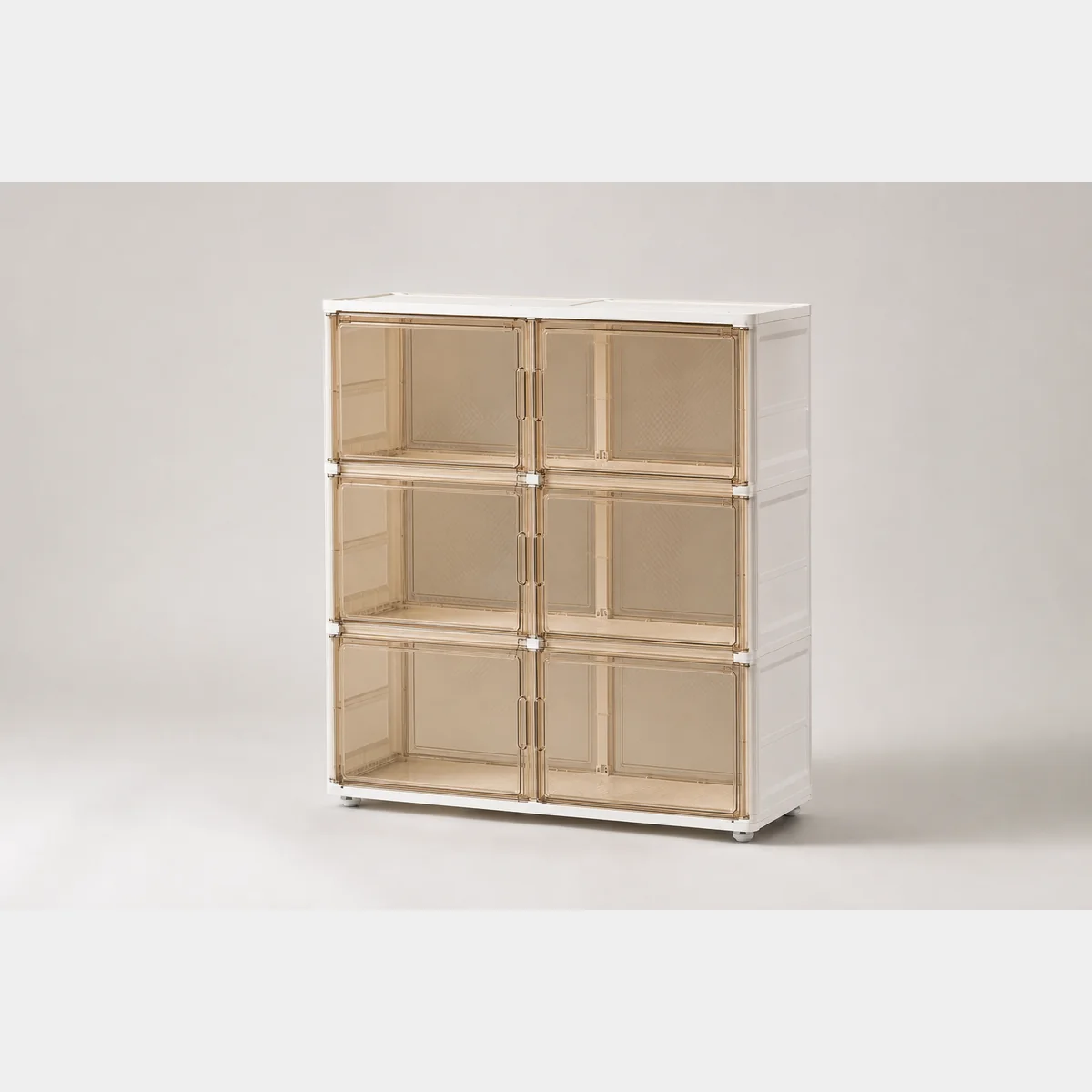 Shelving & StorageProduct reference image
Folding Plastic Storage Locker
Folding plastic storage locker. Dimensions / spec options: L50xW34xH38.5 cm / L50xW34xH73.5 cm; Capacity / Weight: JCB3008-L; Use: can store decorations, figurines, models, shoes, exhibition items, etc. Formal quotation available upon request by use, specification and quantity.
- Dimensions / Specs
- L50xW34xH38.5 cm / L50xW34xH73.5 cm
- Capacity / Weight
- JCB3008-L
- Use
- Can store decorations, figurines, models, shoes, exhibition items, etc.
Continue with closely related procurement topics
These pages share equipment, operating or decision-stage signals with this guide.
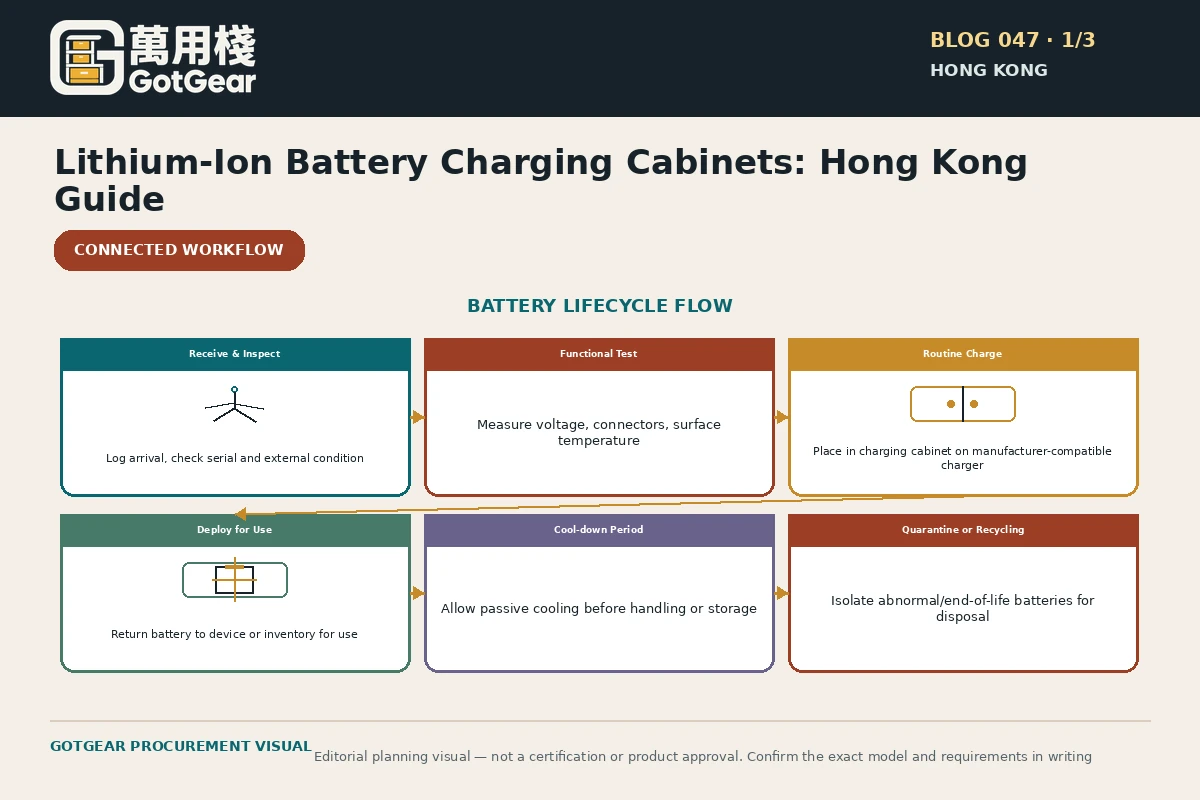
Lithium-ion battery charging cabinet Hong Kong
GotGear explains lithium-ion battery charging cabinet Hong Kong for Hong Kong buyers. See how battery charging station safety checklist Hong Kong supports lithium battery storage cabinet Hong Kong, with practical checks, evidence boundaries and written requirements.
Read the guide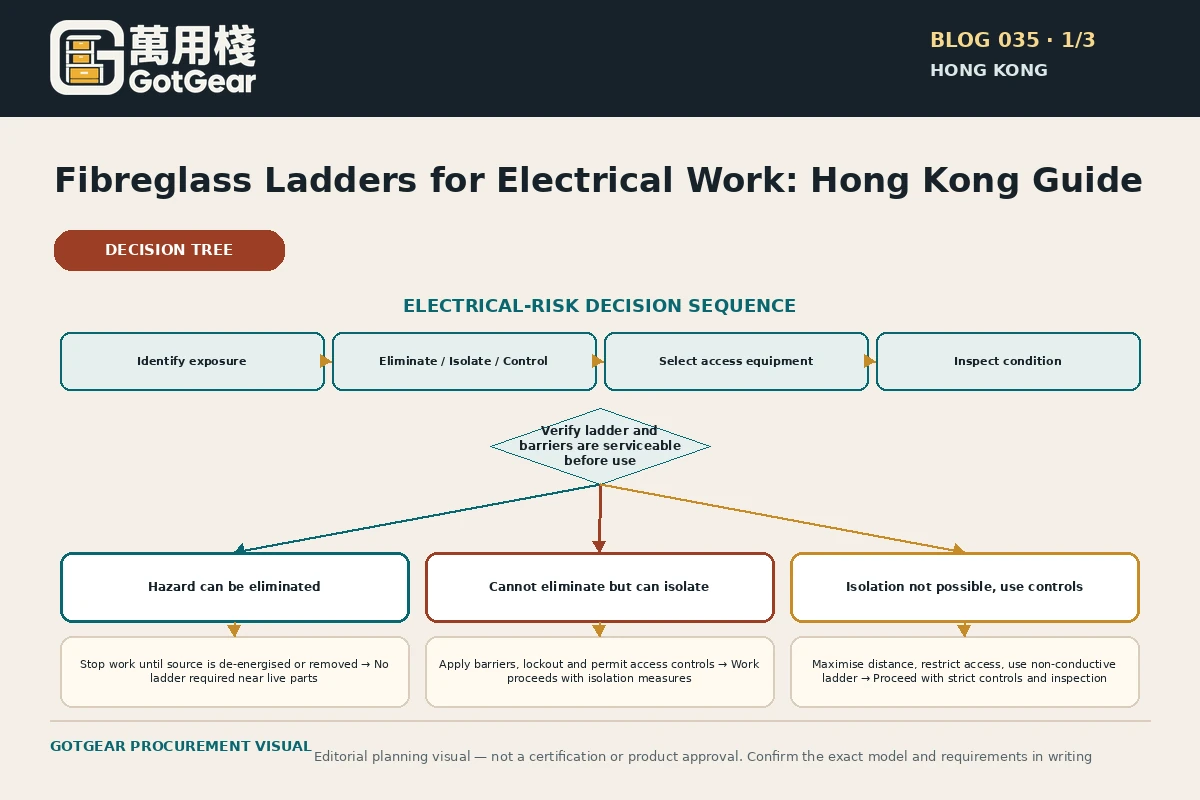
Fibreglass ladder for electrical work Hong Kong
GotGear explains fibreglass ladder for electrical work Hong Kong for Hong Kong buyers. See how non-conductive ladder Hong Kong supports ladder near electrical installations Hong Kong, with practical checks, evidence boundaries and written requirements.
Read the guide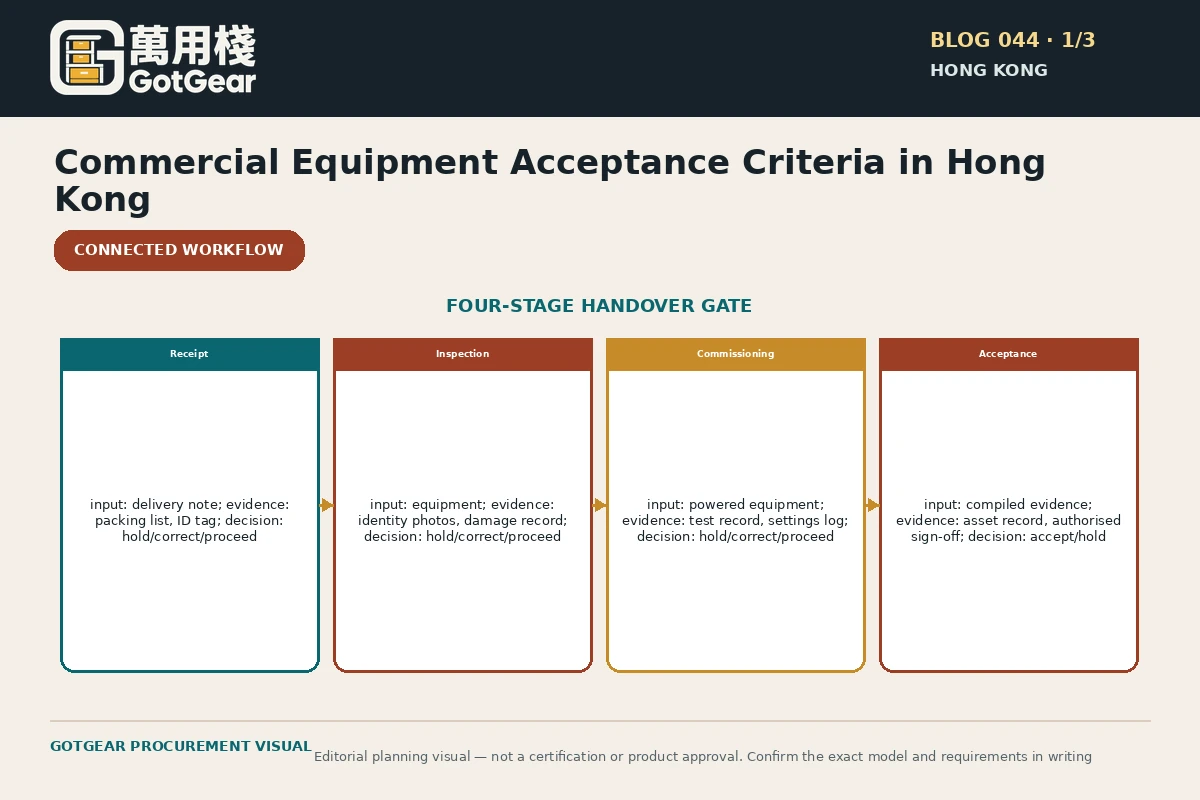
Commercial equipment acceptance criteria Hong Kong
GotGear explains commercial equipment acceptance criteria Hong Kong for Hong Kong buyers. See how commercial equipment commissioning checklist Hong Kong supports commercial equipment asset register Hong Kong, with practical checks, evidence boundaries and written requirements.
Read the guide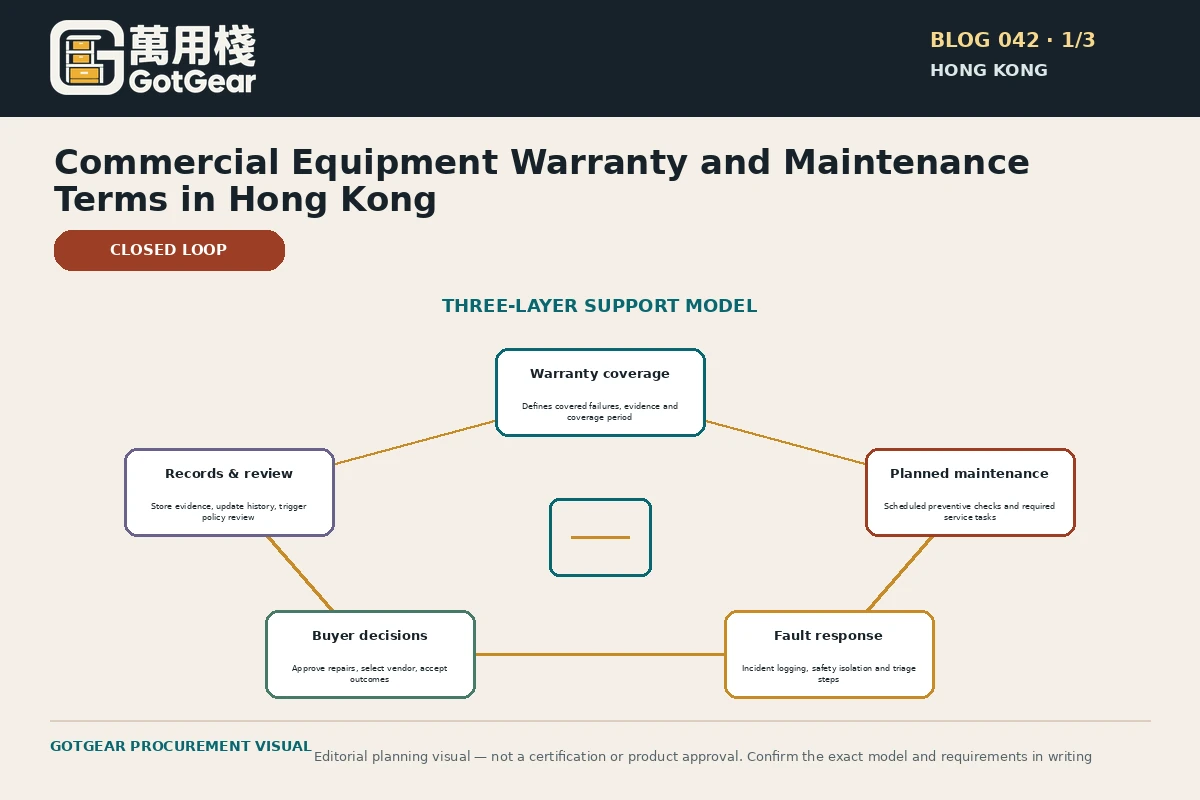
Commercial equipment warranty and maintenance terms Hong Kong
GotGear explains commercial equipment warranty and maintenance terms Hong Kong for Hong Kong buyers. See how commercial equipment warranty checklist Hong Kong supports commercial equipment preventive maintenance plan Hong Kong, with practical checks, evidence boundaries and written requirements.
Read the guideRelated topic indexOpen more English procurement pages8 topics
Browse additional equipment families, applications and procurement questions relevant to these operating requirements.