
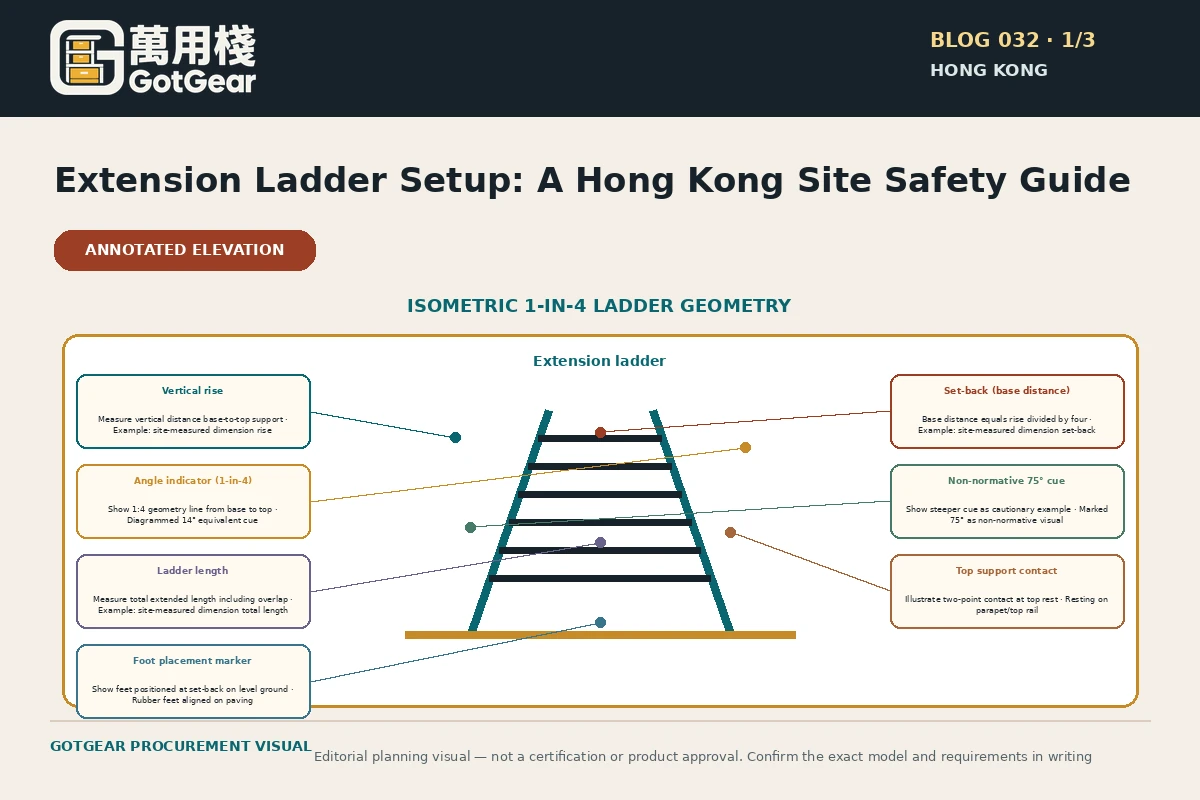
Start with a firm, level base and a strong upper resting point; place the ladder foot one unit out for every four units up (the 1-in-4/4-to-1 geometry) and extend the ladder at least 1 metre above the landing to provide a handhold. Prefer tying both stiles, a stability device or a positive restraint over relying on someone to foot the ladder. When the ladder is used solely for access, verify landing handholds and guard against displacement; if the task requires work for more than short access, use a proper working platform.
What to remember before you decide
- Always decide ladder vs platform first: ladders are generally for short access, not sustained work.
- Use the 1-in-4/4-to-1 geometry for set-back and confirm the base is firm and level.
- Prefer tying both stiles or an approved stability device over relying on a person to foot the ladder.
- Extend stiles at least 1 metre above the landing and verify a reliable handhold to prevent displacement.
- Inspect ladder condition before use and document controls in the permit-to-work or work plans.
- Treat overseas HSE material as helpful technical context; follow Hong Kong OSHC and Labour Department guidance plus the manufacturer instructions.
Why check the 1-in-4 geometry and ask whether a working platform is better
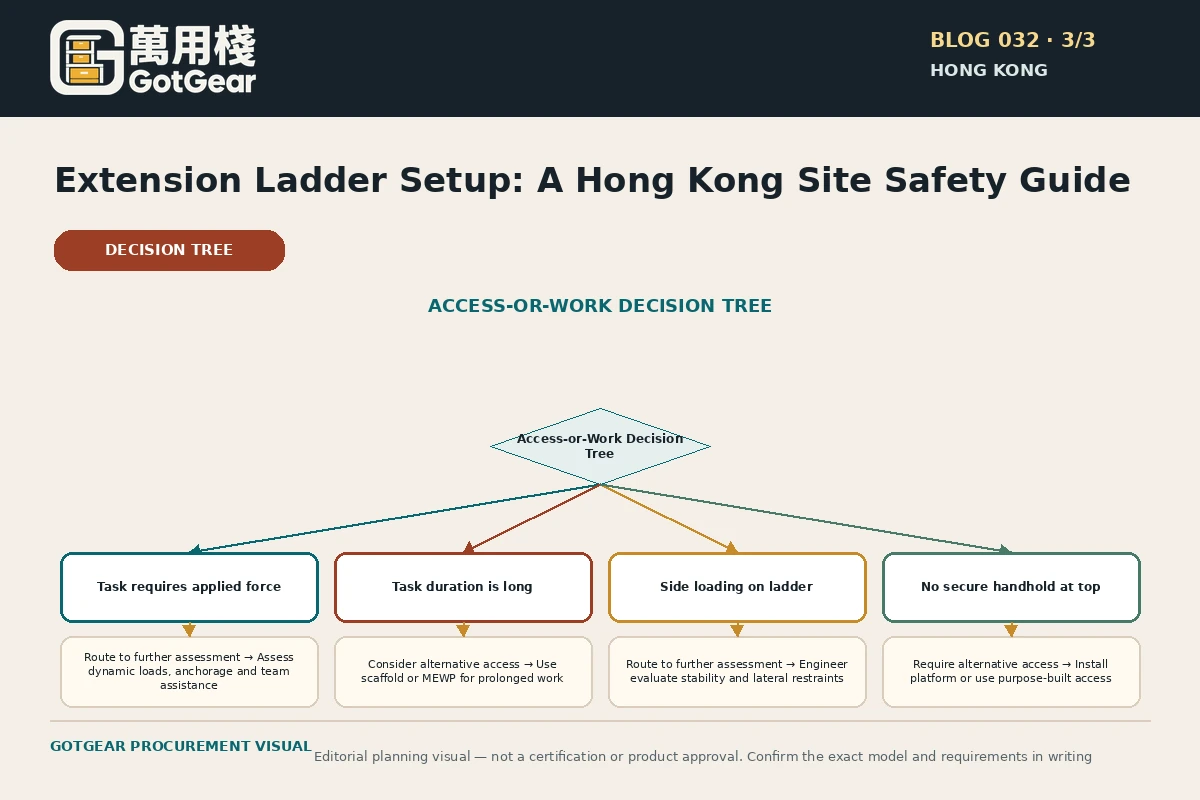
Decision first: ladder or platform. For property-maintenance supervisors the starting question is whether the task is access-only and short duration, or whether it involves sustained work. Hong Kong guidance and good practice emphasise ladders are primarily an access aid; where a suitable working platform is practicable, that platform should be chosen. A ladder may be acceptable for short inspection, unlocking, or passing tools across a threshold, but painting, fastening fixtures or carrying heavy equipment usually put the work level beyond what a ladder should be used for. Use these decision checks: task duration and reach, frequency, loads to be carried, and whether the work requires both hands for more than a short interval. If any of these factors point to extended effort or unstable postures, plan for a platform, podium or mobile scaffold and factor procurement or temporary-use arrangement time into the work plan. A key limitation is that ladders give limited secure footing and no collective fall protection. Even a correctly angled ladder transmits lateral loads to its resting points; if the upper support is weak, a ladder can slip or damage the building fabric. In many Hong Kong tenement and older commercial properties, parapets, hoarding or fragile coping stones are unsuitable as upper rests. Next, confirm the task type in the permit-to-work or work plans, consult the ladder manufacturer’s manual and the site’s risk assessment, and record the chosen access method. If planning to use a ladder, proceed to checks on base, angle, top-rest strength and securing options rather than assuming a ladder is adequate.
Understanding 1-in-4 geometry (practical, not theoretical)
What the 1-in-4 rule means in practice. The 1-in-4 rule — sometimes talked about as 4-to-1 — means the ladder foot should be positioned one unit horizontally away from the wall for every four units of vertical height to the point of support. Practically on site, measure the vertical reach (the stiles’ top contact point) and divide by four to calculate the foot set-back. This produces an angle close to 75 degrees, which balances stability with safe climbing posture. Use these decision checks: use a tape or a marked strap to measure the vertical height to the resting point before leaning the ladder; if you cannot get an accurate height because of overhangs or obstructions, re-evaluate the chosen landing point or select a ladder with an appropriate extension or stand-off. In narrow corridors or where the base cannot be freely positioned, a ladder may not be usable at the correct angle without blocking egress or creating hazards. A key limitation is that the 1-in-4 rule assumes a solid, vertical contact surface and a straight ladder. When the contact point is uneven, rounded or fragile — such as decorative coping — the effective angle and bearing change and the rule alone does not ensure safety. The rule also assumes a level base. On steps, kerbs or sloping ground you must use level-setting accessories or an alternative access method. Next, measure and mark the set-back before placing the foot; where a perfect set-back is not feasible, choose an accessory that allows a stable angle (level adaptors, stand-offs, or a different ladder type) and document any deviation with a justification and controls.
“Practical geometry and positive securing are the basics — treat the 1-in-4 angle as a starting point, verify upper supports and use a platform when the task requires more than short access.”— GotGear Editorial Team
What should buyers compare for extension ladder setup Hong Kong?
| Option or approach | Best for | Trade-offs | Checks before acceptance |
|---|---|---|---|
| Tying both stiles to a secure anchor | Short access where a solid structural anchor exists at or above the ladder head | Requires a firm anchor and time to rig; not possible on all landings or facades | Confirm anchor capacity, attach approved ladder straps or ropes, test for movement before ascent and record tie-off in the work plans |
| Using an approved ladder stability device or stabiliser | Improving lateral stability where tying is impractical or to span window openings | Device must fit the ladder and the building geometry; increases set-up time and may restrict profile for tight spaces | Inspect device compatibility with ladder model, fit according to manufacturer instructions and conduct a stability check under load |
| Stand-off attachments (to clear gutters or obstructions) | Maintaining correct angle around projections and protecting fragile roof edges | Adds leverage to the ladder system and can make tying awkward; increases overall reach, affecting required set-back | Measure altered bearing points, recalculate set-back distance, secure the stabiliser and verify the top rests on a non-damageable feature |
| Extension ladder with landing extension (stiles 1m above level) | Access to roofs or balconies where a handhold is required for safe transfer | May be impeded by canopies and requires additional ladder length; incorrect extension reduces angle stability | Confirm extension provides at least 1m above landing, lock extensions, and ensure the landing edge can accept the stiles without slipping |
| Mobile scaffold or podium instead of a ladder | Tasks requiring sustained work, heavier tools or two-handed operations | Higher set-up time, footprint and potential access for traffic management; requires trained erection and inspection | Ensure scaffold complies with local guidance, is inspected before use and has guardrails and secure planking to replace ladder use |
This framework helps buyers create comparable written enquiries. Final model specifications, availability, delivery and commercial terms must be confirmed in a formal quotation.
Securing the ladder and ensuring safe landing access
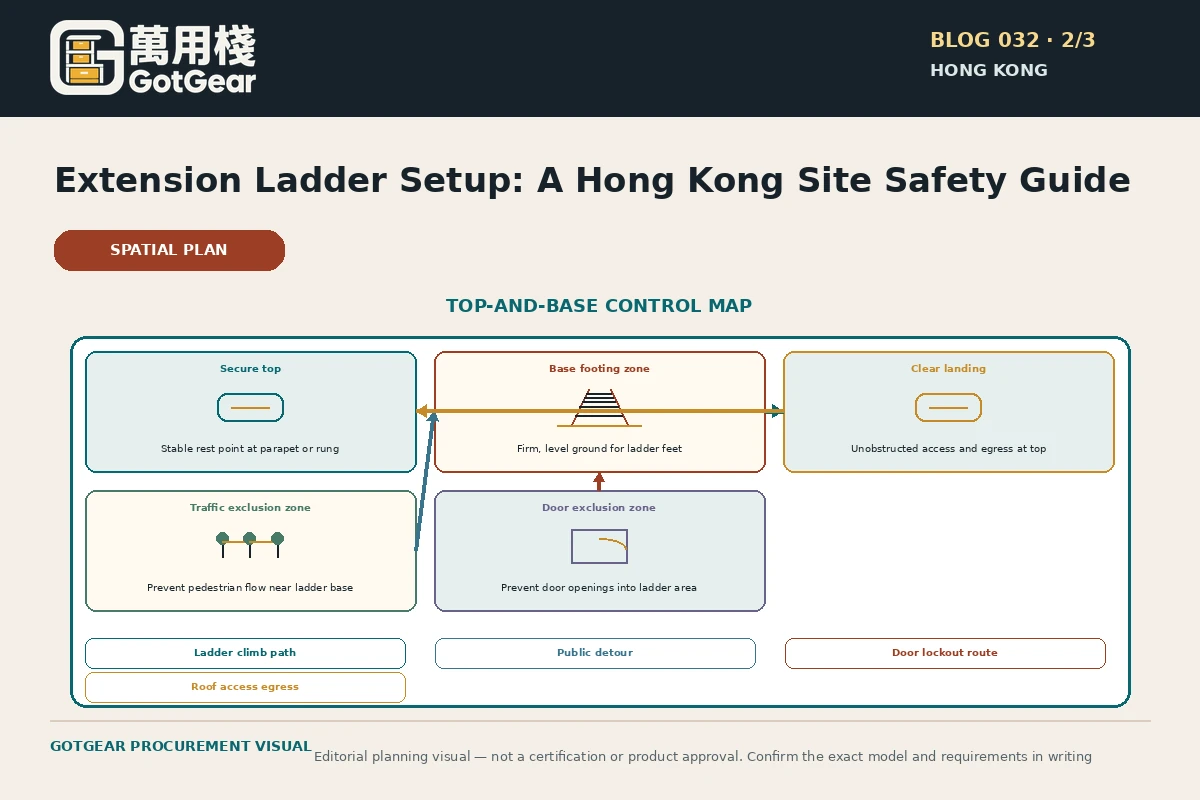
Hierarchy of securing controls. When using a ladder to access another level, securing it is critical. Follow a hierarchy: tie both stiles to a solid anchor point first where possible; if tying is not practicable, use a stability device such as a ladder stabiliser or secure standoffs; wedging or effective devices are preferable to footing by hand. Footing by another person should be treated as a last resort and only temporary while others secure the ladder. Landing access checks. For extension ladder landing access Hong Kong supervisors must confirm the ladder extends at least one metre above the landing to provide a clear handhold and guard against overreach. Check the landing edge for a secure handhold or a purpose-provided extension; do not rest the ladder on fragile coping, glazing or weak fittings. If the ladder cannot be extended to give a clear handhold, provide an alternative such as a short bridging platform, a landing extension or a handrail anchor point. Use these decision checks: characterise the landing — is it level, does it have parapets or handrails, can the ladder’s stiles be tied to a secure structure? If no reliable upper anchor exists, do not use the ladder for access to that landing. Consider whether temporary handhold extensions or guardrail modifications can be implemented without structural work. A key limitation is that tying both stiles requires a secure anchor at the correct height; not all rooftops or balconies offer that. Stability devices and stabilisers reduce side-to-side movement but need to be compatible with the ladder and the building edge. Extending the ladder above a landing may be blocked by overhead soffits or canopies, in which case another access method is required. Next, identify and prepare secure anchor points in the job plan, carry appropriate stabilisers or tie equipment, inspect the landing for handhold adequacy and ensure the ladder extends at least 1 metre above the landing before any person climbs to access the next level.
Inspection, condition and site-specific controls
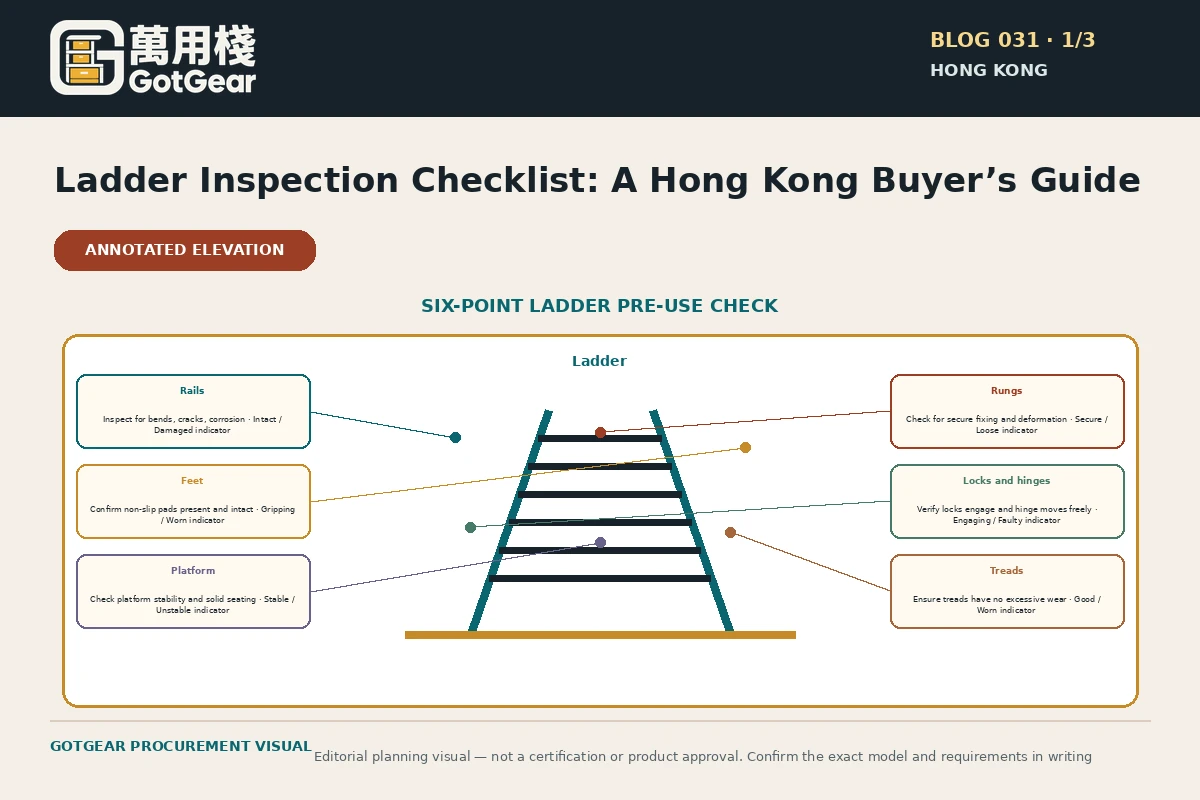
Pre-use inspection and condition checks. Every ladder brought on to a Hong Kong site should be examined before use. Look for bent stiles, cracked rungs, corroded fittings, loose rivets and worn anti-slip feet. Check that extension locking devices and ropes operate smoothly and that any stabiliser fits are undamaged. Discard or tag out ladders that fail inspection and replace them with compliant alternatives. Use these decision checks: accept a ladder for use only when it passes the visual inspection, the locking devices engage fully and the feet provide positive grip on the intended base. Record inspections where the organisation’s procedures require it and remove from service any ladder showing rust through to bare metal, missing parts or compromised rung integrity. A key limitation is that inspection cannot detect internal corrosion or fatigue in hidden components; therefore, follow manufacturer inspection intervals and replace ladders at the end of their service life or after any significant impact. Training for staff doing the inspections is essential so that subtle defects are not overlooked. Next, embed a pre-use checklist into the permit-to-work or work plans, inform the relevant team on the checks required for the chosen ladder, and ensure replacement or repair arrangements are in place before work starts. If an inspection reveals marginal condition and the job cannot be postponed, use a different access method such as a scaffold tower.
Extension ladder setup Hong Kong decision checklist
- Confirm whether the task is access-only and requirements note, or whether a working platform is required for sustained work
- Measure vertical height to the resting point and calculate the 1-in-4 set-back before positioning the ladder
- Inspect ladder condition: stiles, rungs, feet, locking devices and extension mechanisms
- Verify the base is firm and level; use levellers or a platform on steps if necessary
- Ensure the ladder extends at least 1 metre above the landing where used for access
- Identify and prepare secure anchor points if tying both stiles is planned
- Decide and document the securing method: tying, stability device, wedging or last-resort footing
- Check load capacity and ensure the ladder is suitable for combined person and tool weight
- Confirm weather and site conditions (wind, wet surfaces, pedestrian routes) will not compromise use
- Record the chosen controls on the permit-to-work or work plans and inform the relevant team accordingly
Practical action sequence
- Select the correct ladder type and length for the task and landing geometry
- Inspect the ladder for defects and confirm locking devices function
- Measure vertical height and mark the 1-in-4 set-back at the base point
- Place the ladder on a firm, level base and set the calculated angle
- Extend stiles at least 1 metre above any landing used for access
- Secure the ladder by tying stiles or installing a stability device before use
- Confirm the landing handhold is adequate and that the ladder cannot be displaced
- Record completion of checks on-site documentation and monitor during the task
Apply the checks to your Hong Kong site
Hong Kong guidance from the Occupational Safety and Health Council highlights the 1-in-4 placement, firm level grounding, the need to secure ladders and provision of landing handholds. The Labour Department treats ladders as one control within a hierarchy for work at height and sets out clear use limitations for Hong Kong workplaces. HSE material from the UK can inform tying techniques and stability-device preferences, but overseas guidance is contextual only — task-specific risk assessment, the ladder manufacturer’s manual and Hong Kong law and guidance must govern on-site decisions. For extension ladder setup Hong Kong, distinguish checks for working position from checks that focus on extension ladder landing access Hong Kong, such as handholds and clear approach. Apply the ladder 4 to 1 rule Hong Kong as an indicative geometry during setup, then validate against the manufacturer’s instructions and your site assessment. Operational takeaway: before any use, complete a site-specific checklist that verifies angle, securement, landing access and written approval.
References used for this article
These sources provide regulatory, safety or planning context. They do not certify any GotGear product or replace site-specific professional advice.
- Hong Kong Labour Department — Overview of Work-at-Height Safety — Hong Kong hierarchy and constraints on using ladders for work above ground.
- Occupational Safety and Health Council — Safety Hints for Using Ladders — Local 1:4 placement, firm-level-ground, securing and landing-handhold guidance.
- HSE — Types of ladder and using them safely — 1-in-4 angle, strong upper-resting-point and stability-device guidance.
- HSE — Securing ladders and ladders used for access — Preferred securing order and access-landing guidance.
Questions about extension ladder setup Hong Kong
Does Hong Kong guidance require the 1:4 set-back for extension ladders?
Local guidance from the Occupational Safety and Health Council recommends placing a ladder with a 1:4 ratio of set-back to height. This practical rule produces a stable climbing angle and is commonly accepted on Hong Kong sites. Use the measure to set the foot distance and confirm the base is level. Treat the guidance as part of your risk assessment and combine it with manufacturer instructions for the specific ladder in use.
What does HSE say about securing ladders and is that advice applicable here?
HSE sets out a preferred order for securing ladders: tie both stiles as the first option, then use a stability device or wedging, with footing as the last resort. This hierarchy is useful technical context for Hong Kong teams because it minimises reliance on temporary human control. However, HSE material is overseas guidance and should be used alongside Hong Kong Labour Department and OSHC advice, the ladder manual and your task-specific risk assessment rather than as a substitute for local requirements.
How far should a ladder extend above a landing for safe access?
For a ladder used for access, extend the stiles so they protrude at least 1 metre above the landing to provide a secure handhold when transferring. Confirm that the landing’s edge is sound and that the stiles rest on a stable point; do not rely on a fragile coping or decorative finish. If an adequate extension or handhold cannot be provided, choose an alternative access method such as a short platform or temporary handrail.
Can someone foot the ladder instead of tying it?
Footing by a colleague can reduce movement and might be used for a momentary climb, but it is regarded as a least-preferred control because it offers no positive restraint against the ladder slipping. Where practical, tie both stiles or use a stability device to provide a secure, verifiable means of prevention. If footing is used temporarily, maintain exclusion zones for pedestrians and do not leave the ladder unattended while relying on footing.
What should I do if the base is uneven or there are steps where the ladder must stand?
If the ground is uneven or the ladder must stand on steps, use a ladder levelling device or a purpose-designed platform to create a firm, level base. Do not prop one foot on loose objects or pack with bricks. If level adaptors are unavailable or the base cannot be stabilised, select an alternative access solution such as a mobile scaffold tower or podium which provides a safe standing platform and collective fall protection.
Is HSE’s 1-in-4 angle the only consideration for upper resting points?
No. While the 1-in-4 angle addresses the ladder’s geometry, the quality of the upper resting point is equally important. HSE warns against weak, rounded or damaged upper supports. On Hong Kong sites check that the resting point is structurally sound, non-slip and will not be damaged by the ladder. If the contact surface is unsuitable, fit a stand-off, move to a different access location or choose a platform-based solution.
Compare available product models and specifications
These product cards are matched to this buying topic. Select a specification and quantity to send the product details to WhatsApp.
 Aluminium Ladders & Access EquipmentProduct reference image
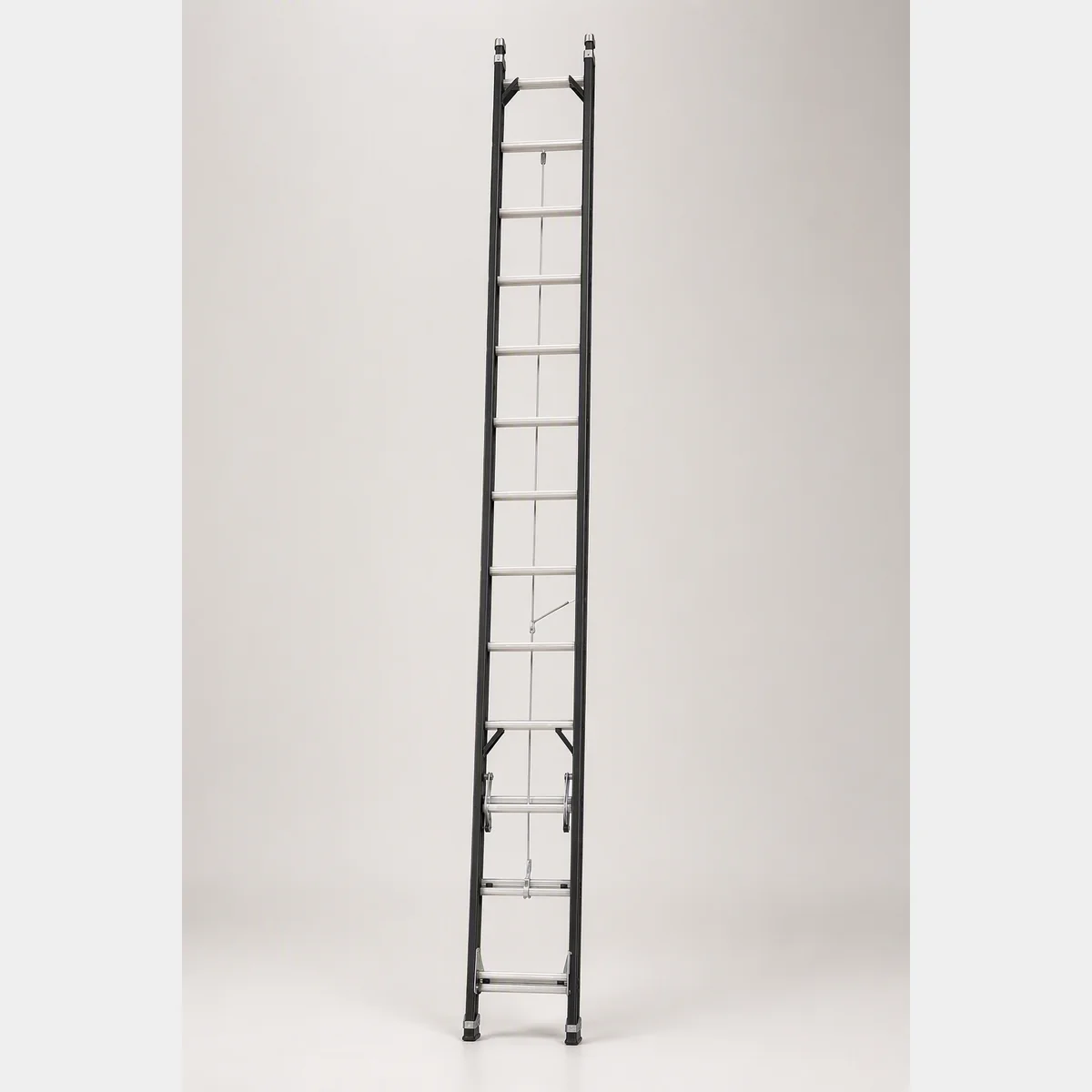
Double-section Fibreglass Extension Ladder (Straight Ladder)
Double-section fibreglass extension ladder, SIZE: 253-406 cm / 314-528 cm; Minimum order quantity: 1PC. Formal quotation available on request for use, specification and quantity.
- SIZE
- 253-406 cm / 314-528 cm
- Minimum order quantity
- 1PC
 Aluminium Ladders & Access EquipmentProduct reference image
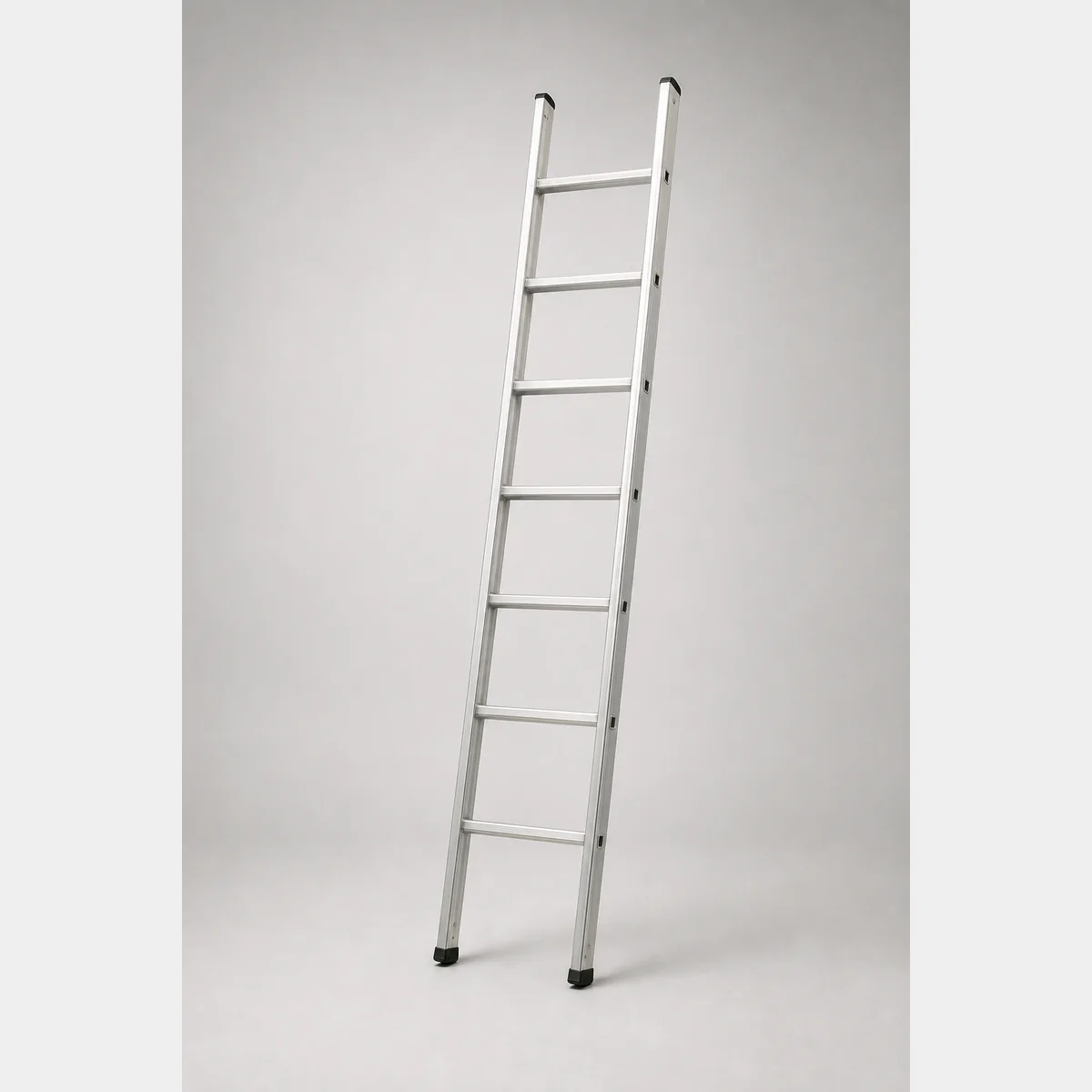
Extension Ladder
Extension ladder. Note: this ladder is sold by length only. For intended use, specifications and quantity, please enquire for a formal quotation.
- Note
- This ladder is sold by length only.
 Aluminium Ladders & Access EquipmentProduct reference image
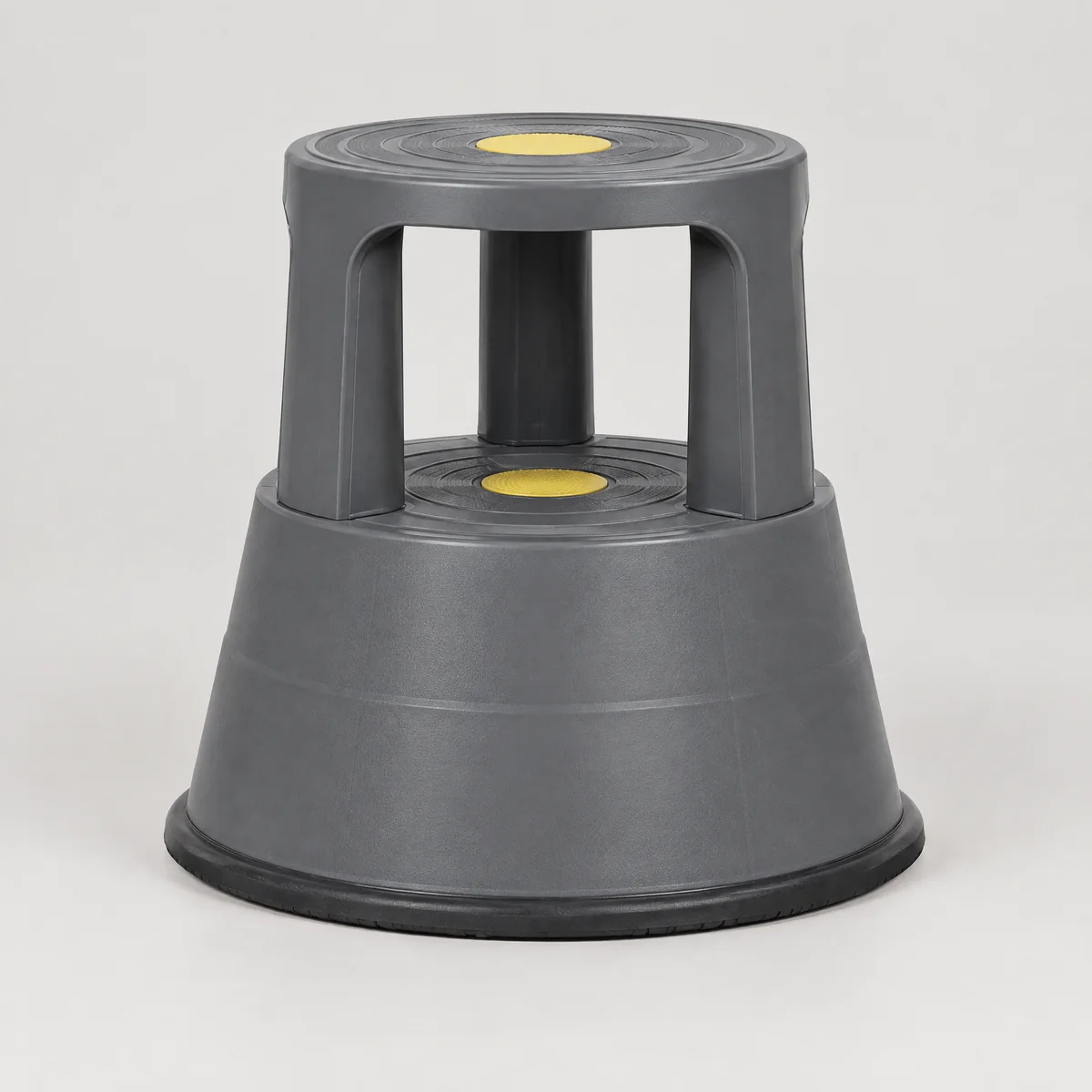
2-Level Round Step
2-Level round step. Colour: grey-white; Load capacity records differ: 100 kg in product information and 120 kg in selectable variant records; confirm the exact rating in writing. Formal quotation available upon request based on use, specifications and quantity.
- Colour
- grey-white
- Load capacity
- 100 kg in product information / 120 kg in variant records; confirm exact rating in writing
- Source-record note
- The JC2508-B/JC2509-B model identifier requires written confirmation because source product text and the selectable record conflict.
 Aluminium Ladders & Access EquipmentProduct reference image
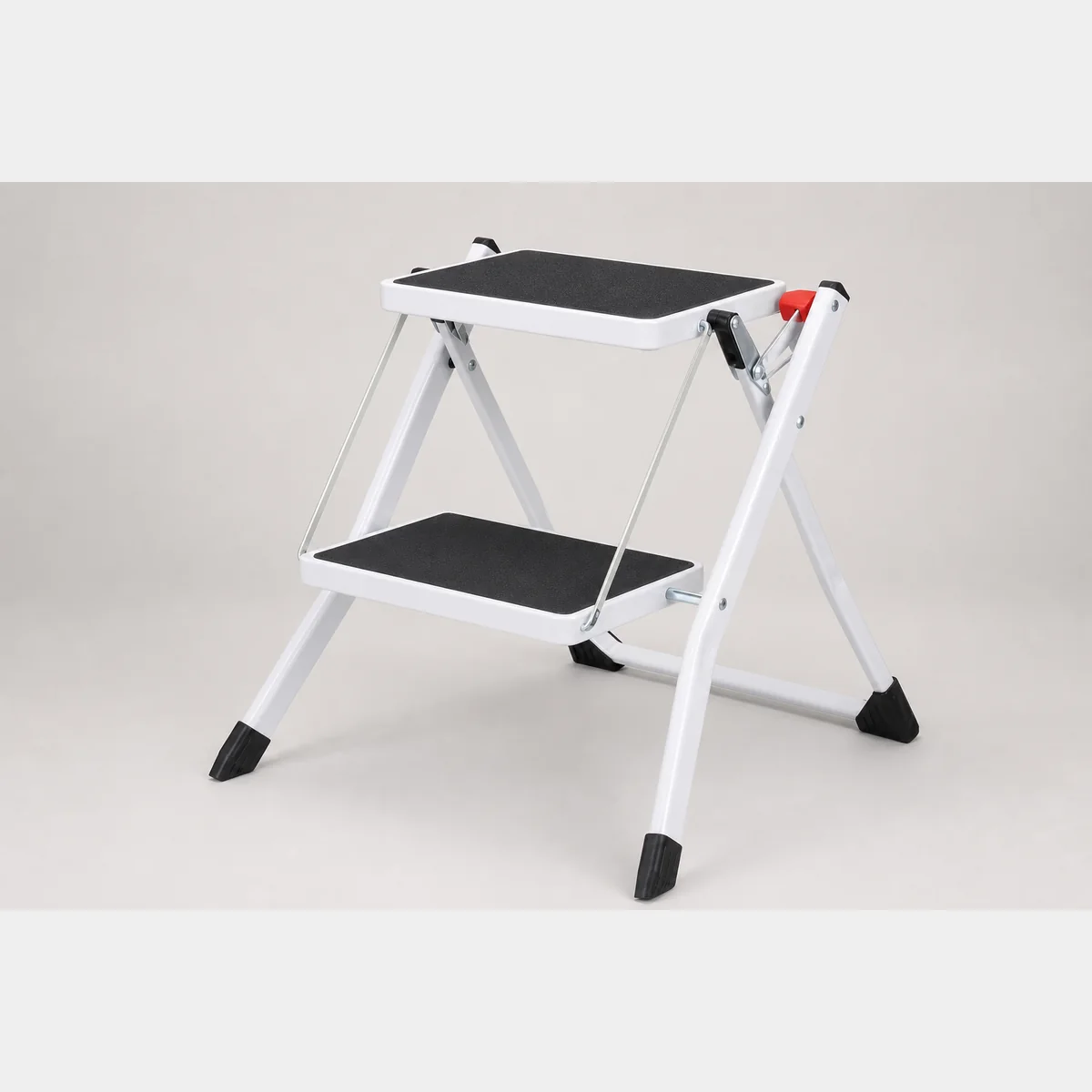
2-step ladder
2-step ladder. Dimensions/specification: L49xW48.5xH44.5 cm. Formal quotation available on enquiry with intended use, specifications and quantity.
- Dimensions/Specifications
- L49xW48.5xH44.5 cm
 Aluminium Ladders & Access EquipmentProduct reference image
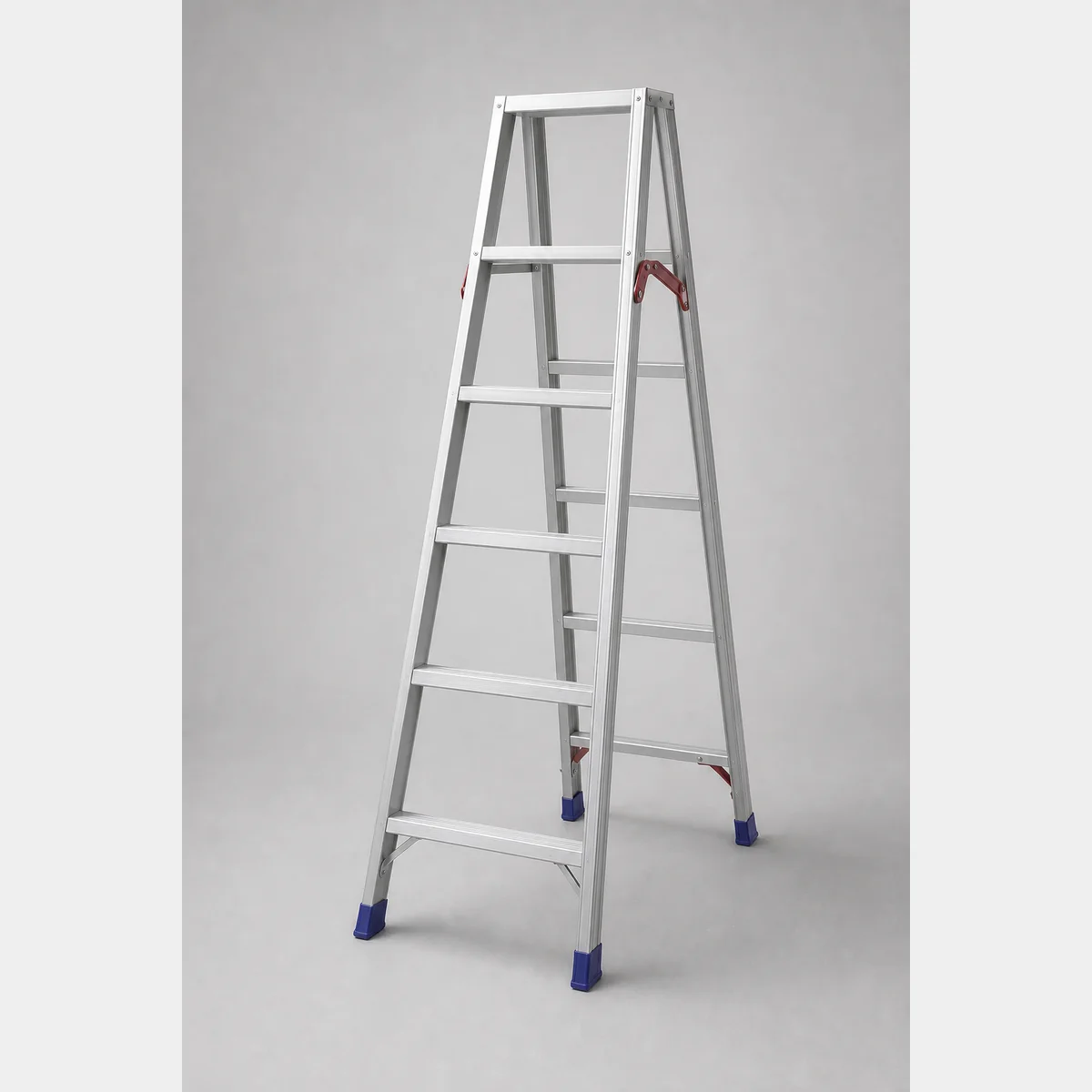
2-way double-sided A-frame aluminium ladder
2-way double-sided A-frame aluminium ladder. Size/Model lines: NXG150A2X4 / NXG150A2X5. A formal quotation is available on request by use, specification and quantity.
- Size/Model line
- NXG150A2X4 / NXG150A2X5
 Aluminium Ladders & Access EquipmentProduct reference image
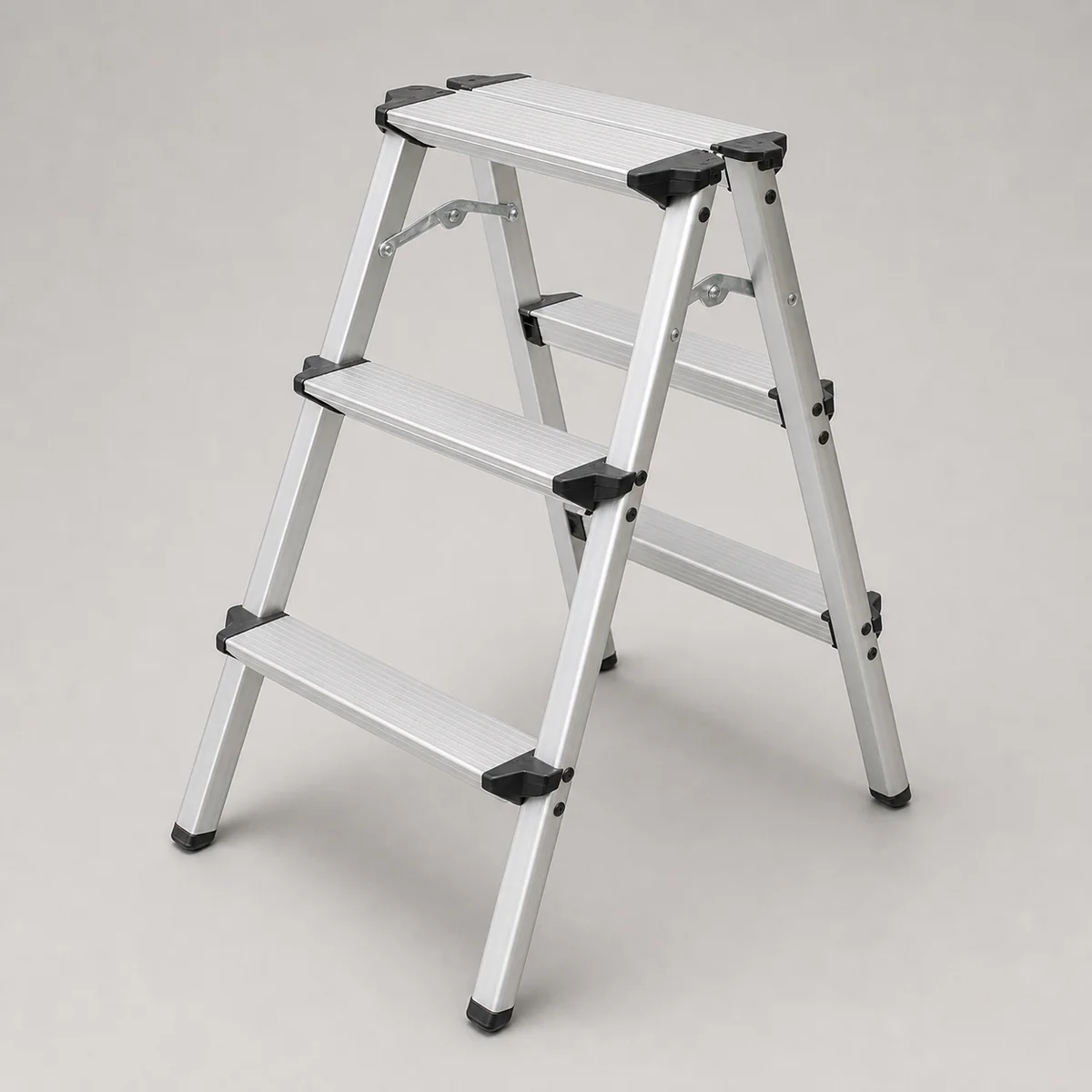
3-level A-frame aluminium ladder
3-level A-frame aluminium ladder. Material: aluminium; Working height: 80 CM; Load capacity: 100KG. Please contact us for a formal quotation based on application, specifications and quantity.
- Material
- Aluminium
- Working height
- 80 CM
- Load capacity
- 100KG
 Aluminium Ladders & Access EquipmentProduct reference image
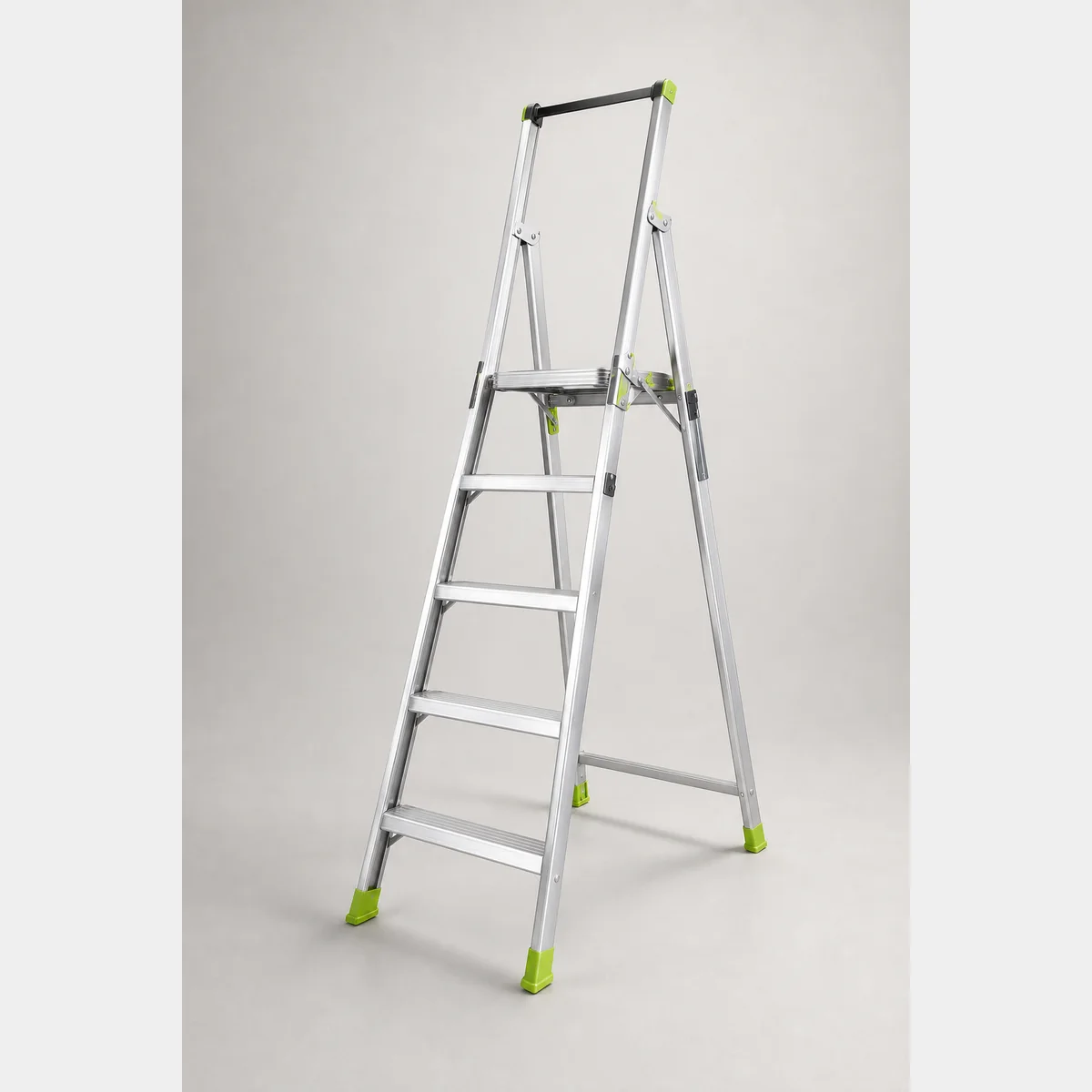
Aluminium Ladder with Handrail
Aluminium ladder with handrail. Dimensions/Specs: W473xD660xH1107 mm / W530xD845xH1387 mm; Use height: 487 mm / 767 mm; Load capacity: 150KG. Formal quotation available based on use, specifications and quantity.
- Dimensions/Specs
- W473xD660xH1107 mm / W530xD845xH1387 mm
- Use height
- 487 mm / 767 mm
- Load capacity
- 150KG
 Aluminium Ladders & Access EquipmentProduct reference image
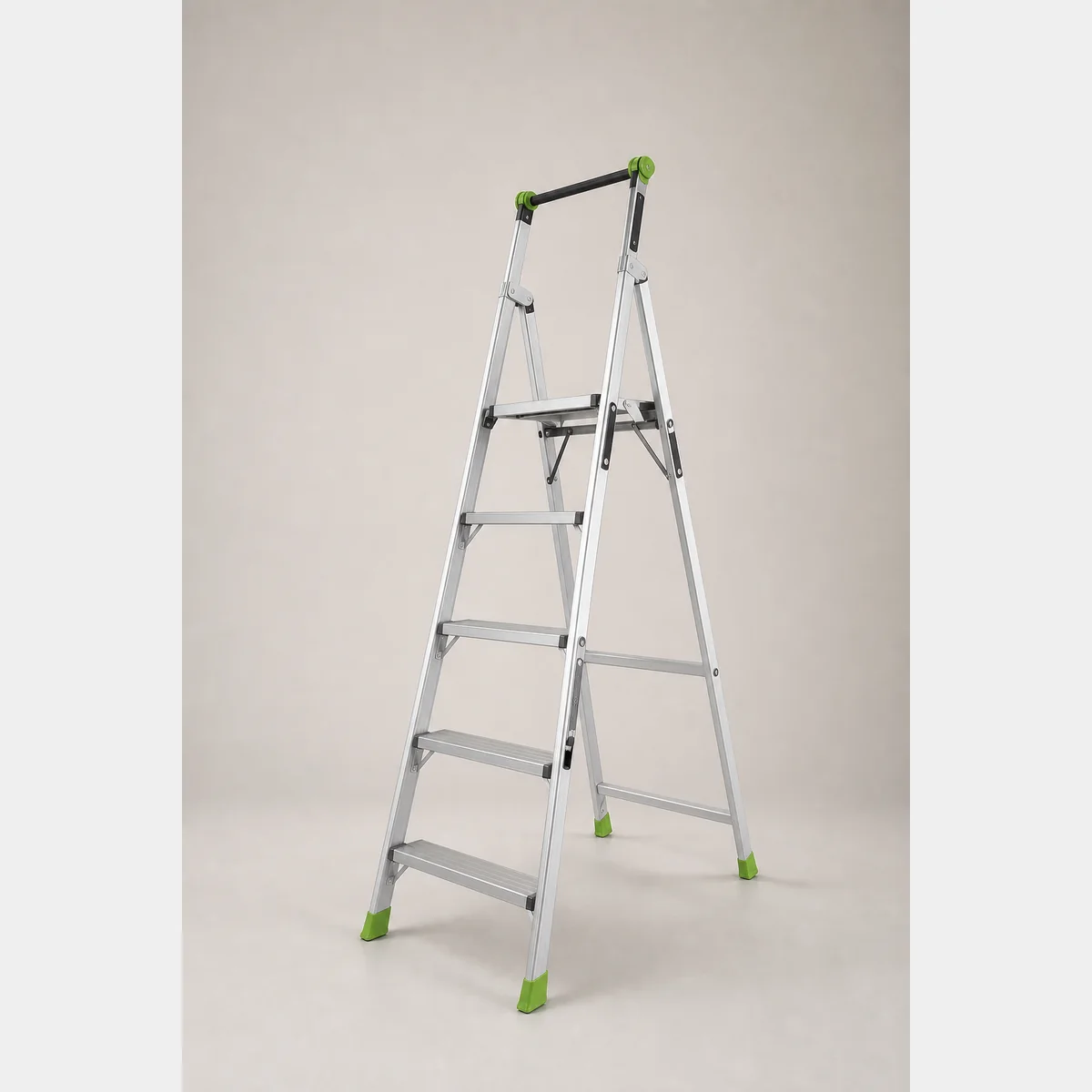
Aluminium Ladder with Handrail
Aluminium Ladder with Handrail. Enquire with the intended use, specifications and quantity for written confirmation.
- Dimensions / Spec line
- W424xD666xTH1221 mm / W448xD819xTH1436 mm
- Working height
- 611 MM / 827 MM
- Minimum order quantity
- 1PC
Continue with closely related procurement topics
These pages share equipment, operating or decision-stage signals with this guide.
Ladder inspection checklist Hong Kong
GotGear explains ladder inspection checklist Hong Kong for Hong Kong buyers. See how ladder pre-use check Hong Kong supports ladder defect tag Hong Kong, with practical checks, evidence boundaries and written requirements.
Read the guide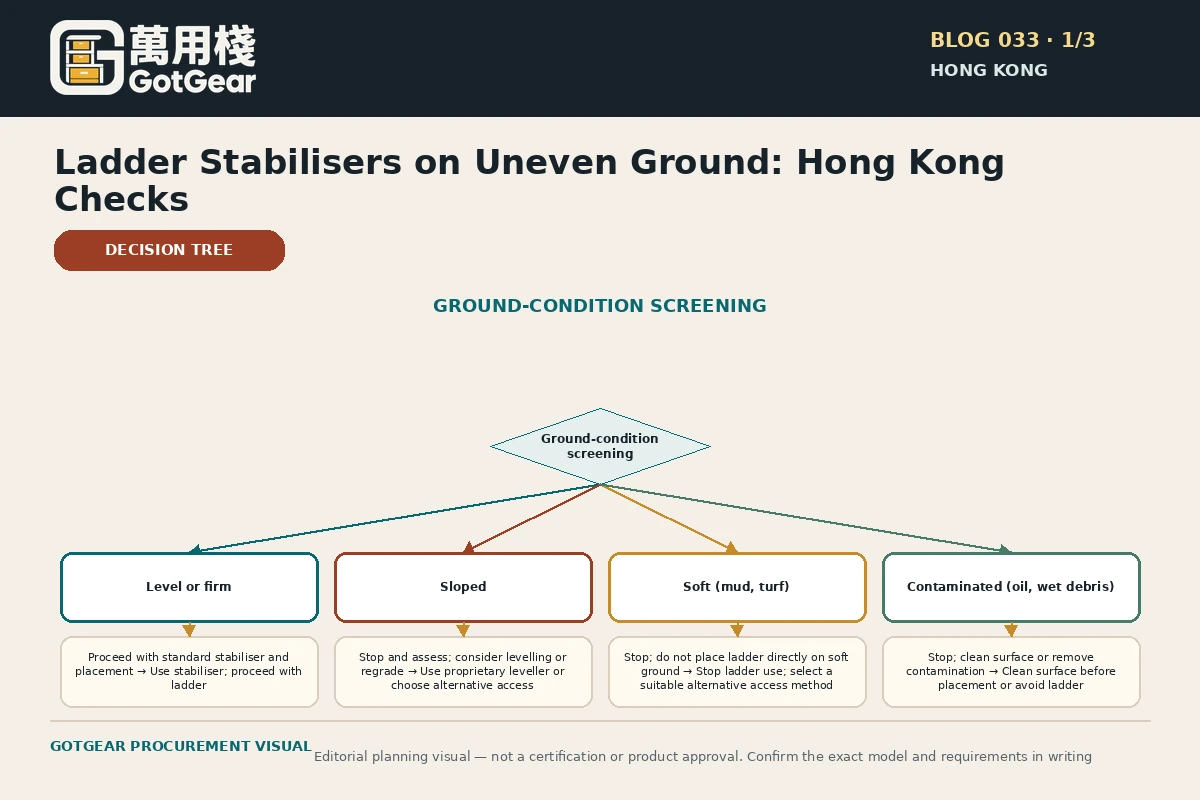
Ladder stabiliser for uneven ground Hong Kong
GotGear explains ladder stabiliser for uneven ground Hong Kong for Hong Kong buyers. See how ladder safety feet Hong Kong supports ladder securing methods Hong Kong, with practical checks, evidence boundaries and written requirements.
Read the guide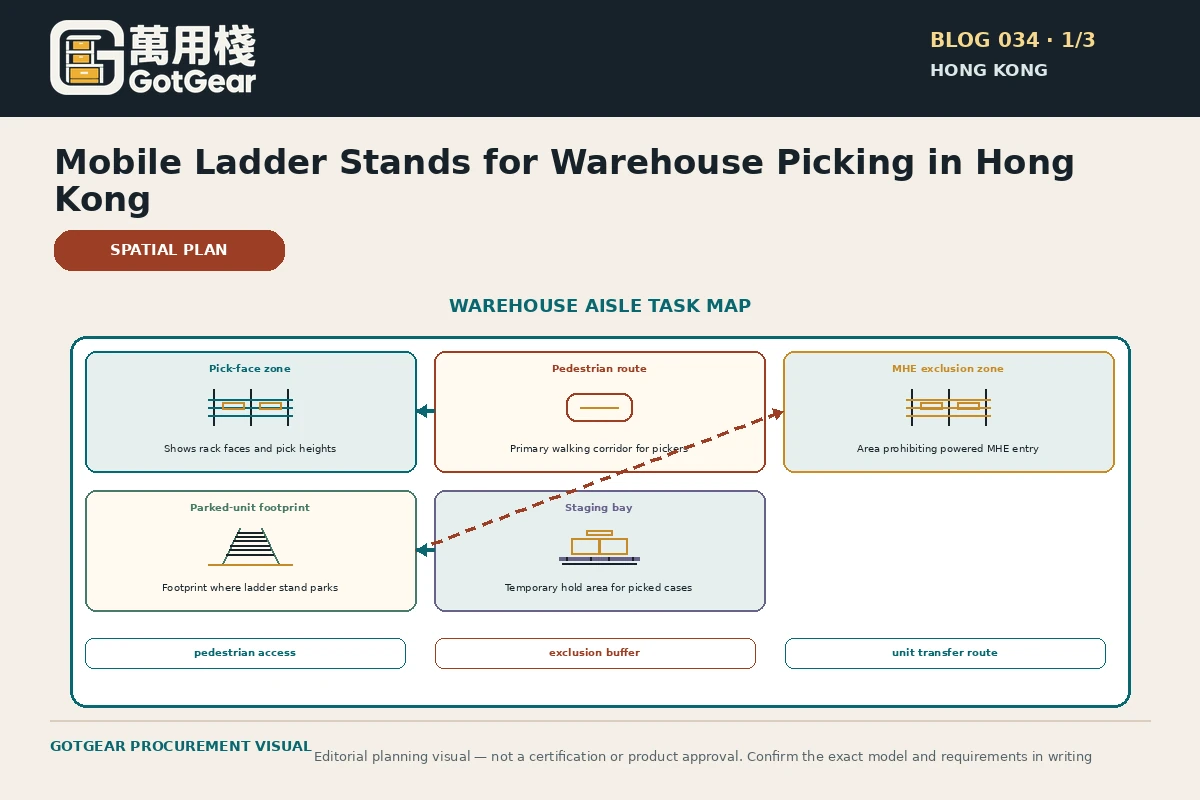
Mobile ladder stand for warehouse picking Hong Kong
GotGear explains mobile ladder stand for warehouse picking Hong Kong for Hong Kong buyers. See how warehouse order picking ladder Hong Kong supports rolling ladder platform Hong Kong, with practical checks, evidence boundaries and written requirements.
Read the guide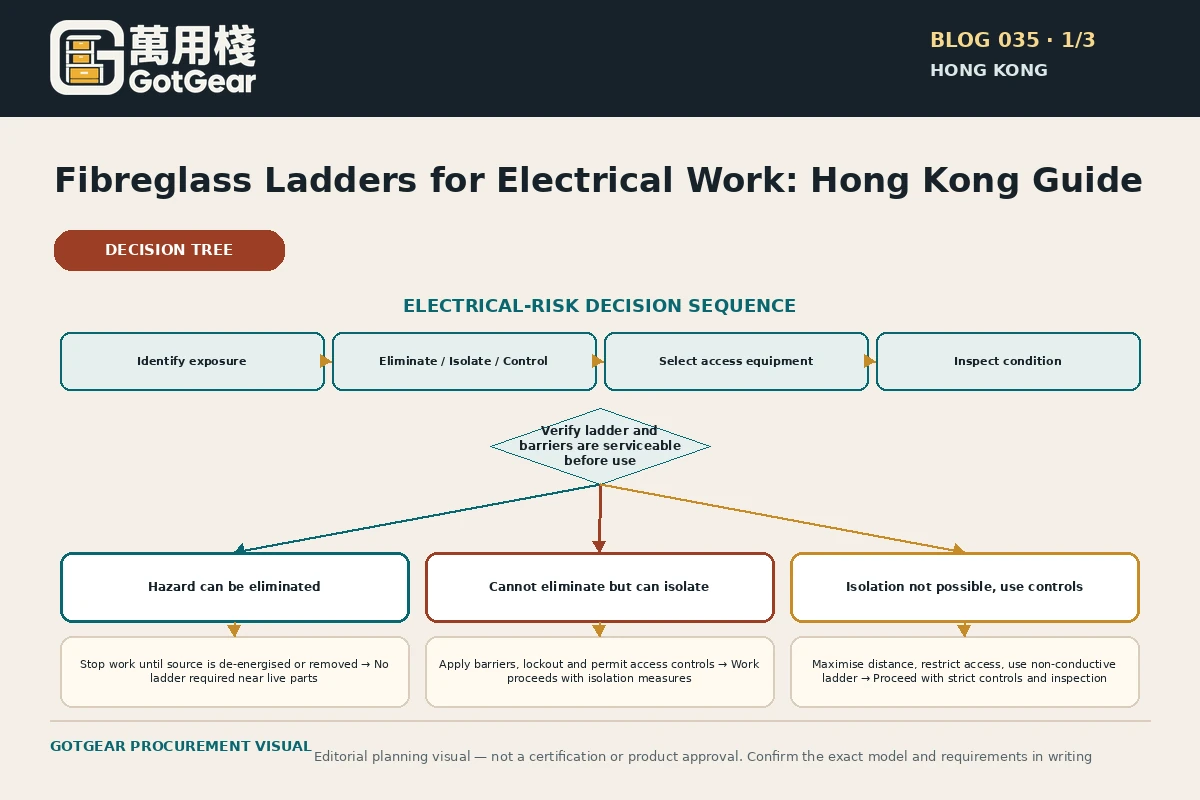
Fibreglass ladder for electrical work Hong Kong
GotGear explains fibreglass ladder for electrical work Hong Kong for Hong Kong buyers. See how non-conductive ladder Hong Kong supports ladder near electrical installations Hong Kong, with practical checks, evidence boundaries and written requirements.
Read the guideRelated topic indexOpen more English procurement pages13 topics
Browse additional equipment families, applications and procurement questions relevant to these operating requirements.