
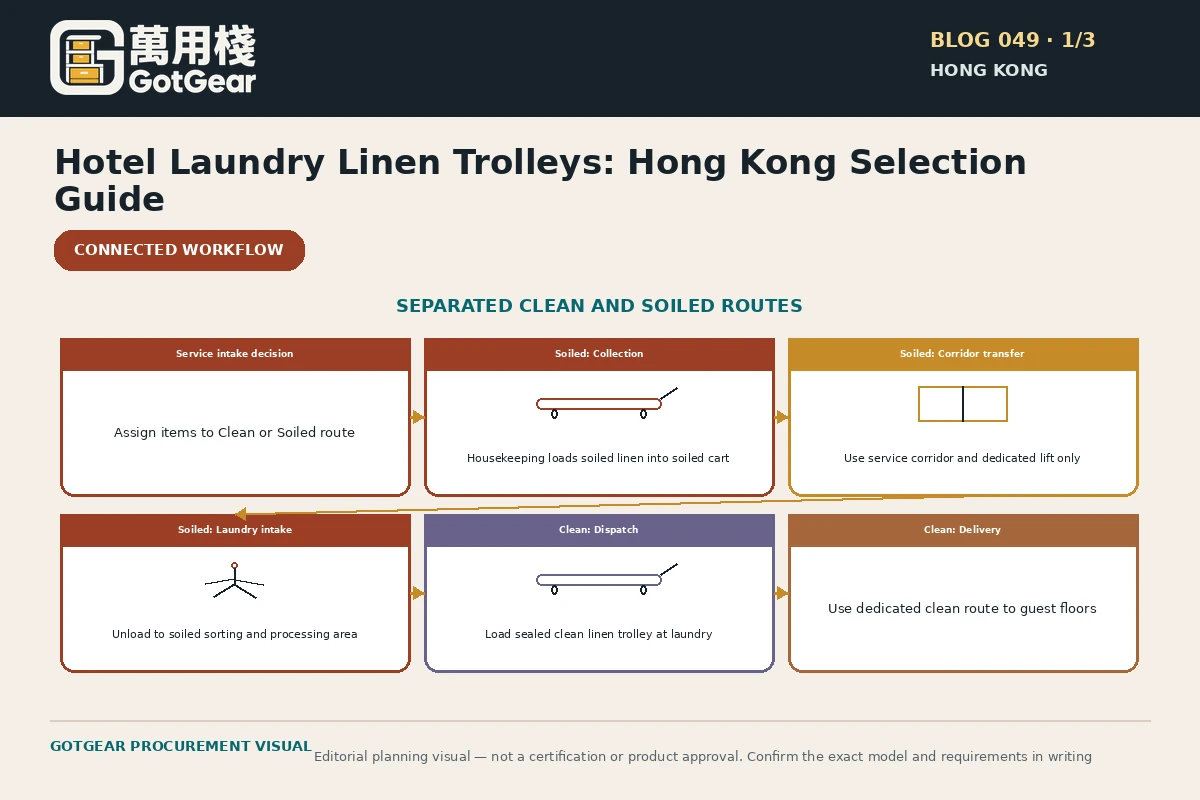
Separate clean-linen and soiled-linen workflows and select trolleys that match each route’s constraints. For clean deliveries prioritise covered shelving, ergonomic loading height and easy hand-off at housekeeping stations; for soiled collection prioritise sealed bag carriers, simple emptying and wheels that roll reliably over hotel thresholds. Test push and pull forces, tight turns, lifts and trolley cleaning at operational loads before procurement to avoid hidden handling and hygiene resource requirements.
What to remember before you decide
- Specify trolleys by route, task and loaded ergonomics, not by volume alone.
- Separate clean and soiled workflows to reduce contamination risk and simplify housekeeping handoffs.
- Test trolleys on your worst-case route in Hong Kong — thresholds, lifts and tight corridors often reveal problems.
- Choose wheel diameter and tread material to match your floor finishes and threshold profiles.
- Require corrosion-resistant materials and local spare-part support for Hong Kong operations.
- Include staff trials and maintenance planning as procurement requirements.
- Document risk assessments and trial data and make them part of supplier evaluation.
Why choose by route and task, not just capacity
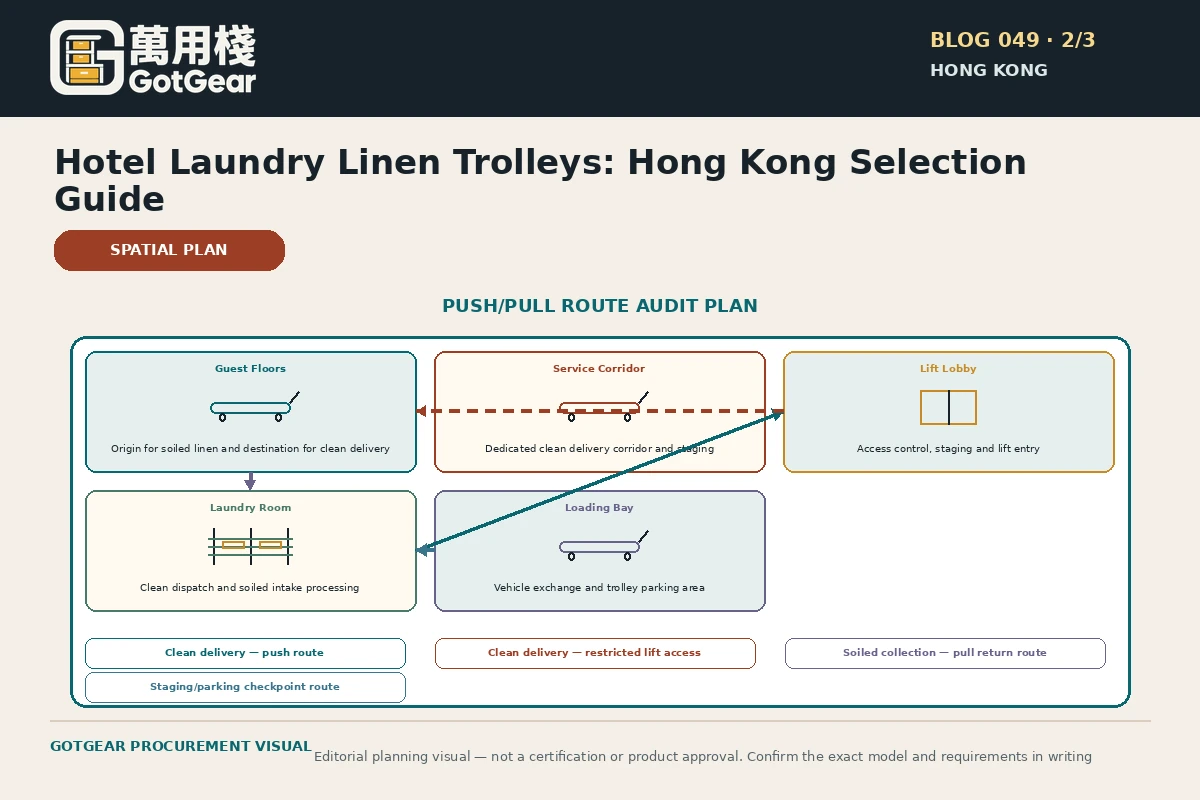
Decision summary and Hong Kong context: Hotels in Hong Kong operate in dense buildings with frequent thresholds, narrow corridors, service lifts and split housekeeping stations. A trolley that works well in an open laundry basement may jam on a crowded service corridor. Choose by route and task because a trolley reduces hand-carrying only when its wheels, dimensions, loading height and access method are compatible with the entire journey from room or laundry to storage or truck. Practical Use these decision checks: map every route a trolley will travel; note door widths, lift dimensions and threshold heights; measure typical loaded heights so push and pull forces remain within staff capability; and check where trolleys meet housekeeping handover points. A key limitation is that manufacturers often quote static capacity and basket volume but not dynamic push/pull force or turning radius. A trolley that meets volume needs may fail ergonomically under load. Next, conduct a short site trial with a fully loaded trolley, include front-line staff in testing and make a simple checklist of problem points (narrow turns, steep ramps, busy service lifts). Use Hong Kong Labour Department manual handling guidance to structure your risk assessment and record testing results for tender specifications.
Practical checklist for route-based selection
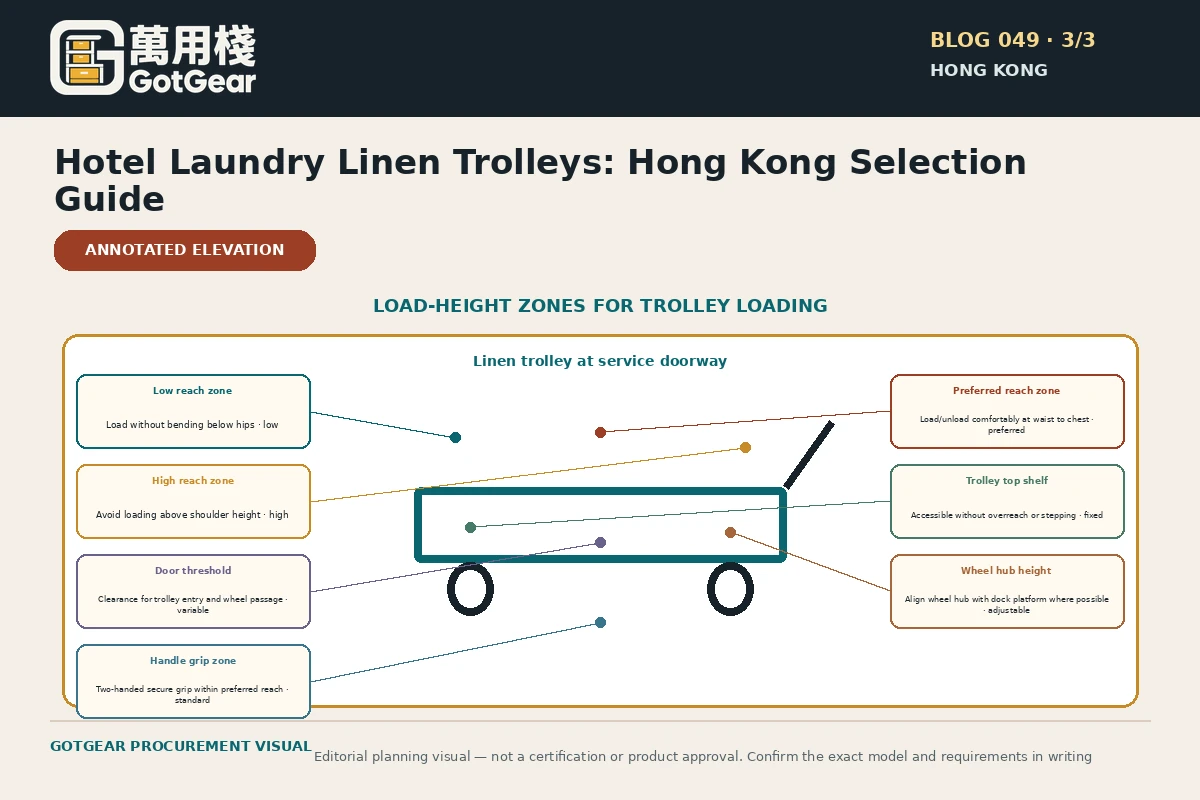
Design features to match tasks and Hong Kong operations: For clean-linen delivery, prioritise enclosed shelving or fabric covers to protect folded items from dust and incidental contact in corridors and lifts. Shelving should allow single-bend handoffs at housekeeping stations — low enough to avoid shoulder lifts but high enough to prevent stooping. For soiled-linen collection, prioritise sealed bag frames or quick-release carriers that enable emptying directly into laundry bags without manual sorting. Consider trolleys with changeable modules so a unit can be converted for peak clean deliveries or heavy soiled loads during banquets. Decision criteria and A key limitation is that evaluate wheel type (solid rubber, pneumatic or non-marking), axle quality, and wheel diameter against your most common floor finish and any thresholds between zones — Hong Kong hotels frequently have marble or tiled floors in public areas and vinyl in service corridors. Smaller wheels are cheap but stall on thresholds; large-diameter swivel wheels roll more easily but need a larger turning circle. Consider corrosion-resistant frames for coastal air and repeated cleaning. Next, create a short test route that includes your worst-case threshold and lift, and measure real push/pull force with full loads. Record wheel marks, noise and handling under busy service conditions. When writing specifications, require vendors to provide a site test or accept a short trial period.
“Procure by testing: the trolley only becomes a labour-saver when its wheels, dimensions and loading ergonomics match the real route and tasks in your hotel.”— GotGear Editorial Team
What should buyers compare for hotel laundry linen trolley selection Hong Kong?
| Option or approach | Best for | Trade-offs | Checks before acceptance |
|---|---|---|---|
| Dedicated clean-linen delivery trolleys (covered shelves) | Hotels prioritising presentation, staged room deliveries and hygiene separation | Heavier, may require more effort to push when fully loaded; requires storage for empty units | Test handover ergonomics at housekeeping stations and perform a live-run with peak delivery loads on actual corridors and lifts |
| Bagged soiled-linen collection trolleys (bag frames / quick-release) | High-volume soiled collection with direct transfer to laundry bags and contracted laundry workflows | Bag handling can add time at collection points; frames must be durable against repeated loading and emptying | Simulate a peak housekeeping run and check bag-change time, bag attachment security and emptying into laundry trucks or chutes |
| Convertible / modular trolleys (swap modules for clean or soiled tasks) | Smaller properties or peak-flex operations needing multi-use equipment | Modularity adds mechanical complexity and may raise cleaning requirements between role changes | Run a week of alternating clean/soiled tasks and measure time for module swaps, cleaning and any contamination risks |
| Lightweight aluminium trolleys with large wheels | Long corridor runs where low push force is critical | May flex under heavy banquet loads and require stronger wheel mounts; potential corrosion in coastal settings | Load with maximum foreseeable banquet weight and test for frame flex, wheel stability and push/pull force on service ramps |
| Stainless-steel enclosed trolleys for heavy-duty or coastal sites | Hotels near the harbour, properties with high wash frequency or medical-grade hygiene needs | Heavier to push and more expensive initially; may require larger-diameter wheels to offset weight | Confirm compatibility with disinfectants, test push/pull force with double-shift loads and inspect finishing for weld quality and crevice-free cleaning |
This framework helps buyers create comparable written enquiries. Final model specifications, availability, delivery and commercial terms must be confirmed in a formal quotation.
Ergonomics, cleaning and infection-control checks
Ergonomic and hygiene decisions with Hong Kong practicality: The Labour Department’s guidance on manual handling in Hong Kong emphasises task, load, environment and worker factors; apply that here by testing actual loaded trolleys rather than relying on rated capacity. Use two-handed push and avoid designs that require shoulder lifts or twisting. For infection control, adopt separate trolleys and routes for clean and soiled linen; a trolley that mixes both increases laundering and cross-contamination risk and complicates traceability in contract laundry arrangements. Limitations and trade-offs: fully enclosed stainless-steel trolleys are easy to disinfect but heavier and more resource-intensive to push; fabric-covered shelving is lighter but can absorb moisture and requires more frequent replacement. Next, define cleaning frequency for trolley surfaces, specify materials compatible with your disinfectant, and include wheel and axle checks in preventive maintenance schedules. Use overseas infection-control guidance such as the CDC’s linen and laundry management for operational ideas — cited contextually, not as Hong Kong law — and ensure you align with any health or contract requirements specific to your hotel.
Materials, maintenance and long-term resource requirements
Durability, maintainability and lifecycle choices for Hong Kong hotels: Corrosion resistance is critical in coastal Hong Kong locations and for back-of-house areas where chemicals are used. Choose stainless-steel frames or powder-coated steel with easily replaceable plastic or stainless shelving. Consider modular trolleys where bags, frames and wheels are replaceable separately to extend service life. Use these decision checks: ask suppliers for spare-part lists and wheel replacement lead times; verify wheel mounting standards so you aren’t locked into a proprietary, slow-moving part. A key limitation is that lightweight aluminium trolleys reduce push force but may flex under heavy banquet loads; heavier steel is durable but increases ergonomic risk unless wheel design compensates. Next steps: set a preventative maintenance schedule with wheel cleaning and lubrication intervals, schedule quarterly inspections of frames and fasteners, and require vendors to detail consumable wear items and expected replacement cycles. Validate supplier maintenance support locally in Hong Kong and plan spare wheels and bag carriers on-site to avoid downtime.
Hotel laundry linen trolley selection Hong Kong decision checklist
- Map every route a trolley will use: door widths, lift dimensions, thresholds, ramps and busiest time windows.
- Measure typical loaded heights and weights for clean and soiled runs to estimate push/pull forces and required loading heights.
- Specify separate trolleys and routes for clean and soiled linen to reduce cross-contamination risk.
- Choose wheel type and diameter suited to your worst floor finish and threshold profile; include non-marking requirements for public areas.
- Require corrosion-resistant frames or protective finishes for coastal Hong Kong sites and specify material compatibility with hotel disinfectants.
- Require vendor-provided spare-part lists, wheel models and local support or recommended local distributors.
- Include front-line staff in test runs and collect ergonomic feedback on loading heights, handle positions and turning behaviour.
- Validate emptying and bag-change times for soiled-linen trolleys to ensure labour budgets are accurate.
- Check storage footprint and manoeuvring space for parked trolleys during peak service times.
- Include cleaning, disinfection and drying procedures for trolleys in housekeeping SOPs.
- Specify a preventative maintenance schedule for wheels, axles and fastenings.
- Record trial results and make them part of procurement scoring; prefer suppliers who accept on-site trials.
Practical action sequence
- Step 1 — Conduct a site survey mapping all routes, thresholds, lift dimensions and storage points.
- Step 2 — Measure typical loaded weights and simulate peak loads for clean and soiled workflows.
- Step 3 — Choose candidate trolley types (clean-only, soiled-only, modular) and require vendor demos or loan units.
- Step 4 — Run live staff trials on the worst-case route, recording push/pull effort, turning clearance and handover ergonomics.
- Step 5 — Test cleaning and disinfection procedures on chosen materials and check drying time to avoid mildew on fabric components.
- Step 6 — Review vendor spare-part lists and agree local support or stocking of critical parts like wheels and bag frames.
- Step 7 — Finalise procurement with specifications derived from trials and include a short acceptance trial period in the contract.
- Step 8 — Implement preventive maintenance and staff training on handling and cleaning procedures.
Apply the checks to your Hong Kong site
Hong Kong hotel back-of-house routing imposes narrow corridors, frequent thresholds, coastal corrosion risk and heavy service-lift use; select equipment to match those constraints rather than relying on capacity figures alone. For hotel laundry linen trolley selection Hong Kong, map every intended route, specify corrosion‑resistant finishes and confirm manual‑handling ergonomics and cleanability under real conditions. Treat soiled linen collection trolley Hong Kong configurations separately from clean linen delivery trolley Hong Kong layouts: one chassis or bag arrangement will not suit both tasks in every building. Require local maintenance capability and an agreed rapid parts‑supply channel to minimise downtime and preserve infection‑control routines. Operational takeaway: before final selection, walk each route at peak service, perform a loaded push test through doors, lifts and thresholds, record clearance limits and handling reach, and document a local maintenance contact plus a rapid parts‑supply plan.
References used for this article
These sources provide regulatory, safety or planning context. They do not certify any GotGear product or replace site-specific professional advice.
- Labour Department — Manual Handling Operations guide — Hong Kong risk-assessment framework for lifting, lowering, pushing, pulling and carrying; task, load, environment and employee factors.
- Canadian Centre for Occupational Health and Safety — Hotel Laundry Case Study — Reputable occupational-safety case study on laundry handling, pushing or pulling bins, wheel maintenance and ergonomic risk; not Hong Kong-specific law.
- U.S. Centers for Disease Control and Prevention — Linen and Laundry Management — Health-care guidance on designated containers for soiled linen, container reprocessing and protected transport or storage of clean linen; operational reference only for hotel process design.
Questions about hotel laundry linen trolley selection Hong Kong
How should I use the Hong Kong Labour Department manual handling guidance when choosing trolleys?
Use the Labour Department guide as your risk-assessment framework. It directs you to consider task, load, environment and employee factors when assessing manual handling risk. Practically, that means testing actual loaded trolleys around your hotel, measuring push and pull forces across ramps and thresholds, and recording where staff exert extra force or adopt awkward postures. Use those observations to specify handle height, wheel size and whether team lifts or mechanical aids are required; keep findings in your procurement specification and training records.
What does the CCOHS hotel laundry case study say about testing routes and trolley ergonomics?
The CCOHS guidance highlights that whole-route testing matters: wheel-floor interaction, wheel maintenance, and loaded behaviour can change risk profiles compared with unloaded equipment. Apply this in Hong Kong by including a real-route trial that replicates banquet loads and busiest housekeeping periods. Check wheels for debris build-up and listen for squeaks that indicate bearing wear; measure whether trolleys stall on thresholds and if staff need to change grips or posture. These observations inform maintenance frequency and wheel selection.
Do I need to follow the CDC linen and laundry management guidance for hotel trolleys?
CDC linen guidance is health-care oriented, but it’s useful operationally. It recommends designated containers for soiled linen and reprocessing of contaminated items — an approach you can adapt for separation and protected transport of soiled versus clean linen. Treat CDC material as an operational reference, not Hong Kong law. Align any infection-control practices with your hotel’s policies and laundry contract terms, and apply stricter measures where guests are vulnerable or when public-health alerts are active.
How do I choose the right wheel type for Hong Kong hotel floors and thresholds?
Choose wheels by diameter, bearing quality and tread material. Larger-diameter wheels roll over thresholds and door frames more easily and reduce push force over tiles or marble. Non-marking rubber treads protect public areas but may need cleaning to remove debris; pneumatic-style wheels give cushioning but can require more maintenance. Test candidate wheels on your worst-case floor and threshold under full load and inspect for noise, marking and feeling of stiction when turning in tight corridors.
Can one trolley be used for both clean and soiled linen to save space?
Operationally it’s possible with strict cleaning and module changes, but it is not recommended. Mixing increases the risk of cross-contamination and adds time for cleaning and validation between tasks. If space constraints force multi-use, specify modular trolleys with removable bag frames and invest in strict SOPs for cleaning, drying and verification between role changes. Prefer separate trolleys and routes where hygiene and speed are priorities.
What maintenance schedule should we adopt for trolley wheels and frames?
Adopt a preventative schedule: daily visual checks for loose fasteners and wheel debris, weekly cleaning and lubrication of wheel bearings in busy operations, and quarterly inspections for frame integrity, welds and corrosion. Replace wheels showing flat spots, excessive wear or damaged bearings immediately. Record maintenance actions and measure whether wheel replacement reduces push force or noise; keep spare wheels and common fasteners on-site to avoid operational delays.
Compare available product models and specifications
These product cards are matched to this buying topic. Select a specification and quantity to send the product details to WhatsApp.
 Material Handling & LogisticsProduct reference image
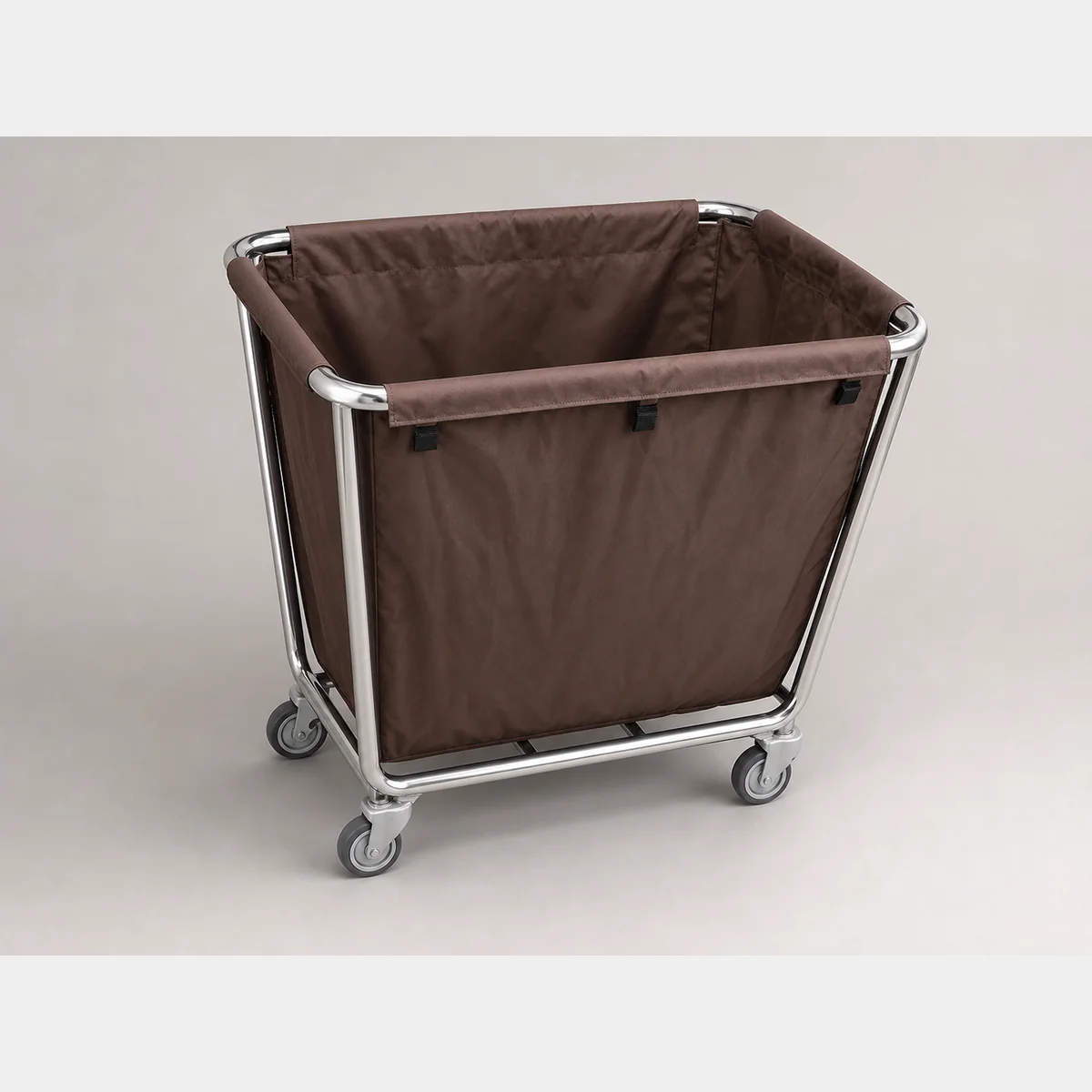
Linen Trolley
S8512-B dimensions require written confirmation because source records conflict between L900xW600xH845 mm and L900xW650xH850 mm.
- Exact model dimensions
- S8512-B dimensions require written confirmation because source records conflict between L900xW600xH845 mm and L900xW650xH850 mm.
 Material Handling & LogisticsProduct reference image
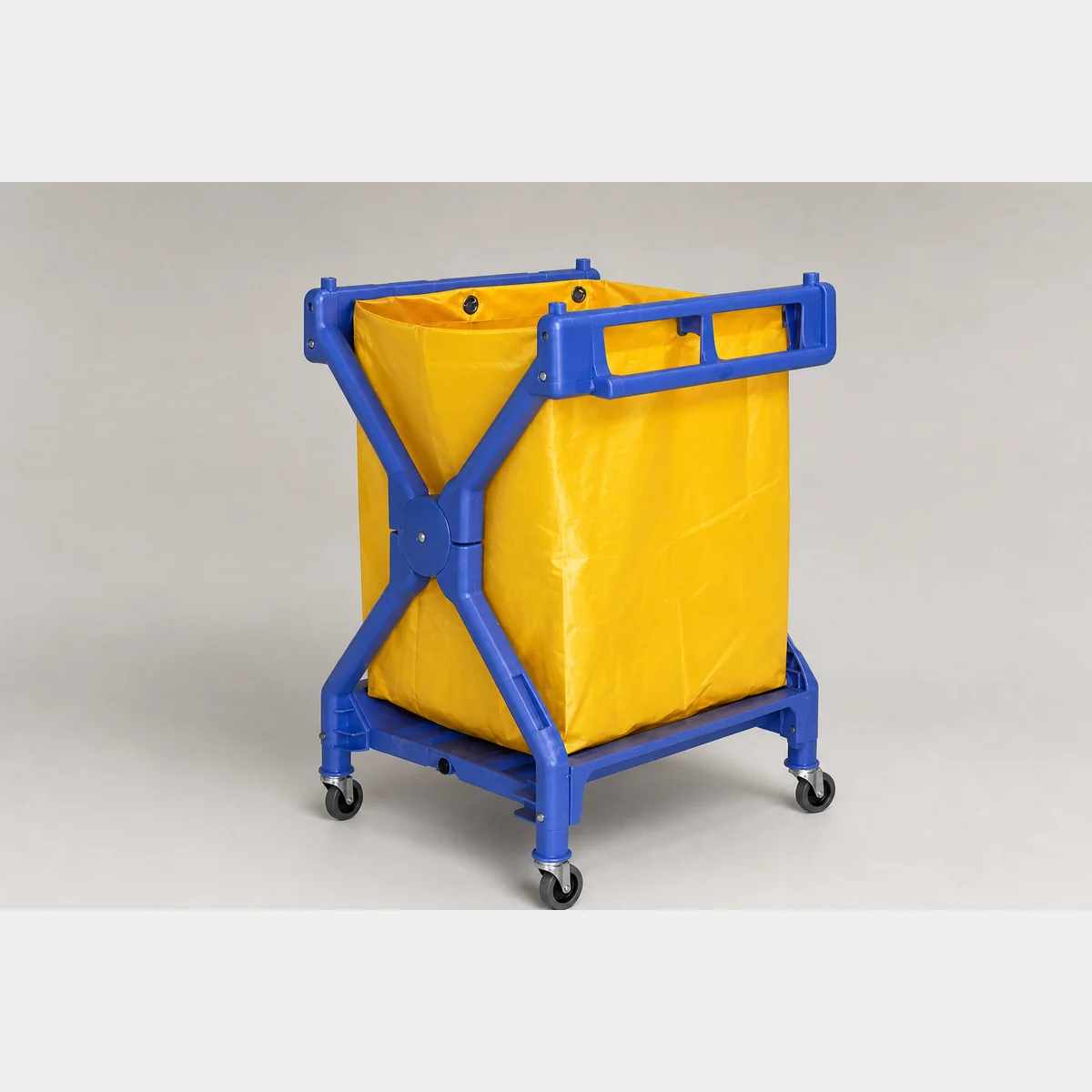
X-Type Collection Trolley (S8905)
X-Type Collection Trolley, Material: Plastic with canvas bag; Dimensions: 71 X 66 X 95 CM; Minimum order quantity: 1 unit. Formal quotation available based on use, specifications and quantity.
- Material
- Plastic with canvas bag
- Dimensions
- 71 X 66 X 95 CM
- Minimum order quantity
- 1 unit
 Material Handling & LogisticsProduct reference image
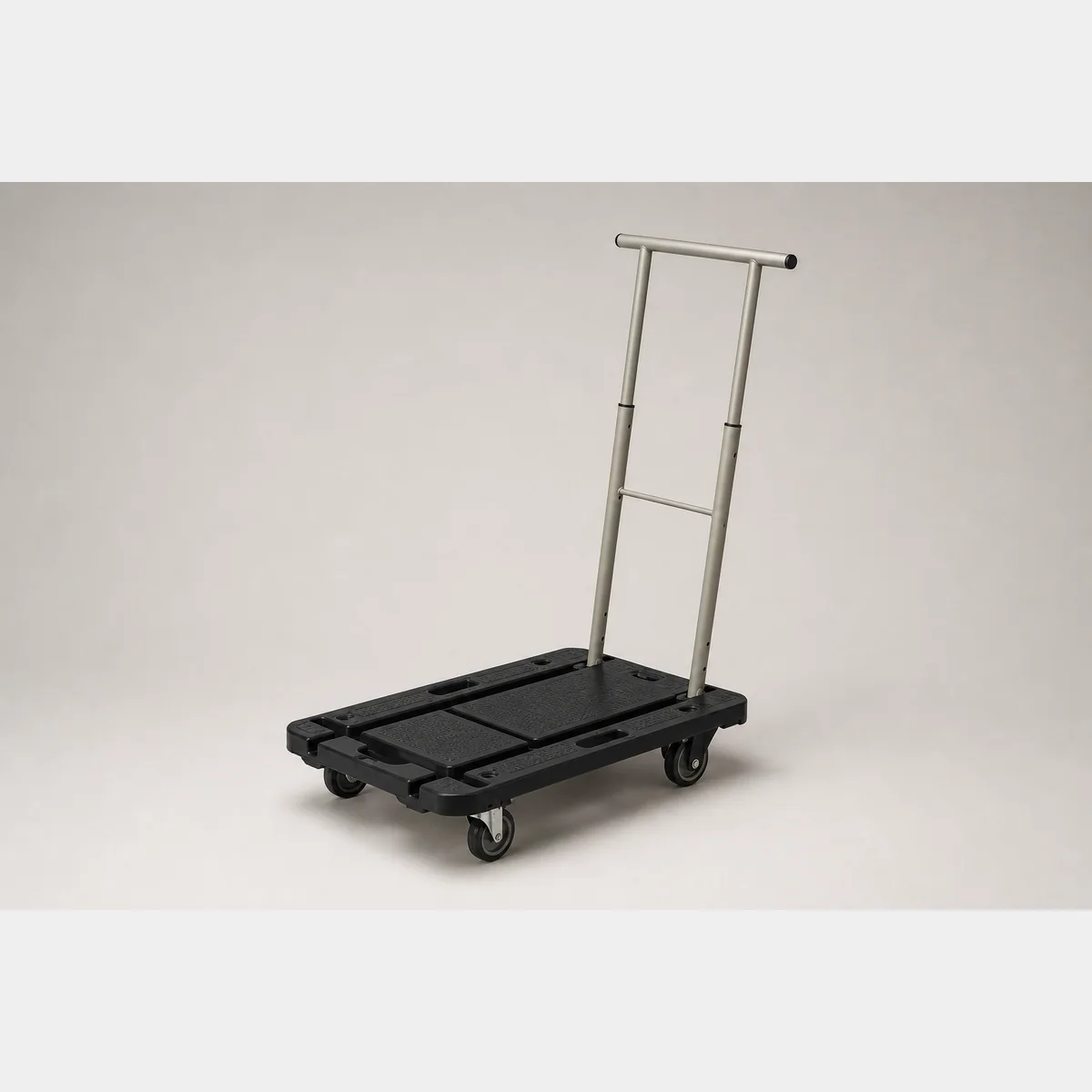
2-in-1 Hand Trolley
2-in-1 hand trolley, Dimensions/Specification: L600xW390xH820 mm; Formal quotation available based on application, specifications and quantity.
- Dimensions/Specification
- L600xW390xH820 mm
 Material Handling & LogisticsProduct reference image
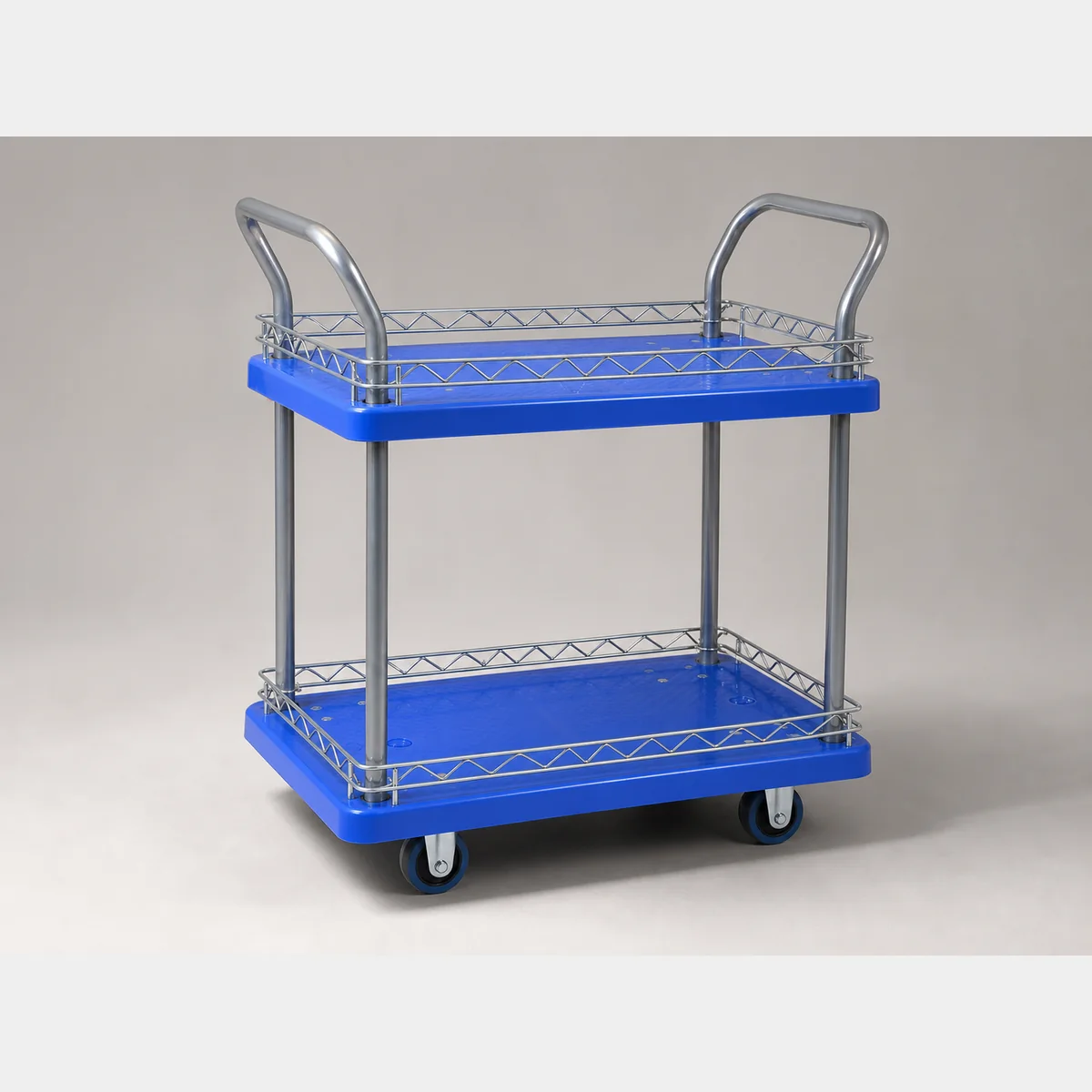
2-tier silent plastic trolley (with side guard rails)
2-tier silent plastic trolley (with side guard rails). (A) Dimensions: L730 X W480 X H950 MM; Net weight: 14.5kg *castor: 100 MM / 17.5kg *castor: 130 mm; Load capacity 150kg *shelf clearance: H550 MM. Formal quotation available based on application, specifications and quantity.
- (A) Dimensions
- L730 X W480 X H950 MM
- Net weight
- 14.5kg *castor: 100 MM / 17.5kg *castor: 130 mm
- Load capacity 150kg *shelf clearance
- H550 MM
 Material Handling & LogisticsProduct reference image
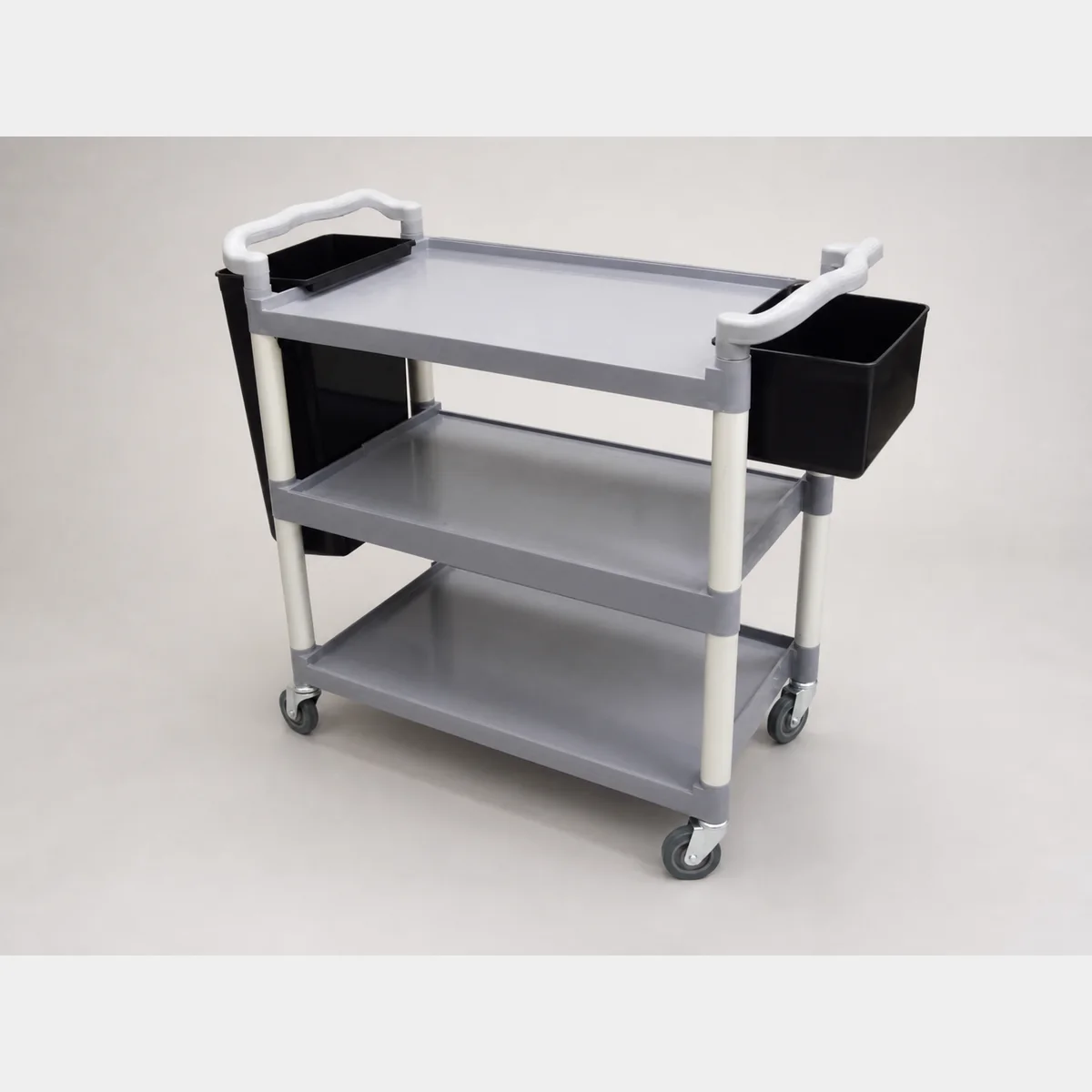
3-tier plastic trolley
3-tier plastic trolley. (Large) Overall dimensions: L103 X W51 X H96 CM; each shelf size: L83 cm x W51 cm / L62 cm x W41 cm; (Small) Overall dimensions: L80 X W41 X H96 CM. Formal quotation available based on usage, specifications and quantity.
- (Large) Overall dimensions
- L103 X W51 X H96 CM
- Each shelf size
- L83 cm x W51 cm / L62 cm x W41 cm
- (Small) Overall dimensions
- L80 X W41 X H96 CM
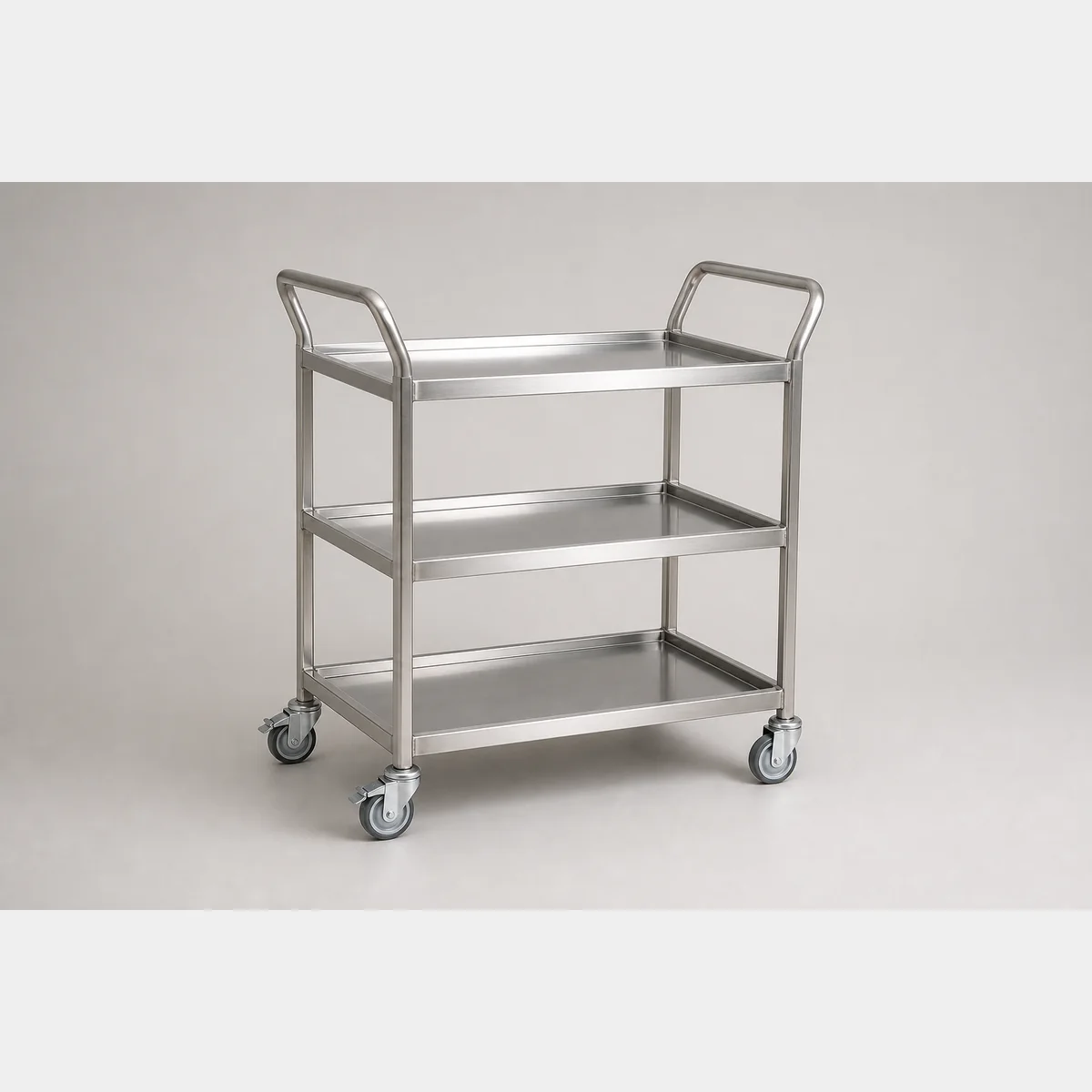 Material Handling & LogisticsProduct reference image
3-tier stainless steel push trolley
3-tier stainless steel push trolley, A: L600xW400xH850 mm; B: L700xW480xH900 mm; C: L850xW560xH950 mm. Formal quotation available based on intended use, specifications and quantity.
- A
- L600xW400xH850 mm
- B
- L700xW480xH900 mm
- C
- L850xW560xH950 mm
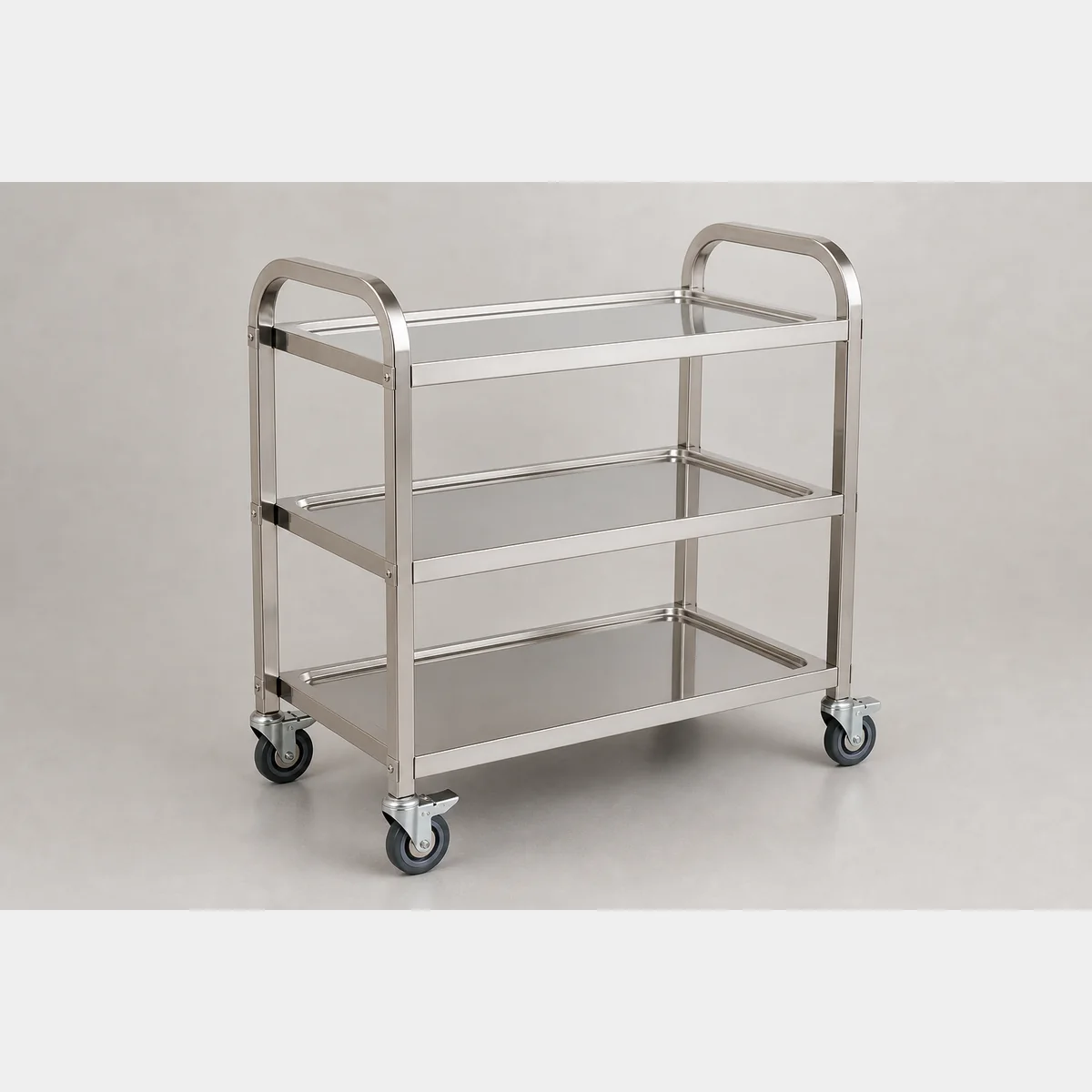 Material Handling & LogisticsProduct reference image
3-tier stainless steel trolley
3-tier stainless steel trolley. Material: stainless steel; Size (a): L75 X W40 X H83 CM; Size (b): L85 X W45 XH90 CM. Formal quotation available based on use, specifications and quantity.
- Material
- stainless steel
- Size (a)
- L75 X W40 X H83 CM
- Size (b)
- L85 X W45 XH90 CM
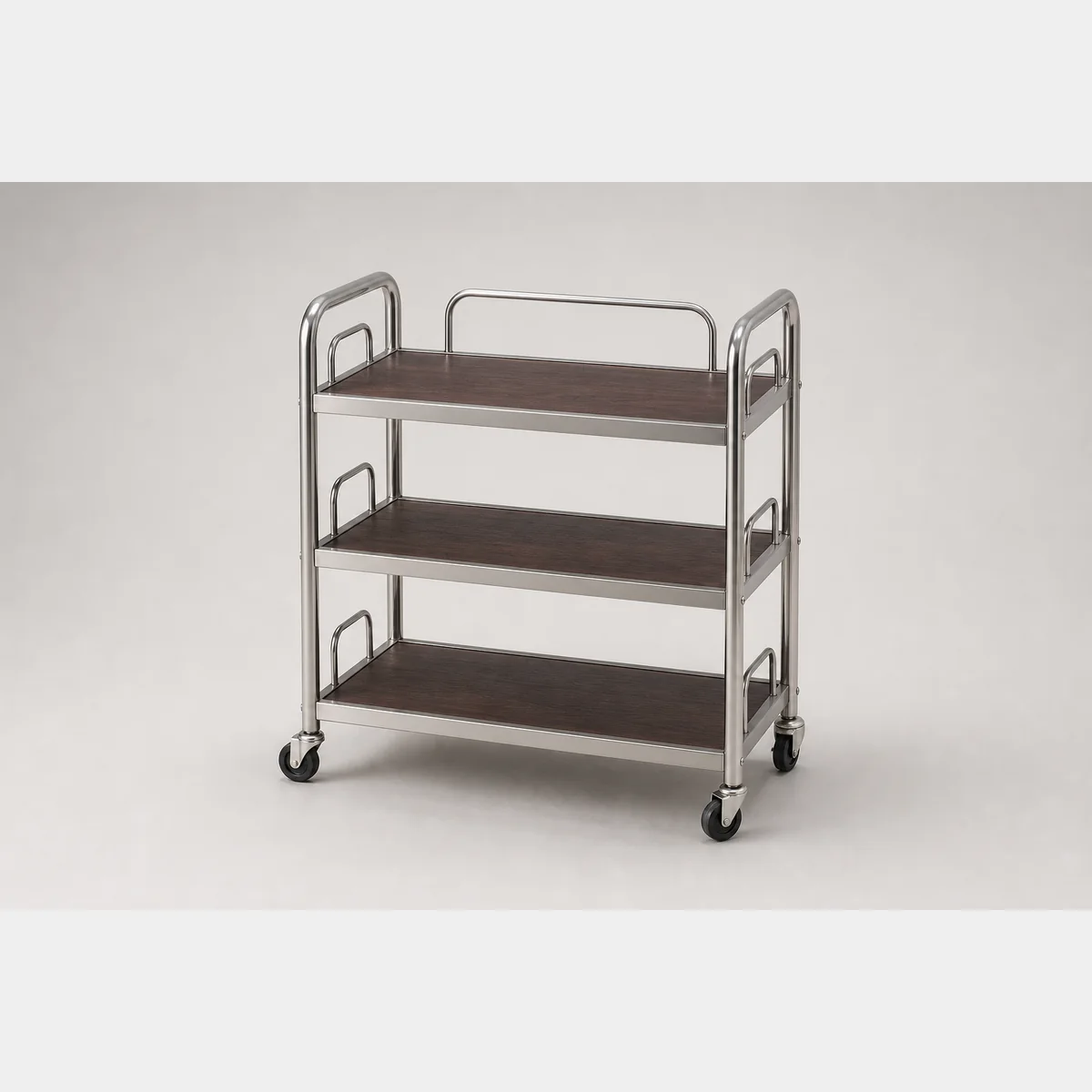 Material Handling & LogisticsProduct reference image
3-tier stainless steel trolley
3-tier stainless steel trolley. A: L60xW32xH77 cm; B: L54xW32xH77 cm. Formal quotation available upon request based on use, specifications and quantity.
- A
- L60xW32xH77 cm
- B
- L54xW32xH77 cm
Continue with closely related procurement topics
These pages share equipment, operating or decision-stage signals with this guide.
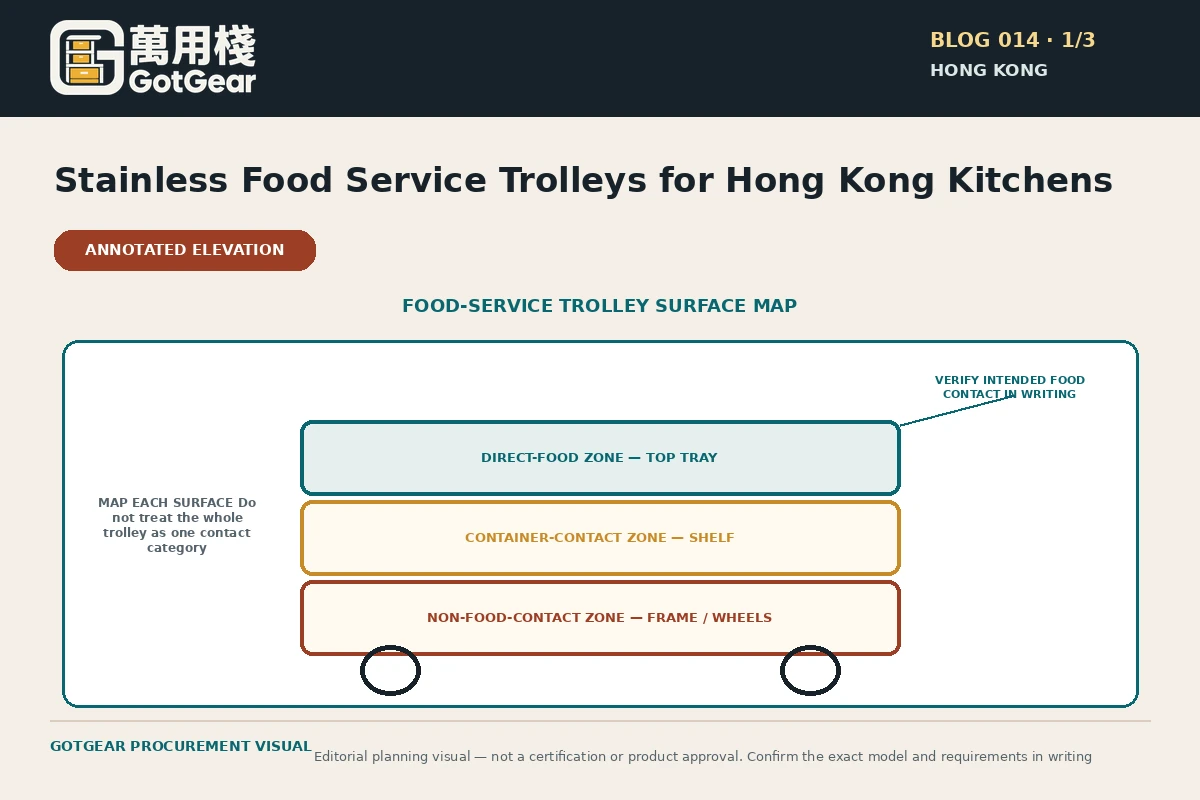
Stainless steel food service trolley Hong Kong
GotGear explains stainless steel food service trolley Hong Kong for Hong Kong buyers. See how stainless steel catering trolley Hong Kong supports food service trolley cleaning Hong Kong, with practical checks, evidence boundaries and written requirements.
Read the guide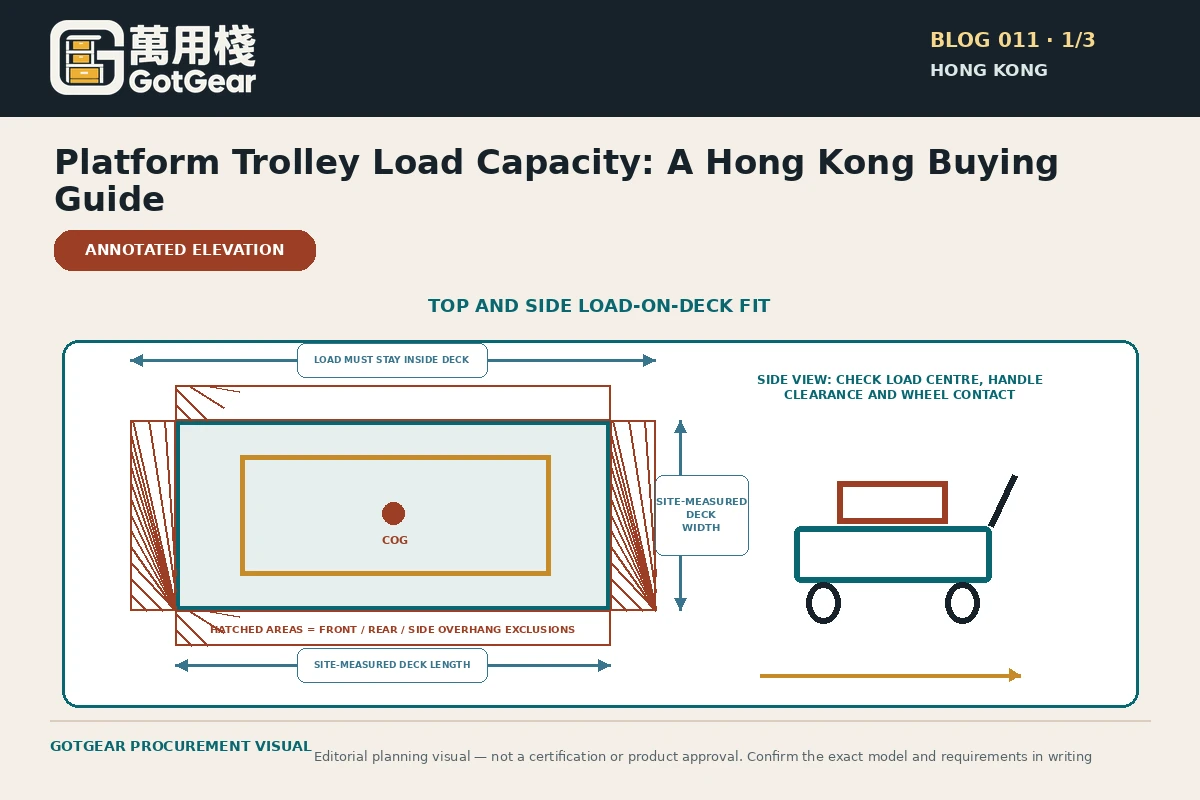
Platform trolley load capacity Hong Kong
GotGear explains platform trolley load capacity Hong Kong for Hong Kong buyers. See how platform trolley safe working load Hong Kong supports platform trolley deck size Hong Kong, with practical checks, evidence boundaries and written requirements.
Read the guide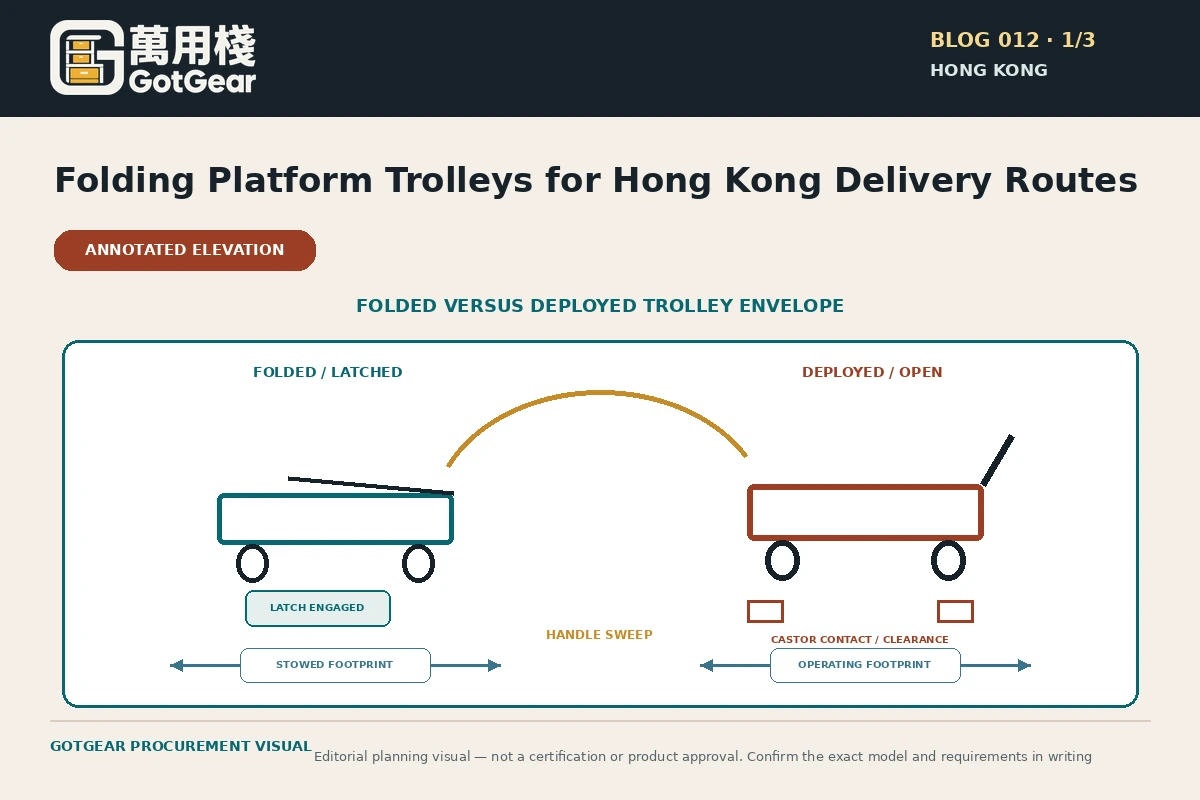
Folding platform trolley Hong Kong
GotGear explains folding platform trolley Hong Kong for Hong Kong buyers. See how foldable trolley for delivery vans Hong Kong supports compact platform trolley storage Hong Kong, with practical checks, evidence boundaries and written requirements.
Read the guide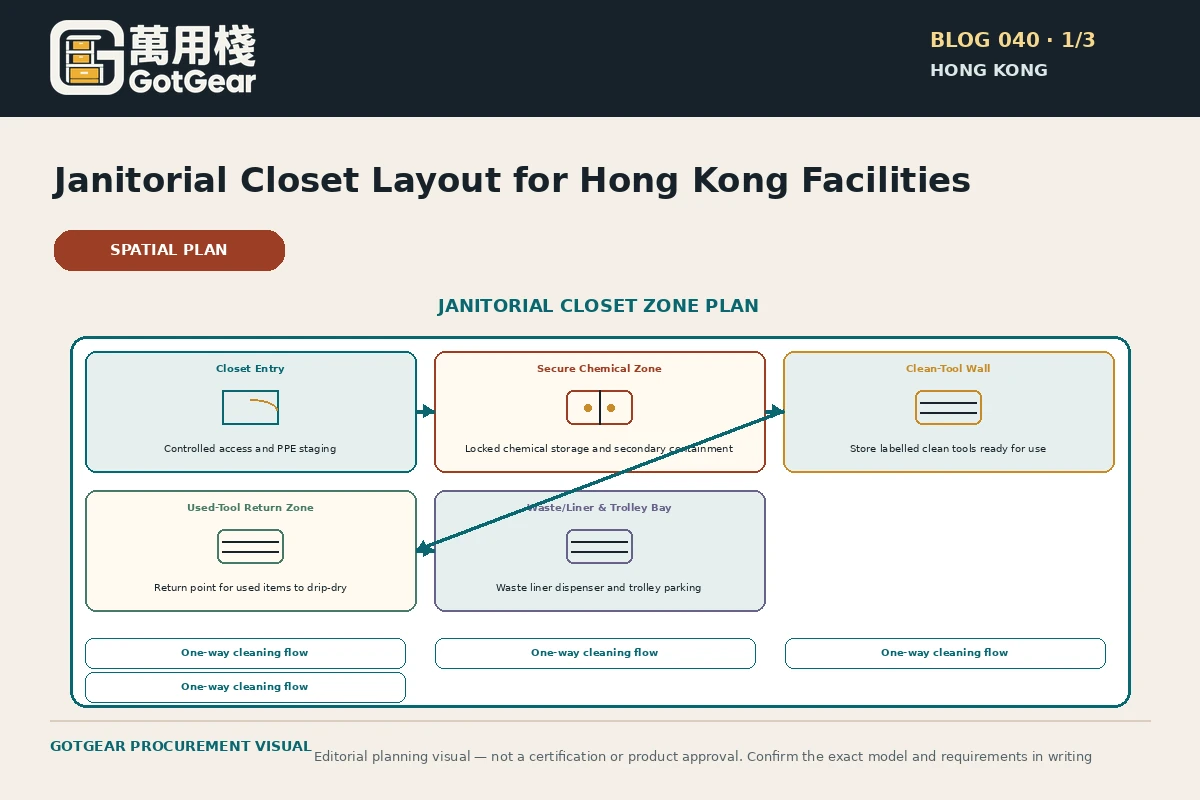
Janitorial closet layout Hong Kong
GotGear explains janitorial closet layout Hong Kong for Hong Kong buyers. See how commercial cleaning supply storage Hong Kong supports cleaning equipment storage room Hong Kong, with practical checks, evidence boundaries and written requirements.
Read the guideRelated topic indexOpen more English procurement pages12 topics
Browse additional equipment families, applications and procurement questions relevant to these operating requirements.